REVIEW · ROME
Rome: Best of Colosseum and Roman Forum Guided Tour
Book on GetYourGuide →Operated by TUI Musement · Bookable on GetYourGuide
The Colosseum feels personal here. This 3-hour small-group guided tour links the Roman Forum and Colosseum with real-world stories, from Nero’s great fire to gladiator games, so you’re not just looking at stone—you’re understanding it. I especially liked the small-group feel and the guide’s focus on what matters.
I love two things about this experience. First, you get strong interpretation from a local expert like Valerie, a professional archaeologist who makes Roman history easy to follow and actually fun. Second, the pace is practical: you spend your time at the sites instead of wandering or getting lost in the crowd. One possible drawback is physical: this tour isn’t suitable for people with mobility impairments or wheelchair users, so plan for uneven walking and stairs.
In This Review
- Key highlights to expect
- Starting point near the Colosseum: how not to lose time
- Roman Forum: the political and everyday heartbeat of ancient Rome
- Palatine viewpoints: why that short walk is worth it
- Entering the Colosseum: Nero, gladiators, and the myths people remember
- A practical note on hearing
- Arch of Constantine and Palatine area: adding meaning to famous landmarks
- Small-group size and headsets: why this tour feels easier than big crowds
- What the guide does with your time (and why it’s good value)
- Who this tour fits best
- Logistics you should handle before you go
- What kind of day you’ll have
- Should you book the Colosseum and Roman Forum small-group tour?
- FAQ
- How long is the Rome Best of Colosseum and Roman Forum guided tour?
- How many people are in the group?
- What sites are included in the tour?
- Is admission included in the price?
- Do I need to bring ID to enter?
- What should I wear and bring?
- Is the tour suitable for wheelchair users or people with mobility impairments?
- Are food and drinks included?
Key highlights to expect
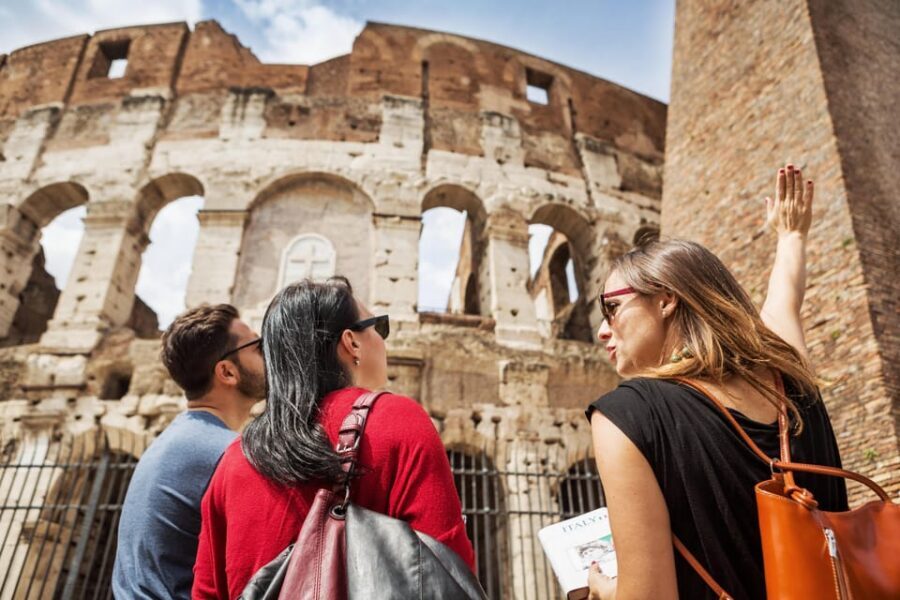
- Small group size (up to 16) keeps questions flowing and the tour from feeling rushed.
- Forum-first context helps you understand what you’re seeing before you step into the Colosseum.
- Archaeologist-led storytelling (Valerie) turns ruins into clear, believable scenes.
- Headsets for larger groups help you hear every detail when you’re near other tours.
- A tight route that includes Roman Forum, Palatine viewpoints, and a visit inside the Colosseum.
Starting point near the Colosseum: how not to lose time
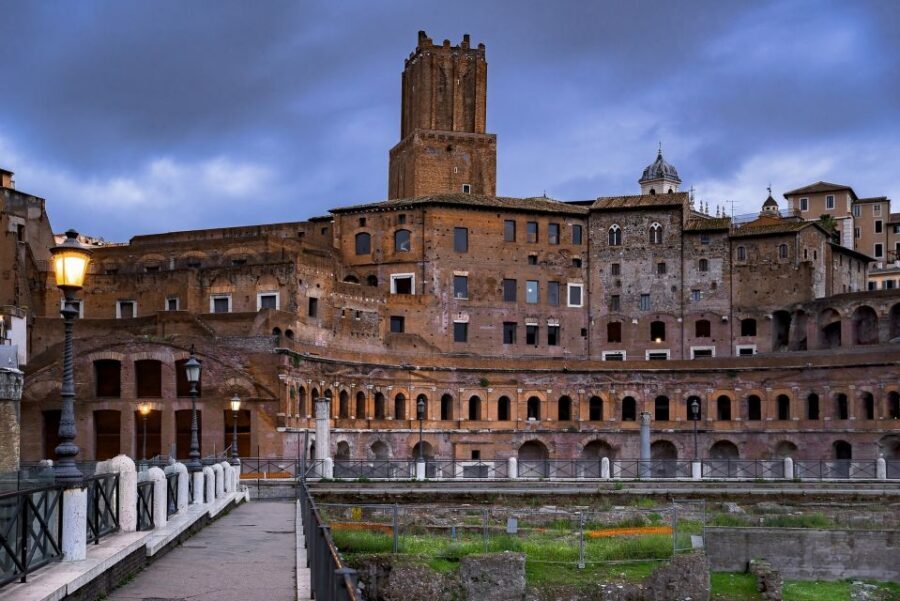
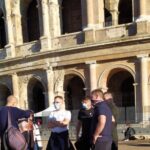
You’ll meet at Piazza del Colosseo, 21, in the area along Via dei Fori Imperiali. The instructions are specific: meet between the green newspaper stand and the fountain, on the right side of the metro station B Colosseum exit. Your guide will be holding a TUI sign/flag.
This matters more than it sounds. The Colosseum area is busy, and tours cluster close together. Showing up 10–15 minutes early gives you time to find the right group and settle in before heading to the first site.
Bring your passport or ID card as required for entry. Wear comfortable shoes—expect cobblestones, steps, and long stretches on your feet. A sun hat is a smart move too, because even when the ruins offer partial shade, Rome’s light and heat can catch you off guard.
More Roman Forum tours for the Colosseum & Ancient Rome
Roman Forum: the political and everyday heartbeat of ancient Rome
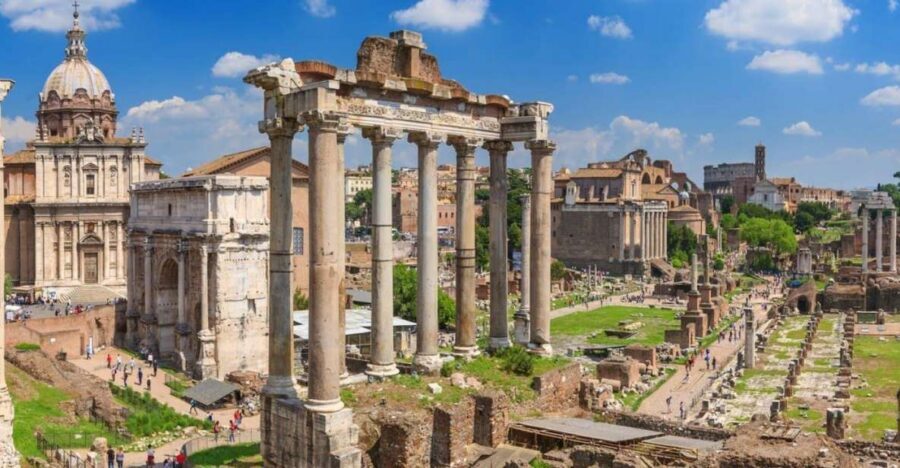
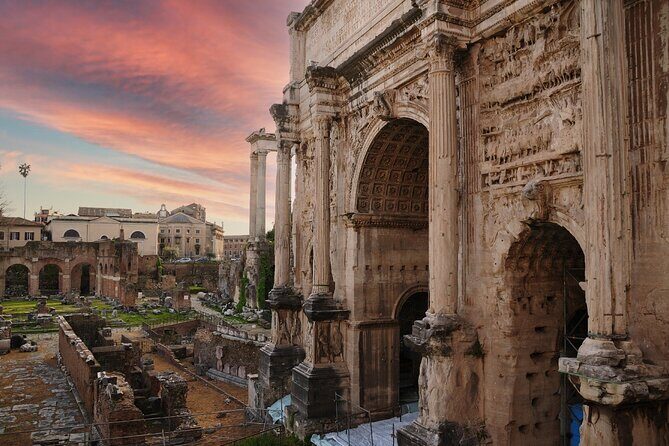
The tour begins with a guided look at the Roman Forum, where you’ll spend about one hour. This is not just a walk among columns. It’s the place you can use to build a mental map of how Rome worked day to day—socially, commercially, and politically—because the Forum functioned like the city’s nerve center.
What I like about focusing on the Forum early is that it gives you the why. When you later enter the Colosseum, you’re better prepared to understand it as more than a famous arena. You can connect the spectacle to the civic life around it: power, status, and public entertainment all in the same orbit.
The Forum is now in ruins, but the guide’s job is to point you to the traces that still communicate scale and purpose. You’ll also get the kind of context that helps you avoid one common mistake in Rome: treating ancient sites like isolated “photo backdrops.” With the Forum first, everything starts linking together.
Palatine viewpoints: why that short walk is worth it
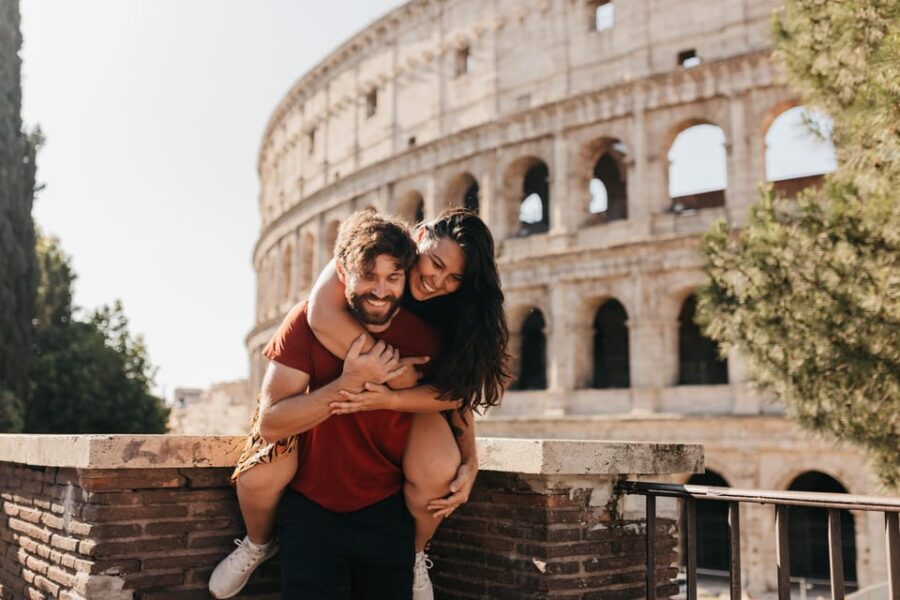
Next you’ll move toward the Terrazza Belvedere del Palatino area. You’ll pass by the terrace for a short stop—around 10 minutes—mainly for the views and orientation.
This is the section I consider a breather with a purpose. Roman ruins can feel abstract until you see how the spaces relate. Even a brief viewpoint stop can help you visualize how people moved through the city and how the hills shaped what was built below.
Don’t expect a long scenic detour here. It’s short on purpose, because the real payoff is what you do with that perspective when you later look at the Colosseum interior.
Entering the Colosseum: Nero, gladiators, and the myths people remember
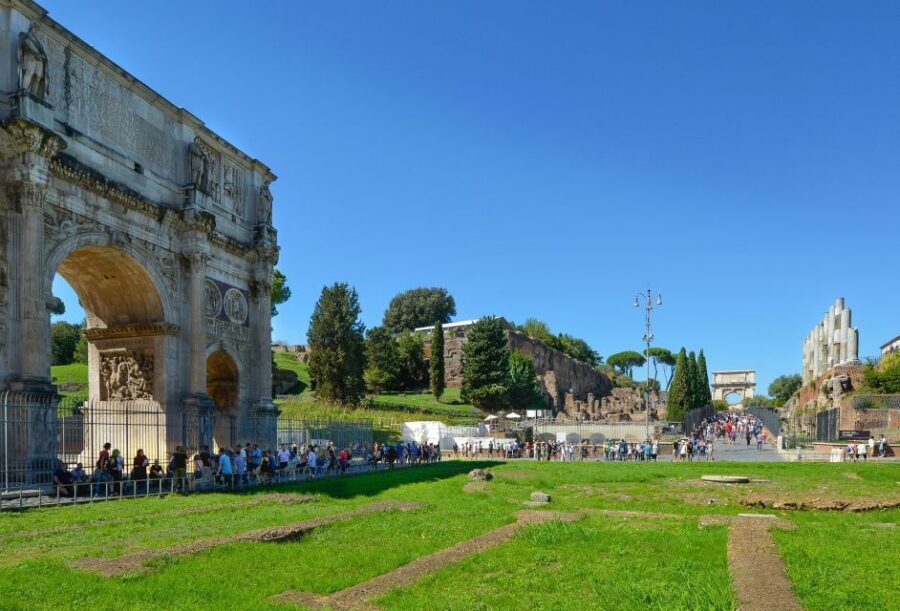
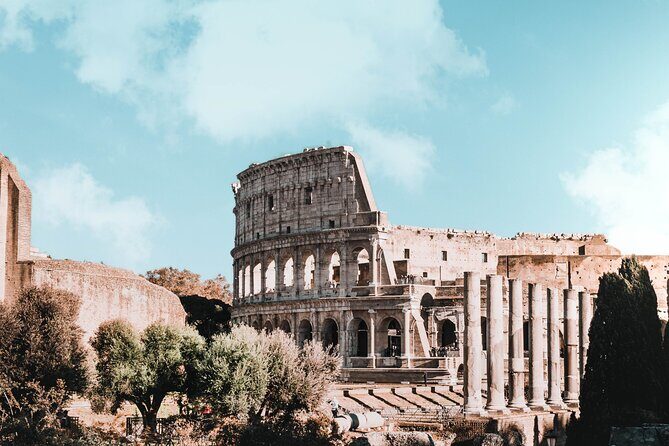
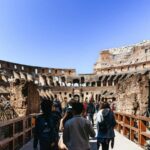
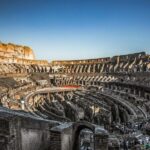
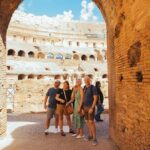
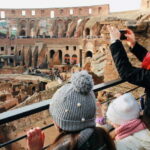
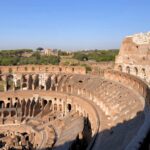
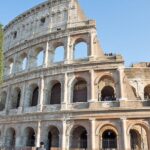
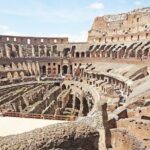
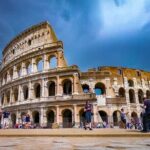
Your big moment comes inside the Colosseum, where you’ll have about 110 minutes of guided time. This is where the tour leans into stories and evidence rather than empty drama.
The Colosseum guide approach focuses on three things you can actually use while you’re standing there:
- What the arena was for (beyond the obvious)
- Why certain stories stuck around—including the popular myths
- How some famous claims connect to the evidence people point to
The tour highlights themes tied to Nero’s great fire and the darker details of gladiator games. The point isn’t shock for shock’s sake. It’s context: who ruled, what society valued, how spectacle fit into political messaging, and why the myths endure even when the details are complicated.
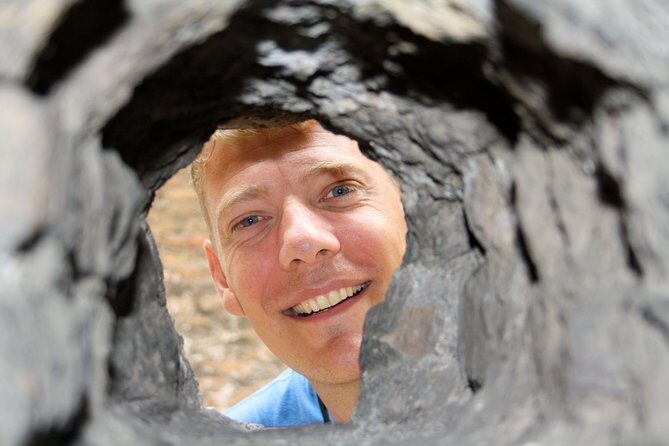
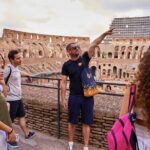
This is also where the presence of an expert guide makes a real difference. One guide you might meet is Valerie, described as a professional archaeologist who enjoys making history accessible and playful. That style matters in a place like the Colosseum, because you’re surrounded by centuries of interpretation. A good guide helps you cut through the noise and focus on what you can actually see and understand on-site.
A practical note on hearing
Colosseum day can be loud, with other groups around you. One past guest noted that the guide was a bit soft spoken while nearby tours carried stronger voices. The good news: this tour provides headsets for groups of more than 6 people, which should make a big difference. Still, it’s smart to stay near the guide when you can, and keep your headset positioned correctly.
Other guided tours in Rome

Arch of Constantine and Palatine area: adding meaning to famous landmarks
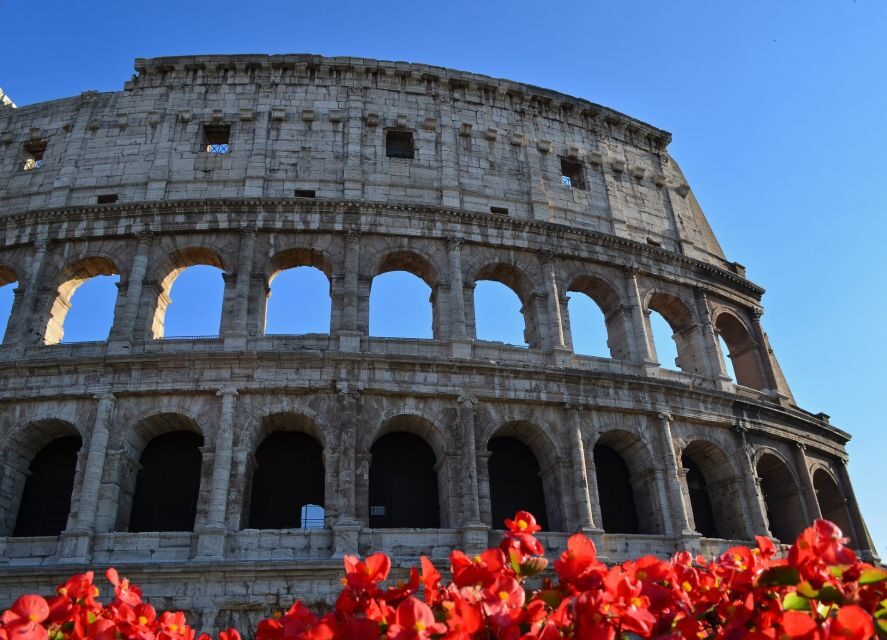
Even if you don’t spend all day at every single monument, you’ll still get guided attention to major landmarks in the wider area—like the Arch of Constantine—and you’ll connect that to what you’re seeing around it.
This part is valuable because it turns “famous” into “useful.” Rome has plenty of landmarks that look impressive but don’t automatically explain themselves. A guide helps you see how monuments fit into the same urban story, rather than treating each one like a separate museum stop.
Small-group size and headsets: why this tour feels easier than big crowds
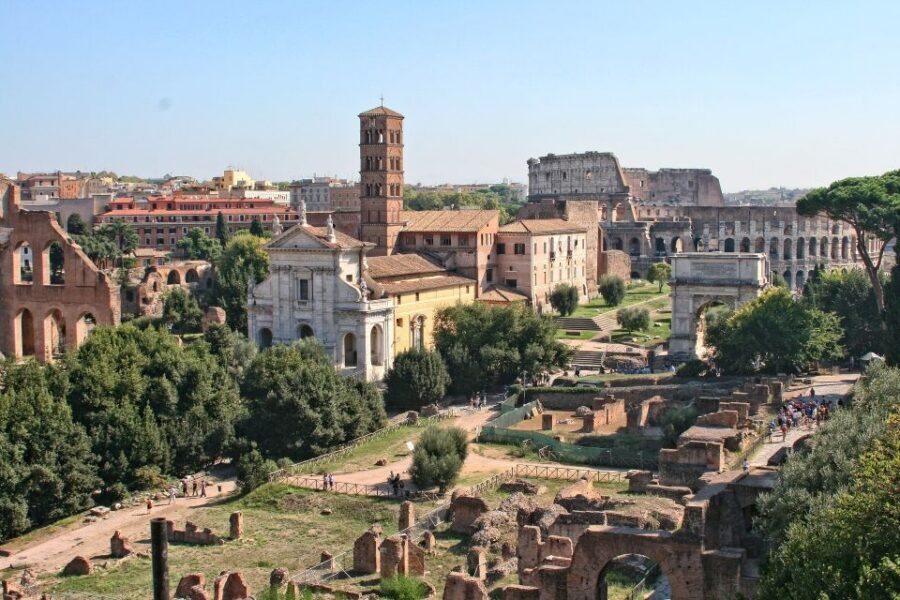
This is a small-group tour, with a maximum size of 16 people. That’s a sweet spot for a mega-attraction like the Colosseum and Roman Forum.
In practice, smaller groups mean:
- You’re less likely to get separated from the guide.
- Questions can actually get answered instead of rushed through.
- The pace stays human. You get time to look, not just move.
If the group is larger within the tour’s structure, you’ll have headsets so you can hear your guide clearly. That’s not a luxury detail. In the Colosseum area, it’s the difference between catching 70% of the story and catching nearly all of it.
What the guide does with your time (and why it’s good value)
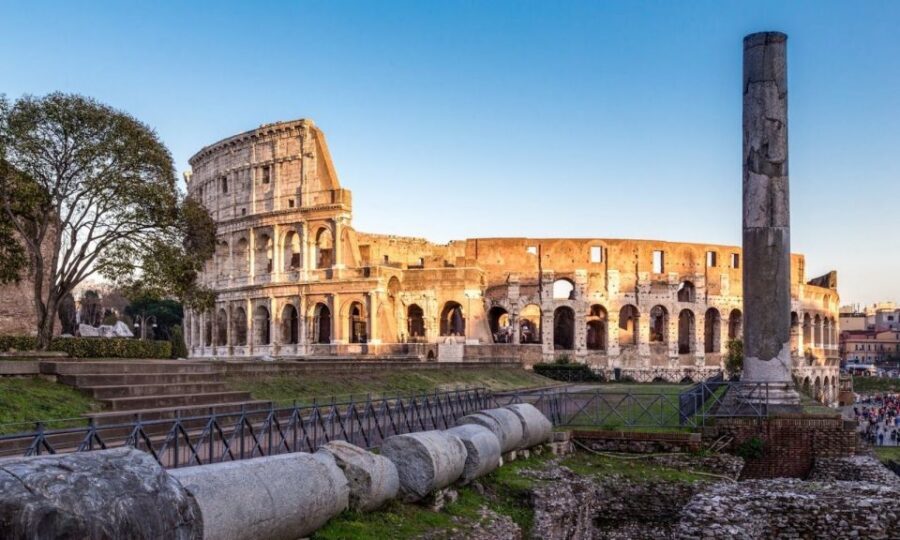
Let’s talk value, since this tour costs $70 per person for 3 hours.
On paper, it’s a set price for a guided experience. In reality, the value comes from two things that reduce stress:
- Admission and reservation fees are included for the Colosseum, Palatine Hill, and Roman Forum. You’re not juggling tickets while trying to start sightseeing.
- You’re getting expert interpretation inside the places that require time and focus to understand.
If you’re the kind of traveler who likes to know what you’re seeing instead of just taking photos, this is the sort of tour that pays off quickly. And it’s especially useful when you’re short on time in Rome, because it compresses big-ticket sights into one guided route.
Who this tour fits best
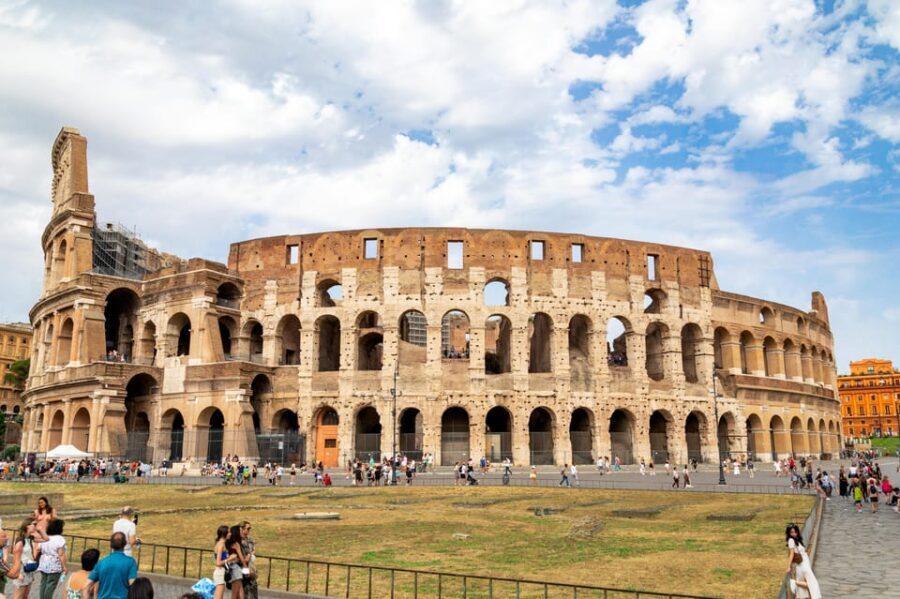
This tour is a strong choice if you:
- Want a guided, story-driven walk that connects the Roman Forum to the Colosseum.
- Prefer smaller groups over the big-coach style.
- Appreciate archaeology-level context or guides who can explain what you’re looking at in plain language.
A couple of past guests praised guides for being engaging and for giving practical additions beyond just the sites—like help with transport, shopping, and restaurant ideas. That kind of “what to do next” is helpful when you’re trying to plan the rest of your day.
If you need wheelchair access or mobility support, this one isn’t designed for you, since it isn’t suitable for wheelchair users or people with mobility impairments.
Logistics you should handle before you go
A few “do this right now” items can save headaches.
- Name submission for entry: You’ll need to send the name and surname of each participant after booking, because this information is mandatory for admission and entry. If you miss it, you may not be able to enter.
- Name cannot be changed: Colosseum rules require the identity document name to match the booking name, and the booking name can’t be updated later.
- No large bags: Luggage or oversized bags aren’t allowed, so travel light.
- Weather and closures: If closures happen due to strikes, union meetings, or bad weather, the provider isn’t responsible for the inconvenience.
Also, keep in mind you won’t be doing this tour with food included. You’ll likely be walking and standing for several hours total, so plan to eat before or after (and bring water if you’re allowed by your own preferences, since food and drinks aren’t part of the tour).
What kind of day you’ll have
You should expect a tour that starts with context, then shifts into dramatic, detailed storytelling once you’re inside the Colosseum.
- Roman Forum: grounded explanation of how Rome functioned.
- Palatine area viewpoint: quick visual orientation.
- Colosseum: the big payoff, with stories centered on Nero, gladiators, and myth-versus-reality.
If you like structure, this layout helps. It takes you from politics and daily life to public spectacle, which is exactly the connection that makes ancient Rome feel less like random ruins and more like a real society.
Should you book the Colosseum and Roman Forum small-group tour?
Book it if you want the sites explained by a local expert and you care about understanding rather than just collecting landmarks. The included admission/reservations and the small-group size make it a calmer, smarter way to handle Rome’s most famous area.
Skip it or look for another option if:
- You have mobility limitations that make steps and uneven surfaces a problem.
- You prefer self-guided wandering over structured storytelling.
- You’re the type who only wants a quick “see it and move on” visit.
If you do book, double-check your ID details and make sure you send the participant names as required. That part is not optional if you want smooth entry.
In short: for most visitors, this is a solid value buy—especially if you’re spending limited time in Rome and want the Colosseum and Forum to make sense fast.
FAQ
How long is the Rome Best of Colosseum and Roman Forum guided tour?
The tour duration is 3 hours.
How many people are in the group?
It’s a small group with a maximum of up to 16 people.
What sites are included in the tour?
You’ll visit the Roman Forum, Palatine Hill (including a viewpoint area), and the Colosseum. You’ll also see the Arch of Constantine area as part of the guided experience.
Is admission included in the price?
Yes. Admission and reservation fees for the Colosseum, Palatine Hill, and Roman Forum are included.
Do I need to bring ID to enter?
Yes. You need a passport or ID card, and the name on your booking must match your identity document.
What should I wear and bring?
Wear comfortable shoes and consider bringing a sun hat. Bring your passport or ID card.
Is the tour suitable for wheelchair users or people with mobility impairments?
No. The tour is not suitable for people with mobility impairments and it isn’t for wheelchair users.
Are food and drinks included?
No. Food and drinks are not included.