REVIEW · ROME
Colosseum and Ancient Rome Private Guided Tour
Book on Viator →Operated by City Walkers Tours · Bookable on Viator
One day in Rome hits hardest at the Colosseum, and this tour makes it make sense fast. I love the private guide format that keeps the pace human, and I love that you check off the Colosseum, Roman Forum, and Palatine Hill together instead of stretching it over multiple tours. The main trade-off: you do not get the Underground or Belvedere levels, and the walking is not for mobility-limited travelers.
You’ll meet the guide at L.go Gaetana Agnesi, 5, then end in the Roman Forum area. Expect about 3 hours, in English, with admission tickets included for the sites covered—plus smart context so the ruins feel like real places, not just stones.
In This Review
- Key reasons this private Colosseum–Forum–Palatine tour works
- Why This Private Colosseum–Forum–Palatine Route Fits in 3 Hours
- Meeting Point and the Clock: Arrival Time, Finish Spot, and Order Changes
- Entering the Colosseum and the Gladiator Entrance
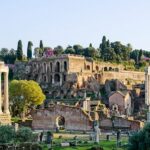
- Roman Forum: From Marshy Ground to the Empire’s Admin Center
- Palatine Hill: Romulus, the Seven Hills, and Imperial Palaces
- Private Guide Quality: What You Get (and the One Common Quirk)
- Price and Ticket Value: What $251.64 Buys You
- Walking Reality: Fitness, Heat, and Site Constraints
- Who This Colosseum–Forum–Palatine Private Tour Is Best For
- Should You Book This Tour?
- FAQ
- How long is the Colosseum, Roman Forum, and Palatine Hill private tour?
- Is the tour offered in English?
- What stops are included in this guided tour?
- Are admission tickets included?
- What parts of the Colosseum are not included?
- What is the meeting point and where does the tour end?
- Do I need to bring ID for entry?
- Can the tour order change?
- Is this tour suitable for travelers with mobility impairments?
Key reasons this private Colosseum–Forum–Palatine tour works
- One guide, three headline sites: Colosseum, Forum, and Palatine Hill in ~3 hours
- Tailored pacing: you can slow down, ask questions, and adjust when the heat hits
- Gladiator Entrance time: see where fighters entered the arena
- Tickets included: Palatine Hill and Roman Forum included, plus Colosseum entrance
- Licensed local guides: you get lived-in Rome perspective from experts like Andrada, Matzy, Susanna, Simone, and Alex
- Headset support is expected: guides may strongly prefer the whisper mic/headset system while walking
Why This Private Colosseum–Forum–Palatine Route Fits in 3 Hours
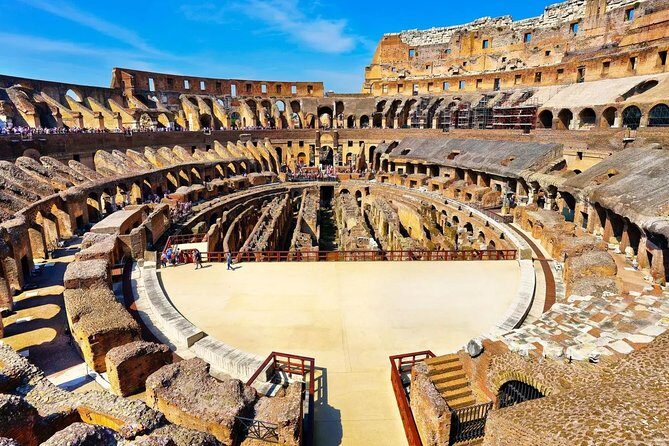
Rome’s ancient sites can feel like three separate trips. What I like here is that the structure is built around a single, logical arc of time: the spectacle of the Colosseum, the governing engine of the Roman Forum, then the origin story up on Palatine Hill.
A private tour also changes the experience of crowds. Instead of losing your place behind the fastest group, your guide can shape the route and rhythm to your questions—especially if you’re the type who wants to know what you’re looking at, not just get photos.
The biggest thing to know up front: this tour is designed for a strong overview, not a full-on climb everywhere possible. If you dream of underground tunnels or Belvedere viewpoints, this one won’t cover those levels.
More Ancient Rome tours for the Colosseum & Ancient Rome
Meeting Point and the Clock: Arrival Time, Finish Spot, and Order Changes
You’ll start at L.go Gaetana Agnesi, 5, 00184 Roma RM. The tour ends at the Roman Forum (and there’s an alternate possibility with a reverse route where you end near the Colosseum exit).
You should show up 20 minutes early to keep things smooth. That’s not just “nice to have”—the tour requires correct traveler names and matching ID details for entry, so timing matters.
One more practical detail: depending on ticket availability, the order can shift so you might see the Forum and Palatine Hill first, then the Colosseum later. This doesn’t usually change the value, but it can affect the light and your energy level, so go with the flow.
Entering the Colosseum and the Gladiator Entrance
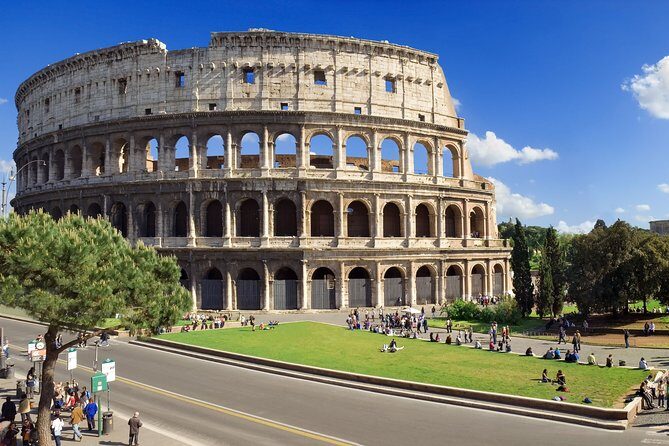
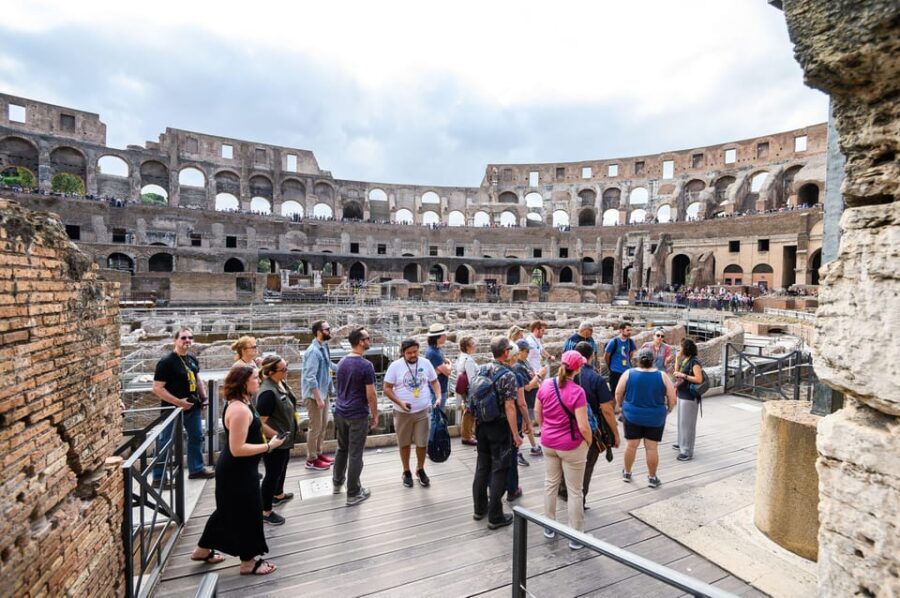
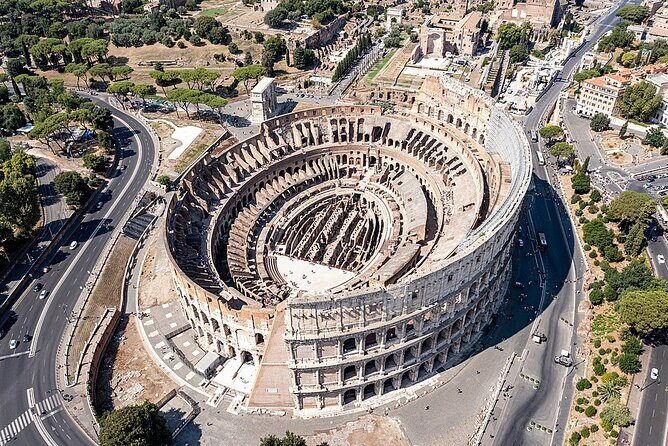
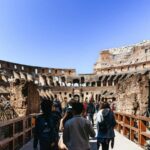
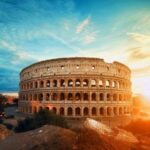
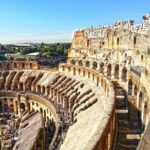
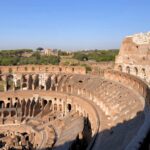
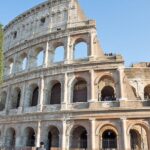
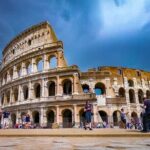
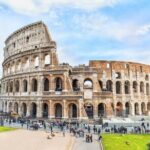
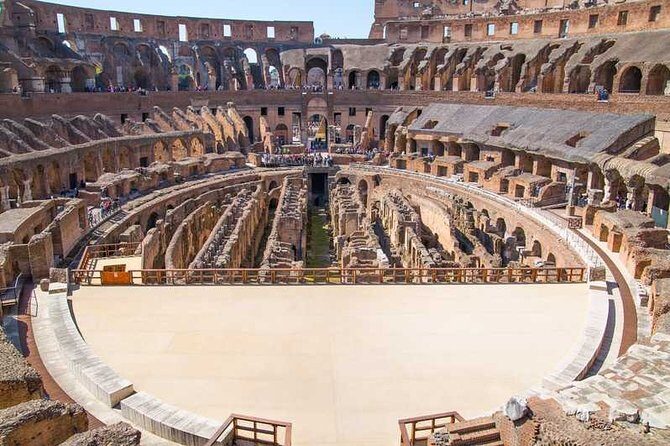
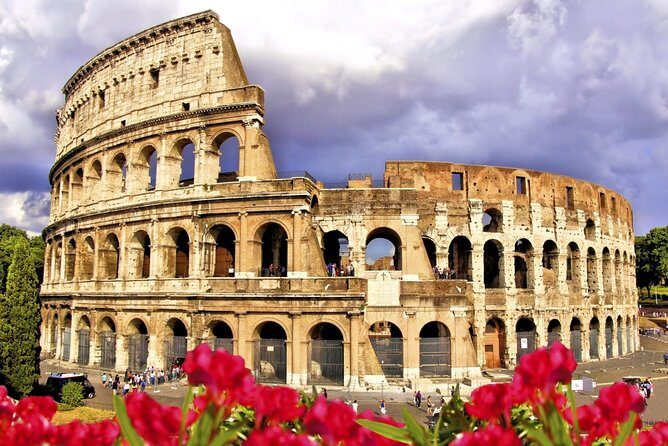
The star of the day is the Colosseum—formally the Flavian Amphitheatre—and your guide is set up to turn the building into a story. Construction began around 72 AD and finished around 80 AD, meaning roughly 8 years to build an engineering icon meant to entertain Rome’s public life.
Your time focuses on what most people remember (the arena and major features) and what many people miss (meaning and context). You’ll learn the political and social background before, during, and after construction—because this is not just a stadium. It’s a public statement about power.
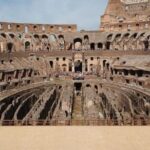
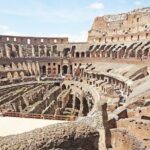
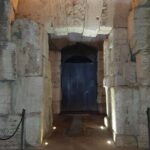
A highlight is the Gladiator Entrance, where fighters entered the arena. Standing near that point makes the whole spectacle feel physical. It’s one thing to read about games; it’s another to look at the space and understand the show had choreography and drama built in.
What’s not included is also important. The tour specifically excludes the Underground and Belvedere levels, so plan your expectations accordingly if those areas are a must for your bucket list.
Roman Forum: From Marshy Ground to the Empire’s Admin Center
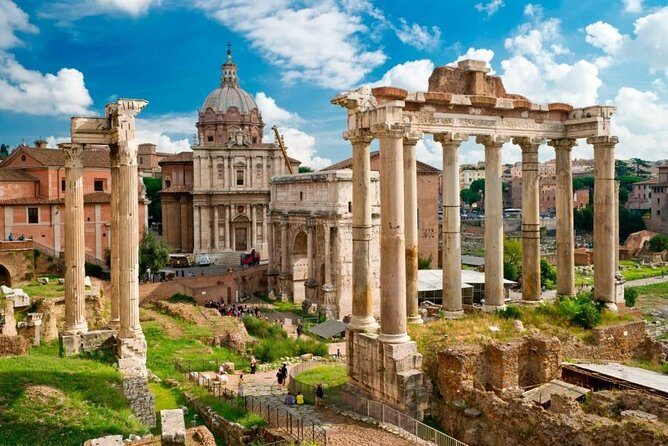
A few minutes away, the Roman Forum does the opposite job of the Colosseum. Where the amphitheater is about spectacle, the Forum is about the machinery of society.
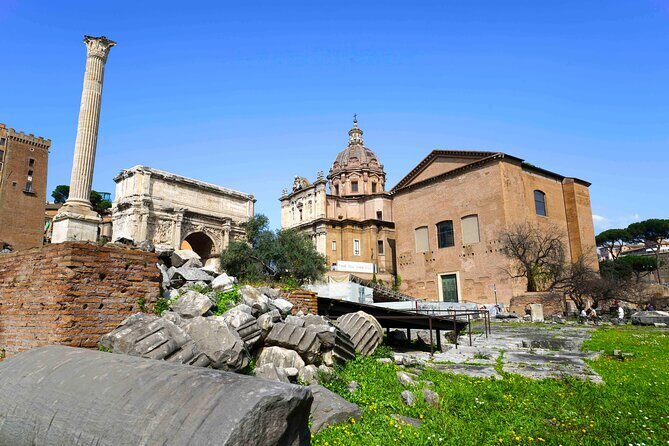
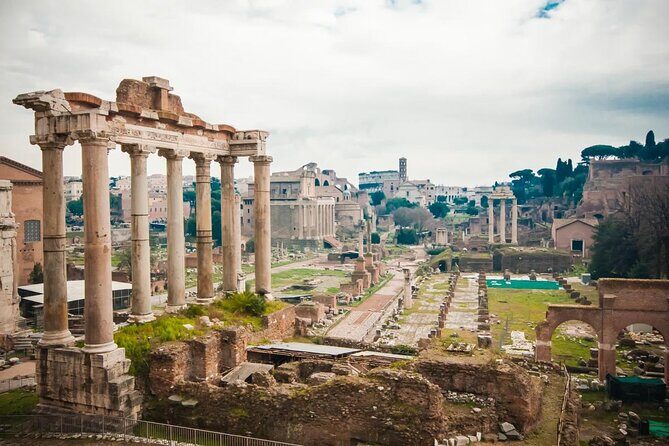
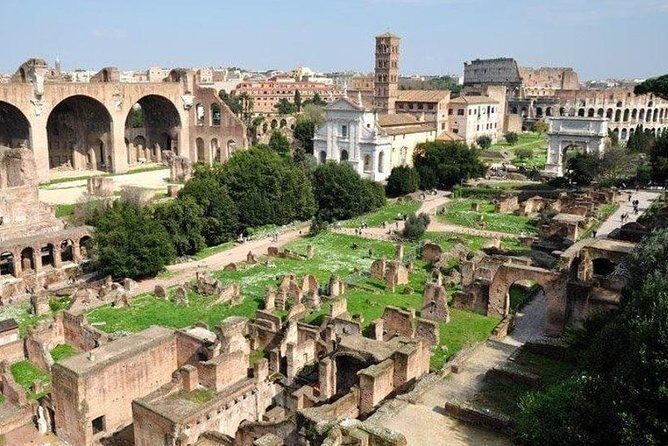
This area served as the political, religious, judicial, and financial center of Rome and the wider empire. Your guide will help you connect the dots between those functions—how law and religion shaped leadership, and how administration and money made the empire run.
What I find useful is the way the Forum is framed as a transformation. It wasn’t always a built-up hub. The area was once marshy land, and it became the city’s core already under the regal period—long before the later emperors and the massive scale people picture.
You’ll also get your bearings by focusing on major building types you can still recognize in ruins: the House of the Senate, temples, basilicas, and other key structures. Even if you’re not a history nerd, this kind of guided “what you’re looking at and why it matters” helps your brain organize the chaos.
A private guide also helps because the Forum is easy to misread on your own. There are lots of stones that look similar. A good guide keeps pointing out what is where and what it used to do.
Palatine Hill: Romulus, the Seven Hills, and Imperial Palaces
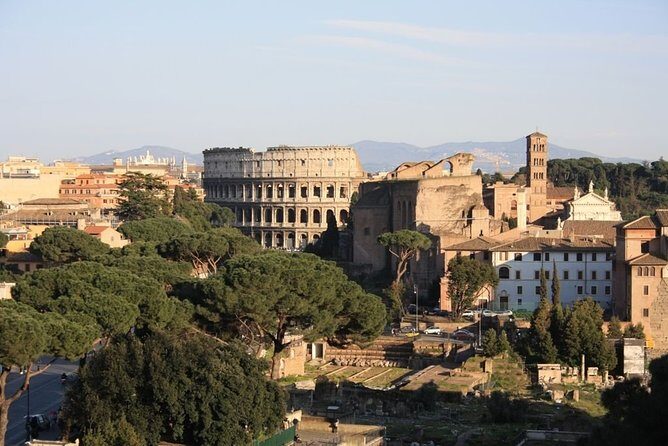
Palatine Hill sits above the Forum, and it gives the day a satisfying “origin-to-empire” arc. This is one of the places tied to Rome’s founding story, with the popular myth connecting it to Romulus choosing the area as the settlement core.
Your guide will explain why Palatine makes sense geographically: Romulus favored it as the best option among the seven hills, and early settlements were often placed on higher ground close to water sources for both strategy and practical survival. That means fewer flood problems, plus a defensive advantage if trouble came.
You’ll hear about the foundation myth of Romulus and Remus, then how Romulus became the first king of Rome. It’s not just legend-telling; the point is to show how Romans used stories to justify power and identity.
Then the tour shifts into the imperial era. Palatine is where you’ll see ruins associated with the once-imposing houses, villas, and palaces of kings, emperors, and notable people. The contrast with the Forum is striking: the Forum is where decisions happened; Palatine is where elite life unfolded.
Other guided tours in Rome

Private Guide Quality: What You Get (and the One Common Quirk)
A private tour is only as good as the person guiding it. The best part here is that you’re not stuck with generic facts. Local guides bring context that makes you understand how Romans thought and used public space.
In the reviews, guides named Andrada, Matzy, Susanna, Simone, and Alex get singled out for passion and expertise, and several comments praise how fast the time goes. That matches what you want from a 3-hour format: enough momentum that you don’t lose the thread halfway through.
There’s also a very specific practical note that’s worth your attention. One guide, Susanna, is described as strongly preferring a whisper mic/headset system over speaking directly while walking, since she talks while on the move. In a private tour, it can feel optional, but the lesson is simple: if the guide offers a headset, use it. It’s the difference between catching the story and missing it.
You should also know that a private experience can still run into communication rough spots. One review described answers that weren’t relevant to a question. The fix is easy: ask your follow-up clearly and keep it focused. If you’re the type who asks lots of branching questions, you’ll usually get what you want, but it helps to stay specific.
Price and Ticket Value: What $251.64 Buys You
At $251.64 per person, this is not a budget add-on. So what makes it feel worth it?
First, admission tickets are included for what you actually visit: Palatine Hill and the Roman Forum are included, and the Colosseum has an entrance ticket included as well (with the Colosseum ticket valued at €18 per adult). There’s also a booking fee of 2€ noted, and the remaining cost covers guide and other tour services.
Second, you’re paying for time and interpretation. The Colosseum alone can take hours if you’re sorting it out on your own. With a guide, you get the why behind the what—especially around the political and social context linked to the building and the Forum’s role.
Third, the private pacing matters in real life. You can linger where you care (for example, gladiator entrance details or the Forum’s civic structure) and skip what you’re not as interested in. A private setup can be better value than paying for multiple separate group tours, since you’re combining three big stops with one guide.
What might make you hesitate is what’s excluded: no Underground and no Belvedere levels. If those are your priority, you may need a different tour or a separate add-on.
Also, transportation and hotel pickup are not included. That’s common in city-center tours, but it means your day needs a solid plan for how you’ll reach the meeting point.
Walking Reality: Fitness, Heat, and Site Constraints
This isn’t a seated, browse-at-your-own-speed tour. The tour requires a moderate physical fitness level, and it’s not suitable for travelers with mobility impairments. Plan for uneven ground, stairs, and concentrated walking time.
Heat is also real in Rome. One review mentioned the guide shortening the tour due to 93+ degree heat, even with a morning start. That’s a sign of flexibility, but it also tells you the day can get intense fast.
So do the practical prep:
- wear comfortable walking shoes
- bring water and sun protection
- pace yourself on the Colosseum first, then settle into the Forum and Palatine rhythm
If you’re sensitive to heat or have limited stamina, this is exactly the kind of itinerary where private pacing can help, but it still requires you to move.
Who This Colosseum–Forum–Palatine Private Tour Is Best For
I’d point you toward this tour if you want the “big three” Rome ruins in one smooth session, and you care about understanding them, not just checking boxes.
It’s especially good for:
- first-timers who want the overview anchored to real context
- history-minded visitors who like stories tied to politics, law, and daily Roman life
- families who want a private guide to manage pace (note: admission pricing for children under 18 is listed as €0 for the attractions)
- travelers who prefer guided navigation through busy areas
It may not be the best fit if:
- you specifically want the Colosseum Underground or Belvedere levels
- you have mobility limitations
- you’re looking for a full day and deep excavation-level detail rather than a strong 3-hour arc
Should You Book This Tour?
Book it if you want structure, clarity, and pace control for three of Rome’s biggest ancient sites. The private guide format is the core value here, and the combination of Colosseum + Forum + Palatine Hill is a smart way to turn scattered ruins into a coherent story.
Skip it (or look for an upgrade) if underground tunnels and Belvedere views are non-negotiable for your Colosseum wish list. And if mobility is an issue, choose a route that’s explicitly built for accessibility.
One more quick decision helper: if you’re the kind of person who asks why things were built and how they worked, this tour format fits you. If you mainly want a photo circuit, you might feel the cost more than you feel the benefit.
FAQ
How long is the Colosseum, Roman Forum, and Palatine Hill private tour?
It’s approximately 3 hours.
Is the tour offered in English?
Yes, it is offered in English.
What stops are included in this guided tour?
You visit the Colosseum, the Roman Forum, and Palatine Hill.
Are admission tickets included?
Yes. Admission is included for Palatine Hill and the Roman Forum, and there is a Colosseum entrance ticket included.
What parts of the Colosseum are not included?
The Underground and Belvedere levels are not included.
What is the meeting point and where does the tour end?
The meeting point is L.go Gaetana Agnesi, 5, 00184 Roma RM, Italy. The tour ends at the Roman Forum (with an alternate reverse option where it can end at the Colosseum exit).
Do I need to bring ID for entry?
Yes. You must present a valid passport or ID document that matches the name provided at booking.
Can the tour order change?
Yes. Depending on ticket availability, you might visit the Roman Forum and Palatine Hill first and the Colosseum afterwards.
Is this tour suitable for travelers with mobility impairments?
No, it is not suitable for travelers with mobility impairments.
If you want, tell me your travel month and whether Underground/Belvedere matters to you, and I’ll help you decide if this is the right match or if you should look for a variant that covers those levels.