REVIEW · ROME
Colosseum Underground & Ancient Rome Guided Tour
Book on Viator →Operated by The Ultimate Italy · Bookable on Viator
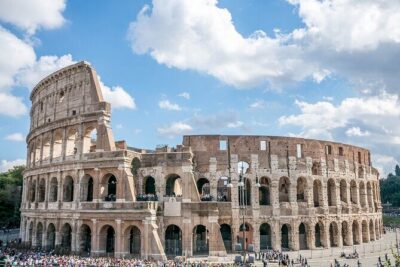
One place turns from postcard to reality. That is the Colosseum Underground, plus the Roman Forum, with a guide and audio headsets so you don’t have to strain. I especially like the choice between underground and arena-only, and how the route stitches the politics of the Forum to the spectacle of the arena. One consideration: the experience can feel tight at peak times, so you’ll want to stay close to your guide.
If you’re the type who hates long, silent walks through ruins, this works. You get pre-booked entry, a licensed guide’s storytelling, and smart stops for photos—plus a self-guided look at Palatine Hill when the game is still in your head. The main drawback is planning: the tour has strict timing, and late arrivals can mean missing the group or even the underground portion.
In This Review
- Key highlights to know before you go
- Colosseum Underground access: what you gain with each option
- Meeting at Via dei Fori Imperiali: timing matters more than you think
- Roman Forum stop: from rubble back to power and daily life
- Entering the Colosseum: arena views and the guide’s map
- Walking below the Colosseum: the dungeon level that changes your mindset
- Palatine Hill self-guided time: use it for the views, not the checklist
- Headsets, pace, and group size: how you’ll actually experience it
- Price and value: why $74.82 can make sense for underground access
- Who should book this tour (and who might prefer arena-only)
- Should you book the Colosseum Underground & Ancient Rome tour?
- FAQ
- What’s the difference between Underground access and Arena-only entry?
- How long is the tour?
- Where do we meet, and where does the tour end?
- How early should I arrive for check-in?
- What ID do I need to bring?
- Is the tour in English, and are headsets provided?
- What does the price include for tickets and access?
- What happens if poor weather cancels the tour?
Key highlights to know before you go
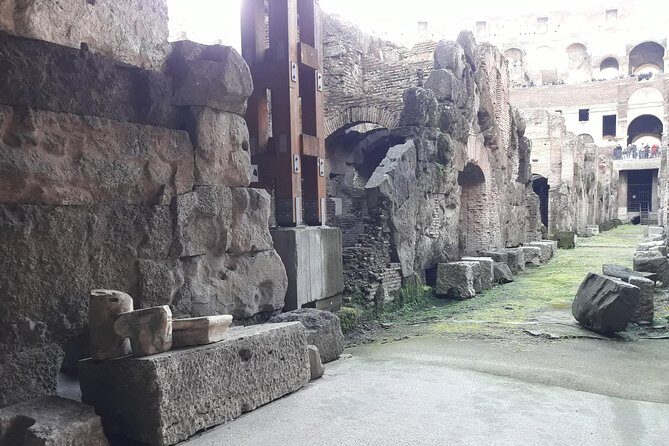
- Underground access (optional): see the engine room of the show, not just the seats
- Arena floor + dungeons viewpoints: a rare perspective that helps the whole place make sense
- Headsets included: move with your group without fighting for volume
- Roman Forum stop with a guide: ruins translated into daily life and power plays
- Photo pointers built into the walk: your guide will show where the best angles usually are
Colosseum Underground access: what you gain with each option
This tour is built around one big decision: underground access or arena-only entry. If you choose the underground option, you’ll go past the public floor level and into the areas tied to logistics and preparation. That is the part that turns the Colosseum from a monument into a machine.
With the arena-only option, you still get a guided route through the Colosseum experience at visitor levels. But if what you want is the shock-and-awe of imagining gladiators and animals being handled below the surface, underground is the payoff.
I’d treat this like choosing between watching a movie with subtitles versus seeing the studio where the special effects were made.
More Colosseum Underground tours for the Colosseum & Ancient Rome
Meeting at Via dei Fori Imperiali: timing matters more than you think
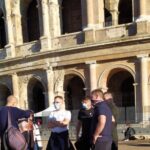
You meet at Via dei Fori Imperiali, 25, in front of the Tourist Information Point. Coordinators are identifiable by their The Ultimate Italy t-shirts, which is a small detail, but it saves you from the usual Rome guessing game.
The tour is strict about timing. You must check in at least 30 minutes before departure, and if you’re late, you may not be able to join or reschedule without buying again. That strictness is why this works well when you plan it: the group flows from place to place instead of getting stuck.
One more practical note: the tour order can vary. It might start at the Roman Forum first or at the Colosseum first, depending on the schedule.
Roman Forum stop: from rubble back to power and daily life
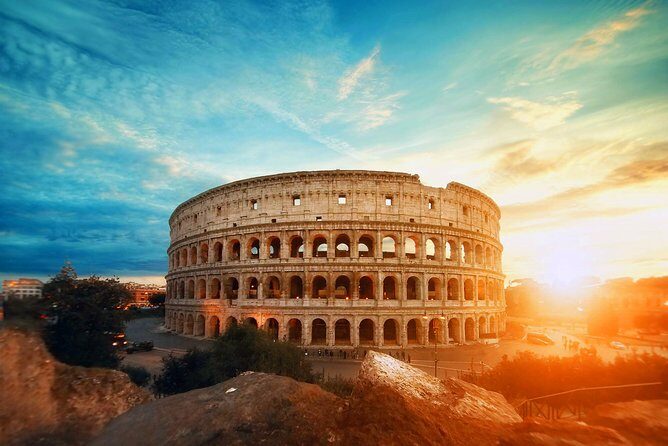
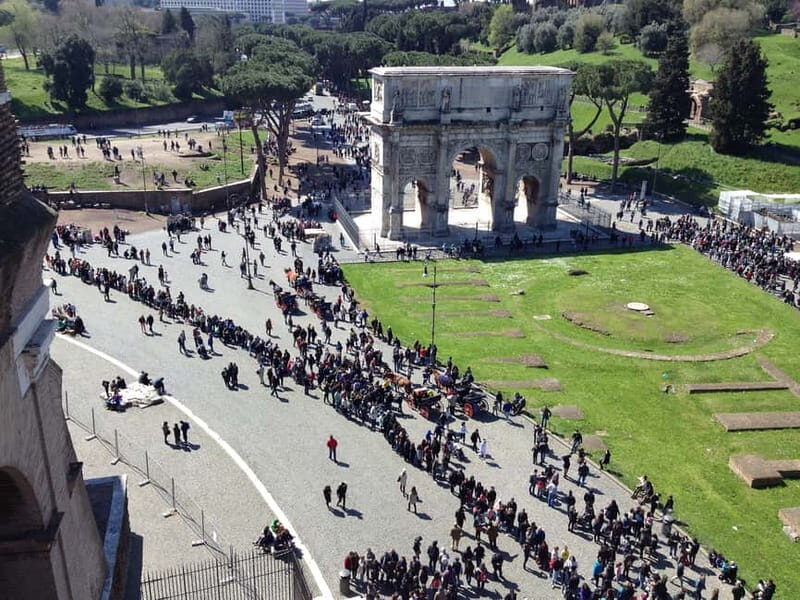
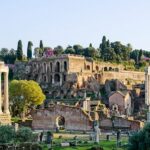
The Roman Forum is close to the Colosseum, but it is a totally different vibe. Here you’re looking at the political and commercial core of ancient Rome, where decisions shaped the empire.
What I like about this stop is how the guide connects categories you might not expect: marketplaces, civic buildings, and major temple remnants all feel like one system once you hear the stories. Even if your brain wants neat timelines, this part helps you see how power worked day to day.
You’ll also hear about Rome’s origins and how Palatine Hill ties into the bigger picture. That matters because Palatine is included later for views, and the Forum stop gives you the context to understand why people cared about this hill in the first place.
Entering the Colosseum: arena views and the guide’s map
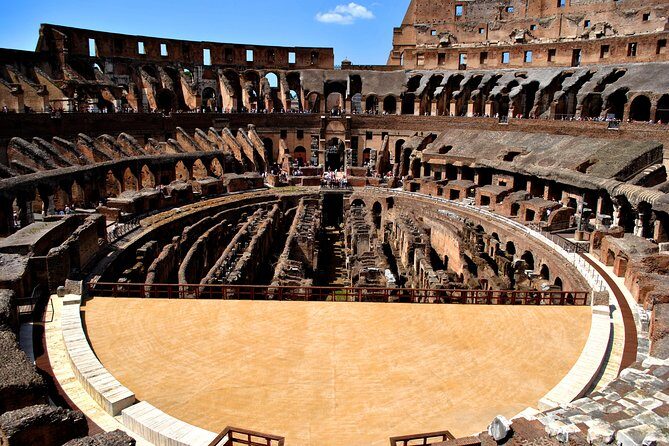
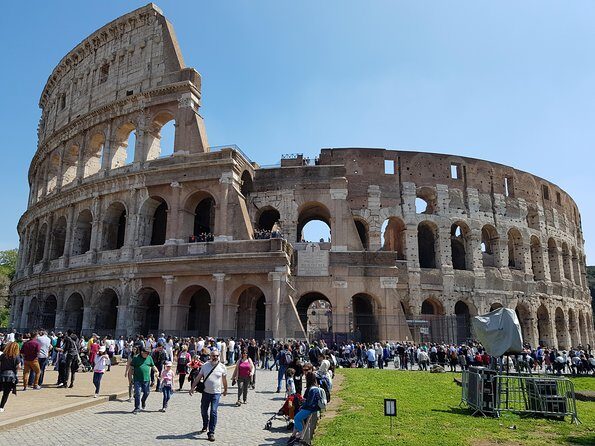
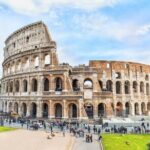
Inside the Colosseum, you’ll use pre-booked tickets and enter directly with your group. That’s valuable because this site can be queue-prone, and you don’t want to spend your prime morning standing still.
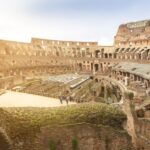
Your guide leads you around the monument with an emphasis on how the games worked. You’re not just seeing stone arches and seats—you’re learning what audiences would have experienced and how the arena functioned. If you care about how entertainment was engineered in the ancient world, this is where it clicks.
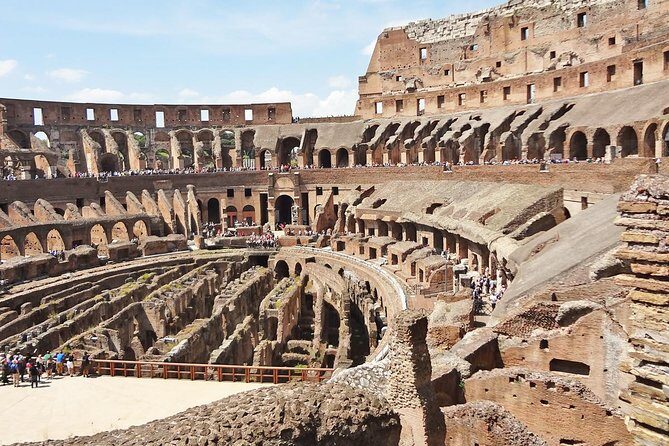
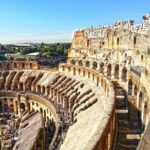
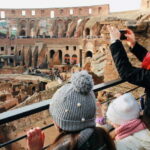
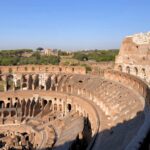
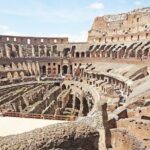
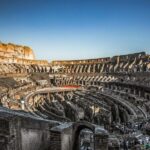
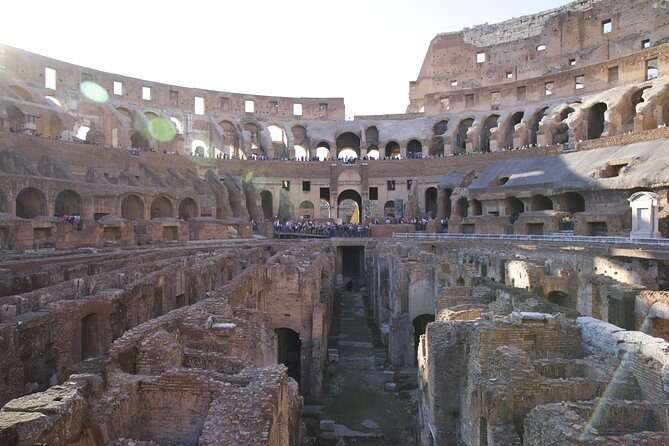
You’ll also get time and guidance for photos, including a well-timed moment to capture the arena with the dungeons area visible in the same frame. Rome is great for wandering, but this kind of targeted photo instruction saves you from wasting time chasing the perfect angle.
Walking below the Colosseum: the dungeon level that changes your mindset
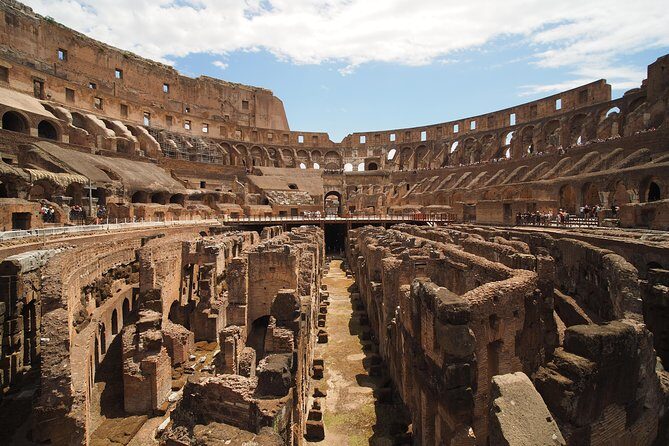
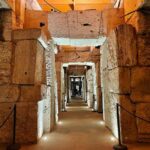
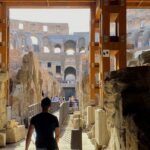
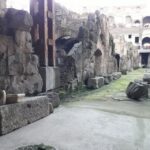
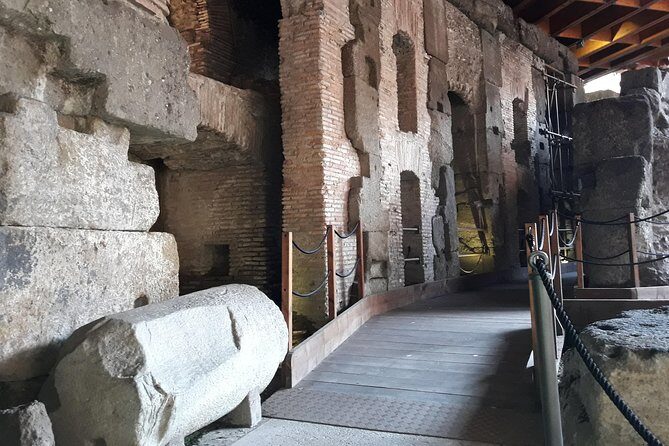
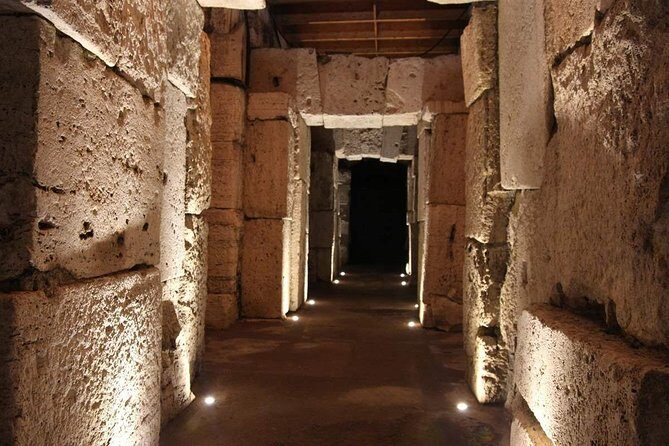
The Colosseum Underground is the reason a lot of people book this tour in the first place. You go into spaces typically off-limits to regular visits, including underground dungeon areas tied to how the show ran.
This is where the Colosseum becomes emotionally real. Instead of thinking about famous fights only as legend, you start to picture preparation: routes, holding areas, and the way animals and people moved through a system. The result isn’t just knowledge—it’s perspective.
Guides in this program are often strong communicators, and names that come up include Soloman, Carmelo, Katia, Chris, Teddy, Sarah, Elizabeta, and Mirta. You might get someone with a sharp sense of humor, or someone who teaches like a professor. Either way, the Underground component tends to be the moment you remember for a long time.
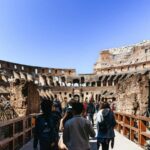
One consideration: the underground section is still part of a shared group experience. If you’re the type who needs wide personal space to listen well, you’ll want to keep an eye on where your spot is as the group funnels into corridors.
More Ancient Rome tours for the Colosseum & Ancient Rome

Palatine Hill self-guided time: use it for the views, not the checklist
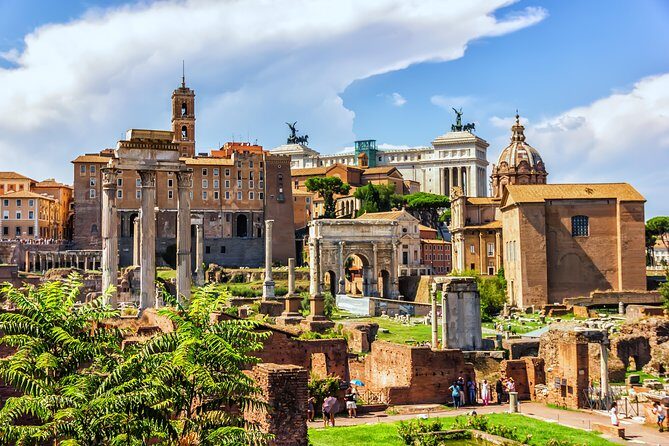
After the Forum and Colosseum, you get a self-guided visit to Palatine Hill. That is a smart add-on because Palatine is less about a guided lecture and more about taking in the sweep of Rome from above.
If you’ve got limited time, this is where you’ll get the payback from doing the Forum first. Seeing where the origins of Rome connect to the surrounding city makes the hill feel less like a random viewpoint and more like a geographic anchor.
Keep your expectations simple: you’re not meant to see every stone. You’re meant to look out, let the layout register, and then walk back with a clearer mental map of ancient Rome.
Headsets, pace, and group size: how you’ll actually experience it
This tour runs with audio headsets, which is one of the practical upgrades that makes a big difference in a site like this. You can listen while moving, which helps when you’re walking with your group through changing terrain and lighting.
The group size is capped at 24 travelers, which is a big factor in whether the guide can keep everyone aligned. Even with a smaller group, the Colosseum can get lively. Some people have noted that audio can be harder in certain crowded stretches, so it pays to stay where the guide can pull the group together.
Pace also varies by group interest and by guide style. Some guides keep things energetic and story-driven; others slow down to answer questions. Either way, the best tours feel like you’re getting a guided route plus a personal sense of what to look for as you go.
Price and value: why $74.82 can make sense for underground access
At $74.82 per person, the price isn’t just for a walk with a map. It includes ticketing and guidance.
Here’s the value logic from the details you’re given: the Colosseum admission and reservation fee are built in (the entrance ticket is noted as €18, plus a €2 reservation fee). If you choose underground, the Underground admission component is part of the overall pricing structure too, and the operator states there’s transparency around how the fees are split between monument access and the licensed tour guide plus services like headsets.
So what are you paying for, in human terms?
- Exclusive areas you usually can’t visit on your own
- A guide to connect what you see (especially the Underground) to how the games worked
- Headsets, which make the experience easier and more relaxing
- Pre-booked entry that reduces dead time waiting outside
If you were planning to DIY this, you’d still need tickets, and you’d lose the explanation that turns “cool architecture” into a story you can follow.
Who should book this tour (and who might prefer arena-only)
Book this if you want your Colosseum visit to feel like a real day in ancient Rome, not just a sightseeing stop. The underground component is the best fit for people who like engineering, systems, and how places worked behind the scenes.
Also book it if you’re traveling with a mix of interests. The Roman Forum helps people who want politics and daily life, while the Colosseum handles spectacle and drama. That combination tends to satisfy more than one kind of traveler.
Choose arena-only if you’re mainly there for the monument itself and you’d rather avoid the underground corridors. It can be a good option if you’re sensitive to confined spaces or you just don’t think underground access will change your experience.
Should you book the Colosseum Underground & Ancient Rome tour?
Yes, if underground access is calling your name. The Underground is the feature that most strongly transforms your visit, and the added Roman Forum stop plus Palatine Hill views makes it more than just one building.
But book with your schedule in mind. The experience has strict timing and requires early check-in, and you’ll need to bring a valid ID/passport that matches your booking name. If you’re even slightly unsure you can make the timing, pick a tour with a clear morning start and plan to arrive early.
If you want the Colosseum as a living machine, not just a famous photo spot, this is the kind of tour that earns its price.
FAQ
What’s the difference between Underground access and Arena-only entry?
The tour offers options. If you purchase the underground option, you get access to the Colosseum Underground. If you choose arena-only, you skip the underground access and the Roman Forum guided portion tied to the underground option.
How long is the tour?
The duration is about 3 hours.
Where do we meet, and where does the tour end?
You meet at Via dei Fori Imperiali, 25 by the Tourist Information Point. The tour ends at the Colosseum, Piazza del Colosseo, 1 area.
How early should I arrive for check-in?
You need to arrive at the meeting point for check-in at least 30 minutes before the tour departure time.
What ID do I need to bring?
You must bring a valid passport or ID document that matches the full names provided when booking. An ID/photo is mandatory for entry to the Colosseum Underground.
Is the tour in English, and are headsets provided?
Yes. The tour is offered in English, and headsets are provided so you can hear your guide clearly.
What does the price include for tickets and access?
The tour includes a Colosseum entrance ticket (noted as €18) and a Colosseum reservation fee (noted as €2). It also includes a self-guided visit to Palatine Hill.
What happens if poor weather cancels the tour?
The experience requires good weather. If it’s canceled due to poor weather, you’ll be offered a different date or a full refund.