REVIEW · ROME
Rome: Colosseum Arena Access and Ancient Rome Guided Tour
Book on GetYourGuide →Operated by Roman Vacations · Bookable on GetYourGuide
Walk where gladiators stood. This tour is interesting because you get arena floor access, not just a look from the stands. I like that the guide connects what you’re seeing to real stories, from gladiator match-ups to how the Roman Forum worked day to day. My one caution: you’ll face a lot of walking and steps, especially at Palatine Hill, so plan your shoes accordingly.
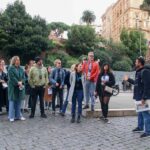
What makes it feel worth the time is the pacing and the guide’s job to steer you to the best viewpoints and photo stops. I also appreciate that you’ll hear the guide clearly thanks to headsets when needed, and the group is private or small, so it doesn’t feel like you’re being herded. If you’re the type who wants to soak in ruins only through your own phone map, you might find a guided route a bit fast.
In This Review
- Key things to know before you go
- Special Access to the Colosseum Arena Floor
- What to expect from the “restricted area” moment
- Meeting the Roman Vacations office and getting in on time
- Skip the ticket line, but still expect security
- Gladiator Stories that make the Colosseum click
- Photo stops that don’t feel like interruptions
- Roman Forum: walking the power center of Ancient Rome
- The “big picture” moment at Farnese Aviaries
- Palatine Hill: emperors’ palace ruins and real views
- Why Palatine is worth your energy
- Timing, walking pace, and dealing with Rome weather
- Weather: you go, unless authorities close the site
- What to bring so you’re not miserable
- Price and value: is $94 worth it?
- Who should book this tour, and who might not love it
- Should you book the Colosseum Arena Access and Ancient Rome Tour?
- FAQ
- How long is the Colosseum arena access and Ancient Rome guided tour?
- What’s the price per person?
- Where do we meet the tour?
- What’s included in the tour price?
- Is roundtrip transportation included?
- What should I bring?
- Does the tour run in bad weather?
Key things to know before you go
- Arena floor + gladiator gates: you enter a restricted area and stand on a reconstructed portion of the playing surface
- Spectator viewpoint time: you stop where crowds would have watched, which makes the Colosseum feel real
- Forum landmarks in a logical route: you’ll pass major spots like the Temple of Romulus, Vestals’ area, and Julius Caesar’s Temple
- Palatine Hill imperial focus: you ascend to see palace ruins tied to the emperors
- Headsets included: easier listening in busy sections, especially if the group grows
- Route may flip: depending on start time, the walk can begin at the Forum/Palatine and finish at the Colosseum
Special Access to the Colosseum Arena Floor
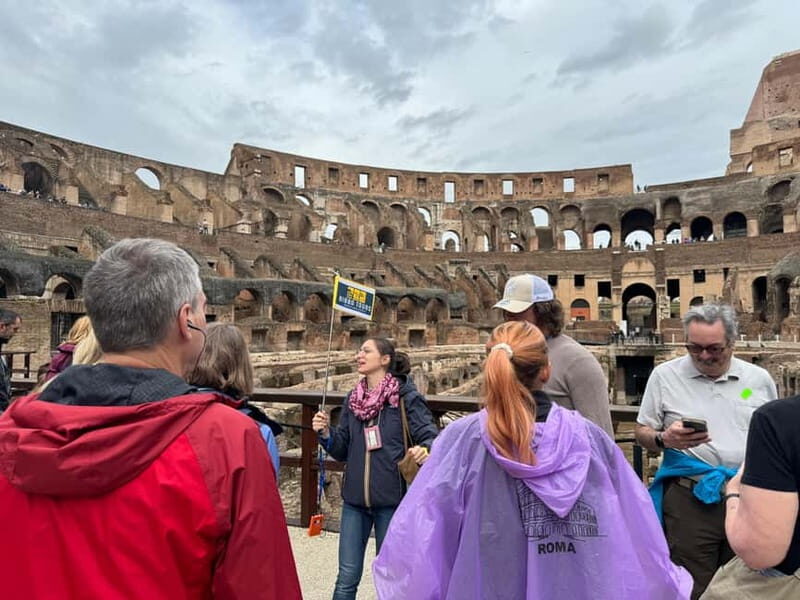
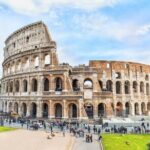
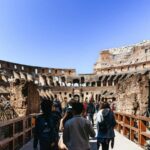
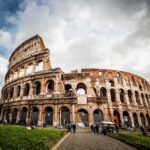
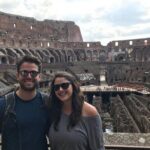
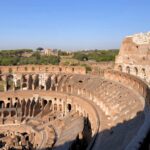
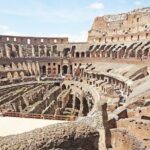
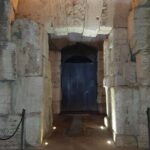
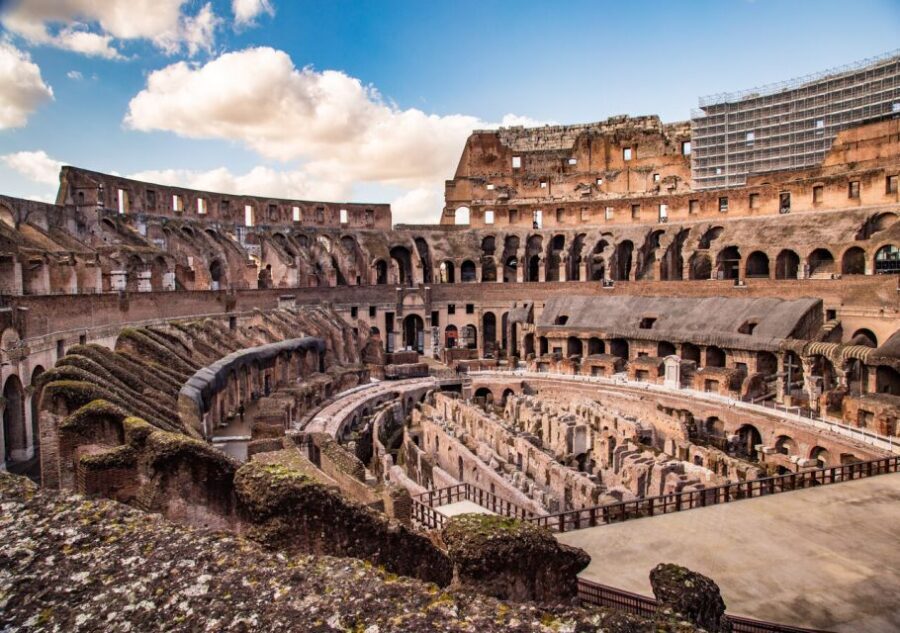
The headline here is simple: you don’t just circle the Colosseum exterior. You stand on the arena floor and go into an area that most visitors never see. After the security checks, you’ll follow your guide into the ancient stadium space, then move toward the restricted-access part where you can pass through gladiator gates and stand on the reconstructed arena floor.
That one change in viewpoint does something powerful. From ground level, the Colosseum stops being a photo backdrop and becomes a working arena in your imagination. You can better picture the scale between the people watching above and the action happening right where you’re standing now.
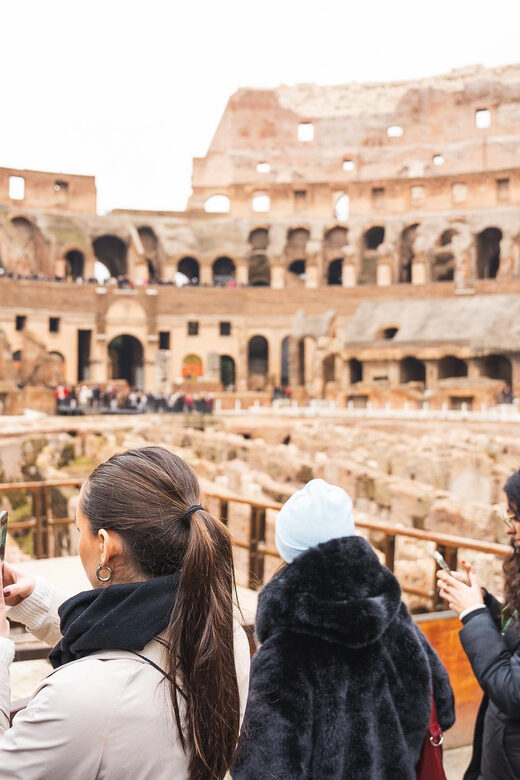
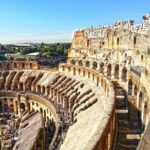
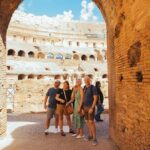
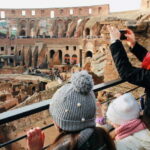
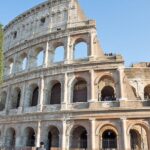
You also get time at a spectator vantage point—the guide will show where seats would have been and how the crowd would have reacted. For photos, it’s not just about getting the building in frame. It’s about using the right angle so your group isn’t trapped in awkward shadows, and you can capture the arena shape in a way that feels tied to the story.
More Arena Floor & Gladiator tours for the Colosseum & Ancient Rome
What to expect from the “restricted area” moment
The tour is designed to give you that close-up experience without turning it into chaos. You’re walking with a guide who keeps you moving through the best moments, so you aren’t just standing around waiting for the next security scrum. You’re also told what you’re looking at—like how the gates functioned as part of the spectacle—so the scene makes sense instead of feeling random.
Meeting the Roman Vacations office and getting in on time
Your meeting point is at the Roman Vacations office: Via dei SS. Quattro, 81. Look for the white flag with the lion head. Plan to arrive early enough to get settled before the group departs, because the tour leaves promptly.
One practical note I’d treat seriously: there’s no refund for late arrivals or missed tours. That’s typical in Rome, but it matters even more here because the whole schedule is built around site entry and crowd flow.
Skip the ticket line, but still expect security
The ticket line gets skipped, which saves real time. But you should still expect a security check upon entering the Colosseum. The rules are straightforward: no weapons, sharp objects, glass items, or aerosol containers. Anything like that can be confiscated, so pack light and clean.
If you want the tour to feel smooth, keep your day simple:
- bring your ID/passport (names must match what you entered at checkout)
- wear comfortable shoes you can walk in for a few hours
- bring rain gear even if the forecast looks okay, since Rome weather changes fast
Gladiator Stories that make the Colosseum click
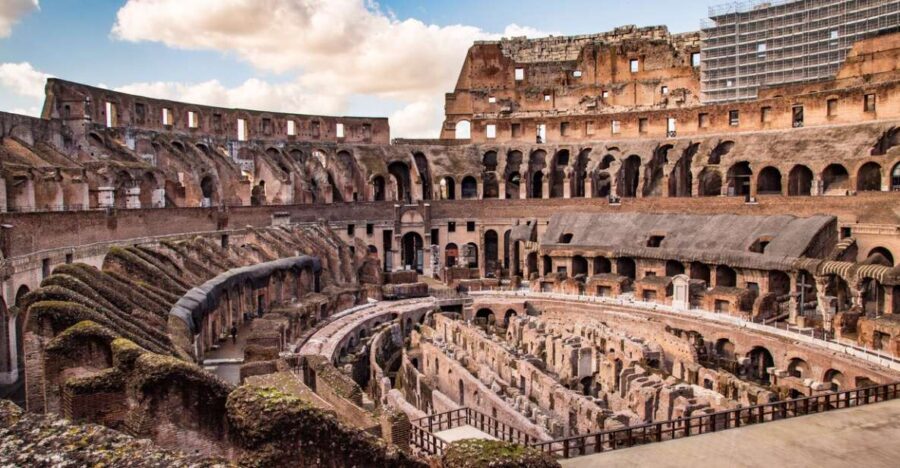
A major part of the value isn’t the monument alone—it’s the context. Your guide will explain famous battles, styles of gladiators, and the kinds of games and entertainment that filled the stadium.
When you’re standing on the arena floor, you start noticing details you’d miss from the outside. The Colosseum’s layout becomes part of the storytelling: where performers would come in, how the crowd’s attention would concentrate, and why certain moments would feel dramatic from the stands.
I particularly like when a guide translates the spectacle into plain terms. The best part of this tour is that you’re not just hearing facts. You’re learning how the arena worked as an event machine—something Rome built for attention and emotion, not a “one-time historical photo.”
More Ancient Rome tours for the Colosseum & Ancient Rome
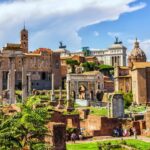
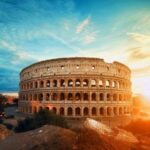
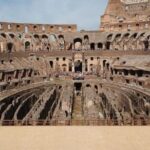
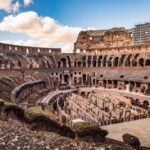
Photo stops that don’t feel like interruptions
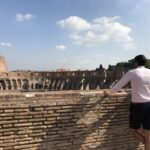
The guide also points out best photo opportunities. That means you’re not guessing where the best views are while the group waits. If you’re traveling with kids or teens, this matters. The tour stays engaging because the guide uses the building actively—“stand here for this angle,” then keep moving.
Roman Forum: walking the power center of Ancient Rome
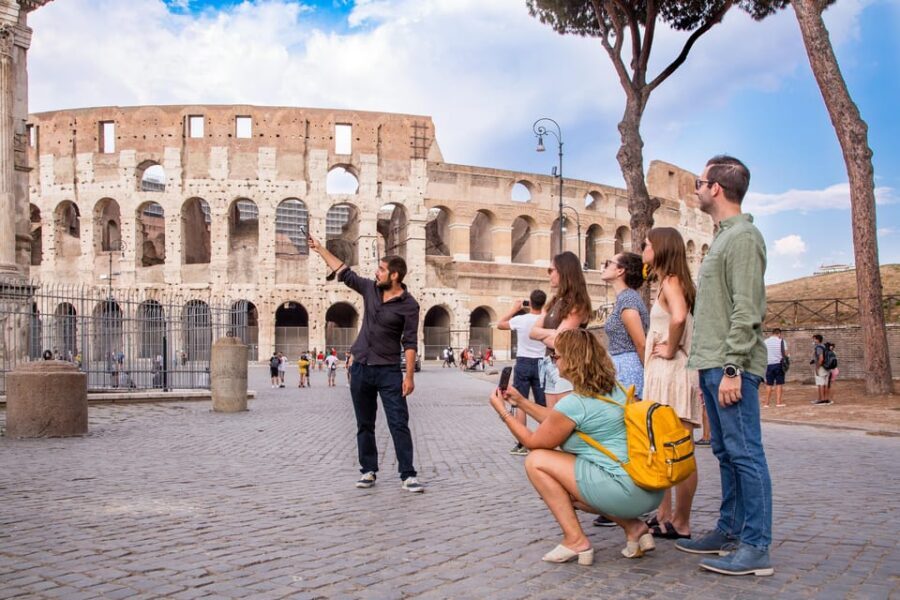
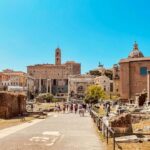
After the Colosseum, you shift from spectacle to administration, courts, religion, and public life. The Roman Forum is where Rome’s “everyday power” lived, and the tour builds that feeling into the walking route.
You’ll descend into the Forum area and pass major landmarks such as:
- the Temple of Romulus
- the Temple and House of the Vestals
- Julius Caesar’s Temple
- the Senate House
What I like about this part is how the guide uses the landmarks to explain function. The Forum wasn’t one static ruin; it was a busy civic space where politics, law, and public ceremony blended into daily movement. When the guide tells you what each place was for, the ruins look less like scattered stones and more like a system.
The “big picture” moment at Farnese Aviaries
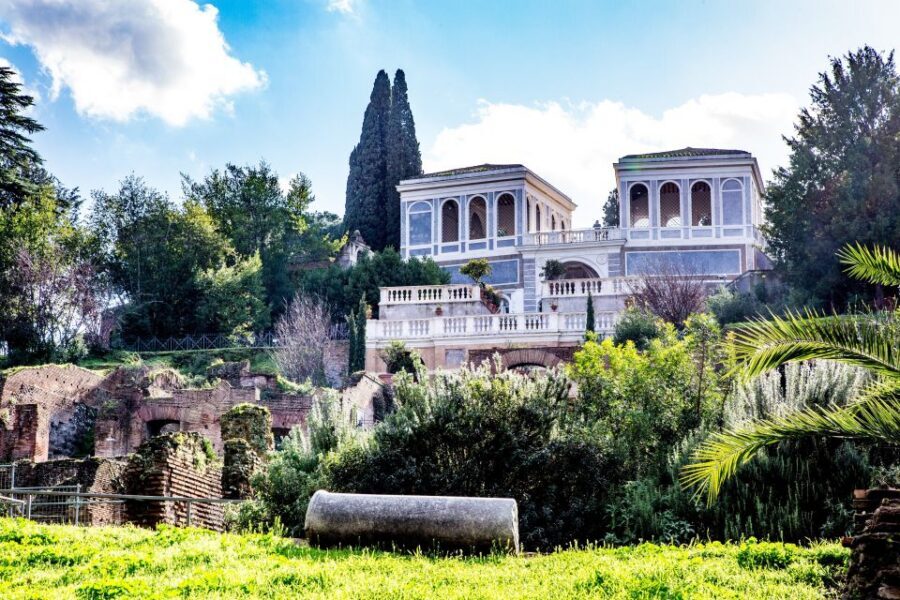
Before you go further into the Forum walk, you’ll reach a viewpoint connected to the Farnese Aviaries, where the Forum is laid out below. That pause is smart. Rome’s ruins can look confusing up close, so a view from above helps your brain map what you’re about to walk through.
Then you descend and you’re no longer lost in details. You understand the relationships between spaces.
Palatine Hill: emperors’ palace ruins and real views
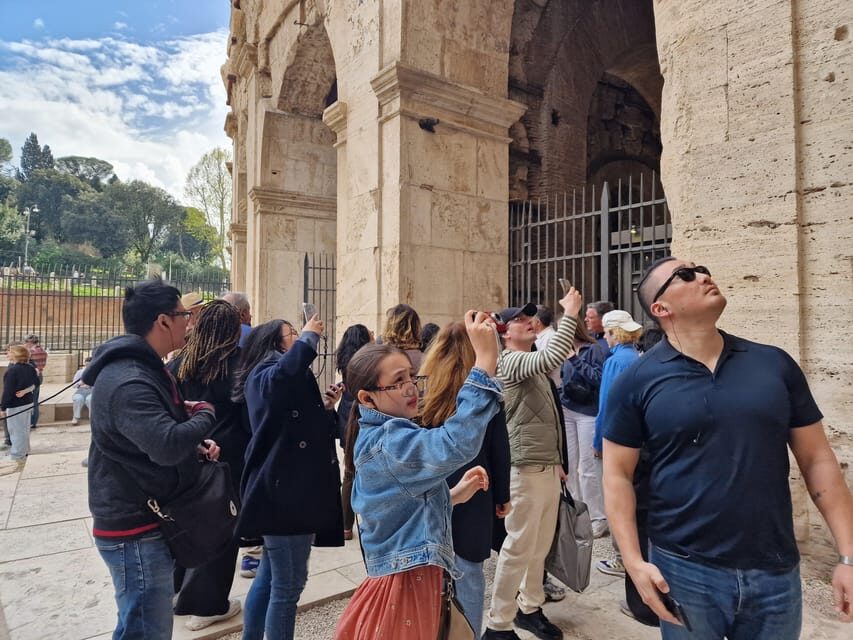
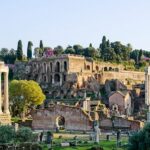
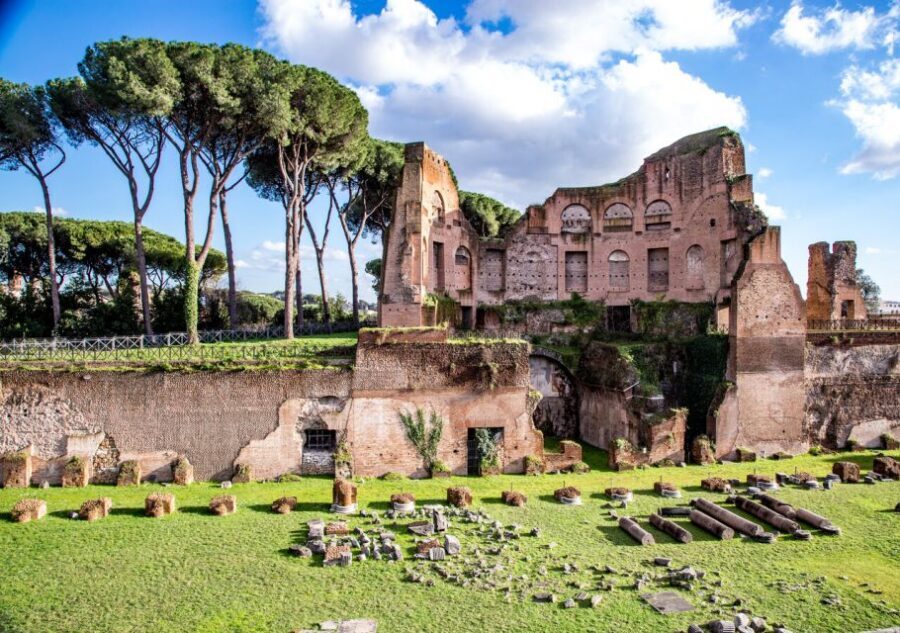
Next comes Palatine Hill, and this is where you feel the Roman “lived on a stage” idea. You’ll ascend to see the ruins of the palaces tied to imperial power—especially the Imperial Palaces area on the hill.
Palatine Hill also sets expectations for your body. There are lots of steps, especially at the beginning, so plan for it rather than hoping you’ll “power through” in sandals. The good news is that once you’re up, the rest of the walk tends to move more downhill toward the Forum and Colosseum areas, depending on route direction.
Why Palatine is worth your energy
Even if you know Roman emperors as names, Palatine connects the dots visually. This is the area that helps you understand why rulers wanted to be near the center of power, and why Rome built prestige into the geography.
Also, it’s a nice contrast with the Colosseum. The Colosseum is the arena of mass attention. Palatine is the arena of authority.
Timing, walking pace, and dealing with Rome weather
This tour runs about 3 to 3.5 hours, which is a manageable window for a packed Rome day. But it’s still a walking experience. Expect:
- changing elevations (especially on Palatine Hill)
- time spent inside major sites where you move steadily with the group
- standing for viewpoints and photos
Weather: you go, unless authorities close the site
Tours proceed in all weather conditions, unless the site is closed by safety authorities. That’s good to know. Rome rain can be sudden, and heavy sun can be brutal.
I like that the tour plan acknowledges reality. In practice, guides often try to keep people comfortable by shifting you to shade when possible and pacing rest moments. You should also assume you’ll want frequent water breaks. Bring a reusable water bottle and use the fountains when you’re near them.
What to bring so you’re not miserable
The checklist matters here more than usual because you can’t “out-walk” bad gear on stone steps. Pack:
- passport or ID card
- comfortable shoes
- sun hat, sunscreen
- umbrella, rain gear
- comfortable clothes for the season
Price and value: is $94 worth it?
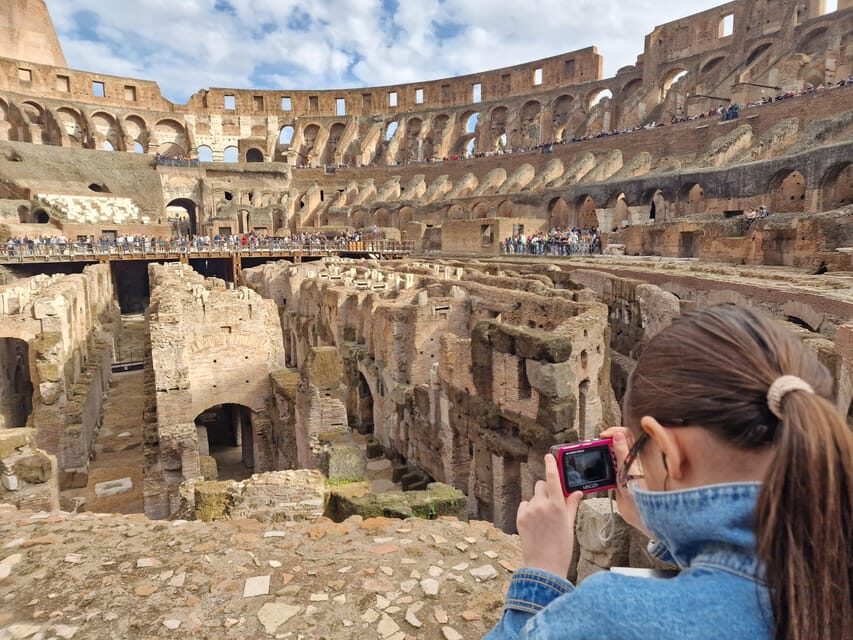
At $94 per person, this tour isn’t the cheapest way to see these sites. Here’s why I still think it can be good value.
Included in the experience:
- entry to the Colosseum, Roman Forum, and Palatine Hill (listed as €24)
- a live English guide
- headsets when needed
- the big ticket item: arena floor access and time in key viewing areas
- you also skip the ticket line
Not included:
- roundtrip transportation
- food and drinks
So you’re paying for guided interpretation plus time-efficiency plus that close-up arena moment. If you’re the kind of traveler who likes ruins best when someone tells you what to look for, the money makes sense. If you’d rather wander independently and read a guidebook at your own pace, you might feel the structure is too tight for your style.
My practical take: this is worth it when you care about context and you want the Colosseum experience to feel three-dimensional, not just scenic.
Who should book this tour, and who might not love it
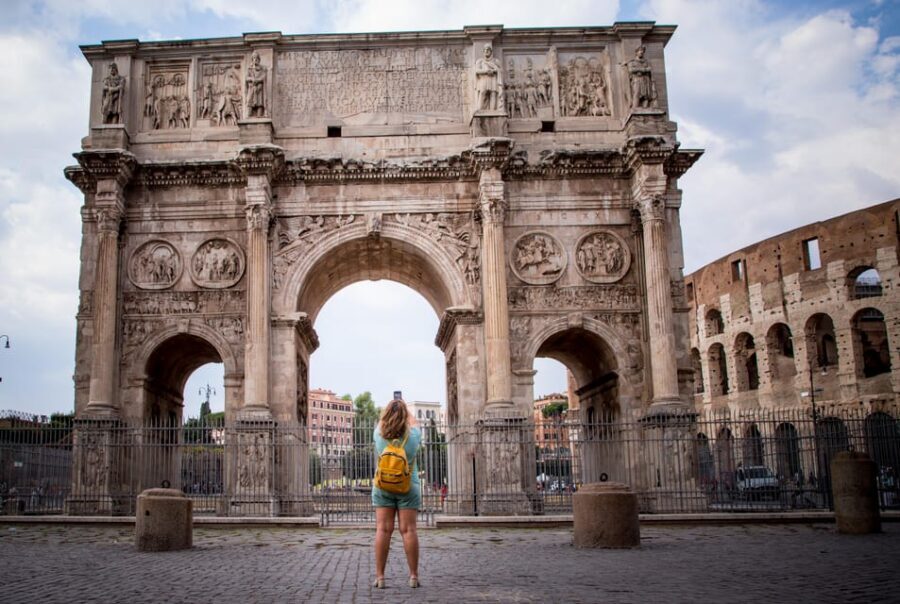
This works especially well for:
- first-timers who want a structured Rome route that makes sense in one sitting
- history lovers who appreciate stories tied to specific spots
- families with teens who can stay engaged through guided pace and photo stops
It may be less ideal if:
- you can’t handle steps (Palatine Hill has a lot early on)
- you dislike guided time constraints and want fully self-paced exploring
If you have mobility concerns, I’d plan to communicate them ahead. The guide can help within the tour’s constraints, but the hill and walking are still real.
Should you book the Colosseum Arena Access and Ancient Rome Tour?
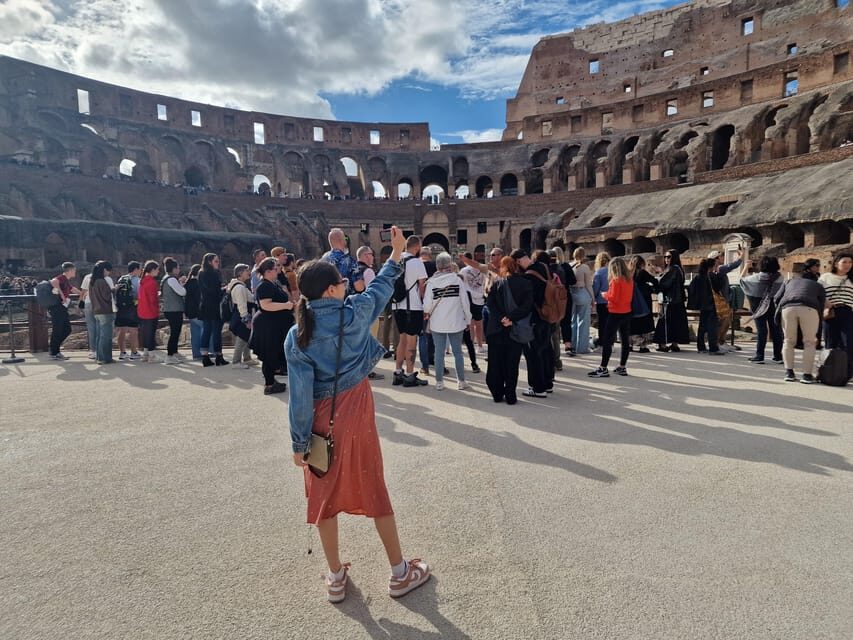
Yes, if you want the Colosseum experience to go beyond “I saw it.” Standing on the arena floor changes everything, and the Roman Forum + Palatine Hill route gives your day a clear arc: spectacle, then power, then imperial life.
Book it if you like getting meaning from the guide, not just taking photos. The small or private group format also tends to keep the experience moving at a human pace.
Skip or reconsider if you’re expecting a relaxed stroll with minimal stairs. Palatine Hill demands comfortable shoes and patience with steps. If you’re set up for that, this tour is one of the more memorable ways to connect the big ruins into a single story.
FAQ
How long is the Colosseum arena access and Ancient Rome guided tour?
It runs about 3 to 3.5 hours.
What’s the price per person?
The price is listed as $94 per person.
Where do we meet the tour?
Meet at the Roman Vacations office at Via dei SS. Quattro, 81, and look for the white Roman Vacations flag with the lion head.
What’s included in the tour price?
Entry to the Colosseum, Roman Forum, and Palatine Hill is included (listed as €24), along with a guided tour and headsets when needed.
Is roundtrip transportation included?
No, roundtrip transportation is not included.
What should I bring?
Bring your passport or ID card, comfortable shoes, a sun hat, umbrella, sunscreen, rain gear, and weather-appropriate clothing. A reusable water bottle is also a good idea.
Does the tour run in bad weather?
The tour proceeds in all weather conditions unless the site is closed by authorities for safety reasons.