REVIEW · ROME
Rome: Colosseum, Palatine Hill and Roman Forum Guider Tour
Book on GetYourGuide →Operated by Discovery Live Tours · Bookable on GetYourGuide
Three stops, one giant Roman story. I love the way the guide turns the Colosseum into something you can picture, and I like that the Roman Forum puts the city’s power center into plain language. One consideration: the guided narration is heaviest at the Colosseum, while Palatine Hill and the Forum may feel more self-paced.
You’ll tour with a certified guide (university degree in history and/or art), plus headsets for groups larger than 5. The big time-saver is skipping the ticket line, which helps you spend your energy where it counts: on the ruins and the stories behind them.
In This Review
- Key things I’d circle before you book
- Meeting at Colosseo: finding the yellow umbrella and not losing time
- Entering the Colosseum: walking into the arena’s reality
- Palatine Hill: where imperial power began (and where you’ll slow down)
- The Roman Forum: Rome’s main office in stone
- Why this 3-stop combo works (and how to get more out of it)
- Price and value: what $96.29 buys you in real terms
- What to bring, what to avoid, and the timing details that trip people up
- Who this tour is for (and who should reconsider)
- Should you book the Rome Colosseum, Palatine Hill and Roman Forum guider tour?
- FAQ
- Is this a private tour?
- Where do I meet the guide for the Colosseum, Forum, and Palatine Hill tour?
- How long is the tour, and how is the time split between sites?
- What languages are available for the guide?
- Do you skip the ticket line?
- Are headsets provided?
- What ID do I need to bring?
- Are luggage or large bags allowed?
- How far in advance should I book, and is it refundable?
Key things I’d circle before you book
- Skip-the-line entry plus an on-site guide to help you see what you’re actually looking at
- Colosseum focus with guided time designed to make the arena’s purpose click
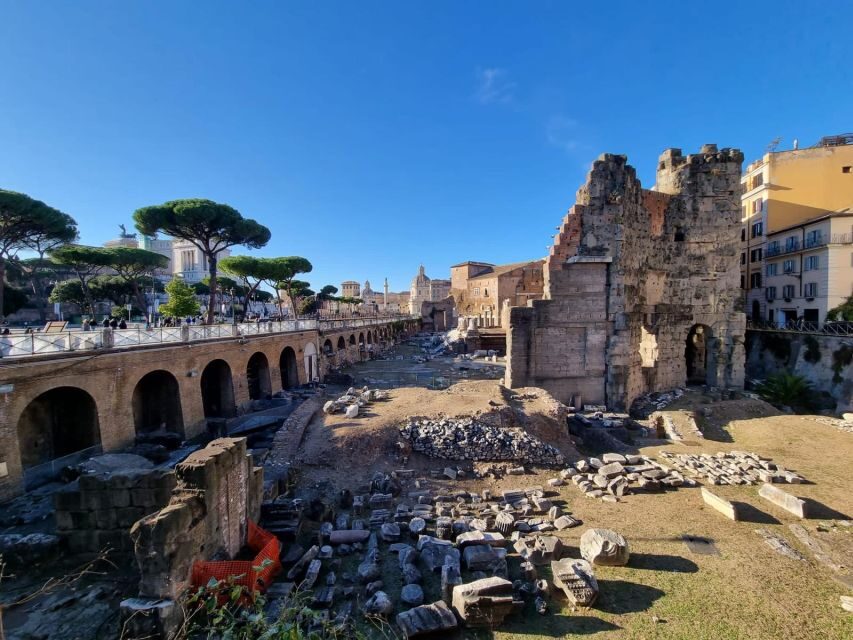
- Palatine Hill backstory about where elite Romans shaped imperial life
- Roman Forum context for Rome’s commercial, religious, and political roles
- Yellow-umbrella meeting point details that help you avoid a start-time scramble
Meeting at Colosseo: finding the yellow umbrella and not losing time
Start at the front of the metro station Colosseo. Plan to arrive 15 minutes early, because you’re matching up with a guide holding a yellow umbrella. There’s no hotel pickup, so you’re doing your own quick metro hop and then meeting the group right at the station.
A small but important practical note: the Colosseo metro area has more than one street/level entrance. One traveler almost missed the tour by waiting at the wrong exit level. When you arrive, aim for the front, ground-level entrance/exit area, and keep an eye out for that umbrella.
The tour ends back at the meeting point. That’s helpful because you don’t have to plan a separate end-time transport puzzle; you can head straight to lunch or your next stop once you’re released.
More Colosseum, Forum & Palatine combos for the Colosseum & Ancient Rome
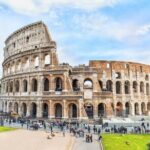
Entering the Colosseum: walking into the arena’s reality
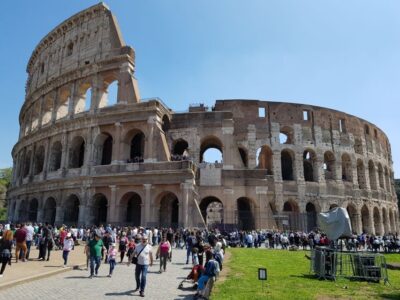
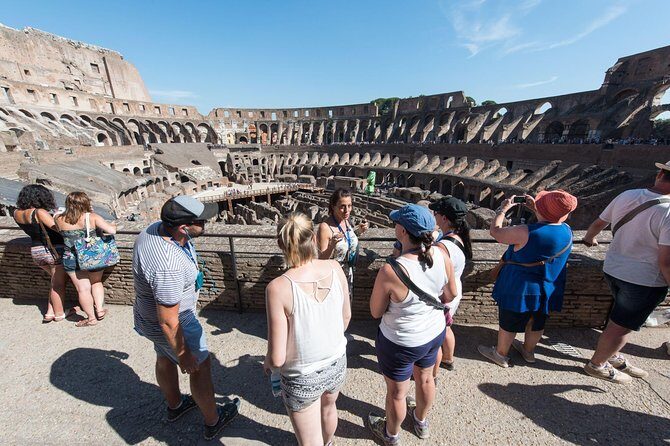
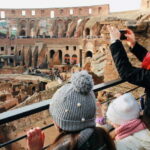
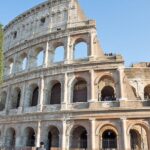
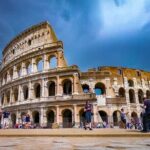
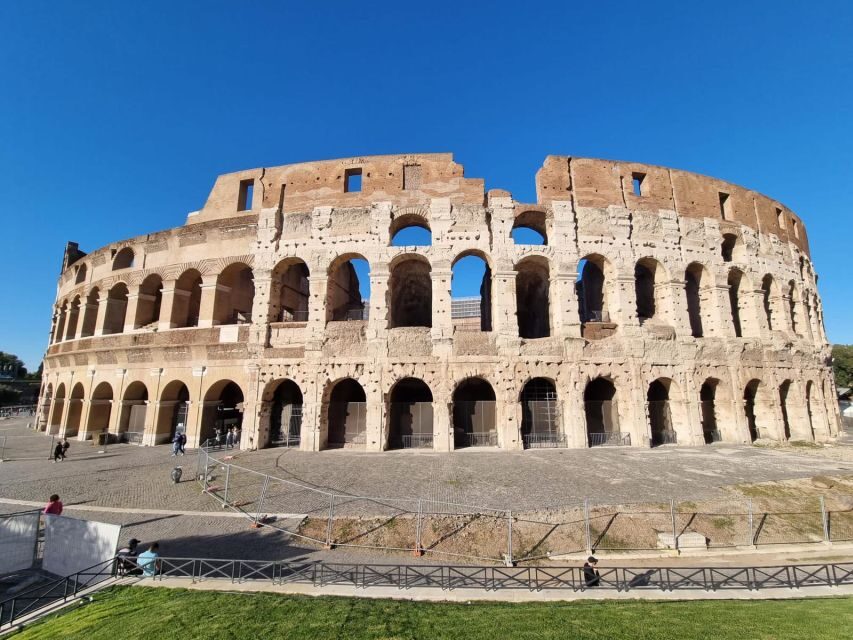
This is the headline moment. You start at the Colosseo and then get guided time inside the Colosseum (listed as about 1 hour). The payoff is not just photos. It’s the way the guide connects the place to what happened there and why it mattered.
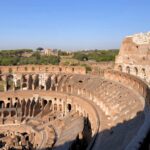
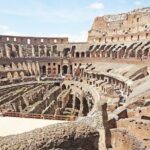
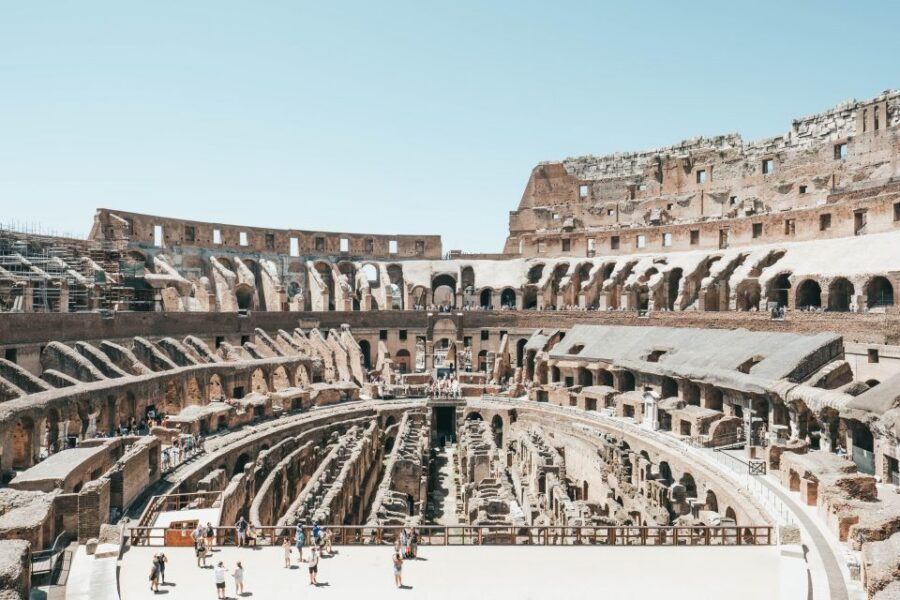
Expect a vivid sense of scale: this arena once held 50,000 to 80,000 spectators. Your guide paints the picture of what filled those seats—gladiator battles, reenactments of famous clashes, animal fights, Greek tragedies, and light theatrical performances. That variety matters. If you only think of the Colosseum as gladiators, you’ll miss how broad Roman public entertainment could be.
The guided part includes walking areas connected to the arena experience, including the floors where spectators sat. That’s one of the best uses of a guided visit: you’re not just looking at broken stone. You’re getting orientation on how space and sightlines worked.
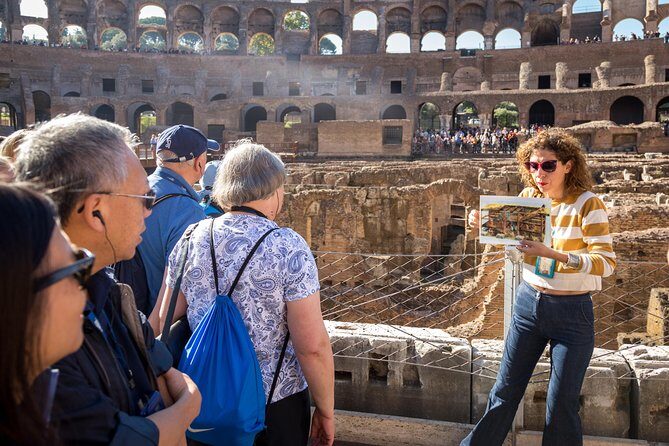
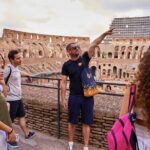
Also, if your group is over 5 people, you’ll receive headsets. That’s a quiet quality-of-life feature. In busy sites like this, hearing the guide properly turns the tour from background noise into real learning.
From the way guides like Rosa and Nadezhda are described, what stands out is how they explain Roman daily life and the human side of the spectacle—without drowning you in dates. You get stories that make the site feel less like a museum object and more like a stage.
Palatine Hill: where imperial power began (and where you’ll slow down)
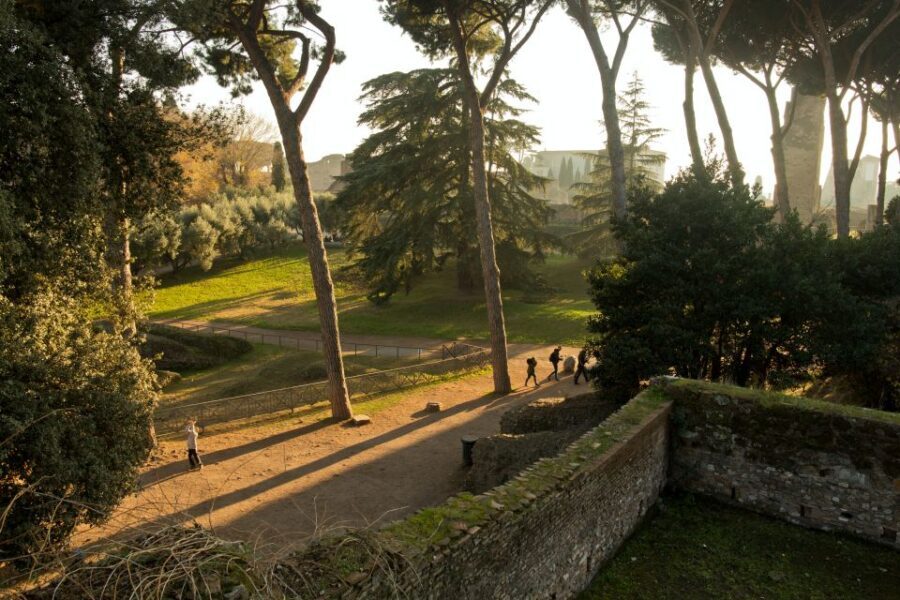
Next stop is Palatine Hill. Your time there is listed at about 45 minutes for a guided visit. Palatine Hill is where Rome’s elite built status. The clue is right in the setting: this hill was home to wealthy patricians and—later—became closely tied to imperial residence.
You’ll hear how Octavian Augustus decided that this would be the seat of the Imperial Palace. That one detail helps you understand why Palatine isn’t just another viewpoint over ruins. It’s a political symbol made of stone, ownership, and carefully chosen location.
Here’s the nuance I’d plan for: one clear review note says the guided narration may be strongest at the Colosseum, while Palatine Hill can feel more like time with access to explore than a tightly scripted lecture. So treat this portion as a chance to absorb the hill’s meaning at your own pace. Ask the guide questions early, then take time to look around once they point you in the right direction.
If you like your Rome tours to tell a story in sequence, Palatine Hill is the bridge. Colosseum = public show. Palatine = who held power behind the show.
The Roman Forum: Rome’s main office in stone
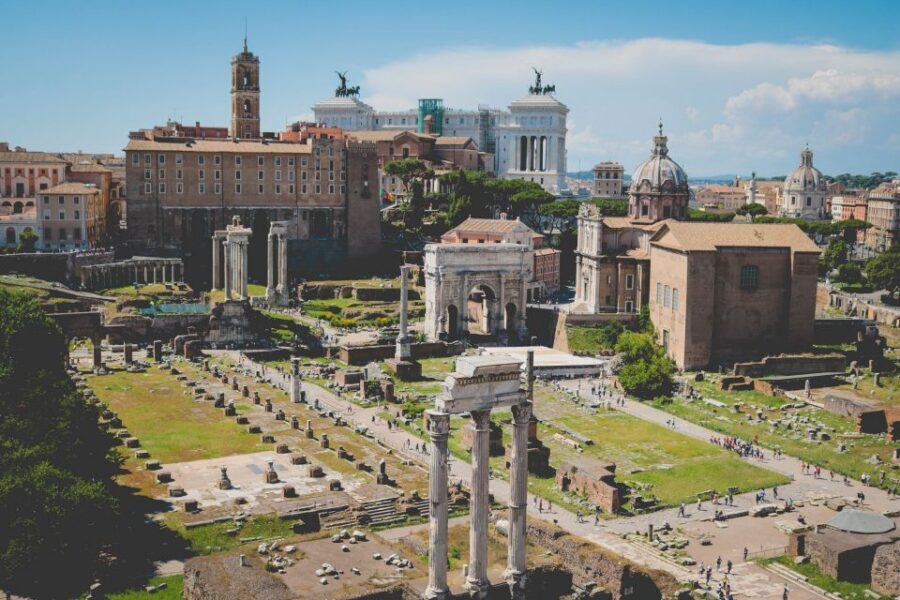
Your final stop is the Roman Forum. It includes a break time plus guided time listed around 30 minutes (the schedule uses a “30 hours” typo in one place, so go with the structured, shorter guided segment and confirm the exact minutes when you meet your guide).
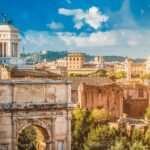
The Forum’s role is the key: it was the commercial, religious, and political center of Rome—not only for the city, but for the empire. That framing changes how you read the ruins. Instead of thinking, Wow, cool temple remains, you start thinking, Who used this space, for what decisions, and how public life worked.
You’ll also have photo stops and time to visit. Use that time to slow down and connect the dots. The guide’s explanation should give you a mental map: this wasn’t a single monument, but a working landscape of influence.
One practical tip for timing: because you get a break period, don’t fill it by rushing back into the densest areas immediately. Take your water, check your phone for directions, and then move with purpose. It keeps you from ending the tour tired and under-absorbed.
Why this 3-stop combo works (and how to get more out of it)
Most Rome first-timers see the Colosseum, take a few pictures, then move on. This tour has value because it ties three sites together into a single chain:
- Colosseum shows Rome’s public entertainment machine—big crowds, big emotion, and big spectacle.
- Palatine Hill shows who designed power from the top—imperial presence and elite residence.
- Roman Forum shows where that power expressed itself daily—politics, religion, and business in the same public world.
If you walk this sequence with that lens, your brain does the connecting for you. You’ll remember more than you expect because each place answers a different question: Who watched? Who ruled? Where did decisions happen?
I also like that the tour isn’t just a history lecture. The best parts are the “what this place felt like” moments—the arena scale, the way the guide describes events, and the clear explanation of the Forum’s role. It’s the difference between collecting landmarks and building understanding.
More Roman Forum tours for the Colosseum & Ancient Rome

Price and value: what $96.29 buys you in real terms
The listed price is $96.29 per person. On its face, that’s not a bargain price. But the value comes from the combination:
- Certified guide with a university degree in history and/or art
- Skip-the-ticket line time savings (which matters a lot at the Colosseum)
- Headsets for larger groups so you can actually follow along
- Access to three major ancient sites in one structured outing
What you should factor in is what’s not included. There’s no hotel pickup/drop-off, and food and drinks are on you. Also, opening hours can change for these sites, so your start time matters and you should be flexible if Rome shifts the schedule.
To me, this price makes sense if you want the efficient “big three” experience with interpretation—especially if it’s your first time at the Colosseum complex. If you’re traveling with a group that speaks your language easily and you’re comfortable reading on your own, you might not need this structure. But if you want context without spending half your day figuring things out, the guide time is where the money lands.
What to bring, what to avoid, and the timing details that trip people up
Bring a passport or ID card. All visitors must carry IDs, and that’s not the kind of detail you want to realize at the gate.
Don’t bring luggage or large bags. This is a common rule in Roman sites, and it affects your whole day. If you can travel light, do it.
Also, opening hours are subject to change. That’s not exciting news, but it’s realistic. If you have tight plans later in the day, keep a little buffer.
Finally, booking lead time matters. One note says the activity must be booked at least 3 days before. Another note says at least 5 days before. Treat that as a “book early” signal. If you’re traveling in a busy season, I’d rather have your plan locked in well ahead of time than scramble for the one slot that fits.
Who this tour is for (and who should reconsider)
This tour is a great fit if you:
- want a guided, structured visit to the Colosseum, Palatine Hill, and Roman Forum
- prefer explanations that help you picture gladiator-era entertainment and the political purpose of these spaces
- like the combo of public spectacle to imperial power to daily governance
It may not be the best fit if you:
- need mobility-friendly access. The tour is not suitable for people with mobility impairments.
- hate walking through uneven, ancient terrain. These sites are ancient, and the ground can be unpredictable.
If you fall into the “I want to see everything fast” category, this tour helps you do that with context. If you’re the “I like to linger with zero structure” type, you may feel the schedule constraints—especially since the guided time is densest at the Colosseum and less so on the other stops.
Should you book the Rome Colosseum, Palatine Hill and Roman Forum guider tour?
I’d book this if you want the Colosseum complex explained in a way that makes the place make sense. The big reason is the guide: a certified historian/arts specialist, plus headsets for group clarity, plus skip-the-line entry.
I’d hold off if you’re traveling with strict mobility needs or if your ideal day is fully self-directed, no timing and no guide interpretation. Also, if you’re prone to arriving late, practice finding that front Colosseo metro exit where the guide with the yellow umbrella meets you.
If you decide to book, do two things: travel light (no large bags) and arrive early enough to avoid the start-time stress. That turns the tour from a race into a smooth, memorable walk through Rome’s power and spectacle.
FAQ
Is this a private tour?
The tour is described as a private guided tour in Rome, with a certified tour guide.
Where do I meet the guide for the Colosseum, Forum, and Palatine Hill tour?
Meet at the front of the metro station Colosseo. The guide will be holding a yellow umbrella. Arrive about 15 minutes before the start time.
How long is the tour, and how is the time split between sites?
The activity is listed with a duration of 2 days. The sightseeing is structured into three stops: about 1 hour at the Colosseum, about 45 minutes at Palatine Hill, and about 30 minutes for the Roman Forum guided visit.
What languages are available for the guide?
The live tour guide is available in Russian, English, and Italian.
Do you skip the ticket line?
Yes, the tour includes skipping the ticket line.
Are headsets provided?
Headsets are provided for groups larger than 5.
What ID do I need to bring?
Bring a passport or an ID card, since all visitors must carry IDs.
Are luggage or large bags allowed?
No. Luggage or large bags are not allowed.
How far in advance should I book, and is it refundable?
You need to book at least 3 days in advance (with a note that it may also require booking at least 5 days before). The activity is non-refundable.