REVIEW · ROME
Rome: Colosseum Arena, Palatine Hill & Forum Guided Tour
Book on GetYourGuide →Operated by Show Me Italy · Bookable on GetYourGuide
Roman history is loud in the Colosseum. This guided tour gives you fast-track entry and a smart walk through the arena, including the gladiator’s gate and an optional chance to see the arena floor as it was. I love the fact that you get to move from landmark to landmark with an official guide who ties it all together in real time. I also love how the stop at the Roman Forum brings the story of Ancient Rome back down to earth—politics, power, and public life in stone. The one drawback: this tour isn’t a great fit if you have mobility limits, since you’ll be walking on uneven, old surfaces for hours.
You’ll spend about 2.5 to 3 hours doing the Colosseum first (about 1.5 hours), then—if your option includes it—an additional arena floor segment (around 20 minutes). After that, you’ll head to Palatine Hill (around 30 minutes) and finish at the Roman Forum (about 1 hour), where you’ll follow in the footsteps of Roman citizens. You’ll also see big set pieces along the way, including a clear view of the Arch of Constantine from the arena.
In This Review
- Key points I’d prioritize
- Entering The Colosseum With Express Security and the Gladiator’s Gate
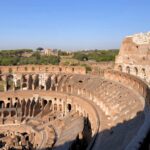
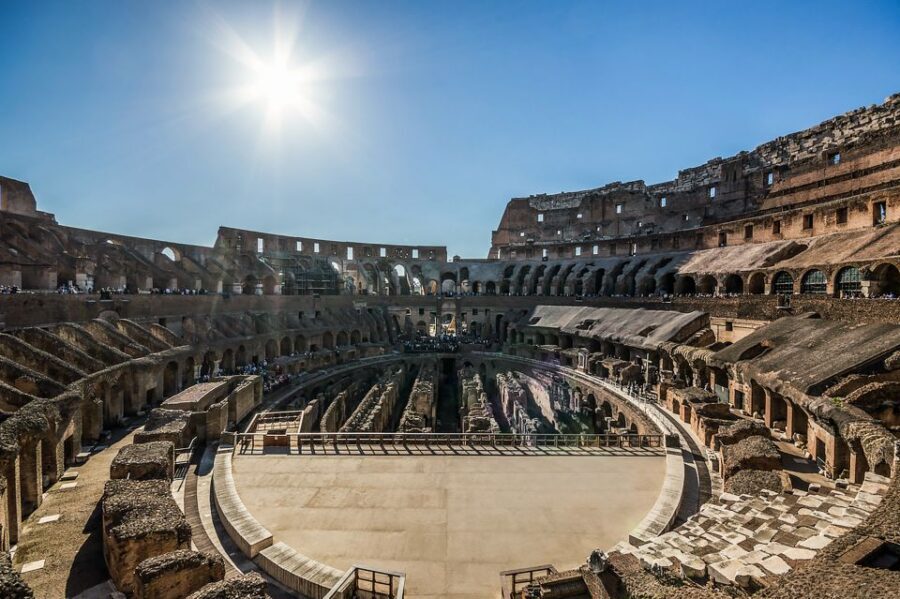
- What You See Inside: Partially Reconstructed Arena Floor and Real-Feeling Details
- Walking the Colosseum’s Story With a Live Guide (And the Good Ones Matter)
- Palatine Hill: Where Elite Rome Looked Down
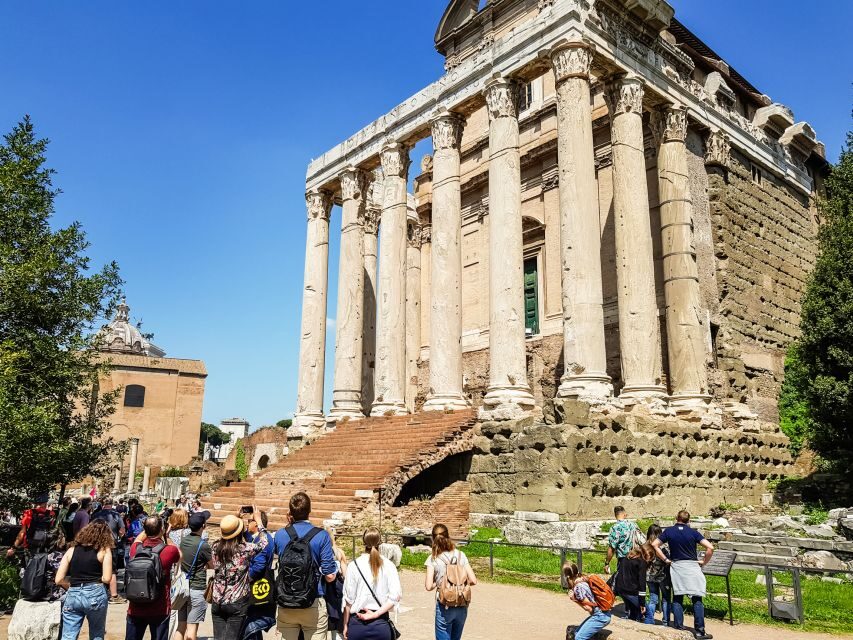
- The Roman Forum: Political and Social Life in One Guided Route
- Timing, Order, and How the Tour Keeps Moving
- Price Value for a 2.5–3 Hour Icon Tour at $73.89
- What to Bring, Wear, and Know Before You Go
- Should You Book This Colosseum Arena, Palatine Hill & Roman Forum Tour?
- FAQ
- How long is the Rome Colosseum Arena, Palatine Hill & Forum guided tour?
- What does the tour cost per person?
- Which sites are included in the tour?
- Does this tour include fast-track entrance?
- If I choose the Arena floor option, what access do I get?
- What languages are available for the live guide?
- What should I bring for the tour?
- What items are not allowed at the sites?
- Is this tour suitable for wheelchair users or people with mobility impairments?
Key points I’d prioritize
- Gladiator’s Gate entry cuts the wait and sets the tone fast
- Arena-floor access (option) helps you understand the spectacle from inside the building
- Underground and trap-door details make the gladiator stories feel real
- Arch of Constantine viewpoint gives you a classic photo anchor
- Palatine Hill + Roman Forum turns the Colosseum visit into a full day’s worth of context
- Guide quality shows up repeatedly, with names like Magda, Eni, Radu, and Titiana popping up in strong feedback
Entering The Colosseum With Express Security and the Gladiator’s Gate
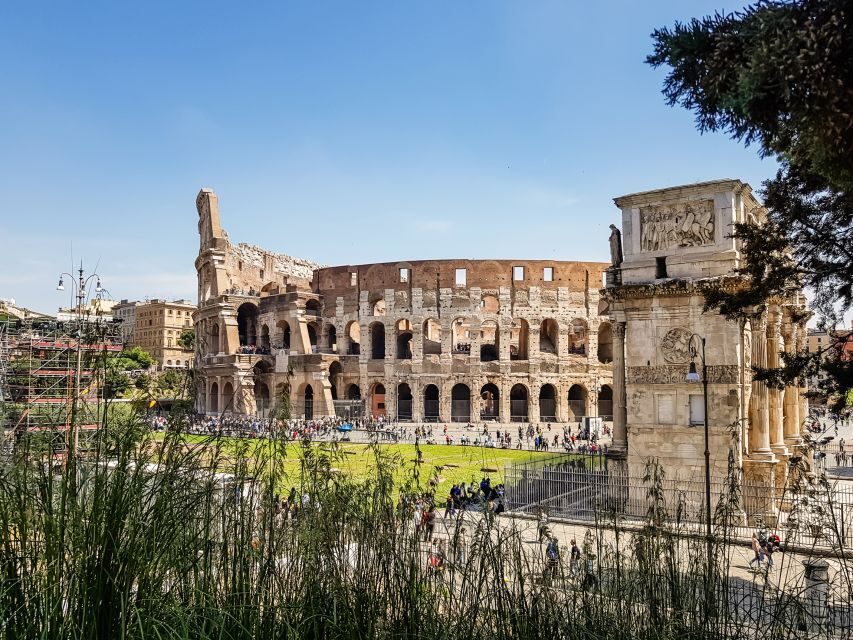
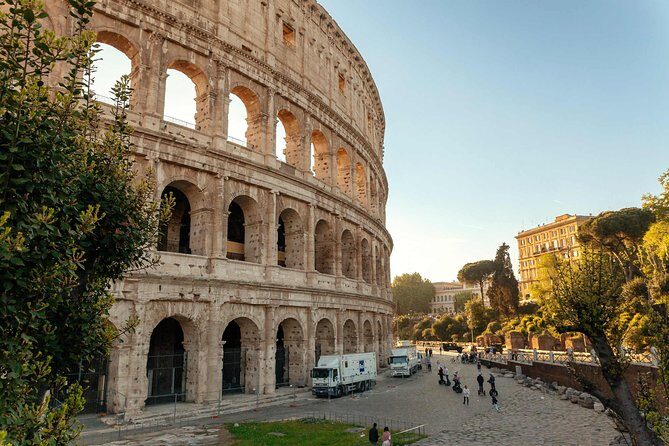
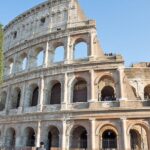
The Colosseum is the kind of place where the building is bigger than your first photo makes it seem. The win here is that you’re not starting by wrestling the longest queues. This tour includes fast-track entrance, including an express security check, which helps you spend your energy looking up at the stands instead of staring at a wall.
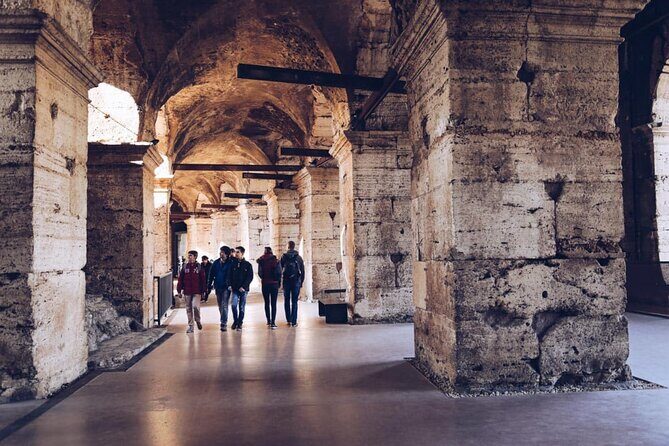
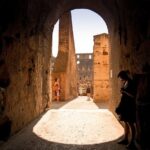
Then you enter through the Gladiator’s Gate—a small detail that changes your whole mood. Instead of arriving like a typical tourist, you move into the amphitheater the way gladiators (and the teams around them) would have processed through the Colosseum’s working spaces. It’s one of those moments where your brain catches up to the scale.
You also get an official guide for the guided Colosseum portion (about 1.5 hours). That matters because the Colosseum isn’t just a giant oval. It has levels, circulation routes, and design choices that explain how crowds were handled and how shows were staged over time.
More Colosseum, Forum & Palatine combos for the Colosseum & Ancient Rome
What You See Inside: Partially Reconstructed Arena Floor and Real-Feeling Details
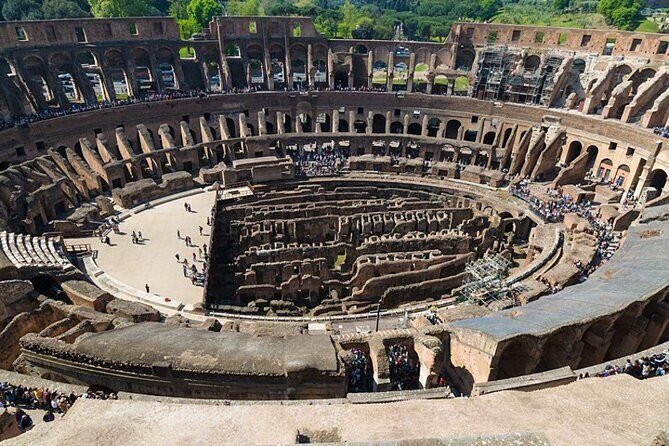
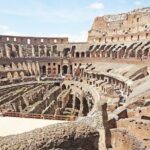
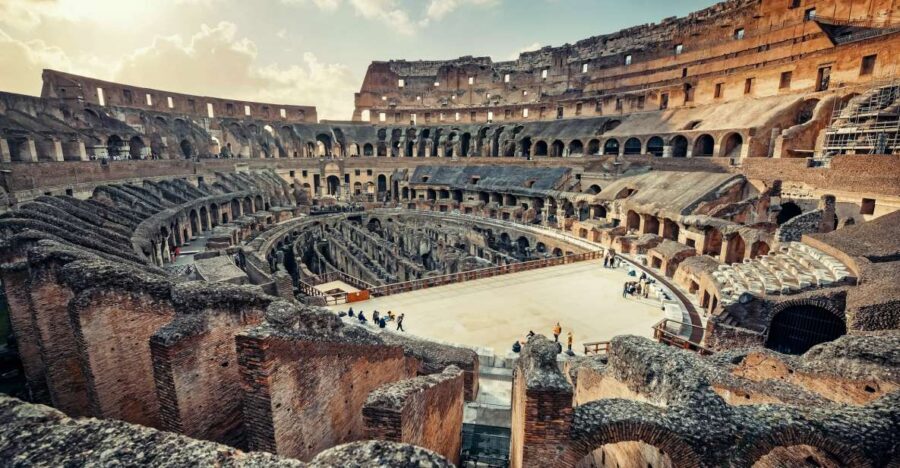
Once you’re inside, the tour doesn’t stay at the railing level. If you chose the option that includes the Arena floor, you’ll get access to a partially reconstructed section of the floor. That’s a key difference between seeing the Colosseum and understanding it.
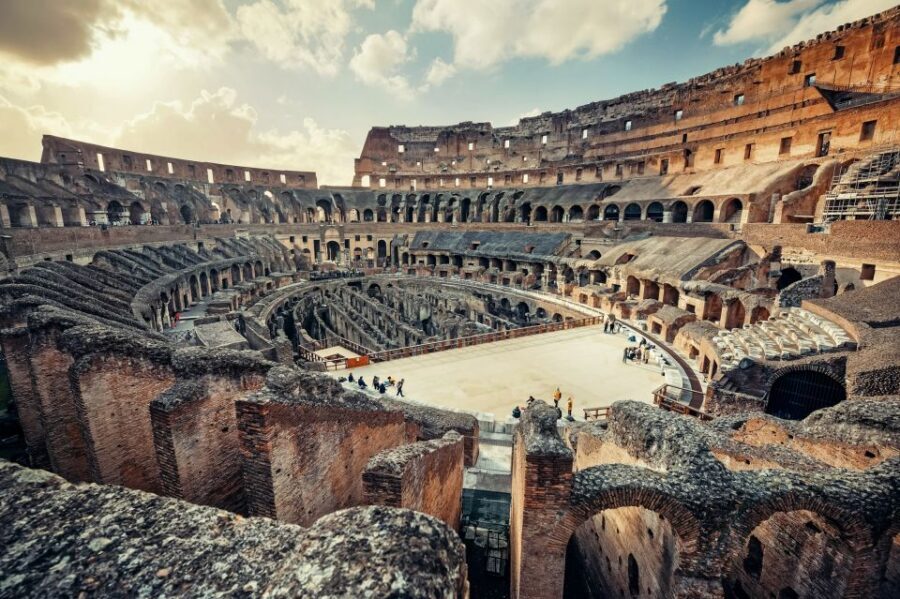
Standing on the arena floor is where your imagination clicks. You can look down into the underground area—the chamber where wild animals were held—and you’ll also learn about the pathways used by gladiators. The guide points out functional features too, including the trap door where animals were released for the entertainment. It turns the stories from headlines into something you can picture with your own feet planted on the space.
You’ll also get close-up views of the senator seats. That’s useful because it’s easy to assume the Colosseum was the same experience for everyone. It wasn’t. The seating hierarchy is a visual way to understand Roman social order.
And yes, you’ll see the Arch of Constantine. From the arena, it becomes a built-in landmark that helps you connect what you’re seeing today to what the Romans were creating centuries ago.
Walking the Colosseum’s Story With a Live Guide (And the Good Ones Matter)
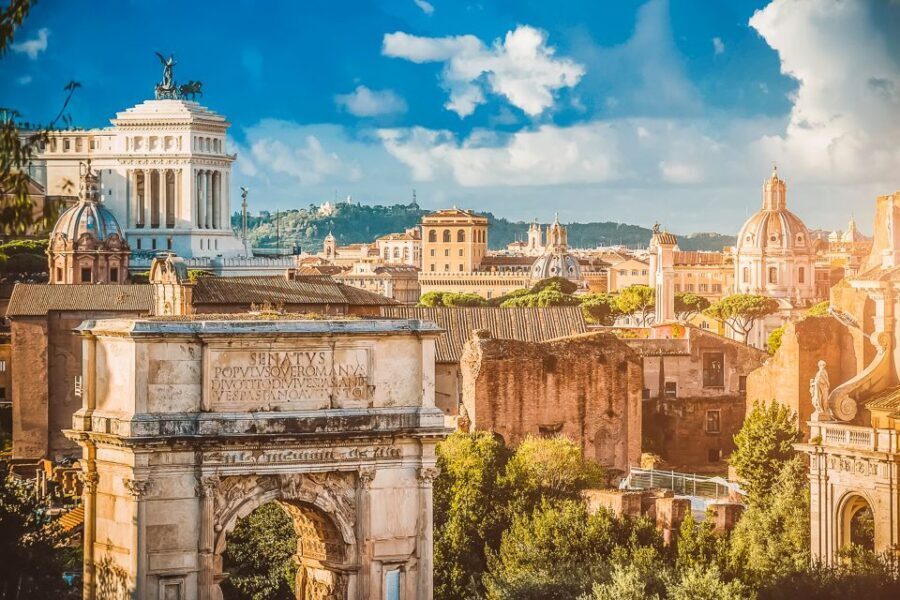
The Colosseum is famous, but it can still feel like a checklist if your guide is light on specifics. This is where the repeated praise for guide style is a real value driver.
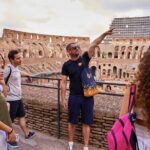
In the feedback data you provided, guides like Magda, Eni, Radu, Titiana, Fabrizio, Eleonora, and Giuseppe are named for standout performance. The common thread is not just facts—it’s pacing and storytelling. Several reviews highlight guides who answer questions well and keep the group moving at a comfortable rhythm without dragging.
One guide example you can actually use when you’re choosing your moment: people mention guides finding shade during stops and making photo spots easier to access. That’s not a small thing in Rome. Even a few minutes in the wrong sun angle can turn a great visit sour. If you book for a hot stretch, think of shade as a quality-of-life feature, not a luxury.
Palatine Hill: Where Elite Rome Looked Down
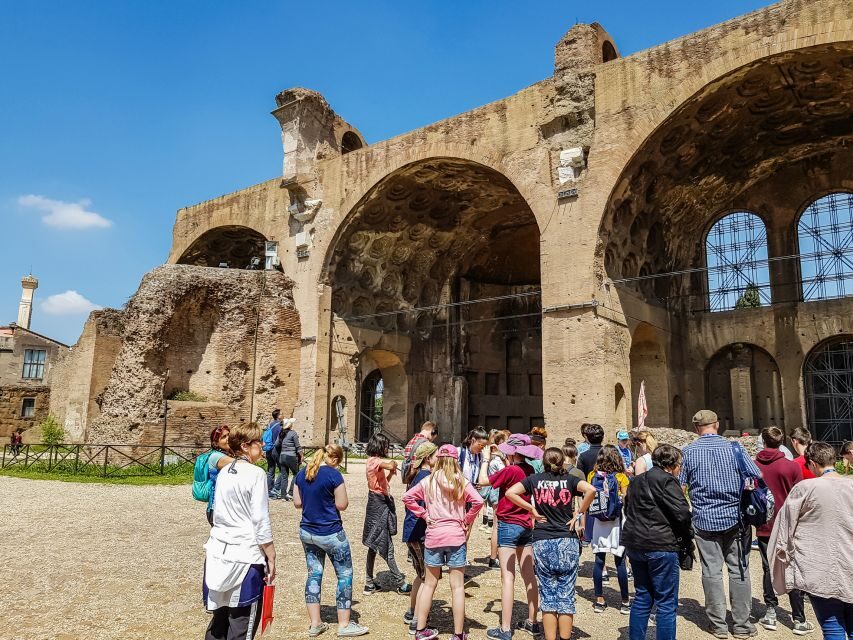
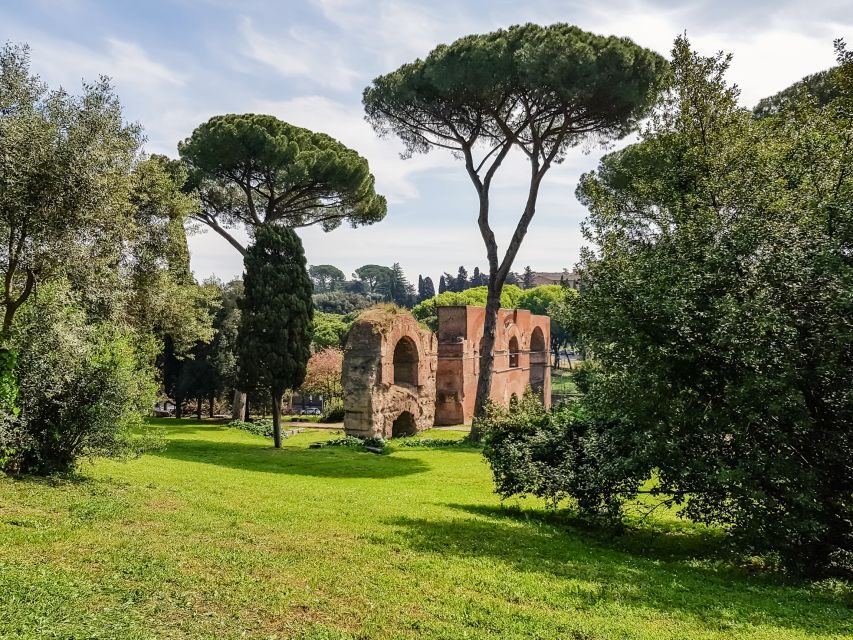
After the Colosseum, you head to Palatine Hill, which is one of the best ways to understand why Rome didn’t just have events—it had power. Palatine is tied to the idea of Rome’s upper ranks, and walking there gives you perspective. You’re not only seeing ruins; you’re seeing a city built on hierarchy.
Your stop here is guided (about 30 minutes). That time may sound short compared to the Colosseum, but it’s exactly why it works within the tour format. Palatine Hill is more about viewpoint, placement, and atmosphere than it is about long museum-style wandering.
The payoff is that by the time you arrive at the Roman Forum, you’ll have a mental map. The Forum becomes less like random stone blocks and more like the public stage connected to who held influence.
The Roman Forum: Political and Social Life in One Guided Route
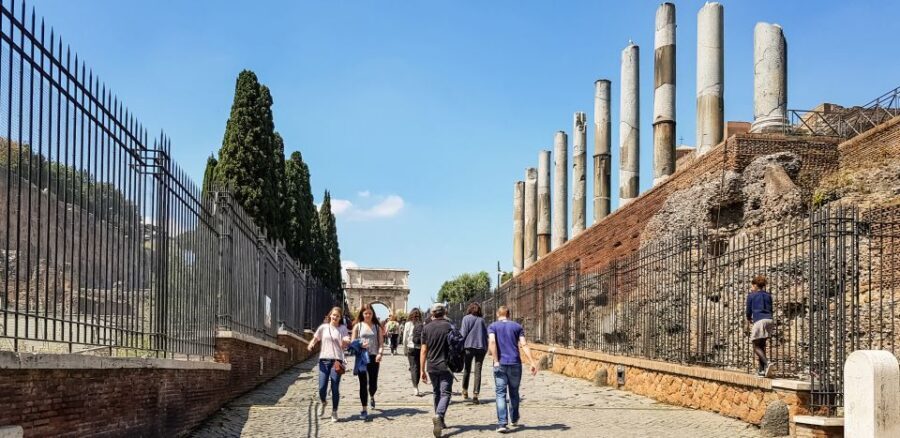
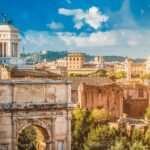
The Roman Forum is the center of Roman public life, and a guided visit makes it easier to see how it all connects. This tour includes about one hour in the Forum, with a guide leading you through key areas so you understand what you’re looking at—not just where you’re standing.
The reason this stop feels valuable is that it changes the Colosseum visit. In the amphitheater, you learn about entertainment, spectacle, and the machinery behind shows. In the Forum, you learn what kind of society made those shows possible. It’s politics, social standing, and public authority, all in the same place where Romans would have gathered.
You’ll follow in the footsteps of Roman citizens, and you’ll also get time for photos. Reviews for this kind of itinerary often mention that having a guide helps you find the better angles without losing time to indecision or congestion. That’s especially true in a site like the Forum where crowd flow can make simple navigation harder than you expect.
More Palatine Hill tours for the Colosseum & Ancient Rome

Timing, Order, and How the Tour Keeps Moving
Your route can switch in order. The itinerary notes that it can run either Colosseum & Forum first or Roman Forum & Colosseum. Don’t stress about this too much: you’re still getting guided time at all the key sites, just arranged differently.
You’ll usually see:
- Colosseum guided visit (about 1.5 hours)
- Arena floor segment (around 20 minutes) if your option includes it
- Palatine Hill guided stop (about 30 minutes)
- Roman Forum guided stop (about 1 hour)
Also note that meeting time can change, and you may be contacted by email if needed. I’d treat your confirmation details as your source of truth and arrive a bit early so the start isn’t stressful. One review specifically called out that the beginning location can be tricky to spot, even for people using the map marker. In Rome, the fix is simple: check the exact street details ahead of time and give yourself buffer.
Price Value for a 2.5–3 Hour Icon Tour at $73.89
At about $73.89 per person, this isn’t a budget ticket. But you’re not just buying entry. You’re paying for:
- fast-track entry and express security
- an official guide through the Colosseum and Forum sites
- admission to multiple major landmarks in a tight window
- arena floor access if you select that option
Here’s the value math I use in Rome: time is the real currency. If skipping long lines helps you avoid losing an hour to security, that alone can justify a higher price. Add in the guide’s explanations (including the arena’s underground and trap-door mechanics), and the ticket feels more like a structured education than a simple admission pass.
The other value point is coverage. Colosseum, Palatine Hill, and the Roman Forum are not small visits. Doing them without a guide often turns into wandering and guessing. With this format, you get a coherent route and a guided storyline.
What to Bring, Wear, and Know Before You Go
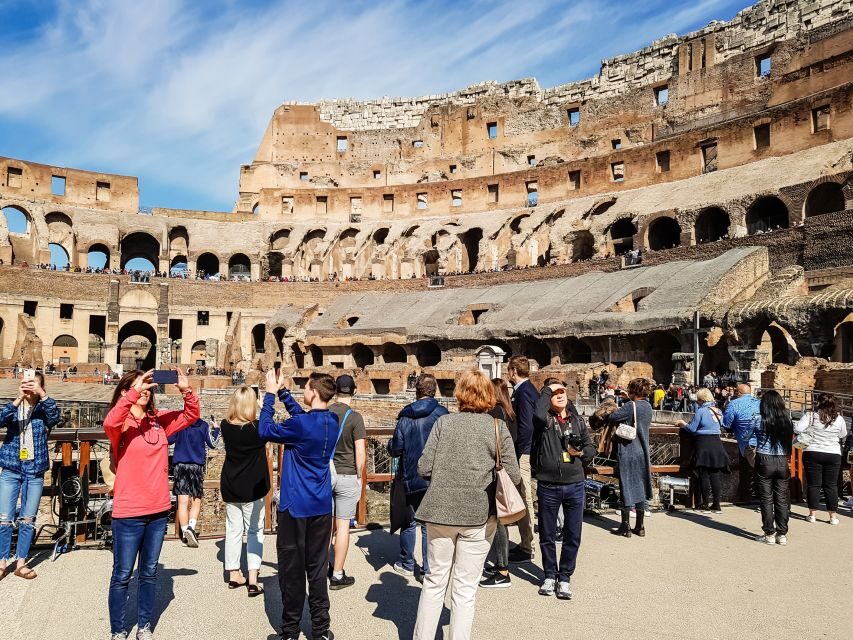
This tour is built for walking. Wear comfortable shoes that handle uneven surfaces. Plan on wearing comfortable clothes for a lot of outdoor time.
Bring:
- passport or ID card
- water
- comfortable clothes
- a plan for sun or light rain (the tour runs rain or shine unless officials close the monument for safety)
What not to bring:
- weapons or sharp objects
- luggage or large bags
- glass objects
- electric wheelchairs (and the tour is listed as not suitable for wheelchair users and people with mobility impairments)
- sprays or aerosols
You’ll also face mandatory security checks at entry points to the sites. Importantly, security waiting time can still be significant during peak periods, and it’s separate from the ticket line wait. In other words: fast-track helps, but Rome security is Rome security.
Should You Book This Colosseum Arena, Palatine Hill & Roman Forum Tour?
Book it if you want the smart version of the Colosseum day: skip the worst waits, get in via the Gladiator’s Gate, and come away understanding what you saw. It’s especially worth it if you’re the kind of person who likes context—how the shows worked, how people lived and ruled, and why the spaces are arranged the way they are.
I’d hesitate only if you have mobility limitations. The tour isn’t marked as suitable for wheelchair users or people with mobility impairments, and the uneven old-stone walking is real.
If you do book, pick the option that includes arena floor access when it’s available and fits your comfort level. That extra stop turns the Colosseum from a breathtaking structure into a place you can almost hear.
FAQ
How long is the Rome Colosseum Arena, Palatine Hill & Forum guided tour?
The duration is listed as 2.5 to 3 hours, depending on the starting time.
What does the tour cost per person?
The price is $73.89 per person.
Which sites are included in the tour?
You’ll have entry tickets and a guided visit that covers the Colosseum, the Roman Forum, and Palatine Hill.
Does this tour include fast-track entrance?
Yes. It includes fast-track entrance and an express security check.
If I choose the Arena floor option, what access do I get?
If you select that option, you’ll get access to the Arena floor and a guided experience that includes a partially reconstructed section.
What languages are available for the live guide?
The live tour guide is available in Portuguese, English, German, French, and Spanish.
What should I bring for the tour?
Bring a passport or ID card, comfortable shoes, and water, plus comfortable clothes.
What items are not allowed at the sites?
Weapons or sharp objects, luggage or large bags, glass objects, electric wheelchairs, and sprays or aerosols are not allowed.
Is this tour suitable for wheelchair users or people with mobility impairments?
No. It is listed as not suitable for wheelchair users and not suitable for people with mobility impairments.