REVIEW · ROME
Colosseum: Underground and Ancient Rome Tour
Book on GetYourGuide →Operated by The Ultimate Italy · Bookable on GetYourGuide
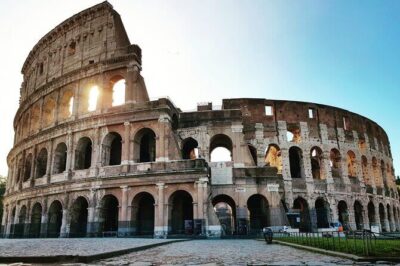
The Colosseum is louder from below. This 3-hour tour gives you access to the Underground chambers and lets you walk onto the arena floor, while also covering the Roman Forum and Palatine Hill with a guide who keeps it clear and human. I especially liked how the stories connect what you see to what gladiators, animals, and Roman power looked like on the ground. One watch-out: it’s a lot of walking and the tour timing is tight, so you may not get as long up top as you’d want.
What makes this tour worth thinking about is the mix of big-picture Rome plus the rare part: the Underground route. Guides like Carmelo, Chris, Teddy, and Maya were praised for answering questions and turning confusing ruins into something you can picture. If the radio system is playing badly on your day, you may need to get closer to your guide to catch every word.
In This Review
- Key highlights that matter
- Why the Colosseum Underground changes the whole visit
- Meeting at Via dei Fori Imperiali: first friction, then smooth sailing
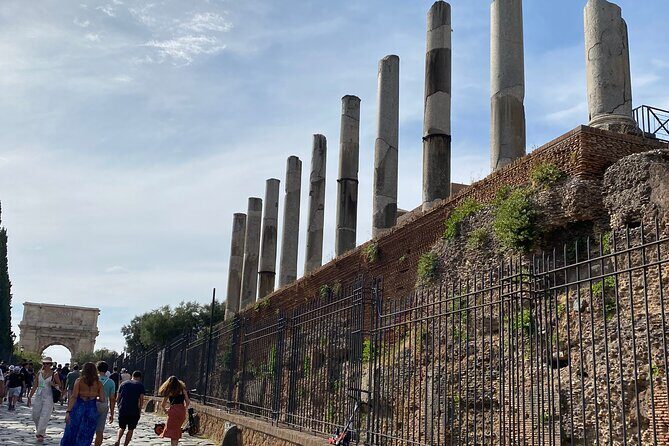
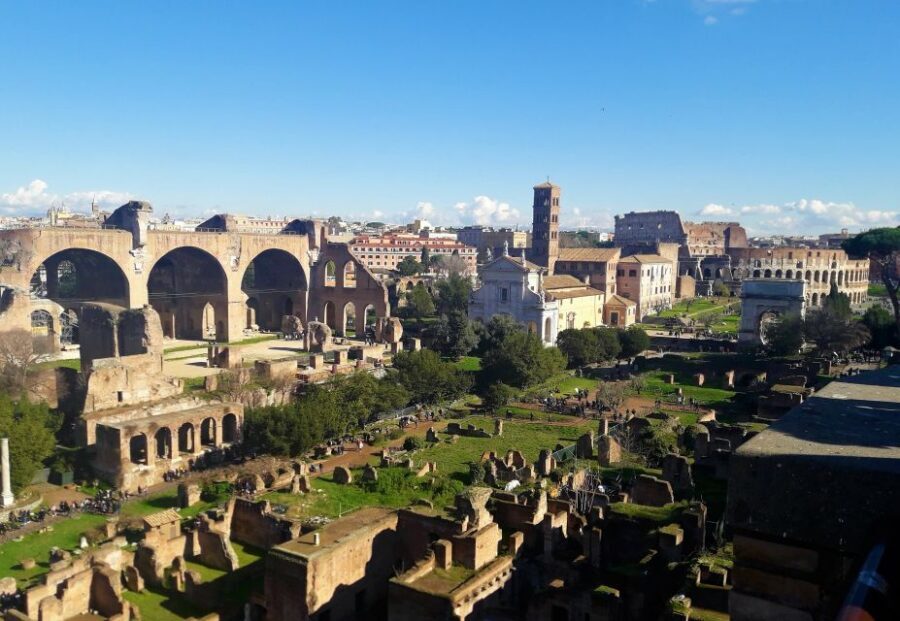
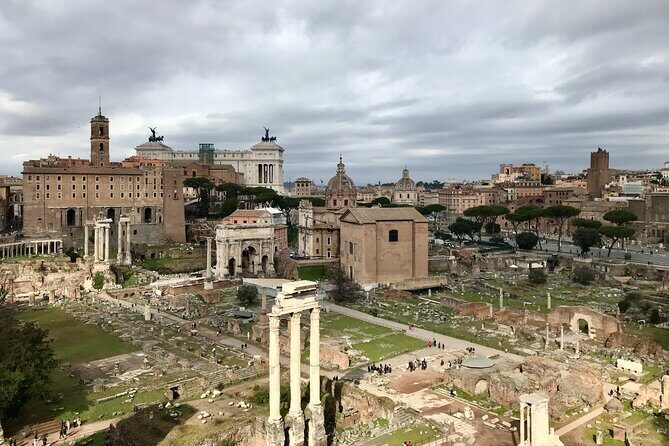
- Roman Forum and Palatine Hill: get your bearings in 1 hour
- Underground chambers: where gladiator stories actually connect
- Arena floor and ground level: walking in the shoes, minus the drama
- Second tier views: power in the upper world
- $160 price check: what you’re paying for, and what you get
- Pace, crowds, and tips that save your day
- Who should book this Underground Colosseum tour
- Should you book it?
- FAQ
- How long is the Colosseum Underground and Ancient Rome tour?
- Where do I meet for the tour?
- What does the tour include?
- What languages are available?
- Is this tour refundable?
- Is it suitable for wheelchair users or mobility impairments?
- What should I bring?
- Are large bags allowed?
Key highlights that matter
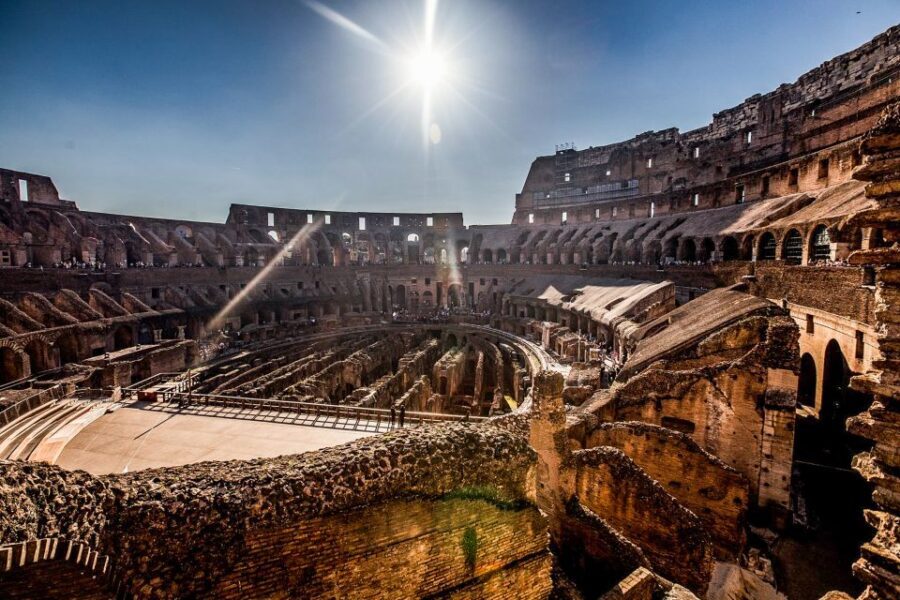
- Underground access plus a guided walkthrough of the chambers tied to gladiators and animals
- Arena floor time where you can see the scale from ground level, not just the view from afar
- Roman Forum and Palatine Hill handled together so you get context fast
- Second tier and key perspectives that explain how spectatorship and power worked
- Headsets included, so you’re less dependent on shouting through crowds
- A good value for the sights you get in 3 hours if you hate waiting in lines
Why the Colosseum Underground changes the whole visit
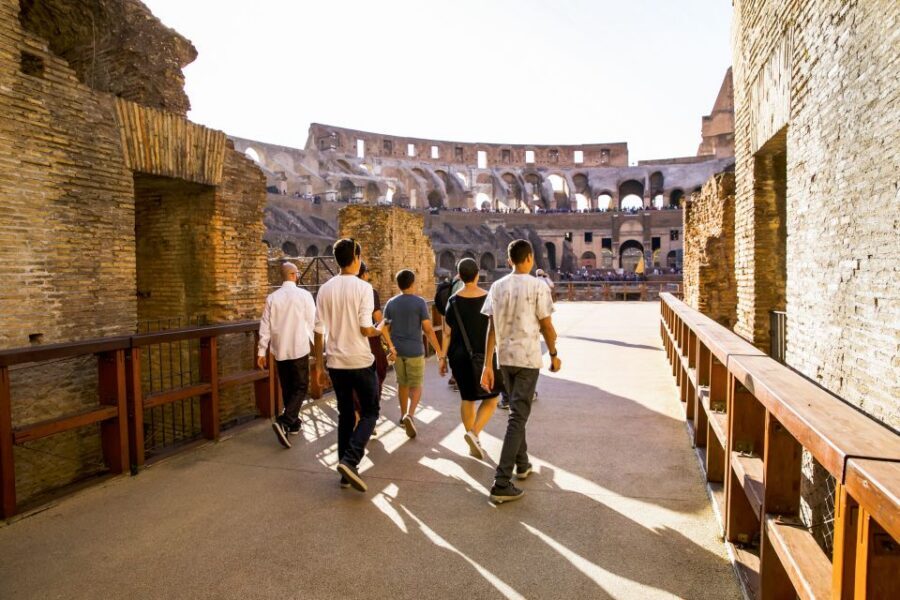
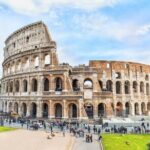
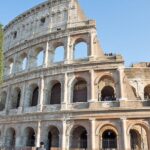
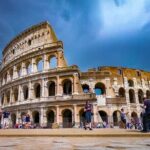
Most people see the Colosseum like a poster: stone, arches, and a skyline of tourists on top. The real mind-bender is going the other way—down into the Underground spaces where the arena machinery of ancient spectacle actually made sense.
On this tour, you don’t just pass through. You get a guided Underground route, with explanations about how Romans staged events and what life was like for the people (and animals) kept out of the public eye. The effect is practical. Once you understand the flow from underground to arena, the Colosseum stops being a single monument and becomes a working venue.
I also like that this experience is paired with context first. You don’t start with shock and then have nothing to connect it to. The Roman Forum and Palatine Hill stop the story from feeling random. When you later look up from the arena floor, you’re better able to picture who held power, who watched, and why the Colosseum mattered beyond entertainment.
More Colosseum Underground tours for the Colosseum & Ancient Rome
Meeting at Via dei Fori Imperiali: first friction, then smooth sailing
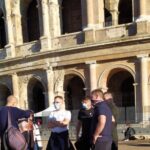
Your meeting point is Via dei Fori Imperiali, 25 (00186 Rome), directly in front of the Tourist Information Point at Fori Imperiali. Coordinators wear The Ultimate Italy t-shirts, which helps when you’re dealing with Rome crowds and street noise.
Plan to arrive with a buffer. Several visitors described delays due to road closures and limited signage near the area. That doesn’t mean the system fails—it means you should show up early enough to avoid a stress sprint. If you’re traveling with kids or anyone who walks slowly, leave extra time before you even think about the entry queue.
A couple practical notes I’d treat as non-negotiable:
- Bring a passport or ID card. A copy is accepted.
- Don’t bring luggage or large bags. Backpacks also aren’t allowed.
- Unaccompanied minors aren’t allowed.
- Use the exact full names from your documents when booking.
These rules sound basic, but they’re the difference between gliding through and getting stuck at the moment you want to be enjoying the first part.
Roman Forum and Palatine Hill: get your bearings in 1 hour
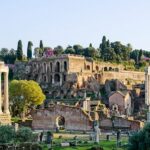
The best thing about this tour’s structure is that it doesn’t leave you wandering the Forum guessing. You get a full guided walk of the Roman Forum and Palatine Hill, with about 1 hour dedicated to covering the key ideas in that archaeological zone.
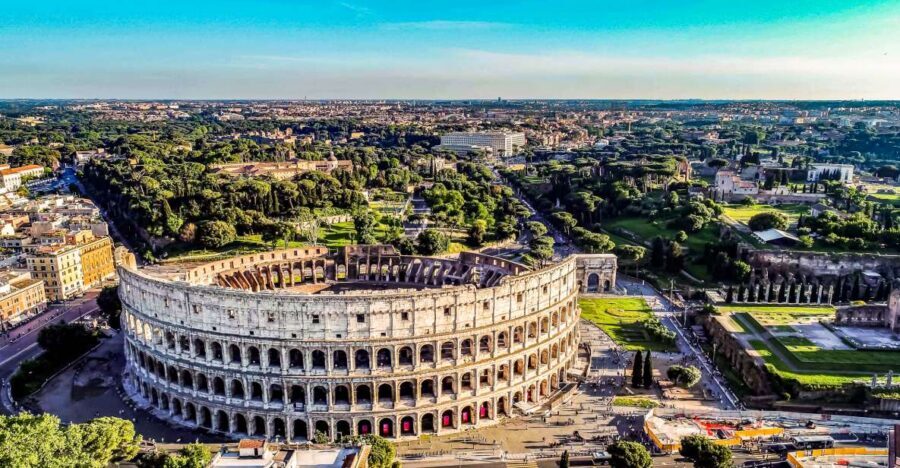
The Roman Forum is where Rome’s public life shows up in fragments: political buildings, meeting spaces, and the impression of busy civic power. Palatine Hill adds the human layer—where you can imagine status, home life, and the rise of emperors. On a day when the Colosseum is the headline, this pairing gives you what you need to understand why the Colosseum sat where it did and why it became the kind of spectacle that mattered.
Photo-wise, the guide also helps you place yourself. You’ll spend time walking around so you can capture good angles of the Colosseum, but you’ll also learn what you’re looking at rather than just photographing stone.
One drawback to consider: since the tour later commits you to Underground and arena sections, this “context time” is focused, not leisurely. If you’re the type who wants to linger on every archway carving for 30 minutes, this part may feel like a fast tour.
Underground chambers: where gladiator stories actually connect
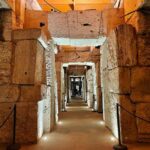
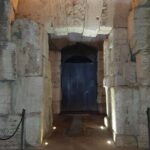
Now for the part you came for: the Colosseum Underground. This is where the building turns from monument into mechanism.
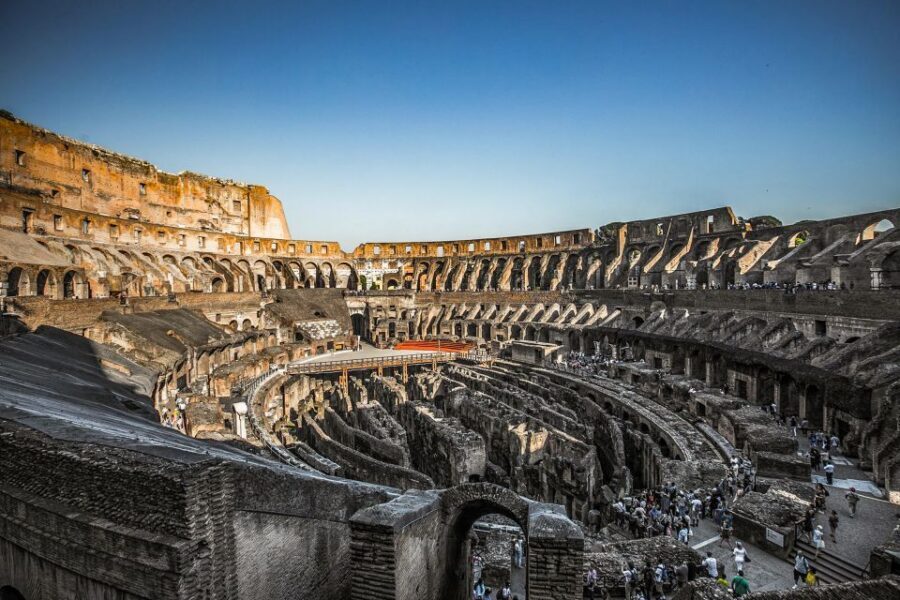
You’ll visit the Underground chambers on a guided tour, hearing stories about gladiators and about the wild animals that were kept there. It’s the sort of information that changes how the arena floor looks. Instead of thinking of battles as abstract, you start picturing the staging process—where people waited, where animals were held, and how the public experience was controlled.
I also like that your guide points out how the Underground connects to other areas of the site. That makes it feel less like a random basement tour and more like a route the Romans designed for performance. Even if you’ve studied Roman history before, seeing the physical layout helps your brain stop treating it as textbook content.
Small practical note: you’ll be walking in and out of levels, and it’s not a sit-down museum pace. Wear shoes you’d be happy walking across cobblestones in. The Underground portion is worth it, but it’s still part of a 3-hour guided day where attention is the currency.
Arena floor and ground level: walking in the shoes, minus the drama
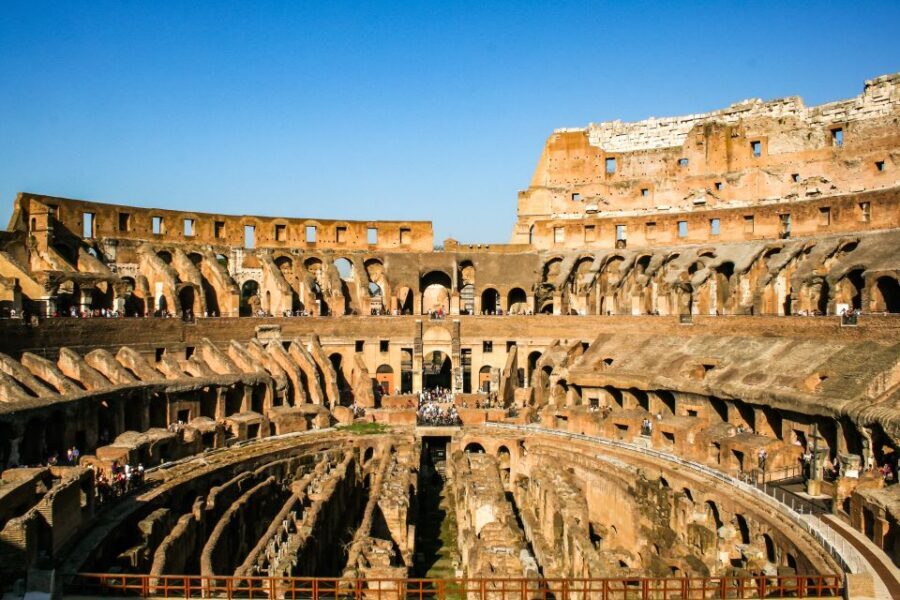
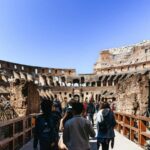
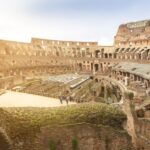
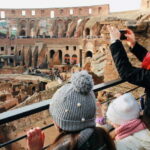
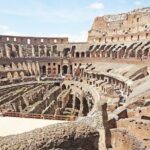
Next you step onto the arena floor, then the ground floor area, with guided sightseeing around what you’re seeing. This is the stage-level experience most people dream about, because the Colosseum suddenly feels scaled to real bodies and real motion.
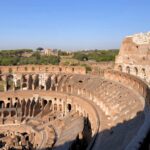
What you’ll notice is space. From the top, the arena can feel like a photo subject. From ground level, you see how the venue funnels attention. You understand why crowds loved watching the show unfold from their seats while everything backstage stayed controlled out of sight.
And yes, this is where the tour leans into storytelling: the guide explains how the emperor would be positioned above the arena, able to decide fates as gladiators stood facing the crowd. Even if you’ve heard these myths and legends in other forms, seeing the vantage points makes the concept feel grounded.
Also, there’s a built-in time limit here. Some visitors felt they could have used more time around the top of the Colosseum itself afterward. That doesn’t mean the Underground isn’t time-efficient—it means your priorities should be the Underground and arena rather than expecting long, slow wandering on upper levels.
More Ancient Rome tours for the Colosseum & Ancient Rome

Second tier views: power in the upper world
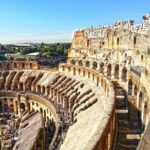
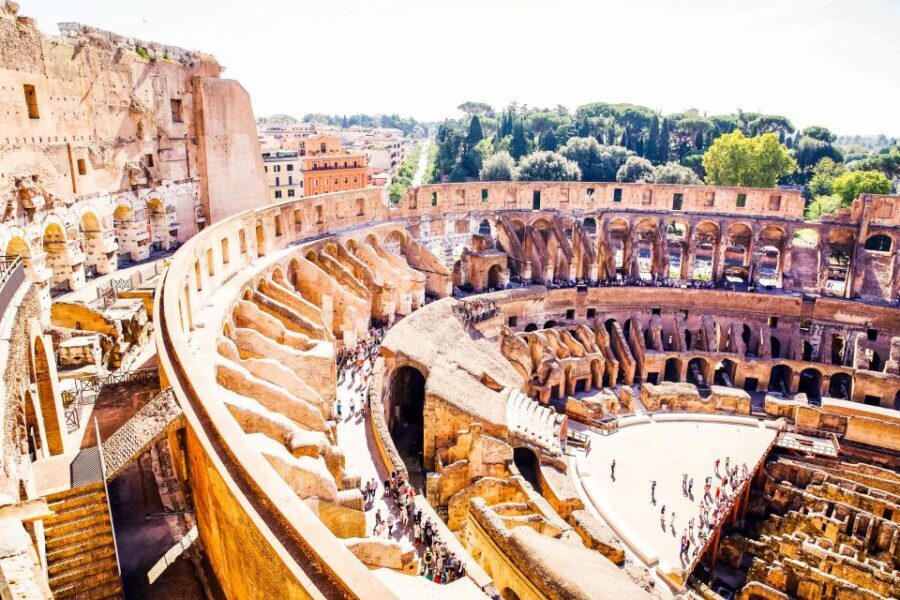
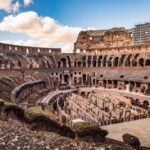
After the ground-level and Underground experience, you also get access to the second tier and the exhibition. The second tier is where the Colosseum starts to feel like a machine for viewing—how spectatorship worked, and why certain areas mattered more than others.
This is also the segment that helps you close the loop. You’ve already pictured the Underground route and the arena floor. Now you shift your perspective upward and make sense of the whole “audience vs. stage” story.
If you love photography, this is often where your angles improve. You can frame the building and the arena in a way that’s hard from street level. Just remember: the tour’s schedule is designed to cover multiple zones, so the second tier isn’t a free-for-all. Think of it as a guided viewing window that supports the rest of the narrative.
$160 price check: what you’re paying for, and what you get
At $160 per person for a 3-hour tour, the price looks steep at first glance. But here’s the practical breakdown the operator provides: the Colosseum Underground admission fee is 24 € for adults, plus a 2 € booking fee. The remaining amount covers the professional licensed guide, headsets, tour services, and ticket handling.
So you’re not just paying to stand in front of rocks. You’re paying for:
- guided access to the Underground, which is the most restricted-feeling part of the visit
- access to the arena, ground floor, and second tier
- headsets to keep you hearing the guide over noise
- structured coverage of the Roman Forum and Palatine Hill so you don’t waste time figuring it out solo
Is it a bargain? Not in the budget sense. But it can be good value if you care about the full experience and want the interpretation that makes the Colosseum clearer than self-guided browsing.
One balanced note: a couple people did mention that some audio equipment (headsets/radios) can be less reliable on certain days. That’s not an automatic dealbreaker, but it’s worth keeping close to your guide if you notice static or low volume.
Pace, crowds, and tips that save your day
This tour is about moving through multiple levels. That’s why it packs so much in: Forum and Palatine Hill, then Underground, then arena and upper sections. It’s not rushed like a sprint, but it’s not a slow museum drift either.
The most common positive pattern in the experience is simple: people love the structure. Having guides named Carmelo, Chris, Teddy, Maya, Mitra, Enza, and others described as funny, energetic, and willing to answer questions is a sign you’re not just getting facts—you’re getting pacing and context.
The most common practical issues are also simple:
- meeting point confusion when street works and diversions create delays
- crowd density changing what you can linger on afterward
- occasional trouble hearing if the radio system isn’t behaving perfectly
My advice: treat the meeting time like an appointment, not a suggestion. If the city is throwing obstacles at you, arriving early lets the tour start smoothly instead of becoming your personal endurance test.
Also, bring water if you can carry it within the allowed rules. The tour doesn’t list food or drinks as included, so plan for your own breaks outside the scheduled stops.
Who should book this Underground Colosseum tour
Book this if you want the Colosseum experience to feel like a story with a backstage route. You’ll likely enjoy it most if:
- you’re history-minded and want explanations as you walk
- you care about the Underground and arena floor, not only the outside walls
- you prefer a guided plan when Rome sites are packed
You might think twice if:
- you have mobility limits, since this tour is not suitable for wheelchair users and isn’t positioned for mobility impairments
- you want lots of unstructured time at the top of the Colosseum (the schedule prioritizes other key zones)
- you’re extremely sensitive to noise and gear—headsets help, but there was at least one report of the audio not working well
Should you book it?
If you’re choosing between self-guided tickets and a guided experience, I’d lean toward booking. The biggest reason is the Underground access plus arena access, which turns the Colosseum into a fuller experience instead of just a great exterior view.
I’d especially recommend it to first-timers who want the Forum and Palatine Hill context without spending hours mapping the site yourself. If you’ve already done the Colosseum once and you know the upper levels well, this still makes sense because the Underground is the part that changes how you understand the entire venue.
Just be smart about timing, wear good shoes, and accept that you’re buying structure and interpretation more than slow wandering. That trade is exactly what makes this tour feel worth it when the stone is impressive and the stories are what make it stick.
FAQ
How long is the Colosseum Underground and Ancient Rome tour?
The tour duration is 3 hours.
Where do I meet for the tour?
Meet at Via dei Fori Imperiali, 25, 00186 Rome (RM), in front of the Tourist Information Point at Fori Imperiali. Coordinators wear The Ultimate Italy t-shirts.
What does the tour include?
It includes guided Underground access, arena access, ground floor access, second tier access, an exhibition, and a ticket for admission to the locations. You also get headsets and a professional licensed tour guide.
What languages are available?
The live tour guide is available in French, English, and Spanish.
Is this tour refundable?
The activity is non-refundable.
Is it suitable for wheelchair users or mobility impairments?
No. It is listed as not suitable for people with mobility impairments and wheelchair users.
What should I bring?
Bring a passport or ID card. A copy is accepted, and children also need ID or a passport. You’ll need to have the full names matching your documents.
Are large bags allowed?
No. Luggage or large bags and backpacks are not allowed.