REVIEW · ROME
Gladiator’s Gate: Special Access Colosseum Tour with Arena Floor
Book on Viator →Operated by Walks - Italy & Spain · Bookable on Viator
Walking through gladiators’ doorway gives chills. This special access tour lets you step onto the Colosseum arena floor through the Gladiator’s Gate, then look at the Forum and Palatine Hill with a guide who gives the ruins a point. I love the front-row perspective you get from inside, and I love the way the day stays organized instead of turning into a self-guided wander. One thing to plan for: only small bags are allowed now, so bring just small backpacks or a regular-size handbag and expect security checks.
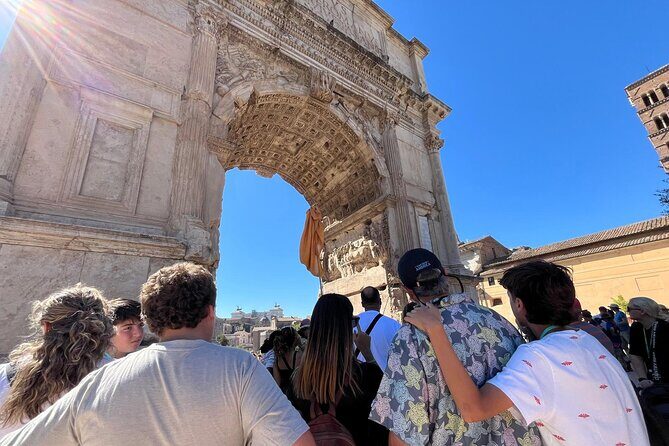
Meet your guide near the Via delle Terme di Tito steps, and you’ll enter via a gate that’s specifically for this experience, which helps you avoid the crush. The group stays small (up to 16), and the 9 AM departure is capped even tighter at eight people for a more personal feel. The whole tour runs about three hours, and you finish near the Roman Forum, which is great if you want to keep exploring afterward.
In This Review
- Gladiator’s Gate Arena Floor: the moment you came for
- Stop 1: Colosseum Arena Floor via a gate reserved for gladiators
- Stop 2: Roman Forum ruins and the politics behind the stones
- Stop 3: Palatine Hill views and imperial-era backstories
- Small-group size that actually changes the experience
- Price and value: what you’re really paying for
- Bag rules and security checks: the one practical risk
- VIP Caesar Palace & Colosseum: what changes with the SUPER Sites
- How to prepare: shoes, pace, and small-but-critical details
- Who should book Gladiator’s Gate?
- Should you book? My take
- FAQ
- Is this tour offered in English?
- Does it include access to the Colosseum arena floor?
- Where do I meet the guide, and where does the tour end?
- Are there bag restrictions?
- How big are the groups?
- Can I get a refund if my plans change?
Gladiator’s Gate Arena Floor: the moment you came for
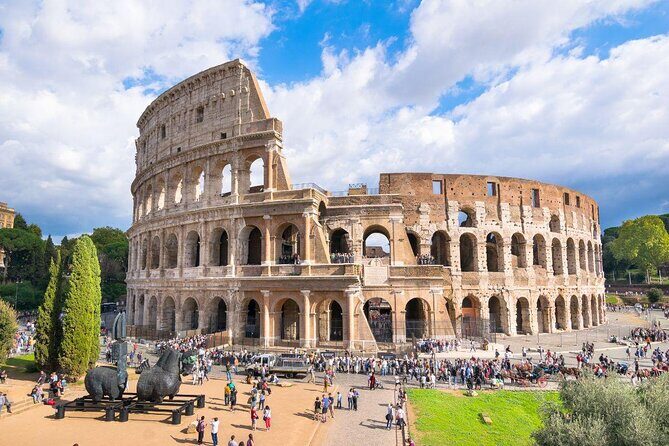
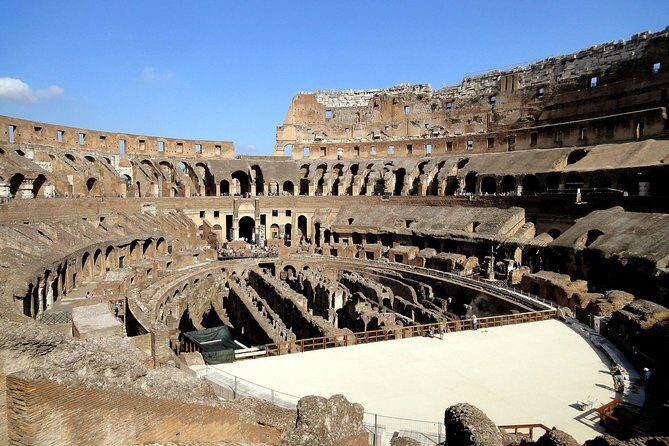
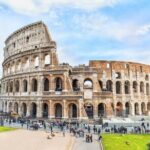
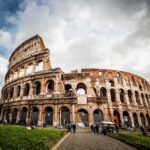
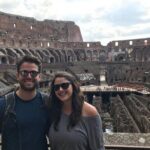
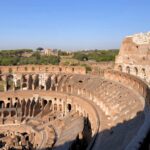
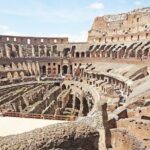
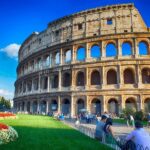
The headline is simple: you enter through the Gladiator’s Gate and walk onto the arena floor—an area most visitors only see from behind railings. Standing where crowds once roared makes the Colosseum stop being a big photo spot and start feeling like a working stage. Even if you’ve read about Roman games, the scale hits you faster in person.
What I really like is the sequence. You’re not dumped into the arena with zero guidance. You’re guided into the story—who fought here, why these games mattered, and how the Colosseum functioned as an entertainment machine. It’s the kind of context that turns random architecture into a clear picture.
Stop 1: Colosseum Arena Floor via a gate reserved for gladiators
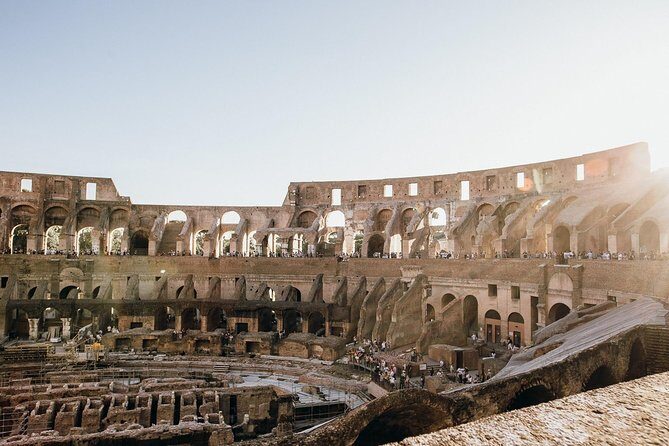
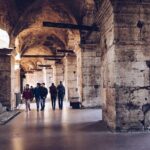
Your day starts at the Colosseum with a meeting point on the Via delle Terme di Tito steps. From there, the plan is to get you moving quickly—bypass the heaviest crowd friction and head straight inside through this special entry. This matters because the Colosseum can feel like a maze when you’re trying to do it on your own without a route.
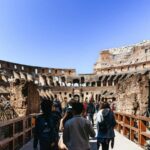
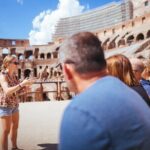
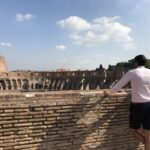
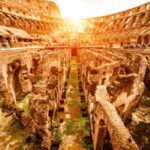
Once you’re inside, you’ll walk right onto the arena floor and spend time there learning about the battles and the gladiators who fought in this space. Expect to see the arena from the perspective Romans had: low to the ground, facing the geometry of entrances and seating. You’ll also continue on to see the Colosseum’s first and second levels with your guide, which helps you understand how the crowd would have looked back down into the space.
A practical note: the tour is timed, so you’re not doing a slow, lingering Colosseum stroll. One downside that shows up for some people is wanting more time inside before moving on—so if you’re the type who wants to roam and re-roam, keep that in mind.
More Arena Floor & Gladiator tours for the Colosseum & Ancient Rome
Stop 2: Roman Forum ruins and the politics behind the stones
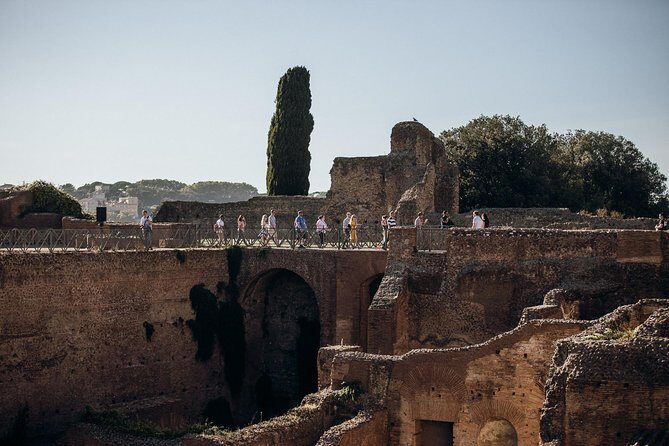
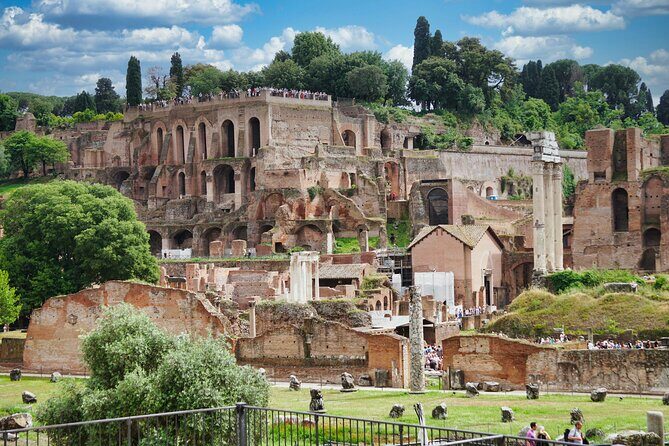
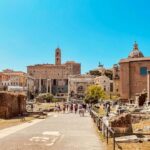
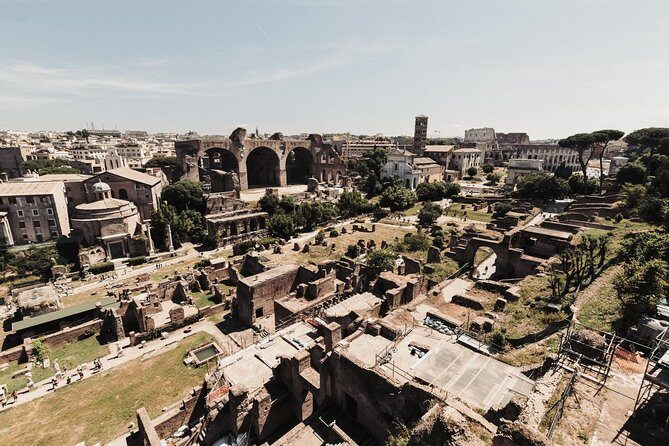
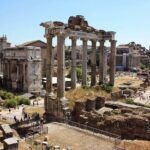
After the arena, the tour shifts to the Roman Forum—one of those places where ruins look similar until someone gives you the “why.” With a historian-style guide, the Forum becomes more than a collection of broken walls. You’ll learn how to read what you’re seeing, including subtle differences that hint at a building’s purpose, like whether a structure was set up as a shop, a bath, or something more civic.
I especially like how this stop connects the dots for first-timers. Seeing the Colosseum first teaches you about spectacle. Then the Forum explains the other half of Roman life: power, money, public life, and the constant behind-the-scenes maneuvering. You’re not just walking through open-air rubble—you’re following a timeline of how Rome worked, from imperial-era characters like Caesar-era figures through later emperors.
Another value here is pacing. The guide doesn’t treat the Forum like a scavenger hunt. Instead, you get a sense of how the city’s daily energy would have flowed through streets and squares.
Stop 3: Palatine Hill views and imperial-era backstories
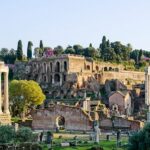
Palatine Hill is where the Roman story gets bigger. You’ll climb to the palaces on the hill and, importantly, you’ll also get that sense of “this is where the leaders wanted to be.” The hill is tied to Rome’s founding legend—Romulus and Remus, the she-wolf story, and the idea that power grew from myth as well as real politics.
What makes this stop work well on a guided tour is the storytelling layer. It’s not just scenic viewpoints (though the views help). The guide connects the palaces and the monumental layout to the politics and drama of imperial Rome—war, governance, alliances, betrayal, and the cast of larger-than-life characters who shaped what Rome became.
Also, the tour route is built for momentum. You’re already oriented from the Colosseum and the Forum, so Palatine Hill feels like the capstone that explains why the emperors cared so much about controlling visibility and legacy.
Small-group size that actually changes the experience

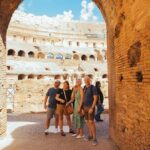
This tour can run with a maximum group size of 16, and for the 9 AM slot the group is capped at eight. That tighter number makes a real difference in Rome, where bottlenecks are constant and people naturally stop for photos. A smaller group gives you better movement and helps your guide keep everyone together without rushing the important parts.
In the reviews, names like Julia, Sev, and Vincenzo come up repeatedly as guides who kept things organized and engaging. Others, like Nicola, Dario, and Elisabeth, also get praised for storytelling and patient, group-friendly pacing. If you’re hoping for a guide who can answer questions on the spot (and not just recite a script), this is a strong sign.
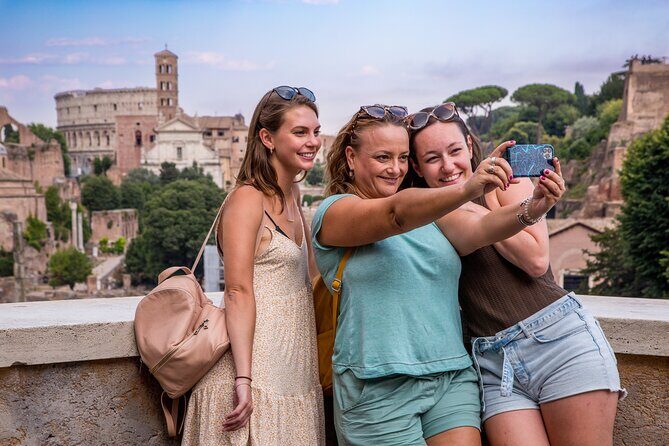
And yes, photos matter here. Several guide-focused comments mention enough time for picture stops, plus a pace that doesn’t bulldoze slower walkers.
Price and value: what you’re really paying for
At $89.49 per person, this is not the cheapest way to see the Colosseum. But it’s also not paying for just “a ticket and a map.”
Here’s the value breakdown you can use: the Colosseum entrance ticket with arena access is included, and that ticket portion is valued at €24 per person. The rest of your cost covers the guide and the special service of getting you into the arena area through the Gladiator’s Gate experience setup—exactly the kind of access that’s hard to replicate independently without a lot of planning.
If you compare it to the time cost of buying your own tickets, then figuring out a good route across the Colosseum, Forum, and Palatine Hill, guided value starts to look more fair. You’re buying clarity and timing—two things that make Rome less exhausting.
More Exclusive & VIP access tours for the Colosseum & Ancient Rome

Bag rules and security checks: the one practical risk
The most important logistics update you need to remember is the new rule set: only small backpacks and regular-size handbags are allowed inside the Colosseum, Roman Forum, and Palatine Hill. There’s no storage facility, so larger bags may simply be turned away.
That means your best strategy is to travel light. Skip the big daypack. If you need essentials, consider a smaller bag with quick access so security goes smoothly. Also, plan your day so you don’t arrive flustered; security checks take time, and the tour is built on moving efficiently.
This is also why meeting on time matters. If you miss the guide at the Via delle Terme di Tito steps, you can lose precious time, and the whole point of special entry is to get you in quickly.
VIP Caesar Palace & Colosseum: what changes with the SUPER Sites
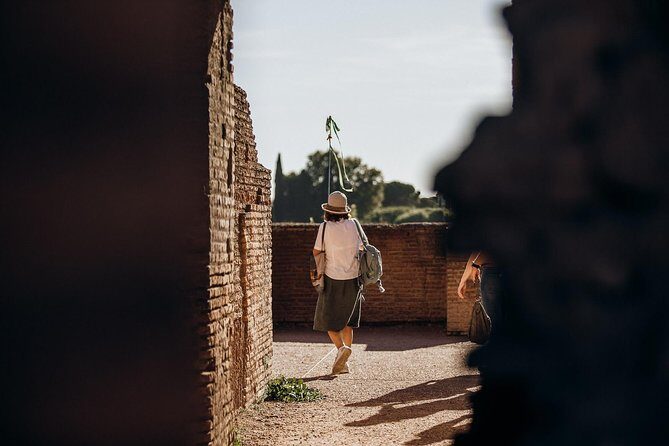
If you choose the VIP Caesar Palace & Colosseum option, your Roman Forum and Palatine Hill portion can include access to Roman Forum SUPER Sites, which are normally off-limits with standard admission. One highlighted example is Casa di Augusto, noted for vibrant frescoes.
But there’s a key tradeoff: this VIP option does not include arena floor access. So if your dream moment is specifically Gladiator’s Gate and standing on the arena floor, stick with the Gladiator’s Gate experience rather than the VIP upgrade.
Also, the VIP timing shifts the order: the SUPER Sites visit happens before your Colosseum visit. If you like a clean flow and hate tight sequencing, the standard Gladiator’s Gate plan may feel more straightforward.
How to prepare: shoes, pace, and small-but-critical details
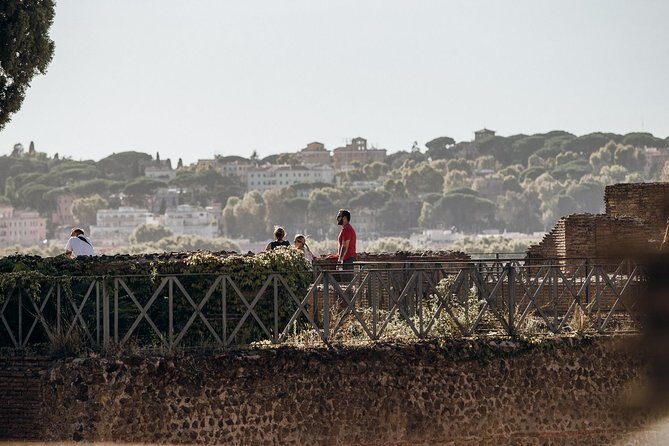
This is a walking tour with moderate physical fitness required. You should expect uneven surfaces and stairs, especially around the Colosseum and Palatine Hill. One repeated practical tip is to wear comfortable shoes you trust on stone.
You also need to bring a government-issued ID or passport. Names must match the ID/passport exactly, and changes aren’t permitted. Because security can deny entry without the right ID, this is not a “nice to have” item.
Finally, build in buffer. In a city where meeting points can be confusing, arrive a little early at Via delle Terme di Tito and confirm you’re with the right group when you get there.
Who should book Gladiator’s Gate?
Book this if you want the Colosseum’s main wow-factor—the arena floor—plus a guided understanding of how Rome’s public life and imperial power worked. It’s ideal for first-timers who don’t want to spend their limited time figuring out where to go and what to notice.
It’s also a good pick if you like small-group tours that keep things organized without feeling like a school bus. The chance of seeing strong guide personalities—people like Julia, Sev, and Elisabeth are frequently mentioned for engaging delivery—adds extra value.
You might want a different plan if you’re traveling with a big bag that you don’t want to downsize, or if you strongly prefer long, self-paced time inside the Colosseum. The arena floor experience is powerful, but the day moves.
Should you book? My take
I think this tour is worth it if arena-floor access is on your Rome checklist. You’re paying for access and guidance, not just scenery, and the routing makes it easy to stack the Colosseum, Forum, and Palatine Hill into one efficient half-day.
Just go in ready: bring the right ID, keep your bag small, and wear shoes for stairs and uneven stone. If you do those things, this is one of the more satisfying ways to understand what you’re seeing—because you don’t just look at the Colosseum, you get the context for why it mattered.
FAQ
Is this tour offered in English?
Yes. The experience is offered in English.
Does it include access to the Colosseum arena floor?
Yes. You’ll enter via the Gladiator’s Gate and walk onto the arena floor. The VIP Caesar option is different: it does not include arena floor access.
Where do I meet the guide, and where does the tour end?
You meet at Via delle Terme di Tito, 72, 00184 Roma RM, Italy. The tour ends near the Roman Forum area at Foro Romano, 00186 Roma RM, Italy.
Are there bag restrictions?
Yes. Only small backpacks and regular-size handbags are allowed inside the Colosseum, Roman Forum, and Palatine Hill. There are no storage facilities, and all guests must pass through security checks.
How big are the groups?
The tour has a maximum of 16 travelers. For the 9 AM tour only, the group is smaller, with a maximum of eight guests.
Can I get a refund if my plans change?
You can cancel up to 7 days in advance for a full refund. If you cancel within 7 days of the start time, it is not refundable, and changes within 7 days aren’t accepted.