REVIEW · ROME
Colosseum Underground, Roman Forum & Cesar Palace Special Access
Book on Viator →Operated by Atlas Tours · Bookable on Viator
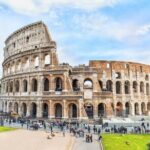
Going below the Colosseum is unreal. This 3-hour Rome tour bundles the Colosseum Underground, Roman Forum, and Palatine Hill into one efficient route, with rare entry through the Gladiator’s Gate instead of the usual main entrance.
I love the backstage feel of the Underground route, with time on the arena floor followed by the dungeons where gladiators and wild beasts were held before fights. I also like how the Forum stop connects sites tied to real power players, including Julius Caesar’s tomb and the Senate House. The one drawback to plan for is simple: you’ll cover a lot of walking, plus uneven ground and stairs, so bring water and don’t count on this being easy in heat or rain.
In This Review
- Key things to know before you go
- Entering the Colosseum via Gladiator’s Gate
- Colosseum Underground: arena floor, photos, and the dungeons
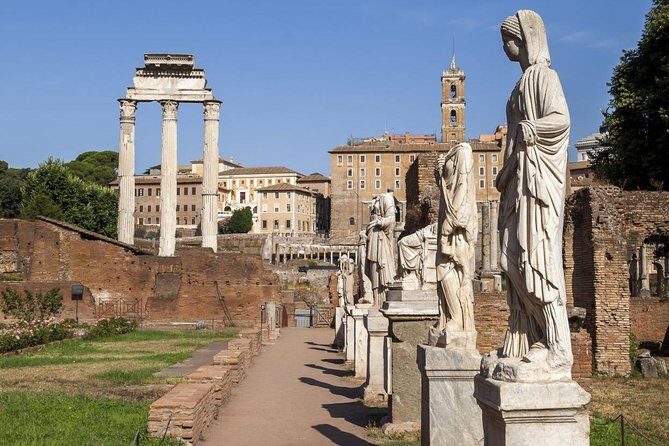
- Roman Forum: temples, tombs, Vestal Virgins, and Caesar’s tomb
- Palatine Hill and Caesar’s Palace: layers from BC to Mussolini
- How the 3-hour route actually fits your day
- Guides can make or break this kind of tour
- Price and value: is $144.82 worth it?
- What to bring so the day stays pleasant
- Should you book this Colosseum Underground, Forum, and Palatine tour?
- FAQ
- How long is the tour?
- Is this tour offered in English?
- What sites are included in this experience?
- Do I need a passport or ID for entry?
- Where does the tour start and end?
- What is the cancellation policy?
Key things to know before you go
- Gladiator’s Gate entry puts you on the route that amphitheater fighters and insiders used.
- Underground access includes the arena floor, plus the dungeons for a look at how match-day worked.
- Roman Forum highlights cover temples, tombs, the Vestal Virgins’ area, the Senate House, and Caesar’s tomb.
- Palatine Hill layers of Rome run from the earliest founding area to later periods, including Mussolini-era buildings.
- Small group size (max 24) helps you keep your place and hear your guide without feeling like a human pinball.
Entering the Colosseum via Gladiator’s Gate
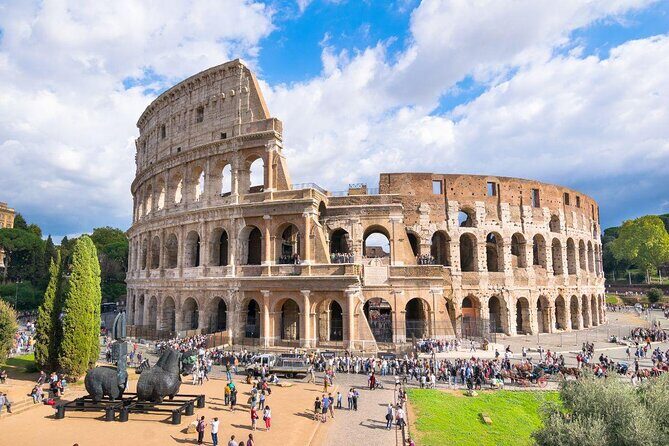
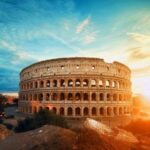
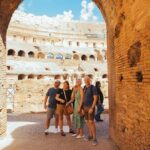
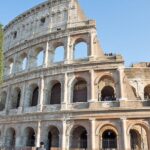
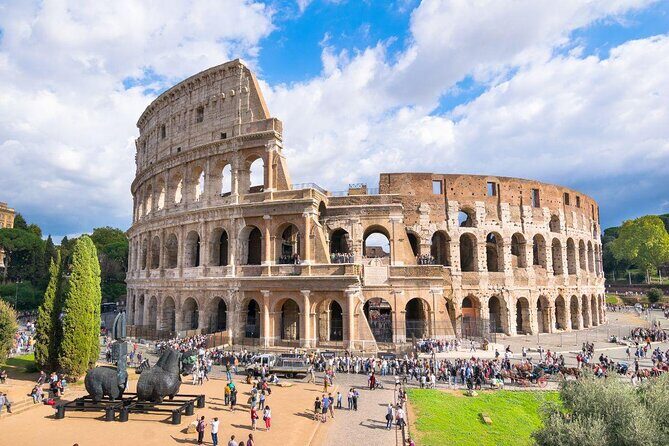
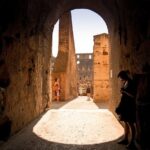
This tour is built around a big win: you don’t just look at the Colosseum from the ticket line. You start with a special entry that takes you in through the privileged Gladiator’s Gate, and that changes the whole mood of the visit. Instead of arriving as another tourist crowd, you start feeling like you’re moving through an operational space.
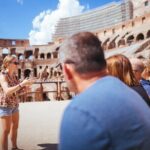
Once inside, your guide sets you up with a clear explanation of how the ancient Romans pulled off a massive stone stadium project—right there in the place where it all still reads in the walls. It’s the kind of context that helps you stop thinking in vague pictures and start seeing structure, engineering, and spectacle as one system.
One practical note: even with special access, you’ll still face crowds around the Colosseum area. The upside is that the tour route is designed to help you avoid the longest general lines at the entrance.
More Colosseum Underground tours for the Colosseum & Ancient Rome
Colosseum Underground: arena floor, photos, and the dungeons
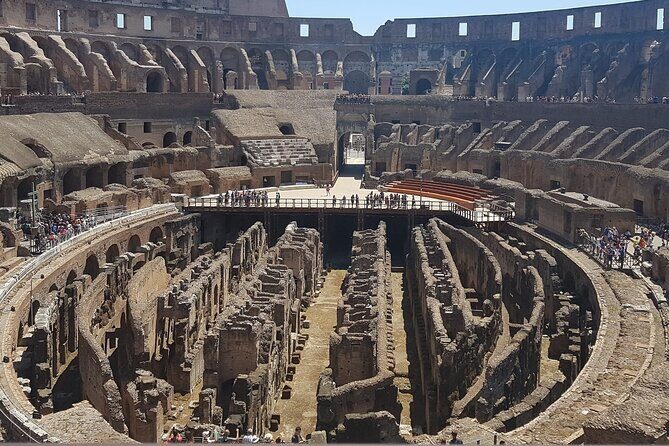
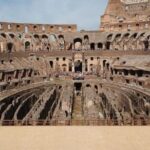
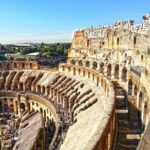
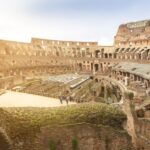
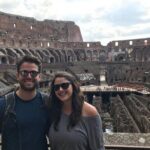
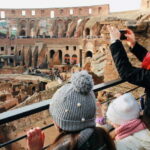
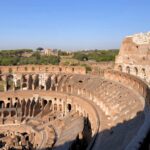
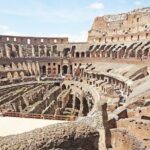
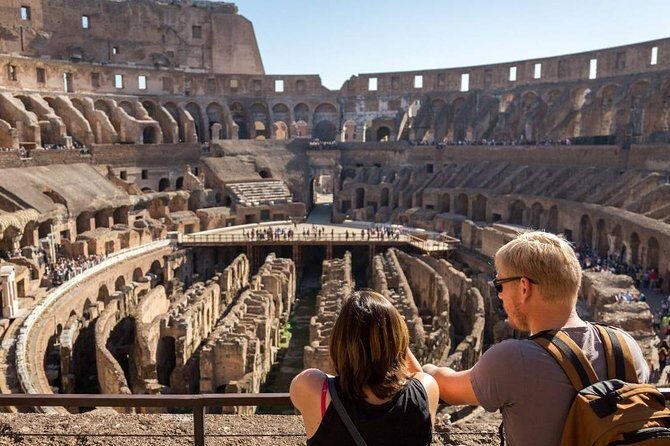
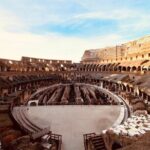
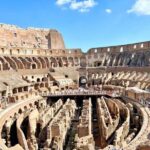
The heart of this experience is the Underground circuit. After entering via the Gladiator’s Gate, you walk out onto the arena floor for exploration and photos. That photo moment matters more than you’d think, because it shows you scale: the arena is not just a flat stage, it’s a room sized for roaring crowds and controlled drama.
From there, you head into the Underground, which functions like the backstage zone of the Colosseum. Your guide talks through what was kept below—gladiators and wild beasts—and how the spaces helped manage what the audience saw above. You’re not just reading about it; you’re walking through the same kind of pathways that once served as staging areas.
Then comes the dungeons. This is the part that often lands hardest. It’s darker, tighter, and more physical than you expect from an outdoor monument, and it gives you a mental picture of the before-and-after contrast: calm below, chaos above.
Where this stop can be tough: expect uneven surfaces and stairs. Plan for slow, steady movement. If you’re sensitive to cramped spaces or you don’t like long walks while looking down at your footing, take it at an even pace and wear grippy shoes.
Roman Forum: temples, tombs, Vestal Virgins, and Caesar’s tomb
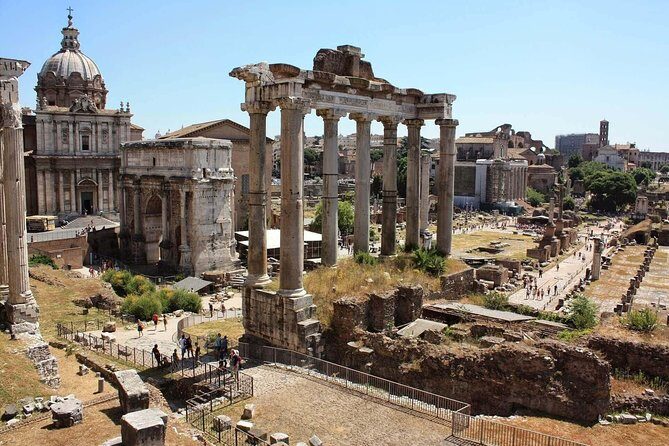
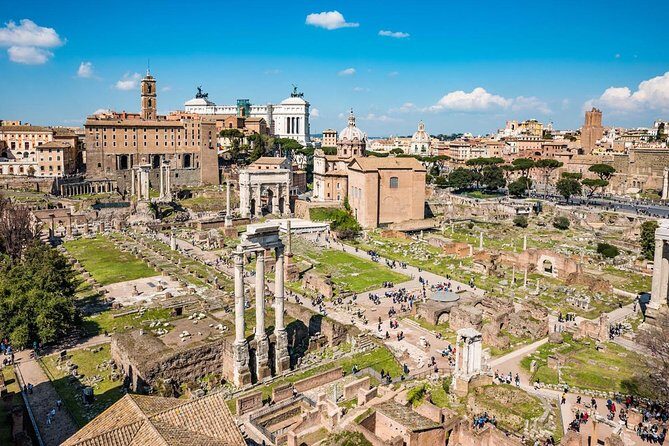
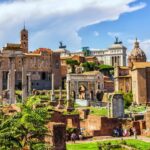
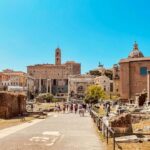
After the Colosseum, the tour shifts from spectacle to state power. The Roman Forum is where you start seeing how Rome organized religion, government, and memory in the same central neighborhood. You’ll visit a cluster of key ruins tied to that mix, including pagan temples and tombs, plus the house of the Vestal Virgins.
One reason this stop works so well on a single guided loop is that your guide can connect the sites with stories that feel political, not just architectural. The Senate House is part of the walk, and it helps you understand how leadership wasn’t abstract. It was built into a physical setting where ceremonies, decisions, and prestige happened in public space.
You’ll also see Julius Cesare’s tomb, which gives the Forum stop a clear anchor. Caesar is the kind of figure whose name you’ve heard everywhere in Rome, but standing near the Forum’s remains makes the impact feel more grounded. The stones stop being generic ruins and start acting like a timeline of shifting power.
Possible drawback: the Forum is still a big sightseeing area, and you’ll be walking through open spaces. If rain hits hard, you’ll want to have a plan for staying steady and not slipping on slick surfaces.
Palatine Hill and Caesar’s Palace: layers from BC to Mussolini
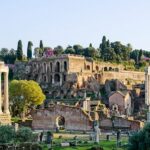
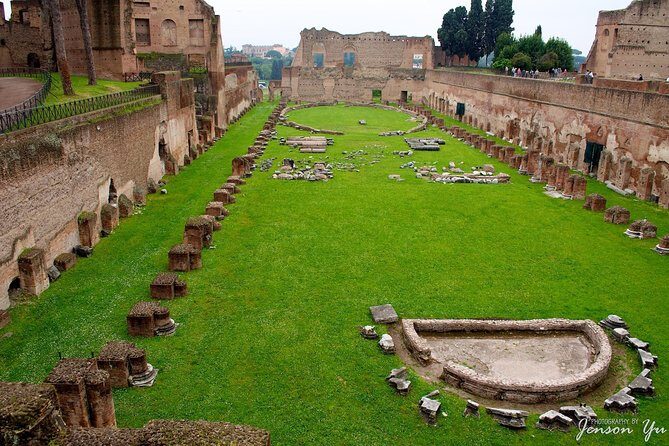
Next is Palatine Hill, tied to Rome’s origin story and to the rulers who came after. This is the area people associate with Caesar’s Palace, officially tied to the Palatine setting. It’s also one of the reasons the stop feels more dimensional than it first sounds: you’re walking through a hill where the buildings come from different eras stacked on top of each other.
Your guide will walk you through “who lived here and what changed,” from structures dating back to BC times through the Renaissance and later buildings built by Benito Mussolini. That range is wild. It’s also useful, because it reminds you that Rome never stopped building on Rome. The city kept reusing ground, reworking it, and reshaping it to match what each period valued.
In plain terms: you’re not just sightseeing one monument. You’re tracing how power and architecture evolve over centuries in one concentrated area.
Tip for this part: look up as much as you look forward. Palatine Hill gives you visual breaks that help you orient yourself. The hill view also makes the walking feel more worthwhile, even when the day is already long.
How the 3-hour route actually fits your day
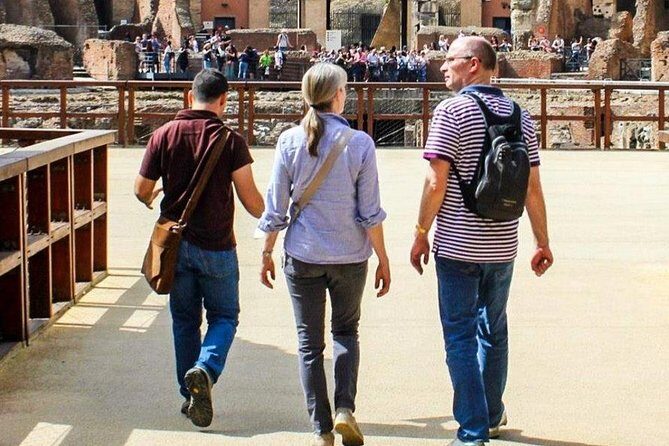
At about 3 hours, this tour is designed for people who want major sites without spending the whole day in entry lines or hopping between far-apart ticket counters. It also helps that the experience has several tour times, so you can match it to your energy level and the rest of your Rome plan.
The group size cap is 24 travelers, which is big enough to keep energy up but small enough that you can still hear your guide. You’ll also appreciate the flow: Colosseum first for the Underground access, then the Forum and Palatine as the story widens from spectacle to politics to imperial power.
Still, 3 hours can feel longer than you expect in Rome. You’ll be moving through three major zones. Expect a lot of standing, walking, and pausing for photos and explanations. If your plan includes a second big site right after, I’d give yourself breathing room.
One logistical reality to plan for: check-in at iconic sites can be chaotic. Some people have had moments like security waits or confusion about exactly where to meet if the map pin is off. My advice is boring but effective: arrive early, use the provided start point in your navigation app, and keep your ticket info handy.
More Roman Forum tours for the Colosseum & Ancient Rome

Guides can make or break this kind of tour
In this experience, your guide isn’t just filling time. They’re turning stone into a story you can physically follow. Many of the guides have strong archaeology backgrounds or hands-on excavation experience, and that shows in how they explain what you’re standing on.
You may also get guides like David, Francesca, Polina, Andre, Selene, Paulina, Enrico, Andrei, Vlad, or Willy—names that keep popping up with consistently positive feedback. The common thread is engaging storytelling, humor, and a steady pace that keeps you from getting lost.
If you’re the type who likes to ask questions—about how fights were organized, what rooms did, or why a ruin looks the way it does—this is the format where questions actually make sense. You’re not asking into thin air; you’re asking while your guide points at the specific parts of the complex.
When to be cautious: if you’re traveling with a knee issue or you know you need frequent breaks, mention it upfront. This tour involves stairs and uneven spots, and having the right pace matters more than pushing through.
Price and value: is $144.82 worth it?
At $144.82 per person for a tour of about 3 hours, you’re paying for more than a ticket. You’re paying for access that most standard visits don’t include: the Underground route and the arena entry via Gladiator’s Gate, plus guided context across three sites.
The value equation looks like this:
- If you care about seeing the Colosseum as a working machine (staging areas, holding areas, backstage routes), the Underground part is the main reason to book.
- If you only want quick outdoor photos, you might feel the price is high because a lot of time goes into guided movement and explanations.
- If you want a guided “connect-the-dots” day—Colosseum to Forum to Palatine—this one-ticket-one-guide approach saves you time and mental energy.
It also helps that the tour includes admission tickets for the stops, and you get a mobile ticket to keep things simple on the day.
One more value detail: this tour often gets booked around 62 days in advance on average. That doesn’t mean you must plan that far out, but it’s a hint that the best times can fill up, especially in peak seasons.
What to bring so the day stays pleasant
This is mostly outdoors, and you’re dealing with heat, sun, and lots of walking. Even when weather goes sideways, the tour may continue—so you want comfort for both dry and wet conditions.
Bring:
- Water. If it’s summer, you’ll be glad you did.
- Sun protection like sunscreen and a hat.
- Good walking shoes with grip for uneven surfaces and stairs.
- A small bag you can manage easily for security checks.
Also, keep a little flexibility in your schedule. If check-in lines or crowd flow are slower than expected, your guide will still keep moving, and you’ll want your brain ready for that pace.
Should you book this Colosseum Underground, Forum, and Palatine tour?
Book it if you want the Colosseum beyond the usual viewpoint. The Gladiator’s Gate entry and the Underground dungeons turn the “wow” factor into something more specific and more memorable. You’ll come away with a clearer sense of how the Colosseum functioned, not just how it looked.
Consider skipping or choosing a different option if you struggle with stairs or uneven ground, or if you prefer a low-walking day. This is a structured route across multiple major zones, so it’s not the pick for a very relaxed Rome afternoon.
If you do book, do it with one mindset: you’re buying access plus a guide who can connect the spaces. When it clicks, it’s one of those tours where the ruins finally start behaving like a real place you can picture.
FAQ
How long is the tour?
The tour runs for about 3 hours.
Is this tour offered in English?
Yes, it’s offered in English.
What sites are included in this experience?
You visit the Colosseum (including the Underground portion), the Roman Forum, and Palatine Hill.
Do I need a passport or ID for entry?
Yes. You must present a valid passport or ID document that matches the full name provided at booking for successful entry to the Colosseum and Roman Forum.
Where does the tour start and end?
It starts at the Arch of Constantine, Piazza del Colosseo, 00184 Rome, and ends at the Roman Forum area in the center of the Ancient City.
What is the cancellation policy?
This experience is non-refundable and cannot be changed for any reason.