REVIEW · ROME
Colosseum Arena floor , Forum, Navona and Pantheon private tour
Book on Viator →Operated by Enjoy Rome · Bookable on Viator
Walking the Colosseum floor changes the scale. I love getting arena access plus a guided route that links the Colosseum to the Forum’s politics and daily power games. The big win is the human side too: guides like Alfredo and Francesco-style storytelling make the stones feel like decisions people made. One thing to consider: the schedule is tight, so late security moments (or a slower pace) can push the later stops.
This is built for hearing and seeing, not wandering. You get a professional guide and headsets, and it runs as a private tour where only your group participates, ending at Piazza Navona after a string of top Roman sights. At $3,715.45 per person, it’s premium pricing, so you’ll want to be sure your group values reserved entry time and a structured walk more than free-form sightseeing.
In This Review
- Key things that make this tour worth your time
- Entering the Colosseum with arena access
- The Roman Forum: politics and power under your feet
- Piazza Venezia and the Altare della Patria stop
- Trevi Fountain: the iconic swirl, timed and guided
- Pantheon: the dome that still feels engineered
- Ending at Piazza Navona: fountains and street-life drama
- Price and logistics: what you’re paying for
- Who this tour fits best (and who should rethink)
- My booking advice for a smoother Colosseum day
- Should you book this private Colosseum, Forum, Navona and Pantheon tour?
- FAQ
- What’s the tour duration?
- Where does the tour start and end?
- What’s included for the Colosseum ticket?
- Do I need to bring anything for entry?
- What items are restricted at Colosseum security?
- Is hotel pickup included?
Key things that make this tour worth your time
- Arena-access Colosseum floor: you’re not just looking up; you’re seeing the space from inside the action.
- Roman Forum context, not random ruins: your guide ties the Forum to how Rome actually worked—politics, religion, and commerce.
- A clean, timed route across multiple icons: Colosseum → Forum → Piazza Venezia/Altare della Patria → Trevi → Pantheon → Piazza Navona.
- Headsets for clear guide audio: useful because voices and crowds don’t mix well in Rome.
- Your guide matters: the best parts of the experience hinge on strong, well-spoken interpretation (I’ve seen Alfredo and Francesco mentioned for exactly that).
- Strict Colosseum entry rules: your group’s full names must match ID, and security limits what you can carry.
Entering the Colosseum with arena access
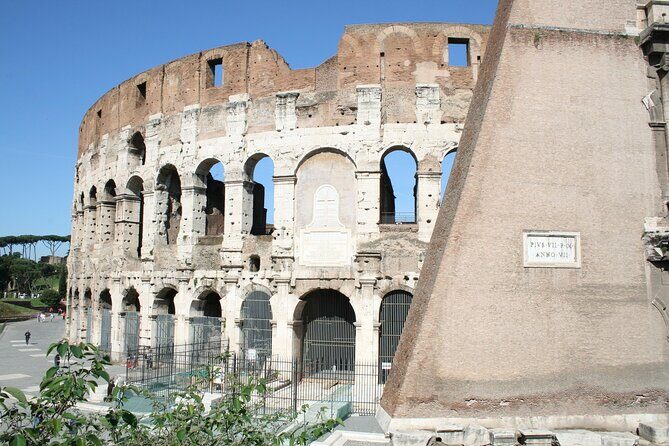
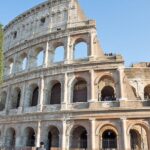
The day starts at the Arch of Constantine near Piazza del Colosseo, with a 10:00 am start. That timing matters because you’re heading into one of the most controlled, high-demand sites in Europe. The Colosseum is famous—but it’s also a maze of lines, rules, and security. Having a reserved plan reduces the stress and helps you focus on the why, not just the what.
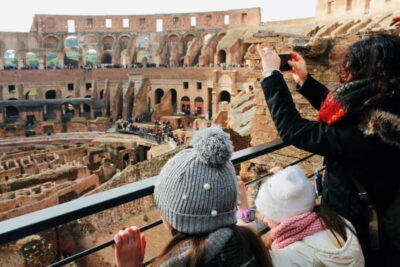
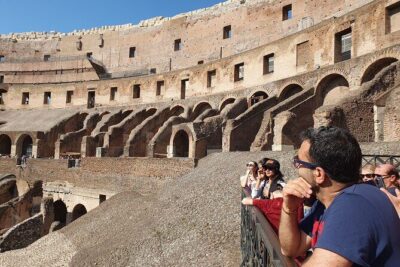
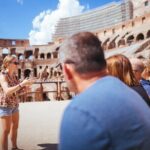
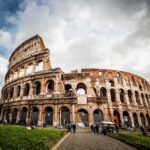
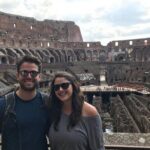
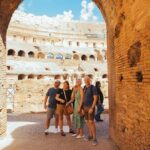
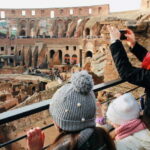
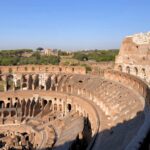
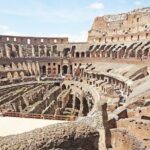
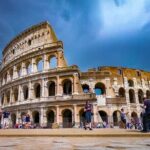
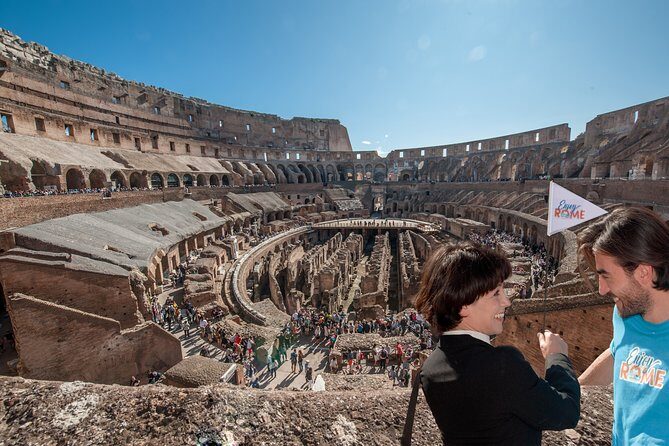
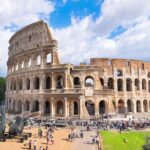
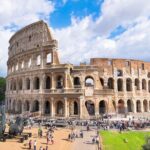
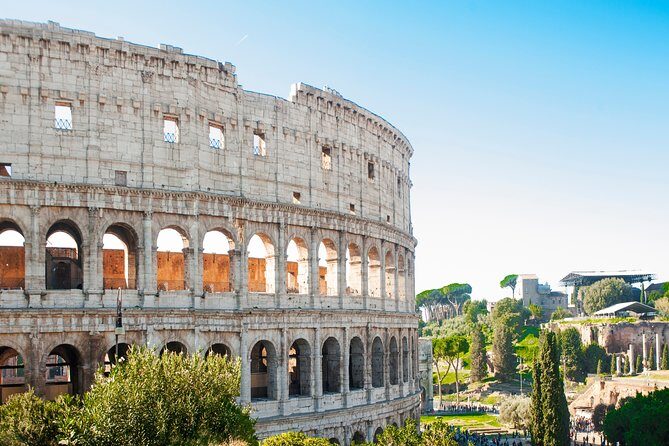
The Colosseum stop is about 45 minutes, and the most valuable part is the access to the arena floor. When you stand where gladiators once stood, the monument stops being a postcard. You can actually read the building as a machine built for sightlines, spectacle, and crowd pressure. Your guide’s job here is to keep you grounded: what the Flavian Amphitheatre was called originally, and why it kept its status as the largest amphitheatre in the world.
You’ll also hear why it feels like the symbol of Rome—because it isn’t only “old.” It’s old Rome in big theater scale. The Colosseum is the kind of place where a guide can save you from getting lost in surface trivia. If your group enjoys stories with cause-and-effect, this is the moment that usually clicks.
Practical note: the Colosseum has strict security restrictions with metal detectors at entrances and no bag check. The rules you need to remember include no glass bottles, no aerosol sprays, and no alcohol. Also avoid weapons or blunt objects—yes, that can include long umbrellas. If your group travels with day bags, keep it simple. Bring what you truly need, because complicated bags can slow your entry.
More Arena Floor & Gladiator tours for the Colosseum & Ancient Rome
The Roman Forum: politics and power under your feet
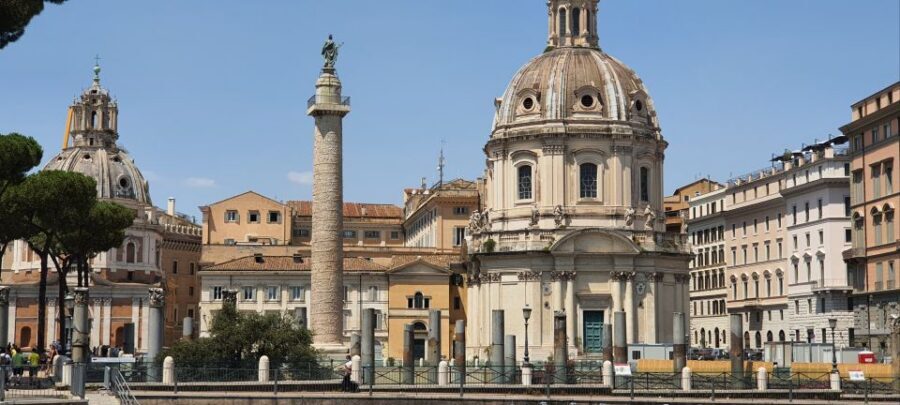
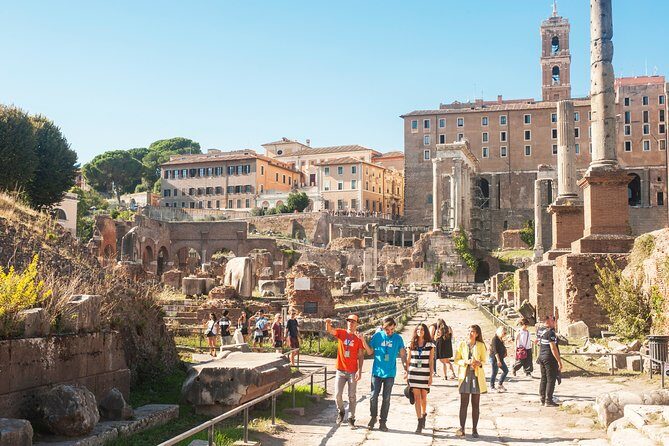
After the Colosseum, you move to the Roman Forum, about 1 hour. This stop is where the tour becomes more than a “greatest hits.” The Forum is a valley between Palatine Hill and Capitoline Hill, and your guide frames it as the political, religious, and commercial center of ancient Rome. That description sounds big and vague until you’re standing in the spaces where leaders made calls, ceremonies happened, and business moved.
This is also where the guide interpretation becomes the real value. You’ll see ruins among temples and arches, but more importantly, you’ll connect them to what people believed and how they governed. The tour highlights one specific detail: Julius Caesar’s body laid in an altar that can still be visited today. That kind of anchor helps you understand why the Forum felt like the heart of the empire, not a museum of old stones.
The best part is pacing. A one-hour walk in the Forum is long enough to feel oriented but short enough to avoid the “ruins blur” effect. You’ll leave with mental bookmarks: this area mattered because…, this space was used for…, this symbol meant… If you’re the type who likes your Rome explained in plain language, this portion is typically where tours win or lose.
Piazza Venezia and the Altare della Patria stop
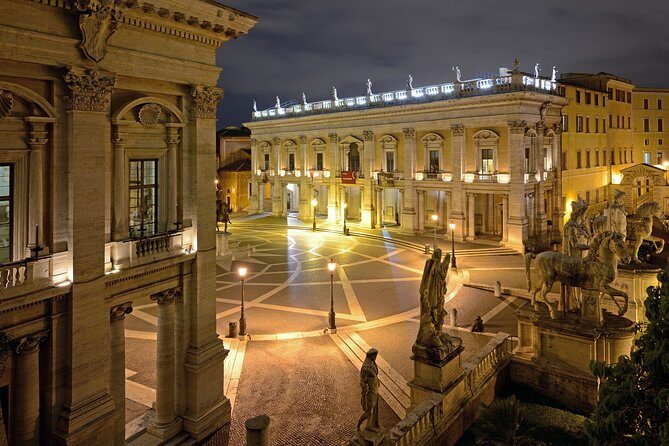
Next comes Piazza Venezia / Ancient City for about 30 minutes. Here you step toward the Altare della Patria, one of Rome’s most visually dramatic monuments. This is a contrast stop in a good way. After the Roman past, you get a more modern, official-feeling centerpiece that helps you see how Rome keeps building on top of its own identity.
This portion is shorter, which is exactly right for most people. You’re not trying to solve the whole city in one day. You’re transferring the story from ancient Rome into Rome as a living capital with monuments that aim to represent national pride.
The main consideration here is expectation-setting: this isn’t a long photo session. It’s a guided pause that keeps the tour moving.
Trevi Fountain: the iconic swirl, timed and guided
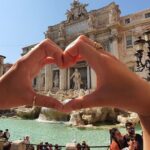
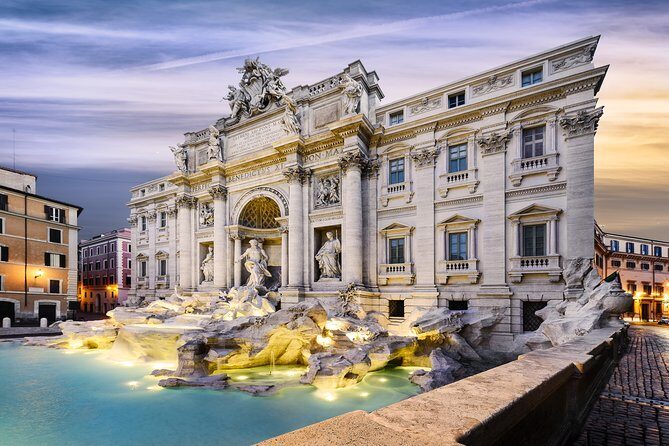
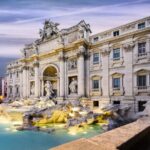
You then head to Fontana di Trevi for about 30 minutes. The tour notes the fountain was recently restored and is looking brighter and more beautiful. Either way, the Trevi is Trevi: people come for the scale, the stonework, and the sheer energy of the place.
What you’ll like here is the balance. You’re not getting dumped in the crowd with no plan. A guide helps you understand what you’re seeing and keeps your time from turning into a long fight with foot traffic. If you’ve ever experienced how quickly the area can swallow your schedule, this guided structure is a comfort.
One practical thought: Trevi is popular and slow by nature. With a tour that ends at Piazza Navona, it can get tight later in the walk if earlier entry times run long. If your afternoon has commitments, build in a little buffer—or choose your next stop accordingly.
Pantheon: the dome that still feels engineered
The Pantheon is next, around 15 minutes. That’s brief, but it’s a smart stop length if you want the “wow” without turning the whole afternoon into one long building inspection.
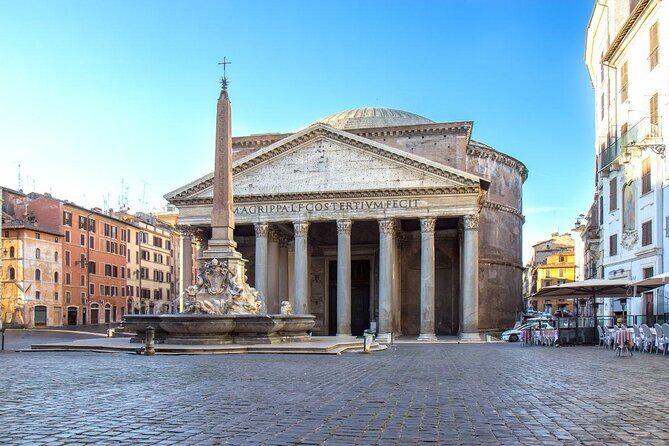
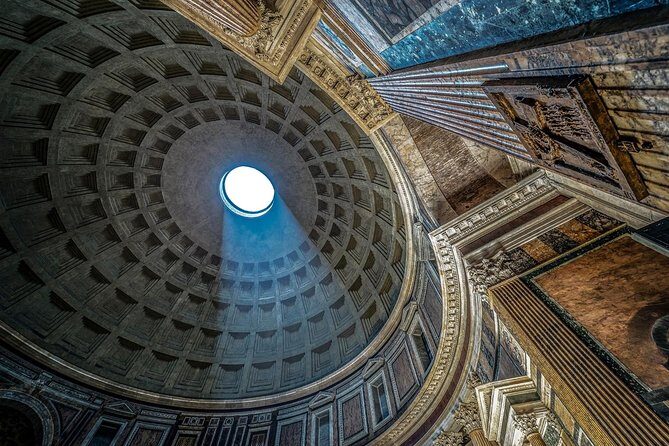
The tour focuses on Santa Maria della Rotonda, home of the Pantheon, and especially the famous perforated dome. The key line to remember is that it still remains the largest and most significant dome of its kind. Standing under it, you can sense why engineers and artists still respect it. The structure isn’t just beautiful; it’s functional in a way that makes Roman design feel current.
Fifteen minutes can be either perfect or frustrating, depending on your style. If you like “see it, understand it, move on,” you’ll love it. If you want a slow, detailed museum approach, you might want to add extra time on your own before or after.
Also, Pantheon sits in those narrow Roman streets where walking can feel like threading a needle. That’s part of the charm, and your guide helps you keep moving without losing your bearings.
More Colosseum + Pantheon combos for the Colosseum & Ancient Rome
Ending at Piazza Navona: fountains and street-life drama
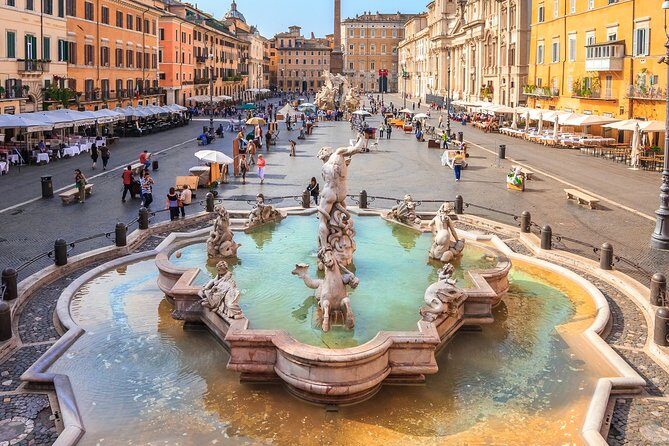
The final stop is Piazza Navona, about 30 minutes. This is the kind of ending that works well after big ruins and formal monuments: you get open space, street life, and the theatrical geometry of the square.
The tour highlights Piazza Navona’s three fountains by Bernini and includes anecdotes your guide shares as you walk through the square. That’s exactly what makes it a strong “last act.” You’re not only looking at a famous place; you’re learning why it became famous and how the fountains and street layout create a sense of movement.
This is also a good end point because it’s a natural place to plan your next steps. The tour ends at Piazza Navona, so you’re already where cafés and dinner plans happen.
Price and logistics: what you’re paying for
At $3,715.45 per person, this tour is clearly a premium purchase. The included value listed for the Colosseum entrance with arena access and reservation fees is modest in ticket terms (the arena access ticket value is stated at €24 per person plus a €2 reservation fee). That means most of what you pay is for the service layer: the professional guide, headsets, timed access planning, and the structure of getting you from site to site efficiently.
So ask yourself the value question like this: do you want a guide to do the heavy lifting—explaining, pacing, and managing the most controlled entry point in Rome? If yes, this price starts to make sense, especially for a private experience where only your group participates.
If you’re traveling solo or on a tight budget, the same sights can be done independently. But you’ll lose the “connected story” and you’ll likely spend more time solving logistics on your own—especially around the Colosseum’s rules.
A couple logistics details that matter:
- You start at the Arch of Constantine and end at Piazza Navona.
- The tour is about 3 hours 30 minutes.
- Hotel pickup/drop-off is not included, so you’ll need to get yourself to the meeting point.
And one less-fun but important detail: this reservation is non-refundable and cannot be changed. It’s the kind of policy you only accept if your dates are solid and your group is ready to follow the Colosseum rules.
Who this tour fits best (and who should rethink)
This is a strong fit if:
- You want the Colosseum and Forum with real explanation, not just photos.
- Your group values a guided pace and clear audio via headsets.
- You’re traveling with people who get overwhelmed by crowds and lines but still want the big sights.
It may not be the best fit if:
- You need a highly flexible schedule for the afternoon.
- Your group prefers to linger slowly at each site instead of moving along a set route.
- Your group can’t follow the Colosseum security and identification requirements. Your full names must be provided at booking, and the name on vouchers must match the ID you bring.
My booking advice for a smoother Colosseum day
If you book, do these things and you’ll have an easier day:
- Match names carefully: provide full names exactly as they appear on the passports/IDs you’ll bring. The tour specifically warns that missing names can lead to denied entry.
- Travel light: because there’s no bag check, bring a simple bag and avoid restricted items like glass bottles, aerosols, alcohol, weapons, and long umbrellas.
- Wear comfortable shoes: moderate physical fitness is recommended, and you’ll be walking between major sights in Rome.
- Plan for crowds: even with reserved access, Trevi and the central streets can be slow. Leave your later plans with some breathing room.
Should you book this private Colosseum, Forum, Navona and Pantheon tour?
Yes—if your group wants a guided, structured Rome day that links the Colosseum to the Forum and finishes in Piazza Navona instead of scattering your attention across unrelated stops. The arena-access piece is the kind of detail that changes your experience, and headsets help a lot in a place where you can’t always hear well.
I’d also feel good recommending it if you care about strong guide communication. Names like Alfredo and Francesco show up for a reason: when the guide can explain clearly and pace sensibly, this tour stops feeling like a checklist and starts feeling like a story you can follow.
Skip it or reconsider if your schedule is too rigid for a 3.5-hour plan with controlled-entry sites, or if your group can’t commit to the Colosseum’s identification and security requirements. In Rome, those rules are not optional—so let that guide your decision.
FAQ
What’s the tour duration?
The tour lasts about 3 hours 30 minutes.
Where does the tour start and end?
It starts at the Arch of Constantine, Piazza del Colosseo and ends at Piazza Navona.
What’s included for the Colosseum ticket?
The tour includes a Colosseum entrance ticket with arena access (with the ticket value listed at €24 per person) plus a Colosseum reservation fee (listed at €2 per person). Headsets and a professional guide are also included.
Do I need to bring anything for entry?
Yes. You must present a valid passport or ID that matches the full name provided at booking. The tour also warns that if names are not included in the list, access may be denied.
What items are restricted at Colosseum security?
The tour notes you cannot bring glass bottles, aerosol sprays, alcohol, weapons or blunt objects (including long umbrellas). There are metal detectors at most attraction entrances, and there is no bag check.
Is hotel pickup included?
No. Hotel pickup and drop-off are not included.