REVIEW · ROME
Rome: Colosseum and Ancient Rome Guided Walking Tour
Book on GetYourGuide →Operated by ROMAN WAY TOURS · Bookable on GetYourGuide
Skip the line, then learn the why. I like the skip-the-line entry through a dedicated group setup, and I like hearing the guide clearly with headsets. One possible drawback: this is not a gentle stroll, and it includes a climb up Palatine Hill steps.
This tour is also run by guides who bring big personality and strong timing—people like Palin, Samuel, Andy, Madi, Sylvia, Alberto, and Alessandra. I also like that the pace is built for real visiting, not just standing around, and that it runs rain or shine.
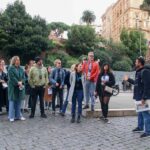
For planning, know that the route order can shift based on ticket availability, and the meeting point is specific: near the upper floor exit of the Metro Colosseo, across the bar Caffè Roma, with staff holding a Roman Way sign.
In This Review
- Key things to know before you go
- Rome’s Ancient Center in 2.5 Hours (and what that timing really means)
- Price and value: is $56 a smart deal for these sites?
- Where you meet near Metro Colosseo (and how the tour flows)
- Security and headsets: the small details that save your energy
- Entering the Colosseum: skip-the-line access and the gladiator story
- Roman Forum walk: ruins that explain how Rome ran
- Climb Palatine Hill for panoramic terrace views
- Group size, pace, and guide energy: what really affects your experience
- What to bring (and what to leave behind)
- Who should book this Colosseum–Forum–Palatine tour?
- Should you book this tour or shop for a different approach?
- FAQ
- Where is the meeting point?
- How long is the tour?
- Does this tour skip the ticket line for the Colosseum?
- What’s included in the price?
- What languages are the tours offered in?
- What should I bring, and what isn’t allowed?
- Is it wheelchair accessible, and does it run in bad weather?
Key things to know before you go
- Skip-the-line access with dedicated group entry so you spend less time stuck outside
- Headsets provided so you can follow the guide even in busy areas
- Main stops are the big three: Colosseum, Roman Forum, Palatine Hill
- Photo payoff at Palatine Hill from the panoramic terrace after the climb
- Expert storytelling focus on gladiators, emperors, and everyday people
- Order may change depending on ticket availability, but you’ll cover the same core sites
Rome’s Ancient Center in 2.5 Hours (and what that timing really means)
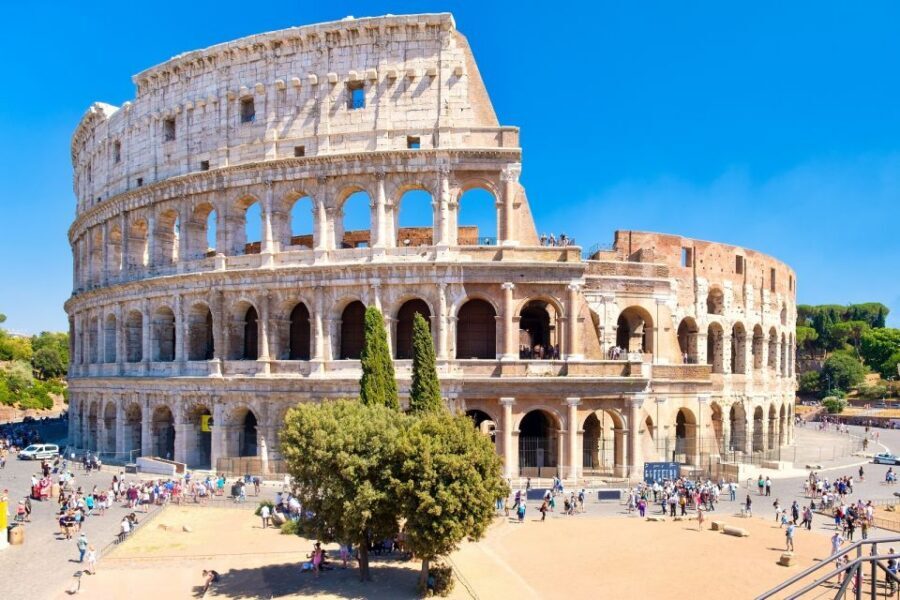
This is a tightly packed walking tour designed around Rome’s most powerful crowd magnets: the Colosseum, the Roman Forum, and Palatine Hill. In about 2.5 hours, you’ll move through the key spaces where Roman public life, entertainment, and elite residence all collided.
That time window is a plus if you want highlights without spending a whole day chained to a ticket window. It’s also a heads-up: you’ll be on your feet, moving between sites, and spending your energy on the walk and the views—not on long breaks. If you like faster, story-led visits, this format fits. If you prefer slow museum wandering, you might feel rushed.
I also like that the guide isn’t just naming stones. The best part is how the tour frames what you see—gladiator shows were a public spectacle with rules, staging, and roles, and the Forum wasn’t just a “cool ruin zone.” It was the working center of Roman power, where government, temples, and civic life clustered together.
More Ancient Rome tours for the Colosseum & Ancient Rome
Price and value: is $56 a smart deal for these sites?

At $56 per person for a 2.5-hour guided walk, you’re paying for two main things: time savings and interpretation. Rome’s biggest sights often come with bottlenecks—lines for entry, lines for orientation, and the awkward scramble of “where do we go now?” This tour’s skip-the-line access and dedicated group entrance are meant to cut through that.
You’re also not just getting the Colosseum. The included tickets cover the Colosseum, Roman Forum, and Palatine Hill, and the guide ties them together so the stops feel connected rather than like three unrelated ticketed sites. For many visitors, that “connected story” is the real value—seeing ruins becomes more than scenery when you understand the purpose of each space.
One more value point: headsets. They sound small, but in a loud, crowded area like the Colosseum vicinity, being able to hear the guide without constantly drifting closer is a practical quality-of-life upgrade. If you’re traveling with kids or friends who struggle to hear at a distance, this matters.
Where you meet near Metro Colosseo (and how the tour flows)
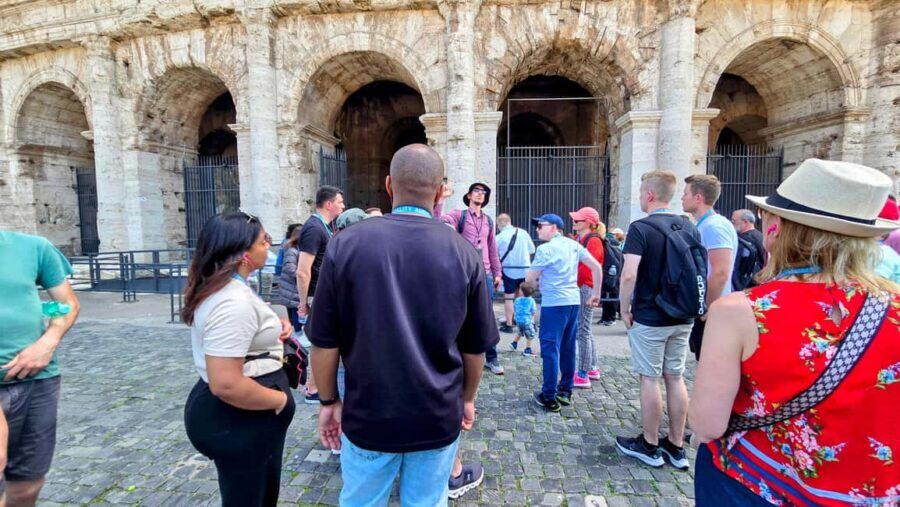
The tour starts close to the upper floor exit of Metro Colosseo, across from the bar Caffè Roma. Your staff will be waiting with a Roman Way sign. This matters because Rome’s transit exits don’t all point neatly to meeting spots—so arriving slightly early helps you avoid last-minute stress.
The end point is back at the meeting point, which keeps your logistics simple. You’re not dropping off at a different neighborhood or needing a second plan for getting home after the tour.
One practical detail: the order of the itinerary may change depending on ticket availability. That’s not unusual with timed entry sites in Rome, but it does mean you should stay flexible. The goal stays the same—Colosseum first for the main experience, then the Roman Forum, then Palatine Hill—but you might experience the exact sequence slightly differently day to day.
Security and headsets: the small details that save your energy
Before you enter, you’ll go through airport-style security. That’s true for all visitors at these major sites, and the tour includes time for it as part of your visit flow. The bigger benefit here is that once you’re through, the group isn’t stuck re-lining up for every step.
You’ll also be given headsets to hear the guide. This is a genuine help, especially when you’re walking through crowds or the guide is speaking from a bit of distance. There is one caution to keep in mind: the headset fit can be tricky for some kids unless they can hold them in place. Adults in the group generally tend to do fine with them.
Weather note: the tour runs rain or shine. That means you’ll want comfortable shoes with decent grip, and a light rain layer can make a big difference in how enjoyable the walk feels.
Entering the Colosseum: skip-the-line access and the gladiator story
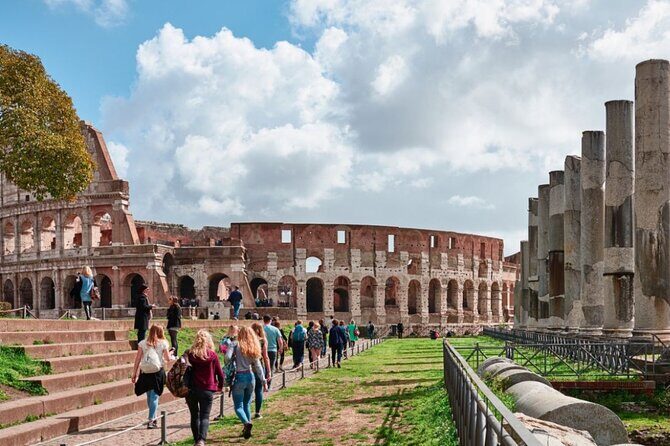
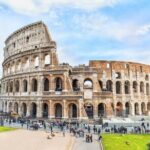
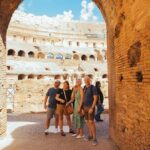
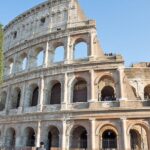
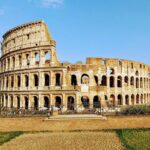
The Colosseum is the headline, and this tour is built to get you inside efficiently. The key advantage is how you enter: you go through the dedicated group entrance and enjoy skip-the-line ticket entry. That reduces the time you’d otherwise spend queueing while the sun climbs, crowds surge, or your patience thins.
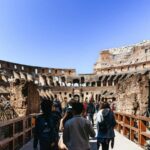
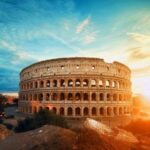
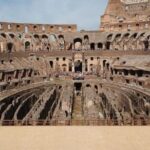
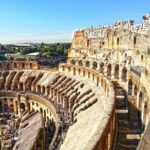
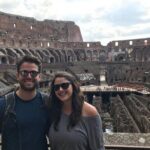
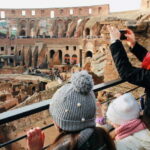
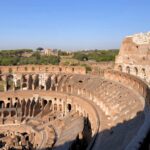
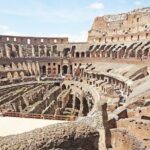
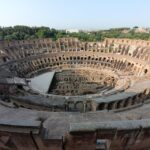
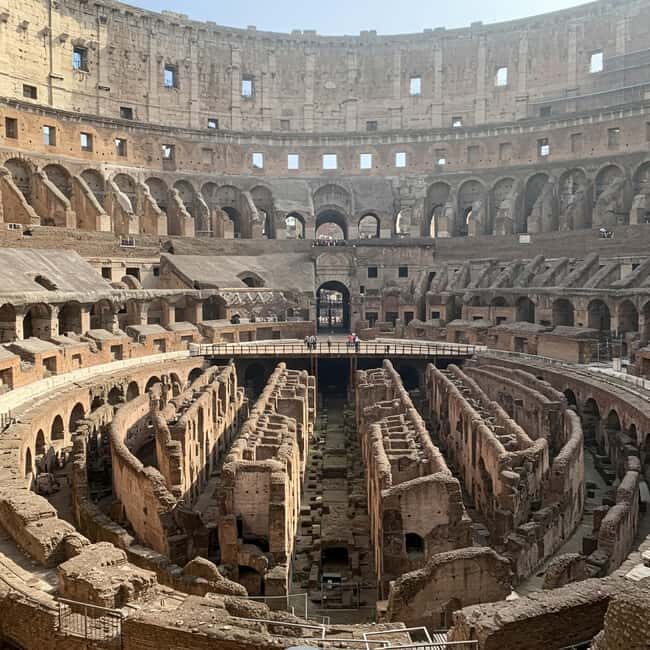
Inside, you’ll visit the main levels and hear stories about gladiator shows—how they were organized and how fights were staged for the Roman public. This kind of guiding makes the architecture start “working.” You’re not just looking at an oval arena; you’re learning how the spectacle was set up so the crowd could follow what was happening.
A helpful way to think about the tour moment-by-moment:
- In the arena spaces, listen for what the guide explains about organization and performance, not just combat.
- When you’re moving between viewing areas, focus on what changes: sightlines, structure, and how the design supported mass entertainment.
It’s also worth noting that this isn’t billed as a full-day, slow-walk museum tour. In a good way, you’ll get enough context to understand what you’re seeing without losing your afternoon to endless corridors.
Other walking tours we've reviewed in Rome
Roman Forum walk: ruins that explain how Rome ran
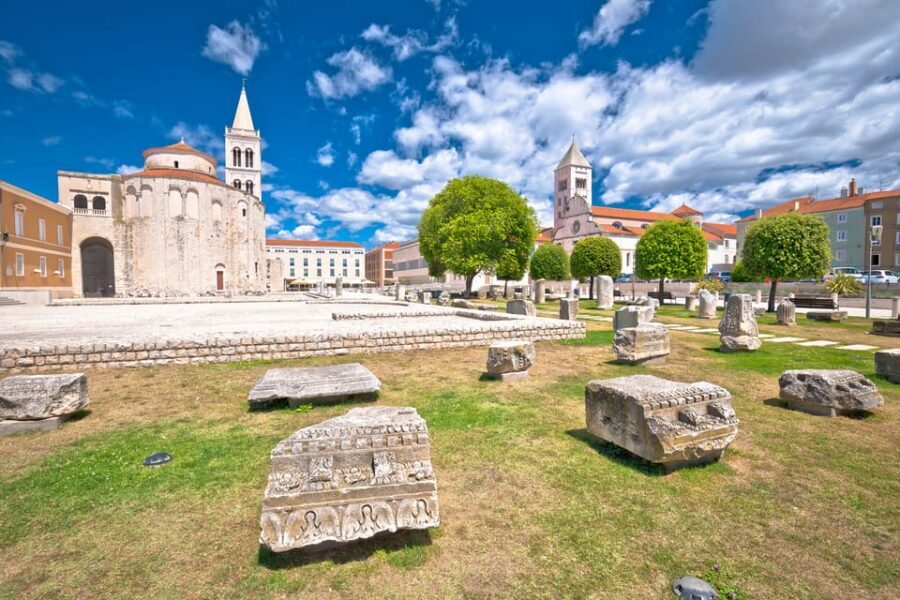
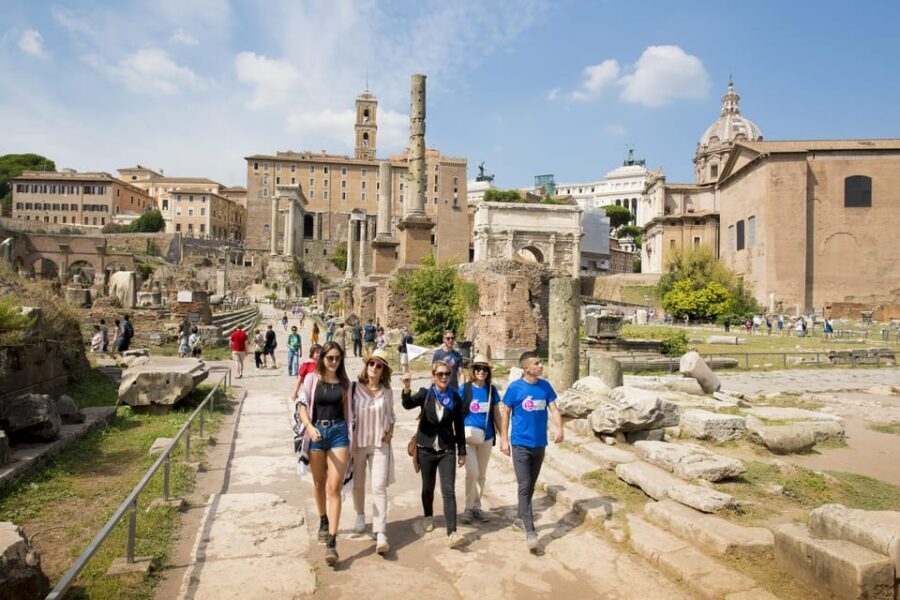
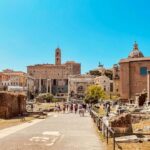
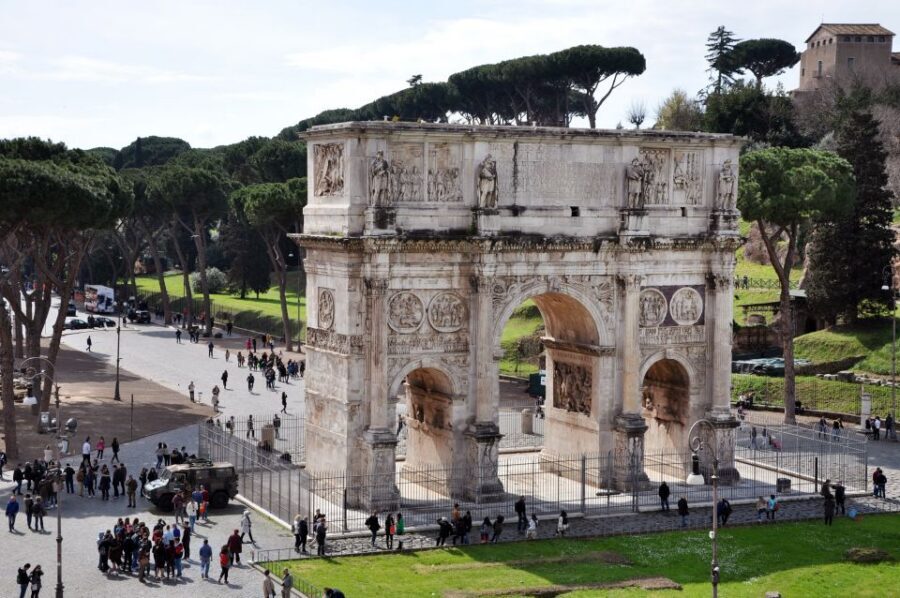
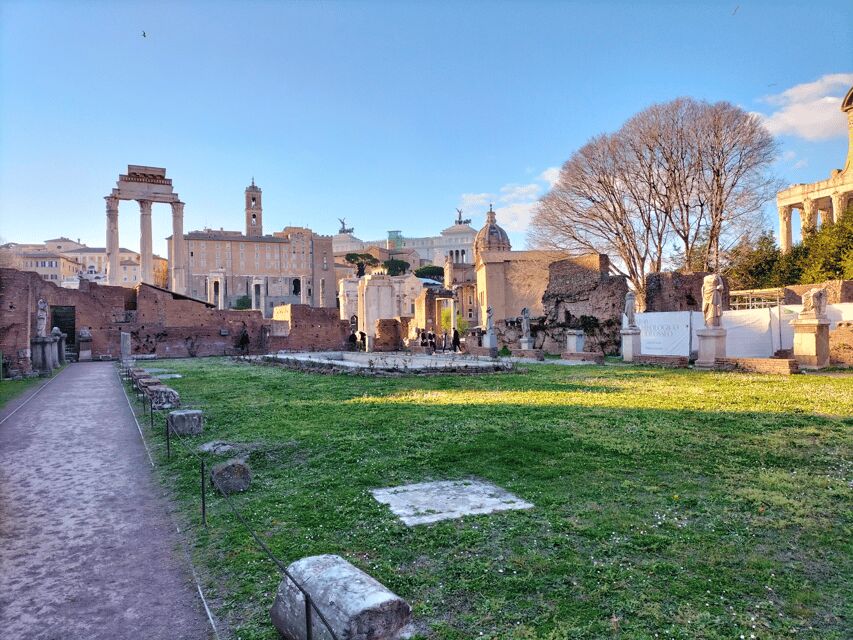
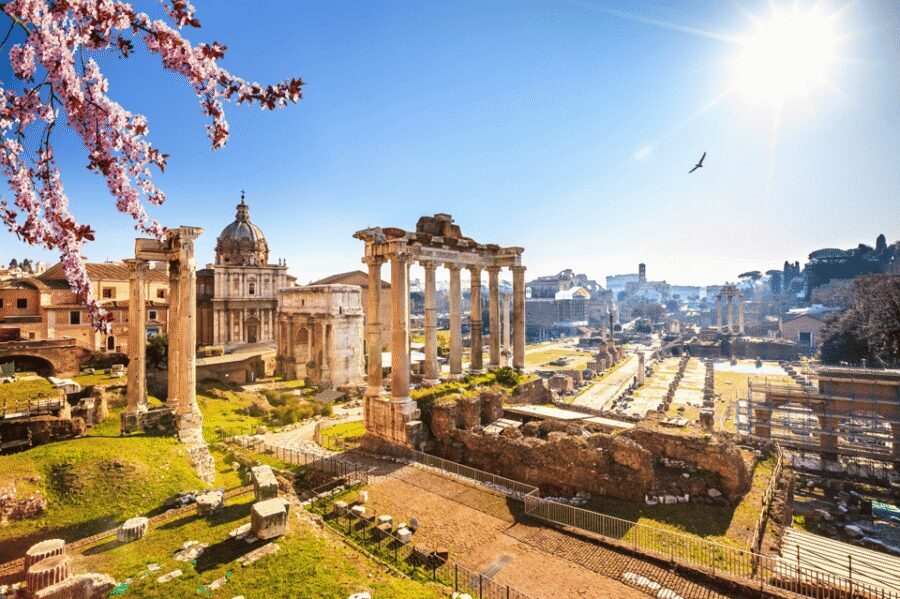
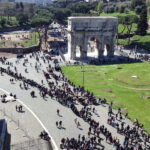
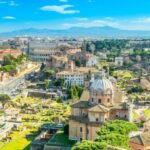
After the Colosseum, you continue to the Roman Forum, the ancient center where the Roman Empire ruled. This is the stop that often surprises people. From a distance, it looks like a field of scattered stone. With a guide, it turns into a map of civic life—church remains, government buildings, temples, and other fragments that show how the city organized power and public ritual.
The guide’s job here is crucial: they connect the visible remains to the roles those spaces played. You’ll walk through the kind of environment where emperors projected authority and where everyday life brushed up against politics. The stories of emperors and the common people are the bridge between “random ruins” and “this is where the city worked.”
Practical tip for the Forum portion: stay mentally flexible. The ground is uneven, crowds can be thick, and the ruins aren’t always labeled in a way that’s obvious at first glance. The headset plus a confident guide helps you avoid the classic problem of wandering without meaning.
One consideration: parts of this segment can feel long if you prefer quicker, photo-only stops. Some people find the Palatine steps longer than expected, and others feel the Forum walk has a steady pace that requires patience.
Climb Palatine Hill for panoramic terrace views
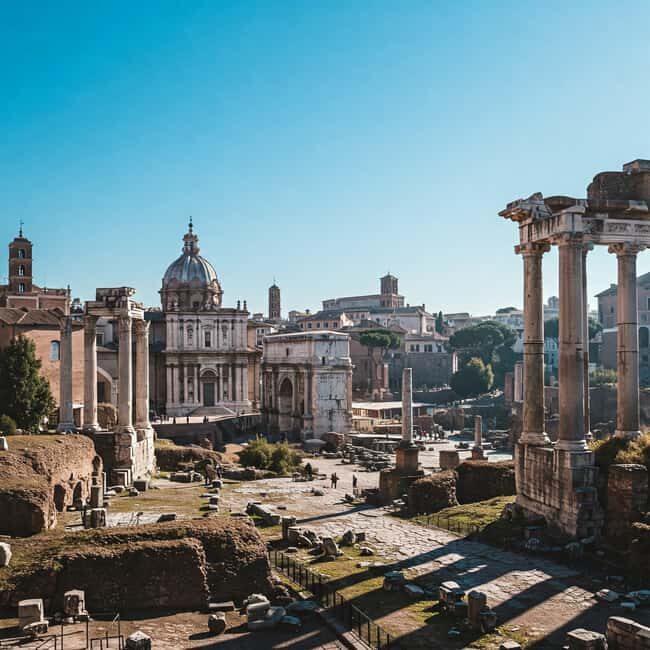
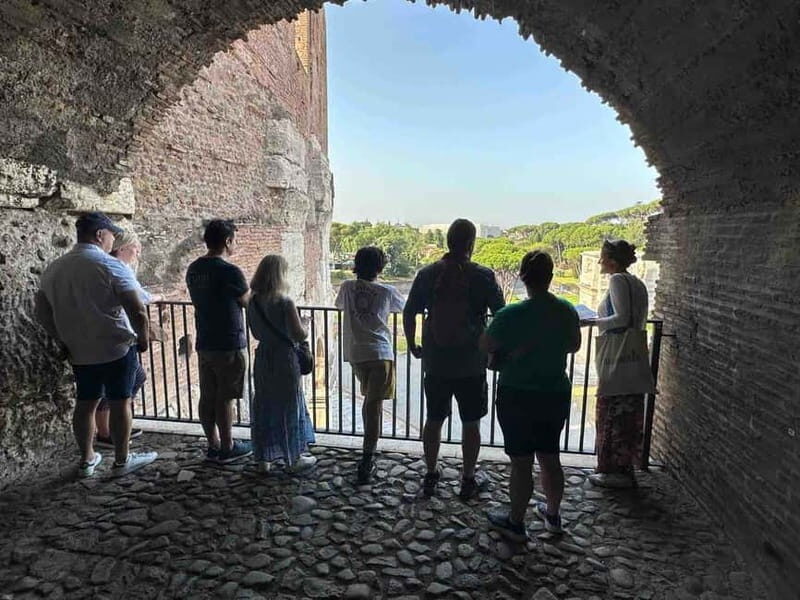
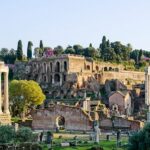
Then comes the climb to Palatine Hill. It’s famous for a reason: it was home to the rich and powerful families of Rome, and the terrain rewards you with wide views over the Roman Forum and across Rome.
This part is both physical and visual. You’re not just walking to see a lookout; you’re earning it with steps. From the top, the panoramic terrace gives you a sense of scale that flat ground can’t provide. It helps you understand why Palatine was so coveted: the vantage point isn’t just pretty, it’s strategic.
If you’re the kind of visitor who likes great photo spots, this is where the tour pays out. A good guide will point you toward angles that show the Forum layout and give you Rome back as a whole, not just a collection of monuments.
The trade-off is effort. This tour isn’t suitable for people with mobility impairments, and it’s also not for wheelchair users. If your group can handle stairs and uneven paths, you’ll likely enjoy Palatine as the peak moment. If stairs are tough, this may feel like the hardest part.
Group size, pace, and guide energy: what really affects your experience
A tour is more than locations. It’s also rhythm and crowd control. One detail that makes a difference here is that groups can be limited to around 14 people. Smaller groups tend to keep the guide moving with less stop-and-wait, which helps you actually cover the three big areas within the planned time.
What you’ll feel most during the walk is the guide’s tone. Multiple guides have been praised for enthusiasm, knowledge, humor, and the ability to keep things feeling fresh even with repeat tours. People like Palin, Samuel, Andy, and Sylvia have stood out for turning the sites into stories rather than lectures.
A word of caution about headsets fit: if you have kids, test the headset placement early and keep an eye on whether the mic sits where it needs to for clear sound.
What to bring (and what to leave behind)
You’ll need a passport or ID card. That’s not optional for big-site entry, and it’s best to have it ready rather than scrambling later.
Not allowed:
- Pets
- Weapons or sharp objects
- Luggage or large bags
- Alcohol and drugs
- Glass objects
So keep your load light. A small day bag that’s easy to manage will make your security process smoother and help you focus on the walk.
Who should book this Colosseum–Forum–Palatine tour?
You’ll probably love this if:
- You want the classic Rome triple hit without spending half the day figuring out logistics
- You like guided storytelling that connects gladiators, emperors, and common life to what you see
- You value skip-the-line entry and hearing the guide clearly with headsets
- You can handle a climb and uneven walking
You might reconsider if:
- Stairs and long walks are difficult for you or your party
- You need wheelchair accessibility (this tour isn’t suitable for wheelchair users)
- You want a slow, unhurried pace with lots of downtime
Should you book this tour or shop for a different approach?
I’d book this if your main goal is to get inside the Colosseum fast, understand what you’re looking at, then walk through the Roman Forum and climb up for the Palatine Hill views—all in one organized 2.5-hour visit.
It’s especially a smart choice if you’re trying to protect your day from Rome’s usual time thieves: long queues, confusing routes, and audio struggles in crowds. The included headsets and dedicated group entry are practical advantages, not just “nice extras.”
The only real reason not to book is if the walking and stairs won’t work for your group. Otherwise, this is a strong way to see the big landmarks with context, humor, and a guide who helps you make sense of the ruins instead of just looking at them.
FAQ
Where is the meeting point?
The meeting point is close to the upper floor exit of the Metro Colosseo, across the bar Caffè Roma. Your staff will be waiting with a Roman Way sign.
How long is the tour?
The duration is 2.5 hours. Starting times vary, so check availability for the schedule.
Does this tour skip the ticket line for the Colosseum?
Yes. It includes skip-the-line entry tickets and dedicated group entry.
What’s included in the price?
Included are the walking tour, the guide, headsets to hear the guide, and entry tickets for the Colosseum, Roman Forum, and Palatine Hill.
What languages are the tours offered in?
The tour is available in English and Spanish.
What should I bring, and what isn’t allowed?
Bring a passport or ID card. Pets, weapons or sharp objects, luggage or large bags, alcohol and drugs, and glass objects are not allowed.
Is it wheelchair accessible, and does it run in bad weather?
It isn’t suitable for people with mobility impairments and it’s not for wheelchair users. The tour takes place rain or shine.