REVIEW · ROME
Ancient Rome Guided Walking Tour: Colosseum, Forum and Palatine
Book on Viator →Operated by Gray Line I Love Rome by Carrani Tours · Bookable on Viator
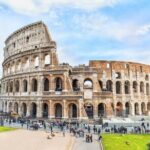
Rome’s power trio in three hours. You’ll cover Palatine Hill, the Colosseum, and the Roman Forum with a guide plus wireless headsets. It’s a fast route through big stories, from wolf-myth origins to gladiator-era engineering.
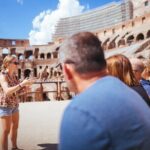
What I like most is the smart mix of pre-booked Colosseum access (ticket plus reservation fee included) and a guided narrative you can actually follow thanks to headsets. I also like the small-group feel, capped at 20 people, so you’re not constantly fighting for position to hear the next bit of history. You’ll also get the guide’s context as you move from one space to another, which makes the ruins feel less like disconnected rocks.
One key consideration: this is not an easy stroll. You’re looking at hills, stairs, and uneven archaeological ground, plus standing and walking through crowds—so comfortable shoes are non-negotiable.
In This Review
- Key things to know before you go
- Planning Your Colosseum-Forum-Palatine Walk: Start Times and Meeting Points
- Tickets and Headsets: How You Skip Some Headaches
- Stop 1: Palatine Hill Myths, Power, and the Views That Make It Real
- Stop 2: Entering the Colosseum Without the Long Line Feeling
- Stop 3: The Roman Forum as Political Center (Not Just Ruins)
- Walking, Weather, and Group Pace: What Real Comfort Looks Like
- Value Check: Is $71.65 Worth It?
- Should You Book This Tour?
- FAQ
- What is the duration of the tour?
- What sites are included?
- Is the Colosseum ticket included?
- Are wireless headsets included?
- Where is the meeting point?
- What time does the tour start?
- What documents do I need to bring?
- Is food included?
Key things to know before you go
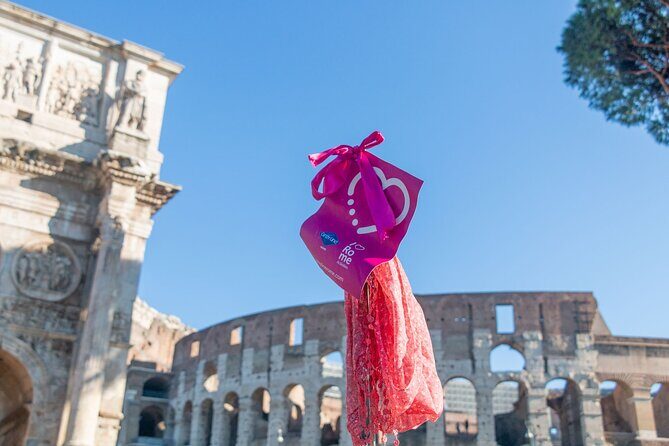
- Reserved Colosseum entry means you’re not waiting through the long ticket crush.
- Wireless audio headsets help a lot in a noisy, busy site.
- Palatine to Colosseum to Forum keeps the “Rome story” in a logical flow.
- Expect stairs and uneven stone even though the tour lasts only about 3 hours.
- Small group size (max 20) makes it easier to stay together and ask questions.
Planning Your Colosseum-Forum-Palatine Walk: Start Times and Meeting Points
This tour is timed for a half-day block of about 3 hours. Start times shift by season, so double-check your confirmation: it runs at 2:30 PM during part of the year (until Oct 26, 2024, and from April 1, 2025 to Oct 25, 2025), and at 1:30 PM during other date ranges (Oct 27, 2024 to Mar 31, 2025, and from Oct 26, 2025). If you arrive late, you may end up missing the group’s entry flow.
Meeting point details matter here because the area has lots of tours and signage can be confusing. The standard start point is at Via delle Terme di Tito, 75 (00184 Roma), near the meeting area by the Colosseum side, and your tour ends at Via dei Fori Imperiali. From April 1, 2025, the meeting point moves to Colle Oppio Park (Via delle Terme di Tito, corner of Via Nicola Salvi, inside the park). Build in extra time to confirm the exact location the day of your tour.
Rome also does security checks, and the operator notes that heightened measures can cause delays clearing entry areas. That means arriving early isn’t just polite—it helps your tour start smoothly instead of turning into a sprint.
More Colosseum, Forum & Palatine combos for the Colosseum & Ancient Rome
Tickets and Headsets: How You Skip Some Headaches
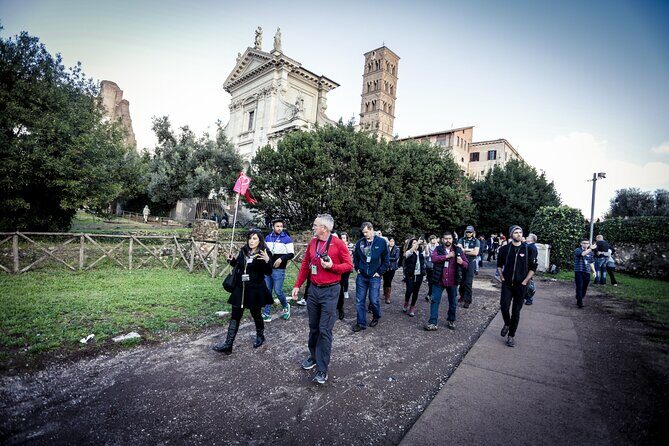
The biggest practical win is that your Colosseum entry is handled for you. Your price covers the Colosseum entrance ticket (valued at €18) and the reservation fee (valued at €2). The rest of what you pay goes toward the guide and service elements, including the audio system.
Wireless headsets are a real advantage at the Colosseum and Forum, where crowds can swallow normal conversation. You’ll hear the guide’s commentary more clearly, which helps when you’re standing in a spot that looks similar to ten other spots. In one review, someone noted they couldn’t hear well in a few moments due to audio issues, so if you’re sensitive to audio problems, keep the headset fit snug and ask right away if something seems off.
You’ll use a mobile ticket, and you’ll need to show valid ID or a passport that matches the full names provided at booking. If you have a pacemaker, you’ll need to show a certificate for admission. These details may feel bureaucratic, but they prevent delays at the security stage.
Also, plan for the day-of reality: this is an active walking tour. You’ll want your phone charged, your ID easy to access, and your meeting-point search done before you’re rushed.
Stop 1: Palatine Hill Myths, Power, and the Views That Make It Real
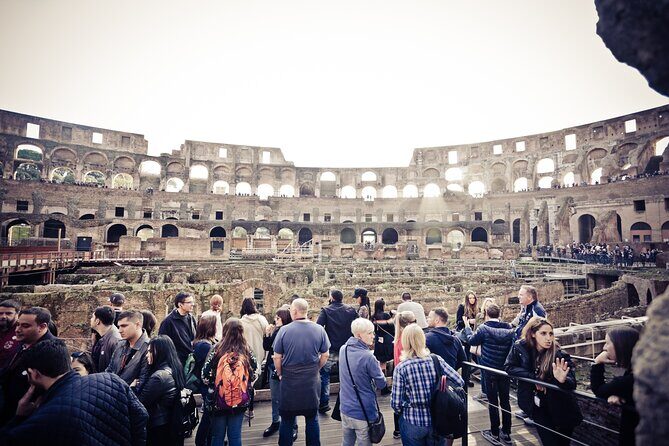
The tour starts at Palatine Hill, one of Rome’s seven hills and one of the oldest parts of the city. This is where the tour’s storytelling really clicks, because you’re not just looking at ruins—you’re standing in the landscape where Rome’s origin myths took root.
A standout moment is the legend of Romulus and Remus being kept alive by a female wolf on the Palatine. The tour uses that kind of legend to connect the city’s mythic beginnings to the later reality of imperial power. It’s a nice trick: it gets you oriented, then you build from there.
Palatine Hill is also an open-air museum, so expect lots of exposure—sun, wind, or rain depending on the day. That matters because the rest of the tour includes more moving and more steps. If the weather looks rough, bring a light layer and assume you’ll be outside the whole time.
The downside of starting here is that you’re already walking on real terrain immediately. Even if you’re excited, pace yourself and don’t burn energy early. You’ll be grateful when the Colosseum and Forum demand more steps later.
Stop 2: Entering the Colosseum Without the Long Line Feeling
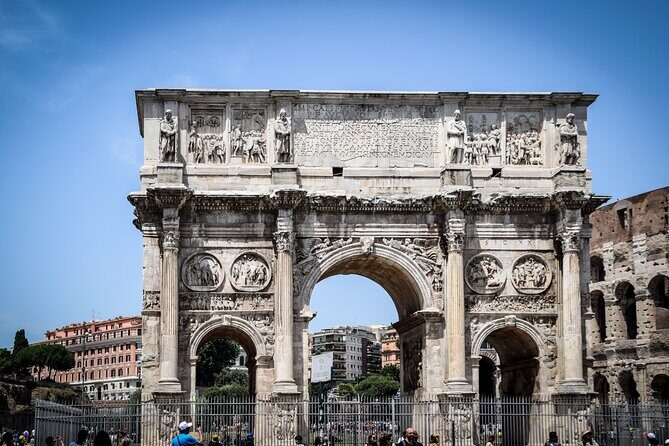
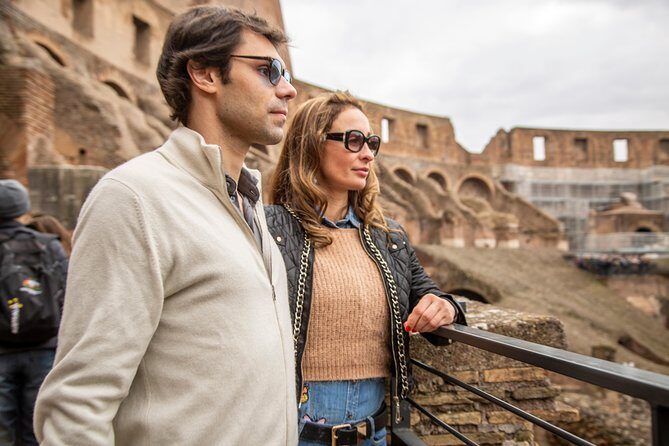
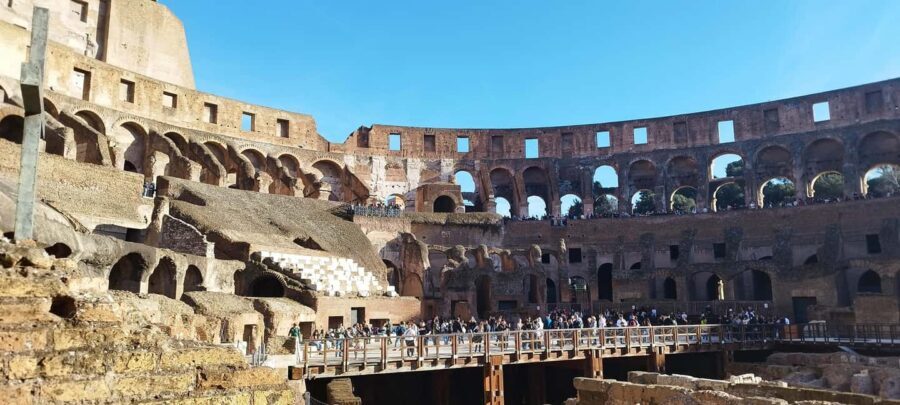
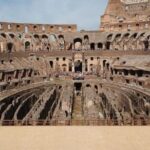
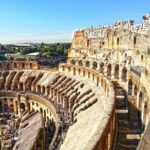
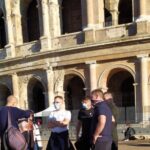
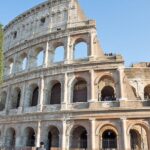
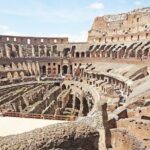
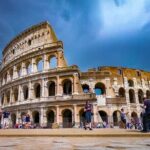
The Colosseum is the big-ticket stop, and with pre-booked tickets you can get in without the most brutal form of ticket-line waiting. Once inside, you’re there long enough to grasp both what the building was and why it mattered.
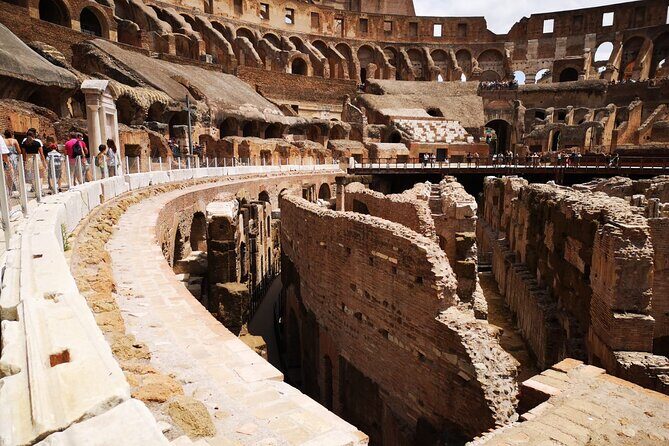
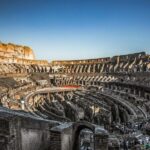
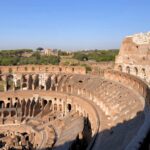
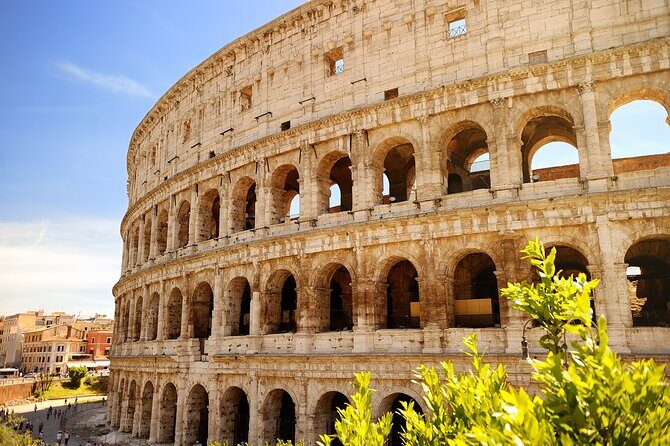
A key theme the guide covers is how the Colosseum was developed in AD 70–80, long before modern engineering. The story gets stronger when you connect the “how” to the “why”: it wasn’t just a show. It was Rome displaying organizational muscle at massive scale, and the tour notes the arena held up to as many as 80,000 spectators.
What makes this stop feel worth it isn’t only the structure—it’s how the guide helps you “read” it. The Colosseum can be confusing if you only look at walls and arches. With commentary, you start noticing the logic of the space: the role of the seating, the performance atmosphere, and how all the pieces supported entertainment.
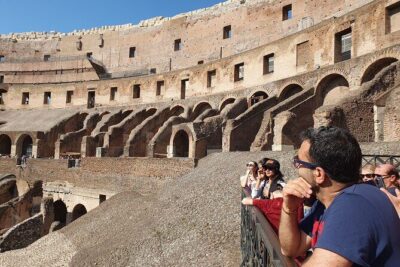
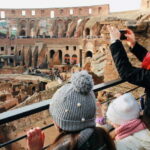
Crowds are part of the package. Even when entry is smooth, you may still encounter bottlenecks inside. If you’re the type who needs lots of room to take photos, choose your moments and let the group move first—then you’ll get your shots without falling behind.
Some guide styles really show up here. People have praised guides like Maria and Emanuel for clarity and answering questions, while another review mentioned a guide could be hard to keep up with. My advice: listen for the plan early, then keep your eye on the group movement rather than getting stuck studying every archway at once.
Stop 3: The Roman Forum as Political Center (Not Just Ruins)
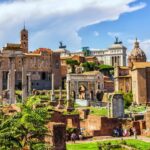
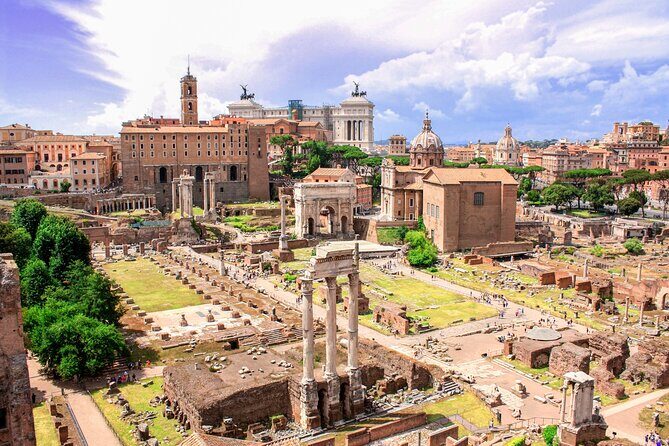
Next comes the Roman Forum, the area that once served as Rome’s center for public and religious life. This stop is where the tour turns from “what you’re seeing” into “what it meant.”
The Forum’s history is built into the landscape. After the Empire fell, the Forum fell into obscurity and was buried gradually. Even though people knew about it as a place by the 16th century, large-scale excavations began only in the 20th century. That timeline helps you understand why you’re looking at partial structures instead of a fully intact city block.
The tour highlights key spots such as the Temple of Julius Caesar and the House of the Vestal Virgins. Those names are helpful because they connect architecture to roles: power, ritual, and authority. Even if you’re not a big politics buff, it makes the Forum more than a collection of foundations—it becomes a map of how Rome ran.
Expect to walk and to pause often. The guide will use the different areas to explain context, and the headsets help here too. In a few moments, audio reception can drop depending on where you stand, so don’t be shy about stepping a little to hear better.
The Forum can also be physically tiring because it’s a “now we move again” area. If you want the most from your time, stay near the front of your group during key explanations, then step back to explore after the guide finishes the point.
More Palatine Hill tours for the Colosseum & Ancient Rome

Walking, Weather, and Group Pace: What Real Comfort Looks Like
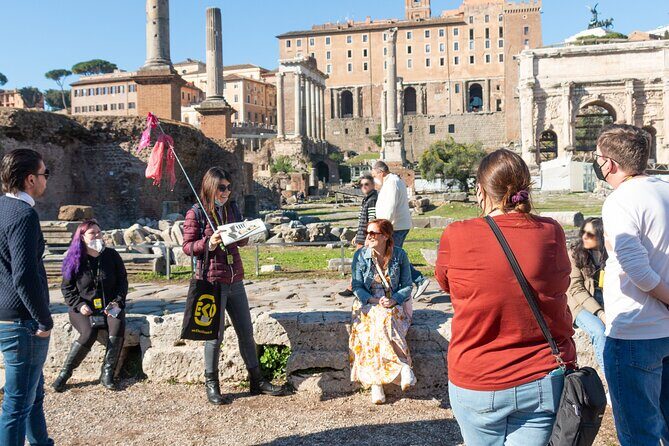
This is a moderate-physical-fitness tour that still asks a lot of you. The operator specifically warns about walking on medium-hard floors and a route that can involve uneven surfaces and steps. You’ll also want to be ready for rain or shine.
In hot weather, this tour can feel like a workout. One review pointed out that the activity gets strenuous with hills, stairs, and heat and humid conditions. Even if you’re fit, Rome’s summer sun is its own kind of exercise. Drink water before you feel thirsty, and choose a hat or cap if you know you burn easily.
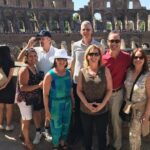
Group pace is another factor. With up to 20 people, the guide may set a rhythm that works well for the majority. Some reviews praised guides for caring and keeping the group together, while others noted waiting for a guide to find late members or that one viewing spot wasn’t ideal for everyone. Translation: if you need frequent breaks or slower movement, plan to tell the guide early.
If you’re traveling with kids, there’s good news in the feedback: at least one guide involved children and kept them engaged. That said, the route still includes plenty of steps, so don’t treat it like a casual stroller-friendly walk.
Value Check: Is $71.65 Worth It?
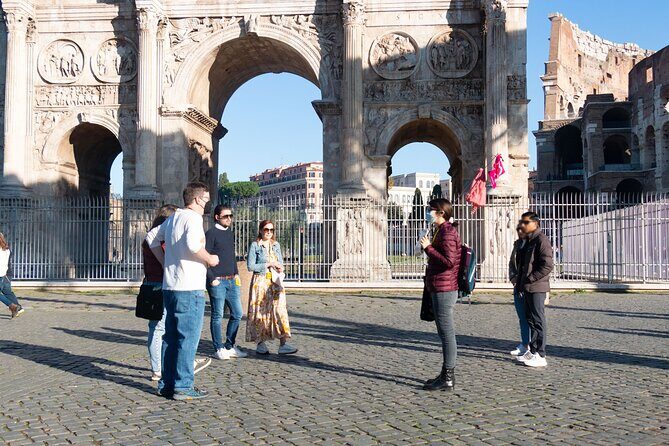
At $71.65 per person, you’re paying for more than “someone points at ruins.” You’re getting reserved access into the Colosseum area plus a guide who connects the stops into a single story.
Here’s the value math you can actually feel: the Colosseum portion includes a ticket valued at €18 and a reservation fee valued at €2. Your total package therefore isn’t just gate entry—it’s also the guide, the wireless headset system, and the time-saving logistics that help you spend your limited hours in the right places.
If you tried to DIY this on your own, you’d still face a challenge: timing entry, matching ticket types to the day’s rules, and then trying to understand the Forum and Palatine without context. The headsets make this easier because you’re not constantly scanning for a guide or relying on your own audio guide while moving through crowds.
Could you see everything without a tour? Sure. But for the price, this one buys you structure and explanations while you’re already standing in the middle of the action. For most visitors, that’s a good trade: you pay to reduce confusion and increase understanding.
Should You Book This Tour?
I’d book this if you want a tight, high-impact Rome classics walk—Palatine Hill origins, Colosseum spectacle, and the Forum’s political and religious heart—without spending your time solving logistics. The headsets and reserved Colosseum entry are the practical reasons to pick it, and the guide commentary is the reason it feels like more than a checklist.
I’d think twice if you know you struggle with stairs, uneven ground, and heat. This tour is designed for people who can keep moving and handle an active pace. Also, if meeting-point navigation is your stress trigger, arrive early and double-check the start location for your exact travel date, especially because it changes starting April 1, 2025.
If you fit the “active but history-friendly” sweet spot, this is one of the most efficient ways to get oriented fast—and still come away with a clear sense of how Rome worked.
FAQ
What is the duration of the tour?
It runs for about 3 hours (approx.).
What sites are included?
You’ll visit Palatine Hill, the Colosseum, and the Roman Forum.
Is the Colosseum ticket included?
Yes. The tour includes the Colosseum entrance ticket and the Colosseum reservation fee.
Are wireless headsets included?
Yes. Wireless audio headsets are included so you can hear the guide.
Where is the meeting point?
The meeting point is listed at Via delle Terme di Tito, 75, 00184 Roma. From April 1, 2025, the meeting point changes to Colle Oppio Park at the corner of Via delle Terme di Tito and Via Nicola Salvi (inside the park).
What time does the tour start?
The tour starts at 2:30 PM during one seasonal range and at 1:30 PM during another seasonal range. Your booking confirmation should show the exact start time for your date.
What documents do I need to bring?
Each traveler must present a valid passport or ID document that matches the full name provided at booking.
Is food included?
No. Food and drinks are not included.