REVIEW · ROME
Rome: Guided Colosseum Underground Tour
Book on GetYourGuide →Operated by Trajan Tours · Bookable on GetYourGuide
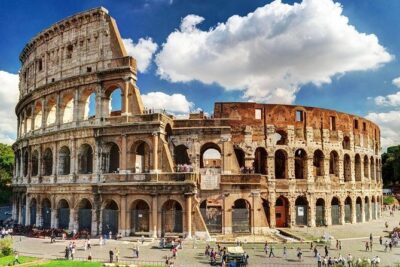
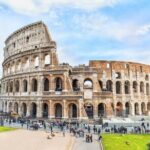
Under the Colosseum, Rome feels different. I like that this tour sends you into the Colosseum Underground and hypogeum spaces, where you can picture the backstage chaos before the crowd ever roared. I also like that it doesn’t stop at the amphitheater; you continue to the Roman Forum and Palatine Hill with the kind of context that makes the ruins click into place.
The main drawback: the route is not friendly for everyone. The surfaces are uneven, and the tour is not suitable for wheelchair users or people with mobility impairments, so you’ll need to be comfortable walking on irregular ground.
In This Review
- Key things to know before you go
- Meeting at the Arch of Constantine: getting started without stress
- Entering the Colosseum Underground: hypogeum, hoists, and Roman realism
- Standing where the show landed: arena level + the crowd’s viewpoint
- Roman Forum: what changes when you connect politics to performance
- Palatine Hill and the Palace of Domitian: views plus imperial authority
- Guides make the difference: Renata, Amanda, Lorenzo, Sabrina, and crowd control
- Timing, crowds, and why skip-the-line is worth real money
- What to bring (and what to leave at home) for a smoother visit
- Who this tour fits best (and who should rethink it)
- Is it worth booking the Colosseum Underground tour?
- FAQ
- Where do I meet the guide?
- How long is the tour?
- Is skip-the-line entry included?
- What parts of the Colosseum are included?
- Does the tour include the Roman Forum and Palatine Hill?
- What language is the tour in?
- What should I bring for the visit?
- What items are not allowed?
- Is it suitable for wheelchair users or mobility impairments?
Key things to know before you go
- Underground access to the hypogeum area under the arena
- Arena-level walking so you can connect the mechanics below with what the audience saw
- Roman Forum + Palatine Hill included, not tacked on later
- Local guide storytelling that turns stones into scenes (Renata, Amanda, Lorenzo, Sabrina are named among the guides you might get)
- Skip-the-ticket-line entry, which saves time in a place built for long waits
Meeting at the Arch of Constantine: getting started without stress
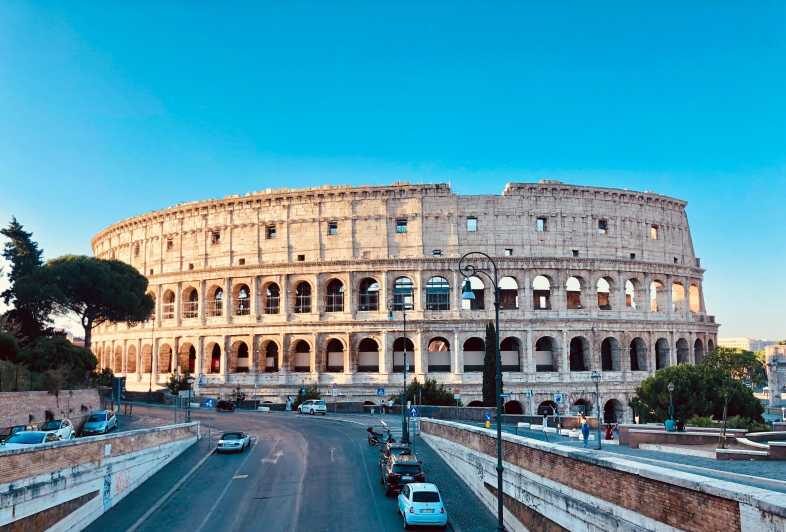
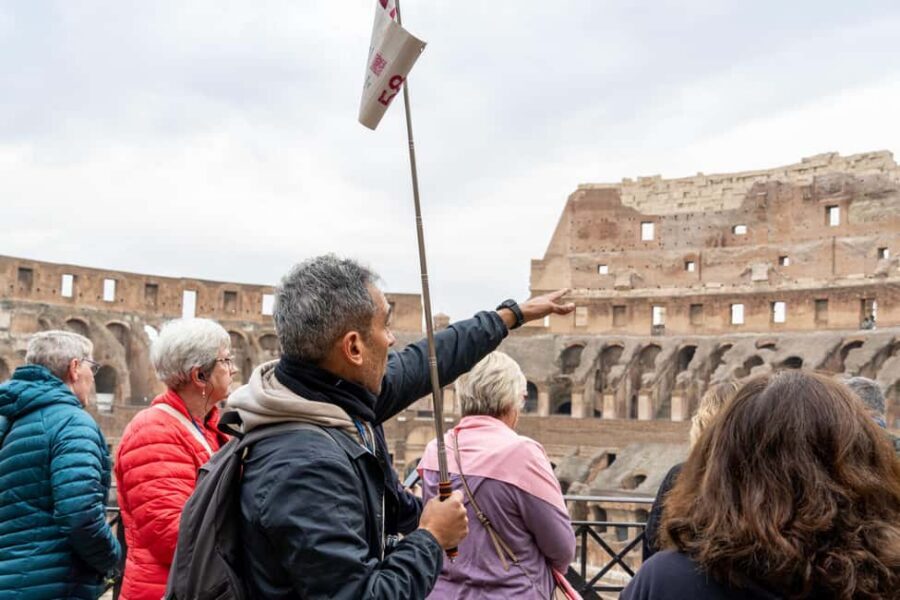
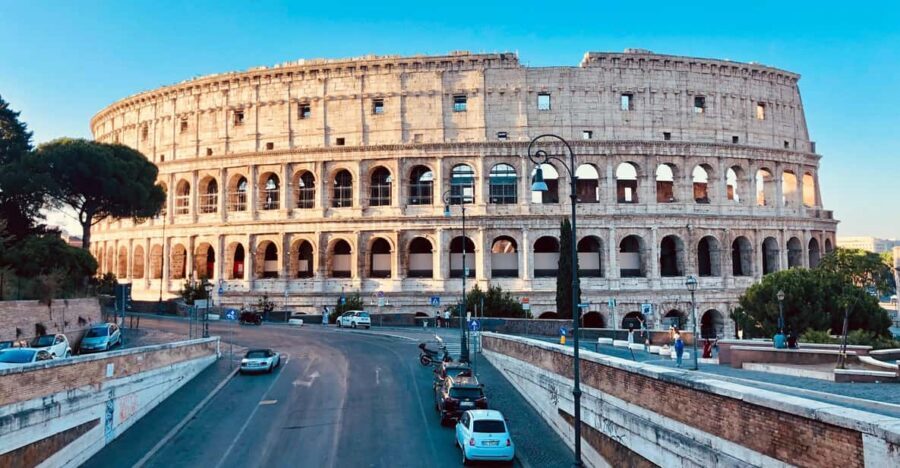
This tour begins right next to the Arch of Constantine, with your guide holding a red Trajan Tours sign. It’s a smart way to start because you’re not hunting for a random “Colosseum entrance” while other lines creep forward.
You’ll gather, get oriented, and then head into the Colosseum grounds as a group. If you’re the type who likes a plan, this is one of the nicer setups: the meeting point is clear, and the timing keeps you from wandering into the wrong security lane.
More Colosseum Underground tours for the Colosseum & Ancient Rome
Entering the Colosseum Underground: hypogeum, hoists, and Roman realism
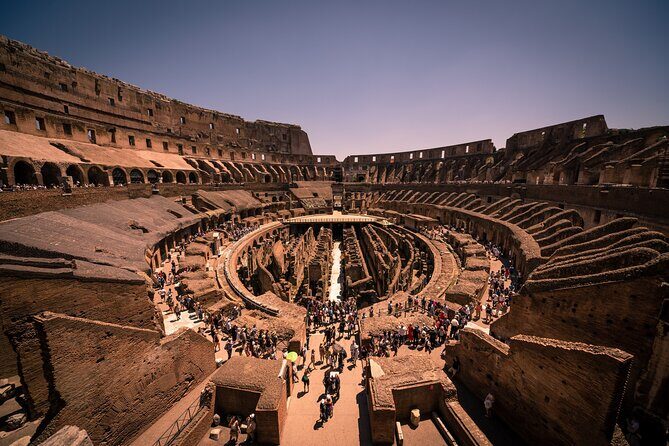
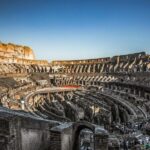
Here’s the point of the whole thing: you go under the arena. You’ll descend into the subterranean network of chambers and tunnels, then spend time in the staging area under the floor. This is where you can finally understand how the show worked as a production, not just as a legend.
What I like is that the tour connects the space to the story. You’re not only looking at stone walls; your guide helps you imagine performers getting ready, animals being brought into position, and staff moving through the backstage corridors while the crowd waited above. You’ll also hear how the site was engineered so things could be moved and lifted into place for spectacle.
One small but important detail: this is a section where your imagination has to do some work. The underground is dim and practical, and it can feel like a working area rather than a museum hall. That’s also why it’s powerful. It makes the Colosseum feel less like a postcard and more like a machine designed for public drama.
Standing where the show landed: arena level + the crowd’s viewpoint
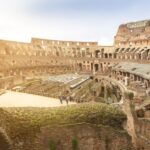
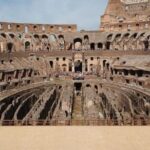
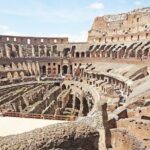
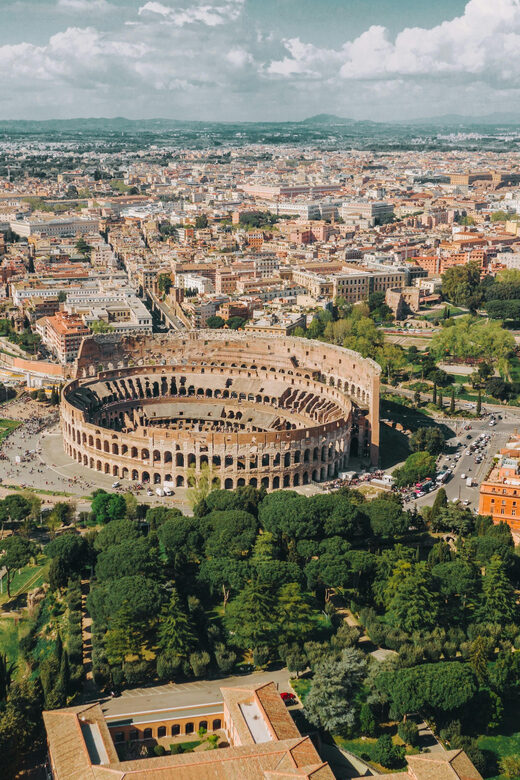
After the underground portion, you move back up to the arena level. This is where the tour payoff really shows. Once you’ve seen the spaces below, walking the arena area makes the architecture feel intentional—like every passage, opening, and platform had a job.
Your guide points out the design and engineering that made the Colosseum a marvel of its time. You’ll also be guided through the emotional tone of ancient Roman events—cruelty, discipline, and moments of clemency—so the stories don’t become one-note shock.
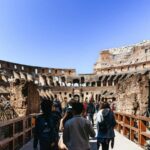
The arena walk is also about perspective. You’re not just circling the big sights; you’re moving through the parts that help you understand sightlines and crowd energy. One of the most common “wow” moments people describe is seeing the upper areas less crowded than they expected, because you’re working through the site in a guided flow.
Roman Forum: what changes when you connect politics to performance
Then the tour shifts gears to the Roman Forum, the heart of ancient Rome. At first, it can feel like you’re switching from action to politics. That’s exactly why the order matters.
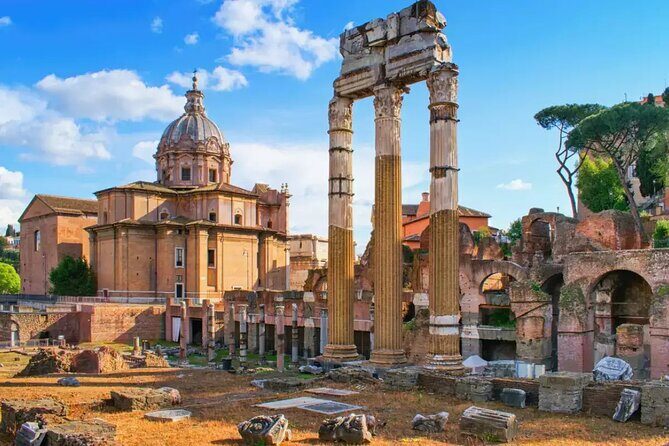
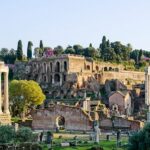
After the Colosseum’s spectacle spaces, the Forum hits differently. You walk among ruins of temples, basilicas, and government buildings—places where public life wasn’t entertainment, it was power. Your guide helps you trace that power through key landmarks, including the Arch of Titus and the remains of the Temple of Saturn.
I love this pairing for one reason: it gives you a fuller picture of Rome. The Colosseum shows how the city performed authority to the masses. The Forum shows who built that authority and how it was maintained. If you only did one or the other, you’d miss half the story.
Palatine Hill and the Palace of Domitian: views plus imperial authority
Next comes Palatine Hill. This is where the tour gives you breathing room and a sense of scale. You visit the Palace of Domitian and take in views from the hilltop area, which helps you understand why emperors wanted to live above the city rather than inside it.
Your guide connects the hill to the politics and personal drama of empire. Walking among the ruins while hearing how rulers used space—who lived where, who governed from where—turns “pretty ruins” into a layout of real influence.
This is also one of the best times to slow down. Even if you’re eager to keep moving, you’ll want a few quiet minutes to look around and let your brain map the ancient city onto the modern streets you see beyond the site.
Other guided tours in Rome




Guides make the difference: Renata, Amanda, Lorenzo, Sabrina, and crowd control
A big reason this tour earns such strong praise is the way the guide delivers the story. Names that come up often include Renata, Amanda, Lorenzo, and Sabrina. The pattern is consistent: guides keep energy up, explain clearly, and add humor without turning the subject into a joke.
Amanda, in particular, is repeatedly described as funny and animated, with a style that works especially well for a place like the Colosseum, where crowds can get chaotic. Renata is also described as detailed and energetic, with stories that link one detail to the next so the ruins don’t feel like disconnected fragments.
Another practical win: the guide helps manage the group through security and busy areas. In a site like this, that matters more than you’d think. You spend less time stuck, and more time actually looking.
Timing, crowds, and why skip-the-line is worth real money
The tour runs about 3 hours, though it can run a bit longer in practice, so I’d plan your day with some buffer. Starting times depend on availability, so you’ll want to check the schedule before locking in the rest of your Rome plans.
The price—$163.11 per person—can feel high at first. Here’s the value logic: this ticket bundle covers the Colosseum entry (including the Underground and arena floor) plus the Roman Forum and Palatine Hill. Add skip-the-ticket-line access and a guide who helps you navigate the site flow, and you’re paying for time saved and context gained.
Also, getting the right kind of access to the underground part isn’t the easiest thing to do on your own. If you try to piece it together at the last minute, you risk scrambling. On a short trip, scrambling is expensive too, even when the euro amount looks cheaper.
What to bring (and what to leave at home) for a smoother visit
Bring water. You’ll be outdoors at points and moving through multiple areas, and Rome heat doesn’t negotiate.
You’ll also need ID—passport or an ID card is fine, and a copy is accepted. That’s an easy one to miss if you’re used to casual entry into smaller attractions.
For bags and items, follow the rules closely:
- No large luggage or big bags
- No weapons or sharp objects
- No pets (assistance dogs allowed)
- No sprays or aerosols
- No glass objects
These restrictions are there for security and flow. If you show up with too much stuff, you lose time.
Who this tour fits best (and who should rethink it)
This tour is a strong match if you want the Colosseum beyond the usual photo stops. You’ll get the storytelling, the underground access, and then the Forum and Palatine Hill in one structured sweep. If you like history that feels like a lived space—tunnels, systems, public spaces—you’ll enjoy this format.
You should rethink it if you have mobility challenges. The tour is not suitable for wheelchair users, and it also notes that uneven surfaces can be an issue for people with mobility impairments. If that applies to you, you’ll want a different style of tour with flatter, more accessible pathways.
Is it worth booking the Colosseum Underground tour?
If your goal is to see the Colosseum in a way that goes past the basics, yes, this is worth booking. The combination of Underground access, arena-level viewing, and then the Roman Forum and Palatine Hill is exactly how you turn one famous site into a real understanding of Roman life.
If you’re worried about crowds, timing, or logistics, this is also a smart play because skip-the-line entry and a guide-led route reduce the “stand in the heat, then rush through” feeling. And when the guide is one of the praised ones—like Renata or Amanda—the stories feel like they belong in the space, not just floating above it.
If you want a more accessible, slower day that minimizes uneven walking, this particular format may not be your best match. But for most people who can handle walking on old surfaces, it’s a high-value way to experience the Colosseum’s most memorable area.
FAQ
Where do I meet the guide?
Meet your guide right next to the Arch of Constantine. The guide will be holding a red Trajan Tours sign.
How long is the tour?
The duration is 3 hours. Starting times vary, so you’ll need to check availability for the schedule.
Is skip-the-line entry included?
Yes. The tour includes skip-the-ticket-line entry for the Colosseum areas and the related sites included in the ticket.
What parts of the Colosseum are included?
You’ll access the Colosseum Underground and then the Arena Floor as part of the guided visit.
Does the tour include the Roman Forum and Palatine Hill?
Yes. The tour includes a guided visit to the Roman Forum and Palatine Hill, including the Palace of Domitian.
What language is the tour in?
The live tour guide is in English.
What should I bring for the visit?
Bring water and a passport or ID card. A copy is accepted.
What items are not allowed?
Weapons or sharp objects, luggage or large bags, pets (assistance dogs allowed), sprays or aerosols, and glass objects are not allowed.
Is it suitable for wheelchair users or mobility impairments?
No. The tour is not suitable for wheelchair users, and it notes that uneven surfaces may be an issue for people with mobility impairments.