REVIEW · ROME
Rome: Colosseum and Ancient Rome Guided Walking Tour
Book on GetYourGuide →Operated by Tours About · Bookable on GetYourGuide
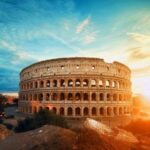
Colosseum in 2.5 hours? Yes, and it works. You’ll get the big picture of Ancient Rome by tying together the Colosseum arena, the Roman Forum, and the climb to the Palatine Hill. I love that the best guides use story and humor to make the place click, and I especially love the panoramic payoff from up on the hill. The main thing to watch is the pace: you’re moving most of the time, and security lines can slow down entry.
At $41 per person, this is one of the more straightforward “show up and go” ways to see the essentials because entry fees and headsets are included. Guides work in multiple languages, and the tour runs in all weather, so you’re not stuck hoping for perfect skies.
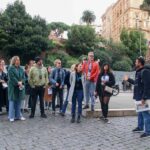
You meet at Via delle Terme di Tito 93, which is easy enough once you’re on the right street. If you’re coming by Metro from Colosseo station, you’ll go up to the terrace above the station, walk on Via Nicola Salvi about 100m, then turn left. Do a quick check the day of, because meeting-point instructions can be easier if you plan for a little real-world GPS weirdness.
In This Review
- Key things I’d bet on before you book
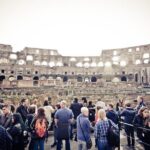
- Entering the Colosseum: the scale hits fast
- Roman Forum on Via Sacra: why these stones mattered
- Palatine Hill climb: the views make it worth the stairs
- Guide impact: what makes this tour feel smooth
- How the included entry fees and headsets add value
- Comfort, safety, and who should skip this tour
- Should you pair this with anything else in Rome?
- Book it or skip it?
- FAQ
- How long is the Rome Colosseum and Ancient Rome guided walking tour?
- What’s included in the price?
- Where do I meet for the tour?
- What languages are the live tour guides?
- What should I bring and what is not allowed?
- Is this tour suitable for wheelchair users or people with mobility impairments?
Key things I’d bet on before you book
- Three major sites in one tight 2.5 hours: Colosseum, Roman Forum, and Palatine Hill, all connected by the story of how Rome worked.
- Palatine Hill views for quick orientation so Rome stops feeling like random ruins.
- Headsets help in crowd noise so you don’t have to fight for every sentence.
- Guides with serious backgrounds show up in the best way, including an archaeologist guide like Stefanie De Majo.
- Security checks mean possible waiting at the Colosseum entrance.
- Limited breaks and a brisk rhythm, which is great if you want momentum and less great if you need long pauses.
Entering the Colosseum: the scale hits fast
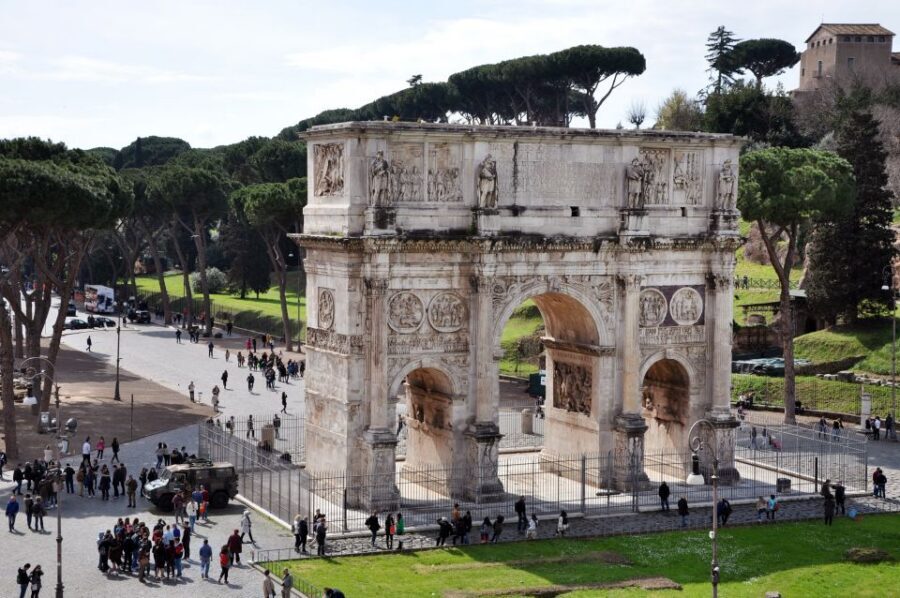
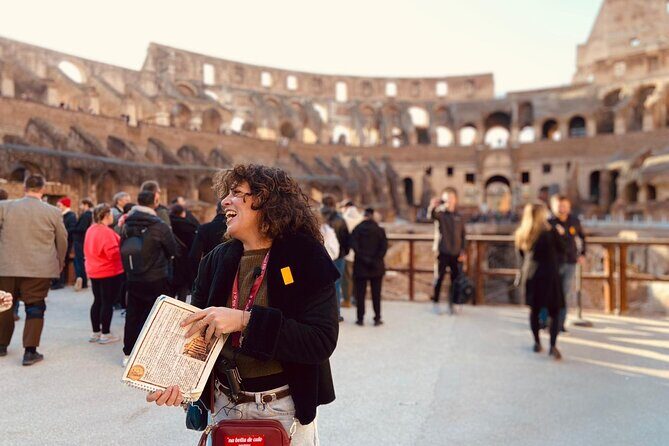
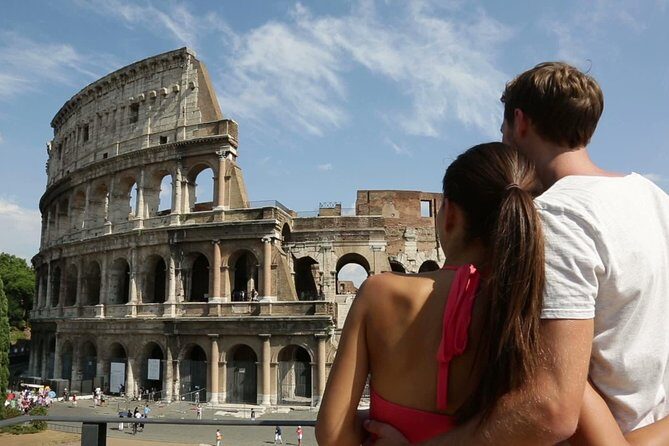
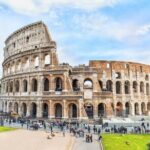
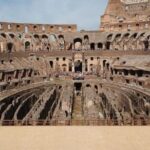
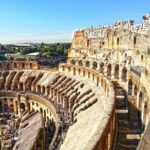
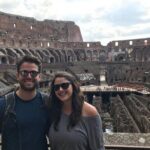
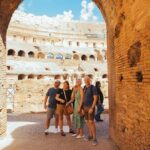
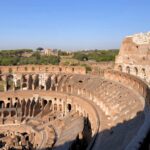
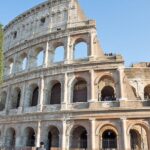
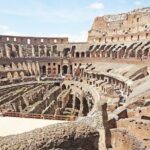
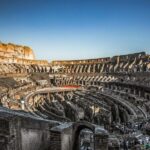
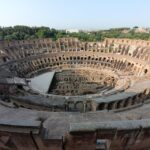
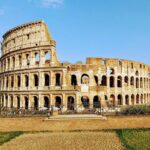
The Colosseum isn’t just a monument. It’s a machine for drama. In a short time, you’ll be shown where people gathered, where the action played out, and how the arena functioned as the stage for the spectacle. You’ll also hear the historical facts and ancient myths tied to the building and its surroundings, so the ruin feels like something that once had purpose.
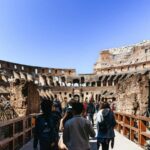
Expect an emphasis on the arena experience: this is where the guide turns “wow, it’s big” into something you can actually picture. The tour description leans into the dramatic side of Roman entertainment—where man and beast met their final moments—so you’ll be mentally stepping into the crowd context, not just walking past walls.
One practical thing: there may be a line for security checks. This matters because it can shift timing, and the Colosseum ticket availability can affect which segments you cover in which order. The tour still runs in all weather, so if the queue stretches and it’s chilly or rainy, you’ll want to be dressed for waiting.
More Ancient Rome tours for the Colosseum & Ancient Rome
Roman Forum on Via Sacra: why these stones mattered
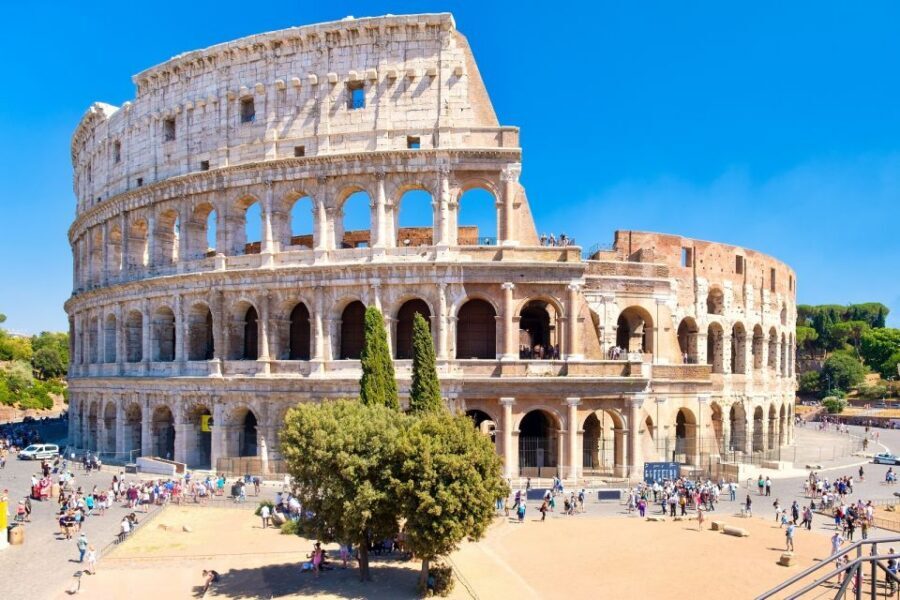
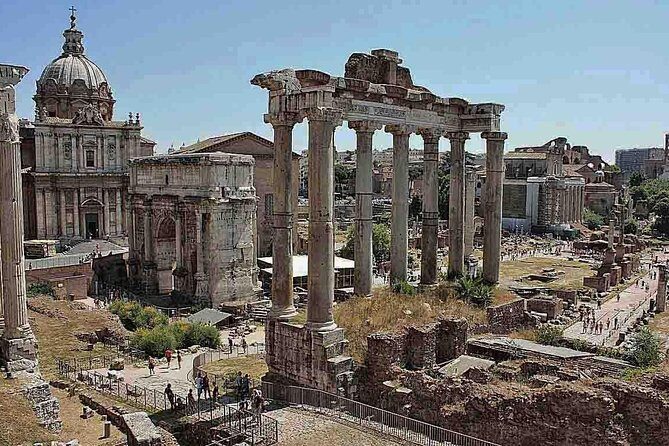
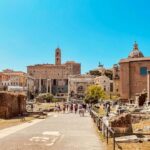
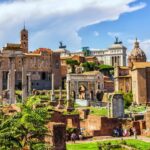
From the Colosseum area, you move into the Roman Forum zone, which is the heart of public life in Ancient Rome. The Forum wasn’t a single place for one activity. It was where political decisions happened, where markets did business, and where religious and civic life overlapped.
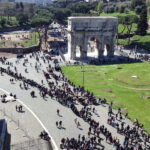
The best part of having a guide here is clarity. Without context, the Roman Forum can feel like “lots of ruins in a wide area.” With a guide, you start linking parts together: temples and market remains, and especially the Via Sacra, the processional route that sat at the core of Roman political and social movement.
You’ll hear how the Forum connects to the Roman Empire’s day-to-day power structure. That’s the difference between taking photos and actually understanding what you’re looking at. Even if you already read a bit beforehand, hearing myths alongside facts helps you remember what you saw and why it mattered.
There is a timing trade-off, though. One common complaint you should take seriously is that time spent in the overall Rome context can feel heavier than what you might expect for pure Forum Romanum focus. In other words: if your #1 goal is maximum Forum time above all else, go in with realistic expectations that this is a three-site sprint.
Palatine Hill climb: the views make it worth the stairs

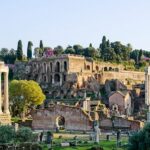
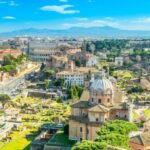
Palatine Hill is where Rome starts to feel three-dimensional. You’re not just walking on history; you’re climbing to the vantage point that makes the city make sense. The tour highlights a real payoff here: you ascend the hill for breathtaking vistas of the sprawling cityscape, so you get both ancient context and modern orientation.
At Palatine, the guide’s job is to connect the present slopes to the vanished centers of power. You’ll see remains of temples and other structures tied to Roman life, and you’ll hear the story of how this elevated ground became a symbolic and practical hub.
Yes, it’s a climb. But if you want your photos to mean something, this stop is the one that often delivers the most. The view helps you “place” everything you learned, even if you’re only with the tour for a short window.
Tip for comfort: wear shoes you can move quickly in. This is not a slow stroll with long sit-down breaks. A guide may include shaded pauses when conditions allow, but the overall rhythm stays active.
Guide impact: what makes this tour feel smooth
This tour lives or dies by the guide. The good ones keep you moving while still making every stop understandable, and they manage the noise, crowds, and time constraints without turning it into a frantic run.
You’ll see names come up again and again, including Maria, Joseph, and Stefanie De Majo. Maria is often praised for being a great guide who makes everything feel spectacular. Joseph gets credit for being pleasant, having a good sense of humor, and keeping younger visitors engaged. Stefanie De Majo stands out because she’s described as an archaeologist with a specialized approach to each site’s history, which can add an extra layer of credibility to the explanations.
One detail that matters: there are limited breaks, so the tour stays focused. In the best format, that’s a win because you’re constantly seeing something and learning as you walk. In a less ideal pacing situation, you may feel like you’re sprinting to keep up, so if you’re sensitive to speed, factor that into your expectations.
Headsets help a lot here. They make it easier to follow along at each stop, especially in busy areas where you’d normally have trouble hearing over other groups.
How the included entry fees and headsets add value
It’s easy to compare tours by price and stop there. But for this one, what you get for $41 matters: entry fees and headsets are included.
That means you’re not stuck figuring out extra add-ons or scrambling for audio while you’re already in Rome’s biggest queue zones. The headsets are a genuine quality-of-life feature. In a place like the Colosseum and Forum, you’re often surrounded by other people and sounds, so being able to clearly hear your guide changes the whole experience.
Also, the tour keeps you “in the flow.” You’re not bouncing between booking systems, ticket counters, and meetup confusion. The guide handles the on-the-ground rhythm so you can focus on the sites.
Other walking tours we've reviewed in Rome
Comfort, safety, and who should skip this tour
This is a walking tour, and it’s not built for everyone. It isn’t suitable for people with mobility impairments or wheelchair users. Beyond that, it’s also a practical rules-and-restrictions situation: pets aren’t allowed, weapons or sharp objects aren’t allowed, and luggage or large bags aren’t allowed.
Plan like you’re going to be on your feet for most of the 2.5 hours. Bring your ID or passport, and for children, make sure you also have their ID details as required for entry. The tour also notes that late arrivals aren’t refunded, so aim to be early enough to settle in.
Finally, think about the weather. The tour operates in all weather conditions. That’s good because you can book confidently, but it also means you should dress for rain, sun, or cold, especially if you end up waiting near security.
Should you pair this with anything else in Rome?
If you’re short on time, this tour gives you a compact “master map” of Ancient Rome: the arena, the civic center, then the hill that frames the whole story. It’s ideal as an early orientation stop, because once you’ve seen the major bones of the city, your later sightseeing clicks faster.
If you already love the Forum in a deep way and want maximum time there, you might consider doing the Forum with extra time on your own afterward. This tour is designed to cover the highlights across three locations, not to linger for a slow, detailed archaeological study.
If you’re traveling with kids, this tour can work well when the guide keeps stories clear and active. One guide was specifically noted for keeping a 10-year-old engaged while still giving adults strong context, so the experience can be family-friendly with the right guide.
Book it or skip it?
Book this tour if you want:
- A fast, organized introduction to the Colosseum, Roman Forum, and Palatine Hill
- Included entry fees and headsets, so you don’t waste time on logistics
- A guide-led story that connects the sites into one understanding of how Rome worked
Consider a different plan if:
- You need a slower pace with lots of stops
- You strongly prioritize extra Forum time over a three-site overview
- Mobility limits your ability to walk and climb
If you’re flexible, comfortable moving, and happy to trade some downtime for a concentrated hit of Ancient Rome, this is a solid value at $41. The best-case scenario is exactly what you’re hoping for: you finish with a real sense of scale, power, and daily life—plus that Palatine view that puts everything into perspective.
FAQ
How long is the Rome Colosseum and Ancient Rome guided walking tour?
The tour lasts 2.5 hours.
What’s included in the price?
The price includes entry fees, headsets, and a live guide.
Where do I meet for the tour?
Meet at Via delle Terme di Tito 93. If you arrive by Metro from Colosseo station, reach the terrace above the station, walk on Via Nicola Salvi about 100m, and turn left.
What languages are the live tour guides?
The tour offers guides in German, Spanish, English, Italian, and French.
What should I bring and what is not allowed?
Bring a passport or ID card (and children’s IDs as needed). Not allowed: pets, weapons or sharp objects, luggage or large bags, alcohol and drugs, and glass objects.
Is this tour suitable for wheelchair users or people with mobility impairments?
No. It is not suitable for people with mobility impairments and wheelchair users.