REVIEW · ROME
Colosseum & Ancient Rome Tour with Optional Arena Upgrade
Book on GetYourGuide →Operated by Infinity Tours - Tour Operator · Bookable on GetYourGuide
Rome hits you fast here. This guided loop through the Colosseum, Roman Forum, and Palatine Hill turns famous ruins into a clear story you can follow. You can also upgrade to Arena access and stand on the floor where gladiators staged their most dramatic moments.
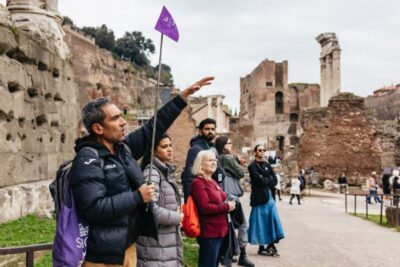
I especially like how the tour is built for comprehension, not just sightseeing: you get an expert live guide plus audio headsets so your commentary stays crystal clear in crowds. I also like that there’s a small-group option, so you can ask questions instead of yelling into the wind with 40 strangers. One thing to plan for: it’s still a very active day—lots of walking, heavy crowds, and security checks before you enter.
In This Review
- Key Things I’d Prioritize Before You Go
- The Value: What You’re Paying For (and What You’re Not)
- Where You Meet and Why It Affects Your Morning
- Colosseum Visit: Getting the Big Picture Without Getting Lost
- Arena Upgrade: The Moment That Changes How You Feel the Place
- Palatine Hill: Rome’s Origin Point and Royal View
- Roman Forum: The Empire’s Daily Power Center
- How Long It Really Takes (and What to Expect in Summer)
- Guides and Group Size: What Changes When You Choose Small Group
- A Realistic Consideration: Headsets Can Be Hit or Miss
- Crowds, Security, and the Underground You Won’t See
- Who This Tour Suits Best
- Should You Book It?
- FAQ
- How long is the tour?
- What sites are included?
- Is Arena access included in the standard tour?
- What languages are available?
- Do we get audio or headsets?
- What should I bring for the tour?
- Is the tour suitable for wheelchair users or mobility impairments?
Key Things I’d Prioritize Before You Go
- Arena upgrade lets you walk on the Colosseum’s arena floor (the action zone, not just the stands).
- Headsets help you hear your guide even when the site gets noisy.
- Small group option gives you more time for questions and slower, clearer explanations.
- Three major stops in one tour: Colosseum, Palatine Hill, Roman Forum, with visit order that can shift.
- Peak-season reality: expect longer waits at security, even with a guided format.
- Know the limits: the tour does not include the Colosseum underground level.
The Value: What You’re Paying For (and What You’re Not)
At $44.41 per person, this tour is priced to feel like a bargain for what you actually get: site entry to the Colosseum, Roman Forum, and Palatine Hill plus a live guided tour and headsets. That combination matters in Rome. Entrance lines, crowd flow, and navigating three linked areas on your own can turn an easy day into a stressful one.
If you add the Arena upgrade, you’re paying for something tangible: access to stand where battles took place. That’s a different experience level than looking up at the architecture. And it’s exactly the kind of “this is why the place matters” upgrade that often costs much more elsewhere.
What’s not included is also important. The tour does not include the Colosseum underground level, so if that’s the part you’re most curious about, you’ll want to choose a different option. Also, you’ll need to handle transportation yourself.
More Ancient Rome tours for the Colosseum & Ancient Rome
Where You Meet and Why It Affects Your Morning
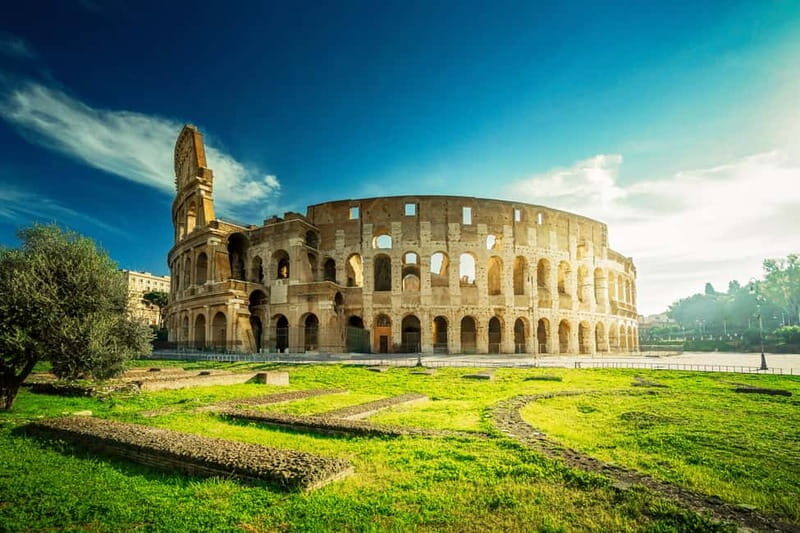
Meeting points can vary depending on the option booked, but the tour lists multiple start locations around the area, including Largo Gaetana Agnesi and Via della Polveriera, 8.
This is more than a trivia detail. In the Colosseum zone, your start time is only half the story. The other half is how smoothly you get to the meeting point before security and crowds take over. If you’re doing Vatican plans the same day, give yourself buffer time—this area is busy, and you’ll want to stay unhurried between stops.
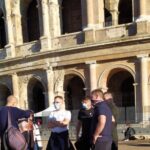
Tip: bring your ID (passport or ID card), and try to travel light. The tour notes restrictions on luggage or large bags, so don’t show up with a big suitcase and hope for the best.
Colosseum Visit: Getting the Big Picture Without Getting Lost
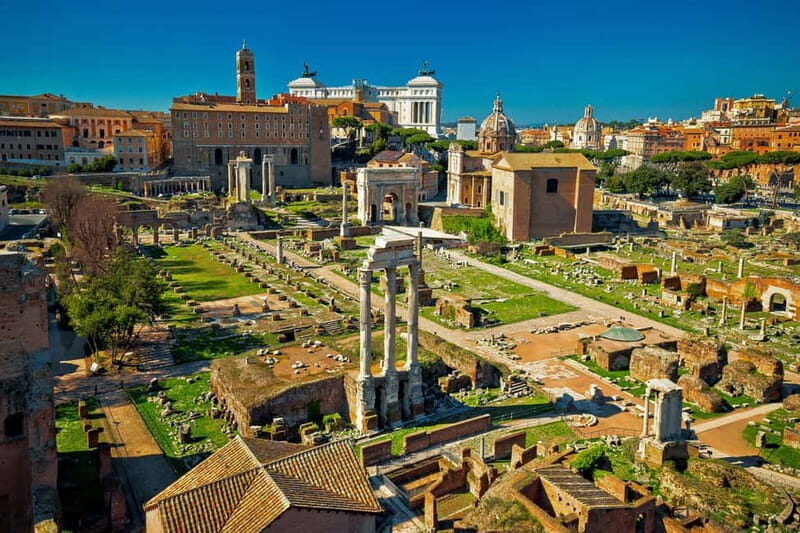
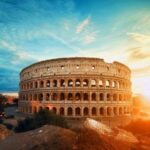
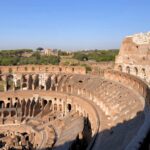
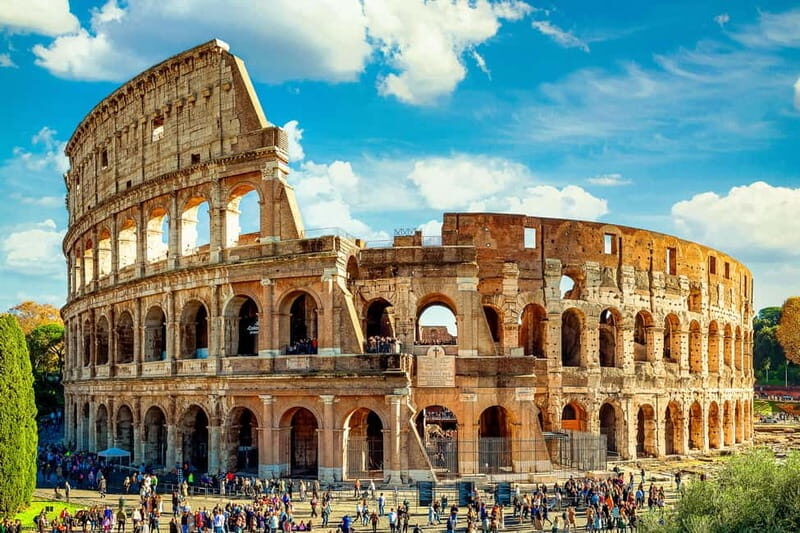
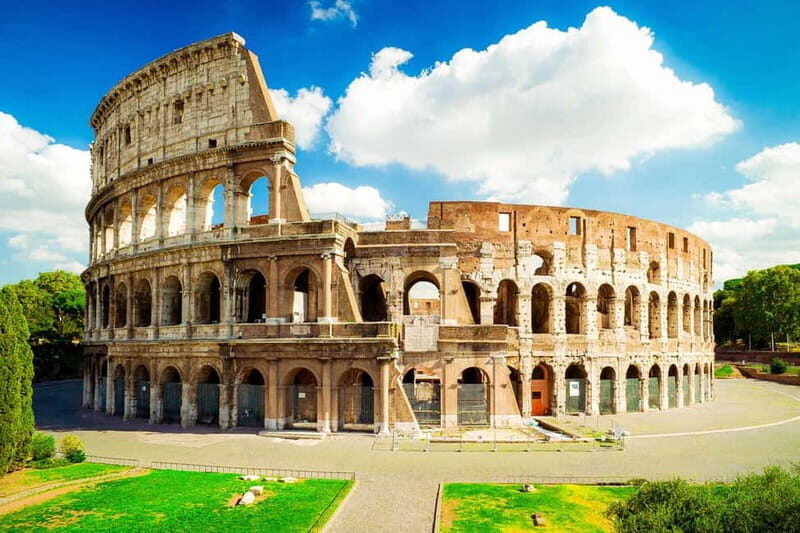
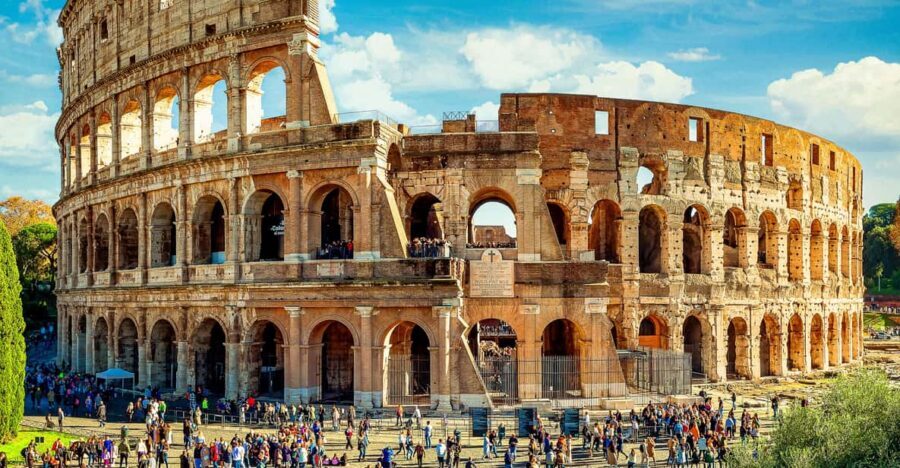
The tour’s first major stop is the Colosseum, with a guided visit of about one hour. This is where the guide does the heavy lifting: gladiators, emperors, crowd behavior, and how the space worked.
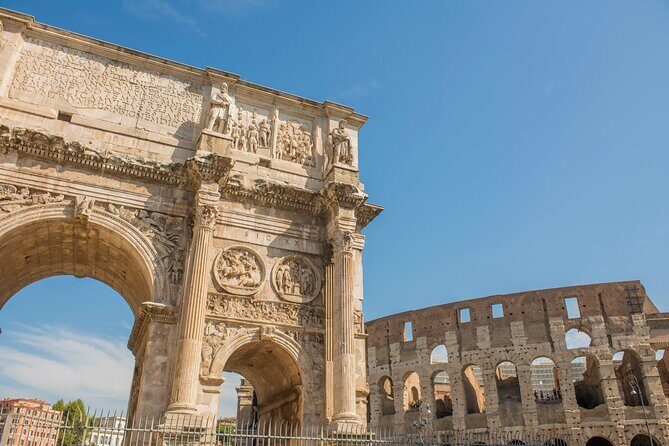
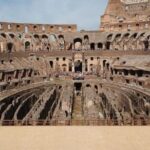
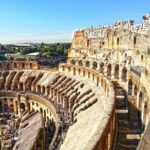
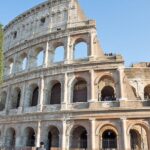
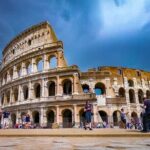
You’ll see the amphitheater as more than a monument. The Colosseum was built for spectacle and politics at the same time, and a good guide helps you understand what you’re looking at—arches, tiers, entrances, and the way spectators moved and gathered. You also get context for why certain areas mattered to different groups.
Two things I’d call out from the tour format:
- The pace is structured. One guided hour here is long enough to connect the dots, but not so long that you’re baked by the heat and staring at stone.
- Audio support helps. Many people praise the clarity of the experience with headsets, which is huge in a place that echoes and swallows sound.
Arena Upgrade: The Moment That Changes How You Feel the Place
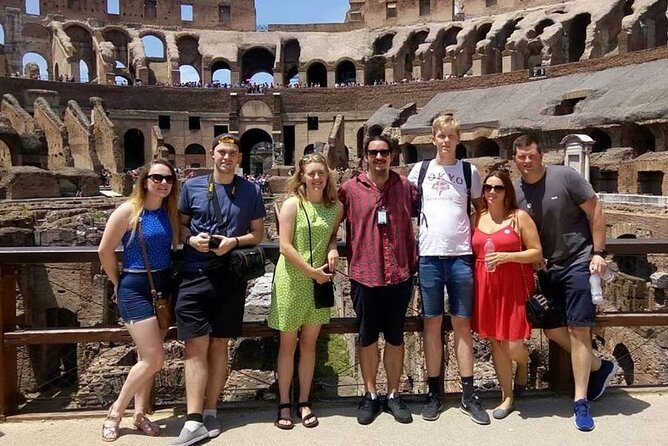
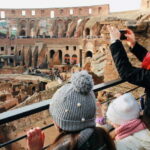
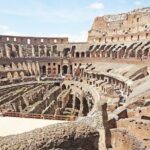
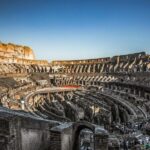
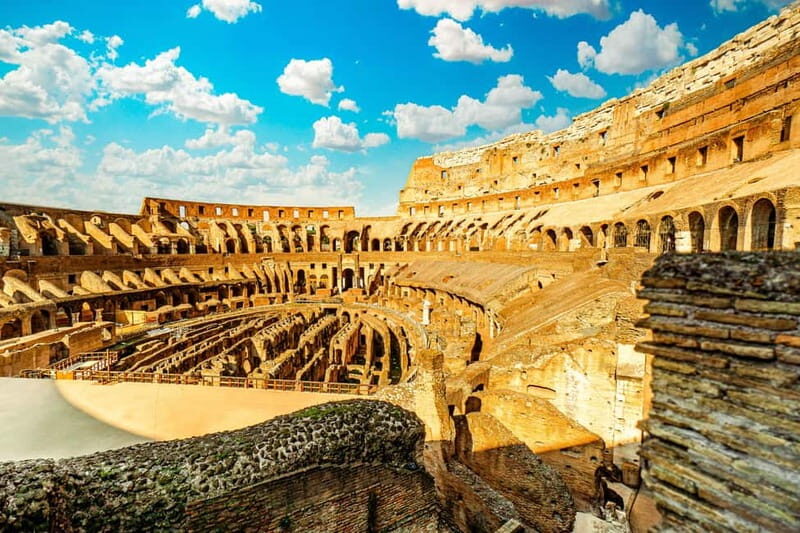
If you book the Arena access option, the tour adds a guided visit to the arena floor. Instead of staying in spectator mode, you get the physical sense of standing where the action happened.
This is the upgrade I’d recommend if you want your photos and your emotions to match. Seeing the Colosseum from the outside is one thing; being on the battle-floor level makes it feel startlingly immediate—like the building has a pulse.
Just keep the time and crowd energy in mind. It’s still a high-demand site, and you’ll move through security and packed areas before you ever reach the floor.
Palatine Hill: Rome’s Origin Point and Royal View
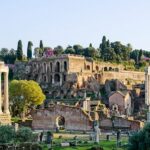
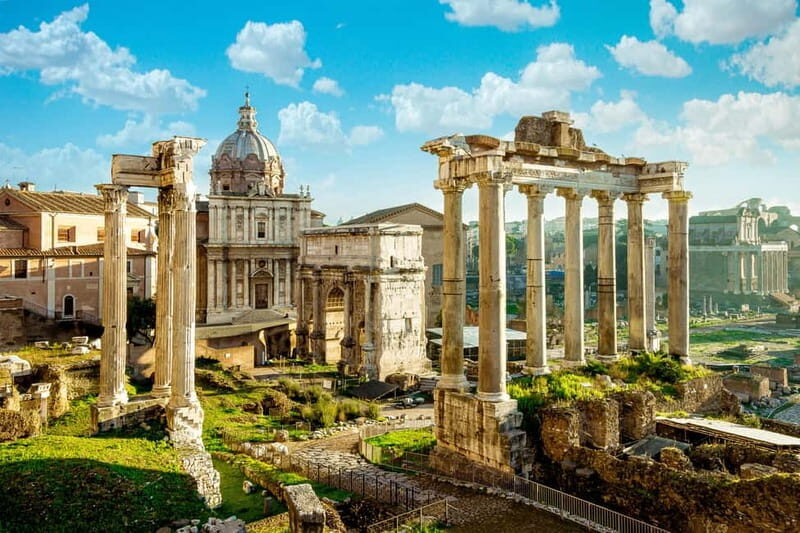
After the Colosseum, the tour heads to Palatine Hill, usually guided for about 45 minutes. Palatine Hill is where Rome likes to claim its origin story, and the ruins here feel different from the Colosseum. You’re not dealing with a single showpiece arena. You’re walking through layers of elite life—emperors and palaces overlooking the city.
This stop is valuable because it gives you scale. You see how power worked in Rome at street level and at imperial level—private spaces for rulers, and views that reinforced control. The guide’s job is to help you notice what’s in front of you and connect it to who lived here and why it mattered.
One practical note: the tour’s listed visit order can change depending on internal arrangements at the Colosseum. That’s normal for this site, but it’s worth keeping in mind if you’re timing something else nearby.

Roman Forum: The Empire’s Daily Power Center
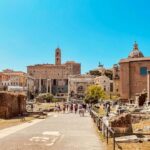
Next comes the Roman Forum, guided for about 45 minutes. This is where Rome stops being a myth and becomes a machine. The Forum was a political and social hub, and the ruins are scattered in a way that can feel confusing if you’re wandering alone.
A good guide makes it legible:
- You learn how civic life and power structures operated.
- You understand why certain ruins matter more than others.
- You get help imagining the noise and movement of a place that shaped decisions for the empire.
This stop also benefits from the audio headsets. The Forum area can feel louder than it looks—people moving, traffic in the distance, and the constant background churn of a famous monument. When sound quality works well, your guide’s explanation lands and turns the stones into something you can picture.
How Long It Really Takes (and What to Expect in Summer)
The tour duration ranges from 1.5 to 3 hours, depending on the starting time and option. In July and August, the tour lasts 2 hours for a more comfortable experience.
This matters because Rome planning is all about friction:
- In the heat, you’ll feel every minute you’re waiting for security or walking between sites.
- In the high season, you’ll see longer lines at entrances due to security checks.
So think of the schedule as a practical promise. You’ll cover the three big names—Colosseum, Palatine Hill, Roman Forum—without trying to cram in another major monument at the same pace.
Guides and Group Size: What Changes When You Choose Small Group
This tour runs with a live guide in multiple languages, including English, Italian, Spanish, German, and French. You also get headsets to improve audio clarity.
The small-group option can be a big deal for two reasons:
- You get more chances to ask questions as you go.
- The guide can slow down when people want extra context.
From the experience details, guides are often described as enthusiastic, organized, and funny. Names showing up in the tour’s guide line-up include Julia, Emma, Andy, Dimitri P, Alejandro, Henry, Juliano, Olecia, Daniele V, Marianna, Gina, Artouro, Carlos, Guissepe, and Ambra. You’re not guaranteed a specific person, but the variety of praised guides is a good sign for consistency of approach.
A Realistic Consideration: Headsets Can Be Hit or Miss
One downside that comes up is audio quality in certain spots. Some people noted the headsets can be muffled at times, especially in enclosed areas, and sound may be harder to catch if you’re toward the back of the group.
If you care a lot about hearing every detail, aim to position yourself where you can clearly hear through the headset—usually closer to the front helps.
Crowds, Security, and the Underground You Won’t See
All guests must go through security checks before entering the Colosseum and Roman Forum. Expect longer wait times in high season.
Also, this tour does not include the Colosseum underground level. So if your dream version of the Colosseum involves tunnels and back-of-house spaces, you’ll need a different add-on or a separate ticket.
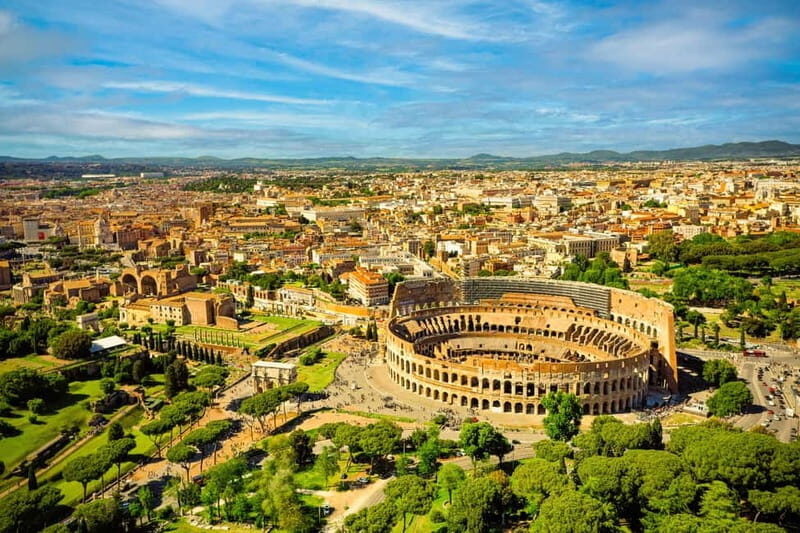
Still, the standard Colosseum visit plus Palatine Hill and the Forum is a strong trio. Together, they cover spectacle, origins, and the everyday engine of empire.
Who This Tour Suits Best
This is a smart pick if you:
- Want a guided, story-driven visit to three top sites without stitching together multiple tickets.
- Like learning why places look the way they do, not just taking photos.
- Prefer a calmer experience than fully self-guided wandering—especially in peak crowds.
It’s not suitable for people with mobility impairments or wheelchair users. The tour involves walking through large, uneven historic areas.
And if you’re the type who loves hearing about gladiators and emperors—but also wants the context that makes those stories make sense—this tour hits a sweet spot.
Should You Book It?
Yes, I’d book this tour if you want an organized, guided way to experience the Colosseum, Roman Forum, and Palatine Hill in one go. The value is strong because entry and a live guide are included, and the headsets reduce one of the biggest problems with historic sites: missing the explanation while you’re staring at stone.
I’d also consider the Arena upgrade if you want a more physical, memorable experience. Standing on the arena floor is the kind of upgrade that changes how the whole place feels.
I’d hesitate only if you know you struggle with long walks, crowded security areas, or you absolutely need the underground level, since that’s not part of this experience. Also, double-check your booking option details to make sure it matches what you expect for the three-site circuit.
If your goal is to leave with a clear sense of what Rome looked like—politics, power, and spectacle—this tour is a solid way to get there.
FAQ
How long is the tour?
The duration is listed as 1.5 to 3 hours depending on starting times and conditions. In July and August, it runs 2 hours.
What sites are included?
The tour includes guided visits with entry to the Colosseum, Palatine Hill, and the Roman Forum.
Is Arena access included in the standard tour?
Arena access is included only if you book the Arena upgrade option. The Arena floor visit is described as part of that upgraded experience.
What languages are available?
The live guide is available in English, Italian, Spanish, German, and French.
Do we get audio or headsets?
Yes. The tour includes a headset to help you hear the guide more clearly.
What should I bring for the tour?
Bring a passport or ID card. A valid photo ID is required for entry to the sites.
Is the tour suitable for wheelchair users or mobility impairments?
No. The tour is stated as not suitable for people with mobility impairments and not suitable for wheelchair users.