REVIEW · ROME
Rome: Introduction to the Colosseum and Ancient City Tour
Book on GetYourGuide →Operated by Crown Tours · Bookable on GetYourGuide
The Colosseum is loud, even when you are standing still. This tour pairs a smart guided walk with time to explore Palatine Hill and the Roman Forum on your own, so you get context first and then freedom.
I love how the guide keeps the story grounded in real Roman design and daily life, not just scary gladiator myths. You also get skip-the-ticket-line entry, which matters here because this site is always busy.
One thing to plan for: ID is mandatory at the entrance, and there is no suitcase compartment, so pack light and expect tight checks.
In This Review
- Key Points You Should Care About
- Entering The Colosseum: Fast Access, Strict ID Checks
- The Colosseum Story You’ll Actually Remember
- Inside the Arena Walk: Engineering, Legends, and Why It Feels Different
- Palatine Hill and the Roman Forum: Views Plus Layers
- A Self-Paced Window That Makes the Tour Work
- Trajan’s Column Finish: A Roman Victory Snapshot
- Price and Value: What $58 Is Buying
- Who This Tour Suits Best (And Who Might Feel Crammed)
- Practical Stuff You Need to Know Before You Go
- Should You Book This Colosseum Tour?
- FAQ
- How long is the tour?
- What does the $58 price include?
- Do I get skip-the-ticket line access?
- What languages are available?
- Is ID required to enter?
- Can children enter for free?
- Is the activity refundable?
Key Points You Should Care About
- Skip-the-ticket-line access helps you start faster than the slow shuffle outside
- Expert guide + radios/headsets so you can actually hear the story while walking
- Learn why the Colosseum was built and how it worked, including engineering details
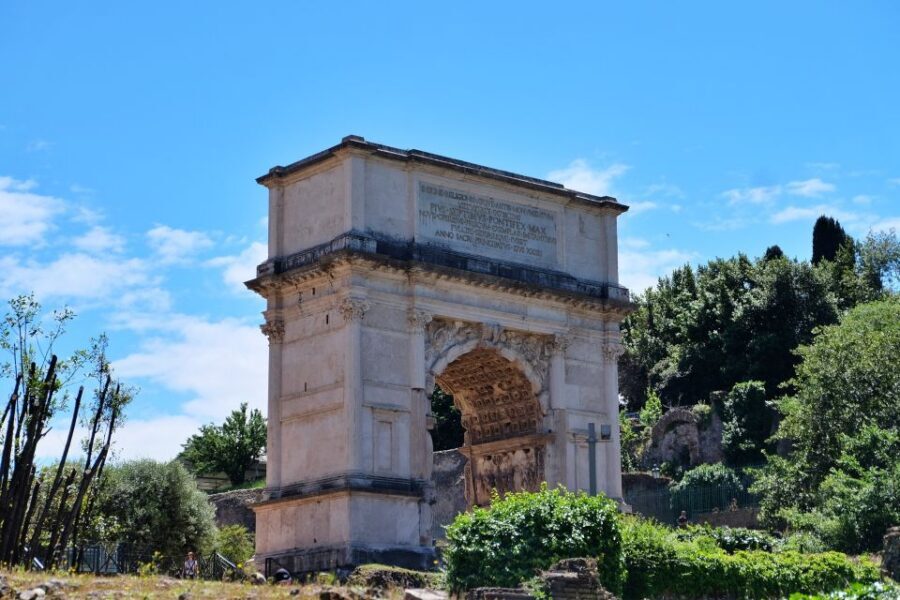
- Palatine Hill and the Roman Forum come with panoramic views and real layers of history
- The tour ends at Trajan’s Column, a strong last stop if you want a clear Roman-power moment
- Multiple languages are offered, including English, French, German, Italian, and Spanish
Entering The Colosseum: Fast Access, Strict ID Checks
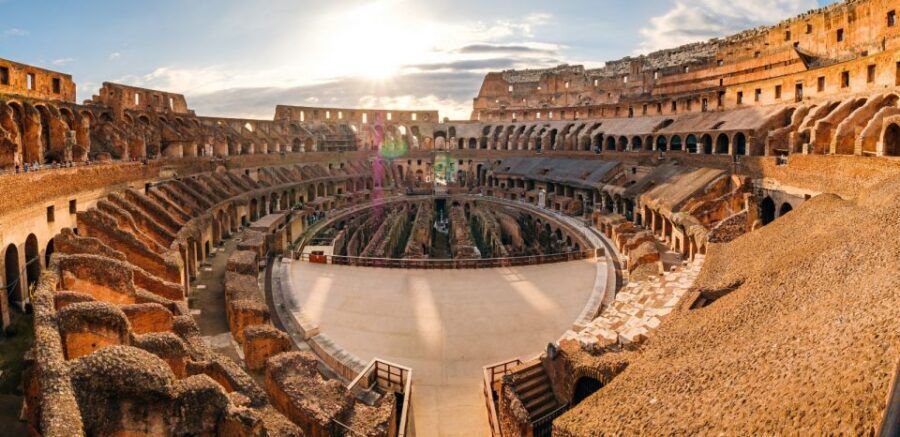
The Colosseum is one of those places where timing and logistics can make or break your experience. This tour is built around that reality with entrance to the Colosseum plus skip the ticket line, so you spend less time waiting and more time looking.
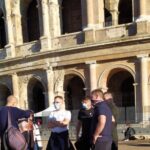
Now the non-negotiable part: bring your ID. You need a passport or ID card for everyone in the booking, including children. If your names are incomplete on your reservation, entrance may not be guaranteed. It’s also worth noting the rules inside are firm: no oversize luggage, and there’s no suitcase compartment available.
So if you’re thinking about tossing your whole life into a rolling suitcase, I’d adjust. I’d carry a small day bag you can keep with you easily. It’s one of those Rome situations where the monument is historic, but the security line is very modern.
More Ancient Rome tours for the Colosseum & Ancient Rome
The Colosseum Story You’ll Actually Remember
This is not just a walk-by. The guided portion is where you build a mental map of what you’re seeing.
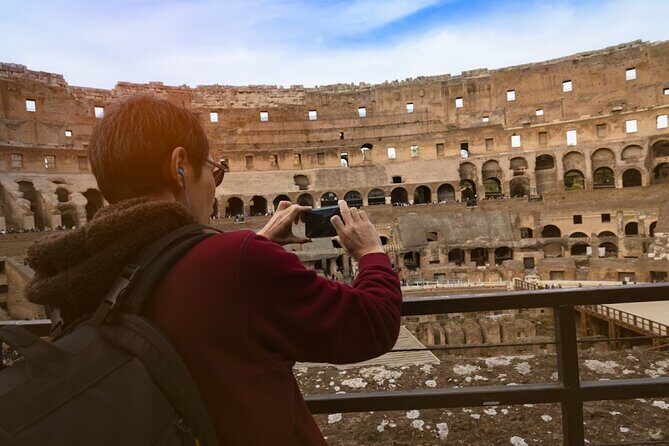
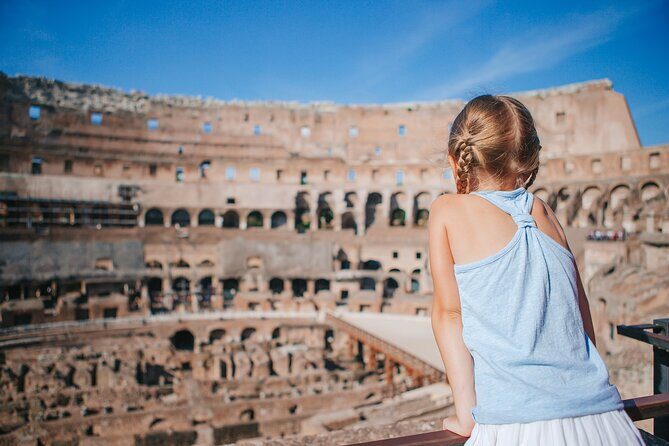
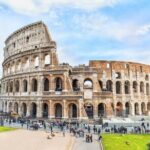
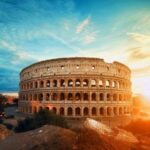
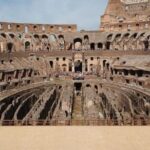
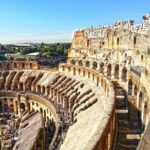
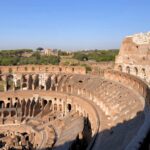
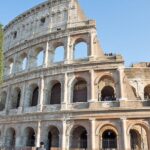
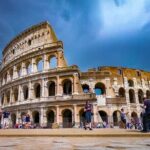
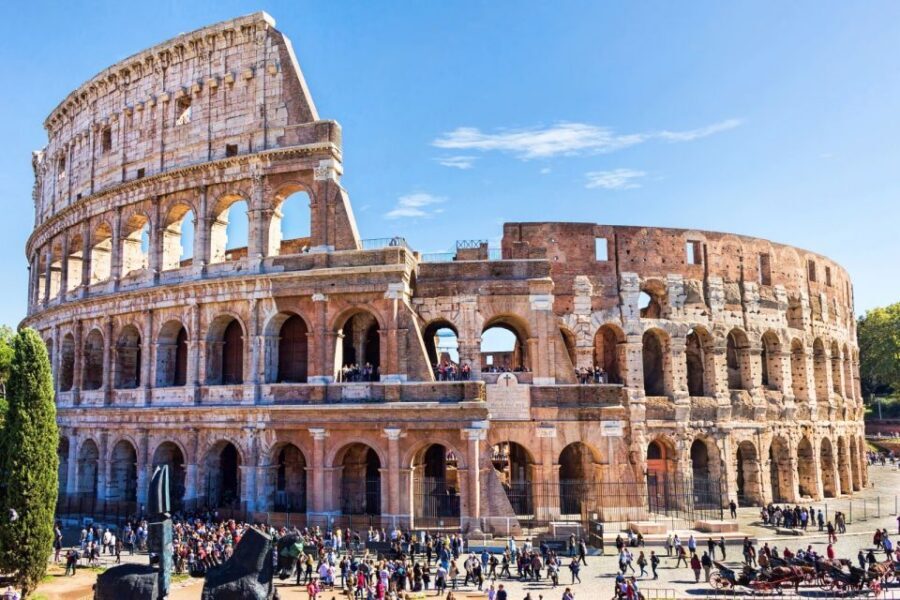
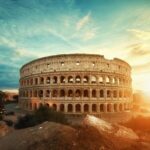
The Colosseum had over 80 entrances and could hold around 50,000 spectators. Your guide explains why it became the Roman Empire’s entertainment machine, including the practical reasons it was built under the Flavian Dynasty: it was presented as a gift to Roman citizens, it staged different kinds of entertainment, and it showcased Roman engineering to the world.
You’ll also hear about the scale of the spectacle. Festivals and games in the Colosseum could last up to 100 days. That fact alone changes how you picture the arena. It’s not just one event. It’s a system for constant public display.
And yes, there are gladiators and legends. The guide ties myths and famous stories to the physical space you’re standing in, so the drama has a real setting, not just a generic history lecture. If you get a guide like Catherine for the French tour, the vibe can be very small-group and precise, with clear explanations that stick. If you land with a guide like Alessandro Palma for Italian, expect detailed history with humor and customer attention—good when you have lots of questions.
Inside the Arena Walk: Engineering, Legends, and Why It Feels Different
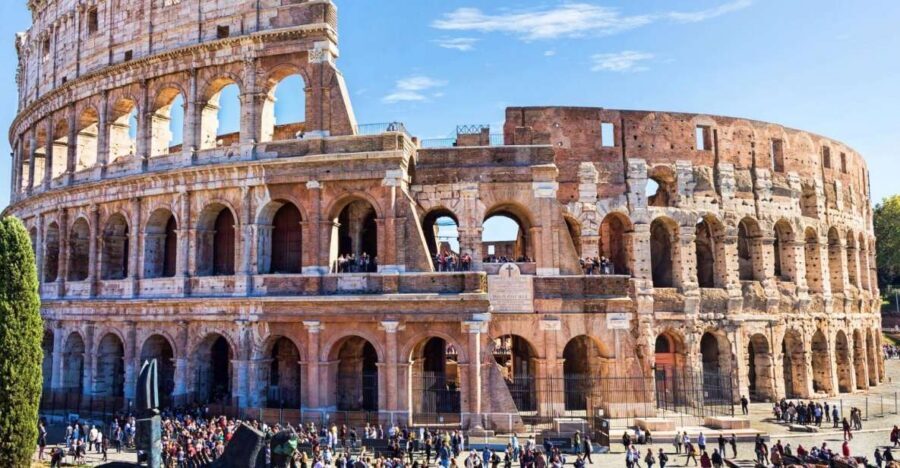
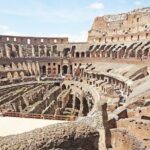
Part of the fun here is watching how Roman problem-solving shows up in stone. The Colosseum was designed for movement, crowd control, and spectacle, and once you learn what the space is doing, you stop seeing it as ruins and start seeing it as a machine.
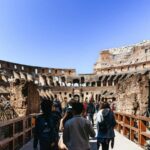
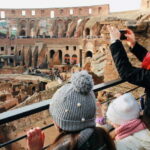
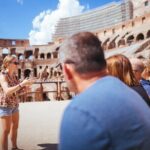
Your guide walks you through the Colosseum while explaining the brilliance behind the structure. You’ll learn what makes it so effective as an entertainment venue and why the layout mattered for staging events. Even if you only catch it in fragments at first, you start to connect levels, sightlines, and the scale of what happened here.
If gladiator stories are your thing, you’ll get them too. The point is not gore. It’s the cultural setup—why these performances mattered for politics and public life.
The best part is that you’re not stuck in a long lecture. You get the guided story, then you move into the next phase where you can slow down and look. That rhythm helps most people—especially first-timers—because the Colosseum is visually overwhelming on your own.
Palatine Hill and the Roman Forum: Views Plus Layers
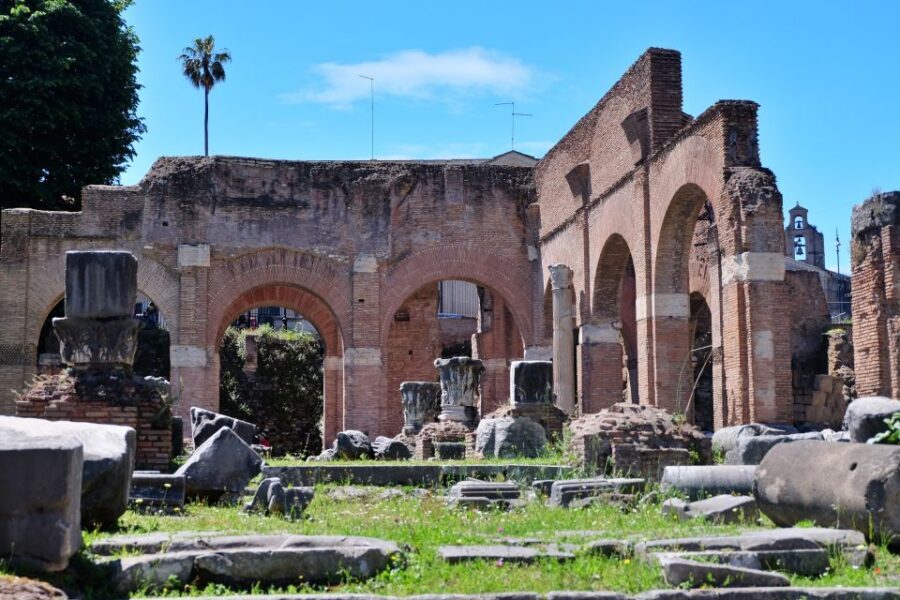
After the Colosseum, the tour shifts into a place that feels more like a living timeline: Palatine Hill and the Roman Forum.
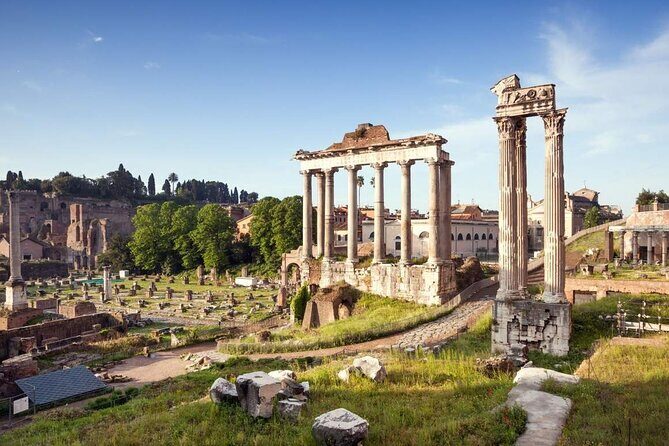
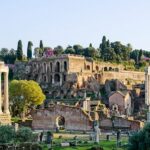
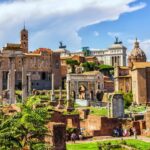
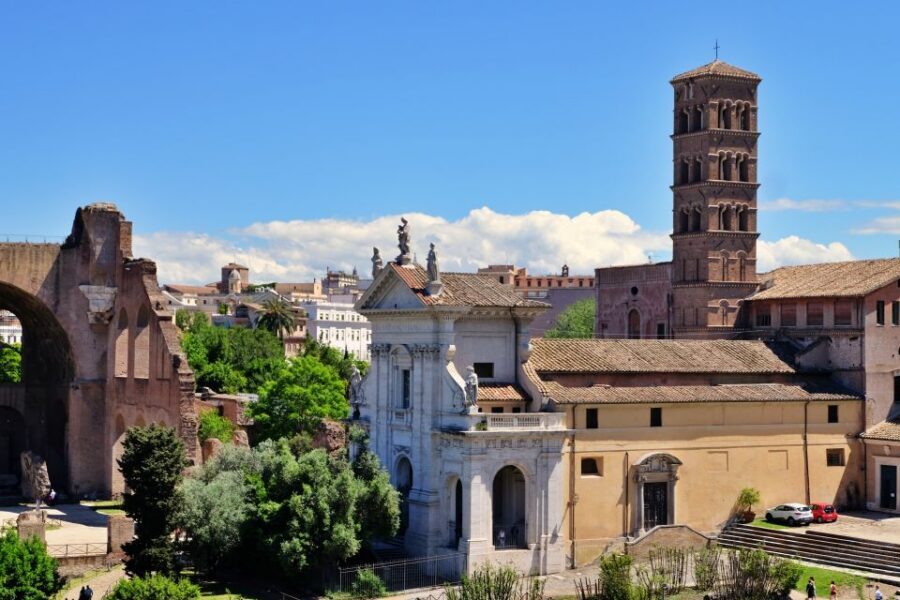
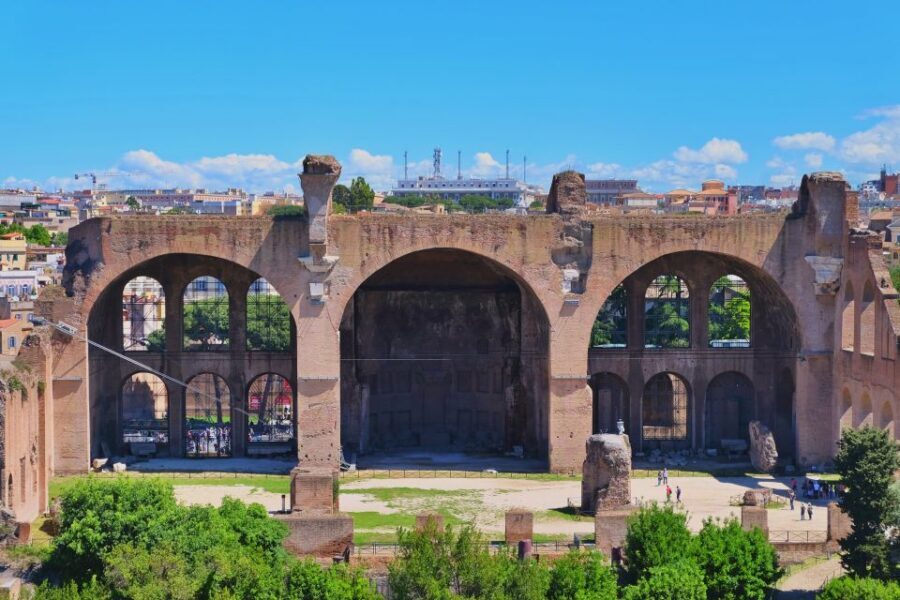
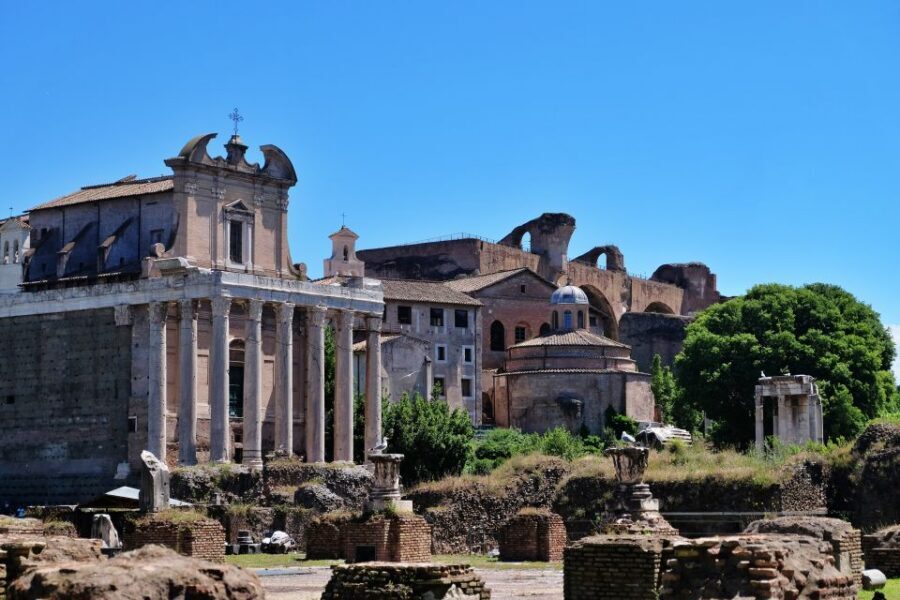
The Roman Forum was the Roman Empire’s social, political, religious, and financial center. It was where different layers of society rubbed shoulders daily. Your guide paints that picture—ranging from the poor to the wealthy—so the ruins don’t feel like random piles. They feel like the stage for daily decisions, trade, ceremonies, and power plays.
Then Palatine Hill adds a different flavor. It’s often described as the foundation point of Rome, and you can see multiple eras layered in one place:
- ruins from the early kingdom period in the 7th century BCE
- Republic-era remains
- the jaw-dropping palace of Emperor Domitian in the Imperial Age
- later presence tied to the Farnese family during the Renaissance
- and even Mussolini’s 20th-century presence
You’ll also get panoramic views of the Colosseum from here. That view is worth the price on its own, because it shows you the relationship between power, entertainment, and the city around it.
One practical note: Palatine Hill and the Forum are easier to enjoy if you keep your expectations flexible. Some areas are more dramatic than others depending on what’s open that day. But the big value is that your guided context helps you recognize what you’re looking at.
A Self-Paced Window That Makes the Tour Work
This tour gives you guided time, then releases you to explore on your own. That’s a smart design.
You can use your free wandering time to:
- linger where something clicks after the guide’s explanation
- take photos without feeling rushed
- re-check a view or a ruin detail
- walk at your pace instead of matching the speed of the group
This matters because the best way to enjoy ancient sites is often slow attention. You’re looking at evidence of lives that happened centuries ago. A guided tour alone can feel like speed-watching. A self-paced stretch alone can leave you confused about what matters most. Here, you get both.
If you like to ask questions, the guided portion is the time to do it. Your guide is there for it, and the pace makes it easier to get answers instead of saving questions for later and forgetting them.
Other city tours we've reviewed in Rome

Trajan’s Column Finish: A Roman Victory Snapshot
The tour ends at Trajan’s Column, which is a famous icon of Roman victory and power. It’s a strong closer because it shifts you from ruins-as-history to ruins-as-message.
Trajan’s Column is basically propaganda carved into stone—visual storytelling meant to communicate authority. Ending the tour here gives you a final anchor. You walk away with one clear idea: Rome didn’t just build monuments. It built meaning.
Even if you don’t spend ages here, the ending stop helps you connect the theme of the whole day: public spectacle, political power, and the way Rome used architecture to make its message impossible to ignore.
Price and Value: What $58 Is Buying
At $58 per person for a 2.5-hour experience, this sits in the category of tours that try to buy back your time. The value is not only the guide. It’s the combination of guide + headsets + entry + saved waiting.
Here’s what your money is really covering:
- tour guide and licensed guide service
- radios/headsets so you can hear clearly while moving
- entrance to the Colosseum
- Palatine Hill and Roman Forum visit
- and the site access you need to enter in a timed way
It’s also helpful to understand the public site costs included in the tour total. There’s an archaeological site entrance fee of €16 for adults plus a €2 reservation fee. Children under 18 have free entry. Your tour price covers the services provided by experienced licensed guides and audio devices, not just the ticket itself.
So this is a good choice if you want a clean structure: a guided foundation, then self-paced time in the places you’ll remember.
In July and August, the visit is shorter—2 hours—so plan for a tighter rhythm in peak season.
Who This Tour Suits Best (And Who Might Feel Crammed)
This tour fits you if:
- you want a guided orientation so the ruins make sense fast
- you hate long ticket lines and want a smoother start
- you like the mix of explanation and free time
- you want to see the Colosseum plus Palatine Hill and the Forum in one go
It may feel less ideal if:
- you prefer totally independent touring with zero structure
- you like long, slow museum-style pacing with lots of stops and detours
- you’re arriving without ID or with heavy luggage (the rules are strict, and you’ll feel it)
The tour also ends at Trajan’s Column, which is great if you want momentum. If you’re trying to land back at a specific spot right after, you might want to plan your next move in advance.
Practical Stuff You Need to Know Before You Go
Bring:
- your passport or ID card (including for children)
- the full names of all participants as used in your booking
Plan around the rules:
- no pets
- no weapons or sharp objects
- no oversize luggage (and no suitcase compartment)
- no smoking
- no food and drinks
- no alcohol or drugs
- no sprays or aerosols
- no glass objects
- no unaccompanied minors
- electric wheelchairs are not allowed
Also, the meeting point can vary depending on your option booked. Give yourself enough time to locate it without stress.
If you’re hungry after, there may be a convenient option nearby—one helpful detail I’ve seen is a pizza and sub shop across the street from the office area, which can save you when you’re done walking.
Should You Book This Colosseum Tour?
I’d book it if you want the Colosseum day to feel organized and meaningful, not chaotic. The biggest win is the guide’s ability to turn a famous pile of stones into a working story—why it was built, how it was used, and how it connects to the Forum and Palatine Hill. Add skip-the-line entry and radios/headsets, and you get a tour that respects your time.
Skip it only if your travel style is all DIY with zero rules. With a strict ID-first setup and tight site policies, this experience works best when you follow the basics and arrive prepared.
FAQ
How long is the tour?
The duration is 2.5 hours. In July and August, the visit is 2 hours.
What does the $58 price include?
It includes a tour guide, radios/headsets, entrance to the Colosseum, and the Palatine Hill and Roman Forum visit.
Do I get skip-the-ticket line access?
Yes, the tour includes skip the ticket line access.
What languages are available?
Live tour guidance is available in French, German, English, Italian, and Spanish.
Is ID required to enter?
Yes. ID is mandatory at the entrance, and guests who show up without ID cannot be guaranteed entrance.
Can children enter for free?
Children under 18 have free entry to the archaeological sites.
Is the activity refundable?
No. The activity is non-refundable.