REVIEW · ROME
Colosseum & Ancient Rome Guided Walking Tour
Book on Viator →Operated by Rome Walkers · Bookable on Viator
The Colosseum is loud in your head. In under three hours, you’ll walk through three of Rome’s biggest ancient sites with a live guide and tickets included, plus headsets for the crowd noise. It’s a smart way to get the big stories behind the stones before you wander off on your own.
I especially like that the tour is built for focus: you get a guided route that hits the Colosseum, Palatine Hill, and the Roman Forum in one go, instead of juggling tickets and timing across separate visits. I also like the practical setup—headsets mean you can actually hear explanations while people squeeze past you.
One possible drawback: this is a walking tour with cobblestones, steps, and inclines, and the Colosseum can be very crowded. If you’re sensitive to listening difficulties (accents can vary by guide) or you need long, slow site time, plan to supplement with self-guided exploring afterward.
In This Review
- Key things I’d pay attention to
- A tight route that hits the big three: Colosseum, Palatine, and Forum
- Meeting point, IDs, and how to avoid entry-day headaches
- The Colosseum with tickets included: what your guide will make you see
- The main drawback at the Colosseum: crowd math and time pressure
- Palatine Hill in 45 minutes: Rome’s royal hill and a great viewpoint
- What might surprise you here
- Roman Forum in 45 minutes: politics, business, and justice in the open air
- The best way to experience the Forum with this tour
- Why headsets and small groups matter on these sites
- A possible language/understanding issue to consider
- Walking comfort: cobblestones, steps, and real-world heat
- Value check: is $65.33 actually a good deal?
- Who this tour is best for (and who should think twice)
- Should you book this Colosseum and Ancient Rome tour?
- FAQ
- How long is the Colosseum & Ancient Rome guided walking tour?
- What’s the price per person?
- Is the tour in English?
- Which stops are included?
- Are admission tickets included in the price?
- Is there a live guide and headsets?
- What is the group size limit?
- Where is the meeting point?
- Where does the tour end?
- Do I need an ID, and does it need to match the booking?
- Is food and drinks included?
Key things I’d pay attention to
- Tickets and fees included for all three stops, so you don’t burn time figuring out entry lines
- Headsets help you hear your guide even when the Colosseum gets packed
- Small group size (max 25) keeps you from being swallowed by the crowd
- Real timeline anchors like Vespasian’s building dates (72 to 80 AD) and the 80 AD inauguration games
- Great pairing of viewpoints: Palatine Hill gives you the skyline-over-history feeling for the Forum below
- A guide-led pacing approach, often with photo/rest moments so you don’t just speed-walk through
A tight route that hits the big three: Colosseum, Palatine, and Forum
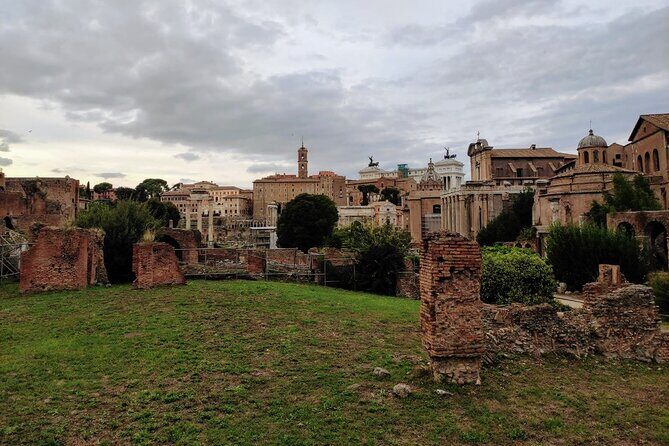
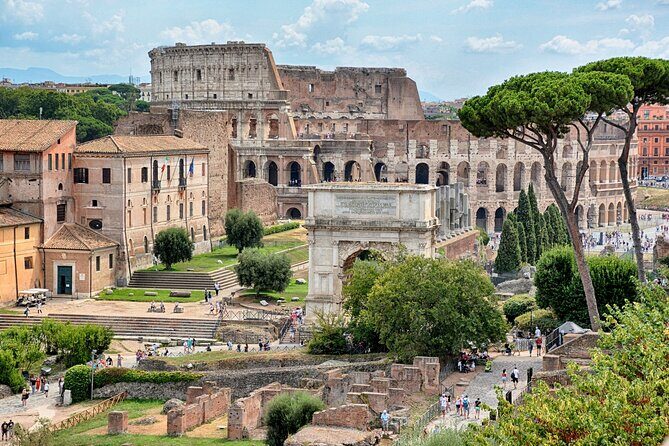
This is a 2 hours 45 minutes guided walking loop in Rome that concentrates on the classic ancient power trio: the Colosseum, Palatine Hill, and the Roman Forum. You’re not trying to cover everything in Rome. You’re choosing three places where the story of Roman public life hits hardest—entertainment, power, and politics.
The value here isn’t just that you see landmarks. It’s that you get a guided through-line connecting them. The Colosseum explains how Rome staged spectacle. Palatine Hill shows where rulers lived and flexed authority. The Forum is where civic life happened—where decisions, business, and justice were carried out in the open air.
If you’re visiting for a short trip, or it’s your first time in Rome’s ancient center, this kind of structured experience makes the rest of the sites easier to understand on your own. You’ll walk in with context, then walk out noticing details you would’ve missed.
More Ancient Rome tours for the Colosseum & Ancient Rome
Meeting point, IDs, and how to avoid entry-day headaches
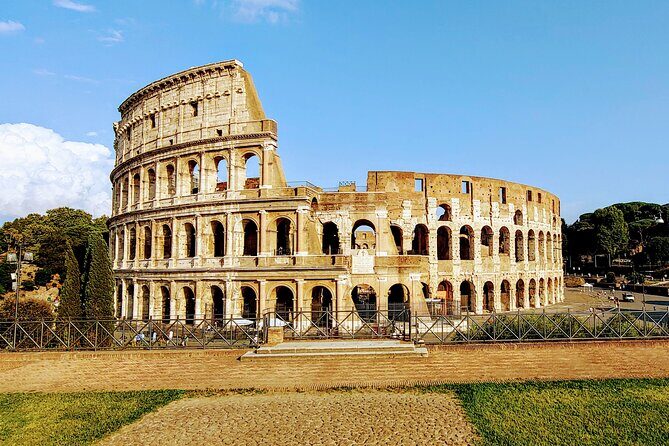
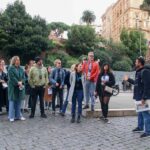
Meet at L.go Gaetana Agnesi, 5, 00184 Roma RM. The tour ends at the Roman Forum area (00186 Rome). Because the Colosseum and Forum have ticket rules, the day runs best when everyone arrives with names and documents matching the booking.
Here’s what matters for you:
- Bring a valid passport or ID that matches the name on your reservation.
- Use full names when booking for everyone in your group. If a voucher doesn’t match names, you can be denied entry to the Colosseum and Roman Forum.
Also, the meeting point is listed as near public transportation, which is a win in Rome. You don’t need a car, and you’re not relying on a long walk from a distant parking lot.
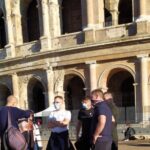
One more practical note: the Colosseum is notorious for crowd pressure. Even with a small group, the whole area moves slowly at times. Showing up a few minutes early helps your guide keep everyone together.
The Colosseum with tickets included: what your guide will make you see
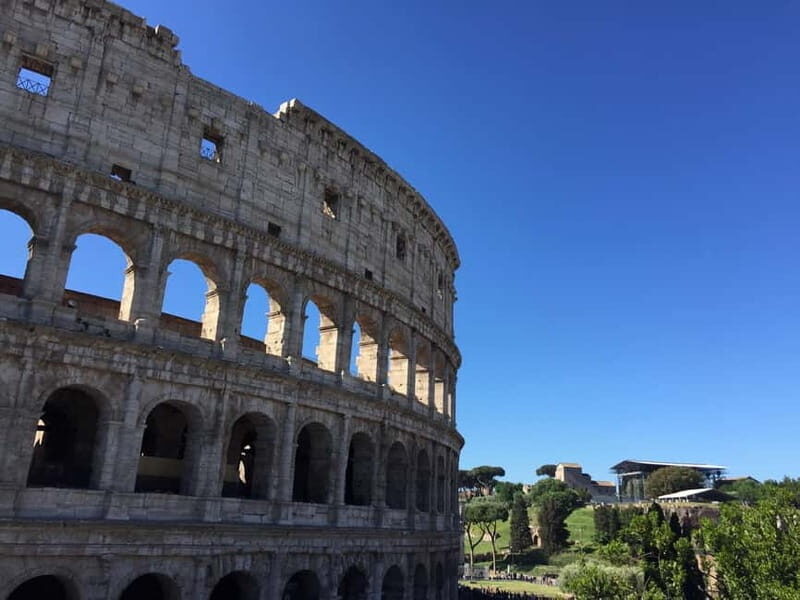
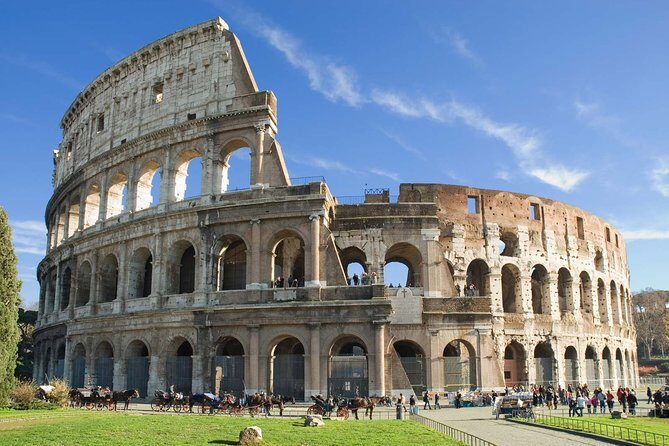
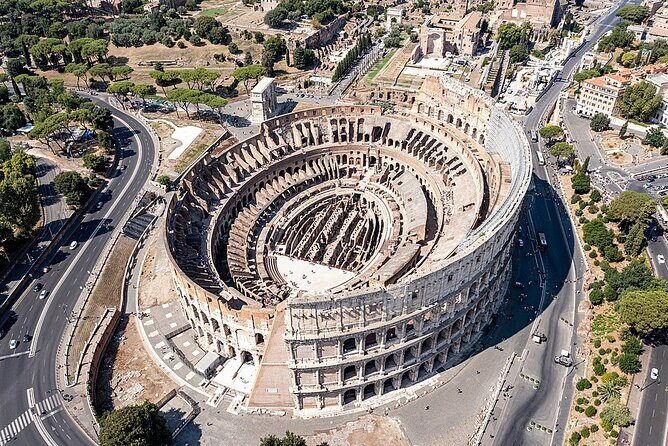
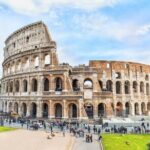
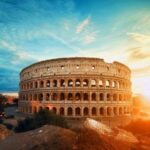
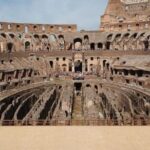
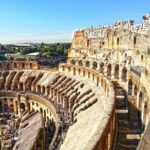
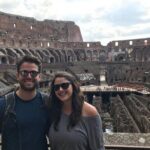
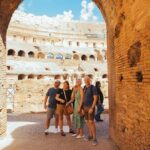
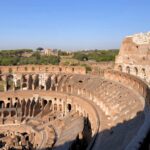
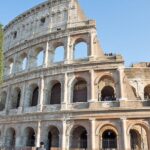
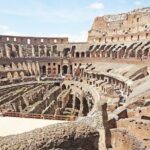
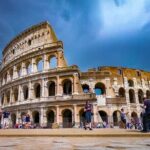
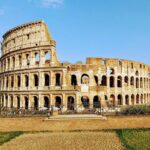
Your first stop is the Colosseum, about one hour. Even if you’ve seen photos, the scale lands differently when you’re standing next to it. Your guide frames it as the Flavian Amphitheatre, built at the behest of Emperor Vespasian between 72 and 80 AD.
You’ll hear the kind of facts that turn the building into a story, not a postcard:
- The Colosseum was assembled using more than 1 million tons of materials, including travertine, marble, and cement.
- There were roughly 200 similar entertainment venues across the Roman Empire, so this wasn’t just local bragging. It was a political tool across distance.
- The games were free to the public and paid for by the emperor, because the message mattered as much as the show.
- People were brought from across the known world for fights—gladiators, animals, and even convicts—over centuries.
- The inauguration games held under Titus in 80 AD lasted 100 days.
That’s the big-picture stuff. The more useful part for you is how your guide helps you read the structure. A guide can point out what to look for quickly, so you don’t spend your one-hour slot standing around wondering where the explanation should be happening.
Based on guide styles you’ll likely encounter on this type of tour, expect humor, pacing, and occasional breaks for photos or a quick reset. One guide approach that people really liked included using picture materials to make sections easier to picture, which helps a lot when you’re facing worn stone and trying to imagine machinery and crowds that are long gone.
The main drawback at the Colosseum: crowd math and time pressure
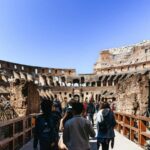
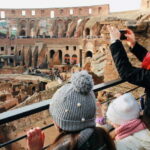
The only consistent downside with any Colosseum-centered tour is that it’s crowded, and your time inside is limited by the group schedule. One hour goes fast. If you want to linger over specific arches, inscriptions, or viewpoints, you’ll feel that pinch here.
My advice: treat the Colosseum portion as your “get the story and orient yourself” phase. After the tour, if you still have energy, come back or add extra time on another day so you can slow down.
Palatine Hill in 45 minutes: Rome’s royal hill and a great viewpoint
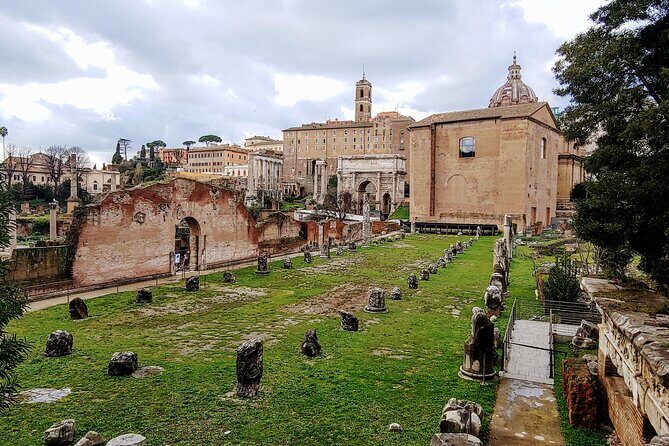
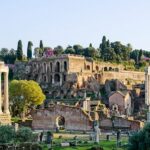
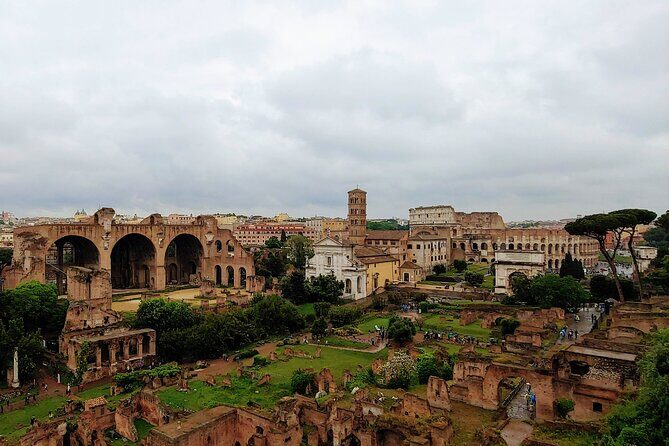
Next you head to Palatine Hill for about 45 minutes. This stop is worth it even if you think you know the basics of Roman mythology, because Palatine is where your imagination gets anchored to geography.
You’ll hear that Rome was first established here around 753 BC, traditionally linked to Romulus, and that archaeologists have found traces of Bronze Age settlements. Even with the legend-versus-history debate, the hill itself is real and the layering is part of the point.
Your guide will also explain why the hill mattered:
- Palatine was chosen as a strong early position because it was central among the seven hills.
- Early civilizations often picked higher ground near rivers, balancing defense advantages and practical concerns like flooding.
- Today, the remains of imperial palaces let you see where kings and emperors once lived.
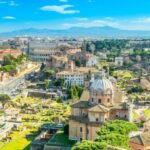
The payoff for you is that Palatine Hill is not just ruins. It’s a stage. From here, you can connect the idea of power on the hill with what’s below in the Forum. It’s one of the fastest ways to start thinking like an ancient Roman: not just where things were, but why they were placed.
Other walking tours we've reviewed in Rome
What might surprise you here
Expect walking on uneven surfaces and some stairs or inclines. If your feet are already tired from the Colosseum, Palatine can feel like the sequel you didn’t plan for. Wear comfortable shoes and let your guide set the pace.
Roman Forum in 45 minutes: politics, business, and justice in the open air
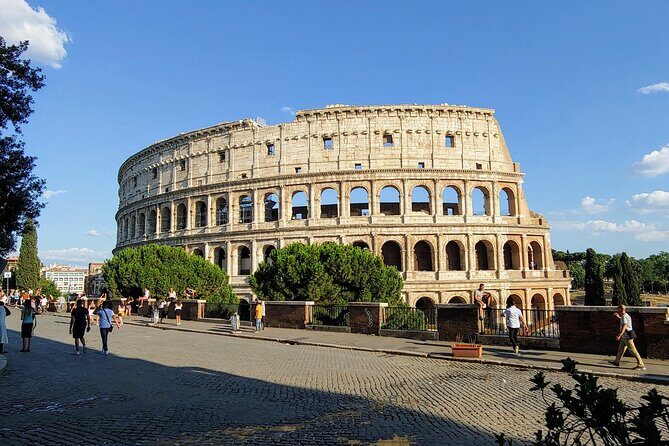
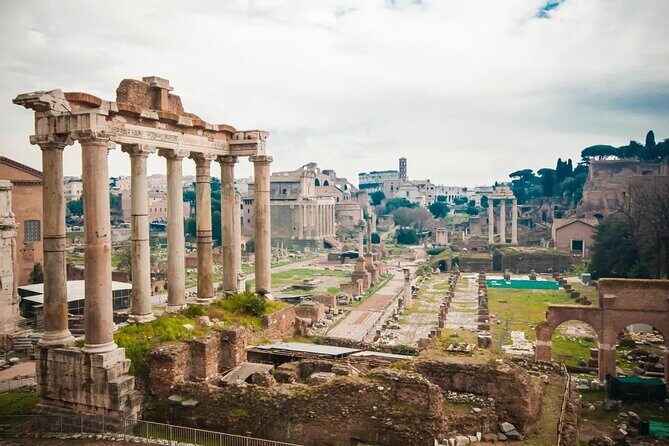
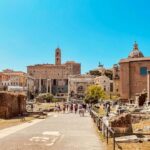
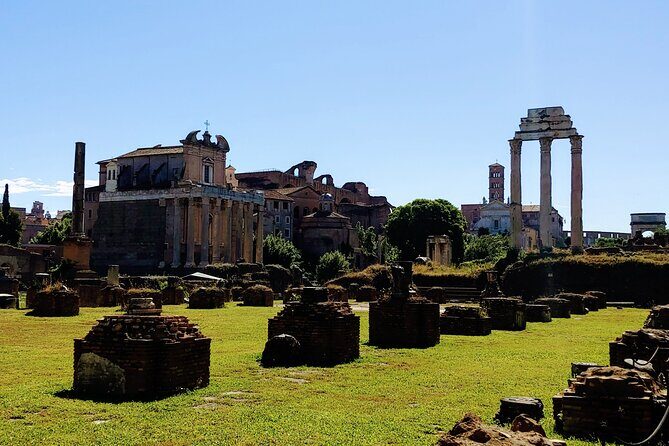
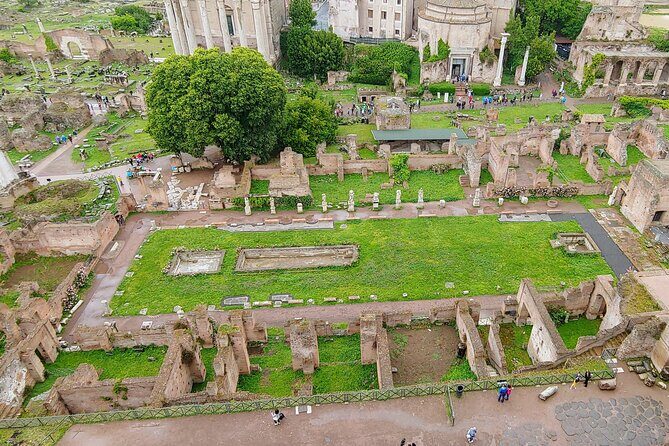
Your final big stop is the Roman Forum, another 45 minutes. This is where Rome’s civic life took shape—an outdoor plaza where people gathered for political and civil matters.
Your guide will frame it as more than a scenic ruin field:
- The Forum included temples, basilicas, and buildings of power.
- It was a center for shaping politics, handling business, and administering justice.
- You’ll hear about major complexes such as the house of the Senate, plus key temples and basilicas.
The Roman Forum is also where the feeling of time compresses. You’re standing in a place tied to decisions that influenced how societies functioned. Even when you don’t remember every building name, you get the sense of how “public life” worked when Rome was running the world.
The best way to experience the Forum with this tour
Use the guided time for orientation. Let the guide point out the major areas so later, when you look at a fragment of stone, you can label it mentally. Then, if you want to go deeper, you’re better equipped to do it on your own—your brain will already have a map.
Why headsets and small groups matter on these sites
This tour caps at 25 travelers, and it includes headsets. In Rome’s major crowds, that’s not a luxury—it’s the difference between understanding your guide and just hearing random noise.
I like this setup because it changes the whole tour vibe:
- You can listen while still moving at a reasonable speed.
- You don’t have to crane your neck toward the guide, which is hard when people are slipping into your peripheral vision.
- It helps the guide keep the group together in tight areas.
You’ll also see the quality of a guide in how they manage pacing. Several guides on similar departures got praised for staying organized and keeping people comfortable—taking short photo or rest moments, answering questions clearly, and adjusting to weather pressure. One account even highlighted a guide keeping the group in shade during serious summer heat, which is exactly what you want from a good operator.
A possible language/understanding issue to consider
One downside that can pop up on international tours is clarity. Even with headsets, if you struggle with certain accents, you might miss a few key points. If that’s you, come in with the mindset that the headsets help, but you’ll get the most value when you actively listen.
Walking comfort: cobblestones, steps, and real-world heat
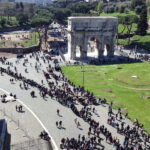
This is a walking tour, and the ground is rarely smooth. Expect cobbled pavements, stairs, and inclines. Reviews also point out that the Colosseum area and Roman classics heat up fast in summer.
Bring what makes you comfortable enough to enjoy the history:
- Comfy shoes with grip
- Water, especially if you’re traveling in warm months
- A light layer and sun protection, since you can’t always control where shade happens
- A realistic attitude: this is not a sit-down museum day
The guides you’ll encounter often build in short breaks. That’s not just nice; it’s practical because the sites are physically tiring even when the pace is “comfortable.”
Value check: is $65.33 actually a good deal?
At $65.33 per person, this tour is priced like an efficient “bundle.” What makes it feel fair is that the cost includes Colosseum, Palatine Hill, and Roman Forum tickets and fees, plus a live guide and headsets.
The price breakdown you’re given includes:
- Colosseum entrance ticket (valued at €18 per person)
- Colosseum reservation fee (valued at €2 per person)
- The remaining amount goes toward guide and other tour services
Even if you prefer self-guided travel, the value calculation changes when you add up three things:
- Time savings: you’re not figuring out how to plan access across multiple sites.
- Interpretation: your money buys someone to explain what you’re looking at, so it doesn’t become just big ruins.
- Crowd management: you’re moving through bottlenecks with a group system, not improvising your way through.
The one reason it might not feel like value is if you want long, slow exploration of every corner. Since the tour is scheduled and timed, you’ll likely still want extra time after the tour for your own wandering.
Who this tour is best for (and who should think twice)
This guided loop fits best if you:
- Want a first-time overview of ancient Rome’s power centers
- Are short on time and want three major stops connected
- Appreciate a guide who uses storytelling, humor, and quick explanations to make the sites readable
- Like small-group structure with headsets in a crowd
It may be less ideal if you:
- Want to spend most of your day inside one site at a slow pace
- Are very sensitive to hearing accents or want ultra-personal, one-on-one explanation
- Have limited tolerance for stairs, inclines, and uneven ground
If you’re traveling with kids or a mixed-age group, the structured pacing and organized group movement can also be a plus—many guides are praised for keeping tours enjoyable for a wide range of ages.
Should you book this Colosseum and Ancient Rome tour?
Yes, I’d book it if you want the fastest path from seeing ruins to understanding them. The tickets included, the small-group size, and the headsets make it a practical choice for one of Rome’s busiest ancient stops.
Book it sooner rather than later: it’s commonly reserved about 42 days in advance on average, which tells you the best times and group slots go quickly.
Before you go, do two simple things: wear comfy shoes, and make sure every participant’s full name and ID match the reservation. If you do that, you’ll spend your limited time in Rome doing what this tour is best at—turning three famous places into one clear story of ancient power and public life.
FAQ
How long is the Colosseum & Ancient Rome guided walking tour?
It runs for about 2 hours 45 minutes.
What’s the price per person?
The price is listed as $65.33 per person.
Is the tour in English?
Yes, it is offered in English.
Which stops are included?
You visit the Colosseum, Palatine Hill, and the Roman Forum.
Are admission tickets included in the price?
Yes. The tour includes tickets and fees for all three sites, including the Colosseum entrance ticket and reservation fee.
Is there a live guide and headsets?
Yes. The tour includes a live tour guide and headsets.
What is the group size limit?
This experience has a maximum of 25 travelers.
Where is the meeting point?
The meeting point is L.go Gaetana Agnesi, 5, 00184 Roma RM, Italy.
Where does the tour end?
It ends at the Roman Forum (00186 Rome).
Do I need an ID, and does it need to match the booking?
Yes. Each traveler must present a valid passport or ID document that matches the name provided at booking, or entry to the Colosseum and Roman Forum may be denied.
Is food and drinks included?
No. Food and drinks are not included.