REVIEW · ROME
Rome: Pasta, Ravioli & Tiramisu Cooking Class by Colosseum
Book on GetYourGuide →Operated by EnjoyCooking.com · Bookable on GetYourGuide
That flour-on-your-hands feeling is the point. This Rome pasta and tiramisu class is a 3-hour, chef-led session built around doing, not watching. I like the small-group setup (max 10) because you actually get attention while you’re learning. I also like that you’re making two types of handmade pasta plus tiramisu from scratch, with a real recipe book to take home. One thing to consider: if you’re juggling food allergies, this isn’t a guaranteed fit—nut allergies can’t be accommodated, and gluten-free may be difficult.
Expect step-by-step instruction in English, free-flowing Italian wine during the meal, and a relaxed pace that lets you sit down and eat what you made. It’s the kind of activity that can slot nicely into an evening plan, especially if you want to pair it with a Colosseum night walk after. With cooking time, wine, and a busy Rome day, wear comfortable clothes and keep your arrival on time.
In This Review
- Key things that make this class work
- A Rome cooking class built for learning at your pace
- What you make: two handmade pastas plus classic tiramisu
- Handmade pasta dough and shaped ravioli-style technique
- Second handmade pasta dish
- Tiramisu from scratch, layer by layer
- Inside the class: chef instruction, English guidance, and real attention
- The 3-hour rhythm: wine, snacks, and when you’ll actually eat
- Free-flowing Italian wine (and a relaxed table)
- Snacking in the middle of the work
- Cooking results you can repeat at home (without guessing)
- Price and logistics: is $112.15 worth it for 3 hours?
- Best fit: beginners, food lovers, and date-night cooks
- Who should think twice
- How to get the most out of your pasta and tiramisu session
- Should you book this Rome pasta and tiramisu class?
- FAQ
- How long is the Rome pasta, ravioli & tiramisu cooking class?
- What is the group size for this class?
- Is the class taught in English?
- What dishes will I learn to make?
- Is wine included?
- Is transportation included, and where does it start?
Key things that make this class work
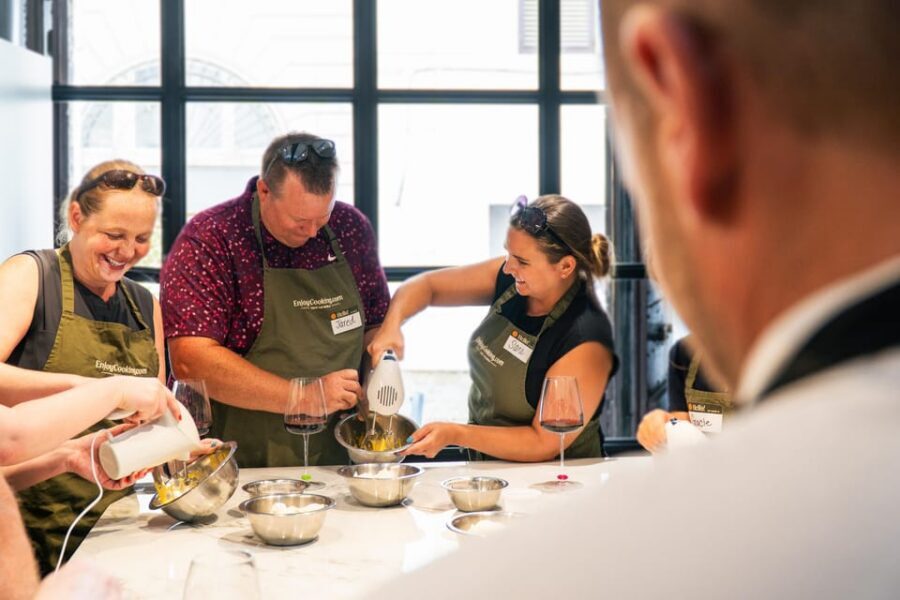
- You cook two handmade pasta dishes from scratch, not just one.
- Tiramisu is built layer-by-layer, so you learn the method, not a shortcut.
- Small group (10 max) means you get coaching while you’re rolling, cutting, and filling.
- Free-flowing Italian wine keeps the mood fun while you eat together.
- Take-home recipe book so you can recreate the results later.
- Chef personalities matter: you may meet instructors like Marco, Max, or Alex, all focused on making it easy to learn.
A Rome cooking class built for learning at your pace
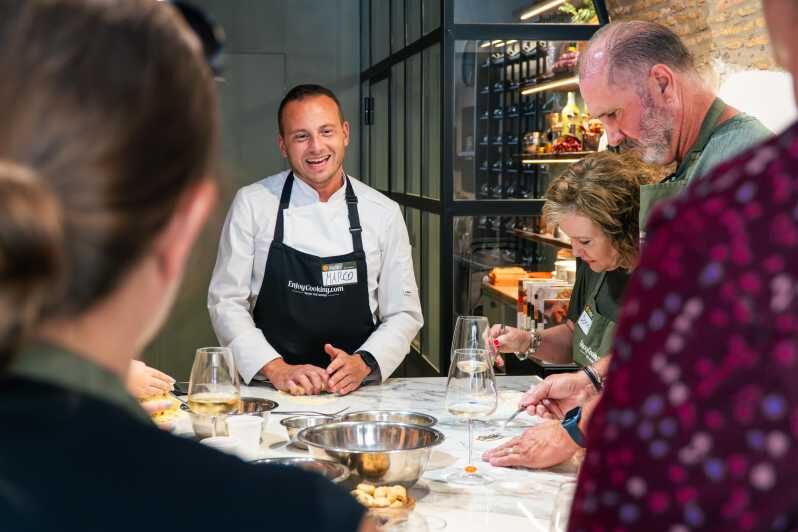
A lot of Rome food tours are mostly talk and photos. This one is different. You’ll be at a work station making dough, shaping pasta, and assembling tiramisu with guidance in the room. That hands-on format is the best way to get past the usual souvenir version of Italian food.
The other thing I like: the class is designed to stay friendly and practical. You’re not expected to already know how to handle floury dough or keep sauces on the right side of hot. The group stays small, so you can ask questions without shouting across a crowd.
If you’re the type who learns by doing—this should feel satisfying fast. If you’re expecting a silent, museum-style experience, you might find the wine and the chatter a bit louder than you want. But for most people, that’s part of the charm.
More Tours with Pasta or Pizza for the Colosseum & Ancient Rome
What you make: two handmade pastas plus classic tiramisu
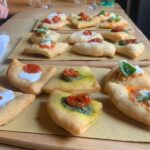
The cooking plan is built around three core skills: handmade pasta dough, ravioli-style filling and shaping techniques, and tiramisu assembly. You’ll make two types of handmade pasta from scratch, each paired with recipes. The class also includes tiramisu with its own recipe.
Handmade pasta dough and shaped ravioli-style technique
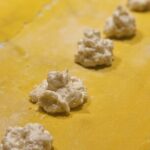
You start with pasta dough basics: combining ingredients, getting the texture right, and learning how to work the dough so it’s rollable without turning into a sticky mess. Then you move into the shaping steps. The class focuses on rolling, cutting, filling, and finishing—exactly the moves that make restaurant-quality pasta feel achievable at home.
You’ll also work with fillings and sauces. That matters because pasta isn’t just about the dough; it’s the whole system. When you learn how sauce and filling fit together in the workflow, your results improve the next time you cook.
Second handmade pasta dish
After the first pasta, you’ll tackle a second type of handmade pasta. The exact style can vary by class day, but the key point stays the same: you’ll be hands-on again, with instruction as you shape and prepare another traditional pasta dish. This is a nice way to avoid the “we made one thing and now we’re done” feeling.
Tiramisu from scratch, layer by layer
Then comes the payoff: tiramisu. You’ll create each creamy layer from scratch and assemble it with real guidance. You’re not just mixing ingredients; you’re learning the structure that makes tiramisu work—how the layers should come together and why the timing and texture matter.
This is the part that’s hardest to fake from a cookbook alone. A class like this helps you understand what the mixture should look and feel like as you go, so you can reproduce it later.


Inside the class: chef instruction, English guidance, and real attention
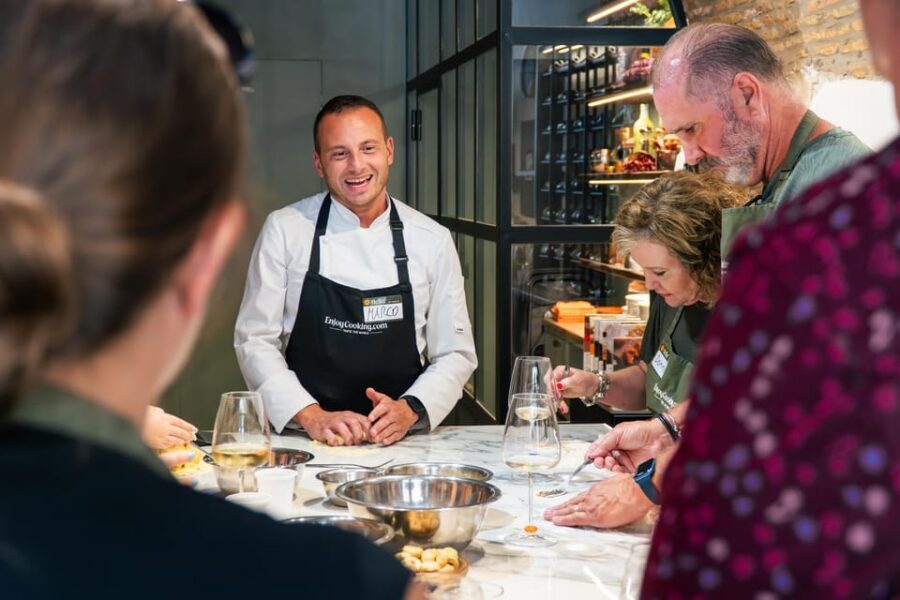
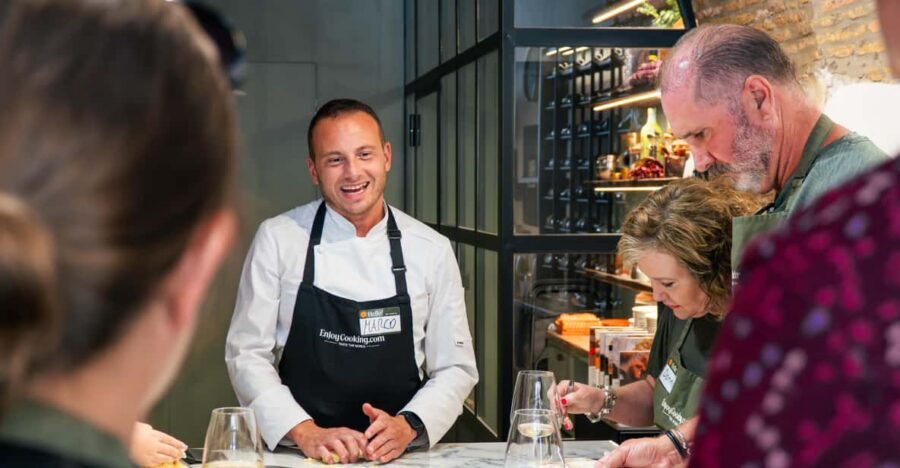
This is an English-taught class with an expert-led format. The teachers are local chefs, and from the way the class is described, they lean into teaching as much as cooking. You’re not just handed a task list; you get step-by-step coaching.
Small group size is more than a comfort perk. With max 10 participants, you can usually get help when something goes off track—whether that’s dough texture, filling consistency, or the rhythm of assembling tiramisu before it gets too warm.
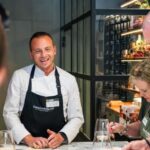
You might meet a chef like Marco, Max, or Alex (names vary by date). The common thread is the same: they keep the room light, explain ingredients clearly, and help you feel comfortable. That’s especially valuable if you’re cooking solo or you’re rusty in the kitchen.
The 3-hour rhythm: wine, snacks, and when you’ll actually eat
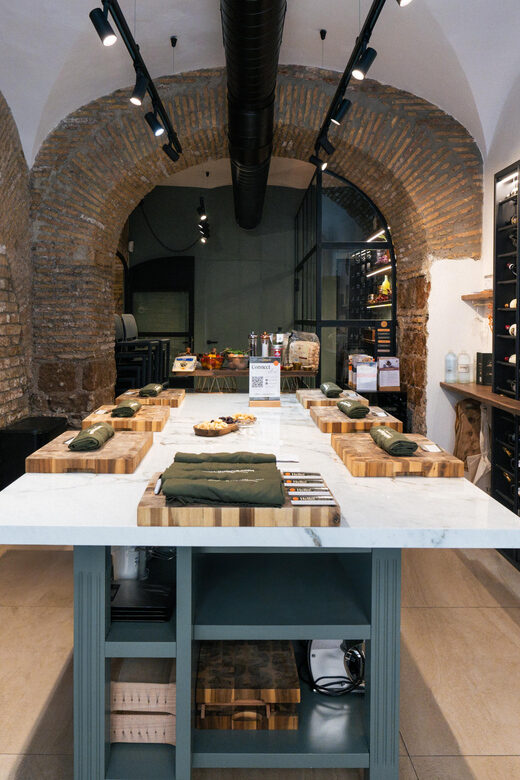
The duration is 3 hours, and the pacing is set up so you’ll spend meaningful time cooking, then sit down to enjoy the full meal. The flow goes like this in practice: hands-on pasta prep, shaping and cooking components, then tiramisu assembly, followed by eating what you made.
Free-flowing Italian wine (and a relaxed table)
Wine is included and described as free-flowing. In other words, you’re not limited to a single glass while everyone else carries on. The class also mentions the option of soft drinks, which helps if you’re not drinking alcohol but still want the same experience vibe.
The wine isn’t just for fun. It supports the “Rome evening” atmosphere. When people are relaxed, they learn faster—especially with tasks like dough handling where confidence matters.
Snacking in the middle of the work
Some class details point to snacks and a table setup that keeps you fueled while you work. It helps keep energy steady, especially if you’re fitting this into a day that already includes sightseeing. You’ll still be fully cooking, not nibbling and watching.
Cooking results you can repeat at home (without guessing)
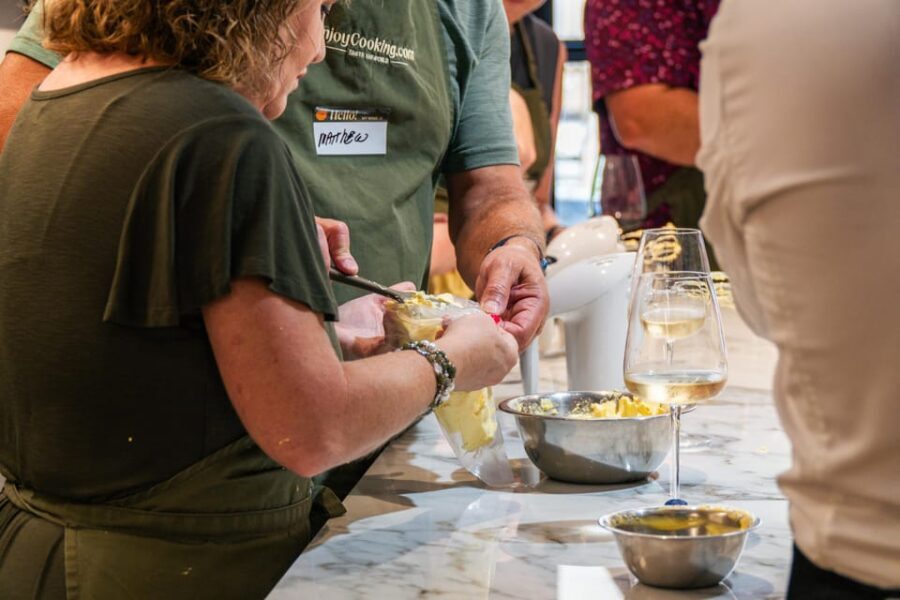
What makes a cooking class valuable is what you can do after you leave. Here, that’s where the recipe book matters. You get recipes for both handmade pasta dishes and the tiramisu, so you’re not trying to reverse-engineer your own meal from memory.
I also like that the instruction covers sauces and fillings, not just shaping. That’s the difference between a pasta that looks right and one that tastes like the Italy you expected. If you’ve ever tried making pasta at home and wondered why it tastes flat, chances are you were missing that broader piece.
Practical takeaway: bring your recipe book into your kitchen mindset. Treat it like a method. Even if you tweak ingredients later, follow the steps and textures first.
Price and logistics: is $112.15 worth it for 3 hours?
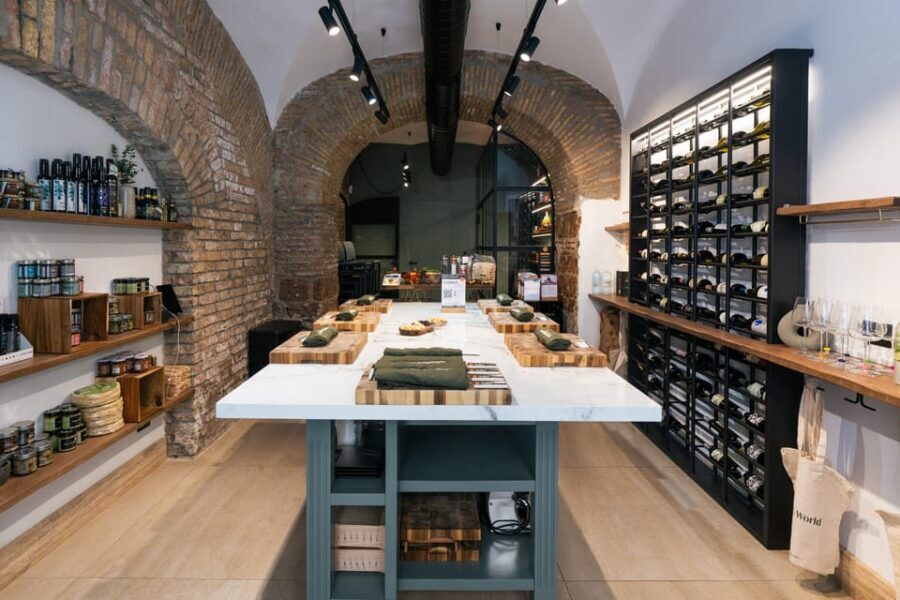
The listed price is $112.15 per person for a 3-hour, small-group experience. For Rome, that price lands in the “food experience” range, not the “cheap activity” range. So the value question is simple: are you getting real cooking time plus meal + wine + take-home recipes?
From what’s included, you are:
- Chef-led instruction for multiple dishes (two pasta types plus tiramisu)
- Ingredient work you do yourself, not just assembly
- Free-flowing Italian wine
- Recipe book so you get a lasting souvenir that actually feeds you later
Also, the group size matters to value. If you were paying the same amount for a big class with minimal coaching, it would feel less worth it. Here, the instruction ratio should be better because the group is capped at 10.
On logistics: transportation is not included, and the meeting point may vary depending on the option booked. The activity ends back at the meeting point. That makes it easier to plan your day because you don’t need to find a new return route.
If you’re juggling public transit and timing, give yourself a little extra buffer. Late arrivals aren’t guaranteed participation, which is fair for a class where everyone needs to start together.
Best fit: beginners, food lovers, and date-night cooks
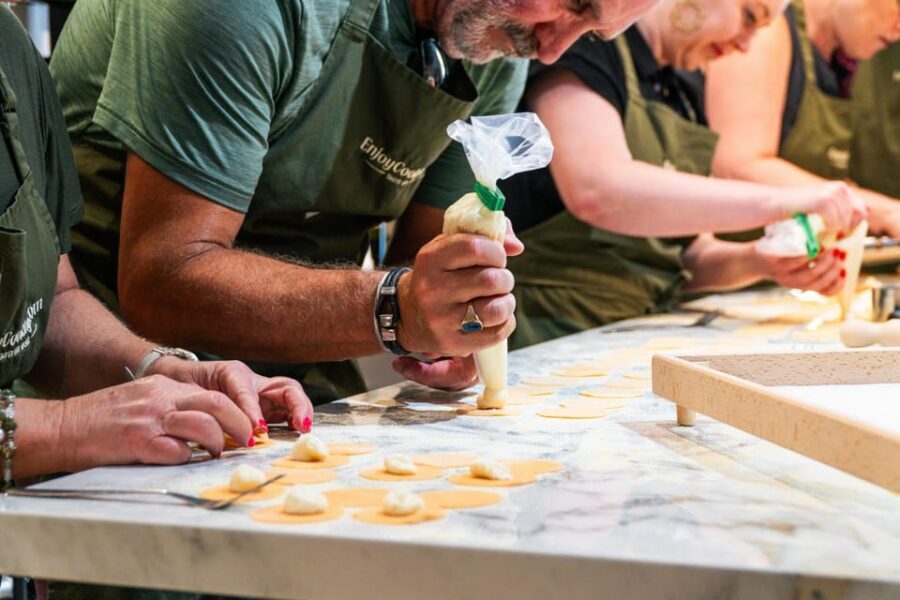
This class is described as ideal for both beginners and experienced cooks. That’s believable because the core tasks are taught in steps: dough basics, shaping, fillings and sauces, then tiramisu layers. If you’re a beginner, you’ll get structure. If you’re experienced, you’ll get feedback on technique and ingredient choices.
It also fits well if you’re a solo traveler. Small classes like this tend to feel social without being exhausting, and the chef attention helps you jump in even if you’re not super confident in the kitchen.
Who should think twice
Be cautious if you have nut allergies. The activity is not suitable for people with nut allergies. For other dietary needs, you’ll want to inform the provider right after booking, but the class notes that some restrictions (like gluten-free diets) may not be possible due to trace ingredients.
If your dietary situation is complex, email and ask before booking. Don’t wait until the day of the class.
How to get the most out of your pasta and tiramisu session
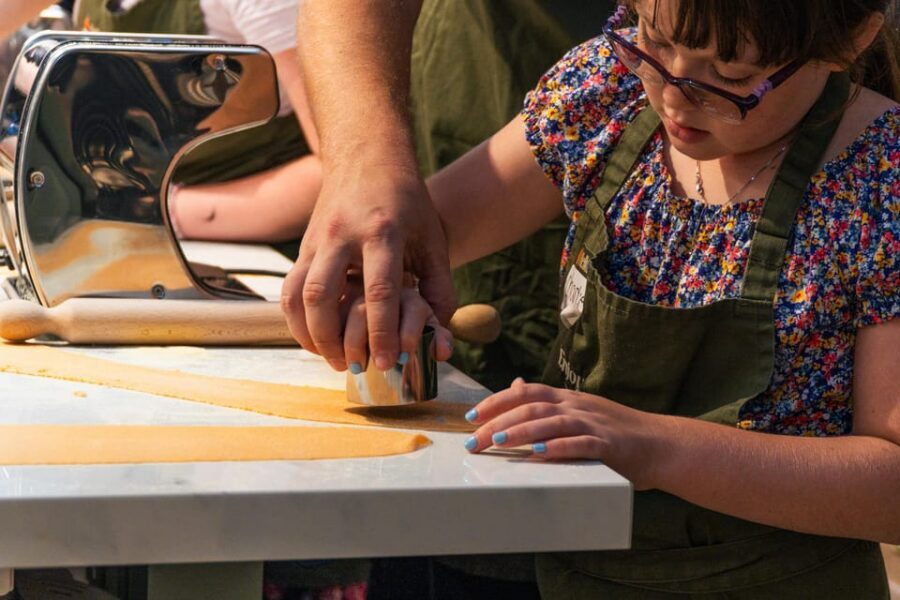
You’ll learn more if you show up ready to cook. The class recommends wearing appropriate clothing for cooking, so treat this like a hands-on workshop, not a dressed-up dinner.
A few practical moves that help:
- Wear clothes you don’t mind getting flour on.
- Plan to stay for the full meal after cooking—this is when the day comes together.
- If you’re drinking the included wine, pace yourself so your hands stay steady while shaping.
- Ask questions when you get stuck. In a small group, you’ll usually get an answer right away.
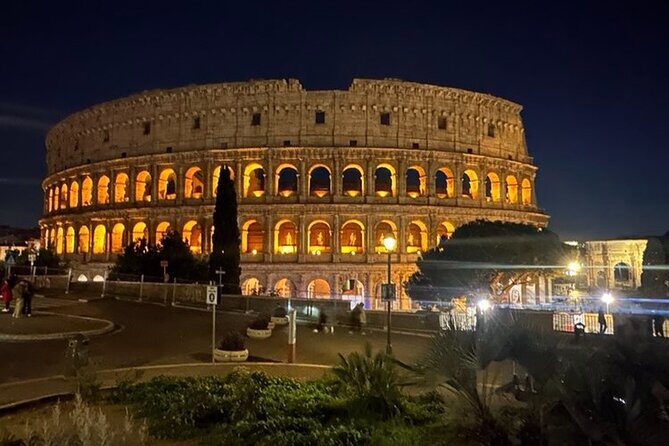
And if you’re the type who likes to plan your Rome evenings: consider pairing the class with a late walk afterward. One nice approach is doing the cooking early enough that you still have energy for nighttime sights. The Colosseum tends to be a popular follow-up in the same general vibe.
Should you book this Rome pasta and tiramisu class?
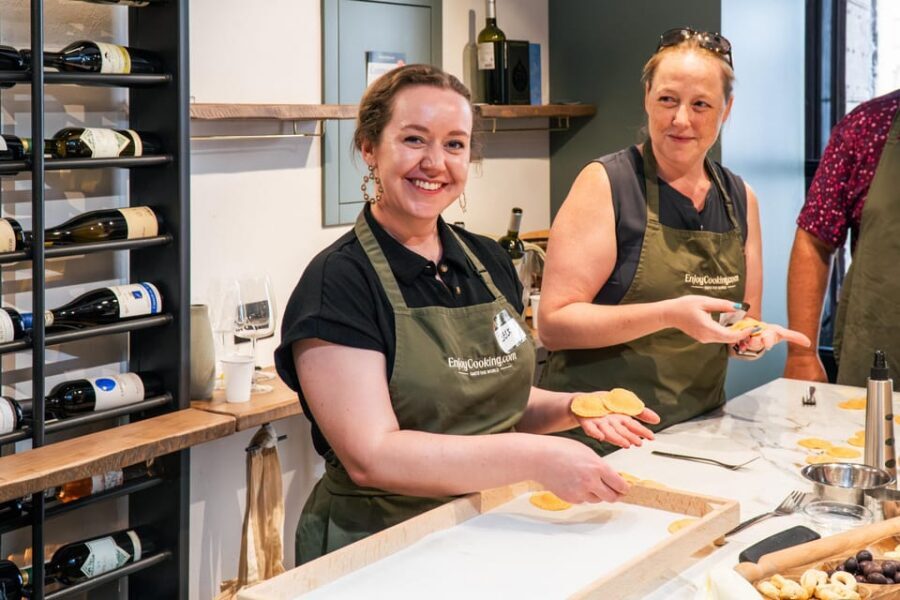
I’d book it if you want a hands-on Rome food experience that teaches technique you can repeat: two handmade pasta dishes plus tiramisu, with a recipe book and included wine. The small group size and English instruction make it a safe bet for both first-timers and people who cook already.
I would skip it if you can’t have nuts, or if gluten-free and cross-contact concerns are deal-breakers for you. Also skip if you hate cooking environments or you’re expecting a tour that’s mostly sightseeing.
If you want the kind of memory that tastes good tomorrow—this is one of those classes that turns into an actual skill. You’ll leave with dinner you made, wine in your evening, and notes you can use the next time you crave proper pasta at home.
FAQ
How long is the Rome pasta, ravioli & tiramisu cooking class?
The class lasts 3 hours.
What is the group size for this class?
It’s a small group with a maximum of 10 participants.
Is the class taught in English?
Yes, the instructor is listed as English.
What dishes will I learn to make?
You’ll make two types of handmade pasta from scratch and tiramisù from scratch, and you’ll receive recipes for what you make.
Is wine included?
Yes. The class includes free-flowing Italian wine.
Is transportation included, and where does it start?
Transportation is not included. The meeting point may vary depending on the option booked, and the activity ends back at the meeting point.