REVIEW · ROME
Colosseum & Ancient Rome | Semi Private- Up To 6 People
Book on Viator →Operated by Italy In Love Tours · Bookable on Viator
Gladiators and founders, all in one short walk. What makes this tour fun is the way it strings together Rome’s origin story, its political stage, and its biggest arena in a tight semi-private plan for up to 6 people, led by guides like Marco and Giovanni (both named in reviews). I especially like the order—Palatine Hill first for the legends and views, then the Roman Forum landmarks, and finally the Colosseum—because it helps the city’s pieces click together. One heads-up: security and Colosseum capacity rules can cause delays, so you’ll want a calm start and a little patience.
You get about 2 hours total, with roughly 40 minutes at each stop, and timed entry built around advance reservations. This is a good length if you want the big hits without spending your entire day in queues and confusing layers of ruins.
In This Review
- Key Highlights Before You Go
- A Two-Hour Route That Makes Ancient Rome Feel Logical
- Palatine Hill First: Myths, Augustus, and Views of the Circus
- Entering the Colosseum: Gladiators, Design, and Crowd Power
- Roman Forum: Titus, Basilicas, and the Temple-to-Politics Chain
- What the Semi-Private Format Changes (For Real)
- Value for Your Money: Tickets Included, Plus Reservation Access
- Practical Tips for a Smooth Colosseum Day
- Who This Tour Fits Best
- Should You Book This Colosseum & Ancient Rome Tour?
- FAQ
- How long is the tour?
- What group size is this?
- Are tickets included?
- Where do we meet and where does it end?
- What documents do I need for entry?
- Is there a fitness requirement?
- What if the tour is canceled due to weather or closures?
- Can I get a refund if I cancel?
Key Highlights Before You Go
- Up to 6 people keeps it manageable, so questions are realistic and the pace stays human.
- Three sites in 2 hours means you see Palatine Hill, the Forum, and the Colosseum without bouncing all over Rome.
- Timed access is the point: reviews mention skipping the worst line waits at major entry points.
- Palatine Hill’s viewpoints over the Forum and Circus Maximus help you understand what you’re looking at.
- Forum stop with major monuments like the Arch of Titus and several key basilicas/temples.
- Expert English-speaking guides—with standout names Marco and Giovanni—who can tailor the flow.
A Two-Hour Route That Makes Ancient Rome Feel Logical
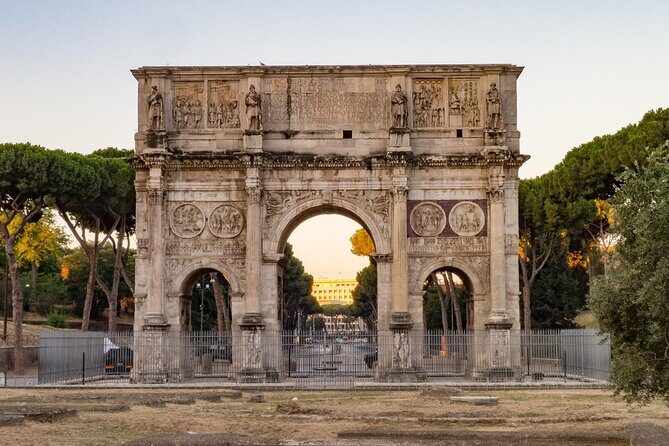
Rome’s ruins can feel like a scatterplot: one arch here, a column there, and suddenly you’re guessing what’s connected. This tour is built to reduce that guesswork. You start on Palatine Hill, which gives you the “where Rome began” context. Then you move down into the valley to the Roman Forum, where politics, religion, and public life collided. Finally, you head to the Colosseum, the loud end of the Roman story—crowds, spectacle, and power.
The semi-private format matters. With a maximum of 6 people, your guide can manage flow through the busiest areas and keep the tour from turning into a marching band.
The other thing I like is that the timing is clear: around 40 minutes per stop. You’re not stuck too long in one place, and you’re not rushed through all three either.
More Ancient Rome tours for the Colosseum & Ancient Rome
Palatine Hill First: Myths, Augustus, and Views of the Circus
Starting at Palatine Hill is smart because it turns “ancient Rome” from an abstract label into a place. This is the area tied to the beginnings of Rome and to elite living—so you get both the legend and the reality.
You’ll hear about the origins of the city, including the Romulus story, and also details about Roman power centers connected with the elite. The tour highlights points connected to Livia and the House of Augustus, which helps you move beyond gladiators and really understand who was shaping society behind the scenes.
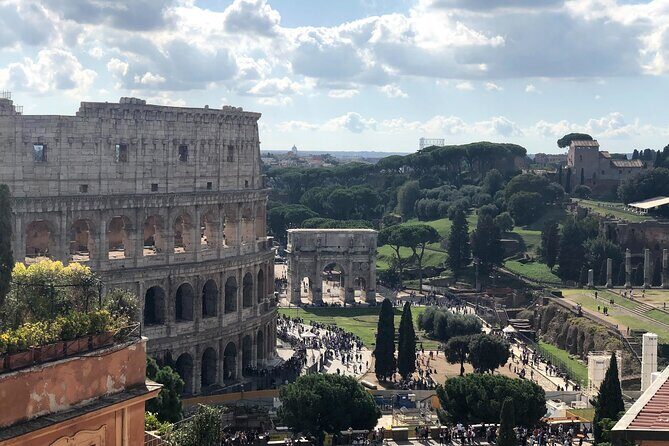
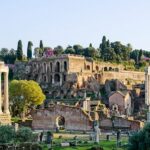
And you’ll get one of the most practical benefits of Palatine Hill: the views. You’ll look out toward the Forum and Circus Maximus below. That matters because the Roman world wasn’t just about monuments standing alone—it was about sight lines, movement, and where people gathered.
What to expect here:
- A guided walk on the hill with story-led context
- Key background on early Rome and the imperial era
- Scenic lookouts that make the next stop easier to follow
Possible drawback: Palatine Hill involves walking over uneven surfaces. You don’t need to be an athlete, but a moderate fitness level helps.
Entering the Colosseum: Gladiators, Design, and Crowd Power
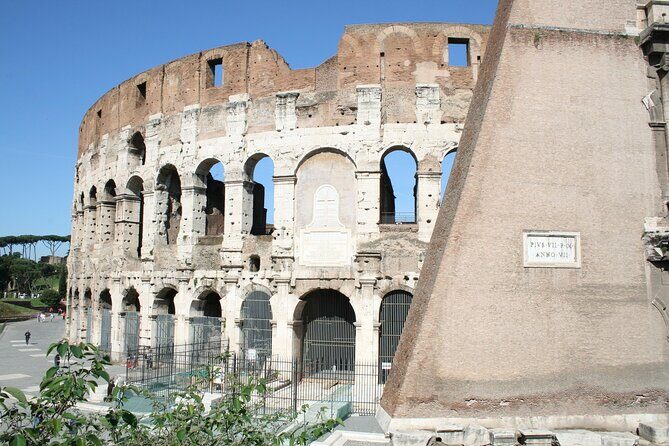
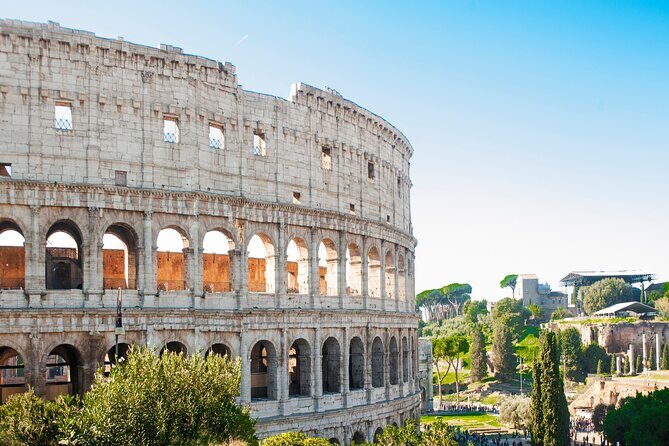
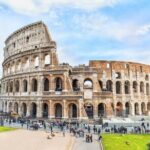
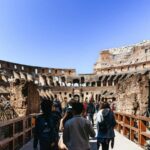
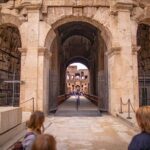
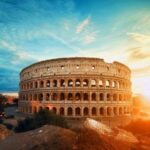
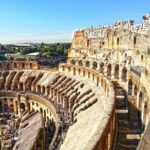
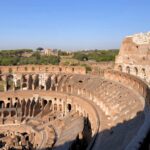
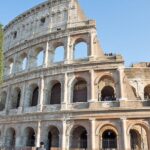
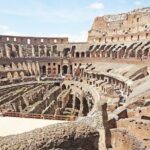
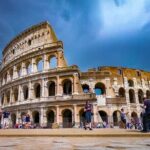
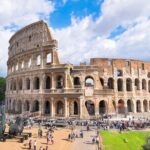
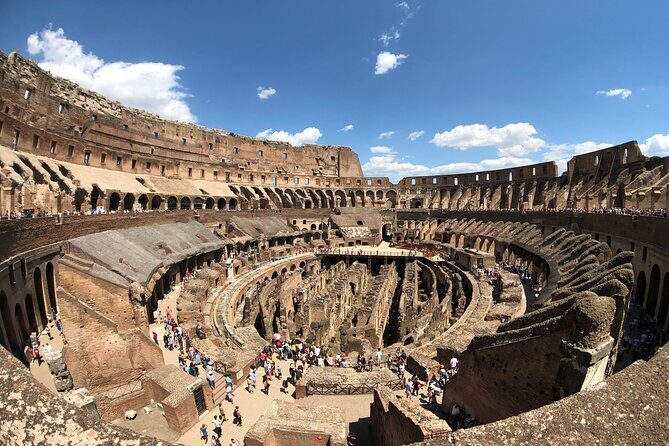
The tour’s first big wow is the Colosseum. It’s the kind of place that makes your brain go quiet for a second. Then your guide starts putting meaning back in.
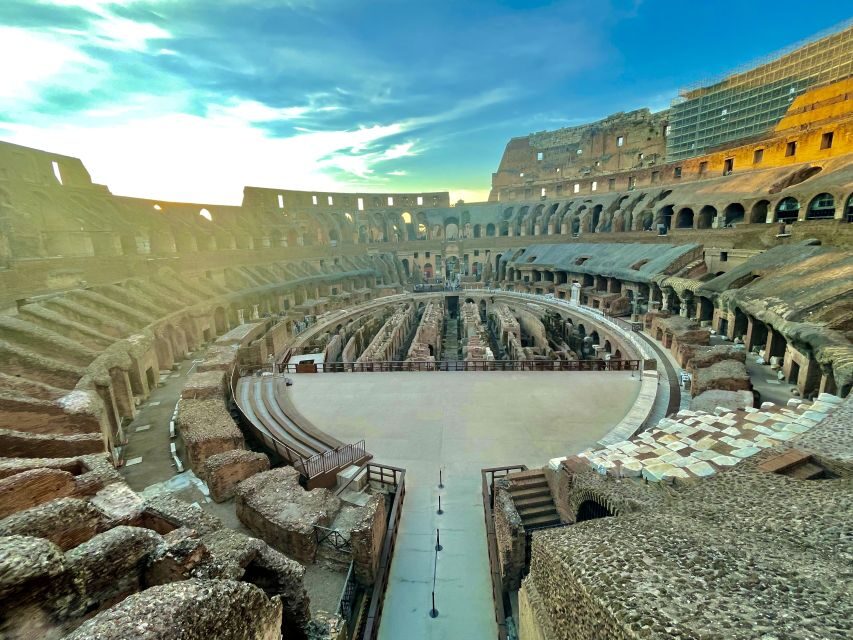
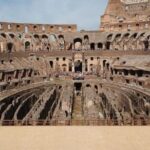
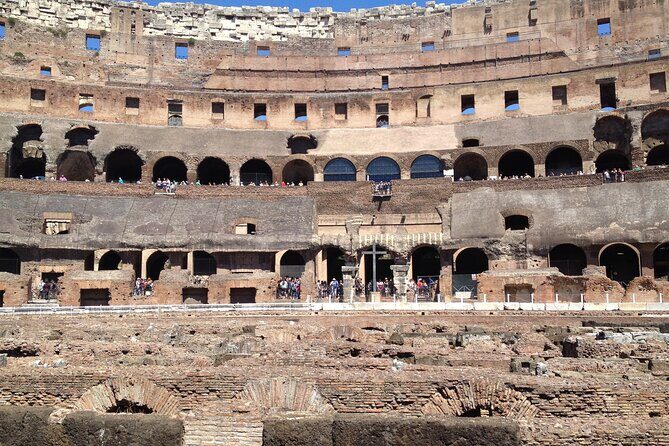
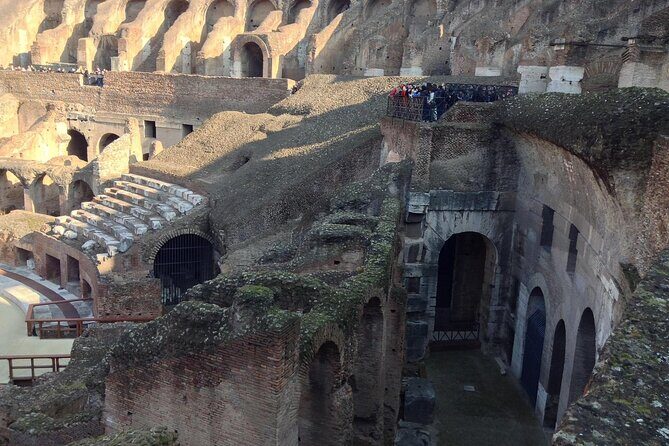
You’ll spend about 40 minutes at the Colosseum with an expert guide leading the story. The focus is on what happened inside: gladiatorial contests and public battles that captured attention across the empire. You’ll also get explanations about the architecture and why events there mattered socially. That combo—spectacle plus structure—helps you see the Colosseum as more than a famous shell.
This is where the reviews really lean positive. People specifically mention skipping the lines and having an experience that feels tailored rather than cookie-cutter. One review even called out a more customized Colosseum tour, which fits the semi-private idea: your guide can slow down for the parts you care about.
What to watch for:
- The Colosseum can be subject to capacity and security rules, which may affect the timing of your departure from the start point.
- Security checks can be quick or slow depending on the day, so keep your mindset flexible.
Roman Forum: Titus, Basilicas, and the Temple-to-Politics Chain
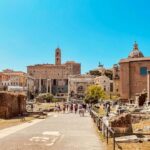
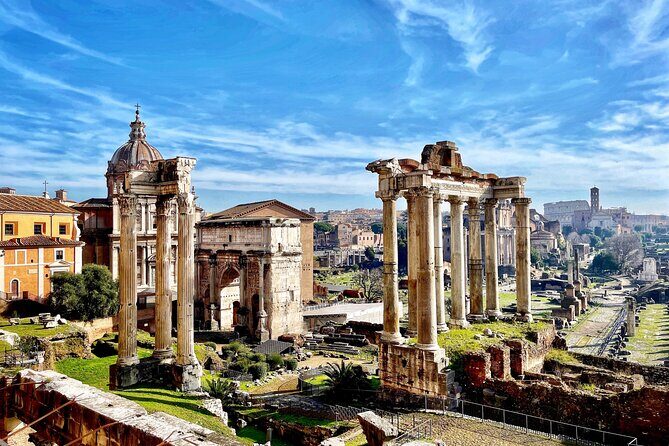
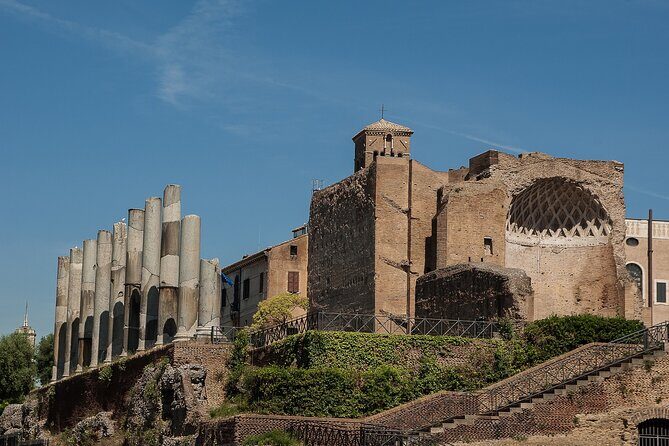
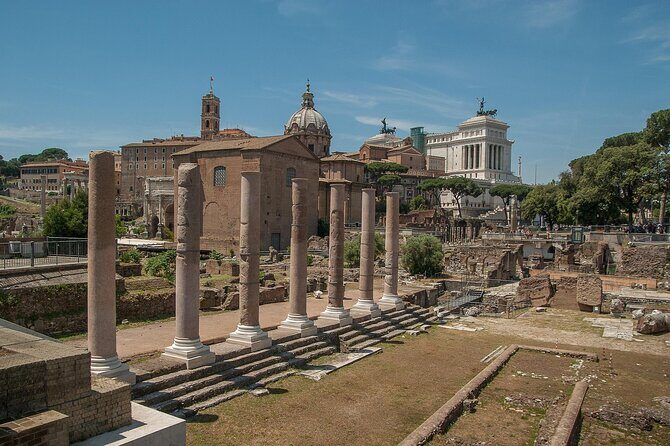
After Palatine Hill, you drop into the valley for the Roman Forum, which is where ancient Rome feels like a working machine. It wasn’t just “where emperors once stood.” It was commerce, public meetings, political rallies, military processions, and religious ceremonies.
You’ll get a guided walk that hits a chain of major landmarks, including:
- Arch of Titus
- Basilica of Maxentius
- Temple of Antonino and Faustina
- The main square area with the Temple of Julius Caesar
- Arch of Septimius Severus
- Rostra (a key public speaking area)
- Basilica Aemilia
- Temple of Jupiter on Capitoline Hill (mentioned as part of the narrative)
One of the most useful parts here is that the guide ties buildings to what people used them for. When you know that a place hosted public speeches or served as a center for civic activity, the ruins start to read like a map.
The tour also includes a religious angle you might not catch on your own—references to ceremonies involving the Vestal Virgins. That’s not just trivia. It reinforces how Roman public life mixed politics and religion into the same daily fabric.
What makes the Forum stop valuable:
- You learn the “why” behind key monuments, not just names
- You get the sense of how Romans moved through power spaces
- The guide connects distant dots—Forum to Palatine Hill to the broader city
Practical note: Ruins are weather- and crowd-dependent. The tour indicates some areas can face last-minute closures, and they may extend the time to keep the advertised total length.
What the Semi-Private Format Changes (For Real)
A maximum group of 6 is not just marketing. It changes how the tour feels.
With a bigger group, you typically spend your time watching the back of someone else’s hat. With a small group, your guide can:
- Explain concepts in a way that fits your pace
- Respond to questions without derailing the schedule
- Keep you oriented when there’s a lot to look at
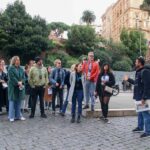
The reviews back up that the guides bring energy and humor. Specific names show up—Marco is praised for being a great last-minute booking value, and Giovanni/Govani are mentioned for friendliness, dedication, and high energy. That kind of guide makes a massive difference in places like the Colosseum and Forum, where it’s easy to feel overwhelmed.
If you’re someone who likes stories but also wants structure, this format is a strong match.
More Semi-Private tours for the Colosseum & Ancient Rome

Value for Your Money: Tickets Included, Plus Reservation Access
At $235.34 per person for about 2 hours, it’s not a bargain-basement deal. But it does include real costs you’d otherwise pay or arrange yourself:
- Colosseum tickets (valued at €18 per person)
- A Colosseum reservation fee (valued at €2 per person)
- An expert English-speaking guide
- Access to Palatine Hill and the Roman Forum as part of the guided plan
- A semi-private setup (up to 6 people)
Here’s the value equation I see: you’re paying for (1) guide time and (2) the less-visible logistics around timed entry and capacity management. That can be worth it in Rome, where the difference between a smooth start and a slow day is often the line you’re stuck in.
Also, the itinerary is tightly structured—three major monuments in a short window. If you’re visiting Rome for a limited number of hours, that efficiency has real cost value.
Practical Tips for a Smooth Colosseum Day
A few details matter more than you’d think with major Rome sites:
Meet on time. You have a mandatory meeting time 30 minutes before the scheduled departure. That helps the operator manage organization and entry flow.
Bring matching ID. You’re expected to present a valid passport or ID document that matches the full names provided at booking. If you don’t provide full names for everyone, entry to the Colosseum and Roman Forum can be denied.
Expect security rhythm. The Colosseum’s capacity regulations and security can delay departure. That’s not a reason to stress—it’s a reason to plan with a calm buffer.
Wear good walking shoes. The tour is listed for moderate physical fitness. That’s your cue that you should be comfortable with uneven ground and frequent stops for explanation.
Weather can affect the plan. The experience requires good weather, and some venues or parts may face last-minute closures. If that happens, they note they can offer an extended tour to keep the total length.
Who This Tour Fits Best
I’d point you to this tour if:
- You want the “big three” Colosseum + Palatine Hill + Roman Forum without piecing together tickets and schedules
- You like guided context that turns ruins into a story you can follow
- You prefer a small group size rather than a crowded bus-spiral of headphones
- You’re excited by empire-era details—Livia and Augustus connections, plus civic and religious life in the Forum
You might choose something different if:
- You’re looking for a longer, slower pace with extra wandering time
- You want maximum freedom to stop and re-check things on your own (this is timed and guided by design)
Should You Book This Colosseum & Ancient Rome Tour?
My take: if you’re prioritizing guided understanding and want to see the core monuments fast, this is an easy “yes.” The semi-private group size, timed approach, and story-led stops help you get more meaning per minute than you would doing these sites alone.
The one reason to pause is timing uncertainty at the Colosseum due to security and capacity rules. If you have a tight next commitment right after the tour, build in buffer time. Otherwise, the format is exactly what you want for a first (or early) Rome visit: Palatine Hill to orient you, the Forum to connect the civic/religious thread, and the Colosseum to close the loop with spectacle and architecture.
FAQ
How long is the tour?
It runs for about 2 hours (approximately), with around 40 minutes at each stop: Colosseum, Palatine Hill, and the Roman Forum.
What group size is this?
It’s a safe semi-private group with a maximum of 6 travelers.
Are tickets included?
Yes. Colosseum tickets and a Colosseum reservation fee are included. Admission for Palatine Hill and the Roman Forum is part of the experience as well.
Where do we meet and where does it end?
You start at Italy In Love Tours, Via del Cardello, 31, 00184 Roma RM. The tour ends at the Roman Forum area (00186 Rome).
What documents do I need for entry?
You’ll need to present a valid passport or ID document that matches the full names provided at booking. If names don’t match, entry may be denied.
Is there a fitness requirement?
The tour is listed for travelers with a moderate physical fitness level, since you’ll be walking around major sites.
What if the tour is canceled due to weather or closures?
The experience requires good weather. If it’s canceled due to poor weather, you’ll be offered a different date or a full refund. If there are last-minute unpredictable closures at venues, they note they can extend the tour to keep the total length.
Can I get a refund if I cancel?
You can cancel up to 24 hours in advance for a full refund. If you cancel within 24 hours of the start time, you won’t receive a refund.