REVIEW · ROME
Private Tour of the Colosseum Forums Palatine Hill & Ancient Rome
Book on Viator →Operated by Guided Tours of Florence and Tuscany · Bookable on Viator
Three hours through ancient Rome, tailored to you. This private outing strings together the Colosseum, Roman Forum, and Palatine Hill at a relaxed pace, with a dedicated guide and a custom flow that makes the ruins easier to read.
I especially like two things: admission tickets included for the major stops, and the way the guide uses visual reconstructions and graphic tools to turn broken stone into something you can picture.
One consideration: timing can be sensitive. In at least one case a guide was late because of ticket issues on their side, and in another the guide’s English could be harder to follow.
In This Review
- Key highlights at a glance
- Why this private Colosseum–Forum–Palatine tour works
- Price, tickets, and what you actually get for $346.12
- Meeting point at Via dei Fori Imperiali: starting smoothly matters
- Entering the Colosseum: the Flavian Amphitheater story you’ll remember
- Roman Forum in an hour: turning ruins into daily life and power
- Palatine Hill and the Capitoline ending: power viewed from above
- A guide you can talk to: what private really changes
- Mobility and time expectations: can you do 3 hours on your feet?
- Value for different types of Rome visitors
- Should you book this Private Tour of the Colosseum Forums Palatine Hill & Ancient Rome?
- FAQ
- FAQ
- How long is the Colosseum–Forum–Palatine private tour?
- What are the main stops on the tour?
- Are admission tickets included?
- Is this a private tour?
- Can I choose a morning or afternoon tour time?
- Where does the tour start and end?
- What do I need to enter the Colosseum and Roman Forum?
- Is the tour near public transportation?
- What is the cancellation/change policy?
- Is it confirmed at booking?
Key highlights at a glance
- Private, dedicated guide for a more personal pace and Q&A time
- Tickets included for the Colosseum and Roman Forum stops
- Colosseum first, then Forum, then Palatine Hill, so the story builds step by step
- Visual reconstructions (including photo-style aids) to help you see what you’re missing
- Morning or afternoon start so you can match the day to your schedule
Why this private Colosseum–Forum–Palatine tour works
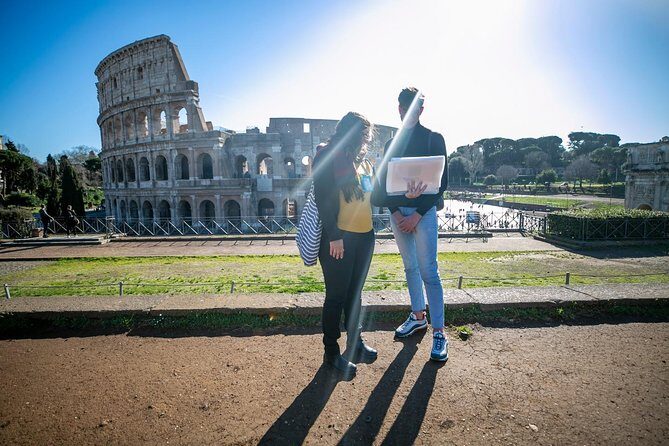
Rome’s top ancient sights are famous for a reason, but they’re also easy to misunderstand on your own. The ruins look impressive, yet without context you can miss the “who lived here, who ruled here, and how it all worked” parts. This tour keeps you moving through three anchor zones of ancient Rome with a guide who can explain what you’re looking at while you’re looking at it.
What makes the experience feel worthwhile is the format. You’re not stuck with a rigid script for hours, and you’re not trying to triangulate facts while crowds shuffle around you. Instead, you get a private itinerary with a guide focused on your questions and interests. In practical terms, that means you spend more time learning and less time wondering.
Another quiet win: the stops are sequenced logically. You start with spectacle (the Colosseum), move to politics and religion (the Forum), then end on the hill that shaped power and status (Palatine/Capitoline area). That order helps your brain connect the dots fast.
More Colosseum, Forum & Palatine combos for the Colosseum & Ancient Rome
Price, tickets, and what you actually get for $346.12
At $346.12 per person for about 3 hours, this is not a budget pick. But it isn’t just you paying for a guide and hoping for the best. The tour includes admission tickets at each stop listed for the Colosseum, the Forum, and the Palatine Hill segment, which adds real value when you compare it to ticket-only costs plus a separate tour.
You’re also paying for time and focus. With a private setup, you’re less likely to lose momentum when you want extra explanation. That matters at the Colosseum and Forum, where one confusing corner can send you spiraling into “What am I even looking at?” mode.
There are also extra value touches: mobile ticket delivery and a private-group structure (only your group participates). Those details won’t change the ruins, but they do affect how smoothly your day runs, especially in busy entry areas.
Meeting point at Via dei Fori Imperiali: starting smoothly matters
The tour starts at Via dei Fori Imperiali, Roma RM, Italy and ends back at the same meeting point. Starting there is helpful because it puts you right in the zone of the imperial forum area, so you don’t waste time crossing Rome to begin your ancient-rome sprint.
It’s also noted as near public transportation, which is a big deal in Rome. You’ll likely want to plan your route so you’re not sprinting across busy streets right when your tour is scheduled. The tour duration is listed as about 3 hours, so even small delays can feel bigger than you expect.
You can choose a morning or afternoon tour time, which is one of the better ways to manage heat and crowds. If you’re sensitive to long outdoor wandering, I’d lean toward an earlier start.
Entering the Colosseum: the Flavian Amphitheater story you’ll remember
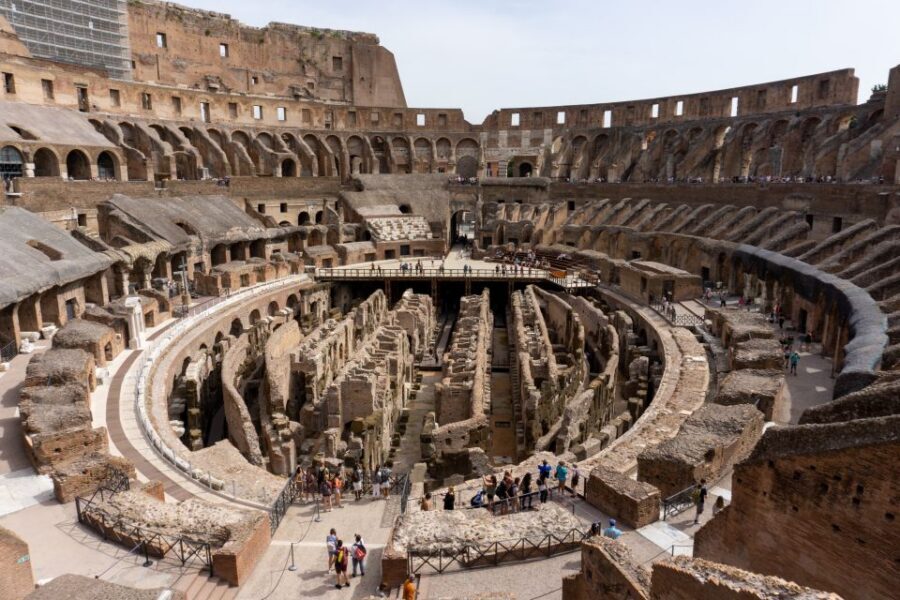
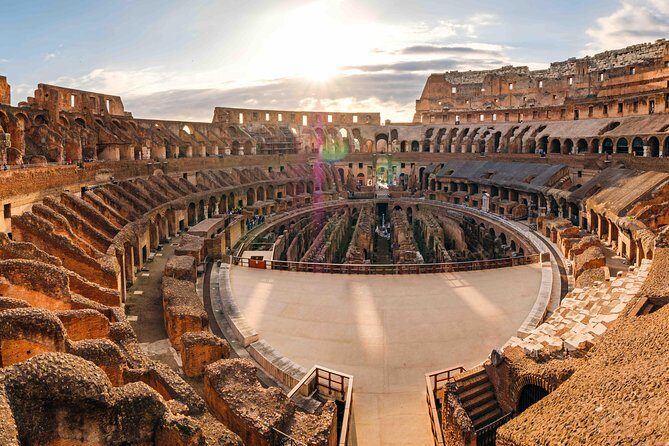
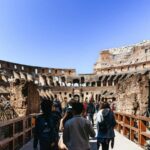
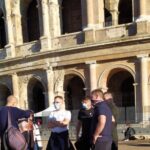
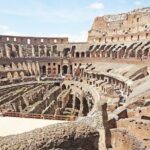
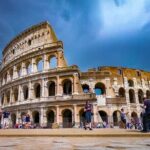
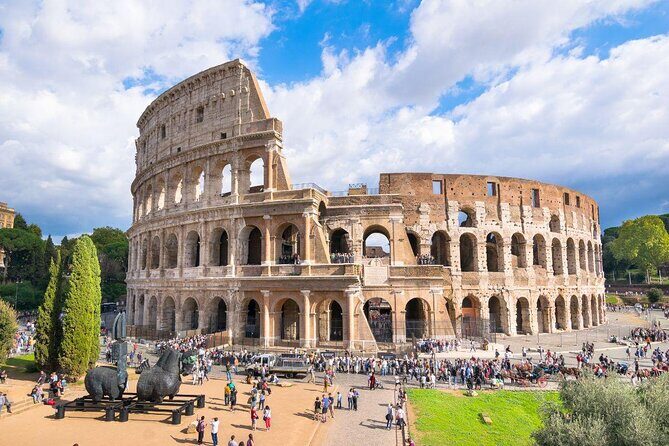
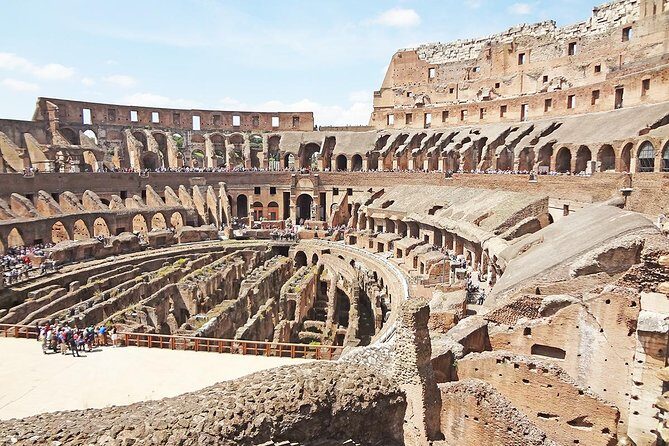
The tour begins at the Colosseum entrance with a guided visit that’s about 1 hour, and the admission ticket is included. This matters because the Colosseum is one of those places where the line and logistics can eat your energy if you arrive unprepared.
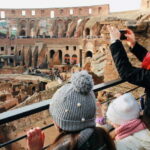
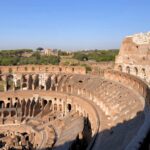
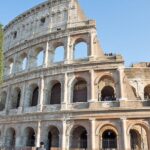
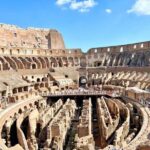
Inside, you’ll get more than a quick overview. The Colosseum is described as the largest amphitheater in the Roman Empire, originally called the Flavian Amphitheater. That name shift isn’t trivia for trivia’s sake—it helps you understand the building as a political project tied to the Flavian dynasty. The tour also points out structural scale: 80 entrances and a capacity of more than 50,000 spectators.
Why that’s useful: when you know the building’s size and access points, you can better imagine movement and crowd flow—where people entered, how sections separated, and how the space shaped the experience of public spectacle. Even if you can’t picture every detail, those numbers give you a mental framework.
A note from the tour experience style: the guide uses visual tools and reconstructions to help you picture what you’re missing. One guide (Thomas) was highlighted for being friendly and showing photos of what the sites likely looked like back then. That’s the kind of approach that turns the Colosseum from “big stone” into a scene with rules, roles, and motion.
Roman Forum in an hour: turning ruins into daily life and power
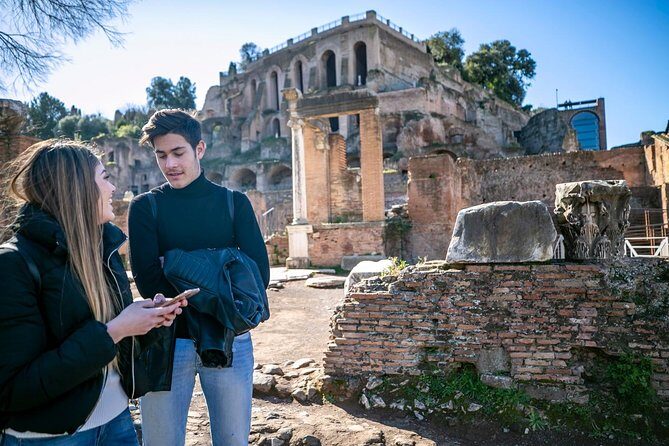
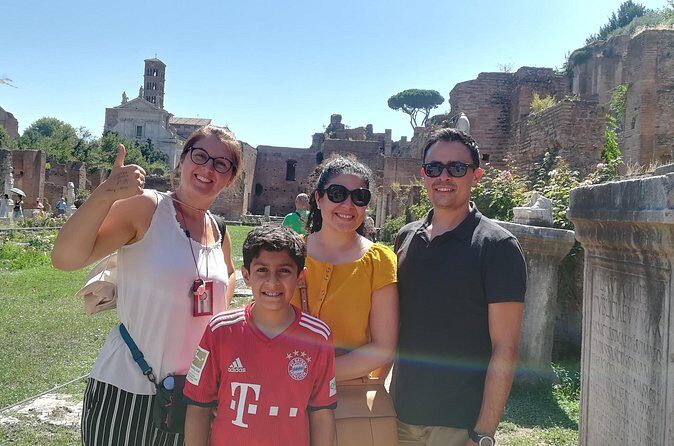
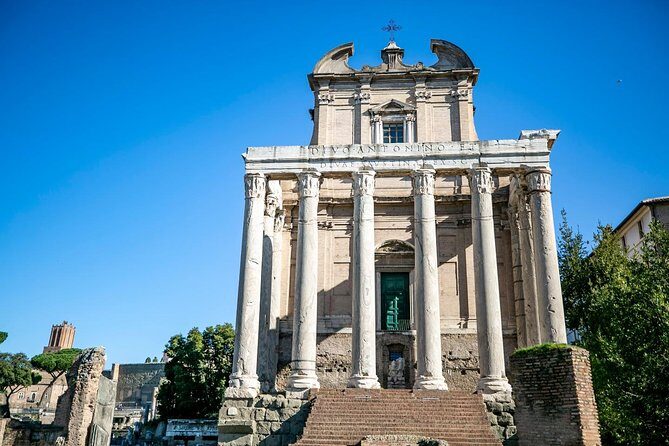
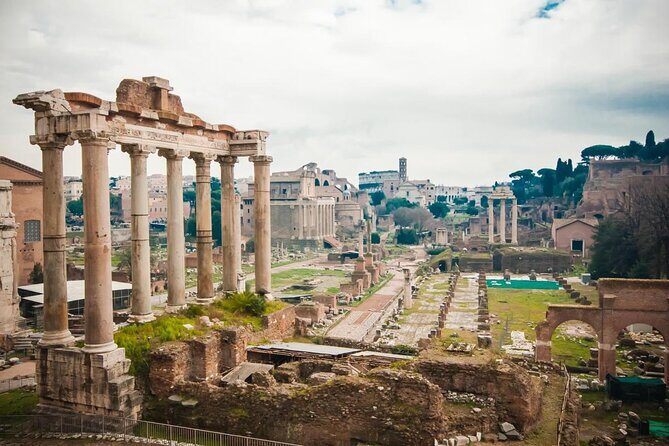
After the Colosseum, the tour moves to the Roman Forum for another 1 hour visit, with the admission ticket included for this stop as well. The Forum is where you’ll feel the difference between seeing ruins and understanding a city center.
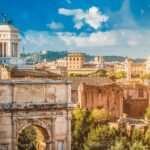
Here’s what you should expect to cover: the main square of Ancient Rome, plus a set of major structures tied to civic life. Your guide will walk you through highlights such as:
- Senate House
- Temple of Vesta
- Temple of Saturn
- Altar of the Divine Julius Caesar
- Temple of Gemini
- Basilica Emilia
- Arch of Septimius Severus
…and more within the same guided flow.
Why this list matters: these are not random “cool rocks.” They represent overlapping functions—religion, governance, imperial messaging, public law, and commemoration. When a guide connects those dots, you start seeing the Forum as the daily stage where authority was performed.
The practical value of a dedicated guide in the Forum is simple. The Forum is open-air, scattered, and layered with eras. Without guidance, it’s easy to lose what belonged to what and why it was placed there. With a guide, you’ll get a clearer storyline, and you’ll likely come away with a few anchor images you can recall later.
More Roman Forum tours for the Colosseum & Ancient Rome

Palatine Hill and the Capitoline ending: power viewed from above
The tour ends on the Palatine Hill side of the ancient complex, with the route described as ending on the Capitol hill area. Expect about 1 hour for this final segment, again with admission included.
You’ll see the idea of Roman religion and rulership expressed through geography—this was where temples of important Roman gods were housed, according to the tour description. You’ll also get views and landmarks connected to later Rome, which is where the experience becomes extra rewarding.
The tour notes a beautiful square designed by Michelangelo and the Statue of Marcus Aurelius. This is a smart ending point because it gives you a “present-day Rome frame” around the ancient story. You’re not only staring at artifacts; you’re landing in a viewpoint that helps you orient yourself in the city.
One more thing to look for: the guide’s visual reconstructions and graphic tools. Palatine’s ruins can feel fragmentary, so those added explanations help you connect the dots between what’s standing now and what the spaces likely looked like during ancient Rome’s height.
A guide you can talk to: what private really changes
This is a private tour, meaning only your group participates. In practice, that changes how conversations happen. You can ask follow-up questions without worrying you’re holding up a large group or getting rushed to the next stop.
The reviews you provided emphasize two guide strengths that are worth taking seriously:
- Thomas’s approach stood out for being friendly and helpful, and for using photos to show what the sites may have looked like in their original form.
- Another guide experience pointed out that English clarity can vary. If you’re counting on fine detail, make sure you’re comfortable with your guide’s English, or plan to ask questions in a way you can follow.
The timing note is also important. One experience mentioned a late start for the guide due to ticket issues on their side, then a recovery at the end. That suggests a general pattern: the tour probably tries to protect your total time, but if you have a strict evening plan, build in some buffer.
Mobility and time expectations: can you do 3 hours on your feet?
The tour asks for moderate physical fitness. That typically means you should be fine with standing, walking between historic areas, and moving through uneven ground. You’ll also want to be ready for crowds around major sites, especially in peak hours.
Since the tour is about 3 hours total, the pacing is meant to keep you active while still giving time for explanation. If you like slowing down at viewpoints, you may need to speak up early so the guide can adjust. Private tours can be more flexible, but you still share time with the overall itinerary.
Also remember: the tour includes multiple sites with ticketed entry and guided walking. Even if each stop is about an hour, your day will feel like a single continuous museum-like stretch.
Value for different types of Rome visitors
This tour is a strong fit if you want to:
- Focus on Rome’s most famous ancient landmarks in a single guided run
- Ask questions and get explanations tied directly to what you’re seeing
- Use visual reconstructions to understand ruins that don’t fully explain themselves
If you’re the type who loves wandering without structure, you might find three planned stops feel like “just the highlights.” But if you want real context fast, this is built for you.
It’s also a good match for people who find large group tours overwhelming. The private format helps you avoid the mental fatigue of trying to keep track of your place while others move ahead.
If you’re traveling with limited time in Rome, the value calculation improves. Three hours can give you a coherent storyline across the Colosseum, Forum, and Palatine/Capitoline viewpoint, which is exactly what most first-time Rome visitors struggle to build on their own.
Should you book this Private Tour of the Colosseum Forums Palatine Hill & Ancient Rome?
If you’re aiming for clarity, not just photos, I’d lean yes. The combination of guided context, ticket inclusion, and a private pace makes this a sensible way to tackle Rome’s heavy hitters without feeling lost.
Book it if:
- You want a structured path through the Colosseum, Roman Forum, and Palatine Hill
- You like understanding the meaning behind the stones
- You’ll benefit from a guide using visuals and reconstructions
Think twice if:
- You have a hard, non-flexible schedule and can’t absorb the chance of a guide running late
- You’re extremely sensitive to guide language clarity and need very easy-to-follow English
One final practical tip: when you book, double-check that you’ve provided the full names for everyone traveling. Entry depends on it. The tour notes you must present valid passport or ID that matches the name on your voucher, and failure to present a voucher with all full names at the ticket office can lead to denied entry for the Colosseum and Roman Forum.
FAQ
FAQ
How long is the Colosseum–Forum–Palatine private tour?
It’s listed as about 3 hours total.
What are the main stops on the tour?
You visit the Colosseum first, then the Roman Forum, and finally the Palatine Hill/Capitoline area.
Are admission tickets included?
Yes. Admission tickets are included for the Colosseum stop, the Roman Forum stop, and the Palatine Hill segment as listed in the itinerary.
Is this a private tour?
Yes. It’s a private tour/activity, and only your group participates.
Can I choose a morning or afternoon tour time?
Yes. The tour offers a morning or afternoon start to match your schedule.
Where does the tour start and end?
It starts at Via dei Fori Imperiali, Roma RM, Italy, and ends back at the meeting point.
What do I need to enter the Colosseum and Roman Forum?
You must provide full traveler names when booking. Each traveler must present a valid passport or ID document that matches the name provided, and your voucher needs all travelers’ full names prior to entry.
Is the tour near public transportation?
Yes, it’s listed as near public transportation.
What is the cancellation/change policy?
The experience is non-refundable and cannot be changed for any reason.
Is it confirmed at booking?
Yes. Confirmation is received at the time of booking.