REVIEW · ROME
Colosseum Tour with Arena Floor & Roman Forum | Semi-Private Tour
Book on Viator →Operated by What a Life Tours · Bookable on Viator
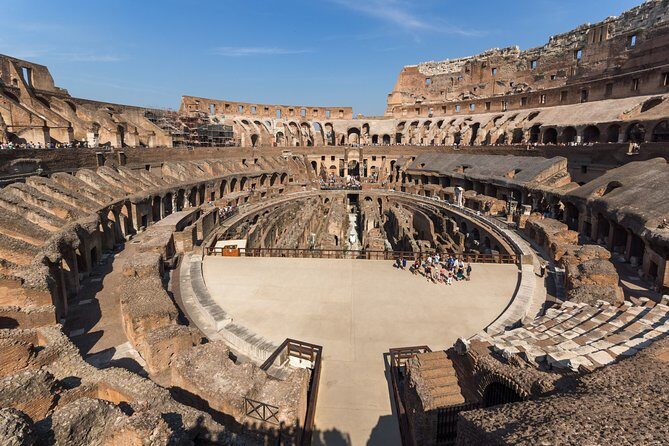
The Colosseum hits different when you’re on the sand. This semi-private tour gives you arena floor access plus a smart, guided loop through the Roman Forum and Palatine Hill. I especially like the small-group feel and the way the guide connects engineering, politics, and daily life without turning it into a lecture. One thing to plan for: it involves walking, stairs, and a few uphill stretches, so comfortable shoes matter.
You also get to pick a morning or afternoon departure, which helps a lot when Rome is doing its usual heat-and-crowd routine. My other favorite part is the timed-entry approach that reduces line headaches at both the Colosseum and the Forum. Just note the tour can run a bit longer than the listed time, so keep a little breathing room in your day.
In This Review
- Key takeaways before you book
- Entering The Colosseum Like a Gladiator, Not a Tourist
- What the guide should help you notice
- Colosseum Tour Pacing: About 3 Hours, With Real Life Timing
- Stop 1: The Colosseum (With Parts Standard Tickets Don’t Use)
- Stop 2: Arch of Constantine, Quick Context in 15 Minutes
- Stop 3: The Roman Forum Without the Usual Queue Pain
- Stop 4: Palatine Hill Views and the Original Rome Story
- Semi-Private Group Size: Why Up to 12 Changes Everything
- Choosing a Morning or Afternoon Departure
- Price and Value: What $156.07 Really Buys
- Meeting Point, Timing, and the ID Rule That’s Easy to Miss
- Who This Tour Fits Best (And Who Might Prefer Another Plan)
- Should You Book This Colosseum + Arena Floor Tour?
- FAQ
- How long is the Colosseum tour with arena floor access?
- Is it a small-group tour?
- Does the tour include Colosseum arena floor access?
- What stops are included?
- Where do I meet the tour guide?
- Do I need to bring ID?
- Is hotel pickup included?
Key takeaways before you book
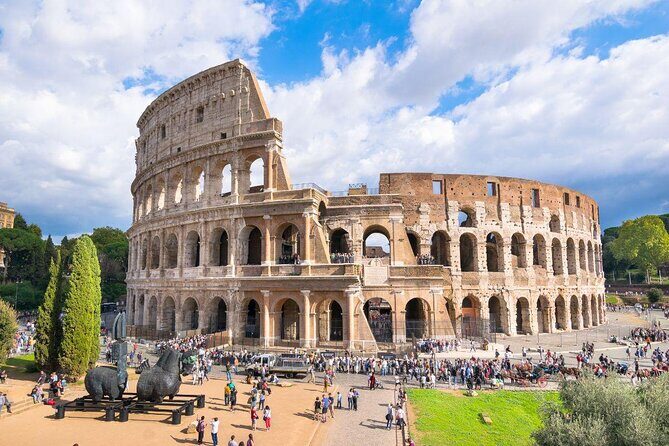
- Arena floor special access lets you stand where the action played out, not just look at it from afar
- Semi-private size (max 12) keeps questions possible and walking less crowded
- Skip-the-line focus helps you get more history without spending your best energy in queue lines
- Roman Forum and Palatine Hill included so you get the “why this place mattered,” not only the big monument
- Small details, big context such as what each area was used for, and how the spectacle fit Roman society
- A guide who tells the story using clear explanations and sometimes visual comparisons of then vs. now
Entering The Colosseum Like a Gladiator, Not a Tourist
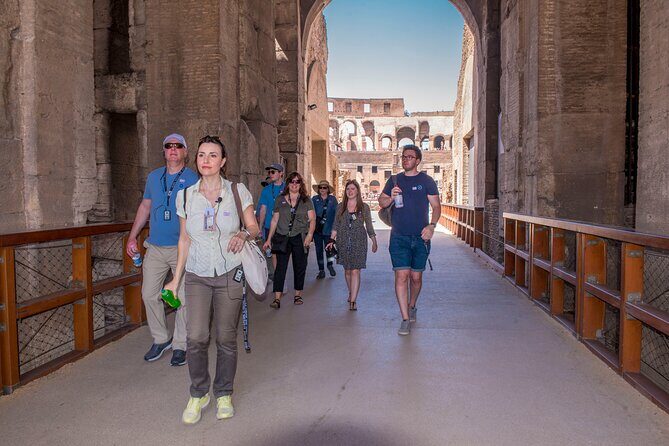
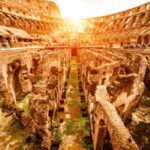
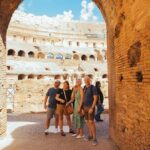
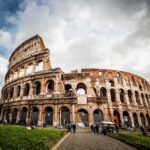
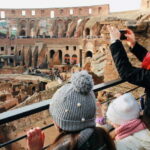
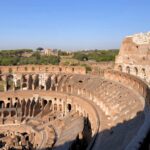
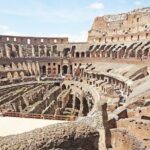
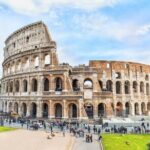
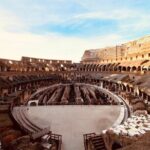
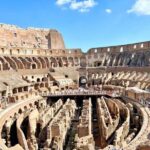
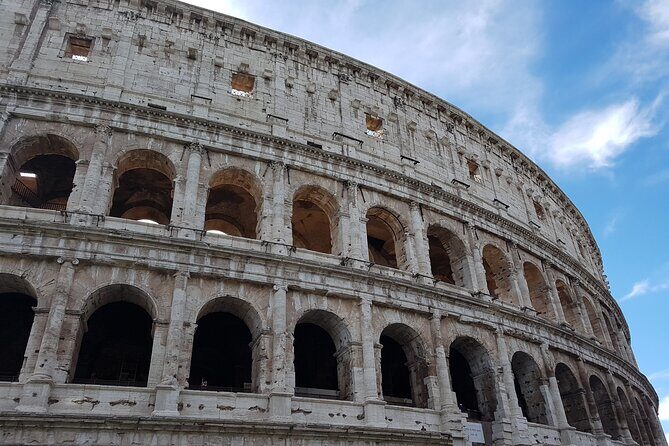
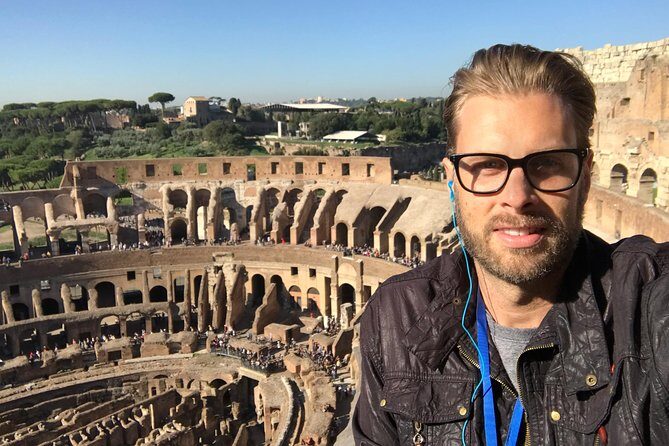
The headline here is the arena floor access, and it’s exactly what changes your experience. Seeing the Colosseum from normal viewpoints is impressive. Standing on the performance level—where crowds would have looked down and where heat, noise, and dust were part of the show—adds a physical sense of scale you don’t get anywhere else.
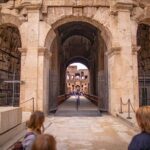
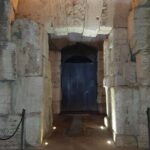
This tour routes you through a more direct path, often described as entering via a backdoor often called the gladiator’s entrance. That matters because the Colosseum is not just a site; it’s a place where time is swallowed by lines. Your goal is to spend time inside the ruins, not in the crowd shuffle.
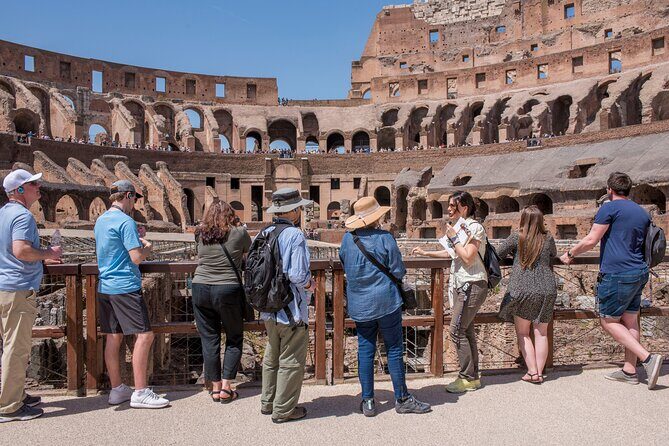
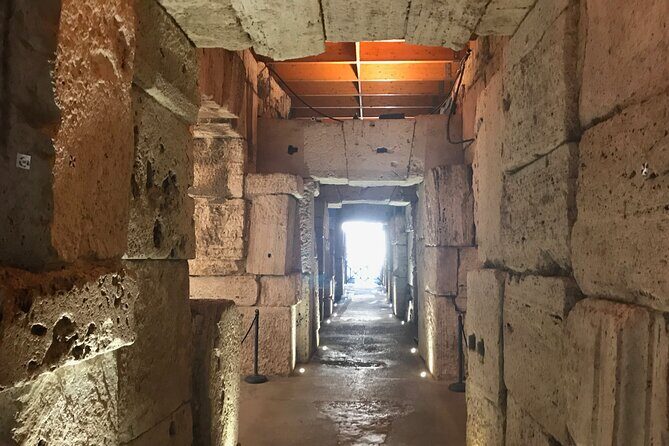
Once you’re in, your guide steers you through parts that are typically closed off to standard ticket-holders. You’re not just collecting photos. You’re learning what sections of the arena and seating were used for, and how the Colosseum’s engineering supported an event that was as much political theater as entertainment.
If you like your history with cause-and-effect—how rulers used spectacle to shape public life—this is a great match.
More Arena Floor & Gladiator tours for the Colosseum & Ancient Rome
What the guide should help you notice
- How the structure’s design served crowds and quick movement
- How different spaces connected to the show and Roman values
- Where “myth vs. fact” shows up in popular Colosseum stories
Colosseum Tour Pacing: About 3 Hours, With Real Life Timing
The tour is listed at about 3 hours. In practice, some tours run longer—around 3.5 hours—depending on the flow of entry, timing between sights, and how many questions the group has.
For most people, that extra time is fine because the stops are tightly focused. For your planning, the key point is: don’t schedule a fragile connection right after. Give yourself a cushion before your next reservation, especially during busy periods.
This is also a walking-and-stairs experience. Even with a guide keeping the route efficient, you’ll be moving between major levels and viewpoints. If you or someone in your party has mobility limits, bring a realistic mindset: you can still enjoy this, but you’ll want to go slow where needed and wear shoes you trust.
Stop 1: The Colosseum (With Parts Standard Tickets Don’t Use)
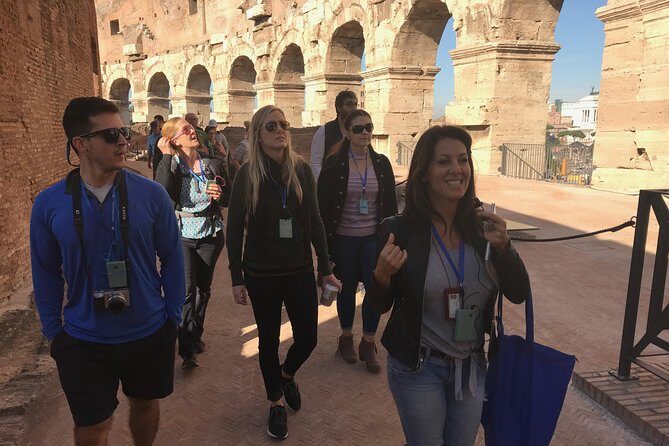
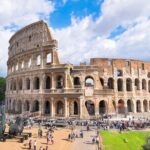
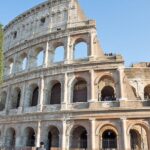
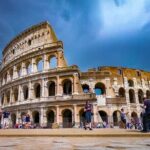
Your first stop is the Colosseum itself, and the tour design aims to maximize the payoff of that arena access. After entering through that less typical route, you’ll be led to sections most regular visitors don’t get.
The storytelling is where you’ll get the most value. Your guide separates what’s well supported from what’s been repeated as legend. You’ll hear how the arena wasn’t only a place for spectacle—it was also a stage for Roman identity. That’s the shift that makes people feel “this is different.” You start connecting architecture to power.
One especially useful approach is how the tour helps you understand “what you’re looking at” in plain terms: what each area did, why certain lines of sight mattered, and what the building reveals about Roman engineering. If you’ve visited a single ruin before and left feeling like you only saw the outside, you’ll probably appreciate how organized this visit is.
Stop 2: Arch of Constantine, Quick Context in 15 Minutes
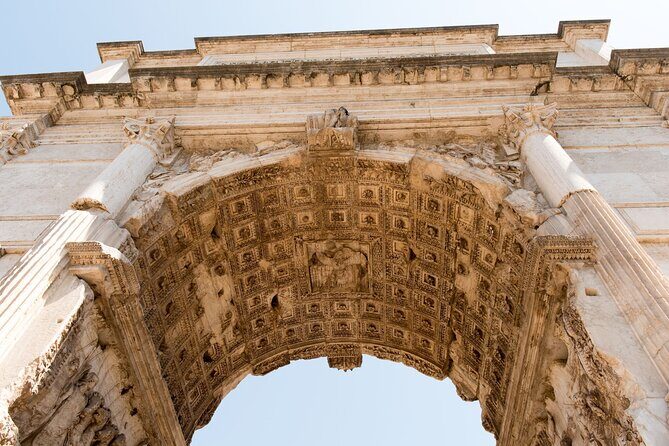
After the Colosseum, you step to the nearby Arch of Constantine, where the time window is short but the payoff is good.
This monument is known for its white marble impact and dense decorative details. Emperor Constantine ordered it in 315 AD to mark his victory over Maxentius. A fascinating detail here is how the story gets tangled with politics and symbolism. Even though Constantine claimed help tied to Christianity, the arch itself does not show Christian symbols.
Instead, you’ll notice other layers:
- statues of Dacian prisoners
- reliefs showing Marcus Aurelius giving bread to the poor
- inside the arch, references tied to Emperor Trajan’s victory over the Dacians
In just a quarter hour, this stop gives you a useful reminder: Rome’s monuments often reuse and repurpose earlier imagery to build legitimacy. It’s like political “branding,” carved into stone.
More Roman Forum tours for the Colosseum & Ancient Rome

Stop 3: The Roman Forum Without the Usual Queue Pain
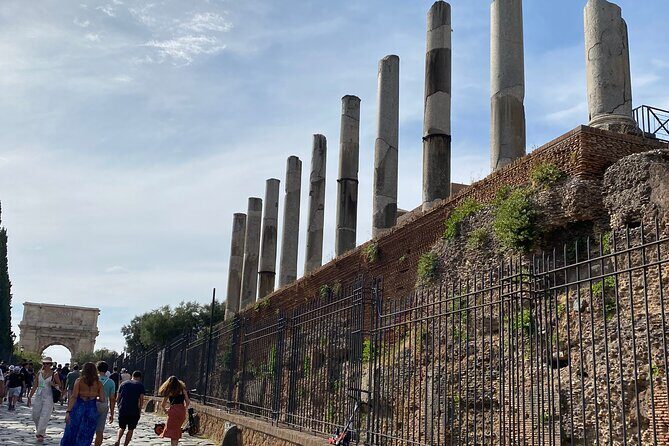
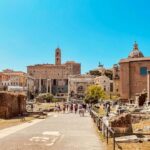
Next comes the Roman Forum, and the tour is designed to reduce the usual line stress. You’ll walk into what used to function as the pulsing civic center—law, business, religion, and public life layered on top of each other.
The guide moves through key zones and points out what the ruins represent: temple areas, surviving columns, and the street-level logic of how the Forum worked. This is one of the best parts for first-time Rome visitors because it answers a question you might not know to ask when you see the Colosseum alone: what did people do here the rest of the time?
If you tend to get “ruin fatigue,” this stop still works because you’re not wandering randomly. You’re following a narrative path: how the empire operated, what mattered to citizens, and why the setting was a political machine as much as a public square.
Also, you’ll likely appreciate the guide’s pacing. A good guide keeps you from sprinting while still covering the key sights.
Stop 4: Palatine Hill Views and the Original Rome Story
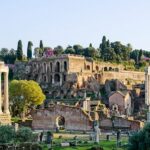
After the Forum, the tour heads to Palatine Hill, the area that overshadows the entire scene. In Roman legend, it’s where Romulus founded Rome. Archaeological evidence points to human settlement there as far back as the 8th century BC, which helps explain why this hill keeps coming up in Roman origin stories.
What I like about the Palatine stop is how it reframes the rest of what you saw. The Colosseum is spectacle. The Forum is public life. Palatine is power and privilege—where elite residences and imperial authority shaped what Rome looked like from the inside.
You’ll also get classic “Caput Mundi” viewpoint payoffs: you look over the Forum on one side and toward areas like the Circus Maximus on the other. These views make it easier to understand scale, too. Ruins feel disconnected until you see the big picture.
One more detail that helps: the word palace is tied to this hill’s name in the way language evolved. Small etymology facts like that make the stop memorable without needing extra time.
Semi-Private Group Size: Why Up to 12 Changes Everything
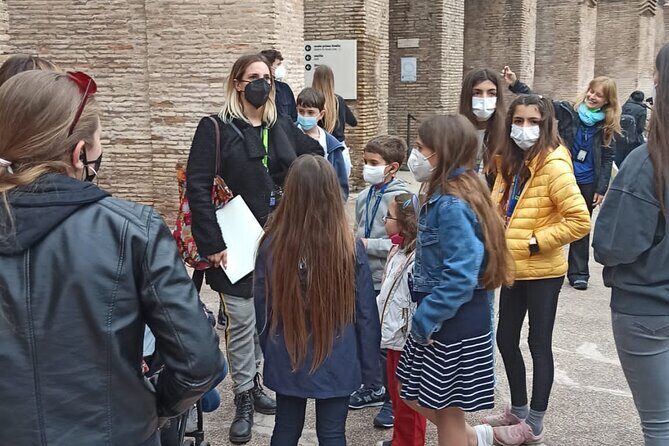
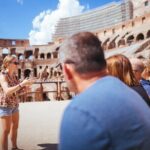
This tour caps at 12 travelers, and that matters more than you’d think. It makes the visit feel organized instead of chaotic. You can ask questions without shouting. Your guide can slow down when a person needs extra context.
In the tour experience, guides also seem to tailor pacing to the group’s energy. Some people mention that the route includes periods with stairs and hills, and a few note that the pace can be quick. The best move is simple: if you need a slower tempo, tell the guide early. They can adjust rather than wait until you’re already tired.
Also, if you’re traveling with kids, this type of guided structure helps a lot. You get a story arc that makes the ruins easier to understand, instead of a checklist of stones.
Choosing a Morning or Afternoon Departure
You can choose between morning or afternoon departures. That’s not just convenience—it can affect how much you enjoy the day.
Morning often means easier crowd control and lighter heat. Afternoon can still be great, especially if your guide knows when to take shade breaks and how to manage time so you don’t feel stuck in the warmest moments for too long. On hot days, it helps when a guide builds in stops and shade whenever possible.
If you’re flexible, I’d choose the time that works best for your energy. The tour is short enough that you don’t have to “save the whole day,” but active enough that you’ll feel it if you start already exhausted.
Price and Value: What $156.07 Really Buys
The price is $156.07 per person for about 3 hours. On its face, that’s not cheap. But look at what’s included:
- an expert English-speaking guide
- a Colosseum ticket plus arena floor special access (valued as an additional €24 per person)
- reservation fees
- admissions for the Roman Forum and Palatine Hill
- admission for the Arch of Constantine
- mobile ticket convenience
- all fees and taxes
The value logic is straightforward: you’re paying for reserved entry access, a guided narrative (so you understand what you’re seeing), and the arena-floor add-on you typically can’t replicate with a standard ticket.
What you don’t get is hotel pickup/drop-off. So your real cost is time spent getting to the meeting point, plus transport around central Rome.
If you’re the kind of traveler who likes to get the important stuff done without wasting half a day in queues, this price starts to make sense fast.
Meeting Point, Timing, and the ID Rule That’s Easy to Miss
The meeting point is Piazza del Colosseo, 21, 00184 Rome. You’ll end outside the Roman Forum area, where your guide can point you toward dinner spots.
Two practical rules are non-negotiable:
- Be there 15 minutes early. Rome streets can be confusing, and you want stress-free arrival.
- Your ID must match the booking name exactly. Names on the reservation must match the ID you bring—no photocopies. The Colosseum checks documents, and if they don’t match, you may be refused entry.
Your start time can shift up to a week in advance for logistical reasons, so always double-check closer to the date.
Who This Tour Fits Best (And Who Might Prefer Another Plan)
This tour fits best if you:
- want a first-time Rome introduction with structure
- care about seeing the Colosseum from more than one angle
- like guided context that ties architecture to Roman society
- want the Forum and Palatine Hill without having to organize tickets and route yourself
It may feel like a lot if you:
- need a very low-walking plan
- hate stairs and uneven ground
- prefer slow, unstructured sightseeing
One extra comfort note: some people mention the guide offered flexibility if someone became exhausted. That’s not something to count on blindly, but it’s a reminder that asking early helps.
Should You Book This Colosseum + Arena Floor Tour?
I’d book it if your priority is impact over checklisting. The arena-floor access is the big reason, and it’s paired with a smart, efficient route that gets you into the Forum and Palatine Hill without turning the day into a queue marathon.
Before you click confirm, do three quick checks:
- Make sure you can handle the walking and stairs
- Keep your next plans flexible in case the tour runs a bit longer
- Double-check the ID name rules so entry doesn’t become a surprise problem
If that all looks good, this is one of those Rome experiences where the cost buys meaning. You leave with a Colosseum that feels less like a photo and more like a place that once ran the city’s imagination.
FAQ
How long is the Colosseum tour with arena floor access?
It runs for about 3 hours.
Is it a small-group tour?
Yes. It’s semi-private with a maximum of 12 people.
Does the tour include Colosseum arena floor access?
Yes. You get Colosseum admission with special access that includes the arena floor.
What stops are included?
You visit the Colosseum, the Arch of Constantine, the Roman Forum, and Palatine Hill.
Where do I meet the tour guide?
You meet at Piazza del Colosseo, 21, 00184 Rome, Italy, and the tour ends just outside the Roman Forum area.
Do I need to bring ID?
Yes. Your reservation name must match your ID exactly. Bring a valid ID document for each participant (no photocopies).
Is hotel pickup included?
No. There’s no hotel pickup or drop-off.