REVIEW · ROME
Colosseum,Vatican Museum & Sistine Chapel in One Day Guided Tour
Book on Viator →Operated by Tour In Rome by Tour in the City · Bookable on Viator
Rome in one intense stretch. This tour strings together the Colosseum with the Roman Forum and Palatine Hill, then keeps momentum with the Vatican Museums and Sistine Chapel, all with a guide steering the day. I love the skip-the-line entry style because it turns a huge chunk of waiting time into actual sightseeing, and I love the included audio headsets that help you keep up even when the groups get loud and fast.
One thing to plan around: arena floor access isn’t part of this package. You’ll reach the arena area for the story of how the Colosseum staged spectacle, but you should not expect full “on-the-floor” access.
In This Review
- Key things to know before you go
- A five-hour plan that works when Rome is busy
- Entering the Colosseum (and understanding the spectacle)
- The one catch: no full arena-floor access
- Roman Forum and Palatine Hill views: the quick context hit
- Lunch break in the middle of the day
- Vatican Museums without the stuck-in-line feeling
- Greek and Roman sculpture: the “before” to the Renaissance
- Candelabri, Tapestries, and Maps: short stops that teach you how to look
- Galleria dei Candelabri
- Gallery of Tapestries
- Gallery of Maps
- Sistine Chapel: fast, focused, and worth the final push
- What the headsets actually help with
- Price and value: what you’re really paying for
- Who this tour fits best
- Should you book this one-day Colosseum and Vatican tour?
- FAQ
- FAQ
- How long is the tour?
- What’s included in the price?
- Is lunch included?
- Where does the tour start and end?
- Do I need to bring a passport or ID?
- Does the tour include St. Peter’s Basilica?
- Are arena-floor tours included at the Colosseum?
- What’s the maximum group size?
- Will the order of sites always be the same?
- Are headsets provided?
Key things to know before you go
- Skip-the-line entry at the Colosseum and Vatican saves time when crowds are at their worst
- Headsets included so you can actually follow the guide, not just hear muffled announcements
- Colosseum highlights focus on mechanisms and spectacle like trapdoors and animal-holding areas
- Vatican Museums viewing happens in focused bursts (Candelabri, Tapestries, Maps) instead of trying to do everything
- Sistine Chapel is short and targeted with Michelangelo’s Last Judgement at the center
- Small group size (max 25) makes it easier to move and stay oriented
A five-hour plan that works when Rome is busy
This is the kind of day that only makes sense in Rome. You’re not trying to “see Rome.” You’re trying to see two giants—ancient Rome and Vatican Rome—without losing half your day to lines.
The tour runs about 5 hours, with the order sometimes shifting based on ticket availability. It’s also built to keep you moving: Colosseum first, then a break for lunch on your own, then the Vatican side. If your schedule is tight (cruise day, first-time Rome day, or you just can’t afford more queue time), this format is a practical way to get the big hits.
I also like the pace balance. The Colosseum portion is structured and story-driven, and the Vatican Museums portion breaks the day into stop-friendly segments so you’re not mentally sprinting through a warehouse of art.
More Colosseum + Vatican combos for the Colosseum & Ancient Rome
Entering the Colosseum (and understanding the spectacle)
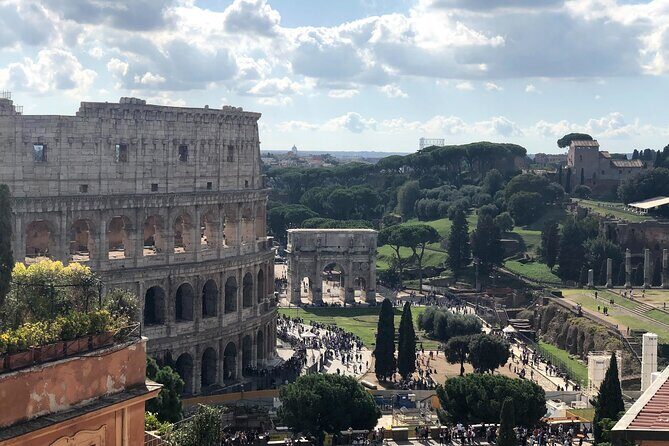
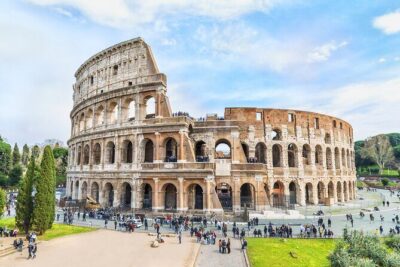
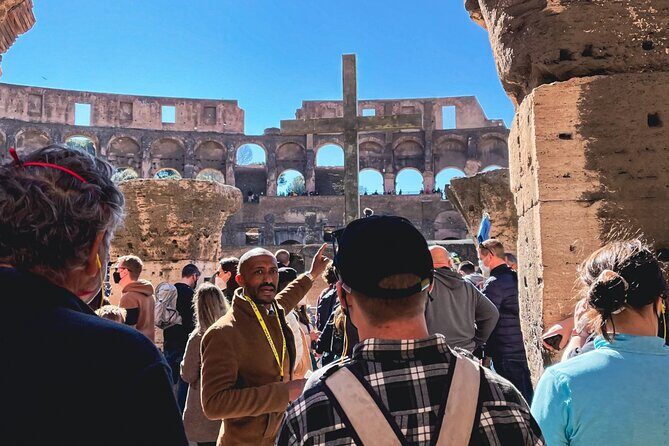
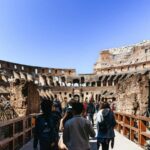
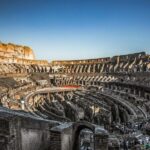
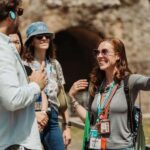
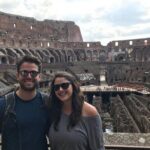
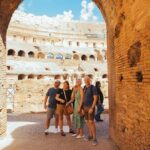
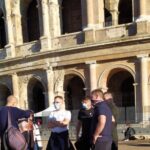
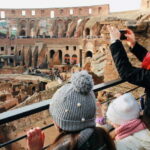
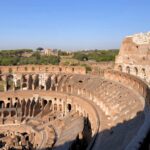
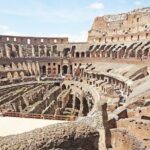
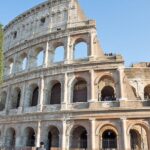
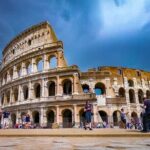
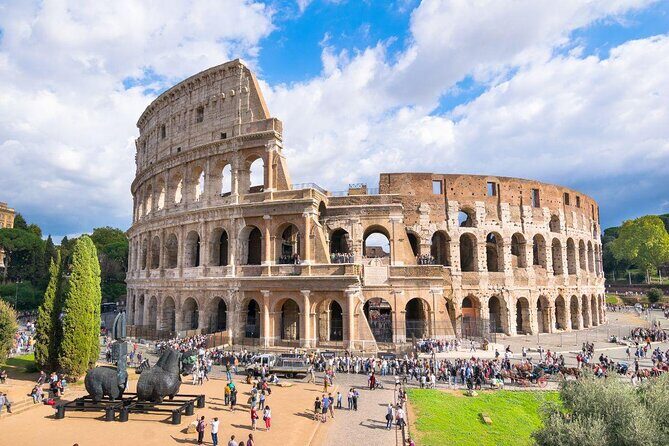
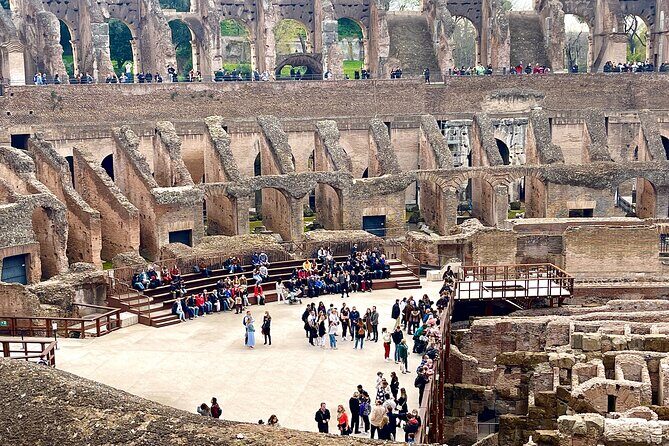
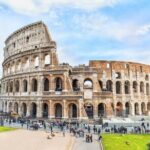
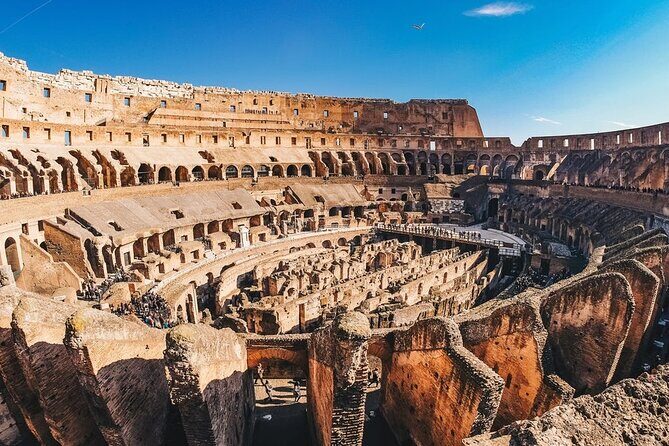
Your Colosseum time is about 1 hour with a guided walk that focuses on what made the building so effective: the games, the violence, and the Roman engineering that pulled it off.
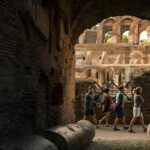
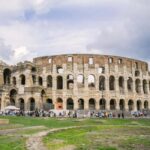
You start with the monument itself—the Roman Forum and Palatine Hill connection is part of the overall Colosseum experience—then you work your way around the lower levels and toward the arena area. The guide’s approach is built around story: how the games were staged, how construction techniques enabled the show, and what the visitors would have experienced inside.
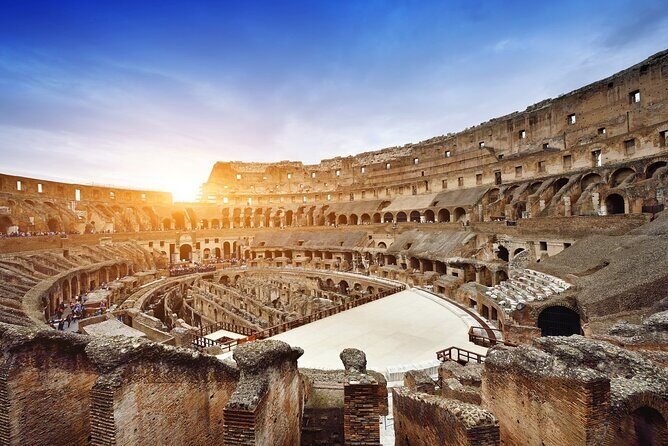
What I think is especially useful here is the emphasis on how the spectacle was produced:
- trapdoors and staged mechanisms that changed what appeared when
- cages used to hold animals before the games started
- rooms tied to the operations behind the scenes
- sea-battle stories and the role of Roman technical ambition
These details matter because they turn the Colosseum from a photo backdrop into a machine for entertainment. Even if you’ve read about gladiators before, the inside-the-stories angle helps it click.
The one catch: no full arena-floor access
One drawback to keep in mind: this tour does not include arena floor access. You’ll still get an up-close sense of the space and the machinery story, but don’t plan your expectations around walking the exact arena floor the way some other tours advertise.
Roman Forum and Palatine Hill views: the quick context hit
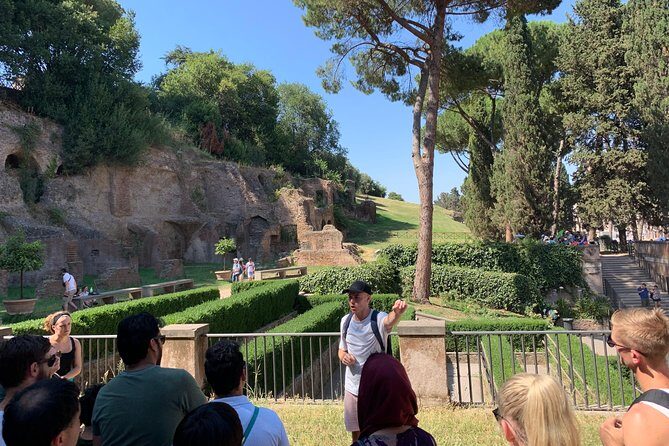
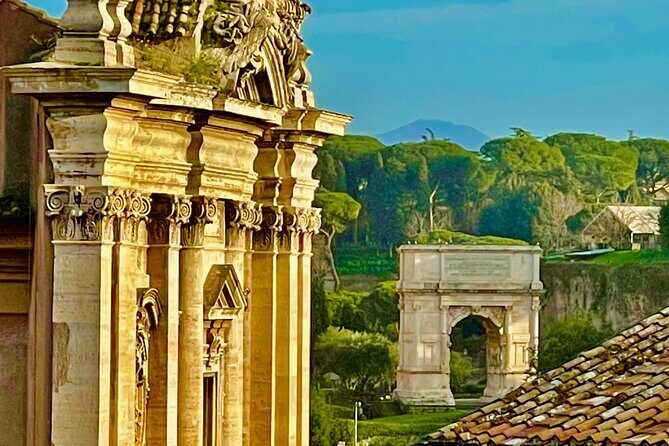
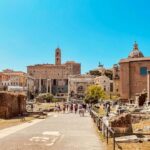
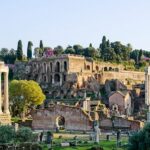
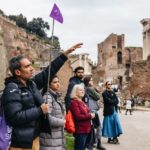
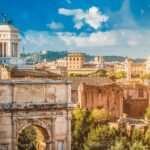
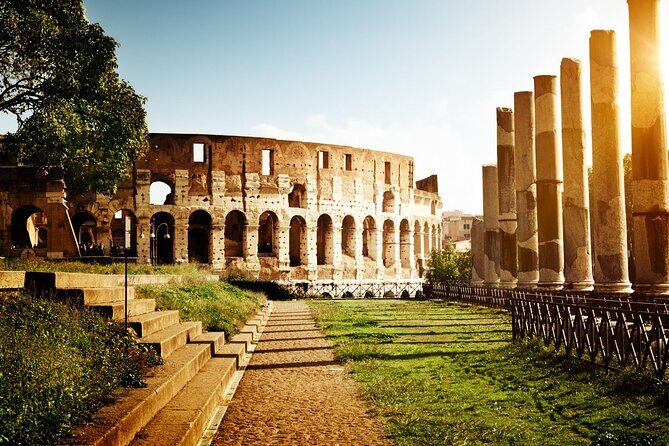
The Colosseum is only half the equation. The other half is what surrounded it—the civic heart of ancient Rome. This experience is set up to pair the Colosseum with Roman Forum and Palatine Hill coverage as part of the Colosseum Roman Forum guided tour.
For you, that means you get quick context without needing a second guide or a second ticket type. You’re not just seeing a standalone arena; you’re connecting it to the place where power, public life, and ceremony all overlapped.
And yes, the site is big and the layout can feel confusing when you’re tired. That’s where the guided route pays off. You’re more likely to understand what you’re looking at instead of wandering between famous ruins with only your phone for comfort.
Lunch break in the middle of the day
After the Colosseum portion, you get free time for lunch. It’s own expense, and the goal is to give you enough breathing room before the Vatican Museums start.
Then you meet back up at the operator’s office in Via Leone IV 6 by 1:30 pm. After that regrouping, your Vatican guide takes over and you move into museum mode.
This reset is a big deal. Colosseum mornings can leave you sweaty and mentally noisy. A real break helps the Vatican portion feel like art viewing instead of just endurance tourism.
Other guided tours in Rome
Vatican Museums without the stuck-in-line feeling
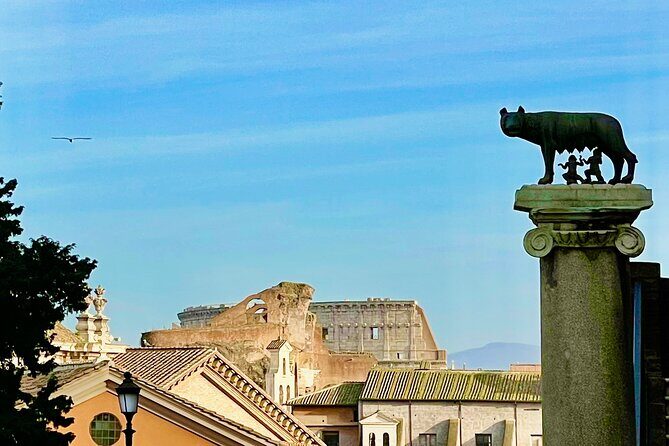
The Vatican Museums portion is guided, and it’s time-limited in a smart way: about 1.5 hours, with curated stop segments rather than trying to do the entire museum.
The guide’s framing gives you a sense of Catholic Church history and also the artistic rivalry between Renaissance artists—useful context when you’re staring at works created by people who were competing for prestige.
Greek and Roman sculpture: the “before” to the Renaissance
A highlight included in your route is the Greek and Roman sculpture section, including Laocoön and His Sons. This helps you see the Vatican as more than just Renaissance frescoes. You’re also seeing how the museum’s ancient collections shape what later artists valued.
If you’re the kind of traveler who gets overwhelmed by museum scale, this stop choice matters. It gives you an anchor collection you can actually process during a short window.
Candelabri, Tapestries, and Maps: short stops that teach you how to look
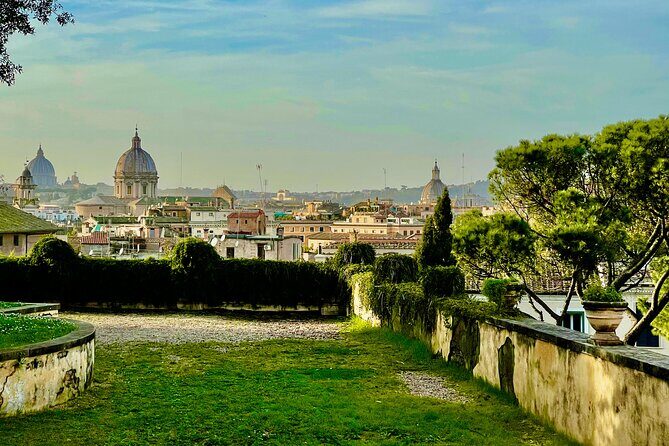
The Vatican Museums segment includes several quick gallery moments. They’re brief, but they’re chosen for variety—so you can keep your brain fresh.
Here’s what you’ll hit, with what it means for your visit:
Galleria dei Candelabri
You pass through the Chandelier Gallery, named for the marble chandeliers in this area. In practice, this is a great palate cleanser after sculpture and before tapestries and maps. You’re shifting from bodies and myth to architecture and decorative design.
Gallery of Tapestries
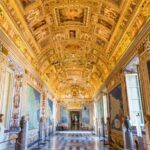
You get the elegance of the tapestry gallery, made with tapestries created by Raphael’s disciples. Tapestries can be hard to appreciate fast because they’re detailed and often dimly lit, but having a stop with a guide helps you notice the craftsmanship instead of just walking past.
Gallery of Maps
The Maps Gallery is a standout because it’s specific: maps representing Italy as seen by a cartographer in 1581. Even if you don’t nerd out on cartography, it’s a smart way to add a different kind of “art” to your day—one that connects geography, politics, and imagination.
Sistine Chapel: fast, focused, and worth the final push
The Sistine Chapel stop is about 30 minutes. That’s not long, but it’s designed to land the essentials instead of scattering your attention.
You’ll admire major representatives of Italian art listed for the tour, including Leonardo, Perugino, and Beato Angelico, then you go to Michelangelo’s masterpiece: The Last Judgement.
The value here is control. In a place this famous, the risk is that you arrive mentally tired or look for the highlight you already know and miss everything around it. With a guided plan and a set amount of time, you’re more likely to take in more of what the chapel offers than you would wandering in alone.
What the headsets actually help with
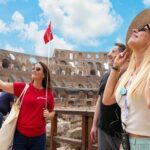
This tour includes audio headsets, and that’s more than a small comfort. In Rome, sights can be loud, crowds can form, and guides can walk faster than your eyes want to move.
Headsets do three practical things:
- they keep the guide’s narration clear when you’re not right beside them
- they help you follow the story beats (especially at the Colosseum where mechanisms and staging get technical)
- they reduce the frustration of constantly trying to “catch up” with your group
It also makes the day feel less chaotic. You can focus on what you’re seeing instead of guessing what your guide just said.
Price and value: what you’re really paying for
This costs $231 for about 5 hours, including guided Colosseum and Vatican Museum experiences, headsets, and admission tickets. The Colosseum ticket and reservation fee are specifically called out, while the rest of the total covers other services.
So is it worth it? For me, the value comes down to two things you can’t easily buy with DIY tickets:
- Time saved from skip-the-line style entry at both major sites
- Guided interpretation that turns famous spaces into something you can actually understand in the time you have
If you’re traveling with limited time, a day like this can be cheaper than paying for separate guided tours plus losing hours to queues. If you have flexibility and really want slow museum wandering, DIY might cost less. But you’d be choosing that trade-off on purpose.
Who this tour fits best
This works best if you:
- have a limited schedule and want the Colosseum plus the Vatican in one day
- care about understanding what you’re seeing, not just collecting photos
- prefer a guided route that breaks the Vatican into manageable pieces
- like small-group movement (up to 25)
It may not be ideal if you:
- need full arena-floor access at the Colosseum (not included here)
- want an unhurried, self-paced Vatican Museums day
- feel sensitive to delays at security checkpoints (pre-booked visitors can still face screening)
Also, the tour notes that it’s not recommended for people with motor lag, and children must be accompanied by an adult.
Should you book this one-day Colosseum and Vatican tour?
Book it if you want a realistic shot at hitting the two biggest Rome cultural anchors without burning your whole day waiting in line. The combination of skip-the-line entry, guided storytelling (especially in the Colosseum), and headsets is the reason this format makes sense for first-time or time-crunched visitors.
Skip it (or consider a different style) if you’re hoping for arena-floor access, or if you want to linger in the Vatican at your own pace for hours. This is a tight plan. Tight plans can be great value—if you’re comfortable moving through each highlight before it fades.
FAQ
FAQ
How long is the tour?
It runs for about 5 hours (approx.).
What’s included in the price?
You get Colosseum and Roman Forum guided touring, Vatican Museums and Sistine Chapel guided touring, audio headsets, admission tickets for the Colosseum and Vatican stops, and all fees and taxes. Food and drinks are not included.
Is lunch included?
No. You’ll have free time for lunch, but it’s own expense.
Where does the tour start and end?
Both the start and end are listed as 00120, Vatican City.
Do I need to bring a passport or ID?
Yes. Each traveler must present a valid passport or ID document that matches the name provided at booking for entry to the Colosseum and Roman Forum.
Does the tour include St. Peter’s Basilica?
No, a St. Peter’s Basilica tour is not included.
Are arena-floor tours included at the Colosseum?
Arena-floor access is not included as part of this experience.
What’s the maximum group size?
The tour has a maximum of 25 travelers.
Will the order of sites always be the same?
The order can vary depending on ticket availability, and timing for Vatican Museums and the Colosseum may change based on availability.
Are headsets provided?
Yes. Headsets are included so you can follow the narration during the tour.