REVIEW · ROME
Best of Colosseum Experience: Exclusive Tour in 40 Languages
Book on Viator →Operated by Veditalia · Bookable on Viator
Three Roman legends, one tight route. This Colosseum–Forum–Palatine Hill tour strings together three must-sees with included admission tickets and a real-time AI translation feed, so you can follow what matters without language guessing. The trade-off is the pace: 3 hours is a lot of ground, so you’ll want comfortable shoes and concise questions.
I also like the small-group setup (max 25) because it keeps the experience from feeling like a school bus shuffle. Past departures have featured guides such as Theresa, Elizabeth, and Naomi, and the vibe is consistently friendly, patient, and schedule-minded—even when the weather turns.
In This Review
- Key things to know before you go
- How the real-time translation makes ancient Rome make sense
- Entering the Colosseum: tickets included, plus an ID must
- A quick pacing reality check
- Palatine Hill: where Rome’s myths and emperors share the same view
- The main downside: this hill is better with a steady pace
- Roman Forum: the political heartbeat on the Via Sacra
- What you should pay attention to
- Price and value: what $45.86 buys you (and what it doesn’t)
- Group size, logistics, and why the meeting point matters
- Weather and mood: how guides handle real Rome conditions
- Who this tour fits best
- Should you book this Colosseum, Forum, and Palatine Hill tour?
- FAQ
- FAQ
- How long is the Colosseum, Roman Forum, and Palatine Hill tour?
- What’s included in the ticket price?
- Do I need an ID to enter the Colosseum?
- Where do I meet the guide?
- Is the tour in multiple languages?
- Is food included during the tour?
Key things to know before you go
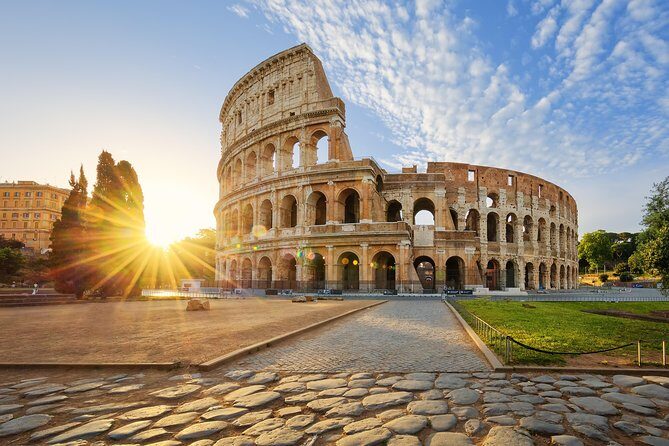
- Three sites, one guided route: Colosseum, Palatine Hill, and the Roman Forum in one outing
- AI translation in your ear: real-time narration delivered through the app/device (if selected)
- Tickets included: no separate entry buying for these main stops
- Small groups and headsets: max 25 travelers, plus audio support when needed
- Passport/ID is mandatory for the Colosseum: don’t leave it in the hotel
- A timed, 3-hour format: great for packed days, long for slow walkers
How the real-time translation makes ancient Rome make sense
Rome’s big monuments can feel like a slideshow if you miss the story. This tour’s main advantage is the AI translation system that turns the guide’s spoken narration into your language with a short delay—about 5 to 15 seconds. So you’re not stopping to read every sign, and you’re not stuck playing the guessing game when the guide points out something small but important.
The translation is designed to be straightforward: the guide speaks naturally in their language, and the narration is delivered directly to your earphones. The system is reported to hit 90%–100% accuracy across multiple languages, using neural voices for audio that sounds natural rather than robotic. If you’re traveling with a mixed-language group, this is the kind of tool that keeps you all hearing the same explanation at the same time.
One practical thing to watch: the AI translation works only if you’ve selected the smartphone/app option. If you have, you’ll use the device during the tour and then return/rent it at the end. The upside is huge for non-Italian speakers: you get context while you’re standing in the exact place where the events happened.
More Exclusive & VIP access tours for the Colosseum & Ancient Rome
Entering the Colosseum: tickets included, plus an ID must
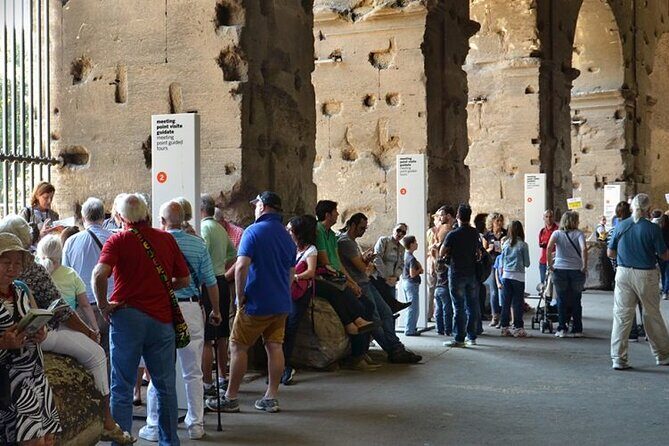
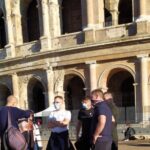
The tour starts at Piazza del Colosseo, 1a—a location that’s easy to reach with public transit. You’ll want to arrive about 15 minutes early, because if you’re late and miss departure, refunds aren’t possible.
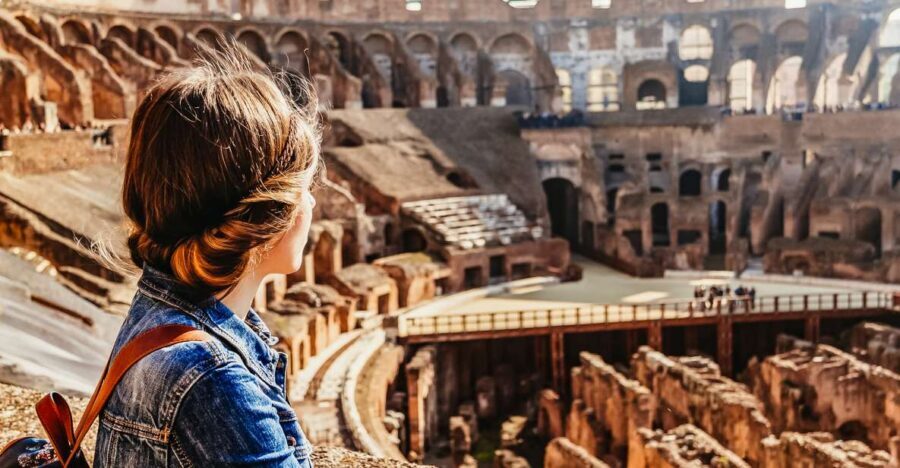
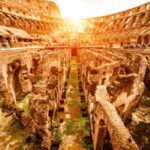
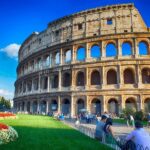
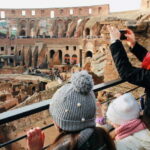
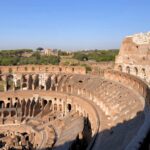
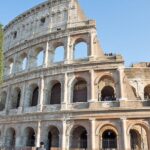
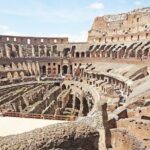
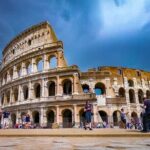
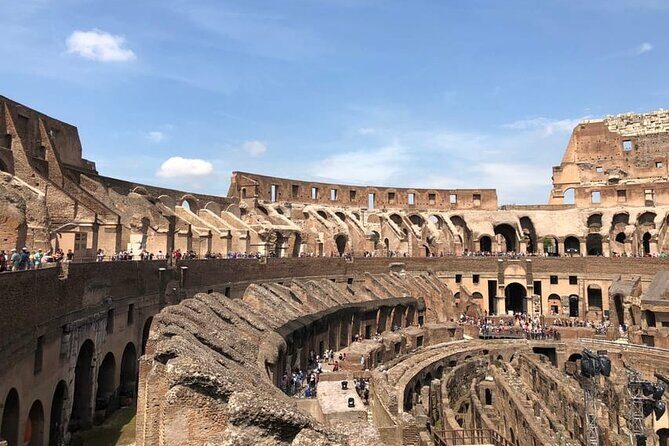
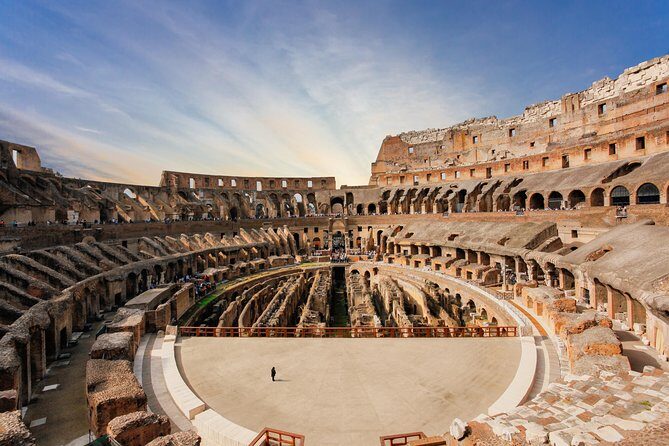
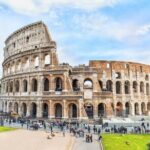
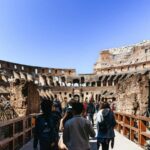
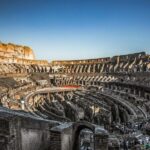
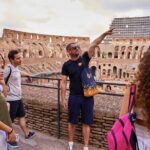
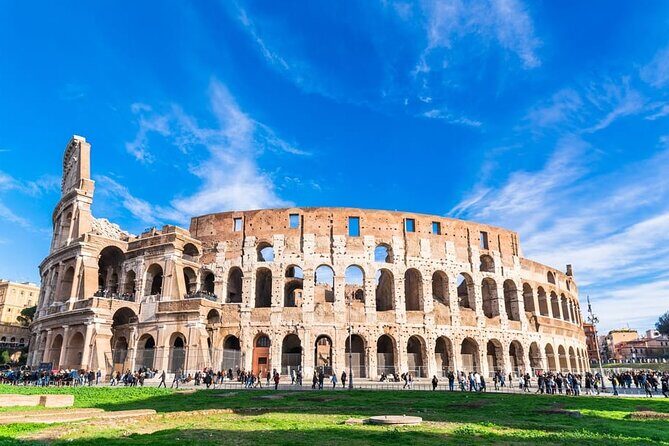
At the Colosseum, you’ll get about one hour with the guide and included entry. This isn’t just a wall-of-stone photo stop. You’ll hear what the building was made for: gladiator contests, animal hunts, and even staged mock naval battles. The Colosseum was completed around 80 AD under Emperor Titus and could hold up to 80,000 spectators, which is why the scale still feels unreal today.
Here’s what I think is most useful about an organized visit: you don’t just see the ellipse and arches—you learn what you’re looking at. The Colosseum has survived earthquakes and centuries of looting, so the structure you see today is a patchwork of remains and reconstruction. A guide helps you connect the visible pieces to the original design and purpose, rather than treating every stone fragment as an isolated fact.
Important detail: you must bring a passport or ID for entry to the Colosseum. Don’t assume a photo on your phone counts. If you forget it, you can lose the day at the gate.
A quick pacing reality check
This stop is exciting, but it can also be crowded and weather-dependent. If you’re the type who needs a long, unhurried look before moving on, you may feel slightly rushed—because the tour is built around three separate one-hour blocks.
Palatine Hill: where Rome’s myths and emperors share the same view
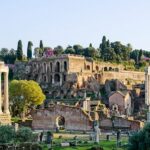
After the Colosseum, you’ll head to Palatine Hill for another hour. This is one of Rome’s seven hills, and it’s central to the city’s origins. The big idea here is that Palatine Hill isn’t just ruins—it’s the site of imperial life, legends, gardens, temples, and viewpoints.
You’ll walk through the ruins of imperial palaces, including the area associated with Emperor Augustus. Even if you know the story of Rome’s beginnings, the physical setting is what makes it click: the hill is tied to the mythic founders Romulus and Remus, while also hosting the real power structures of later emperors.
What I like about including Palatine Hill in this particular tour is the “zoom out” feeling. The Colosseum is spectacle and crowd energy. Palatine Hill shifts to residence and control—less noise, more meaning. Plus, you get stunning views back toward the Roman Forum and the Colosseum, which helps your brain put the city into order.
The main downside: this hill is better with a steady pace
Palatine Hill is famous for views and ruins, but it also means uneven ground and steps. If you’re managing mobility issues or you don’t enjoy climbing, this is the one stop where the walking could feel more demanding.

Roman Forum: the political heartbeat on the Via Sacra
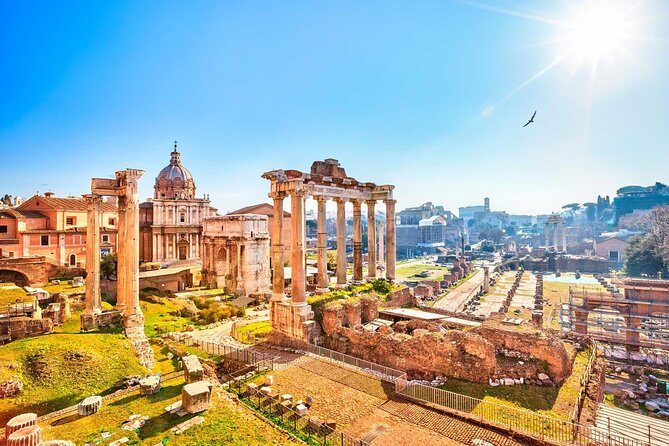
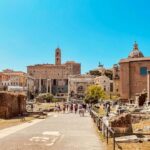
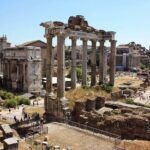
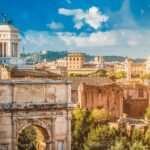
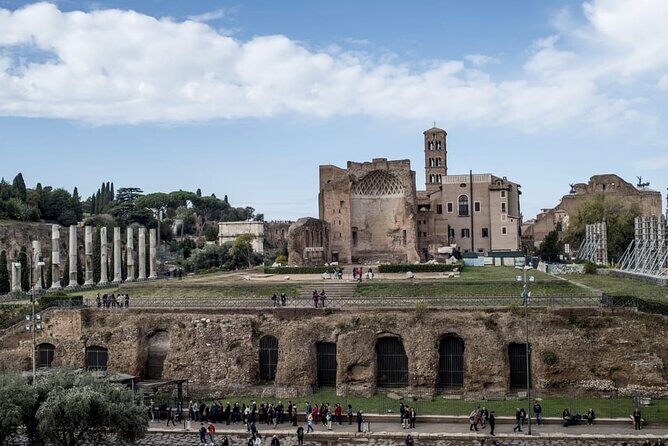
The final major stop is the Roman Forum (Foro Romano), again with about one hour of guided time. Think of the Forum as the civic center of ancient Rome—politics, religion, and public life happening in the same area, over and over, for centuries.
This is where you’ll hear what the guide points out along the main routes and building remnants, including sites such as:
- the Senate House
- key temples
- the Rostra, where orators spoke
You’ll also get orientation about where it sits: between the Capitoline and Palatine hills, and closely tied to the Via Sacra—the sacred route used for ceremonies and processions. With guidance, it’s easier to understand why people cared about these spaces. You’re not just looking at scattered ruins; you’re seeing a map of how Roman public life worked.
What you should pay attention to
I recommend keeping your ears open for how the Forum changes over time. The Forum mattered from the Republic era through the Empire, so the buildings and power centers evolved. A good guide helps you see patterns rather than just dates.
Also, remember this stop is part of a timed tour. If the Forum is your number one obsession, you’ll still appreciate the overview—but you may want extra unstructured time afterward to linger.
Price and value: what $45.86 buys you (and what it doesn’t)
At $45.86 per person, this is priced like a mid-range “big three” guided experience, especially because admission tickets are included for the Colosseum and the other main areas you visit. For a packed itinerary, bundling these three highlights can be good value compared with piecing it together separately and trying to manage timing on your own.
The tour lasts about 3 hours and runs with small groups (up to 25). If your group is over 6 people, audio headsets are provided, which can make a real difference in a loud outdoor setting. You won’t have to strain to hear the explanation while you’re looking at the stones.
You’ll also get a legally licensed guide, and that matters here. In Rome, the difference between reading generic plaques and hearing a guide connect the dots is huge—especially when you’re also relying on the AI translation.
What’s not included: food and drinks. So if you’re scheduling lunch afterward, don’t build in a long meal midway through. Plan a snack stop before or after, not during the tour.
One timing note: the experience is typically booked about 83 days in advance on average. That’s a sign the better slots go fast, especially in busy seasons.
Group size, logistics, and why the meeting point matters
You’ll start at Piazza del Colosseo, 1a, 00184 Roma RM and end back at the meeting point. The tour is near public transportation, which is helpful because Rome’s walking routes can add up quickly.
The group limit is max 25 (and described as smaller groups in the low-to-mid twenties). I like that because you get some interaction with your guide without getting swallowed by the crowd. In Colosseum-area tours, group behavior can make or break your experience—this format aims to keep things controlled.
And yes, the mobile ticket approach helps you stay light. You won’t be juggling printed documents on a busy day.
Weather and mood: how guides handle real Rome conditions
Rome doesn’t care about your plans, and you’ll likely encounter wind, sun, or sudden rain. In past experiences tied to this tour format, guides like Theresa and others kept a calm, structured approach even during heavy rain. That’s more than a comfort detail: when the weather shifts, a guided route helps you keep moving and avoids the common slowdown that turns a short tour into a long one.
If you want the tour to stay enjoyable, dress for the weather and bring a backup layer. Also, keep your expectation aligned with the schedule: this is built to cover three major sites, not to linger indefinitely.
Who this tour fits best
This is a strong match if:
- you want three top Rome sites without creating your own timing puzzle
- you don’t speak Italian and want real-time translation while you’re walking
- you prefer small-group guidance over large crowds
- you’re okay with a 3-hour format and a fairly structured route
It may be less ideal if:
- you want a slow, museum-style pace
- you’re very sensitive to steps and uneven ground (Palatine Hill can be the tricky one)
- you’re planning to skip ID on principle (don’t)
Should you book this Colosseum, Forum, and Palatine Hill tour?
If your day is packed and you want the heavy hitters—Colosseum, Palatine Hill, and the Roman Forum—this tour is a practical way to get them with built-in context. The combination of included admissions, small group size, and AI translation is the real value engine, especially if you’re traveling across languages.
I’d book it if you’re the kind of person who likes to understand what you’re seeing while you’re seeing it, rather than sorting it out later from photos and notes. Just remember: bring your passport or ID, wear shoes for uneven ground, and plan a little extra time afterward if the Forum or Palatine Hill pulls you in.
FAQ
FAQ
How long is the Colosseum, Roman Forum, and Palatine Hill tour?
The tour runs for about 3 hours total, with roughly one hour at each stop: the Colosseum, Palatine Hill, and the Roman Forum.
What’s included in the ticket price?
The tour includes a legally licensed tour guide, admission tickets for the sites visited, and audio headsets when the group is more than 6 people. If you selected it, you’ll also use a smartphone with AI real-time multilingual translation.
Do I need an ID to enter the Colosseum?
Yes. Bringing a passport or ID is mandatory for access to the Colosseum.
Where do I meet the guide?
The meeting point is at Piazza del Colosseo, 1a, 00184 Roma RM, Italy. The tour ends back at the meeting point.
Is the tour in multiple languages?
The tour uses an AI real-time translation system that translates the guide’s narration into multiple languages, delivered to your earphones after a short delay.
Is food included during the tour?
No. Food and drinks are not included, so plan a snack or meal around the tour time.