REVIEW · ROME
Ancient Rome Guided Tour: Colosseum, Forum and Palatine
Book on Viator →Operated by Gray Line I Love Rome by Carrani Tours · Bookable on Viator
Rome hits fast on this three-hour loop. You start above the city with Palatine Hill views, then drop into the Colosseum and finish in the Roman Forum, all without spending your day hunting tickets or meeting up with strangers. It is a packed slice of ancient power, starting with legends and ending with the political heart of Rome.
I especially love the wireless headsets—it is one less thing to stress about when the group funnels into crowds. I also like the structure: a small-group feel (max 20) plus a guide who keeps the pace moving so you see more than the usual stop-and-stare circuit.
One drawback to plan for: this is active. You should have moderate physical fitness, since there is a lot of walking and steep, stair-heavy sections near the Colosseum and on the hills.
In This Review
- Key things I’d plan around
- Half-Day Rome in Three Big Hits
- Where You Meet, and Why You Should Be Early
- Palatine Hill Up First: Seven Hills, Domitian, and Augustus
- Colosseum Entry: AD 72, Gladiators, and a Faster Flow
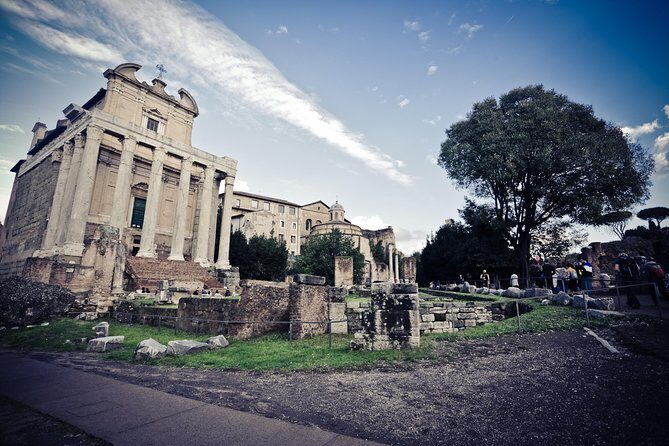
- Roman Forum Route: Via Sacra, Vesta, Antoninus and Faustina, Basilica Julia
- Inclusions and Value: What You’re Paying For
- Pace, Group Size, and the Comfort Factor
- Who Should Book This Tour (and Who Might Want a Different Option)
- Practical Tips So the Tour Feels Smooth
- Should You Book This Ancient Rome Guided Tour?
Key things I’d plan around
- Headsets included so you can hear your guide clearly during crowded sections
- Palatine Hill first for classic viewpoints over the Forum and Circus Maximus
- Timed, guided Colosseum time (about one hour) that focuses on the stories behind the stones
- Forum highlights with a route through Via Sacra, Temples of Vesta, and Basilica Julia
- It’s not a sit-down tour: expect hills and steps, and go in with energy to spare
Half-Day Rome in Three Big Hits
This tour is built for people who want the headline sites without turning it into an all-day endurance event. In about three hours, you cover three of Rome’s most famous zones: Palatine Hill, the Colosseum, and the Roman Forum. The timing matters because you are moving while the sites are still functioning like living places instead of just background scenery.
What makes it feel more than “checklist tourism” is how the route follows Rome’s logic. Palatine gets you up above the city, then Colosseum puts you in the arena mindset, and Forum pulls you into politics, religion, and public life. It is the same city, shown from three different angles.
You can choose a morning or afternoon tour, which is handy when you want to pair it with other must-dos like Vatican day planning (or just to avoid the hottest hours).
More Colosseum, Forum & Palatine combos for the Colosseum & Ancient Rome
Where You Meet, and Why You Should Be Early
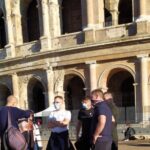
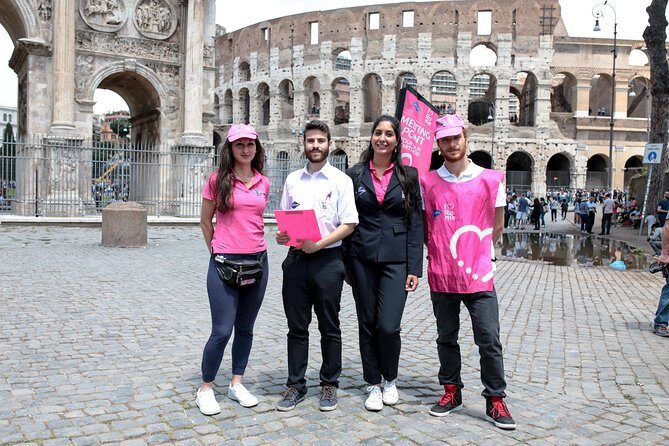
You meet at Via delle Terme di Tito, 75 (Parco di Colle Oppio area). The instructions are clear that you should arrive about 15 minutes before departure and look for staff carrying the I Love Rome logo.
That extra buffer is not just a nicety. The whole experience depends on you entering major sites close to the assigned time window, and Rome has a way of punishing even small delays. I would treat the start time like a train departure: show up early, get your bearings fast, and let the guide handle the rest.
The tour ends in central Rome near Via dei Fori Imperiali, close to the Colosseum. That means you can often keep exploring on your own right after you finish the guided portion, as long as you still have legs left.
Palatine Hill Up First: Seven Hills, Domitian, and Augustus
The tour begins by heading to the top of Palatine Hill, which is a smart opener because you get the best “where am I?” view before you lose the skyline to crowds. From here, you look down over the Roman Forum area and the Circus Maximus, so the route you will walk next feels less random.
Your guide also brings in the legend of the seven hills—not as a trivia flex, but to set up why this area mattered so much. Palatine is tied to early Rome in the imagination, and that helps when you start seeing the ruins not just as rubble but as layers of power.
This part of the stop includes the big-name highlights you will probably recognize on a postcard. You will walk through areas connected to the Hippodrome of Domitian and the House of Augustus. Even if you are not a “roman-architecture person,” having a guide translate what you are looking at can turn “wow, old rocks” into “oh, I get why people cared.”
Time-wise, Palatine is shorter than the Colosseum and Forum (about 45 minutes on the route). That can be perfect for most people. You get the overview and key ruins without wandering until you are too tired to enjoy anything else.
Colosseum Entry: AD 72, Gladiators, and a Faster Flow
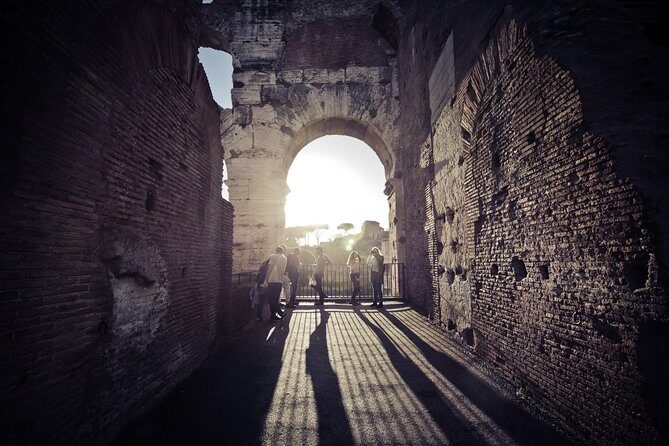
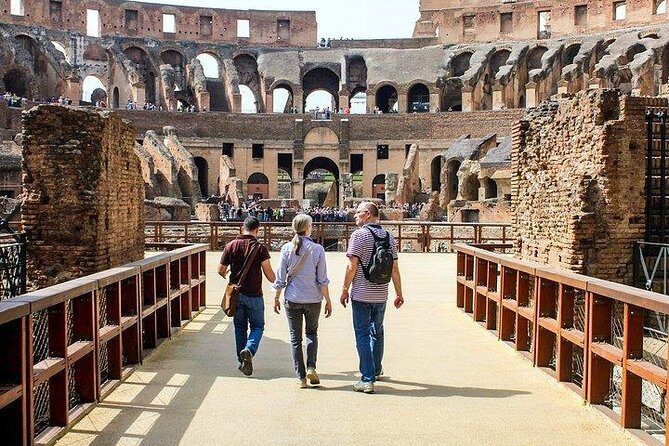
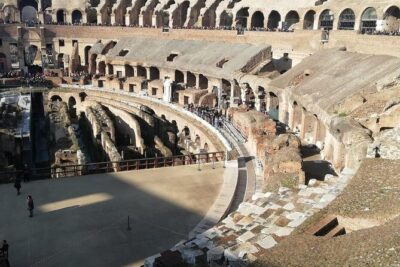
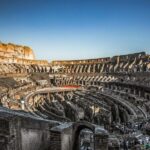
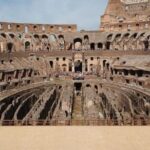
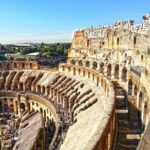
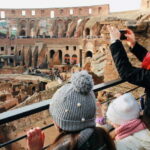
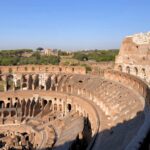
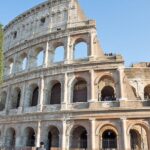
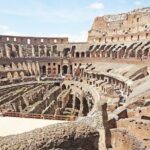
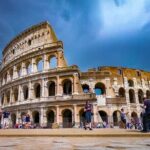
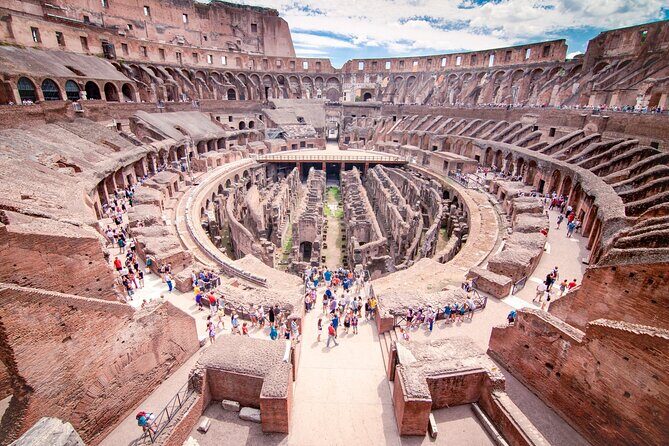
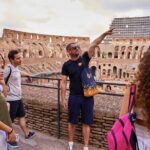
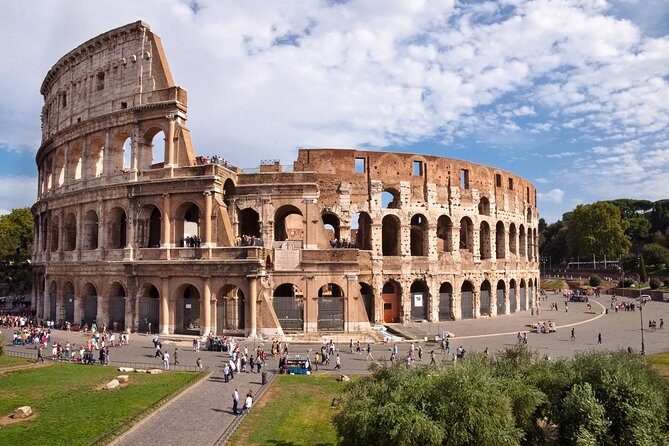
Next comes the main event: the Colosseum. You spend about one hour here with your guide. The building is often described with sweeping superlatives, but what the guide focus usually gives you is context: when it was built, how it was used, and why it became the symbol of Rome.
The Colosseum you visit dates to AD 72, and a good guide helps you understand it as an operating machine for public spectacle, not a museum backdrop. The story of the gladiator games is part of the core experience, since the Colosseum’s design and layout were made for that kind of crowd energy.
A big plus in this tour style is that you are not standing around trying to figure out the entry flow while your day collapses around you. Your tickets include the Colosseum admission, plus a reservation fee (the breakdown given is €18 entrance + €2 reservation per person). In practical terms, that means your day starts with fewer friction points.
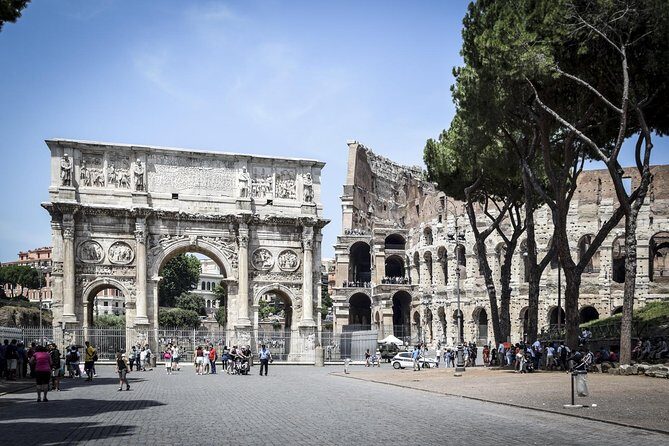
You also stop to admire the Arch of Constantine (dated to AD 315) between the Colosseum and the Forum portion. The arch is quick, but it works as a visual “bridge” from arena Rome to civic Rome.
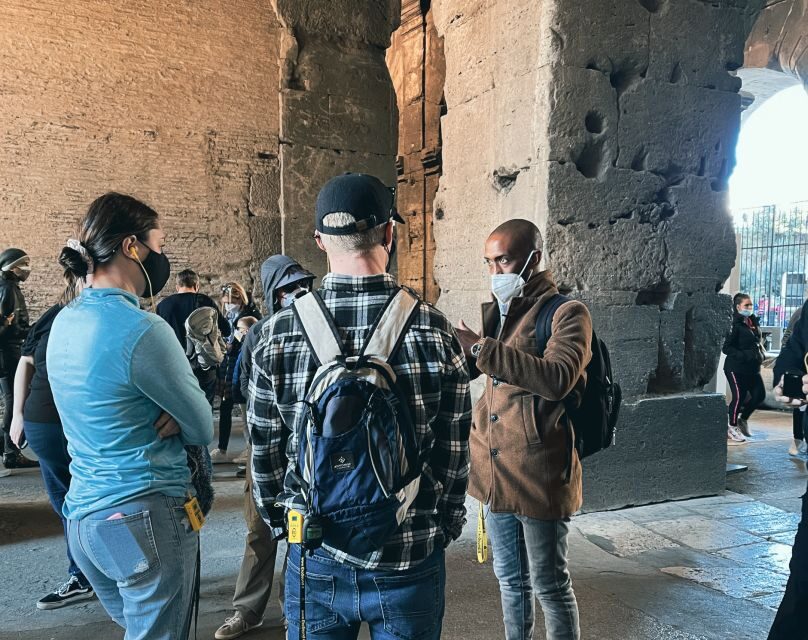
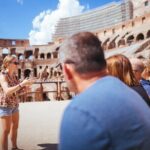
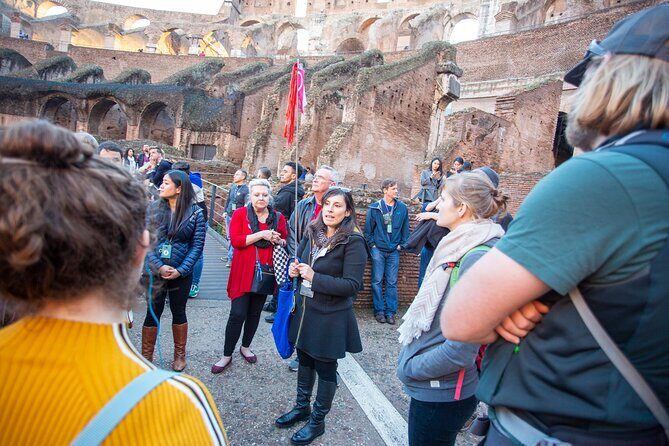
One more thing: you will want the headsets here. The Colosseum gets loud with crowds and route changes, and having clear audio keeps the narration from turning into guesswork. Guides in this format often get praised for keeping the group moving and making sure you can actually follow the story.
Roman Forum Route: Via Sacra, Vesta, Antoninus and Faustina, Basilica Julia
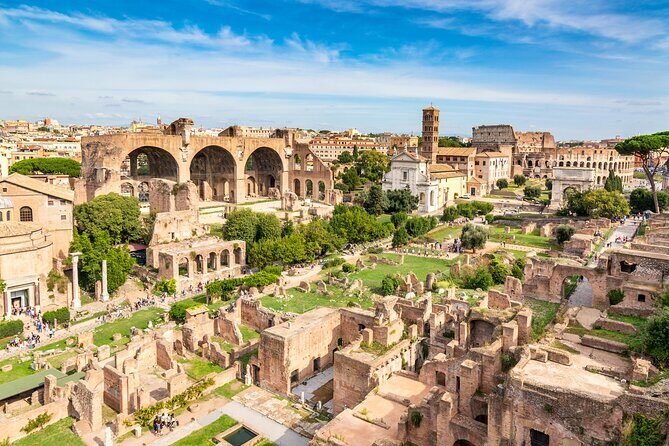
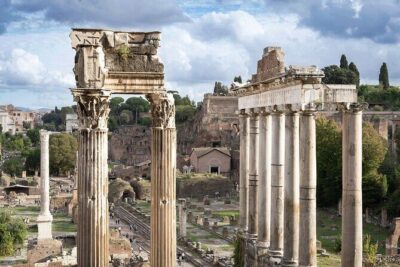
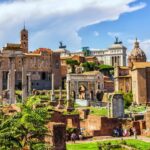
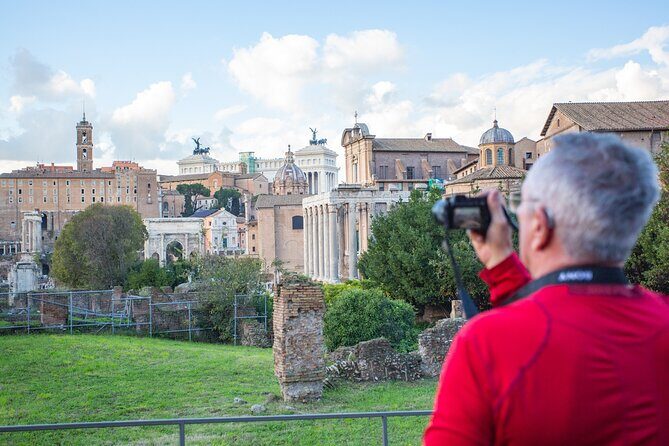
After the Colosseum, you shift into the Roman Forum—an archaeological zone that was the political, juridical, religious, and economic center of ancient Rome. This stop takes about one hour, and it is guided in a way that points you toward the most meaningful zones rather than making you wander blind.
One of the route anchors is Via Sacra, the famous processional route. Walking it with a guide helps you understand why it is still such a big deal: it is not just a road in ruins; it is a movement corridor for ceremonies, announcements, and public theater.
You will also see the Temples of Vesta, plus the Temples of Antonino and Faustina, and the Basilica Julia. These names can sound like a spell list when you first encounter them, but under guidance they become useful landmarks. You start to connect what you saw at the Colosseum (spectacle and state power) with what you are seeing here (public life and authority).
What I like about this Forum-style stop is that it avoids the common trap of “look at everything, then remember nothing.” The guide keeps you on a route where you can piece together the major functions of the area while the Forum still feels like a place, not a maze.
More Palatine Hill tours for the Colosseum & Ancient Rome

Inclusions and Value: What You’re Paying For
The headline price is $71.65 per person for about three hours. That sounds straightforward until you translate it into what matters on-site: entry access, guide time, and the mental energy saved by not coordinating your own timed entry plan.
Here’s what you are explicitly getting:
- Entrance to the Colosseum, Roman Forum, and Palatine Hill
- A professional guide
- Wireless audio headsets
- Colosseum admission coverage, including €18 entrance + €2 reservation fee per person (noted as the Colosseum fees breakdown)
That last part is key for understanding value. Part of what you pay is clearly tied to getting you into the Colosseum efficiently. The rest covers the services that make a short tour actually work: a guide leading you through a tight route and audio gear that keeps you from losing details in crowd noise.
Another practical inclusion is that it uses a mobile ticket. That can be convenient in a city where you are constantly navigating phones, paper maps, and security lines. Just remember you still need passport or ID for entry.
This tour does not include food and drinks, and it does not include hotel pickup or drop-off. You should plan your day accordingly, especially if you have other long sights scheduled later.
Pace, Group Size, and the Comfort Factor
The tour is capped at 20 travelers, which usually keeps it from turning into a slow-motion herd. Still, it is not a “gentle stroll.” The route includes hilltop viewpoints and stair-heavy areas, so you should have a level of comfort walking through crowds and handling uneven ancient stone.
Headsets make a genuine comfort difference. When you can hear your guide clearly, you do not have to strain, ask people to repeat themselves, or fall behind because you missed a key explanation.
The guide experience seems to vary by person, but the format is consistent: you get someone who tells the stories tied to the landmarks and keeps the group moving between zones. Names you may hear include Fabio, Laura, Dimitri, Roxy, Alexandra, Emmanuel (Emanuele), Maria, Rosalba, Mirico, Valentina, and Zarah. If you have a guide preference, you cannot choose in advance from the information provided, but it’s a sign that the company invests in guides who can handle both facts and group pacing.
One note on attention to needs: some guides in this format have been praised for being helpful with restroom timing and waiting for people who walk slower. Still, you should assume the tour has a schedule and you will need to keep up.
Who Should Book This Tour (and Who Might Want a Different Option)
This tour is best for you if:
- You want a high-impact, half-day Rome plan
- You like guided context that turns ruins into stories
- You want headsets so you can actually follow what the guide says
- You can handle moderate walking and steps
It may not be the right pick if you:
- Have impaired mobility and prefer a route with fewer stairs or less uneven terrain
- Expect lots of long sit-down breaks
- Are easily overwhelmed by crowds and tight timing
If you do book and you are unsure about your stamina, I would treat it like a fitness outing: good shoes matter, and start with energy. The Colosseum stairs and the hill surfaces are the places where most people feel it first.
Practical Tips So the Tour Feels Smooth
A small detail that can save your whole afternoon: use the bathroom before the tour starts. There are indications that the scheduled break can be later (one account notes it around 2.5 to 3 hours after start time), and queues in this area can be long.
Also, bring your identification. The tour data is explicit: passport or ID card is mandatory for Colosseum entry. If you have a pacemaker, you will need to show a certificate for screening.
Finally, plan your arrival to the meeting point like a mission. You have a central start location in Rome with specific instructions, and a guided tour depends on the whole group being lined up when the clock says go.
Should You Book This Ancient Rome Guided Tour?
If you want the three big-ticket ancient sites—Palatine Hill, the Colosseum, and the Roman Forum—without building a complicated self-guided plan, this tour is a strong choice. The wireless headsets, included entrances, and guided route are built for a short window, and the structure (views first, then spectacle, then civic power) makes the experience easier to understand.
I would book it when your priority is:
- big sites in limited time
- clear narration over crowd noise
- a guided “route you can actually follow”
I would skip or switch tours if you need a low-walking option or you know steep steps will be a problem. In that case, you may be happier with a slower pace that gives you more control over where you pause.
Overall, for many first-timers this is one of those Rome experiences that teaches you how to look at the city. You leave with a clearer mental map of why these places mattered—and you do it without spending your day stuck in logistics.