REVIEW · ROME
Wheelchair Accessible Colosseum,Pantheon, Trevi & Rome Highlights
Book on Viator →Operated by Accessible Italy Tours · Bookable on Viator
If you want Rome’s biggest hits without the usual scramble, this tour fits. It strings together the Colosseum, Roman Forum, Trevi Fountain, and the Pantheon on a wheelchair-friendly plan with an expert guide.
I especially like the way the Colosseum visit is set up with a route designed for mobility needs, plus a guide who keeps the story clear as you move. Another big plus: Colosseum admission and reservation fees are included, and your ticket is handled as a mobile ticket.
One consideration: even on an accessible route, you’ll still deal with outdoor walking surfaces like cobblestones, so a rollerator or chair user may want to plan for occasional bumps and slower moments.
In This Review
- Key things I’d focus on
- Why this wheelchair-accessible highlights route works
- Entering the Colosseum: timed access and wheelchair-friendly movement
- Quick practical notes before you go
- Roman Forum power walk: arches, politics, and the real center of Rome
- Il Vittoriano and Quirinal Palace sighting breaks
- Trevi Fountain, Piazza Navona, and the Pantheon rhythm
- Trevi Fountain (about 30 minutes)
- Piazza Navona (about 20 minutes)
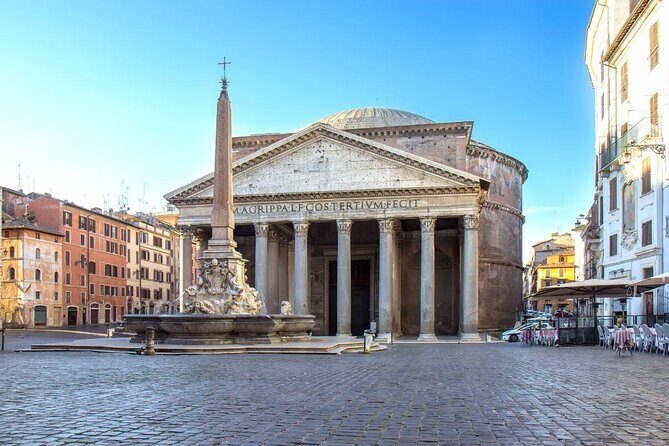
- Pantheon (about 30 minutes) plus Piazza Della Rotonda
- Streets, steps, heat: how pacing affects the whole day
- Price and value: what $431.35 per person is really buying
- Final verdict: should you book?
- FAQ
- How long is the tour?
- How much does the tour cost per person?
- Is this a private tour?
- Is the tour wheelchair accessible?
- What are the start and end points?
- What’s included in the price?
- Are tickets included for Trevi Fountain, Piazza Navona, and the Pantheon?
- What language is the tour offered in?
- What do I need for Colosseum and Roman Forum entry?
- Is it refundable if plans change?
Key things I’d focus on
- Wheelchair-first route through the Colosseum and Forum, not an afterthought
- Professional art historian guide who explains what you’re actually seeing
- Private tour pace designed around mobility, breaks, and comfort
- Top sights in one efficient circuit: Colosseum, Forum, Trevi, Navona, Pantheon
- Pre-booked Colosseum entry with required name matching to avoid entry issues
Why this wheelchair-accessible highlights route works
Rome is famous for great sights and annoying surfaces. What makes this tour more than a checklist is that it builds the day around how you’ll get from place to place. The plan starts at the Colosseum and then follows an order that keeps you moving through central Rome without jumping all over the map.
You also get control in a practical way. Because this is a private tour with your group only, the guide can adjust the pace and even the route to match mobility needs. That matters when your day depends on comfort, not just enthusiasm.
And the guiding style is consistently praised for real support. Names like Tomaso/Tommaso, Francesco, Claudia, Donato, and Maria come up in standout feedback for being patient, helpful, and attentive to wheelchair users. One reviewer even noted the guide would get down to a wheelchair level while explaining, which is the kind of thoughtful detail that can make or break an accessibility-focused tour.
More Colosseum + Pantheon combos for the Colosseum & Ancient Rome
Entering the Colosseum: timed access and wheelchair-friendly movement
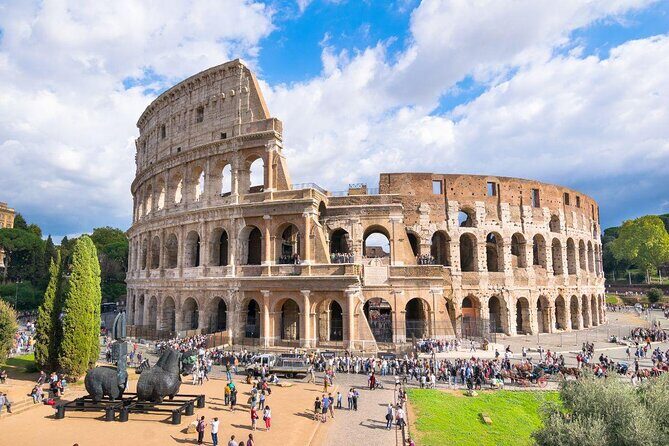
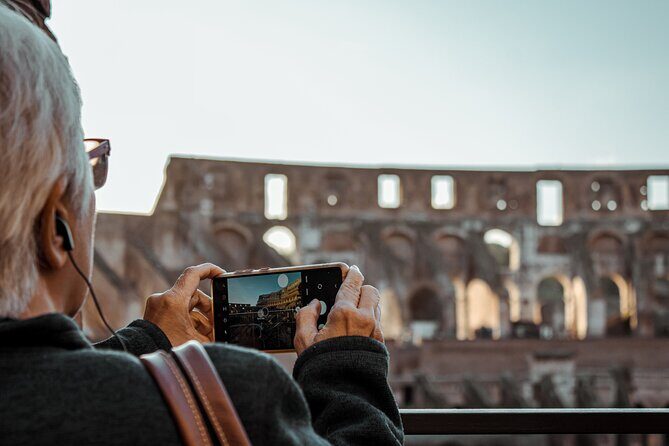
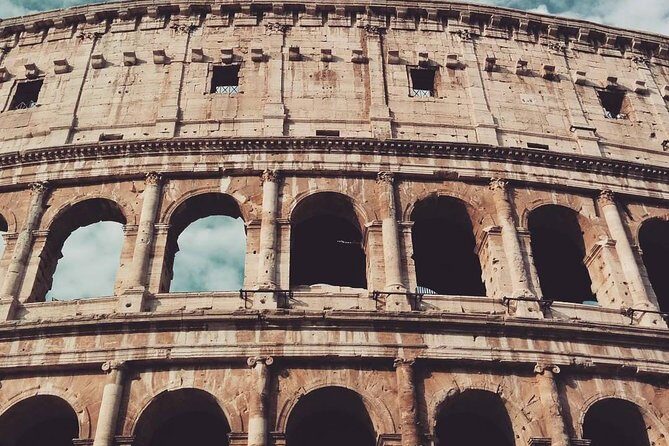
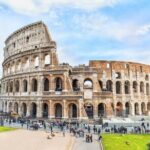
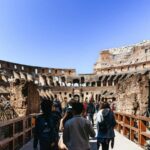
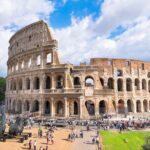
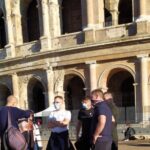
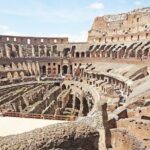
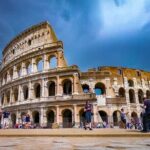
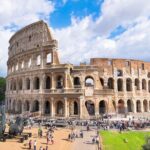
The tour kicks off at P.za del Colosseo, 23. From there, you meet your guide and head into the Colosseum for about 1 hour, with admission included. This is the big-ticket stop, and the day is built around doing it early and with structure instead of wandering.
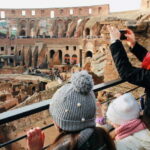
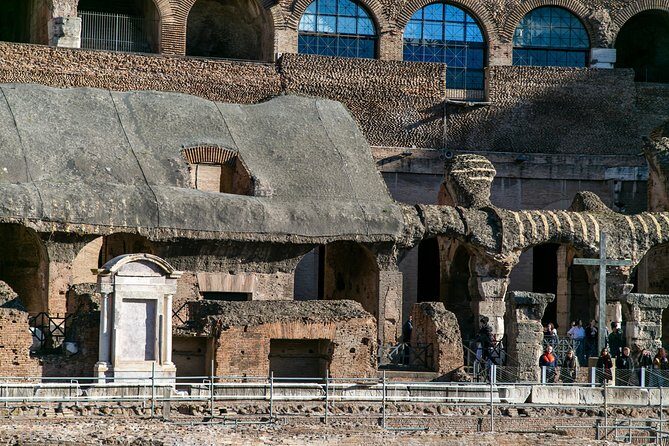
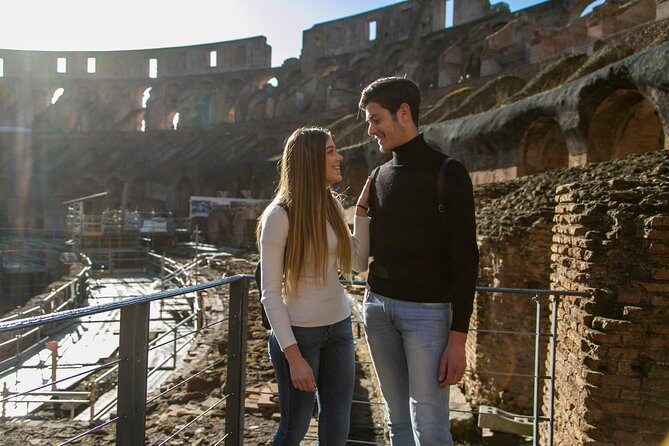
What I like here is the emphasis on a wheelchair-friendly route in the Colosseum. That doesn’t mean the building is smooth like a modern museum, but it does mean you’re not left to figure it out on your own. The guide also sets expectations so you know what you’re looking at—how the arena worked, why it was built, and what kinds of battles took place there.
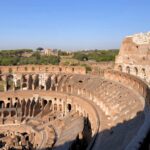
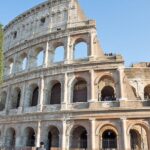
The Colosseum story is heavy, but the framing helps. You’ll learn about the amphitheater as the largest of its kind in the Roman Empire and how the building’s design supported spectacle. The “wow” factor is obvious, but what you’re really paying for is clarity: you walk in thinking it’s just giant stone, then you walk out understanding how it functioned.
Quick practical notes before you go
Colosseum entry requires paperwork match-ups. You need a valid passport or ID that matches the name used at booking. You also must present a voucher with all travelers’ full names at the ticket office prior to entry, or admission may be denied. This is one of those rare times where being organized beats being lucky.
Roman Forum power walk: arches, politics, and the real center of Rome
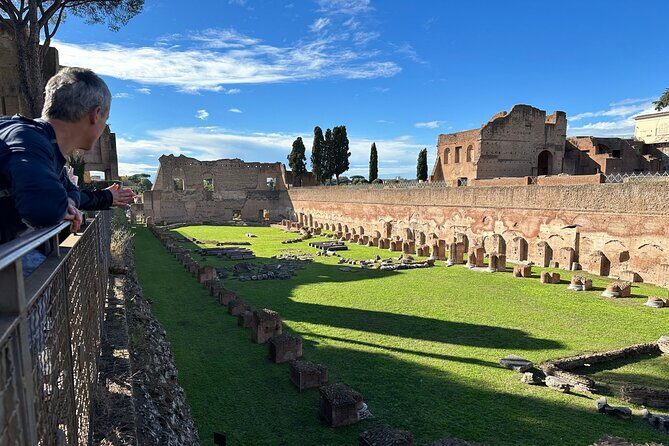
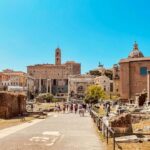
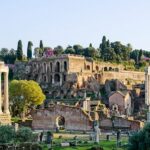
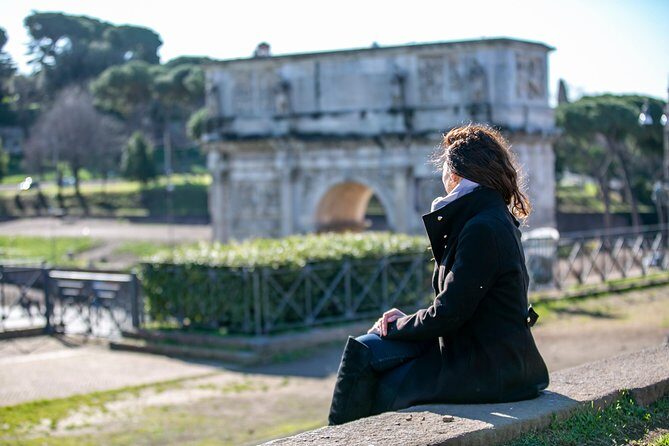
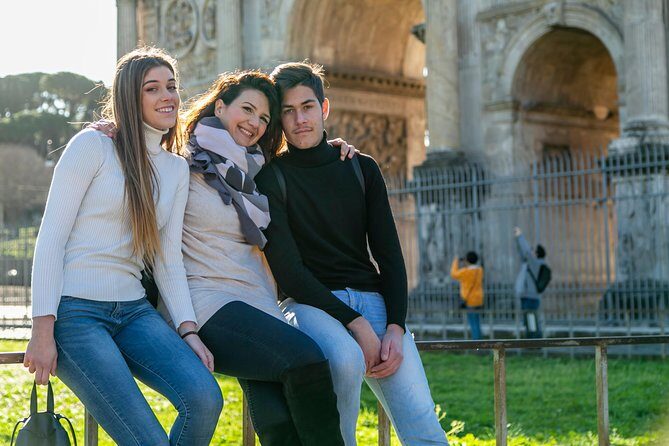
Right after the Colosseum, the tour moves to the Roman Forum area for another about 1 hour. It’s a short walk from the Colosseum to the Arch of Constantine and the Forum itself, which keeps the day feeling connected rather than disjointed.
Here’s why this part matters: the Forum wasn’t a background. It was the daily hub of ancient Rome—religion, politics, and commerce all intertwined in one central space. You don’t just see ruins; you get help placing them on the map of how Romans lived.
Expect highlights like:
- Arch of Constantine
- Temple of Julius Caesar, built on the site of his cremation
- Arch of Titus
- House of the Vestal Virgins
- Senate House
- Basilica of Maxentius
Even if you’ve seen photos before, standing near these ruins can still surprise you. The scale isn’t just architectural; it’s about civic power. A guide helps you recognize what each site likely represented and why emperors and senators cared so much about these spaces.
Accessibility-wise, the route through the Forum is part of what you’re buying with this tour. Feedback repeatedly points to guides being careful about best routes and keeping mobility-impaired guests comfortable. That can include choosing how you approach ruins, where you pause, and how long you linger.
Il Vittoriano and Quirinal Palace sighting breaks
After the Forum, you’ll move on to Il Vittoriano, the neoclassical monument built in 1885 for King Victor Emmanuel II. It’s nicknamed the Wedding Cake by locals—an instant bit of color that makes a major landmark feel less like a distant statue and more like something Italians joke about.
You’ll also see the Quirinal Palace, the official residence of the Italian President. This stop tends to work well inside an accessible itinerary because it’s more about viewing and context than deep, long museum-style exploring.
The value here is the guide’s ability to connect time periods. You start with ancient Rome’s political and spectacle center, then you shift toward Italy’s unified-era identity and state symbolism. That contrast helps the day feel like one story instead of five separate stops.
More Colosseum + Trevi Fountain combos for the Colosseum & Ancient Rome
Trevi Fountain, Piazza Navona, and the Pantheon rhythm
The tour then hits Rome’s postcard zones, but it does it in a way that keeps the day manageable.
Trevi Fountain (about 30 minutes)
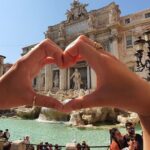
You’ll spend around 30 minutes at Trevi Fountain, and admission is free. This is the moment most people come for, and it can also be the most chaotic if you arrive unprepared. With a guide and a set schedule, you can experience it without trying to out-wit the crowd on your own.
Tip for comfort: if you use a chair or a mobility aid, treat this as a “stay a while, but don’t wrestle for position” stop. A guide can usually help you choose where to pause so you can still see the fountain clearly.
Piazza Navona (about 20 minutes)
Next is Piazza Navona for about 20 minutes, also free. The square is famous for its fountains, and in a short time, you can still get the main effect: a grand open-air stage feel, with buildings framing the space.
This stop is useful because it resets your energy. After Colosseum/Forum and Trevi, you’re back in an open square where pauses feel natural.
Pantheon (about 30 minutes) plus Piazza Della Rotonda
Finally, you’ll reach the Pantheon for around 30 minutes. Admission is free in this tour context. Afterward, you’ll stroll through Rome’s narrow streets toward Piazza Della Rotonda (about 30 minutes), which lines up with the tour’s ending area at Piazza della Rotonda, 11.
This ending is smart. The Pantheon is the “why is Rome still magical?” moment, but the narrow streets afterward help you shift from monument mode to city mode. You finish with the feeling that you’ve actually walked a slice of Rome, not just toured a few stops and left.
Streets, steps, heat: how pacing affects the whole day
In Rome, a “4-hour highlights tour” can feel like two different experiences depending on your mobility needs and your tolerance for rough ground. This tour is built as an accessible route, but you should still expect outdoor conditions.
Cobblestones are the big one. One piece of feedback specifically called out that the terrain from stop to stop can be difficult with a rollerator because of uneven stone. That’s not a failure of the route; it’s Rome. What matters is that the guide is flexible and attentive.
From the feedback patterns, here’s what you can hope for:
- guides who make sure accessible routes are practical, not just possible
- breaks when needed in hot weather (one reviewer mentioned scorching heat explicitly)
- a pace that stays comfortable instead of rushing you through explanations
- extra help while the guide explains, including adjusting their level to wheelchair height
If your group includes someone with limited mobility, this is the kind of tour where you’ll likely appreciate having a guide actively manage the day. You’re not just consuming sights; you’re getting someone to think about comfort while still delivering a history-focused experience.
Also note: the tour includes a mobile ticket, and confirmation is received at booking. That combination can reduce last-minute stress if you like knowing the day is set before you arrive.
Price and value: what $431.35 per person is really buying
At $431.35 per person for about 4 hours, the price isn’t “cheap,” and it shouldn’t be treated like a budget walking tour. But the value comes from two areas: access and expertise.
First, the tour includes Colosseum admission (valued at €18 per person) plus a Colosseum reservation fee (valued at €2 per person). You’re not paying separately for the main entry hurdle. The remaining cost covers the guide work, local taxes, and the overall service that keeps the day structured.
Second, you get a professional art historian guide and a private setup for just your group. That combination helps justify the price because you’re paying for more than being led; you’re paying for interpretation and pacing.
Third, the accessibility focus is a real cost driver. A wheelchair-friendly itinerary doesn’t happen by magic. It requires planning, route choices, and a guide who can adapt during the day. The consistent praise for guides like Tomaso/Tommaso and others for being patient and supportive is a good sign that the accessibility part isn’t performative.
One practical timing detail: this tour is often booked around 50 days in advance on average. That’s a clue that popular dates can sell out, especially for group tours with specific access needs. If your dates are fixed, you’ll want to book early.
Final verdict: should you book?

I’d recommend this tour if you want Rome’s signature sights with fewer guesswork moments—especially if someone in your group uses a wheelchair or mobility aid. The biggest selling point is that the day is designed around accessibility and a guide who handles pacing and routes, not just a script.
I’d think twice if your group loves spending long, unscheduled time at each stop. This is a highlights circuit, and the schedule assumes you’ll accept short, focused visits—Colosseum and Forum are about an hour each, and the rest are shorter blocks.
If you want a smooth, history-guided Rome day that respects mobility needs and still hits the big icons, this is a solid booking.
FAQ
How long is the tour?
The tour lasts about 4 hours.
How much does the tour cost per person?
The price is $431.35 per person.
Is this a private tour?
Yes. It’s private, and only your group participates.
Is the tour wheelchair accessible?
Yes. It offers a wheelchair-accessible itinerary and includes a wheelchair-friendly route in the Colosseum, with the pace and route customizable to your mobility needs.
What are the start and end points?
It starts at P.za del Colosseo, 23, 00184 Roma RM, Italy, and ends at Piazza della Rotonda, 11, 00186 Roma RM, Italy.
What’s included in the price?
Local taxes, a professional art historian guide, a private tour setup, Colosseum entrance ticket, and the Colosseum reservation fee.
Are tickets included for Trevi Fountain, Piazza Navona, and the Pantheon?
They’re listed as free admission stops in the tour details.
What language is the tour offered in?
The tour is offered in English.
What do I need for Colosseum and Roman Forum entry?
You need a valid passport or ID that matches the name provided at booking. You also must present a voucher with all travelers’ full names at the ticket office prior to entry, or entry may be denied.
Is it refundable if plans change?
No. The experience is non-refundable and cannot be changed for any reason.