REVIEW · ROME
All-included Rome in a Day Tour with Vatican Sistine Chapel Colosseum & Pantheon
Book on Viator →Operated by Walking Tours of Italy · Bookable on Viator
Rome feels bigger than it looks on a map. This private, all-in-one day packs the Colosseum and Vatican Museums into one smooth plan for time-pressed visitors, with a guide who knows how to make the sites click. I like the focus on big, memorable moments (Trevi, Pantheon, Sistine), and I like that you get skip-the-line access where it matters most. One real thing to consider: you’ll be on your feet a lot for about 6 hours, and dress code rules can be strict in religious spaces.
The value here is how much thinking a good guide does for you. Instead of bouncing around Rome trying to line up tickets and entrances, your route is organized around walking links and “must-see” clusters, including Roman Forum highlights and the Vatican’s interior art route. I also appreciate the built-in flexibility: if Pope-related closures happen at the Vatican, your guide provides a practical alternative focused inside the museums.
The main drawback is timing pressure. With only limited time at each stop, you’ll get the essentials and key stories, not a slow wander. If you hate tight schedules, or you want to sit for long stretches in churches, this may feel fast.
In This Review
- Key Things I’d Watch For Before You Go
- One Day, Six Landmarks: How This Tour Works on the Ground
- Entering the Colosseum Without Losing Your Morning
- Roman Forum Highlights and the Sacred Way to Capitoline Hill
- Trevi Fountain Timing, Lunch Break, and the Walk Through Government Rome
- Pantheon and Raphael’s Tomb: Why the Timing Works
- Piazza Navona and Bernini’s Four Rivers Moment
- Vatican Museums First: The Art Route You Don’t Want to Guess
- Sistine Chapel in 1 Hour: What to Focus On
- St. Peter’s Basilica and the Crypt: The Stuff Most People Miss
- Price and Value: Is $662.26 Worth It for One Day?
- Who This Tour Fits Best (and Who Might Feel Rushed)
- My Booking Checklist Before You Commit
- Should You Book This Rome Day Tour?
- FAQ
- What does this Rome tour include?
- How long is the tour?
- Is transportation included?
- Is this a private tour?
- Are tickets and admission included?
- What is the dress code?
- What documents do I need for entry?
- What happens if parts of the Vatican close last minute?
- Can St. Peter’s Basilica be unavailable during the Jubilee?
Key Things I’d Watch For Before You Go
- Private guide, real attention: your group only, so questions don’t get lost in the shuffle.
- Skip-the-line at the Colosseum: tickets and reservation fees are included to help you get inside sooner.
- One art route through the Vatican: Vatican Museums first, then the Sistine Chapel, then St. Peter’s.
- Dress code is non-negotiable: no shorts or sleeveless tops; shoulders and knees covered.
- Documents must match your ticket names: bring the same full names and matching ID/passport for entry.
One Day, Six Landmarks: How This Tour Works on the Ground
This is built for the classic Rome problem: you want the headlines, but you don’t want to spend your day coordinating buses, ticket windows, and timing. The tour runs about 6 hours and ends at St. Peter’s Square (Piazza San Pietro). You start at Piazza del Colosseo, 23.
Because it’s a private tour, you don’t have to line up with a crowd for every explanation. That matters at the Vatican, where the art can blur together if you don’t have a guide pointing out what to look for. It also matters at the Colosseum and Roman Forum, where the space is huge and the stories are layered across centuries.
Your day is a walking loop across central Rome, with an intentional rhythm: big monuments early, then icons in the middle of town, and then the Vatican’s indoor art climax. Lunch is on your own cost—your guide will help you pick a practical place and style of meal (pizza, sandwich, or a fuller lunch) based on what you want that day.
More Colosseum + Vatican combos for the Colosseum & Ancient Rome
Entering the Colosseum Without Losing Your Morning
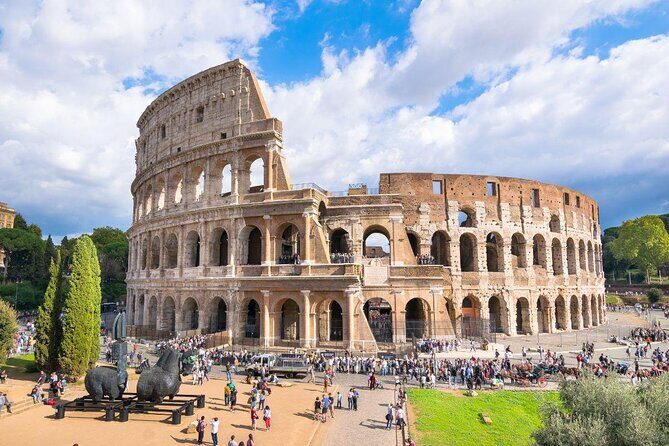
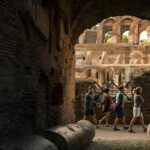
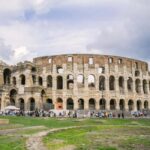
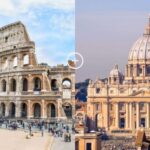
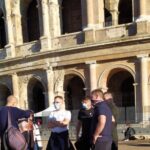
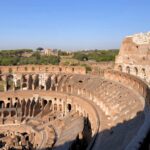
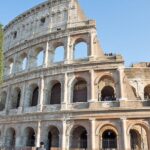
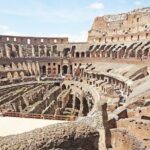
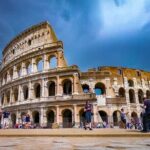
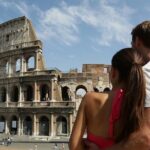
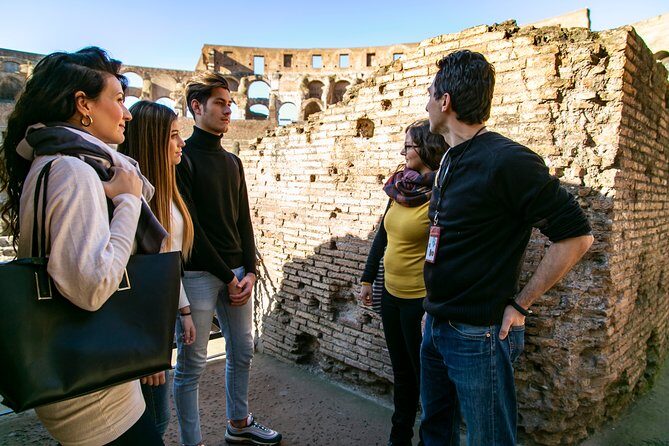
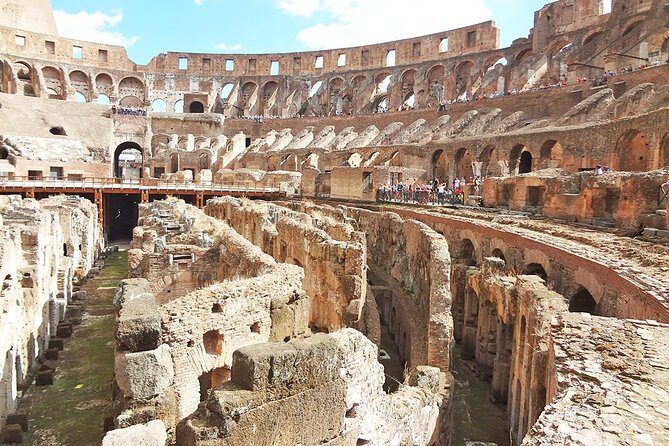
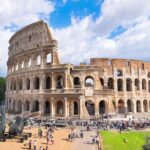
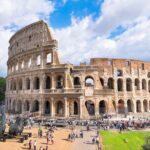
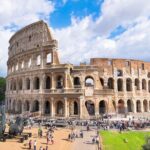
The day starts at the Colosseum area, where you meet your guide and go straight inside using reserved, included entry. The tour includes the Colosseum ticket and a reservation fee (listed as €18 and €2 in value), which is exactly what you want when you only have one day.
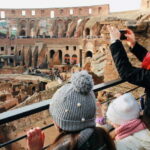
What I like about this is that the guide’s job starts instantly. Once you’re inside, you’re not just standing in the same spot waiting for a photo to load—you’re pushed toward the big picture: what the amphitheater was for and why it’s still so impressive. The guide’s art-and-archaeology approach matters here; you’ll hear stories that connect the building to the wider Roman world around it.
Then comes the quick pivot: you head toward the Arch of Constantine and onward to the Roman Forum. This is one of the tour’s strongest “time trade” moments. The Colosseum is iconic, but the Forum is where you get context for daily power—politics, religion, and public life—woven into one compact walking experience.
Practical note: the Colosseum and Roman Forum require your full names to match your booking. Bring the right passport or ID. If the names don’t match exactly, entry can get denied, and that’s a risk you can easily avoid.
Roman Forum Highlights and the Sacred Way to Capitoline Hill
After your Colosseum visit, the plan keeps moving so you don’t lose momentum. You’ll spend dedicated time at the Roman Forum area, where the guide points out key remains you’d miss if you were walking alone.
You’re guided around notable landmarks such as the Arch of Titus, the House of the Vestal Virgins, the Temple of Saturn, the Senate House, and the Arch of Septimius Severus. The Forum can feel like “more ruins” unless someone gives you a mental map. With a good guide, it becomes readable—like walking through the skeleton of a political and religious machine.
Then you move along the Sacred Way up toward Capitoline Hill and Il Vittoriano (the white monument). This section is useful because it breaks the day out of the purely ancient-and-flat feeling. You get a higher viewpoint and a different kind of Rome monument: not classical ruins, but a modern national statement that helps you understand Rome as a living city, not a museum box.
If you’re someone who likes to connect sights to themes, this part is a win.
Trevi Fountain Timing, Lunch Break, and the Walk Through Government Rome
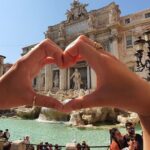
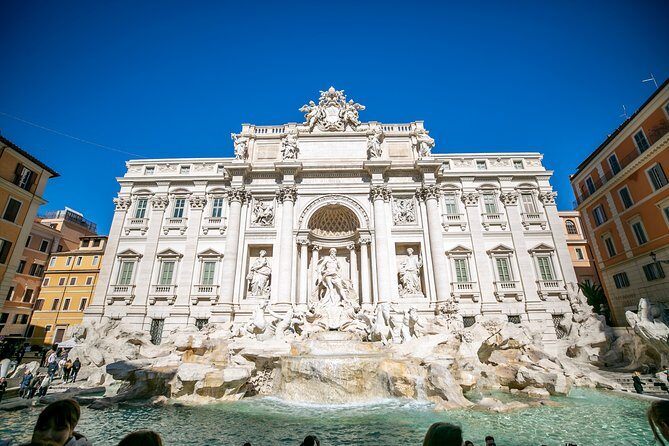
Trevi Fountain comes next, and your time here is set aside—about 20 minutes. You’ll walk to it guided, and the classic legend is part of the script: toss a coin into the fountain and make a wish that you’ll return to Rome.
Here’s the practical value: getting to Trevi within a structured route reduces your stress. You’re not trying to guess the best wandering path while everyone else is also hunting for the perfect angle. You have enough time to see it, enjoy it, and still get to the next stops without turning the day into a scramble.
Lunch is then on your own cost. What’s helpful is that your guide gives you options and helps you choose based on speed and food style. If you want a quick bite, you can go that route. If you want a fuller meal, you can ask for a sit-down plan. Either way, the goal is to keep you on track for the afternoon monuments.
After lunch, the route shifts to an area that’s less “postcard-famous,” but still worth the walk: the government district. You’ll see places like the Parliament building and the Palace of the Council of Ministers, plus the Column of Marcus Aurelius. Nearby is also the Temple of Hadrian, tied to Emperor Antoninus Pius honoring Hadrian.
This is a smart inclusion. Rome has a rhythm: grand emperors, grand churches, grand piazzas. Seeing a government-styled district and a column legend in the middle of your day helps the story feel continuous instead of like a list of separate stops.
Pantheon and Raphael’s Tomb: Why the Timing Works
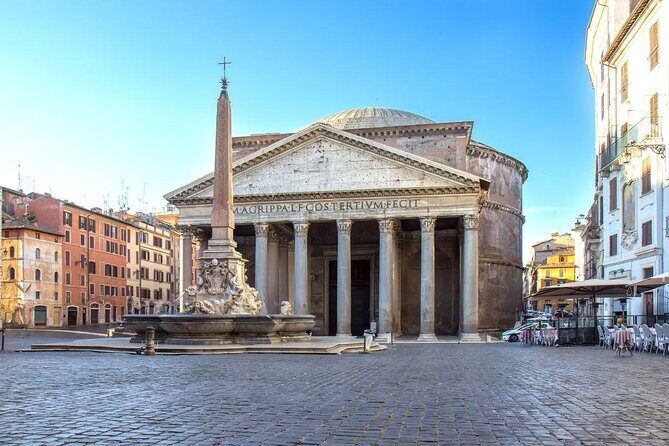
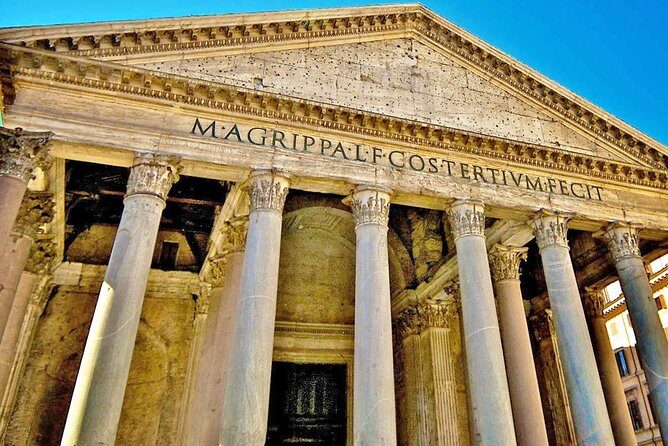
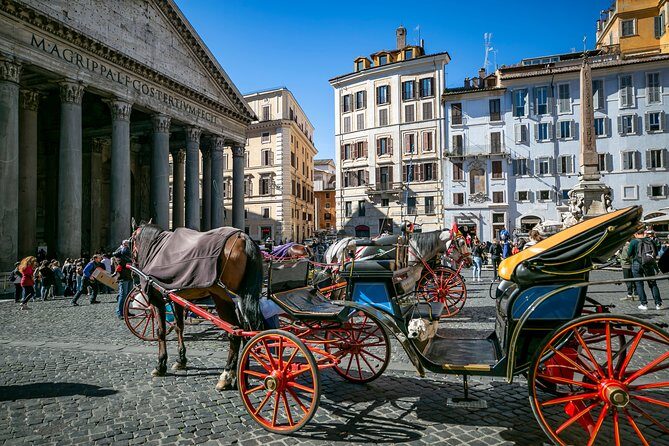
Next up is the Pantheon, again with about 20 minutes set aside. Even in a short window, the Pantheon works because it’s not subtle. It’s the kind of place where scale hits you fast, and the guide can direct you toward the key details without wasting your time.
A particular highlight here is the tomb of Raphael, the Renaissance painter and engineer. That matters because it turns your quick stop from “I saw a famous building” into “I saw why this building kept attracting major artists.”
One practical consideration: if you’re the type who likes to linger, this stop may feel short. But if you’re balancing multiple major Rome icons in one day, this timing is a fair trade. You’ll get the essentials and the meaning, then move on.
More Colosseum + Pantheon combos for the Colosseum & Ancient Rome
Piazza Navona and Bernini’s Four Rivers Moment
After the Pantheon, you pass by the Ancient Baths of Nero on your way to Piazza Navona. Then the tour sets you up for one of Rome’s most photogenic fountain scenes: Bernini’s Fountain of the Four Rivers.
Piazza Navona is also a good “breather” in the afternoon. You’re not in an indoor museum, and you’re not staring at a ruin wall. You’re in a plaza where the space itself tells you how Rome likes to celebrate—public art, public performance, public life.
Your time here is about 20 minutes, which is usually enough to get photos, absorb the scale of the fountain, and keep your energy for the long Vatican section ahead.
Vatican Museums First: The Art Route You Don’t Want to Guess
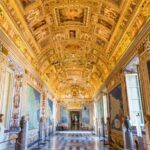
Then the day crosses over to the Vatican for the Vatican Museums—around 1 hour 30 minutes with included admission. This is a huge piece of value for a time-pressed visitor, because the museums are famous for crowds and long lines.
Your guide handles the flow so you can focus on what matters. The plan specifically points to major artistic stops, including frescoes by Raphael, plus the Sistine Chapel ceiling frescoes by Michelangelo. The key is that you’re not just seeing famous names—you’re getting help connecting the art to the bigger religious and historical purpose of the Vatican complex.
This is where an art historian style guide really earns its keep. Without that, the museums can feel like a blur of rooms and labels. With a guided route, you’re picking up a narrative thread: what you’re looking at and why it’s important.
Dress code matters here too. Plan on knees and shoulders covered, and avoid shorts or sleeveless tops. If you’re unsure, it’s worth carrying a light layer that you can throw on quickly.
Sistine Chapel in 1 Hour: What to Focus On
Next is the Sistine Chapel, about 1 hour. The tour is built around the essentials you’ll want to understand quickly: Michelangelo’s The Last Judgment and key Biblical scenes, including the famous Creation of Adam.
There’s also a practical angle: this chapel is still used today for papal elections. Knowing that helps you feel the ongoing importance of the space, not just its fame.
A heads-up in any Vatican visit: the chapel has rules and a quiet atmosphere. Don’t plan to treat it like a casual sightseeing stop. If you respect the space and let your guide set what to look for first, you’ll get more out of the time you have.
St. Peter’s Basilica and the Crypt: The Stuff Most People Miss
You finish with St. Peter’s Basilica and St. Peter’s Square. The basilica portion is about 30 minutes, including a guided look at side chapels and visits below ground to the papal crypt.
This is one of the tour’s most meaningful inclusions. Many people sprint through St. Peter’s and stop at the big dome view. Here, the guide takes you toward the details: hidden crypts, side chapel art, and specific works such as Michelangelo’s Pietà. Your guide also explains why the Pietà is notable for being the only work Michelangelo signed.
You’ll also get context on how Bernini’s altarpiece relates to the broader artistic story, and how Michelangelo triumphed over contemporaries for the honor of painting the dome.
Then comes the below-ground portion: the papal crypt, where many popes have been interred over the centuries. That’s a very different kind of experience than the main basilica floor, and it helps you understand the basilica as an ongoing pilgrimage site rather than just an architectural landmark.
Important timing note: because of Vatican activity, some areas might close last minute. The tour info says closures have happened before and can happen again during your visit. In that case, your guide will provide an alternative that focuses inside the Vatican Museums.
And due to the Jubilee, St. Peter’s Basilica might not be accessible as part of the tour. If that happens, the tour plan allows you to visit it afterward by queuing.
Price and Value: Is $662.26 Worth It for One Day?
At $662.26 per person, this is not a cheap “see Rome fast” deal. But it can still be good value when you compare what’s included versus what you’d pay and organize yourself.
Here’s what you’re paying for:
- A private, professional art historian guide (high-touch explanation across multiple sites).
- Skip-the-line / reserved entry handling for the Colosseum.
- Included admission tickets at key stops like the Colosseum and the Vatican Museums/Sistine Chapel/Basilica segments.
- Your time saved by having an ordered plan instead of ticket chaos.
What’s not included is also important: transportation to/from attractions. That means you’ll want to plan on walking or using public transport to get to the starting point in Piazza del Colosseo and then ending near Piazza San Pietro.
If you’re traveling with people who want to see the big hitters and you value expert guidance, this can feel like a well-priced day. If you’d rather roam slowly, or you’re comfortable booking entrances and navigating alone, you might find cheaper options. But for one-day Rome, paying for clarity and time usually makes sense.
Who This Tour Fits Best (and Who Might Feel Rushed)
This works best if you:
- Want the headline sites: Colosseum, Pantheon, Vatican Museums, Sistine Chapel, St. Peter’s.
- Prefer a structured route when time is tight.
- Enjoy explanations tied to art and architecture, not just dates and names.
- Can follow a strict dress code (covered knees and shoulders).
It might feel less ideal if you:
- Have mobility issues or tire quickly. The tour asks for moderate physical fitness.
- Want a long, slow visit inside museums or churches.
- Don’t like time limits at major sites like Trevi, Pantheon, and Piazza Navona.
The private nature is a big plus. Even with time limits, you can ask questions and get answers tailored to your interests.
My Booking Checklist Before You Commit
Do these, and you’ll protect the day from common friction:
- Send the full names of everyone traveling exactly as they appear on their passport or ID.
- Bring your passport/ID that matches the booking names for Colosseum and Roman Forum entry.
- Plan your outfit around the dress code: no shorts, no sleeveless tops; cover knees and shoulders.
- Wear comfortable shoes. The route is mostly on foot, and the stops stack quickly.
- If you hate last-minute surprises, read up on Vatican closures and plan flexibility. The tour info already flags that Pope-related events can close areas.
Should You Book This Rome Day Tour?
Book it if you want one organized day that hits the big emotional and visual peaks: Roman power at the Colosseum and Forum, Rome’s everyday icons at Trevi and the Pantheon, then the Vatican’s art climax through the Museums and Sistine Chapel, finishing in St. Peter’s Basilica with the crypt experience.
Skip it if you’d rather spend more time in fewer places, or you know you’ll feel stressed by a schedule that moves every few stops. This tour is built for momentum and guidance, not for a leisurely Rome day.
In the end, if your priority is seeing these specific monuments with an expert guide and avoiding ticket chaos, this is the kind of day that can feel like you got more Rome per hour than you thought possible.
FAQ
What does this Rome tour include?
It includes guided visits to the Colosseum, Roman Forum area highlights, Trevi Fountain, the Pantheon, Piazza Navona, the Vatican Museums, the Sistine Chapel, and St. Peter’s Basilica and Square.
How long is the tour?
The duration is about 6 hours.
Is transportation included?
No. Transportation to and from attractions is not included.
Is this a private tour?
Yes. It’s a private tour, and only your group participates.
Are tickets and admission included?
Colosseum admission and the reservation fee are included, and admission tickets are included for the main segments such as the Vatican Museums, Sistine Chapel, and St. Peter’s Basilica timing.
What is the dress code?
You need to follow a dress code for worship places and select museums. No shorts or sleeveless tops are allowed, and knees and shoulders must be covered.
What documents do I need for entry?
You must provide the full names of all travelers when booking, and each traveler must present a valid passport or ID document that matches the name provided for Colosseum and Roman Forum entry.
What happens if parts of the Vatican close last minute?
Some areas might close due to Pope-related events. The guide will provide an alternative that focuses on the Vatican Museums inside.
Can St. Peter’s Basilica be unavailable during the Jubilee?
The information notes that due to the Jubilee the basilica might not be accessible as part of the tour. If so, you can still visit after the tour by queuing.