REVIEW · ROME
Rome in A Day Tour: Vatican, Sistine, Colosseum, Trevi & Pantheon
Book on Viator →Operated by Rome City Tours · Bookable on Viator
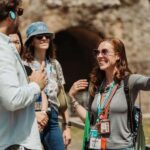
Six hours can feel like a blink. This Rome in a Day tour is built to get you inside the Colosseum first, then keep you moving through the Forum and up to the Vatican with expert guidance. I love the straight-in plan for the big-ticket sites, and I especially like that you’ll travel with a professional art historian guide who frames what you’re seeing.
Because the day is organized like a route, you can spend your energy on details instead of logistics. You start at the Colosseum at 9:00 am, hit major Rome landmarks in a set order, and end at St. Peter’s area without guessing what’s closest or what’s worth waiting for. One key consideration: Vatican areas can close last minute due to events, and the day may shift if the Sistine Chapel or St. Peter’s Basilica isn’t accessible.
In This Review
- Key highlights worth knowing before you go
- A planned route that actually works for Rome’s top hits
- Entering The Colosseum and the Roman Forum without getting lost
- Sacred Way walk to Capitoline Hill and Il Vittoriano
- Trevi Fountain: a tight 30-minute stop with cinematic payoff
- The Pantheon stop and why Raphael matters
- A practical note on Pantheon entry
- Piazza Navona and Bernini’s Four Rivers fountain
- Vatican Museums to the Sistine Chapel: the schedule that matters
- St. Peter’s Basilica and Square: what you’ll look for with a guide
- Price and value: what $668.05 buys you (and what it doesn’t)
- Who this tour fits best
- Should you book this Rome in a Day tour?
- FAQ
- What’s the duration of the Rome in a Day tour?
- Where do I meet the guide, and what time does the tour start?
- Is this tour private or group-based?
- Are admission tickets included for the Colosseum and Roman Forum?
- Does the tour include transportation between sites?
- What dress code is required?
- What happens if Vatican sites close due to events?
- Do I need to bring ID or a passport?
Key highlights worth knowing before you go
- Straight inside the Colosseum with a reserved entry setup and an admission ticket included
- Forum landmarks on a guided path that connects monuments you’d otherwise treat as separate stops
- Quick, focused photo time at Trevi Fountain with the coin-throw tradition as a ready prompt
- Pantheon stop plus Vatican rotation so you see Raphael’s burial location and then head into the Sistine Chapel
- Art historian context at the Vatican for Michelangelo’s ceiling and key Renaissance works
- St. Peter’s Basilica with story-led viewing of the Pietà, Bernini’s altarpiece, and the dome
A planned route that actually works for Rome’s top hits
Rome is big. Your first instinct is to pick one area and settle in, but if you only have about a day, you need a smarter approach. This tour does the work of mapping out a tight loop: Colosseum and Roman Forum in the morning, Roman classics in the middle, then Vatican Museums, Sistine Chapel, and St. Peter’s to close the loop.
The real win is the pacing between “wow stops.” The schedule isn’t just a list—it’s timed to move you from one anchor site to the next, including walks that connect neighborhoods rather than repeating the same transit hassle. You also get entry tickets included for the Colosseum (plus reservation fees), and most other major stops are built into a guided flow.
If you’ve ever felt overwhelmed by deciding where to start and how to sequence tickets, you’ll like how this day removes that friction.
More Colosseum + Vatican combos for the Colosseum & Ancient Rome
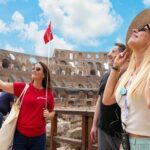
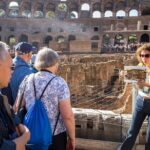
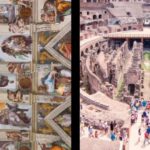
Entering The Colosseum and the Roman Forum without getting lost
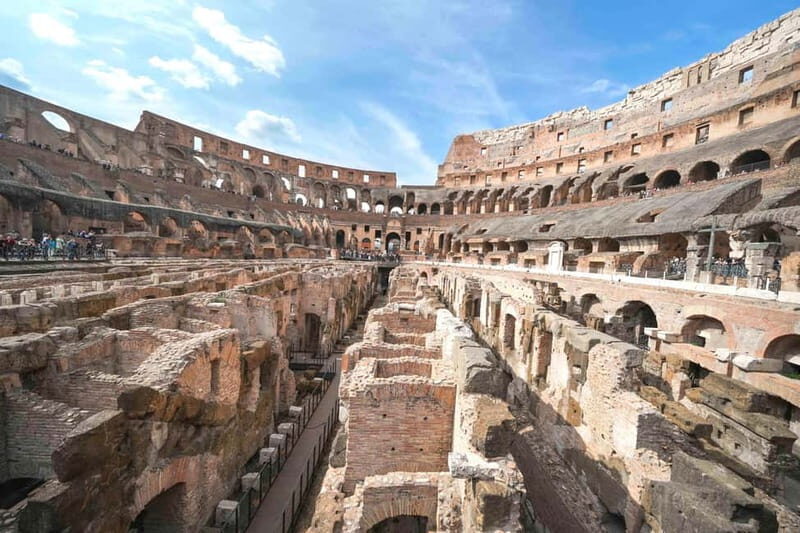
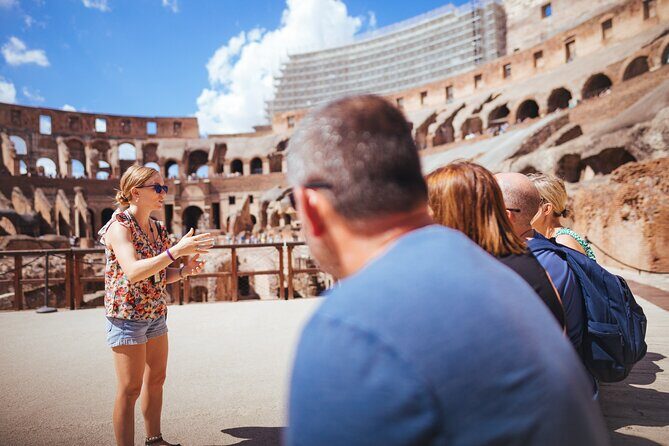
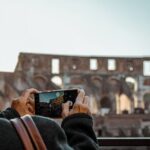
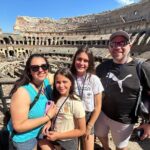
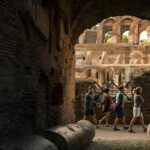
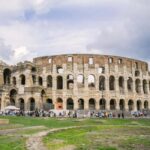
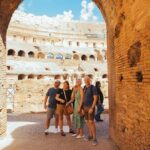
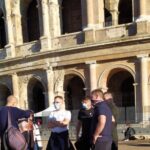
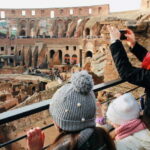
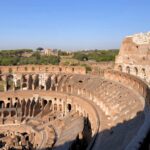
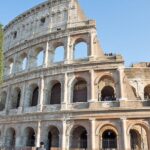
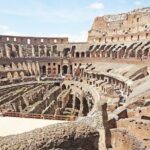
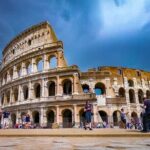
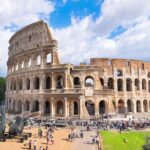
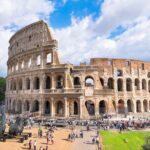
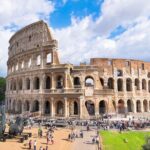
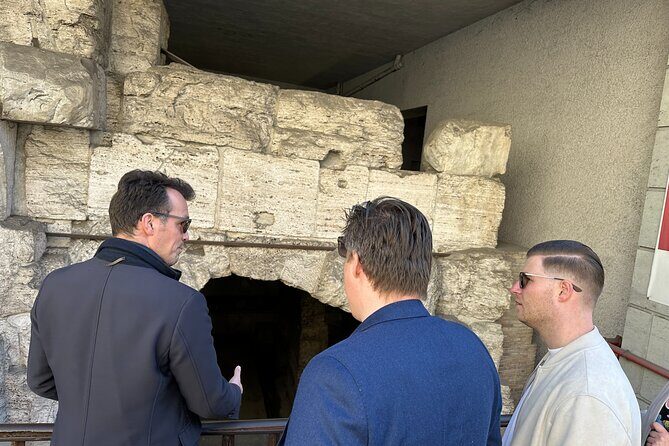
Your day begins at Piazza del Colosseo, 3 (near public transportation) with a 9:00 am start. From there, you meet your guide and go straight inside the Colosseum. You’ll spend about an hour there, with admission included.
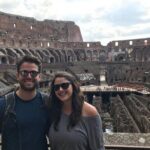
That first hour matters. The Colosseum is one of those places where you can walk around for hours and still feel like you only saw an impressive shell. With a guide, you get a framework for what you’re looking at—how an amphitheatre shaped Roman public life, and why the Forum area was the beating heart around it.
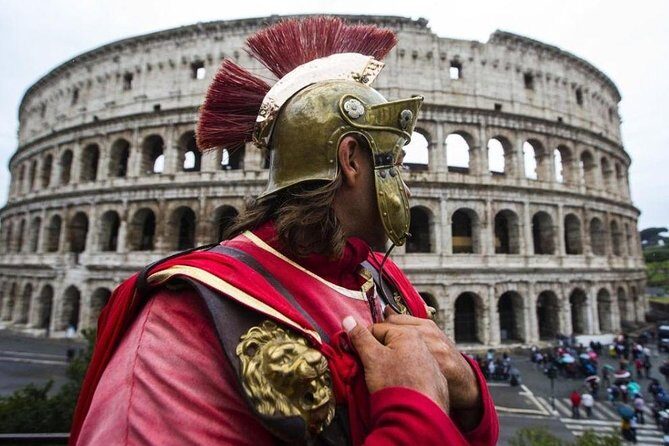
After the Colosseum, you head outside to see the Arch of Constantine, then take a short walk into the Roman Forum. This is where the guide storytelling pays off, because the Forum looks like scattered ruins unless someone helps you connect them. You’ll pass by key landmarks such as:
- the Arch of Titus
- the House of the Vestal Virgins
- the Temple of Saturn
- the Senate House
- the white marble Arch of Septimius Severus
You’ll also get a sense of the Forum as the main square of Ancient Rome—political, religious, and social life all overlapping in one space. For many first-timers, that’s the difference between seeing ruins and understanding the city’s power center.
Sacred Way walk to Capitoline Hill and Il Vittoriano
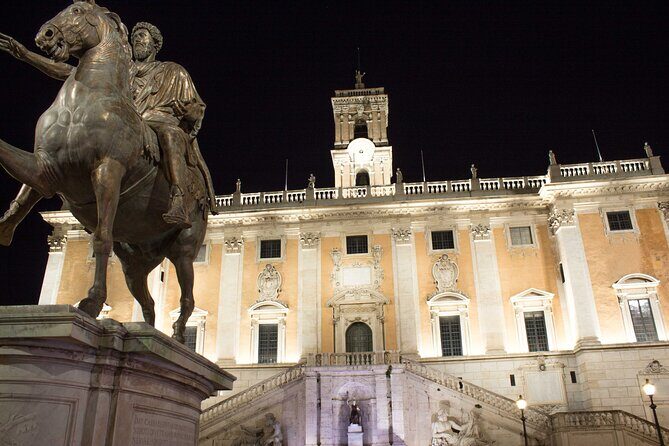
Between the Forum and the “classic city views” portion of the day, there’s a walk up the Sacred Way toward Capitoline Hill and Il Vittoriano. This is one of those stretches that can feel like filler on paper, but in practice it helps you shift from ancient Rome’s core into a more modern Rome silhouette.
Il Vittoriano is a major monument of more recent Italian history, so it gives your day a visual contrast. You get a breather moment before the tour pivots toward Trevi Fountain, and the change of scenery can keep you from feeling slammed by back-to-back ruins.
This segment is short in the schedule terms, but it plays a role in keeping the day coherent.
Trevi Fountain: a tight 30-minute stop with cinematic payoff
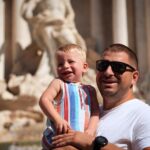
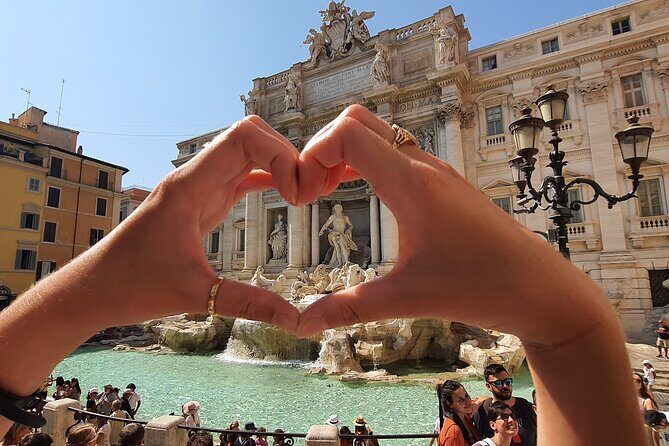
Next up is Trevi Fountain, with about 30 minutes on the clock. This is the kind of place where time pressure can be either annoying or perfect, depending on what you want.
On a tour like this, you’re not going to have a long linger by the water’s edge. You’ll get in, see the fountain, and then move on. If that’s your style, great—you’ll catch the big views and the iconic setting without losing the whole afternoon to crowds.
Trevi also has a built-in cultural script: legend says that if you throw a coin into the fountain, you’ll return to Rome. The fountain is also a familiar backdrop in film, including Fellini’s La Dolce Vita. Even if you ignore the legend, you’ll still get that sense of Rome as an image-making city—touristy, yes, but also strangely meaningful.
The Pantheon stop and why Raphael matters
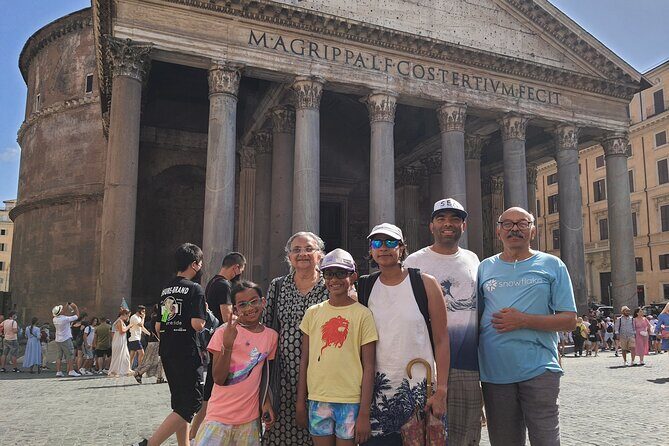
After lunch, the tour moves toward the Government District and includes several landmarks along the way, such as the Parliament Building, the Palace of the Council of Ministers, and the Column of Marcus Aurelius. Nearby, you’ll see the Temple of Hadrian, constructed in his honor by Antoninus Pius.
Then it’s on to the Pantheon. You’ll get about 30 minutes here, and the tour description says admission is included. The Pantheon is one of Rome’s most complete ancient buildings, and it’s also one of those sites where your first instinct is to look up and then keep looking up—unless you have context.
A big part of that context: Raphael is buried near the Pantheon area. The tour includes this detail, which turns the visit into more than just architectural awe. You’re not only seeing stone and engineering; you’re seeing how Renaissance art culture adopted and built on ancient Rome.
More Colosseum + Pantheon combos for the Colosseum & Ancient Rome
A practical note on Pantheon entry
One caution for your planning: the information you receive at booking should match what’s on your voucher for that day. I’d double-check that Pantheon admission is listed as included before you show up, since at least one booking experience reported a mismatch.
Piazza Navona and Bernini’s Four Rivers fountain
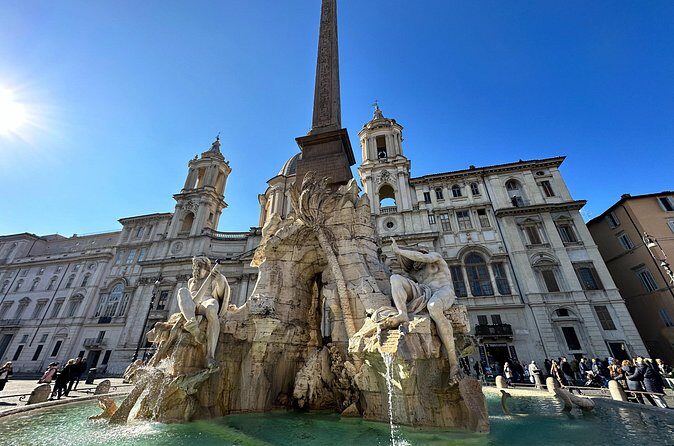
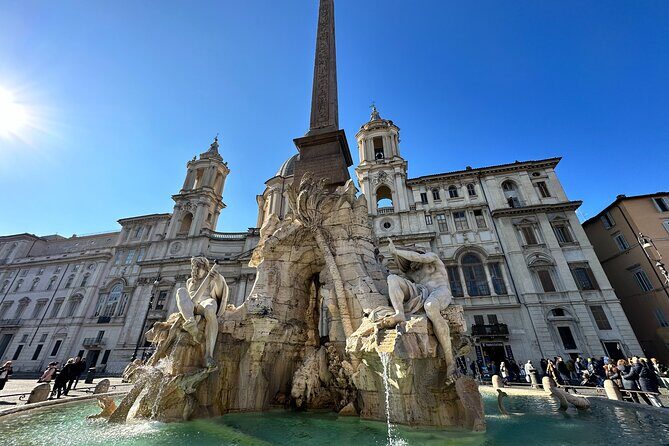
From the Pantheon, you’ll walk through Rome’s little alleyways and past the Ancient Baths of Nero before arriving at Piazza Navona. Your stop is about 30 minutes, with admission included, and you’ll see Bernini’s Fountain of the Four Rivers.
Piazza Navona is a living stage—restaurants, street scenes, and people watching. But the fountain is the reason to show up with intent. The Four Rivers concept is a reminder that Rome’s art and myth aren’t separate from its urban life. This is a chance to see Renaissance and Baroque influence in a square that still works like a public forum.
If you want a quick reset during a long day, this is a good time for it. It’s scenic, it’s Roman, and it doesn’t require you to stand in line for hours.
Vatican Museums to the Sistine Chapel: the schedule that matters
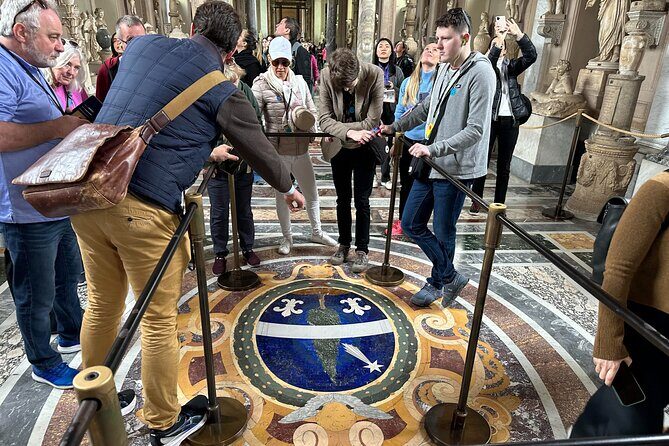
The afternoon jump is real. You cross the Tiber to Vatican City for the final big block of the day, starting with a Vatican Museums tour. The schedule sets this at about 30 minutes with admission included.
Then the tour moves directly into the Sistine Chapel, where you’ll spend about an hour and admission is included. This part is the emotional core for many people, and it’s where an art historian guide can change your experience.
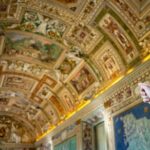
You’ll see Michelangelo’s famous ceiling frescoes, plus other Renaissance works (including Raphael’s). An hour in the Sistine Chapel is not enough to see everything slowly, but it’s long enough to focus on the major visual moves—how Michelangelo used scale, composition, and expression to make the scenes feel alive.
One more thing: the tour notes warn that the Sistine Chapel and/or St. Peter’s Basilica might be closed last minute due to the pope’s activities and major mass events. If that happens, your guide will provide an alternative focusing on other areas inside the Vatican Museums. It’s not the same as the Sistine Chapel, but it can still keep you from wasting the afternoon.
St. Peter’s Basilica and Square: what you’ll look for with a guide
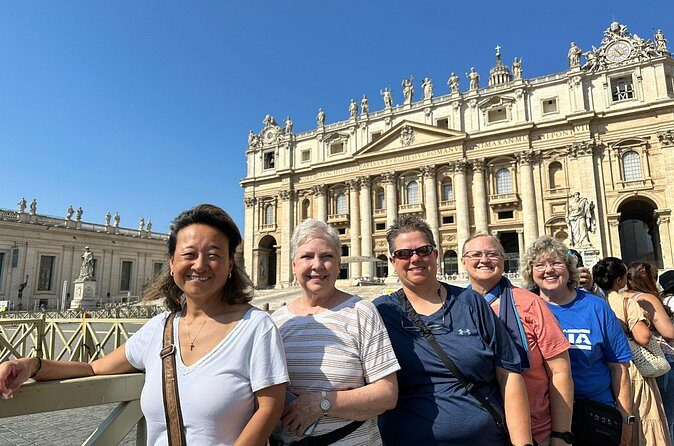
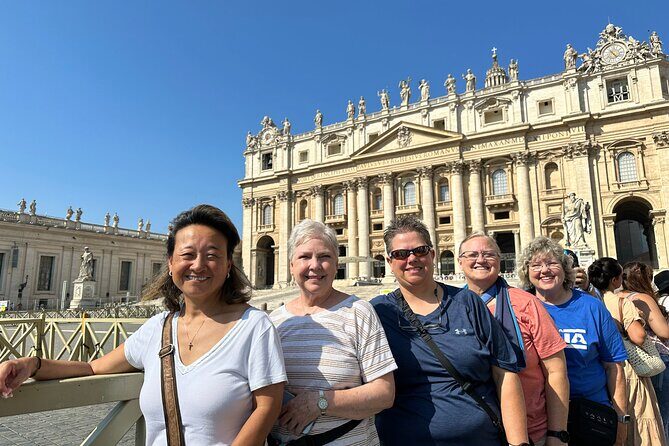
Your St. Peter’s Basilica visit is about 30 minutes, with admission included. You’ll explore side chapels, some with hidden crypts, and you’ll see Michelangelo’s Pietà.
The guide explanation here is important. The tour includes why the Pietà is the only work that Michelangelo signed. You’ll also get commentary on Bernini’s altarpiece and how Michelangelo’s dome plans and reputation relate to the idea of winning over contemporaries for the honor to paint St. Peter’s magnificent dome. Even if you don’t memorize every detail, you’ll notice more because you know what to look for.
After the basilica, you finish at St. Peter’s Square (about 30 minutes) with admission free as part of the schedule.
There’s also a second closure risk noted due to the Jubilee: the basilica might not be accessible as part of the tour, and the provided advice is to queue afterward if needed. That means you should mentally treat the last portion as flexible.
Price and value: what $668.05 buys you (and what it doesn’t)
At $668.05 per person for a roughly 6-hour day, this is a premium outing. The included tickets listed for the Colosseum and reservation fees are relatively small in the total price, so the value is mostly in the planning and the people power.
Here’s what you are paying for, based on what’s included:
- a private tour (only your group)
- local guidance plus a professional art historian guide and a professional guide
- reserved entry and included admission for the Colosseum
- guided access and timing through major sites across the day
What you should not expect:
- transportation to and from attractions is not included
- some Vatican areas can close last minute (and the plan may adjust)
So is it worth it? If you’re the kind of traveler who wants the biggest hits without spending your trip managing tickets and crowd logistics, the structure has real payoff. If you love wandering on your own and have the time to build an itinerary, you might find cheaper ways. But this kind of tour is built for limited time, not for slow curiosity.
Who this tour fits best
This works best when:
- you have one day (or close to it) in Rome and want the top sites in a logical order
- you like guidance that connects monuments and art, not just recites dates
- you’re comfortable walking a moderate amount (the tour asks for moderate physical fitness)
- you want a private setting where your group can move together at a guided pace
It may not be the best fit if:
- you’re easily stressed by schedule changes (Vatican closures can happen)
- you want lots of unstructured time at each major site
- you don’t want to follow a strict dress code for churches and selected museums
Should you book this Rome in a Day tour?
If you want a smart, time-efficient Rome day that hits the Colosseum, Forum, Trevi, Pantheon, and the Vatican without you building the routing yourself, I’d say this is a solid booking. The biggest strength is how the day is designed for momentum: reserved entry at the Colosseum, guided connections in the Forum, and art-focused viewing at the Vatican.
My advice: before you go, check that your voucher matches what you expect for Pantheon entry, and plan to dress with shoulders and knees covered for worship sites. Also keep the Vatican closure warnings in mind so you’re not surprised if the Sistine Chapel or St. Peter’s Basilica isn’t accessible that day.
If that sounds like your kind of trip, this is an efficient way to see Rome’s greatest works in one long, memorable day.
FAQ
What’s the duration of the Rome in a Day tour?
The tour runs about 6 hours.
Where do I meet the guide, and what time does the tour start?
You start at Piazza del Colosseo, 3, 00184 Roma RM, Italy, with a 9:00 am start time.
Is this tour private or group-based?
It’s a private tour, meaning only your group participates.
Are admission tickets included for the Colosseum and Roman Forum?
Yes. The Colosseum entrance ticket and the Colosseum reservation fee are included, and admission is also included for the Roman Forum stop.
Does the tour include transportation between sites?
No. Transportation to and from attractions is not included.
What dress code is required?
You need to cover knees and shoulders for both men and women. No shorts or sleeveless tops are allowed, and you could be refused entry if you don’t follow the dress requirements.
What happens if Vatican sites close due to events?
Some areas might close last minute. If Sistine Chapel and/or St. Peter’s Basilica aren’t accessible, the guide will provide an alternative focusing on other areas inside the Vatican Museums. The basilica might also not be accessible due to the Jubilee, with advice to queue after the tour.
Do I need to bring ID or a passport?
Yes. You must present a valid passport or ID document that matches the full names provided at booking for entry to the Colosseum and Roman Forum.