REVIEW · ROME
Small-Group Colosseum Tour with Roman Forum & Palatine Hill
Book on Viator →Operated by Walks - Italy & Spain · Bookable on Viator
Rome’s loudest ruins are still awe-inspiring. In about three hours, you’ll see the Colosseum, the Roman Forum, and Palatine Hill with a guide steering you through the chaos. It’s a practical way to get the big story of ancient Rome without spending your energy figuring out which rock is which.
I especially like the small-group setup (max 8). That size makes it easier to hear your guide, ask questions, and move as a tight unit instead of herding cats between ticket lines. I also like that headsets are offered for groups of six or more, so even in the noisiest stretches you can follow the explanations.
One thing to consider: this is real walking, including stairs and hill climbs. Add Rome heat to the mix and you’ll want a moderate fitness level, good shoes, and a plan for staying hydrated.
In This Review
- Key highlights that make this tour worth your time
- Meet by the Colosseum and get reserved entry fast
- Inside the Colosseum: tiers, gladiators, and emperor hand signals
- Roman Forum streets: temples, Caesar, and how to read ruins
- Palatine Hill: Romulus and Remus plus the view from the power center
- Making the most of a tight 3 hours on foot
- Should you book the Small-Group Colosseum tour with Forum and Palatine Hill?
- FAQ
- What’s included in the tour sites?
- Is the Colosseum entrance really reserved?
- How big is the group, and do you get headsets?
- What time does the tour start?
- Do I need ID to enter?
- Can I get a refund if I cancel?
Key highlights that make this tour worth your time
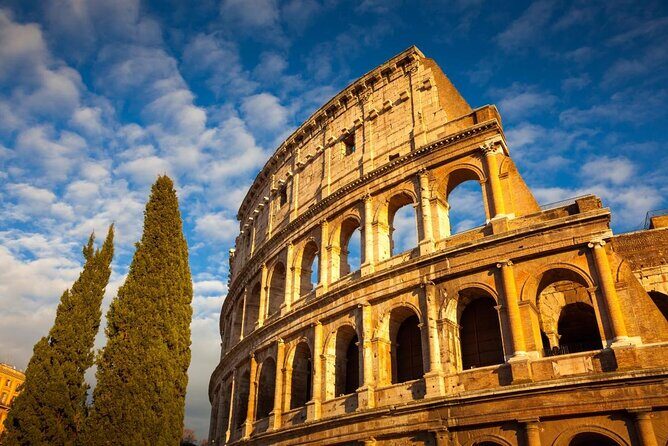
- Skip-the-line Colosseum entry with pre-reserved passes, plus time to see the first and second tiers
- Roman Forum guidance that helps you read ruins like a map, not just a pile of stones
- Palatine Hill storytelling tied to the Romulus and Remus founding legend
- Max 8 guests at 11:15 AM, with headsets for clearer listening
- Reserved, expert-led route through the Colosseum, Forum, and Palatine in one go
Meet by the Colosseum and get reserved entry fast
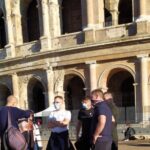
This starts at Via delle Terme di Tito, 72, right by the Colosseum area. You’ll meet your guide and group at the metro stop opposite the monument—so you’re already in the right zone when the day gets busy. The key benefit here is reserved entry to the Colosseum, which is what you want when Rome is doing its daily thing: long lines, fast-moving crowds, and everyone trying to beat everyone else.
The tour runs about 3 hours, and it’s timed (there’s an 11:15 AM start time only). Since you’re also averaging around 58 days booked in advance, this is a sign the slot can fill. If you’re set on doing the Colosseum–Forum–Palatine combo with a small group, book early rather than hoping a last-minute spot stays open.
One practical point: reserved access does not mean no delays. You may still queue for security and then for entry procedures. The difference is that you’re not starting from scratch in the worst part of the line, and your guide can keep things moving while you’re learning.
Finally, the meeting/ending setup matters. You finish in the Roman Forum area, which is convenient because it keeps your next move simple—whether you want to continue wandering the ruins on your own or connect to the rest of your Rome route.
More Colosseum, Forum & Palatine combos for the Colosseum & Ancient Rome
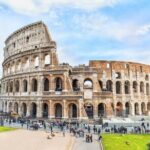
Inside the Colosseum: tiers, gladiators, and emperor hand signals
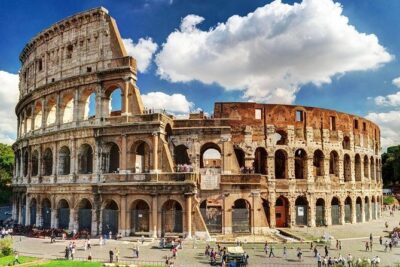
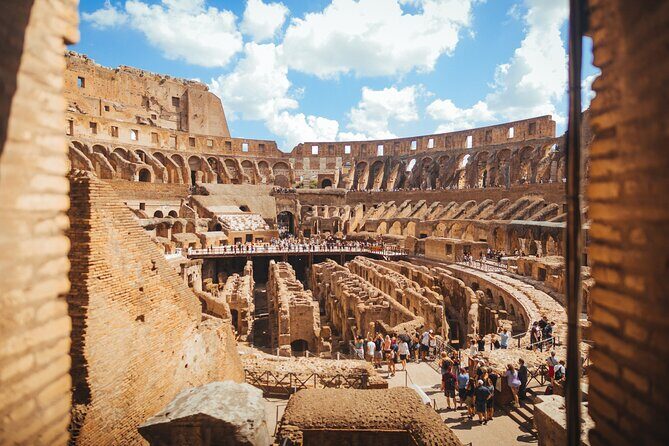
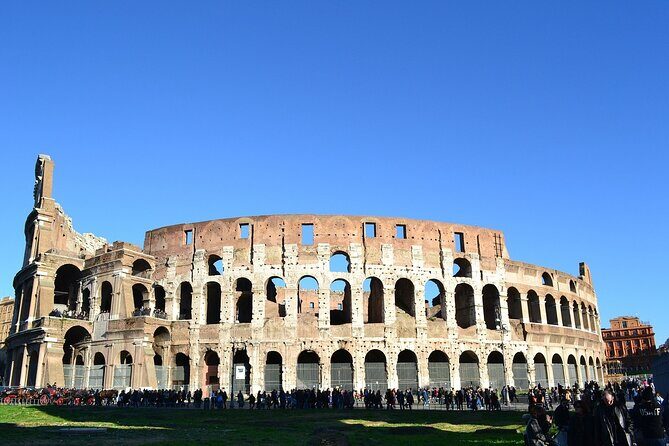
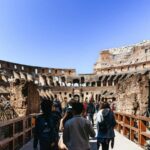
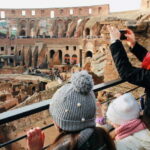
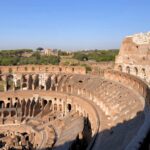
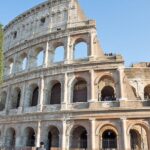
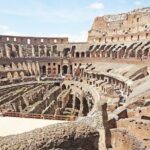
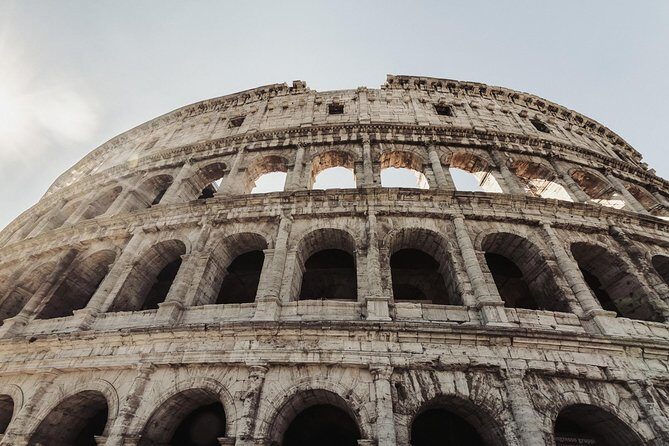
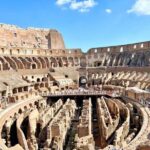
The Colosseum is why you’re here, and the tour uses your time well. Your guide takes you inside with pre-reserved passes, then you work your way through the arches and up to see the first and second tiers. That matters because it’s easy to walk in, take a few photos, and miss the parts that actually explain the place.
Here’s the kind of detail I love about a guided Colosseum visit: you don’t just hear the basics. You learn how the arena functioned, including gladiators who fought by choice or otherwise, and how emperors decided outcomes. One fascinating trivia-style moment you’ll likely hear is the hand signals emperors used to condemn combatants. It’s the kind of detail that turns the Colosseum from a postcard into a working system.
You’ll also get stories that connect what you see to what you can imagine—like graffiti carved into the walls by the captive audience. Even if you don’t know Latin, those marks give the space a human pulse. The guide also covers other uses of the Colosseum beyond gladiator spectacle, so you don’t leave thinking it was only one thing.
About pictures: plan on short pauses for photos. Some sites inside the Colosseum can get crowded quickly, and you’ll see why the guide’s timing matters. Also, you’ll feel those stairs. The tour includes stairs, so comfortable footwear isn’t optional—it’s the difference between enjoying the view and counting steps like it’s your job.
Roman Forum streets: temples, Caesar, and how to read ruins
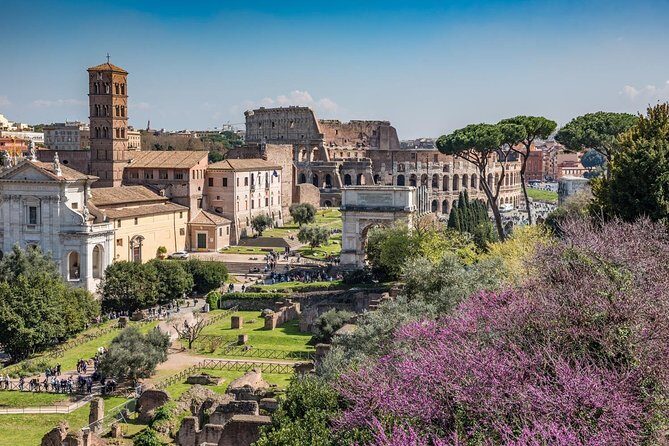
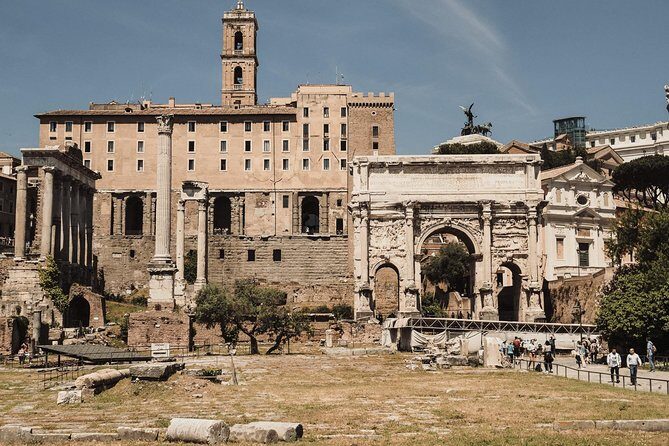
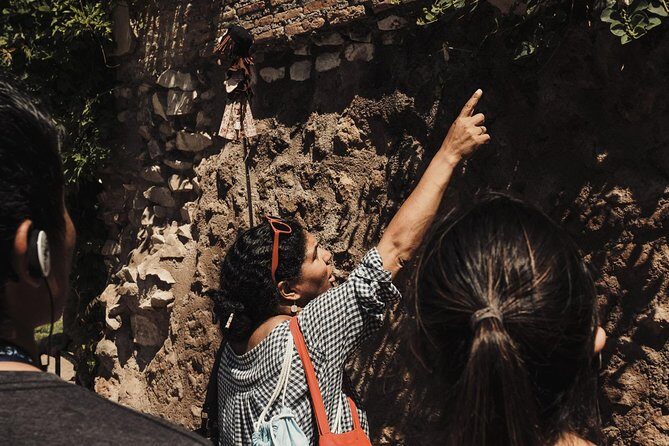
Next comes the Roman Forum, the empire’s commercial and political heart. This stop is where a good guide earns their pay. The Forum is vast, half-collapsed, and full of similar-looking fragments. Left on your own, it’s easy to stare at ruins and guess. With a guide, you get structure: what you’re seeing, what it was used for, and how daily life worked.
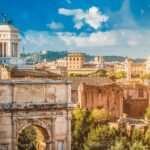
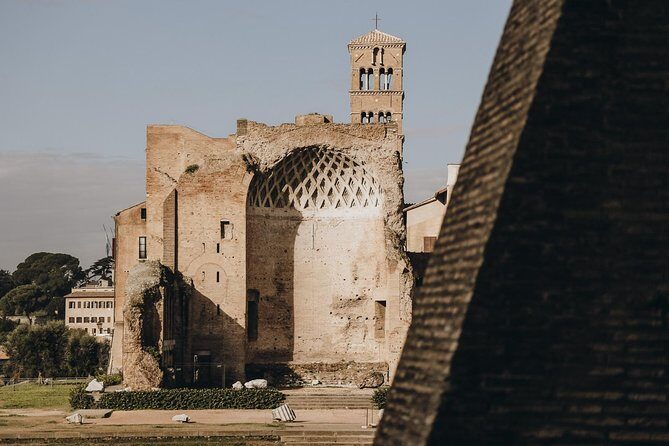
Your guide walks you through key landmarks you can’t easily piece together from street level, including the Temple of the Vestal Virgins, the final resting place of Julius Caesar, and the arch of Constantine. Those names aren’t just impressive—each one anchors a bigger story about power, religion, and public messaging.
What I find especially useful here is how the guide explains the subtle differences between building types. You’ll hear how historians can tell whether structures were set up as something like a moneylender’s shop versus public baths. That kind of explanation turns confusion into pattern recognition.
You’ll also get the big time-capsule view: what life was like during the eras of figures such as Caesar, Nero, and Hadrian. It’s not just a list of names. It’s an explanation of how Roman society functioned—who did what, where people gathered, and why these buildings mattered.
One more practical note: the Forum can be hot and exposed. Even with good planning, it’s still an open-air walk among stone. A couple of guides on this route have been praised for safety-minded pacing and helping find shade or drinking fountains, which is exactly what you want on a warm Roman day. If you’re traveling in the summer, bring a hat and water, and don’t be shy about taking the short breaks your guide builds in.
Palatine Hill: Romulus and Remus plus the view from the power center
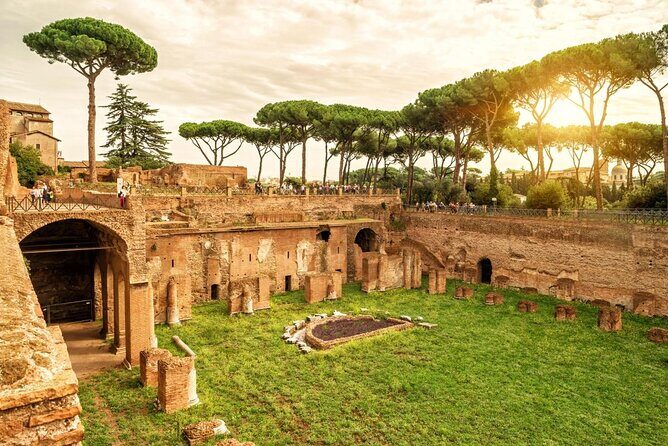
Palatine Hill is your finishing act, and it’s the most myth-forward stop. You climb up to see the palaces of Palatine Hill, built on legendary ground tied to Rome’s founding story. Your guide will pause to share the legend of Romulus and Remus—the twins connected to the she-wolf story—and that helps you understand why this hill was more than just real estate.
This is also where the atmosphere changes. The Colosseum feels like the heavyweight champion of ancient entertainment. The Forum feels like the empire’s operations center. Palatine Hill feels like the private room behind the curtain—the place where power and legend overlap.
The climb is part of the deal. Your fitness needs to be “moderate,” not “you can sprint up an incline,” but you should expect steps and uphill walking. If you’re worried, focus on slow, steady pacing. The guide usually keeps the group moving, and the hill is much easier when you don’t fight the terrain.
From here, you leave feeling like you can finally place the pieces. You’ll have a mental map: arena, government center, and elite neighborhood. That’s the real value of bundling these sites into one guided loop instead of treating them like three unrelated stops.
Making the most of a tight 3 hours on foot
This is a walking tour, and it’s built for momentum. The upside is that you get a fast hit of the most important ancient Rome areas without spending hours figuring things out. The downside is you don’t linger in every doorway like you might on a self-guided day.
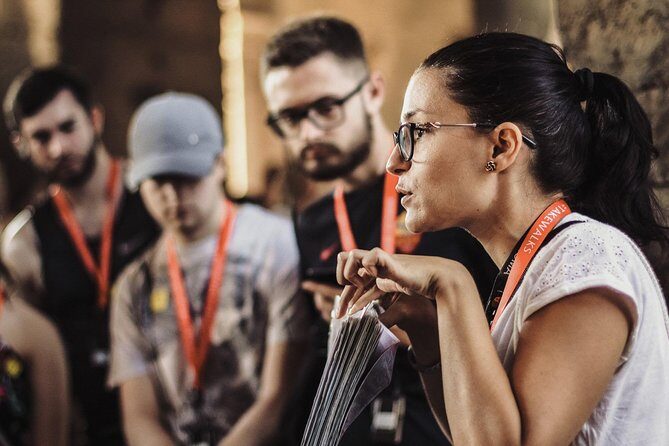
The guide’s role is big here. A strong guide helps you interpret what you’re seeing so you don’t waste time wondering what you’re looking at. In feedback from the tour route, guides like Laura, Paula, Davide, Eddy, Amber, Emanuel, Marco C., Julia, Francesca, and Gigi have been singled out for detailed storytelling, humor, and clear explanations. Even when guides are different personalities, the best version of this tour is consistent: you leave with more than photos.
Headsets are another practical win. For groups of six or more, you’ll get headsets to hear your guide clearly. That’s especially helpful because Colosseum and Forum areas can be noisy and echo-y. A headset takes the pressure off and lets you listen instead of leaning in and straining.
If you’re planning your own Rome day around this tour, think about timing like this:
- Start the day calm. Don’t schedule a hard second tour right after.
- Wear shoes you can walk in for a few hours with stairs and uneven stone.
- If you need elevators or step-saving help, know that at least one traveler reported elevators can be available for certain stairs. Still, don’t assume every stair challenge can be removed—Rome sites are what they are.
Also keep your language needs in mind: the tour is offered in English.
Finally, remember the ID rule. All participants need a government-issued ID or passport, and the full names provided at booking must match the ID exactly. If you travel with a shared name format or a nickname, fix that before your tour day, because security can deny entry without the right documentation.
More Roman Forum tours for the Colosseum & Ancient Rome

Should you book the Small-Group Colosseum tour with Forum and Palatine Hill?
I’d book this if you want the highest-value version of the ancient Rome highlights in one morning. The combination of reserved Colosseum entry, a guide who can explain how the Forum buildings worked, and Palatine Hill’s myth-and-power story is a strong way to compress effort without sacrificing meaning.
You might skip it (or at least consider your alternatives) if you’re hoping for a relaxed pace with long, slow exploring. This is structured and designed to cover major ground in about 3 hours. Also, because this depends on the guide, if you’re extremely sensitive to how much commentary you need, read your expectations carefully before you go. The tour has a solid track record, but like any guided experience, guide quality can swing.
If your goal is to walk into the Colosseum and actually understand what you’re seeing, then yes: this is a good booking.
FAQ
What’s included in the tour sites?
You’ll visit the Colosseum, the Roman Forum (Foro Romano), and Palatine Hill (Palatino). Admission tickets for these stops are included, and the Colosseum reservation fee is also included.
Is the Colosseum entrance really reserved?
Yes. The tour includes pre-reserved passes for Colosseum entry, and the Colosseum reservation fee is included in the price.
How big is the group, and do you get headsets?
This is an intimate small-group experience with a maximum of 8 guests for the 11:15 AM start. Headsets are offered for groups of six or more.
What time does the tour start?
There is an 11:15 AM start time only for this tour.
Do I need ID to enter?
Yes. You’ll need a government-issued ID or passport for all participants, and the full names used at booking must match the ID or passport. Without ID, security may deny entry.
Can I get a refund if I cancel?
You can cancel up to 7 days in advance for a full refund. If you cancel less than 7 days before the experience, it’s 100% non-refundable.