REVIEW · ROME
Rome: Colosseum, Roman Forum & Palatine Hill Tour
Book on GetYourGuide →Operated by Tours And Tours · Bookable on GetYourGuide
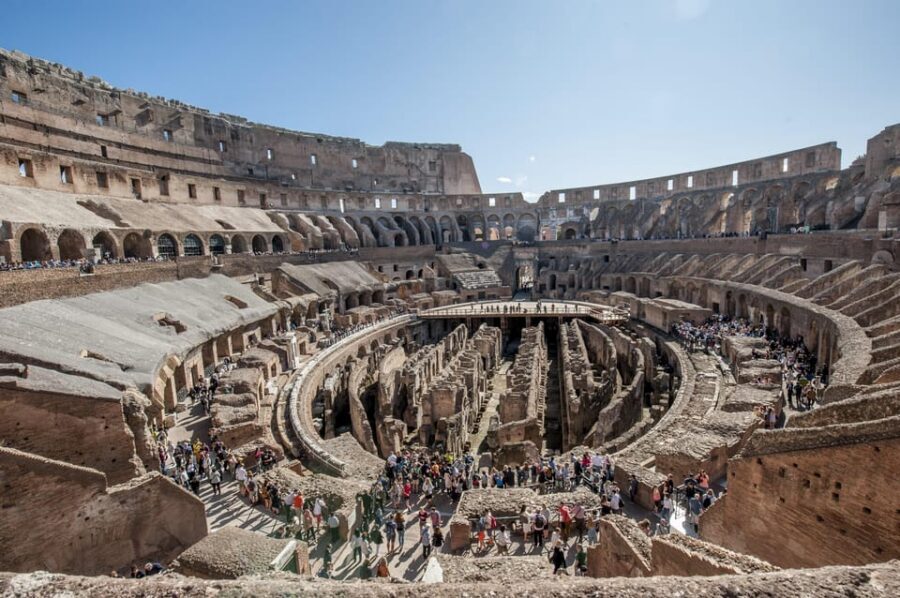
Crowds and gladiator stories move fast here. What makes this Colosseum tour work is that you get skip-the-line entry plus headsets, so you can actually hear the guide while Rome does its thing around you. In 2.5 hours, you cover the big three sites that define ancient Rome.
I also like how the tour turns stone into scenes: gladiator life, training, and what the arena meant for power and show. You’re not stuck reading a sign; you’re walking through the spaces where emperors and elites once moved.
The one real drawback is that it’s still a busy, walk-heavy route with airport-style security, so expect delays and heat. And it isn’t suitable for people with mobility impairments or wheelchair users.
In This Review
- Key points to know before you go
- Starting at Via delle Terme di Tito 93: getting into the flow
- Skip-the-line: what you gain at the Colosseum entrance
- Colosseum tour (about 1 hour): gladiators, the arena, and the best moments
- Walking the Imperial Roman Forums and Via Sacra: power at ground level
- Triumphal arches you’ll actually notice: Septimus Severus, Titus, Constantine
- Palatine Hill (about 1 hour): emperor palaces and the big views
- Group pace, heat, and photo time: what really affects your day
- Price and value: is $41 for Colosseum, Forum, and Palatine worth it?
- Who this tour suits best (and who should pick something else)
- Should you book this Colosseum, Roman Forum & Palatine Hill tour?
- FAQ
- How long is the Colosseum, Roman Forum & Palatine Hill tour?
- How much does the tour cost?
- What’s included in the tour price?
- Where do I meet the tour group?
- What do I need to bring for entry?
- Is this tour suitable for wheelchair users or people with mobility impairments?
Key points to know before you go
- Skip-the-line helps, but crowds stay real at the Colosseum and around Forum bottlenecks
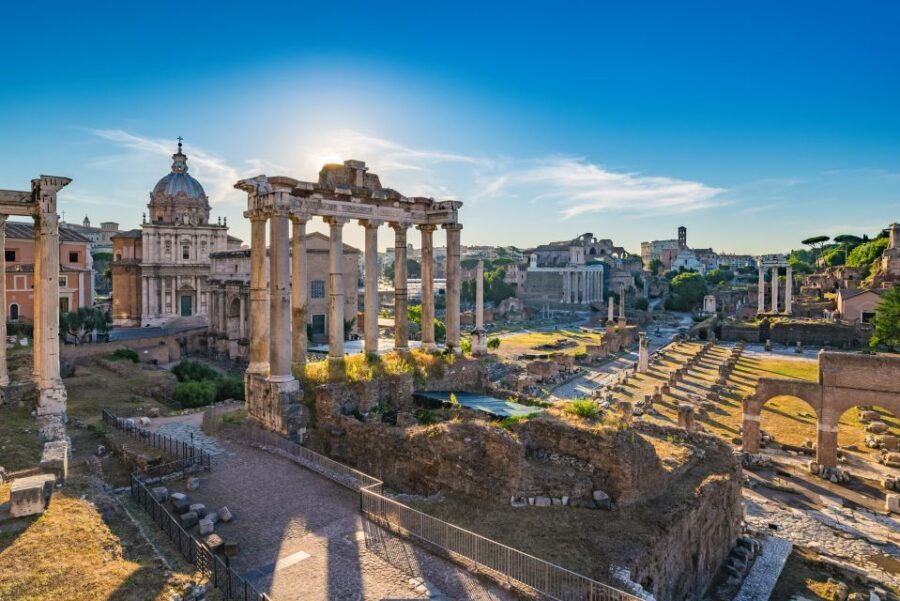
- Via Sacra cobblestones in the Imperial Roman Forums, tied to legends around Julius Caesar, Mark Antony, and Cleopatra
- Palatine Hill views over the Forums where emperors built their palaces
- Triumphal arches stop set your eye on power including Septimus Severus, plus the Titus and Constantine arches
- Julius Caesar cremation spot is part of the route at the Forum
- Headsets make a difference in a loud, crowded complex
Starting at Via delle Terme di Tito 93: getting into the flow
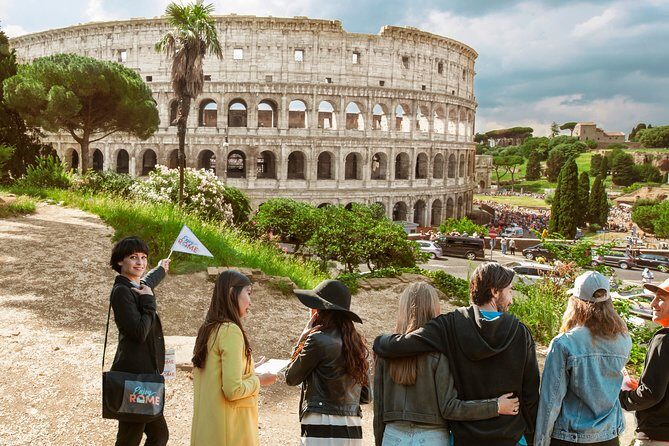
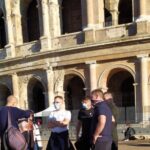
This tour begins at Via delle Terme di Tito 93, which is a convenient area to reach once you’re in the Colosseum zone. If you’re using the Metro, you’ll aim for Colosseo station, then reach the terrace above it. From there, you walk along Via Nicola Salvi (about 100 meters) and turn left.
Why I think this meeting point matters: the Colosseum complex is surrounded by tight streets and constant foot traffic. A clear meeting place helps you avoid losing time while you hunt for the group. On hot days, that extra time outside adds up quickly.
A practical note: the tour route involves security checks. Plan to arrive a bit early so you’re not panicking when you see lines at the entrance area.
More Colosseum, Forum & Palatine combos for the Colosseum & Ancient Rome
Skip-the-line: what you gain at the Colosseum entrance
The big promise here is skip-the-ticket-line. In plain terms: you should spend less time buying or processing entry and more time inside the sights that you came for—Colosseum first, then the Forum, then Palatine Hill.
Still, skip-the-line isn’t magic. Even with a faster entry lane, the Colosseum is the most famous ruin in Rome, so you’ll still see crowds inside and along viewing areas. One theme in the experience is that people can feel a bit of waiting or milling right as groups form.
If you’re trying to maximize your first day in Rome, this helps. If you’re hoping for quiet and space, you’ll be disappointed no matter what tour you book.
Colosseum tour (about 1 hour): gladiators, the arena, and the best moments
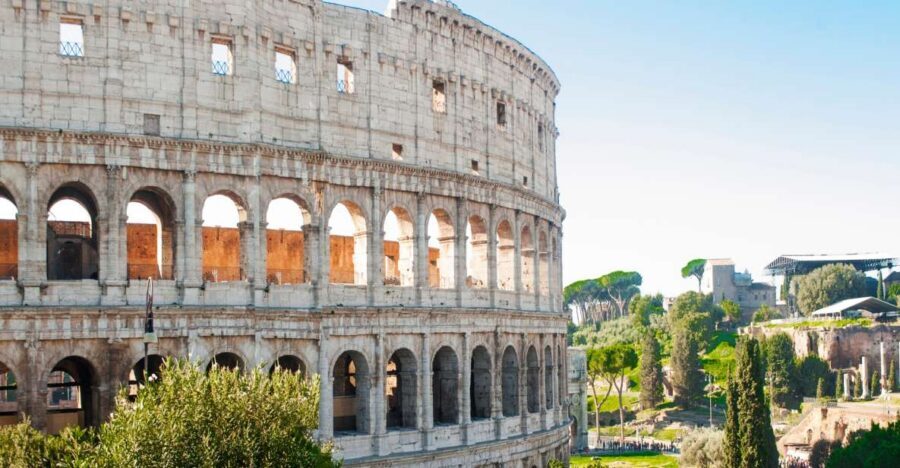
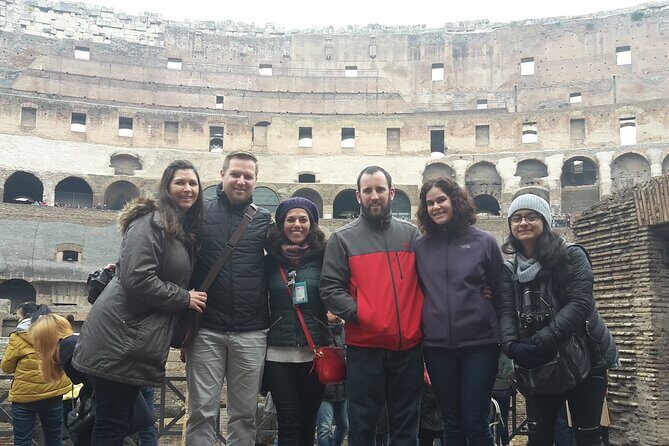
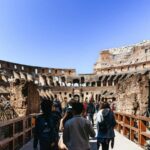
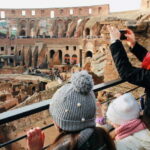
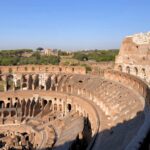
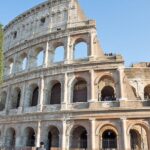
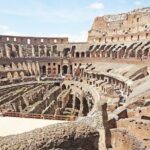
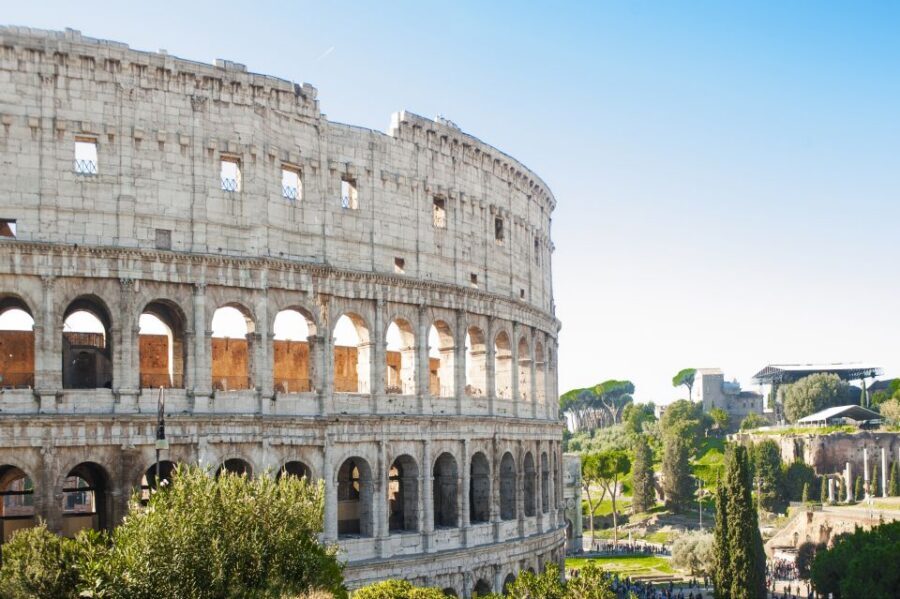
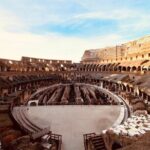
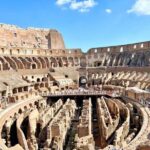
You’ll start with a guided visit to the Colosseum. This part is about an hour, and it’s structured to give you the arena story without turning it into a long lecture.
What makes this stop meaningful is the way the guide focuses on gladiators—their living conditions, their training, and how gladiators were treated like stars. That turns the Colosseum from a set of arches into a working machine for spectacle and status.
Look for the tour pacing: you’ll be guided through the key viewpoints rather than just circulating randomly. In some tours, groups can end up spending more time standing in certain spots for explanations, which is fine if you like structure. If you’re more of a wander-and-photo person, just know you might not get the long, slow Colosseum stroll you’d do on your own.
Also, the Colosseum is one of those places where the air feels thicker as the day warms up. Several guides in this operator’s orbit are attentive to heat—keeping people in the shade when possible and working with comfort breaks. If you’ve got your own hat and sunscreen ready, you’ll feel more in control.
Walking the Imperial Roman Forums and Via Sacra: power at ground level
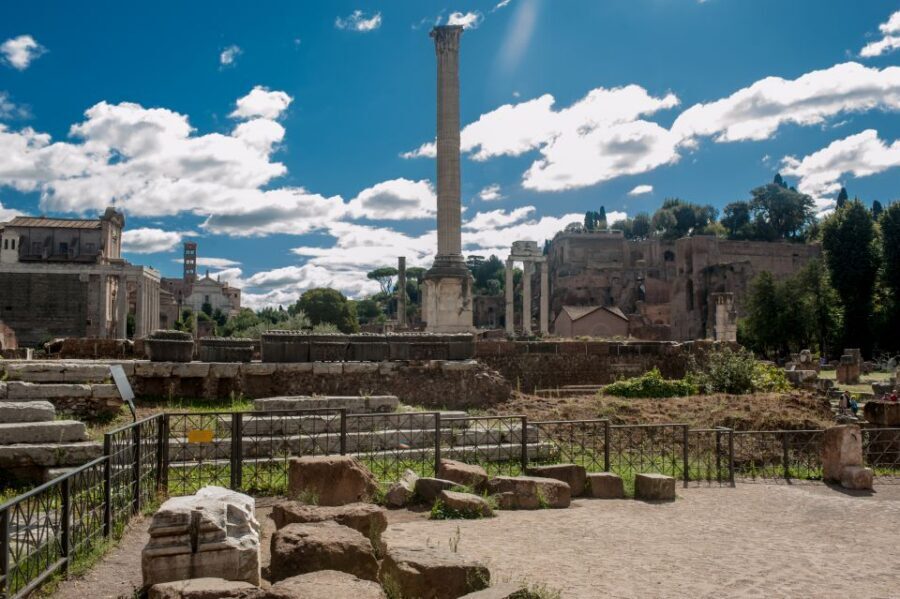
After the Colosseum, you move into the Imperial Roman Forums for another guided hour. This is where the tour shifts from arena drama to political reality.
Here’s what I love about this portion: you follow the Via Sacra and its cobblestones—framed as the same route connected with Julius Caesar, Mark Antony, and Cleopatra. Even if you treat those names as the tour’s storytelling anchors, the point still lands: you’re walking through the downtown center of the ancient world, where decisions and public rituals echoed across the empire.
This part of the Forum route includes:
- The atmosphere of the Forum’s civic core
- The spot where Julius Caesar was cremated
- Time focused on arches and what they symbolized—conquest, legitimacy, and Roman messaging
The Roman Forum can feel like a maze if you go alone. The guided format makes a big difference because the guide ties structures to function. Instead of looking at scattered ruins, you start to see the “why” behind placement and design.
The drawback is similar to the Colosseum: crowd density. If your pace is slow or you stop for photos often, you may feel the group pressure. Headsets help, but the space still fills.
Triumphal arches you’ll actually notice: Septimus Severus, Titus, Constantine
This tour specifically calls out the triumphal arches around your route—another good sign that the guide isn’t just doing a stop-and-skip slideshow.
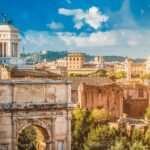
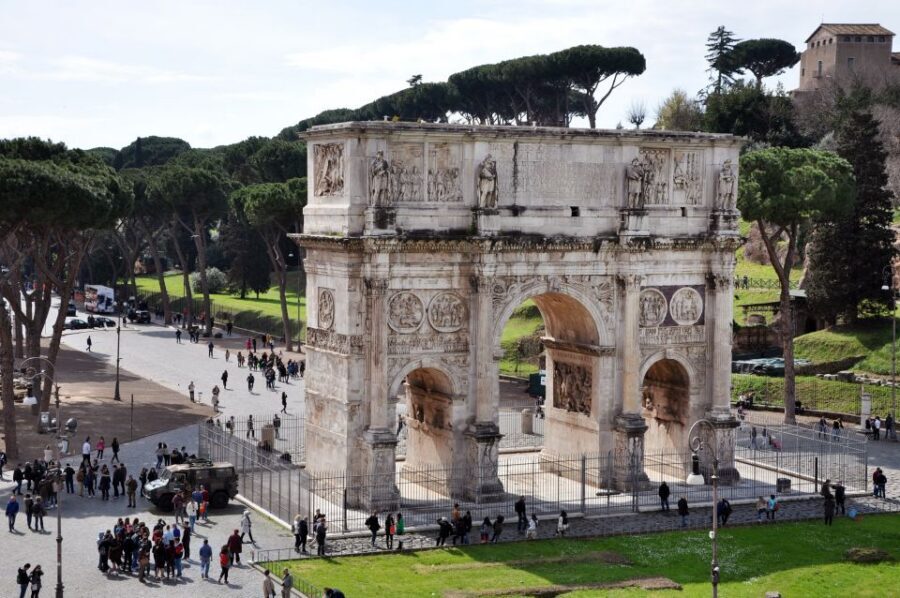
You’ll walk around the Triumphal Arches of Septimus Severus, plus you’ll see the ancient Titus and Constantine Arches. These aren’t random backdrops. They’re built to project triumph and authority, often right where crowds already gathered.
Why that matters to you as a visitor: triumphal arches are easy to underestimate because they look like stone frames. When someone explains what they were used to communicate—who was celebrating, what victory meant, and why it was displayed in public—you start spotting details you would otherwise miss.
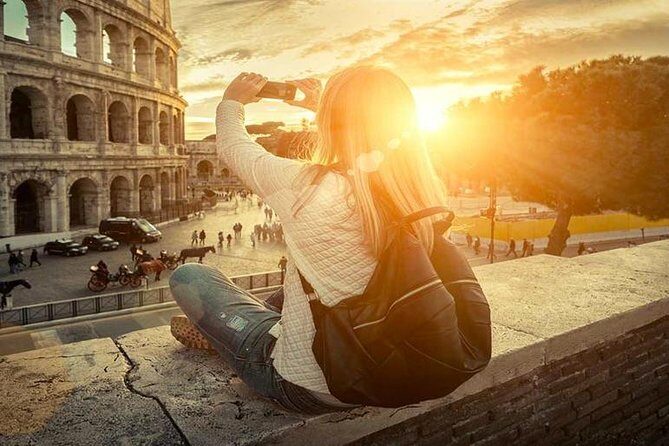
If you like photography, these arches also act like composition anchors. They give you strong “frame a view” angles over heads and ruins—especially helpful in a place with constant foot traffic.
More Roman Forum tours for the Colosseum & Ancient Rome
Palatine Hill (about 1 hour): emperor palaces and the big views
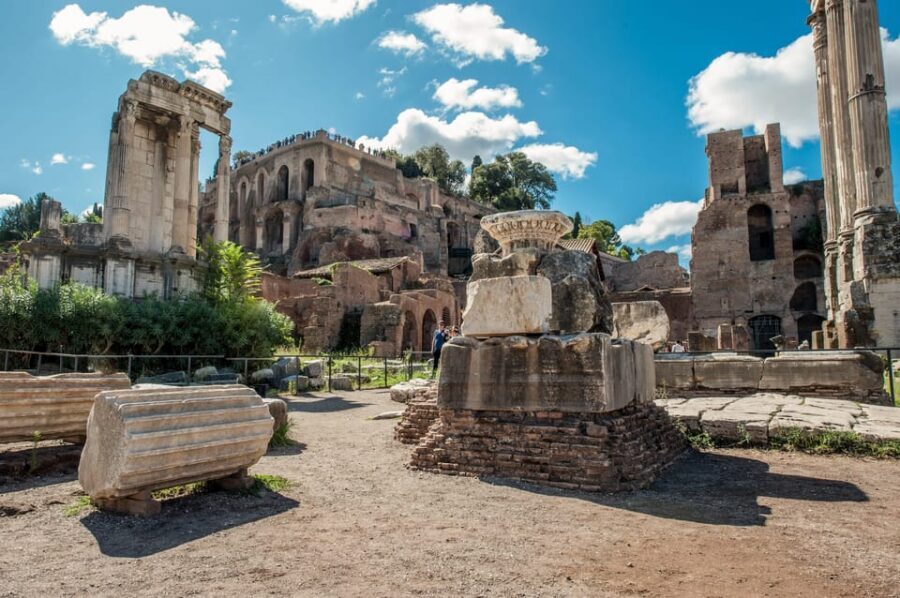
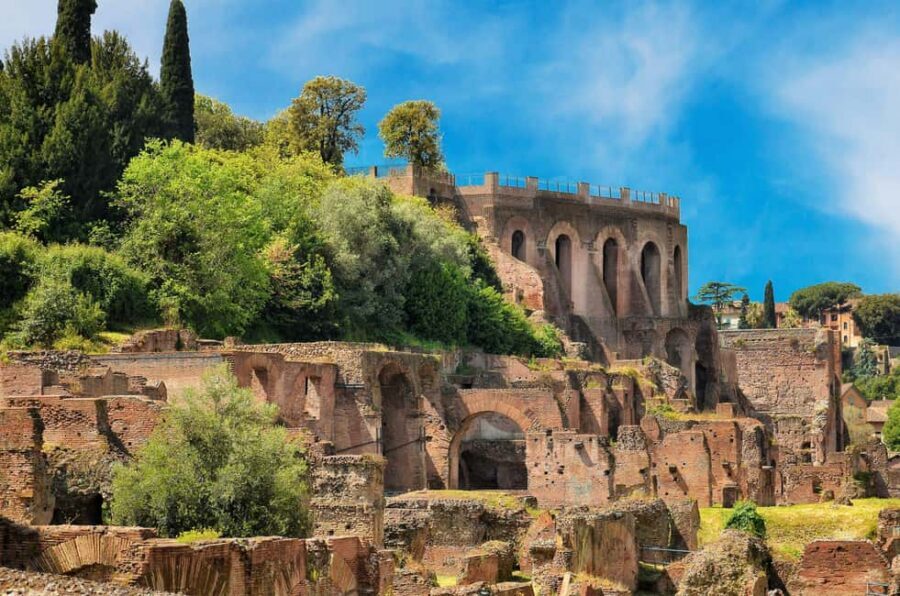
Next comes Palatine Hill, guided for about an hour. This is the payoff for people who like “high ground.” Palatine overlooks the Forums, so you can see how emperors could dominate not just a palace but the whole civic center below.
The tour focuses on Palatine as the place where emperors built opulent palaces. That framing changes your experience. You’re not just climbing a hill; you’re reading how Rome’s ruling class physically positioned itself above daily life.
Expect more uneven terrain than the Forum. You’ll be walking up and around, and it’s part of why this tour is not suitable for mobility impairments or wheelchair users. If stairs and slopes are hard for you, you’ll want a different plan.
If you’re okay on your feet, this is the part where the day clicks into place. The hill’s views make earlier stops feel connected: the arena, the civic spine, and then the power base overhead.
Group pace, heat, and photo time: what really affects your day
The advertised duration is 2.5 hours, and the tour is guided through three major sites. In practice, two things shape how it feels:
1) Crowd movement (entry points, security, and bottlenecks)
2) Time spent in explanations versus time spent walking and photographing
Some people loved how guides kept the group together and adjusted to heat. You’ll often hear about guides staying aware of shade and comfort. If you’re sensitive to sun, bring a hat and sunscreen and wear shoes that can handle uneven paths.
Photo-wise, there’s a balance. If the guide slows down for structure and details, it can feel like you’re parked more than you expected. If the guide moves quickly through key “spot-your-shot” angles, you’ll be happier but you might miss small details unless you stop and ask.
The good news: the tour includes headsets, and that tends to improve both understanding and pacing. You can hear without craning your neck or losing your spot in a crowd.
Price and value: is $41 for Colosseum, Forum, and Palatine worth it?
At about $41 per person for a 2.5-hour guided route that includes entrance tickets and headsets, the value is decent—especially because these three sites are expensive and time-consuming to organize yourself.
Here’s how I think about the value:
- You’re paying for guided context across multiple sites, not just one
- You’re paying for time savings via skip-the-line entry
- You’re paying for noise-canceling sanity with headsets in a very crowded environment
If you’re someone who reads signs, this still may be worth it because the Forum and Palatine are hard to connect on your own. If you’re someone who prefers pure freedom, the tour might feel structured and a bit rushed. In that case, you might mix options: do one guided segment and keep the rest flexible.
Who this tour suits best (and who should pick something else)
This tour fits best if you want:
- A guided route across the main Roman highlights without planning between sites
- Story-first explanations—especially around gladiators and how the empire projected power
- A day that stays focused instead of wandering into confusion
It’s not the best fit if you:
- Need wheelchair access or have mobility limitations (this one is explicitly not suitable)
- Want quiet and slow pacing
- Dislike waiting around for security and group movement
If it’s your first time in Rome, this is a strong way to get your bearings fast. If it’s your second or third visit and you already know the basics, you might choose a more flexible style so you can linger where you personally care most.
Should you book this Colosseum, Roman Forum & Palatine Hill tour?
I’d book it if you want the best chance of seeing the Colosseum + Forum + Palatine Hill in one smart push, with tickets handled, headsets included, and a guide who explains what you’re looking at. It’s also a good pick if you’re not confident navigating the complexes on your own.
Skip booking if you’re planning a very slow day, need wheelchair-friendly access, or hate crowds enough that the idea of security lines and packed viewing areas will sour the experience. In that case, you’ll likely prefer a smaller-scope tour or a different time of day.
If you do book: arrive early, wear supportive shoes, and treat the tour as a guided highlight reel with plenty of opportunities to learn—then use the rest of your day to roam at your own pace around what grabs you most.
FAQ
How long is the Colosseum, Roman Forum & Palatine Hill tour?
The tour runs for about 2.5 hours.
How much does the tour cost?
The price is listed as $41 per person.
What’s included in the tour price?
You get a professional guide, entrance tickets, and headsets.
Where do I meet the tour group?
Meet at Via delle Terme di Tito 93. If you arrive by Metro at Colosseo station, reach the terrace above the station, walk about 100 meters on Via Nicola Salvi, and turn left.
What do I need to bring for entry?
You’ll need a passport or ID card. The same applies for children.
Is this tour suitable for wheelchair users or people with mobility impairments?
No. It is not suitable for people with mobility impairments or wheelchair users.