REVIEW · ROME
Rome: Priority Access to Colosseum and Forum with Virtual Reality Tour
Book on GetYourGuide →Operated by VIRTUALOGIQ · Bookable on GetYourGuide
Ancient Rome in VR first, real stone second. This combo is special because you get a 360-degree virtual reconstruction before you step into the Colosseum with priority entry, so your brain has a map before the crowds hit. I also like that the VR covers key city spaces beyond the arena, not just one monument. The main drawback to consider: you’re wearing a VR headset for part of the experience, so if you dislike headsets or motion, think twice.
You’ll meet the team by the Colosseum at the Arch of Constantine, in a small group capped at 6. From there, you’ll be guided into a short tech-assisted session, complete with English audio, then move on to physical ruins with time to explore. If you want the classic Colosseum visit, but with context that makes the ruins feel more real, this format is built for that.
In This Review
- Key highlights to know before you go
- Meeting at the Arch of Constantine: what to expect at the start
- VR reconstruction of Rome: the part that changes how you see the Colosseum
- Entering the Colosseum: what priority access buys you
- Roman Forum and Palatine Hill with time to explore
- Time, group size, and how the 2.5 hours feels
- Is $78.17 good value for priority Colosseum entry plus VR?
- Who should book this VR + priority Colosseum combo?
- My take: should you book it?
- FAQ
- FAQ
- How long is the experience?
- Where do we meet for the tour?
- What’s included with the ticket?
- What VR equipment do you provide?
- Is the tour in English?
- Is it a big group or small group?
- What do I need to bring?
Key highlights to know before you go
- Priority entry into the Colosseum, plus access covering the Roman Forum and Palatine Hill
- 360-degree VR with English voice commentary and audio in the included headset
- VR route includes major Rome sites like Circus Maximus, Piazza Navona, Via Appia, and Ostia Antica
- Small group (max 6), so you spend less time herding people and more time looking
- Technical assistance from staff, not just a handout and good luck
- Meeting right at the Arch of Constantine area, so you’re already close to the action
Meeting at the Arch of Constantine: what to expect at the start
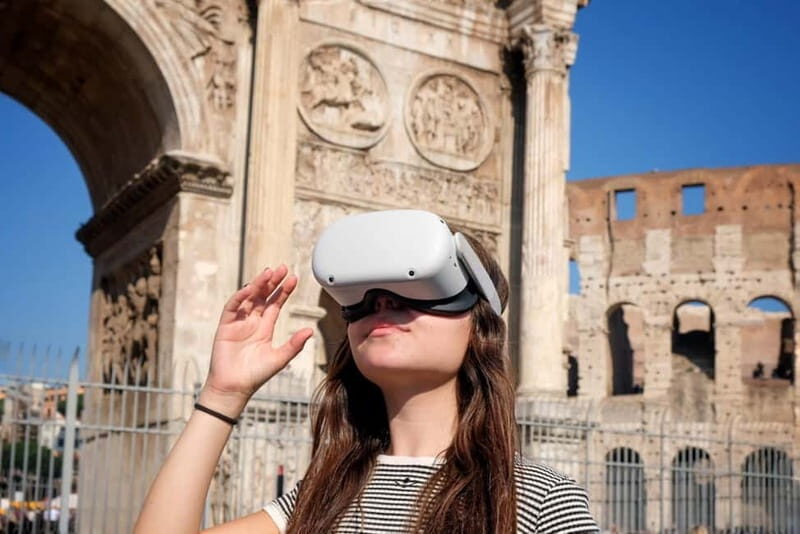
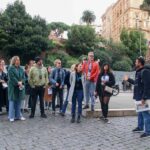
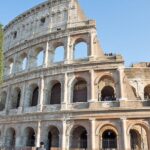
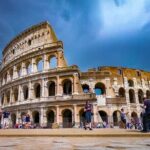
The meeting point is next to the Colosseum, by the Arch of Constantine. Look for staff wearing Ancient Rome VR clothing, and plan to arrive a little early so you can get checked in without stress.
Bring your passport or ID card. That matters for getting through site checks and keeping the whole flow on time. Because the group is limited to 6 people, the start is usually more orderly than big buses and long lines of strangers.
You’ll also get your bearings quickly. This is one of those tours where the logistics don’t try to be clever: you start at the Colosseum area, you finish back at the same place.
More Virtual Reality & Multimedia tours for the Colosseum & Ancient Rome
VR reconstruction of Rome: the part that changes how you see the Colosseum
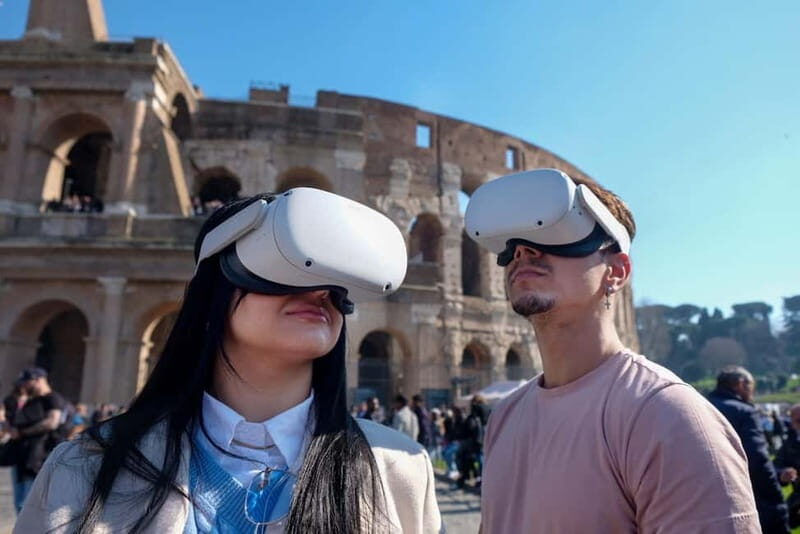
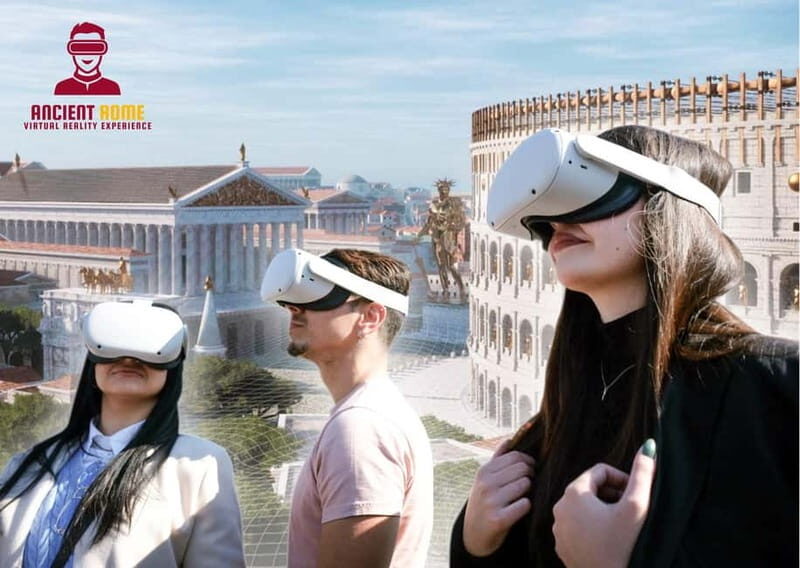
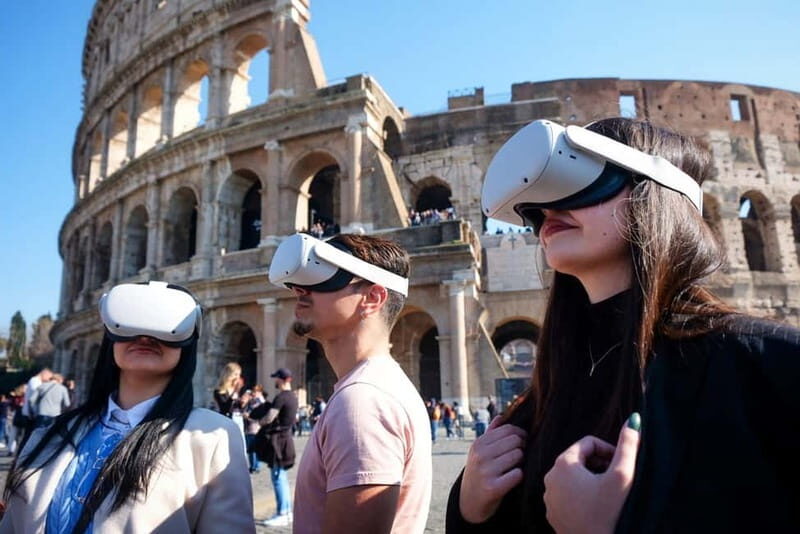
Before you go inside, you’ll do an interactive 3D VR session using a Meta Quest 2 or higher headset. You’ll get audio commentary in English while you move 360 degrees through reconstructed scenes, guided by voice narration.
Here’s what makes the VR section more useful than a basic 3D movie: the VR path isn’t only the Colosseum. You’ll also experience reconstructed views connected to ancient daily life and movement around the city, including the Roman Forum, Circus Maximus, Piazza Navona, Via Appia, and Ostia Antica.
Those places matter because they explain the Colosseum as more than a lone landmark. You’ll see how it fits into a network of public spaces where Romans watched performances, walked, traded, and gathered. Even if you’ve been to Rome once already, this kind of “connect-the-dots” preview can help you spot what you’d otherwise miss.
Also note the VR setup is supported. The experience includes technical assistance, so if you’re not used to VR controls or audio, you shouldn’t feel left on your own.
Entering the Colosseum: what priority access buys you
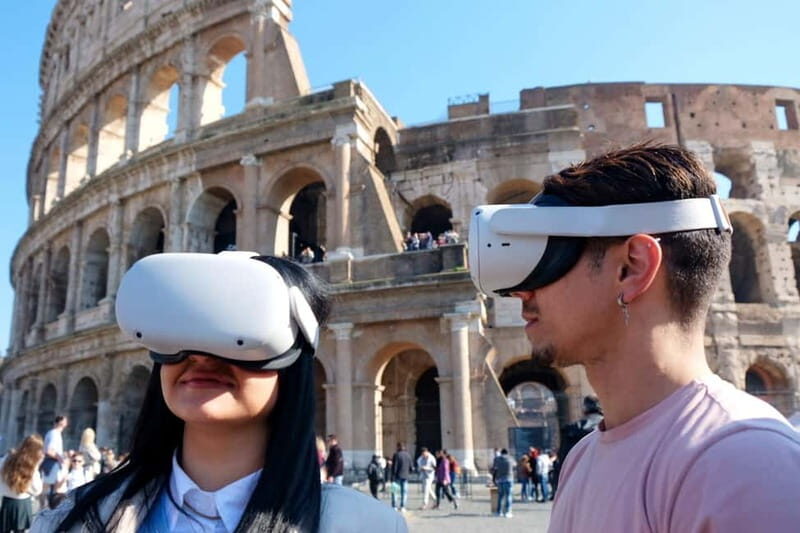
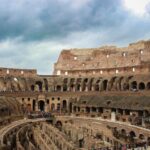
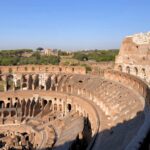
After the VR session, you physically enter the Colosseum. The ticket includes priority admission, meaning you should spend less time in the standard line setup that usually eats up half a day in Rome.
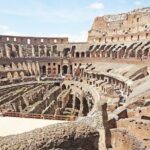
Once inside, your best move is simple: use the VR as a mental shortcut. The VR gives you a 3D sense of scale and placement, so when you look at arches, corridors, and open areas in the arena, your questions shift from What am I looking at? to Where does that route go?
In a standard visit, it’s easy to wander and only later realize you missed the story. Here, because your first “visit” is already mapped out in VR, the physical visit tends to feel more like confirmation than discovery.
Priority entry is also practical for energy. The Colosseum can be a lot—noise, heat, and crowds. Anything that reduces time queuing gives you more time to stand and actually look, not just move along with the flow.
Roman Forum and Palatine Hill with time to explore
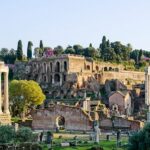
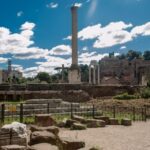
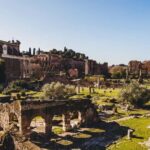
After the Colosseum, the tour continues into the ancient center of Rome: the Roman Forum and Palatine Hill. These are included in your priority admission, so you’re not restarting your day with yet another long entry process.
What you do next is built around “freely visit.” That’s an underrated choice. With a guided-only model, you might get a lot of facts but not enough breathing room. With free time, you can slow down at the spots you care about—arches, viewpoints, building remains, and layout clues that tell you how the place worked.
I like the way this pairing works:
- The Colosseum is the showpiece of public spectacle.
- The Forum and Palatine are where power, politics, and everyday movement lived.
Because you already saw reconstructed scenes in VR, you’ll likely find yourself checking what you see against what you learned: paths, relationships between areas, and the sense of where Romans would have walked and gathered.
One thing to keep in mind: your included time here is less about a structured route and more about personal pace. If you love rigid schedules, you might wish for a tighter itinerary. If you like choosing your stops and spending time where your eyes keep returning, this format fits.
Time, group size, and how the 2.5 hours feels
The total duration is about 2.5 hours. In practical terms, that’s long enough to do the VR preview and still have a real physical Colosseum experience, plus time for the Forum/Palatine.
The group is limited to 6 participants, which affects the tone. Smaller groups usually mean fewer delays and less waiting around for check-in, headset adjustments, or clarifications. It also tends to make the experience feel less like production and more like a focused visit.
You’ll also have language support: the instructor is listed as English. Since the VR commentary is also in English, you get continuity instead of switching between narration styles mid-visit.
If you’re the kind of traveler who likes to plan the day around one “anchor” experience, this one works well. You’re not stuck on a full-day tour script; you can still build the rest of your Rome day with nearby sights.


Is $78.17 good value for priority Colosseum entry plus VR?
At $78.17 per person, this isn’t the cheapest way to see the Colosseum. The value comes from what you get stacked together: priority access plus a VR reconstruction session with English audio and included equipment.
Here’s where the math usually makes sense:
- If you know you’ll be in lines otherwise, priority access can be worth it just to protect your time and patience.
- If you’re the type who learns visually, VR can turn the ruins into something you understand faster.
- If you want a short, high-impact experience without adding separate museum tickets or tours.
What you should watch for is expectation-setting. This is not a long deep-guided tour through every corner of the ancient complex. The Forum and Palatine are included, but the visit style is more about exploring than receiving nonstop narration for every step.
Still, that balance can be a plus. You get context upfront from VR, then you steer your own attention inside the ruins.
Who should book this VR + priority Colosseum combo?
This tour is a great fit if:
- You’re seeing Rome for the first time and want your Colosseum visit to make sense fast
- You like tech that helps you visualize what you’re about to walk through
- You want to reduce the time spent queuing and increase time spent looking
- You prefer a small group environment, not a crowd-control situation
It may not be ideal if:
- You really dislike VR headsets or don’t want to spend time in one
- You want hours of structured guiding inside every area
If you fall somewhere in the middle, it’s still worth considering. The key strength is the way VR sets up the physical visit, so you’re not staring at stone with no mental model.
My take: should you book it?
If your goal is to see the Colosseum and the heart of ancient Rome without turning your day into a waiting game, I’d lean toward booking this. The combination of priority entry and a 360-degree VR preview is a smart way to get more meaning out of the time you’ll spend onsite.
I especially like that the VR route reaches beyond the arena, because it nudges your attention toward how the Colosseum lived inside the wider city. With a small group and technical help, you’re set up for a smoother start than most tours that rely on self-guided tech.
FAQ
FAQ
How long is the experience?
It runs for about 2.5 hours. Starting times vary, so check availability for the schedule.
Where do we meet for the tour?
You meet next to the Colosseum at the Arch of Constantine. Look for staff wearing Ancient Rome VR clothing.
What’s included with the ticket?
The package includes priority admission to the Colosseum, the Roman Forum, and Palatine Hill, plus the VR experience with audio commentary.
What VR equipment do you provide?
You’ll use a VR viewer with an included Meta Quest 2 or higher headset, with audio commentary in English.
Is the tour in English?
Yes. The instructor is English-speaking, and the VR has audio commentary in English as well.
Is it a big group or small group?
It’s a small group experience limited to 6 participants.
What do I need to bring?
Bring your passport or ID card.
If you want, tell me your travel month and whether you’re seeing the Colosseum in the morning or afternoon. I can help you think through how this 2.5-hour format might fit into your day.