REVIEW · ROME
Rome: Nighttime Tour Outside the Colosseum with Local Guide
Book on GetYourGuide →Operated by Discoverers · Bookable on GetYourGuide
Night turns the Colosseum into theater. This 2-hour Rome nighttime tour strings together major monuments and street-level ruins under city lights, so you get context fast without buying timed-entry tickets. It stays outside, but the sights still feel big and close.
I love the way the guide weaves cruelty, discipline, and clemency into the story of how Romans lived and ruled. I also love the Capitoline Hill photo stop, where the city spreads out below you in a way daytime sightseeing can’t match.
One drawback to plan around: you do not enter the Colosseum or Roman Forum. If you’re expecting an indoor ticket experience, this will feel more like a guided walk and viewpoint tour than a museum-style visit.
In This Review
- Key highlights you’ll actually care about
- Why Rome at Night Makes This Tour Click
- Price and Value: What $29 Gets You (and What It Doesn’t)
- Meet-Up Details: Finding Your Guide at Vittorio Emanuele II
- Vittorio Emanuele II: A Guided Start That Sets Your Perspective
- Capitoline Hill: The Night Views That Make the Walk Worth It
- Trajan Forum Stop: Power, Ruins, and What You Can See Without Entry
- Colosseum at Night: Big Scale, Soft Light, and No Inside Access
- Guide Impact: What Strong Explanations Add in Real Time
- What to Bring (and How to Stay Comfortable for Night Walking)
- Should You Book This Rome Night Tour?
- FAQ
- How long is the Rome nighttime tour?
- Where do I meet the guide?
- Does this tour include entry into the Colosseum or the Roman Forum?
- What are the main stops on the tour?
- What’s the price per person?
- What languages are the live guides?
- Is the tour suitable for people with mobility impairments?
- Can I cancel for a refund?
Key highlights you’ll actually care about
- Outside-only route that focuses on what you can see from the street and terraces
- Vittorio Emanuele II Monument start with a guided orientation you’ll appreciate later
- Capitoline Hill for photos and panoramic views of Rome at night
- Trajan Forum stop that connects imperial power to what remains today
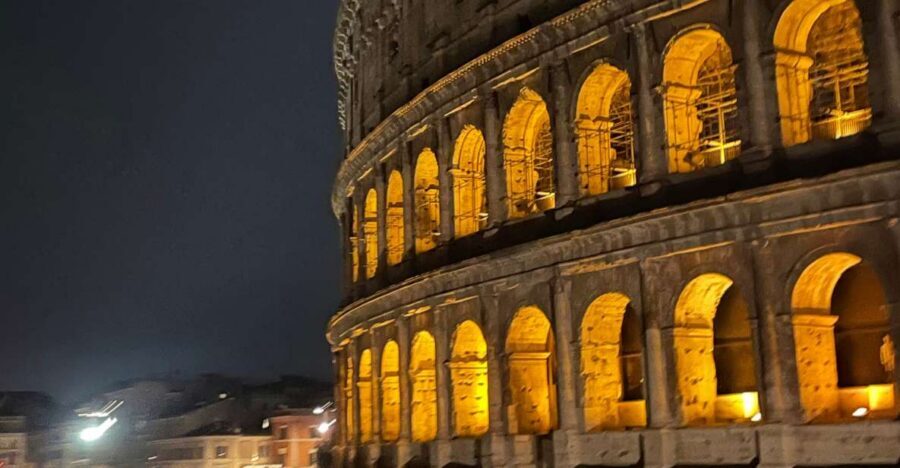
- Colosseum finale with strong nighttime photo moments, no entry required
- Spanish or Portuguese live guide (live interpretation, not an audio app)
Why Rome at Night Makes This Tour Click
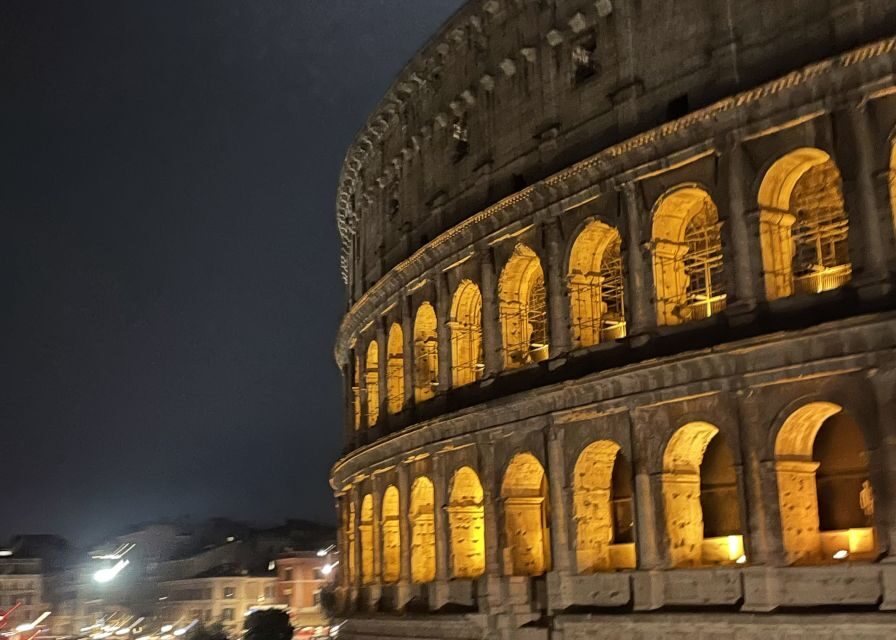
Rome is gorgeous in daylight, but nighttime changes the mood. The monuments you’ve seen in photos suddenly look different when they’re lit from below or framed by dark sky. On this tour, that effect matters because you’re not using inside time slots. Instead, you’re walking past illuminated landmarks and getting guided explanations as you go.
The biggest win is pacing. In only two hours, you hit the “read this, then see that” landmarks that define the Roman skyline: Vittorio Emanuele II, Capitoline Hill, the area connected to Trajan’s forum, and then the Colosseum. You come away understanding how these places relate to power and spectacle in ancient Rome, not just where to stand for selfies.
And because the format is a walking tour, you’ll likely find it easier to keep your attention than in a longer, stop-and-go daytime schedule. The guide’s role is to connect the dots in real time, so each viewpoint feels like part of one story.
More Night & Evening tours for the Colosseum & Ancient Rome
Price and Value: What $29 Gets You (and What It Doesn’t)
At about $29 per person, this is priced like a guided tour, not like a ticketed “inside the monument” experience. The tour includes a live guide and the walking route. It does not include entry to the Colosseum or Roman Forum, which means you’re not paying for timed tickets, entry lines, or reserve-the-date logistics.
For value, that trade-off can be smart. If you want the guided context and nighttime views but you don’t need to walk the interior floors, you’re paying mainly for interpretation and positioning. You also get something practical: you’re learning how to read what you see from outside. That’s useful in Rome, where you’ll keep encountering fragments, arches, and ruins long after your tour ends.
Just be honest with yourself about expectations. If stepping inside is your top priority, this isn’t the tour to start with. But if you’d rather see the sights efficiently, this offers a lot of “where to look” guidance for the money.
Meet-Up Details: Finding Your Guide at Vittorio Emanuele II
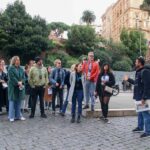
You’ll meet the guide in front of the Vittorio Emanuele II Monument. The guide will be holding a black umbrella and a tablet, which makes spotting them much easier than the usual guesswork.
The tour notes two potential starting locations tied to the city-center area: Arco di Costantino and Piazza Venezia. In practice, the key is that the meeting point is in front of Vittorio Emanuele II. Once you’re there, you can get your bearings before the first guided segment begins.
At the end, the tour drops you off in one of two areas: Campidoglio square or P.za del Colosseo, 23. That’s convenient if you’re continuing your evening on foot, grabbing dinner nearby, or aiming for transit without doing a second long hike.
Language-wise, the live guide speaks Spanish or Portuguese. If that’s your language, great. If not, plan on using visual cues and simple questions rather than expecting full two-way conversation.
Vittorio Emanuele II: A Guided Start That Sets Your Perspective
The tour begins with a guided segment at the Vittorio Emanuele II Monument, about 30 minutes. Even if you’ve walked through this area before, a guide helps you look at it differently. At night, the monument’s presence becomes more graphic because it’s lit against the sky. That makes it a good starting point for learning the “why” before you move into the ruins.
Think of this stop as your orientation in stone. You’re not just seeing a famous building. You’re getting a framework for what Rome tried to project: power, unity, and legitimacy through architecture. That matters later, because the tour shifts from monument to hill to forums to the Colosseum, and the explanations connect those themes.
Practical tip: wear shoes you trust. You’ll likely be stepping on uneven pavement and standing still for photos. If you’re already tired before the first viewpoint, the whole night can feel longer than it should.
Capitoline Hill: The Night Views That Make the Walk Worth It
Next comes Capitoline Hill, with a photo stop and another guided segment of about 30 minutes. This is one of the reasons the tour feels worth it even though it doesn’t go inside anything.
From higher ground, Rome at night looks like a layered map. You’ll see the city’s lights spread outward and get a sense of where the historical areas sit relative to each other. That “seeing the relationships” moment is exactly what a short tour should deliver. Daytime sightseeing can teach you individual landmarks; night viewpoints help you understand the spatial puzzle.
What makes this stop stand out is not just the view. It’s the feeling of standing in the kind of elevated, strategic location ancient Romans valued. When your guide connects the hill to the city’s story, the panorama stops being just pretty background and becomes part of the narrative.
If you want good photos, be ready to hold your position. Night lighting can make it tempting to keep moving, but the best shots usually come when you stay put and let your camera adjust.
Other guided tours in Rome

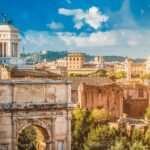
Trajan Forum Stop: Power, Ruins, and What You Can See Without Entry
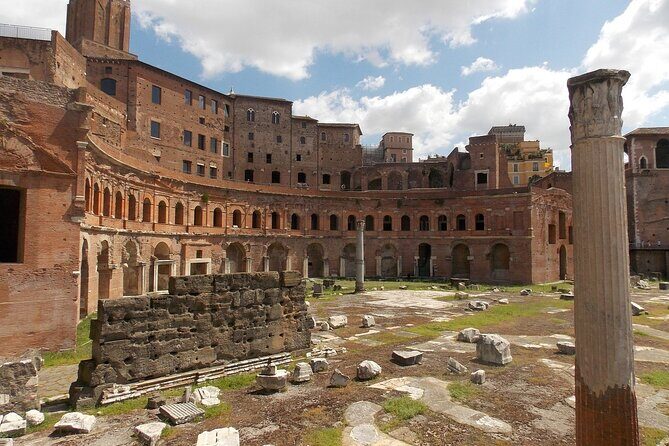
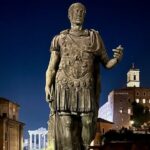
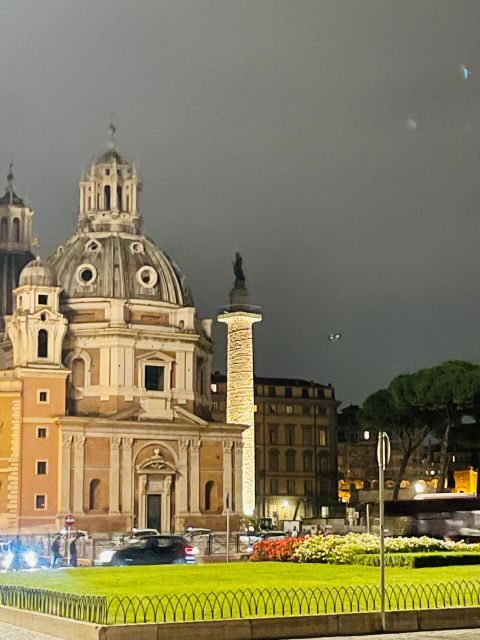
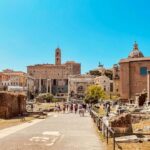
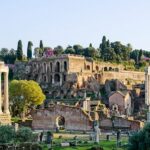
Then you’re in the zone associated with Trajan Forum, again with a photo stop and about 30 minutes total for the guided time here. This segment is especially helpful if you’re the type who wants to understand what you’re looking at instead of memorizing names.
The tour keeps things outside. You’re not walking into the archaeological park area. Instead, you’re guided through the street-level view, where remnants still tell stories about imperial display and control. The explanations focus on how authority was performed—how Rome communicated discipline, punishment, and clemency through public life.
This is where a strong guide adds value. From outside, it’s easy to see scattered stones and feel like you’re missing the full picture. With the right framing, those stones become evidence. You start to notice patterns in the way spaces were organized, and you understand why the Colosseum wasn’t just entertainment—it was governance made visible.
Colosseum at Night: Big Scale, Soft Light, and No Inside Access
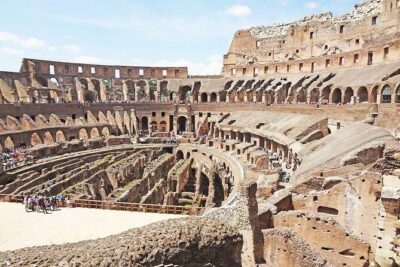
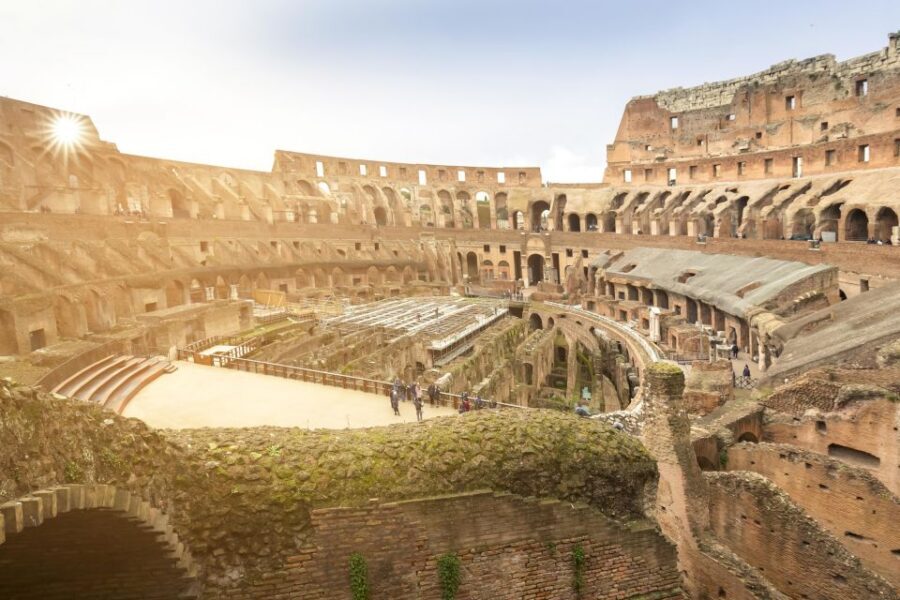
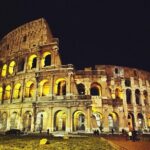
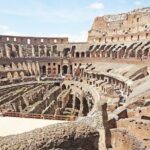
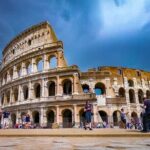
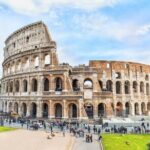
Finally, the tour ends at the Colosseum, with another photo stop plus about 30 minutes for guided time. This stop is designed to land emotionally. Bathed in nighttime glow, the Colosseum looks dramatic and immediate. Even without entry, you still get that “how could this possibly be real” feeling.
Just remember the rule that shapes the entire experience: no inside entry. So you’ll be viewing from outside and getting interpretation around the amphitheater’s role when it was still in use. The guide’s job is to help you mentally reconstruct what you can’t access during this tour.
For your expectations, treat the Colosseum as the final viewpoint in a guided story, not a ticketed interior visit. If you want the full walk-through experience, you’ll need a separate option. But if you want a night walk that teaches you how to read the monument from where you stand, this ending works.
The tour drop-off at P.za del Colosseo, 23 (or nearby Campidoglio square) also means you’re not left stranded after the last explanation. You’re already in the area where you can continue exploring on foot.
Guide Impact: What Strong Explanations Add in Real Time
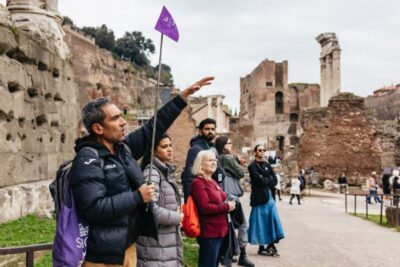
The quality of the guide can make or break a short tour, and this one is built around narration. In the past, guides named Alexia and César have been praised for taking people to spots they wouldn’t find on their own and for giving detailed, engaging explanations.
The strongest feedback pattern is simple: when the guide is on, the tour turns from sightseeing into understanding. You’re hearing stories at each stop and linking them to what you’re seeing—especially themes around cruelty, discipline, and mercy, which connect to how Roman public life was staged.
One caution based on a real issue that has happened: there can be late arrivals. In at least one case, the guide did not show up on time and required contact before arriving later. That doesn’t mean it’s common, but it does mean you should show up at the meeting point early and have a way to contact the operator if timing goes sideways.
Also, because the tour runs in Spanish or Portuguese, your experience will likely feel best if you’re comfortable following explanations in those languages. If you’re not, you can still benefit from the guided route and viewpoints, but your conversation options may be limited.
What to Bring (and How to Stay Comfortable for Night Walking)
This is a walking tour, so pack like it’s Rome: comfortable shoes and water. Nighttime makes it easy to forget hydration, especially if you’re focused on photos and viewpoints. Keep a bottle with you and take small breaks when the guide pauses for pictures.
It’s also not suitable for people with mobility impairments. The itinerary involves walking and standing at outdoor stops, so if you need accessibility accommodations, it’s best to plan a different kind of visit.
Weather can affect the tour too. The tour may be cancelled in heavy rain or if there aren’t enough bookings. If Rome is forecasting messy weather, consider planning a backup activity for the same evening.
Should You Book This Rome Night Tour?
You’ll probably love this Rome nighttime tour if you want a guided route that hits the big landmarks fast, with strong viewpoint time and stories that explain how Rome worked as a public stage. It’s a good fit for first-timers who feel overwhelmed by Rome’s size and want an easy, structured way to orient themselves after dark.
Book it if:
- You want the Colosseum and forum areas from outside, with context
- You like night views and photo stops
- You prefer Spanish or Portuguese guided explanations
- You’d rather pay for a guide than for multiple monument entries
Skip it if:
- You specifically want to enter the Colosseum or the Roman Forum
- You’re planning your whole trip around indoor ticket time
If your goal is to see a meaningful loop and leave with a clearer picture of Roman spectacle and power, this is an efficient way to do it in two hours.
FAQ
How long is the Rome nighttime tour?
The tour lasts 2 hours.
Where do I meet the guide?
Meet the guide in front of the Vittorio Emanuele II Monument. The guide will be holding a black umbrella and a tablet.
Does this tour include entry into the Colosseum or the Roman Forum?
No. The tour is outside only, and it does not include entry to the Colosseum or the Roman Forum.
What are the main stops on the tour?
The stops include Vittorio Emanuele II Monument, Capitoline Hill, Trajan Forum, and the Colosseum.
What’s the price per person?
The price is $29 per person.
What languages are the live guides?
The live tour guide speaks Spanish and Portuguese.
Is the tour suitable for people with mobility impairments?
No. The tour is not suitable for people with mobility impairments.
Can I cancel for a refund?
Yes. There is free cancellation up to 24 hours in advance for a full refund.