REVIEW · ROME
Rome: Colosseum, Circus Maximus, Forum & Ancient Rome Tour
Book on GetYourGuide →Operated by Pink Umbrella Tours · Bookable on GetYourGuide
Rome’s best lessons are outside. This guided walk strings together Ancient Rome’s big names and a few quieter corners, from Piazza Cinque Scole to the Circus Maximus, with capitoline viewpoints and Forum views doing most of the heavy lifting. I especially like how the route gives you political and daily-life context, not just monuments. One thing to weigh: you see the Colosseum from the outside only, and you’ll be on your feet outdoors for the full 2 hours.
Guides make the difference here, and the record is strong. People rave about guides like Bruno, Gabriel, Francesco, and Sam for clear explanations and easy humor, including answering lots of questions without making you feel rushed. Still, if you need step-free access, this isn’t the right fit: it’s not suitable for wheelchair users or people with mobility impairments, and there’s a climb up Capitoline Hill.
In This Review
- Key Stops and What You’ll Get From Them
- Why This 2-Hour Walk Works for First-Time Ancient Rome
- Meeting Point to the Jewish Ghetto: Piazza Cinque Scole Sets the Tone
- Portico d’Ottavia: A Marble Reminder of Markets and Power
- Ponte Fabricius and the Tiber Island Connection
- Theatre of Marcellus: The Stop That Prevents the Colosseum Confusion
- Temple of Apollo: Small Ruins With Big Echoes
- Capitoline Hill and Michelangelo’s Square: Ancient Viewpoints, Modern Framing
- Via dei Fori Imperiali: Reading the Forums Like a Single Story
- Circus Maximus and the Colosseum Outside: How to End Strong
- How the Best Guides Make This Tour Worth the Money
- Is $243.56 Worth It for an Outdoor Ancient Rome Tour?
- Practical Tips So You Don’t Lose Time (Or Your Place)
- Who Should Book This Tour (And Who Might Skip It)
- Should You Book This Rome Ancient Monuments Walk?
- FAQ
- How long is the Rome: Colosseum, Circus Maximus, Forum & Ancient Rome Tour?
- Where do I meet the guide?
- Is the Colosseum entrance included?
- Does the tour include any indoor visits?
- What language is the tour guide?
- Is the tour suitable for wheelchair users or people with mobility impairments?
- What should I bring and how should I arrive?
Key Stops and What You’ll Get From Them
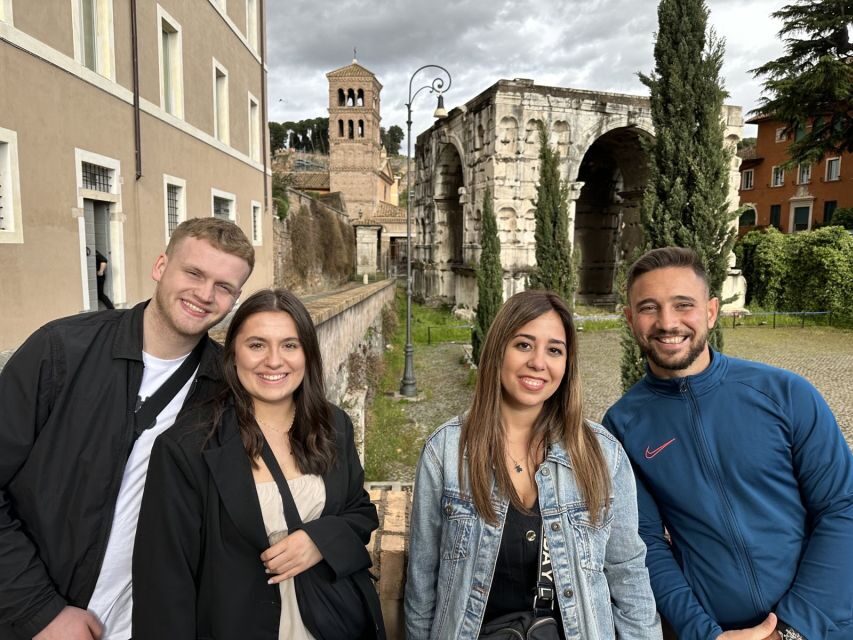
- Piazza Cinque Scole start: you begin in the Jewish Ghetto area, then move into the Roman city layers
- Portico d’Ottavia: a dramatic reminder of how markets and public space worked in Rome
- Ponte Fabricius crossing: you get an easy visual link between the Tiber River and the city’s core
- Theatre of Marcellus + Temple of Apollo: two stops that help you understand Rome’s theatre-and-temple vibe
- Capitoline Hill and Michelangelo’s square: modern design framing ancient power
- Via dei Fori Imperiali viewpoints: where you can read the Forums as one connected story
Why This 2-Hour Walk Works for First-Time Ancient Rome
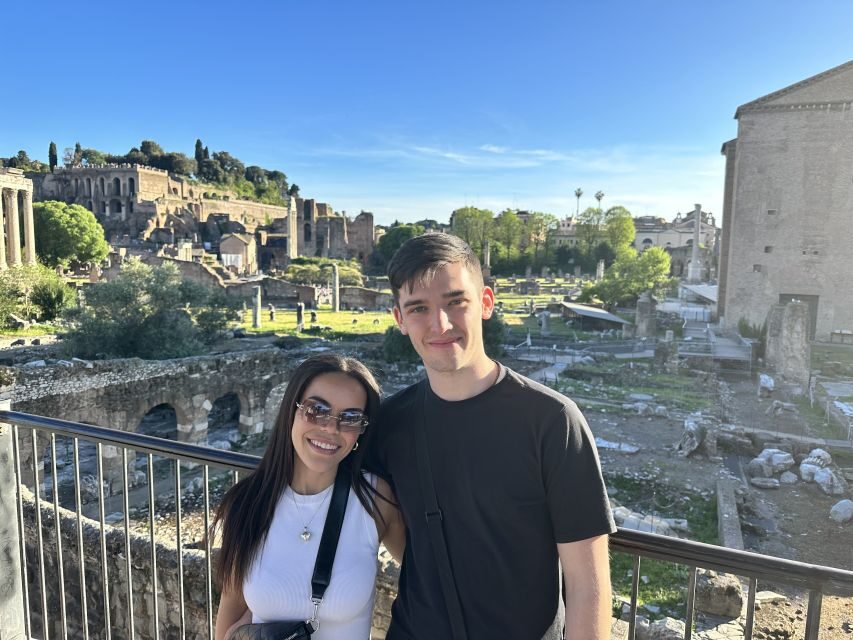
This is a “greatest hits” route, but it’s not lazy about it. In just 2 hours, you cover the places that shape how most first-time visitors understand Rome: where power lived, where crowds gathered, and how the city expanded over time. You’re not waiting in lines for a single site, so the tour works well if you want momentum and orientation fast.
The big value is the guide’s threading of connections. A good guide helps you stop treating each ruin like a separate postcard and start seeing it as one political city over many centuries. And since it’s a rain-or-shine outdoor walk, you’re not stuck guessing whether your day will fall apart.
More Ancient Rome tours for the Colosseum & Ancient Rome
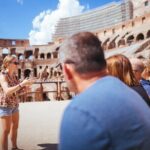
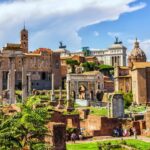
Meeting Point to the Jewish Ghetto: Piazza Cinque Scole Sets the Tone
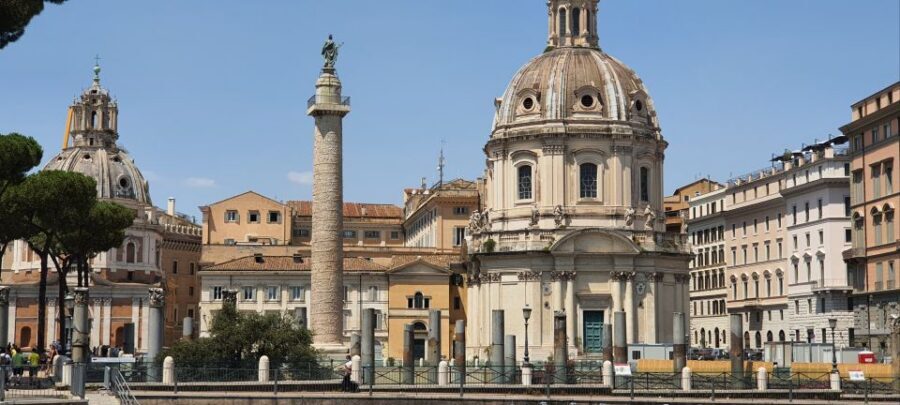
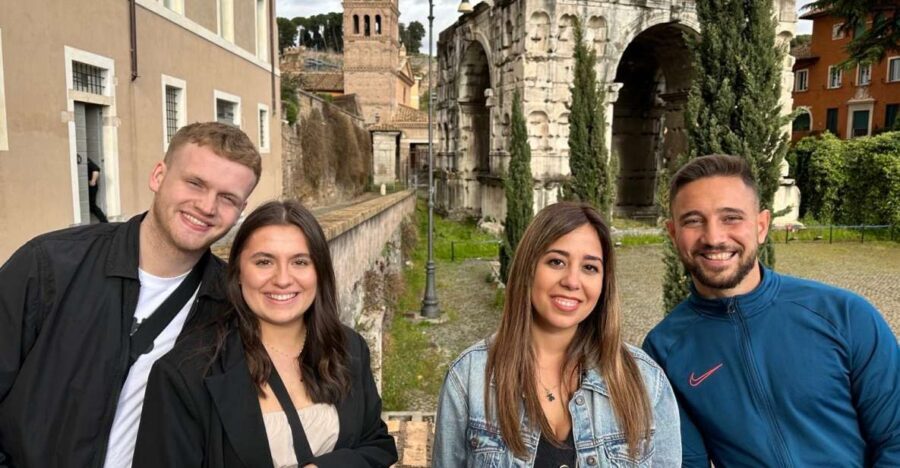
You meet your guide in front of the Basilica of Sant’Anastasia al Palatino, then you head toward your first major stop at Piazza Cinque Scole. That opening matters because it frames Rome as a layered place, not a museum that froze in time.
Piazza Cinque Scole is tied to the Jewish Ghetto, and the start gives you a real human atmosphere before the ancient monuments take over. That contrast is useful: you’ll see how modern Rome still lives right next to the stones that tell the older story.
Portico d’Ottavia: A Marble Reminder of Markets and Power
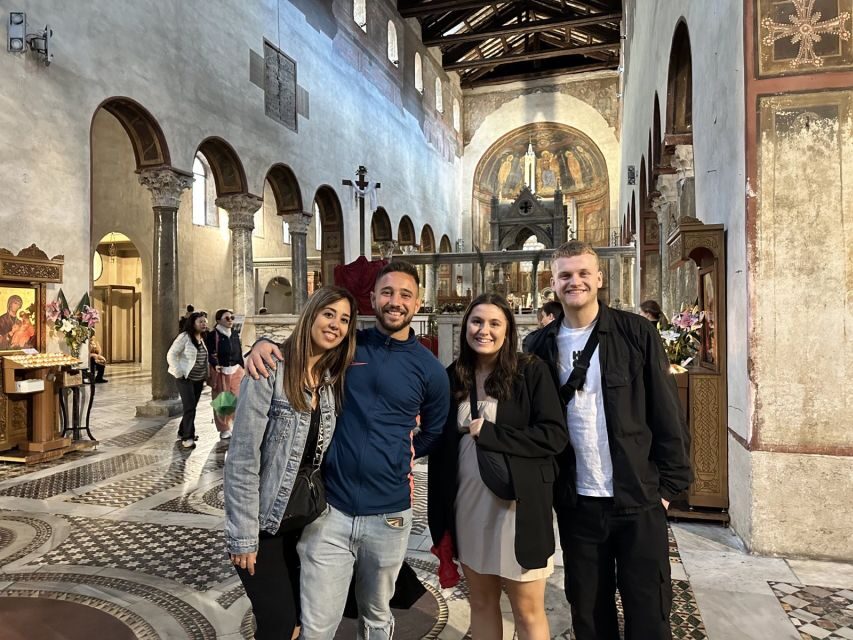
From there, the walk shifts into classic Roman public space with the Portico d’Ottavia. This ancient structure is meant to mark an entrance into an area associated with market life, so the stop isn’t only about columns. It’s a chance to picture how people moved and traded in the heart of the city.
I like that the tour doesn’t treat the Roman Forum area as the only place where Rome happened. When you understand how commerce and civic life blended, the later political ruins make more sense.
Ponte Fabricius and the Tiber Island Connection
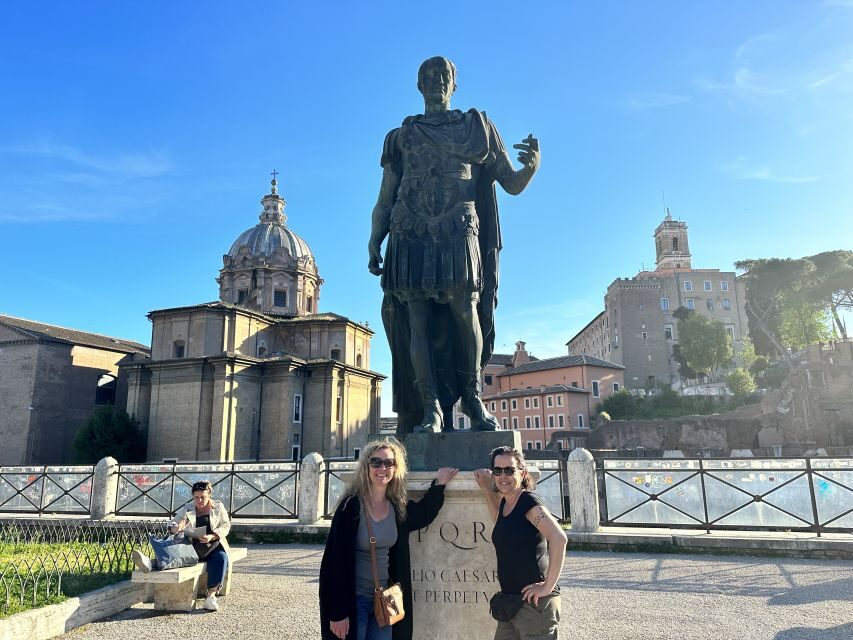
Next comes Ponte Fabricius, described as the oldest bridge in Rome. Even if you don’t go deep into architectural details, crossing here gives you something most visitors miss: a geographic anchor.
The bridge links you toward Tiber Island, and that mental map helps later when you’re thinking about where the city’s institutions and crowds gathered. In short, you’ll walk away with better spatial understanding, not just names.
Theatre of Marcellus: The Stop That Prevents the Colosseum Confusion
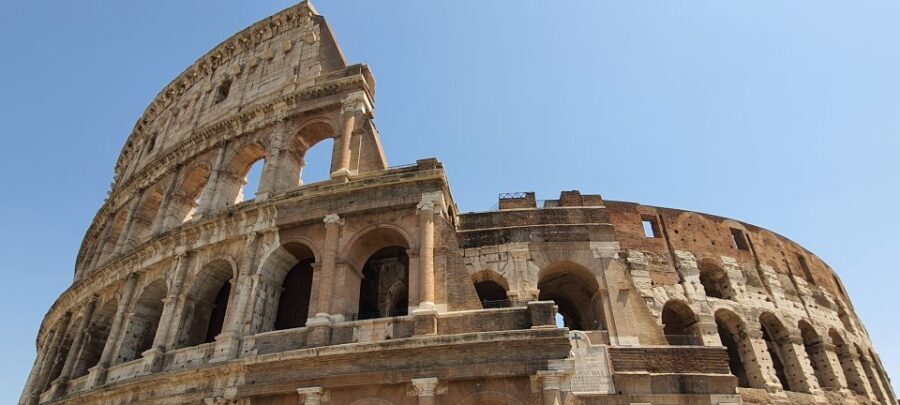
Then you reach the Theatre of Marcellus, an ancient theatre often mistaken for the Colosseum. That warning is actually a gift. If you’ve seen pictures that look similar, your guide can help you decode what you’re looking at so you don’t leave with the wrong mental labels.
Theatre architecture also tells you something practical about Roman life. Rome didn’t only run on gladiators and emperors; it had performances and public gatherings, and theatres played a role in the rhythm of the city.

Temple of Apollo: Small Ruins With Big Echoes
Near the Theatre of Marcellus, you’ll see the Temple of Apollo. You’re not touring inside here, but that’s part of why this stop works: ruins in Rome are often most effective when your guide helps you read what remains.
The Temple of Apollo spot is useful for connecting religion, art, and state messaging. Even without an indoor visit, you get a feel for how places of worship helped shape identity in the empire.
Capitoline Hill and Michelangelo’s Square: Ancient Viewpoints, Modern Framing
From there, the tour climbs up Capitoline Hill. This is one of the more physical parts of the route, so plan on it. The payoff is the square designed by Michelangelo, which gives you a strong viewpoint over the city center.
This stop is about perspective. You’re seeing Rome in layers: ancient power locations below, and Renaissance design above. The result is a clearer sense of why the location mattered in the first place and how later artists chose to stage views of the ancient world.
Via dei Fori Imperiali: Reading the Forums Like a Single Story
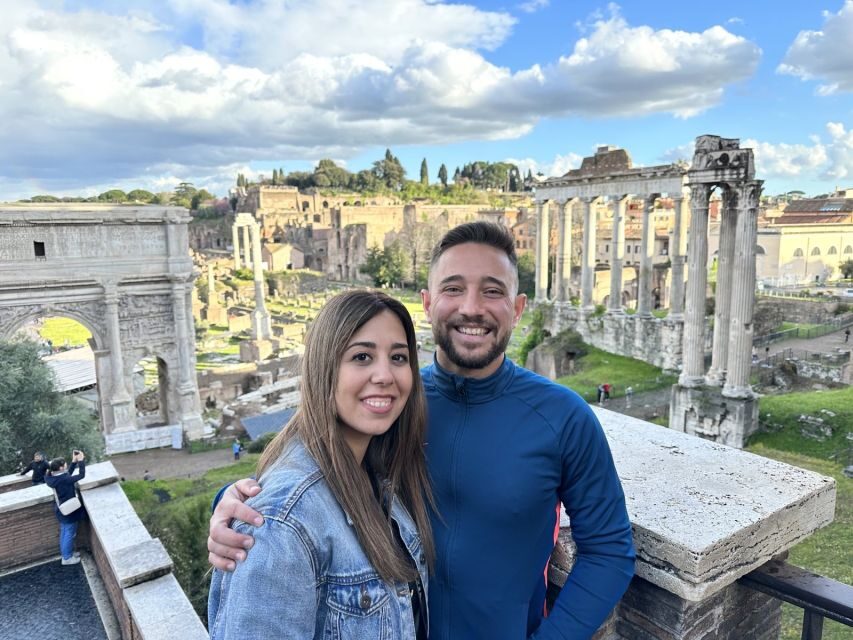
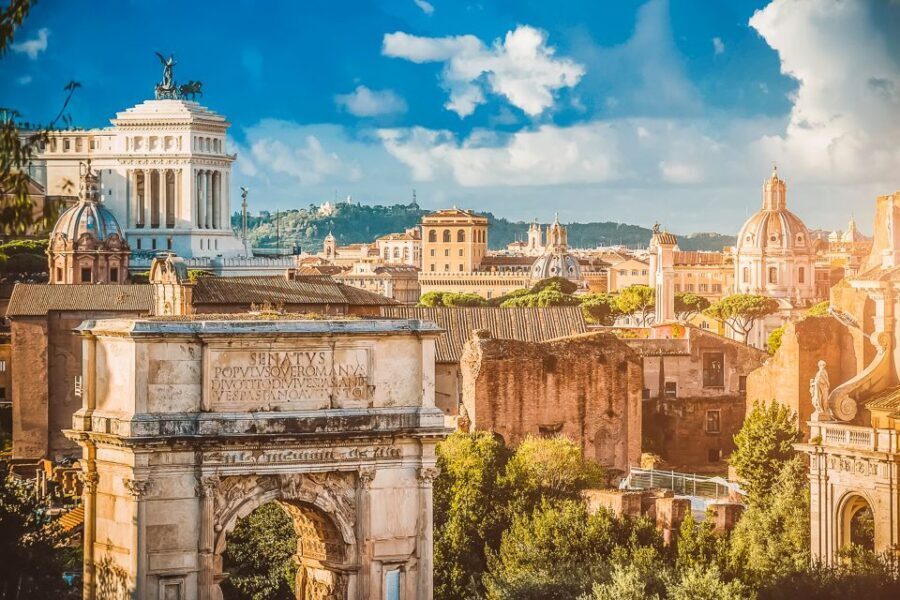
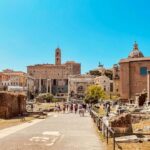
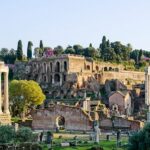
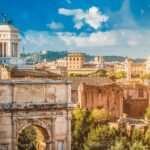
This is where the tour earns its keep. Via dei Fori Imperiali leads you into the area where you can look at the Roman Forum and several major linked forums: the Forum of Augustus, the Forum of Caesar, and the Forum of Nerva.
What I like about this setup is that it helps you see the Forums as a sequence rather than scattered ruins. Your guide’s explanations turn the space into a political timeline—who built, who followed, and how each generation used architecture to broadcast authority.
A practical note: because the tour is walking outdoors and the stops are spaced through the center, the route timing matters. To get the most out of the Forum area, you’ll want to stay present as your guide moves you along. If you try to treat it like a self-guided stroll, you’ll likely miss the connecting threads.
Circus Maximus and the Colosseum Outside: How to End Strong
You’ll finish with Circus Maximus, the famous chariot-racing stadium. This stop rounds out the “Roman crowd” picture, showing you that the city’s biggest public energy wasn’t only tied to gladiatorial spectacle. It was also tied to racing, spectacle, and gatherings on a scale you can still feel even from outside the original context.
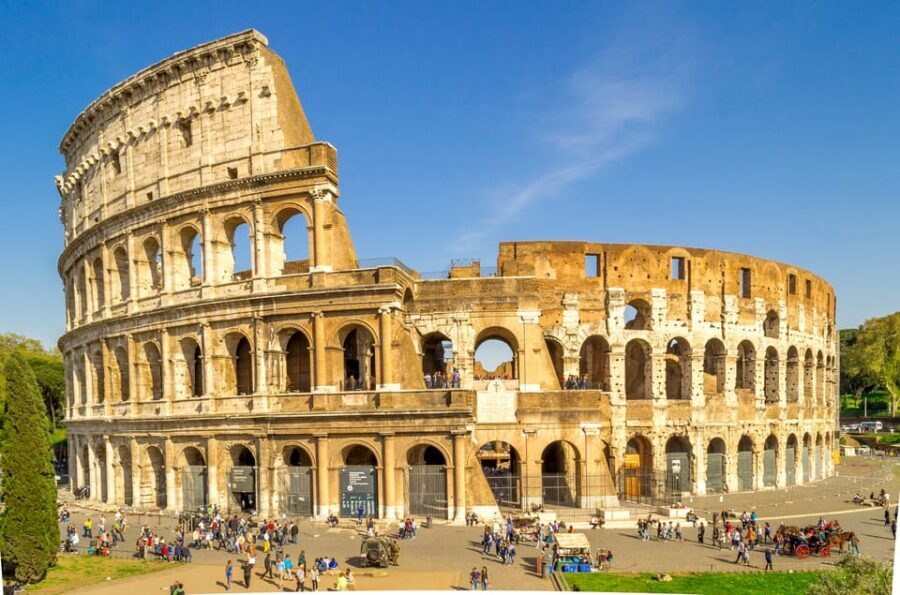
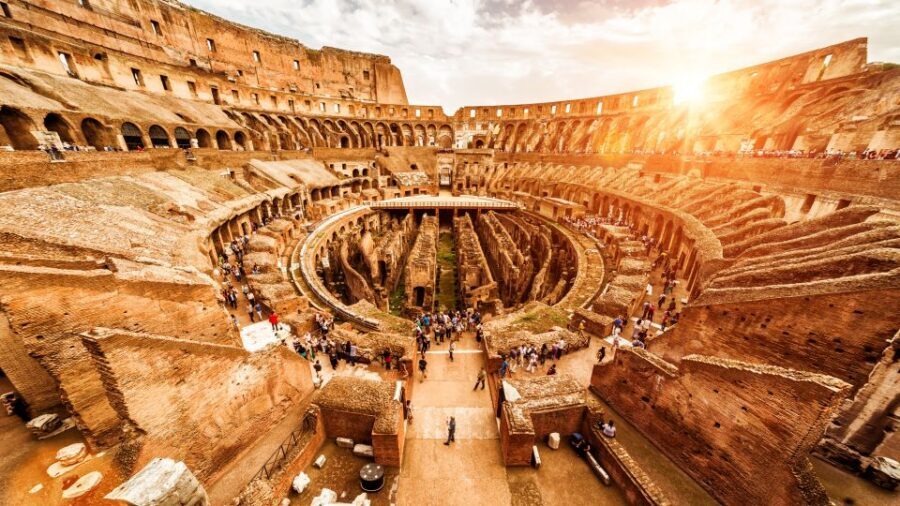
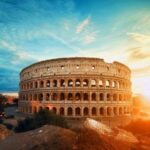
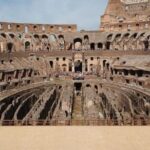
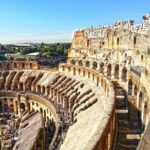
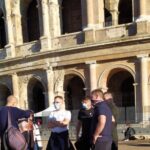
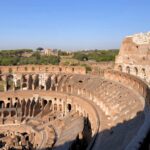
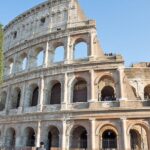
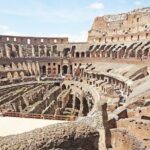
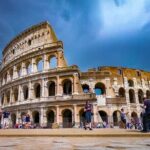
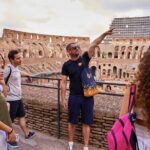
Then comes the Colosseum—outside. This is one of the biggest considerations in choosing the tour. The walk doesn’t include Colosseum entrance tickets or an inside visit, so you’re not getting the full amphitheatre experience. Still, seeing it from the outside can work well if your goal is orientation and context, or if you plan to visit the Colosseum interior separately another day.
How the Best Guides Make This Tour Worth the Money
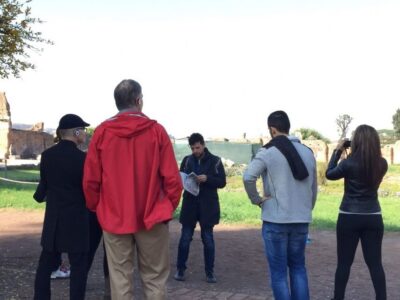
At 2 hours, you need more than facts; you need pacing and clarity. The strongest reviews highlight guides who explain with warmth and humor, and who handle questions without brushing people off. Names like Bruno, Gabriel, Francesco, and Sam come up for a reason: they turn ruins into understandable stories.
If you’re the type who likes asking why something was built, what it replaced, or how it worked, this tour’s guide-led format is the right setup. You’ll get more value from the time on your feet when someone is guiding your attention to the details that matter.
I’d also pay attention to how your guide handles the Colosseum comparison. The Theatre of Marcellus stop is specifically designed to keep you from mixing up what you’re seeing, and that kind of “spot-the-difference” teaching is exactly what makes the walk feel like more than a sightseeing loop.
Is $243.56 Worth It for an Outdoor Ancient Rome Tour?
Let’s talk value plainly. The price is $243.56 per person for a 2-hour English-language guided walking tour. You get a guide and the route itself, but not entrance tickets—especially no Colosseum visit.
So where does the value come from?
- Time efficiency: In two hours, you cover a dense stretch of major sites and several smaller, meaningful stops.
- Interpretation: The stops are connected with explanations that help you understand what you’re looking at.
- Reduced decision fatigue: You don’t have to plan the order of sites while also navigating a busy central area.
If you’re looking to do the full Colosseum interior experience, you’ll still need a separate ticket for that. If you’re more interested in understanding the city’s story and getting your bearings, this can be a smart buy—especially if you want a guided route that hits both big monuments and lesser-visited moments.
Practical Tips So You Don’t Lose Time (Or Your Place)
This is an outdoor walking tour that runs rain or shine. Bring comfortable shoes, because you’ll be moving through Rome’s center and climbing up Capitoline Hill.
Arrive 15 minutes early at the meeting point, in front of the Basilica of Sant’Anastasia al Palatino. Guides wait up to 10 minutes past the start time, and you can’t join once the tour begins, so late arrivals can turn into a missed tour.
Also keep in mind it’s not suitable for wheelchair users or people with mobility impairments. Plan for a walking-focused outing with uneven stone surfaces.
Who Should Book This Tour (And Who Might Skip It)
This tour fits best if you:
- want a guided orientation to Ancient Rome without trying to squeeze in multiple ticketed attractions
- like history explanations tied to real locations, not just scrolling on your phone
- enjoy a question-friendly format (guides like Bruno and Francesco are known for answering many questions)
- prefer seeing the Colosseum in context from outside, with the option to do inside another time
You might skip it if you:
- specifically want to enter and tour the Colosseum (this tour does not include that)
- need step-free access and mobility accommodations
Should You Book This Rome Ancient Monuments Walk?
I think it’s a good choice when your goal is understanding. If you want to leave Rome knowing where the Forums fit into the empire’s story—and why Capitoline Hill is such a strong viewpoint—this route helps you get there quickly.
My advice: treat it as the backbone of your Ancient Rome day. Do this walk to build the map in your head, then add a targeted ticketed visit if you want more detail inside one major site.
If you do book, show up early, wear shoes you can trust, and ask your guide at least a couple of questions. This kind of tour rewards that behavior.
FAQ
How long is the Rome: Colosseum, Circus Maximus, Forum & Ancient Rome Tour?
The tour lasts 2 hours.
Where do I meet the guide?
You meet your guide in front of the Basilica of Sant’Anastasia al Palatino.
Is the Colosseum entrance included?
No. The tour does not include entrance tickets or fees, and the Colosseum visit is not included. You see it from the outside.
Does the tour include any indoor visits?
There is no visit inside the Colosseum. The tour is described as an outdoor walking tour.
What language is the tour guide?
The live tour guide speaks English.
Is the tour suitable for wheelchair users or people with mobility impairments?
No. The tour is not suitable for people with mobility impairments and it is not suitable for wheelchair users.
What should I bring and how should I arrive?
Bring comfortable shoes, and arrive 15 minutes before the starting time because you cannot join once the activity has started.