REVIEW · ROME
Half-Day Private Guided Tour of Wonder Colosseum Arena
Book on Viator →Operated by Kida Aminata · Bookable on Viator
Gladiators training happened right under your feet. This private, half-day Rome tour pairs Colosseum arena access with a guided look at the Ludus Magnus gladiator school, plus lively stories about the life of the Caesars and ancient Romans. I like the light, easy-going way the guide explains big ideas, and I also like how the tour pays attention to details you’d otherwise miss on your own. One caution: the tour’s overall rating is modest, with multiple reports about last-minute cancellations and refund headaches, so I’d confirm everything clearly before you go.
You’ll also get a private group format, so you’re not stuck watching history through the shoulders of strangers. The price is $156.41 per person, and it’s more defensible than many cheaper options because admission is included for the core sites. If you want the arena experience plus Forum-area context in one go, this time-saver can feel worth it.
Plan on an entry-day reality check: the meeting point is Largo Gaetana Agnesi (the exact same spot for redemption), and names must match ID. Each person needs a valid passport or ID document with the same name you provide when booking, or entry can be denied.
In This Review
- Key highlights you’ll feel during this tour
- Colosseum arena access: the moment you feel Rome up close
- Arena floor special access: what it adds to the gladiator story
- Ludus Magnus: why the gladiator school makes everything click
- Temple of Venus and the Arch of Constantine: quick stops with real meaning
- Roman Forum + Palatine Hill: how the tour gives you context
- The narration style: light delivery, detailed focus
- Timing and flow: can you really cover this in 3 hours?
- Price of $156.41: what you’re paying for (and how to judge value)
- Entry-day reality: names, IDs, and avoiding a painful delay
- Meeting point: Largo Gaetana Agnesi is your anchor
- Who should book this private Colosseum arena tour?
- The big caution: rating and operational issues you should take seriously
- Should you book it?
Key highlights you’ll feel during this tour
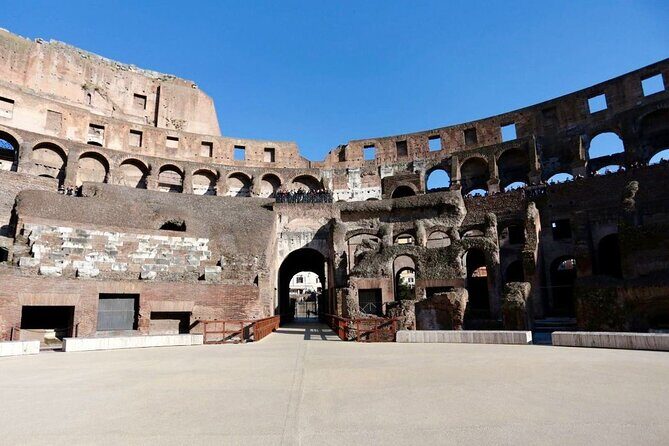
- Arena access inside the Colosseum: you’re not just taking photos from the edges.
- Ludus Magnus, the gladiator school: training grounds that explain what you’re seeing in the arena.
- Roman Forum + Palatine Hill included: you get context, not just one monument.
- Arena floor special access: a rare-feeling moment that makes the fights feel real.
- Temple of Venus and the Arch of Constantine nearby: quick, meaningful stops in the Colosseum area.
- Kida Aminata runs the experience: a named provider, so you can verify details more easily.
Colosseum arena access: the moment you feel Rome up close
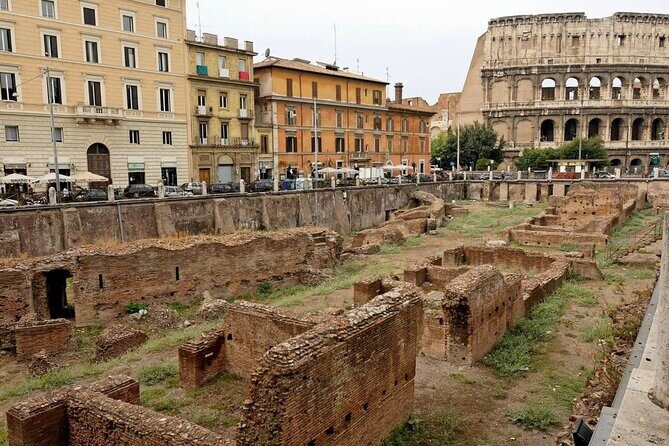
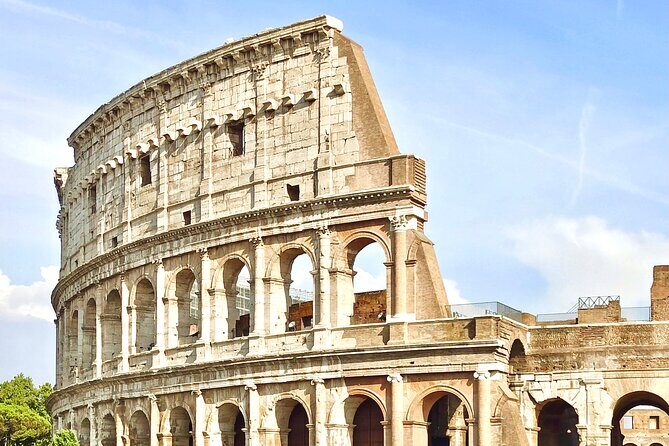
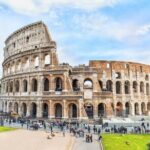
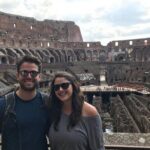
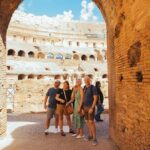
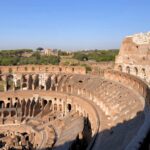
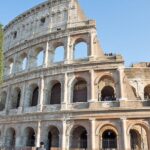
The Colosseum is famous for a reason, but it’s also easy to experience it like a blur of stone. This tour is designed to slow that down. You start at the Colosseum and get a guided visit with arena access, which changes how you understand the building.
Instead of standing at a distance and guessing where everything happened, you’re brought into the story’s “action spaces.” That helps a lot if you like history that connects cause and effect—who built what, why rules mattered, and how entertainment fit into Roman life.
The pacing here is half-day friendly: the Colosseum portion is about 1 hour 30 minutes, with the ticket included. It’s enough time to get orientation and a clear narrative, without turning into a full, all-day grind.
Other guided tours in Rome
Arena floor special access: what it adds to the gladiator story
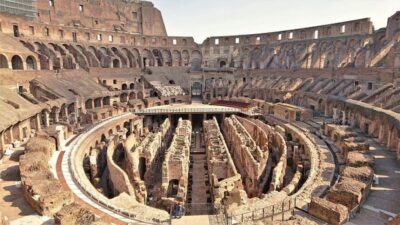
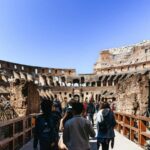
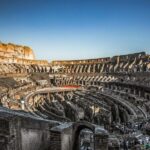
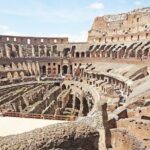
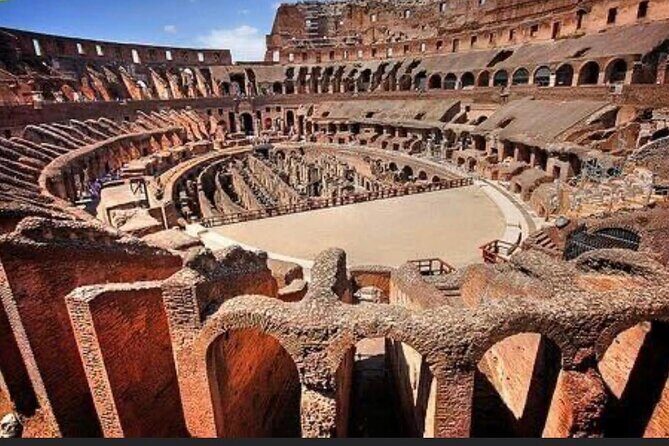
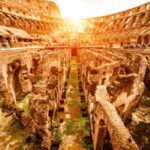
The tour specifically includes arena floor special access, and that’s the biggest “value hook.” Walking into the arena zone (even for a limited time) makes the architecture stop being abstract. It becomes a place with movement, entrances, and the sense of a public event.
In practice, I’d think of this as the difference between reading about a show and being in the venue. You can better imagine where people would have gathered, how spectacle was staged, and why the Romans cared about controlling the crowd.
One practical note: because this is a special-access area, you should expect rules from staff on the day. Go in with a calm plan—listen closely to your guide, and be ready to follow instructions quickly if you’re asked to move as a group.
Ludus Magnus: why the gladiator school makes everything click
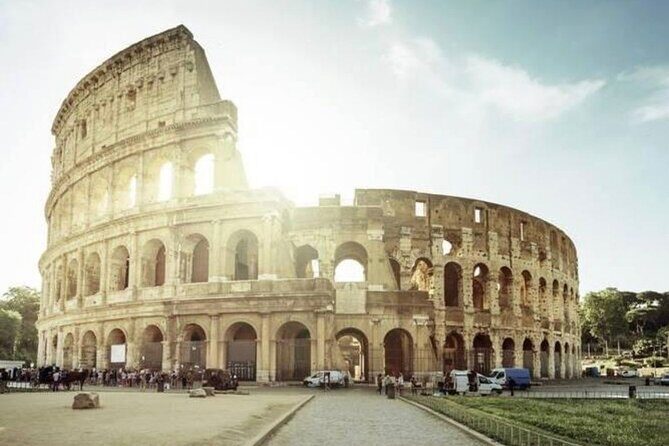
Most Colosseum visits treat gladiators like a neat topic. This one treats gladiators like a system. A key stop is Ludus Magnus, the gladiator school where trainees prepared for games inside the Colosseum.
That’s a big deal for understanding Roman entertainment. When you see the idea of training—discipline, routine, and preparation—the fights don’t feel like random violence. They feel like a production with logistics, coaching, and an audience expectation shaped by the powerful people in charge.
It also helps that the tour narration focuses on the life of the Caesars and ancient Roman society, not just battlefield-style action. When your guide connects the political world to the arena world, the Colosseum becomes more than an old stadium. It becomes a window into how Rome used spectacle to communicate power.
Temple of Venus and the Arch of Constantine: quick stops with real meaning
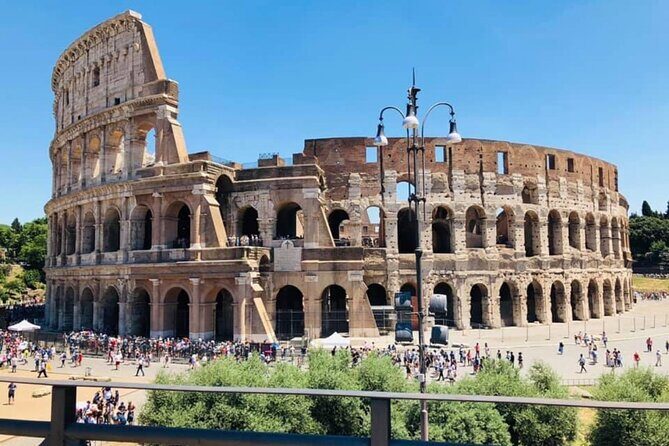
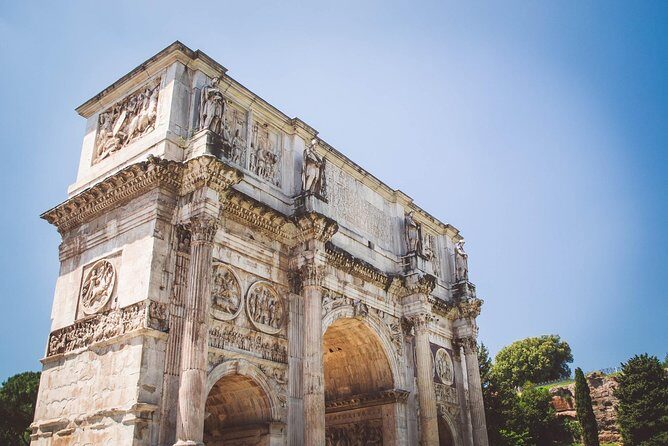
Right around the Colosseum area, you’ll look at the Temple of Venus and the Arch of Constantine. These aren’t the main event, but they add helpful texture.
- The Temple of Venus ties into how Rome framed religion, myth, and civic identity around powerful narratives.
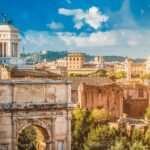
- The Arch of Constantine is a reminder that the story of the Colosseum didn’t stop in the Roman era. Later rulers used monuments to talk to the public in their own language.
The tour’s strength is that it doesn’t leave you stuck in one time period. You get a sense of continuity: Rome’s message changes over centuries, but the city keeps using stone and spectacle.
Roman Forum + Palatine Hill: how the tour gives you context
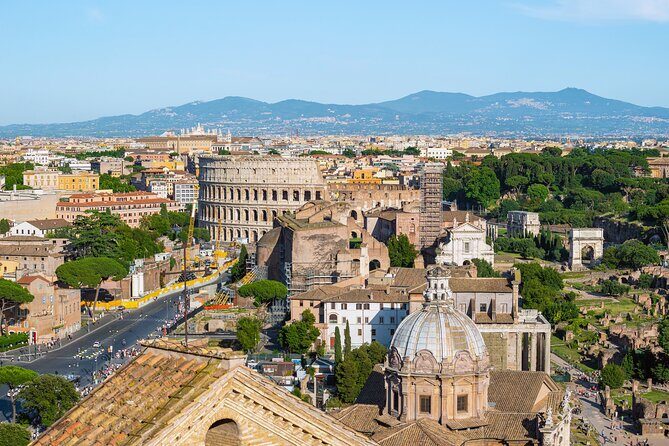
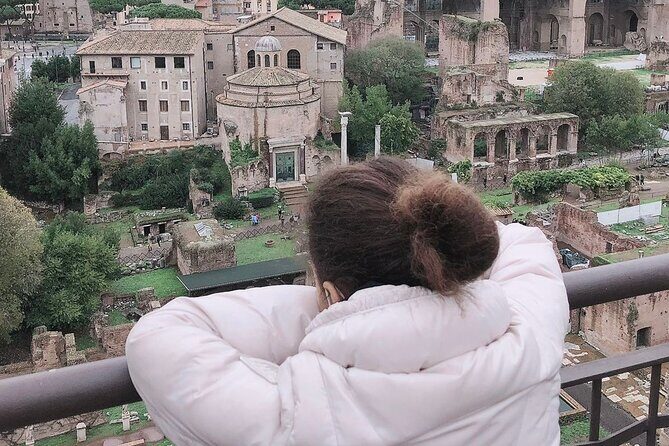
After the Colosseum portion, the tour moves into Foro Romano (Roman Forum), and it also includes Palatine Hill as part of the guided coverage. This matters because the Forum is where you understand the “why” behind so many Roman monuments.
The Forum wasn’t just where people walked around. It was a stage for leadership, debate, and public life. Palatine Hill adds another layer: it’s closely linked to elite power and the way Rome organized status.
If you’ve ever visited big ruins and felt like you were missing the storyline, this is where the tour tries to fix that. The guide’s job is to keep the history moving from the arena to the city center, so you don’t end the day with disconnected sights.
Other private tours in Rome
The narration style: light delivery, detailed focus
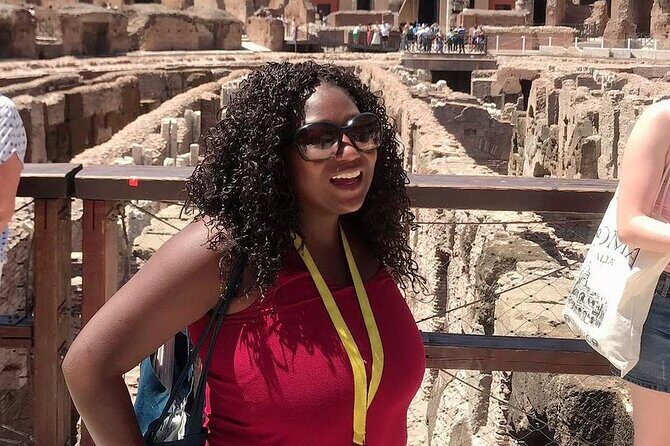
From the way the experience is described, the guide leans into anecdotes and a light narration style. That’s a practical choice. The Colosseum and Forum are both information-dense places, and heavy lectures can make you tune out.
A lighter tone helps you absorb the details without feeling stuck in textbook mode. And when the guide pays attention to small specifics—how spaces relate, why certain areas mattered—you end up with a clearer mental map by the time you finish.
I also appreciate that the tour isn’t “only gladiators.” Gladiators are the spine, but Caesars and Roman society provide the context that makes the arena feel less like a theme park and more like a real social system.
Timing and flow: can you really cover this in 3 hours?
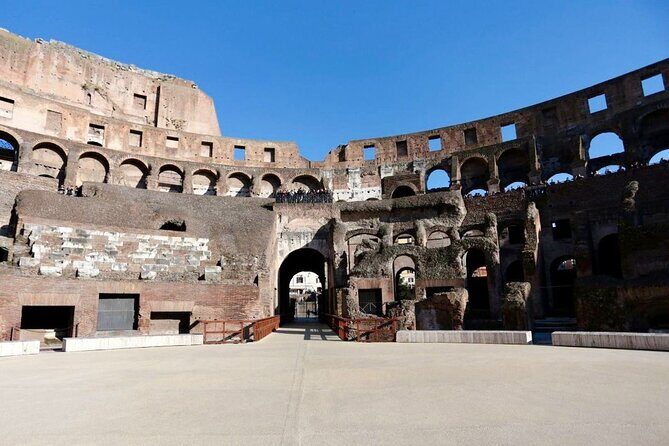
This tour is listed at about 3 hours total, split into roughly 1 hour 30 minutes at the Colosseum and 1 hour 30 minutes in the Roman Forum area. That time structure is key because it keeps expectations realistic.
You won’t leave with deep mastery of every arch, column, and footnote. But you will leave with:
- a clear sense of where things are in relation to each other,
- a story connecting the arena to the wider Roman world,
- and the kind of context that makes self-guided exploring afterward feel easier.
If you’re short on time in Rome, this is the kind of half-day plan that can prevent “ruins fatigue.” You get a focused hit of the big sites, plus one meaningful extra angle: Ludus Magnus.
Price of $156.41: what you’re paying for (and how to judge value)
At $156.41 per person, this is not a budget Rome activity. So the question is what makes the price feel fair.
Here’s what you’re paying for, based on the included features:
- Admission tickets included for the major parts of the tour
- Arena access and arena floor special access
- A private guide who coordinates the flow through Colosseum + Roman Forum + Palatine Hill
- A specific gladiator-school stop at Ludus Magnus
That combination is the pricing logic. Many tours reduce scope to cut cost. This one keeps the story coherent by packaging the arena experience and Forum context together, and the special-access elements are exactly the kind of thing that often costs extra elsewhere.
The one cost-benefit check I’d make: if you’re traveling solo or as a couple, your “per-person value” depends heavily on whether you’ll truly use that arena access and Ludus Magnus focus. If you just want scenic photos and a quick stroll, you’ll likely feel the price.
If you can travel with a group and take advantage of group discounts, the math usually improves fast for private tours.
Entry-day reality: names, IDs, and avoiding a painful delay
This is the practical part that can make or break your day.
The experience requires that you provide the full names of all travelers when booking. If your voucher doesn’t show every traveler’s full name, entry to the Colosseum and Roman Forum can be denied. Each person also needs a valid passport or ID document that matches the name provided at booking.
So my advice is simple:
- Double-check spelling and name order in your booking confirmation.
- Bring your passport or government ID, not a photo on your phone.
- Keep a moment of buffer in your schedule so you’re not stressed at the ticket office.
It’s boring, but it’s the difference between a smooth start and a frustrating standstill.
Meeting point: Largo Gaetana Agnesi is your anchor
You meet at Largo Gaetana Agnesi, address listed as L.go Gaetana Agnesi, 1, 00184 Roma RM, Italy. The end point is the same location, which is helpful because it avoids last-minute confusion about where the tour finishes.
There’s also a specific ticket redemption point at Largo Gaetana Agnesi. Because the tour has a structured entry process, arriving a little early is smart.
The experience is noted as near public transportation, which helps. Still, in Rome it’s easy to misjudge walking time around big monuments, so I’d give yourself a small cushion.
Who should book this private Colosseum arena tour?
This tour fits best if you:
- want private guidance rather than a large group shuffle,
- care about the gladiator angle and want Ludus Magnus included (not treated as an afterthought),
- like history explained through story—especially the world of the Caesars and Roman society,
- and want Colosseum + Forum context in one half-day plan.
If you’re the kind of visitor who reads every sign and wants to stay for hours, you might find the time short. But if you want a focused, guided experience with real access points, this format makes sense.
The big caution: rating and operational issues you should take seriously
Here’s the balanced reality check. The overall rating is 3.7 out of 9 reviews, and several low-score entries cite serious problems like last-minute cancellation without warning and refund delays. That doesn’t mean every booking fails. It does mean you should treat confirmation and communication as part of the plan, not an afterthought.
Before you lock in your day, I’d:
- confirm you have the correct tour name and provider details for the date you selected,
- keep your ID and the booking names ready,
- and avoid scheduling a tight connection or an event right at the end time.
With Rome tours, the best strategy is flexibility and paperwork discipline.
Should you book it?
I’d book this private tour if you’re specifically excited about arena access, want Ludus Magnus in the same half-day, and appreciate a guide who tells the Caesars and Roman society story in an approachable way. The included admissions and the special-access pieces are the reason the price can feel reasonable.
I’d pause and verify carefully if you hate uncertainty, because the rating shows enough complaints about cancellations/refund responses to justify extra caution. If you’re going to be strict about logistics and have your documents correct, you’re setting yourself up for the best version of this experience.
If you want one, clear, memorable Rome “wow” that’s more than just standing in front of stone, this is built for that.