REVIEW · ROME
Tour of Colosseum & Roman Forum with Dutch Guide
Book on GetYourGuide →Operated by gids in rome · Bookable on GetYourGuide
Rome rewards you when you can hear the stories. This Dutch guide tour hits two big wins right away: skip-the-line entry and a Dutch guide who explains what you’re seeing in plain language. I also like how the route stays focused on the sites that matter most, but there is one catch to plan for: it is not suitable for people with mobility impairments.
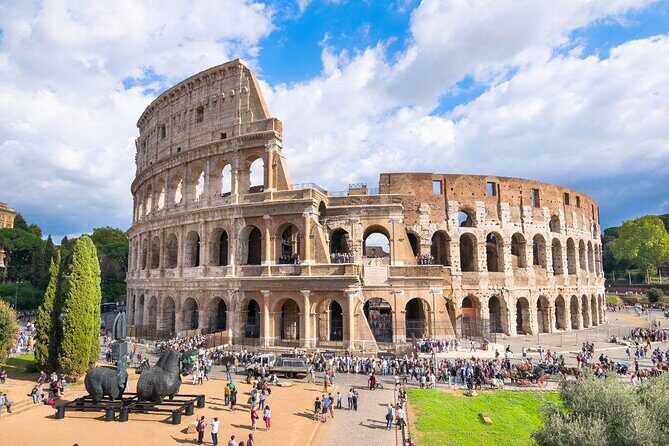
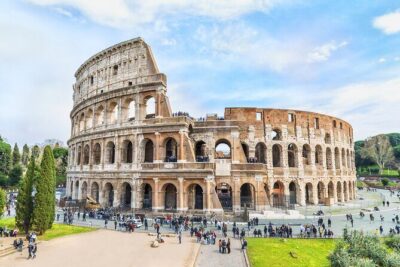
You’ll start and finish at Angelino ai Fori dal 1947 and spend the bulk of your time between the Roman Forum and the Colosseum, with a Palatine Hill stop in the middle. Expect a narrative walk—Curia, Julius Caesar, Via Sacra, the Temple of Antoninus and Faustina, the Arch of Titus—then the Colosseum for the dramatic stories behind gladiators and the arena’s battles.
In This Review
- Key Things You’ll Notice on This Colosseum and Forum Tour
- Why This Dutch Colosseum & Roman Forum Tour Feels Easier
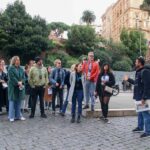
- Meeting at Angelino ai Fori: A Simple, Rome-Friendly Start
- Roman Forum Stop: Curia, Julius Caesar, and Via Sacra Walkthrough
- Palatine Hill Visit: Where Your Perspective Changes
- Colosseum Visit: Gladiators, Lions, Sea Battles, and Executions
- Skip the Ticket Line: Where Value Actually Shows Up
- What the Tour Really Teaches You to Look For
- Practical Advice: What to Bring and What to Expect On-Site
- Who This Tour Fits Best
- Should You Book This Colosseum & Roman Forum Tour?
- FAQ
- How long is the Colosseum and Roman Forum tour?
- Is this tour skip-the-line?
- What language is the guide?
- Do we get headsets?
- Where does the tour start and end?
- Is the underground or arena floor included?
- Is this tour suitable for people with mobility impairments?
- Is there a time limit or a specific day restriction?
Key Things You’ll Notice on This Colosseum and Forum Tour

- Dutch-speaking official city guide who turns ruins into a story you can follow
- Skip-the-line tickets so you spend less time waiting and more time looking closely
- Headsets for groups of 7+ to keep your audio clear even in busy crowds
- Roman Forum focus with major landmarks like the Curia and the Via Sacra
- Colosseum visit centered on big arena themes including gladiators, lion fights, sea battles, and executions
Why This Dutch Colosseum & Roman Forum Tour Feels Easier
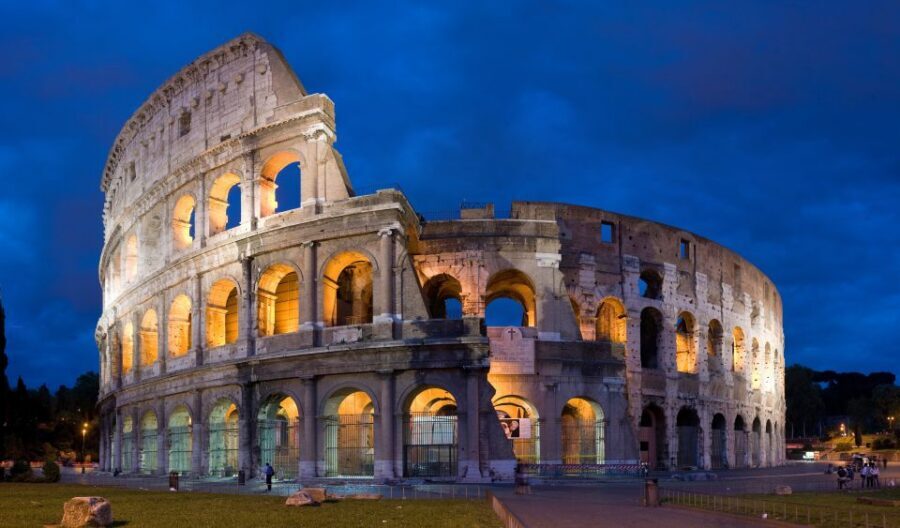
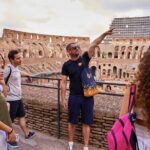
If you don’t speak Italian, the Colosseum can feel like a pile of impressive stone. A Dutch-language guide changes that fast. I like that you’re not stuck reading bits of signage—you get a guided explanation in your language, while you’re standing right where it happened.
The second thing I value is the pacing. This isn’t a rushed “see everything” marathon. You get set time blocks—70 minutes in the Roman Forum, 35 minutes on Palatine Hill, and 1 hour in the Colosseum—so you can actually absorb what you’re seeing instead of racing the crowd.
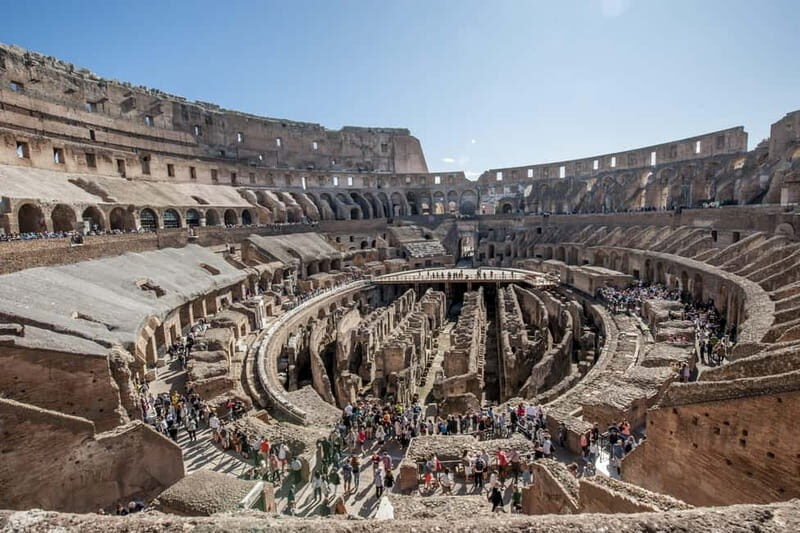
One practical consideration: this experience does not include access to the underground or arena floor. If that is a must for you, you’ll need a different tour option.
More Roman Forum tours for the Colosseum & Ancient Rome
Meeting at Angelino ai Fori: A Simple, Rome-Friendly Start
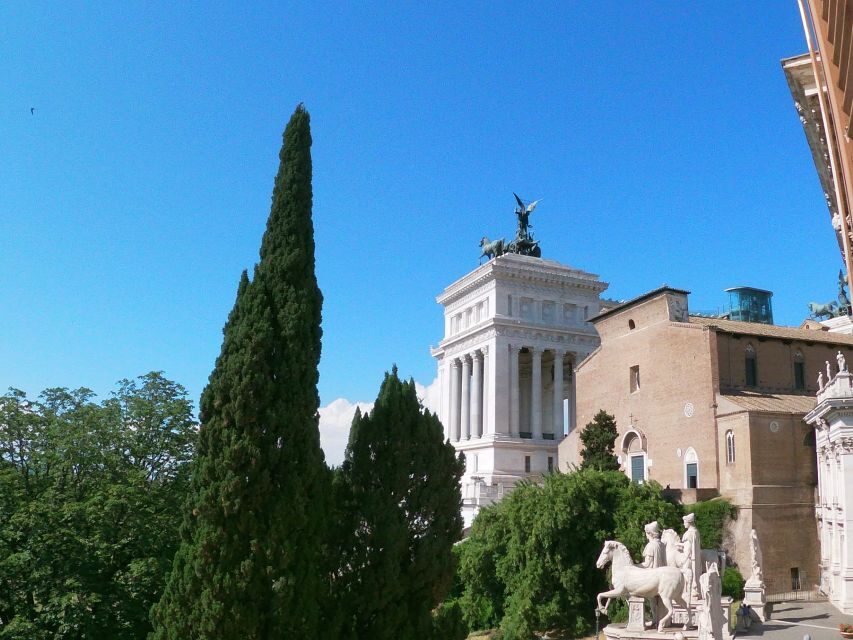
This tour begins and ends back at Restaurant Angelino ai Fori, Largo Corrado Ricci 43, Rome. That’s useful because you don’t have to scramble across town to find a separate drop-off point.
It also helps to know you’re working with a 3-hour total duration. Starting times vary, so check availability for the exact slot you want. For timing, plan to arrive a few minutes early with comfortable shoes ready—this part of Rome rewards sensible footwear.
Roman Forum Stop: Curia, Julius Caesar, and Via Sacra Walkthrough

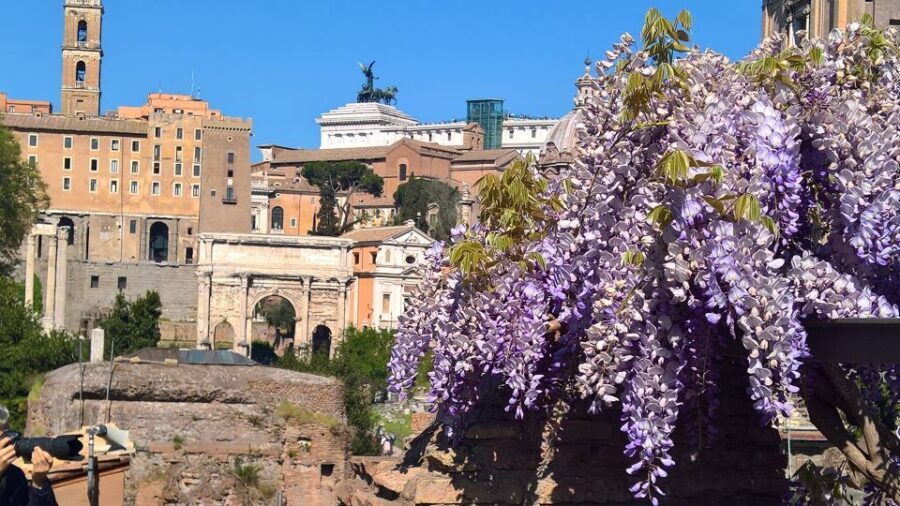
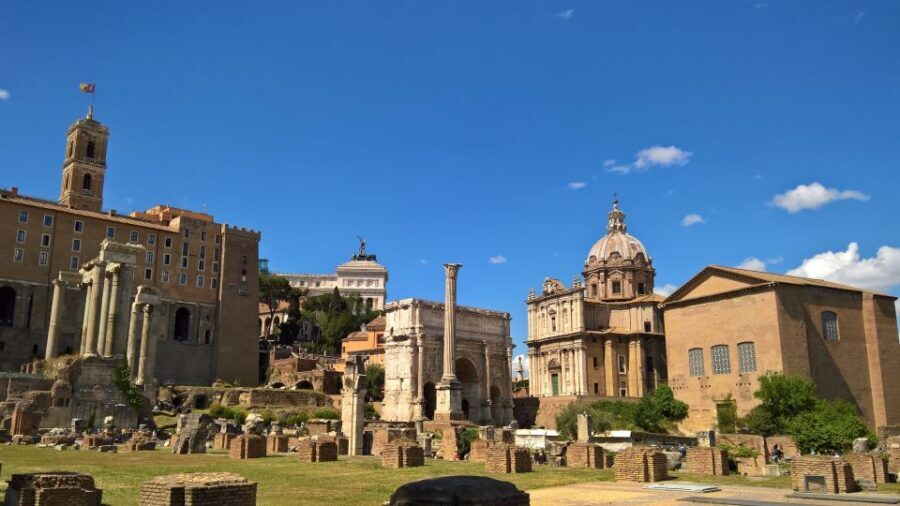
The Roman Forum portion is 70 minutes, which is a strong chunk of time for one of the world’s most layered archaeological areas. You start with the idea of Rome’s political heart, then move into the places where history feels personal.
You’ll take in the Curia, also known as the Senate. That’s a helpful anchor because it gives you a mental map of what this space represented. Then you’ll stop at the last resting place of Julius Caesar—an emotional anchor point that makes the surrounding ruins feel less abstract.
After that, you’ll stroll along the Via Sacra, a Roman road where you can still see cart tracks. I like this detail because it’s not just visual; it’s tangible evidence of everyday movement. Your guide’s job is to connect those marks to how people traveled and conducted public life in ancient Rome.
You’ll also pass by the Temple of Antoninus and Faustina, described as perfectly preserved in the tour overview. A preserved structure like this is the kind of moment where you suddenly understand why locals cared so much about architecture.
Palatine Hill Visit: Where Your Perspective Changes
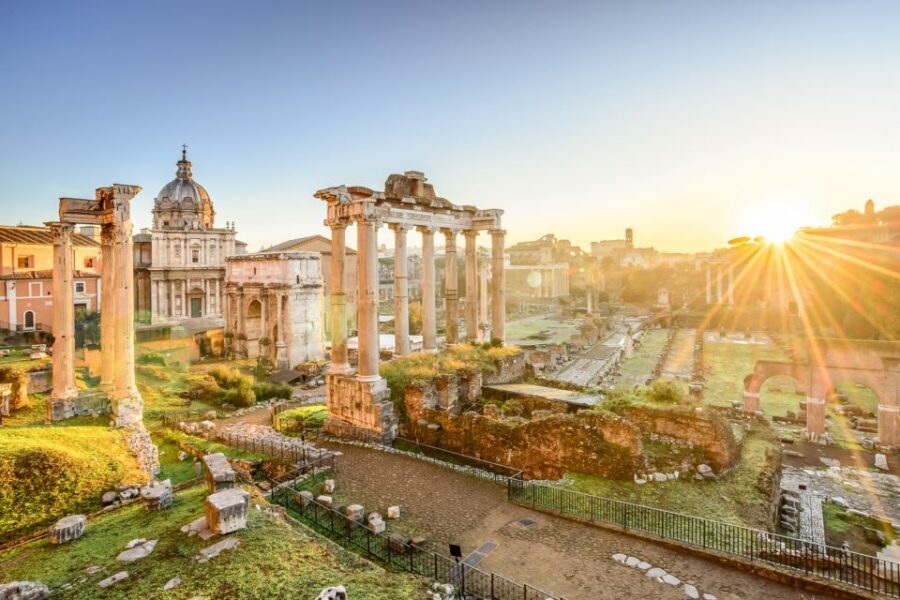
After the Forum, you head to Palatine Hill for a 35-minute stop. Even if you’re not a “view person,” Palatine adds context because it sits in the same ancient world as the Forum and Colosseum.
This stop works especially well when your guide ties what you’re seeing to what came right before it. After walking the Forum, you’ll have a better sense of why certain places mattered and how the city’s different zones relate to each other.
For planning, treat this as your photo-and-moment break. You’ve already done a long walk in the Forum, so 35 minutes is enough time to reset without losing the tour’s momentum.
Colosseum Visit: Gladiators, Lions, Sea Battles, and Executions
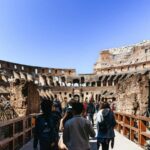
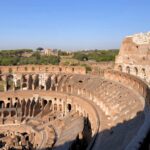
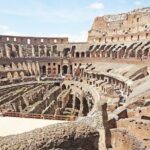
The Colosseum stop is 1 hour. That can sound short until you realize the building has a lot to process, and you don’t want to spend your whole trip staring up at walls without a guide to give it meaning.
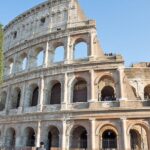
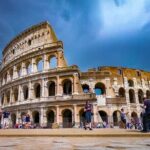
This tour’s Colosseum focus is story-driven. Your guide shares details about brave gladiators, lion fights, sea battles, and executions. I like that mix because it covers more than one type of spectacle. You get a sense of how the arena served entertainment, politics, and public theater all at once.
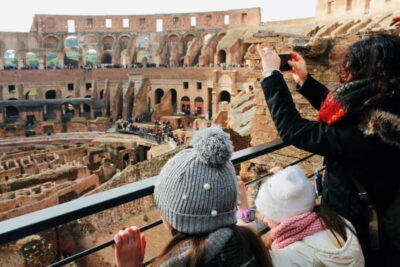
What you should know: this visit does not include access to the underground or arena floor. You’ll still see the Colosseum from the standard visitor areas, but if you want to go down into restricted spaces or step onto the arena floor itself, you’ll need a different experience.
Also, since the Colosseum and Forum areas can be loud and crowded, the tour includes headset support for groups of 7 people or more. If you’re in a larger group, that headset feature can make a noticeable difference in whether you actually catch your guide’s key points.
More Dutch & Nederlands tours for the Colosseum & Ancient Rome

Skip the Ticket Line: Where Value Actually Shows Up
It costs $118.95 per person, and it’s worth judging it on what you gain, not just the sticker price.
Here’s what you’re getting for that money:
- Skip-the-line tickets for the Colosseum and Forum areas
- A live guide in Dutch (an official city guide)
- Headsets for groups of 7+ to keep communication clear
In busy Rome, time is expensive. Waiting in a long queue can turn a “3-hour experience” into a half-day headache. The skip-the-line element is where you often feel the value most, especially for high-demand attractions like these.
You’re also paying for interpretation. The Colosseum and Forum are huge, and it’s easy to wander around with a camera and no storyline. A Dutch guide helps you understand what you’re looking at as you go, which can make your photos far more meaningful later.
The tour rating sits around 4.5 with 78 reviews, which matches what you’d hope for in a tour built around explanation and timing. The strongest praise tied to this experience is the clarity of the guide’s explanations and the feeling that you learn real details instead of just hearing general facts.
What the Tour Really Teaches You to Look For
A good guided walk changes how your brain reads a site. Instead of “big ancient place,” you start noticing patterns and purpose.
In this case, the Forum section trains you to look at the city as a mix of politics, rituals, and public spectacle. You’ll move through areas tied to governance (like the Curia/Senate), power and memory (Caesar’s last resting place), and the key processional route (Via Sacra with its cart tracks).
Then the Colosseum portion helps you shift from civic life to performance. You’ll leave with a better sense of what the arena events likely felt like and why audiences came for them—gladiator combat, animal fights, and the show elements described in the tour narrative.
If you like history but hate turning every stop into homework, this format is a good match. You get the story in your language, with enough time at each stop to actually see things.
Practical Advice: What to Bring and What to Expect On-Site
Plan for comfort first. Bring comfortable shoes, sunglasses, and a sun hat. You’ll also want a camera, because the stop points are built for visual moments.
For ID, the tour notes passport or ID card for children. Adults should also bring a valid ID card or passport if you want to be safe, but the specific requirement called out here is for children.
A few things are not allowed: pets, smoking, and luggage or large bags. If you’re traveling light, this is easy. If you’re carrying a lot (daypack plus extra stuff), try to keep it compact so you don’t get stuck at entry points.
This is also important for expectations: there is no underground or arena floor access included, so don’t plan your day around that.
Who This Tour Fits Best
This tour is best for:
- People who want a Dutch-language explanation instead of English-only (or silent wandering)
- Anyone who prefers a guided route with clear stop times and strong focus on the main landmarks
- History fans who enjoy learning how major names and spaces connect—like Caesar, the Senate, the Via Sacra, and major Colosseum spectacle themes
It’s less ideal if:
- You need mobility accessibility, because it is listed as not suitable for people with mobility impairments
- You specifically want to go underground or onto the arena floor, since that’s not included here
Language is the big deciding factor. If Dutch is your comfort zone, you’ll get more out of the experience because you can follow the story while looking at the ruins.
Should You Book This Colosseum & Roman Forum Tour?
I think this is a smart booking if you want a focused, story-led Rome highlight without spending your time in lines. The combination of skip-the-line tickets, an official Dutch guide, and headsets for groups of 7+ is practical value, not just a nice extra.
Book it if you’re aiming for: Roman Forum context, Palatine Hill perspective, then the Colosseum with the guide’s explanations of gladiators and arena spectacle. Skip it only if you have a strong need for underground/arena floor access, or if mobility access is a requirement.
If you do book, show up ready to walk and listen. That’s where this tour delivers the payoff.
FAQ
How long is the Colosseum and Roman Forum tour?
The tour lasts 3 hours.
Is this tour skip-the-line?
Yes. Skip-the-line tickets are included.
What language is the guide?
The guide speaks Dutch.
Do we get headsets?
Headsets are provided for groups of 7 persons or more.
Where does the tour start and end?
It starts and ends at Restaurant Angelino ai Fori, Largo Corrado Ricci 43, Rome.
Is the underground or arena floor included?
No. Access to the underground or the arena floor is not included.
Is this tour suitable for people with mobility impairments?
No. It is not suitable for people with mobility impairments.
Is there a time limit or a specific day restriction?
The tour does not run on the first Sunday of the month, and during busy school holidays extra tours are available.