REVIEW · ROME
Rome: Vatican Museums and Colosseum Private Tour with Transfers
Book on Viator →Operated by Eyes of Rome · Bookable on Viator
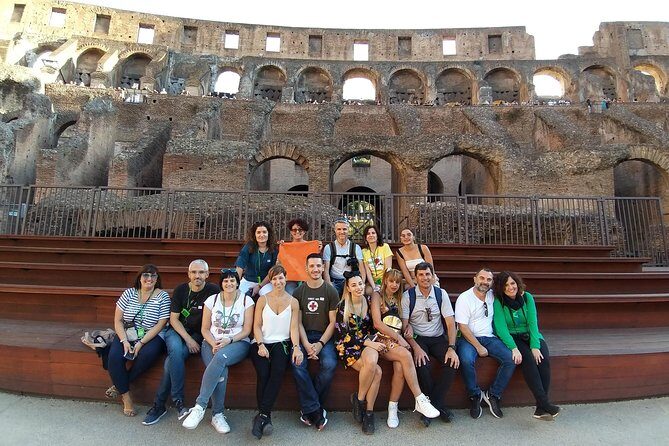
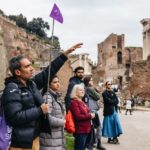
Rome can feel impossible to conquer. This private day focuses it into one calm plan, with hotel pickup and fast-track access to the Colosseum and Vatican Museums. I love that you get a true one-on-one style day with a Blue Badge guide, and I also love how the stops connect: Colosseum to Roman Forum to Vatican City without wasting time. One catch: it’s a packed schedule with real walking, and the dress code plus exact ID/name matching matters, or entry can be refused.
What makes this experience especially practical is the pacing. You’re not just rushing through big landmarks; you’re guided through specific parts that explain how Rome’s power worked, and how Vatican art is organized into themes and rooms you might not find on your own. It’s also designed for comfort with private vehicle transfers between major sites, which is a big deal when Rome traffic and lines can shred your plans.
The day runs long enough that you should plan for heat and crowd density. Bring a fan or umbrella in summer, wear closed-toe non-slip shoes, and accept that you’ll trade some free time for smoother access and better commentary.
In This Review
- Key things I’d zero in on before booking
- A Packed 8-Hour Rome Day: What You’re Paying For
- Hotel Pickup and Getting to the Colosseum on Time
- Entering the Colosseum: Gladiator Energy and Real Construction Stories
- Roman Forum Stops That Actually Explain Rome’s Power
- The Arch of Constantine View: A Quick Photo Stop with Big Meaning
- Vatican Museums Entry with Fast-Track Access
- Court of the Pine Cone (Cortile della Pigna)
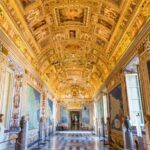
- Gallery Time: Maps, Candelabras, and Tapestries
- Sistine Chapel: The Main Event with Tight Timing
- St. Peter’s Basilica: Dome Power and Baroque Details
- A dress code checkpoint you can’t ignore
- Timing, Crowds, and Small Comfort Tips That Matter
- Price and Value: Is $1,078.44 Worth It?
- Who This Tour Fits Best (And Who Should Skip It)
- Should You Book This Private Rome Day?
- FAQ
- Is this tour private?
- What time does the tour start and where do I get picked up?
- What’s included in the price?
- Is lunch included?
- Is there a dress code?
- Do I need to bring a passport or ID?
- Can I cancel and get a refund?
Key things I’d zero in on before booking
- Private, all-day focus on the Colosseum, Roman Forum, and Vatican Museums instead of hopping between random entry times
- Fast-track entry to the Vatican Museums plus line navigation for major Rome bottlenecks
- Forum storytelling tied to real places, including stops like the Lapis Niger and the Temple of the Vestal Virgins
- Vatican Museums route through specific highlights, such as the Gallery of Maps and the Gallery of Candelabras
- Short, high-impact timing for places like the Sistine Chapel and key basilica artworks
- Real-world guide value: in past departures, guides like Benjamin, Gianluca, Marina, and Ellie/Elisa have been praised for clear queue strategy and engaging explanations for different ages
A Packed 8-Hour Rome Day: What You’re Paying For
This tour is priced at $1,078.44 per person, and the value isn’t just the sites. It’s the friction you avoid: long lines, unclear logistics, and the guesswork of what to see first inside massive complexes like the Vatican Museums.
You also pay for a private vehicle transfer plan and a guide who can keep the day moving. That matters because Rome is two kinds of difficult at the same time: crowd pressure around the headline attractions, and the walking/step factor once you’re inside.
If you want to see both the Colosseum/Forum and Vatican City in one day, this is the kind of structured approach that turns a stressful mash-up into something you can actually enjoy.
More Colosseum + Vatican combos for the Colosseum & Ancient Rome
Hotel Pickup and Getting to the Colosseum on Time
Start time is 8:45 am, with pickup from your hotel or accommodation in Rome city center within the Aurelian Walls. That early start is a smart move here, because later in the day the Colosseum area and Vatican approach can get more crowded and harder to manage.
You’ll travel by private vehicle between sites, which is a quiet win. Rome distances are short on a map, but real travel time includes traffic, walking from parking, and the constant need to reorient. This tour removes a chunk of that headache.
Practical note: you’ll still need to walk once you’re dropped near the sights. Comfortable shoes aren’t optional.
Entering the Colosseum: Gladiator Energy and Real Construction Stories
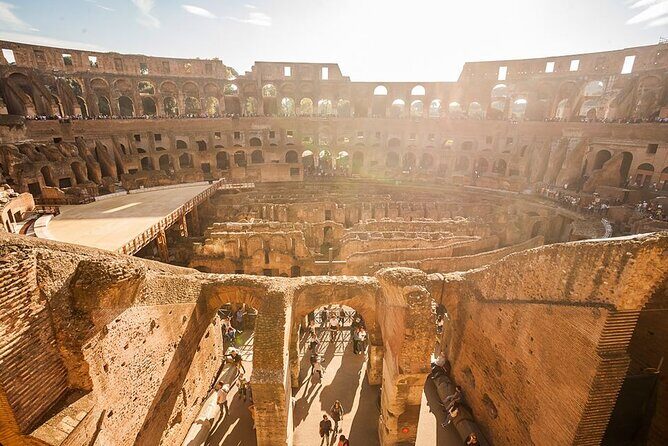
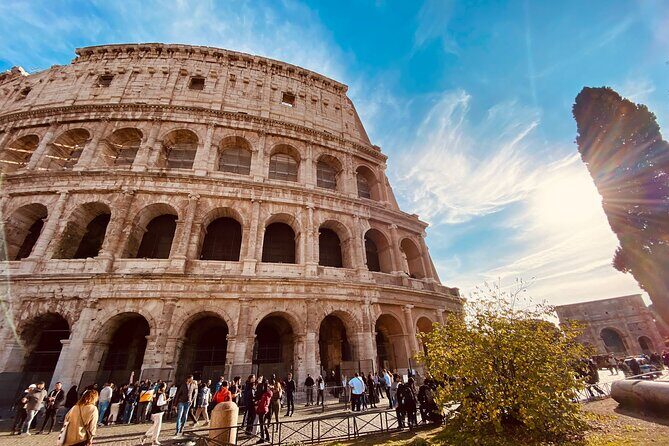
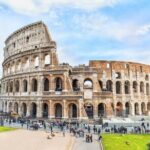
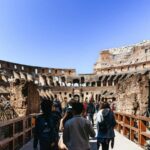
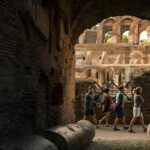
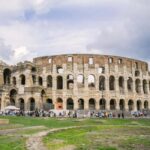
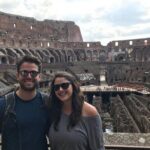
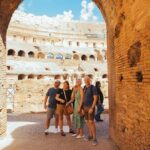
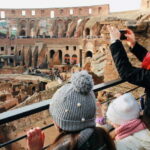
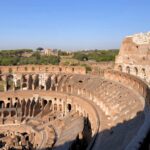
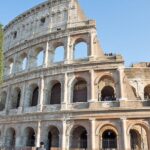
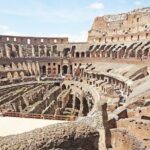
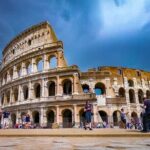
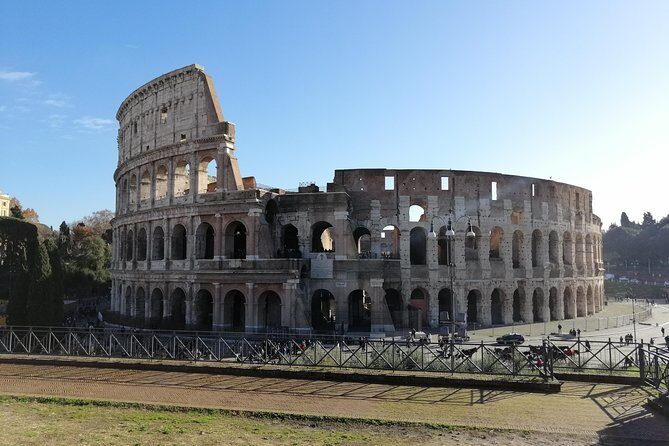
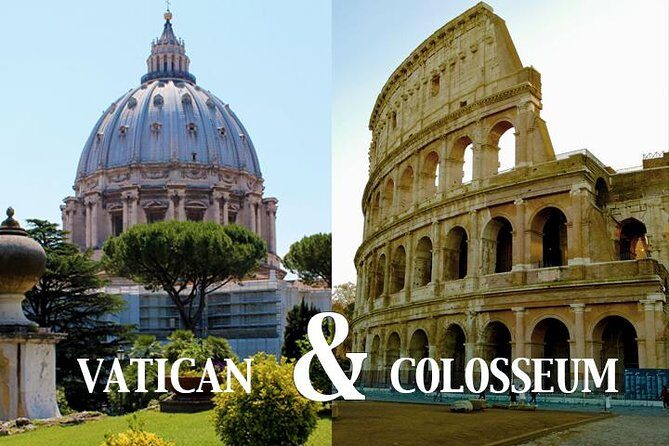
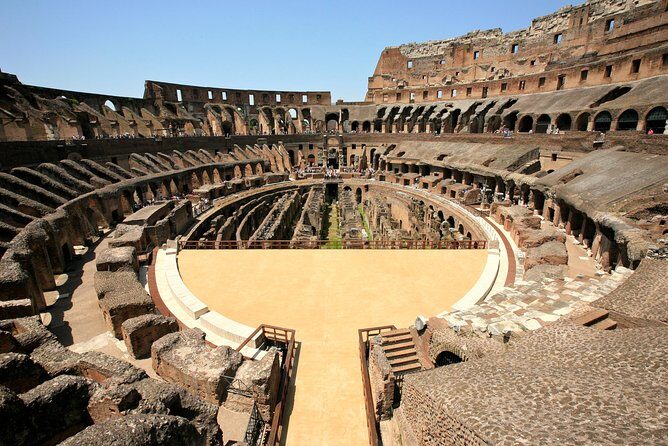
The Colosseum visit is 1 hour 30 minutes, with admission included and a reservation fee included as well. The point of a guided entry like this is simple: you spend less time figuring out where to stand and more time understanding what you’re looking at.
This stop is where the guide brings the place to life: Romans gathered here for gladiator fights, wild beast battles, and even legendary sea-battle spectacles. You’ll also hear how the Colosseum was built quickly for a monument of its size—built in only 8 years—and how its design supported both politics and entertainment.
Why I think that framing is worth it: the Colosseum isn’t just a photo stop. It’s architecture that was engineered for crowds, visibility, and spectacle. When someone explains how and why it works, your visit becomes more than walking around stone.
Before you go in, follow the tour’s footwear and safety advice: closed-toe, non-slip shoes are required. Access can involve uneven steps, and if you’re uneasy on uneven ground, you’ll feel it fast.
Roman Forum Stops That Actually Explain Rome’s Power
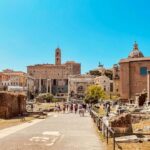
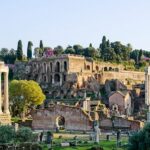
Next comes the Roman Forum (1 hour 30 minutes), and this is one of the better uses of a guided format. The Forum can look like piles of ancient stone unless someone helps you connect the myths, the holidays, and the everyday religion to the layout.
You’ll learn mythology and how popular celebrations worked. You’ll also hear connections such as how the pagan holiday Saturnalia influenced the idea of Christmas being on December 25 in modern tradition. Whether you take those historical links literally or as cultural echoes, the storytelling helps you see the Forum as a lived landscape, not a textbook.
A couple of specific Forum details stand out:
- The Lapis Niger, described as the most ancient Latin text discovered, housed in the foundation of a column in the Forum
- The Temple of the Vestal Virgins, where Vestal Virgins served for decades, maintaining sacred fire for the goddess Vesta—symbolically tied to Rome’s endurance and victory
You’ll also get a sense of how astrology and symbols keep echoing ancient ideas today.
One realistic consideration: it’s still archaeological ground, so you’ll be shifting between views, stepping over uneven surfaces, and staying aware of where to move next. If you’re prone to foot discomfort, treat shoe choice like part of the itinerary.
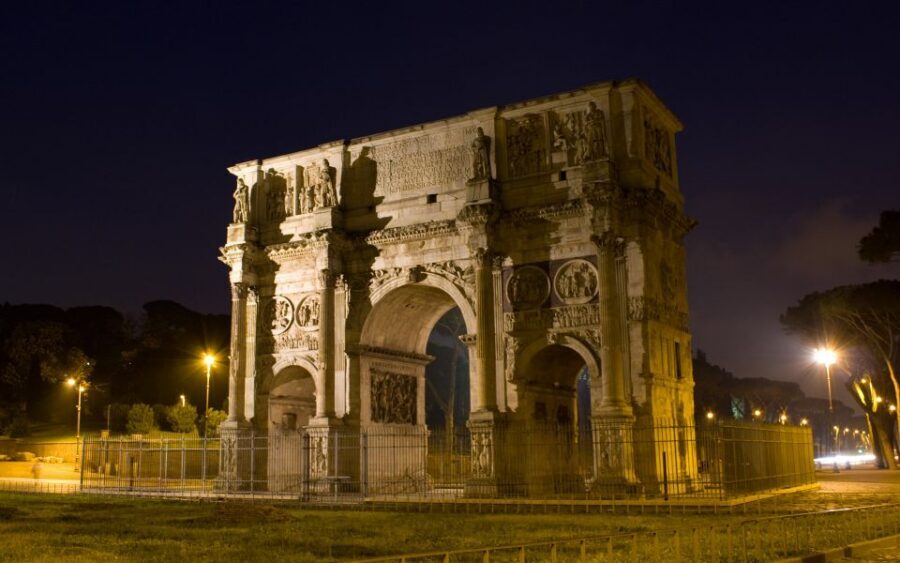
The Arch of Constantine View: A Quick Photo Stop with Big Meaning
Between the Forum and the Vatican day, you’ll admire the view of the Triumphal Arch of Constantine. Even if you only catch it briefly, the arch is presented as a turning point—an art and history dividing line between the rise of Christianity and the decline of the Roman Empire.
This is the kind of stop that works well in a long day: quick, context-rich, and it gives your brain a mini shift away from pure ruins and into political symbolism.
More Tours with Hotel Pickup for the Colosseum & Ancient Rome

Vatican Museums Entry with Fast-Track Access
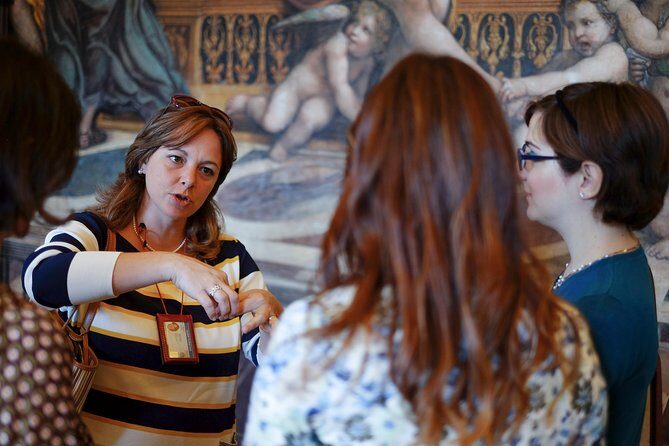
Vatican Museums is where you’ll feel the scale. Your time here is 1 hour 40 minutes, with admission included. The tour includes skip-the-line / fast-track entry, which is not a luxury in Vatican Museums—it’s the difference between a meaningful visit and a slow creep.
You’ll travel together from your hotel pickup to the Vatican Museums, and the guide leads you through a focused route. The description includes visiting areas described as not open to the general public all the time, plus showing “hidden” corners—more accurately, places that aren’t the obvious first targets most people pick.
This is also where you’ll see how the Vatican isn’t one museum. It’s a complex of galleries and courtyards organized by art types and themes.
Court of the Pine Cone (Cortile della Pigna)
You’ll stop at the Cortile della Pigna, the Court of the Pine Cone. It’s named for a colossal bronze pine cone dating back to Ancient Rome—once a fountain, standing as the centerpiece. It’s described as a tranquil courtyard between major palace areas inside the Vatican City. Even in a packed day, this kind of pause helps you reset.
Gallery Time: Maps, Candelabras, and Tapestries
After the big entry moments, the tour spends short, high-impact blocks inside specific rooms. These aren’t just filler; they’re chosen because they represent different “voices” inside the Vatican Museums.
Here’s what you’ll see:
- Gallery of Tapestries: 15th and 16th-century tapestries with scenes from biblical and historical narratives, inspired by Raphael’s school
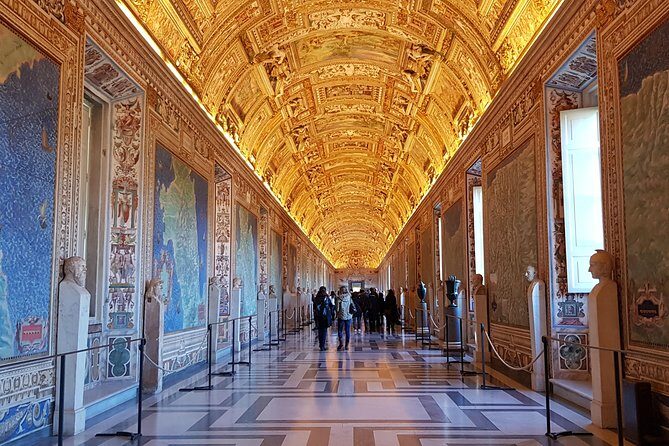
- Gallery of Maps (Galleria Delle Carte Geografiche): topographical maps of Italy, created in the 16th century under Pope Gregory XIII, with painted maps spanning 120 meters
- Gallery of the Candelabras: Greek and Roman statues, sarcophagi, and reliefs, named for grand marble candelabras that divide the gallery into thematic sections
Time blocks are short—about 20 minutes for the Maps and Tapestries, and about 15 minutes for the Candelabras—so the guide’s job is to point your attention at what matters and keep you moving without turning it into a blur.
If you’re wondering what you’ll get out of these rooms, think of it like this: maps teach you how the Vatican collected Italy’s geography as art; tapestries show narrative storytelling; candelabras and sculptures show the mix of ancient pieces and later display choices.
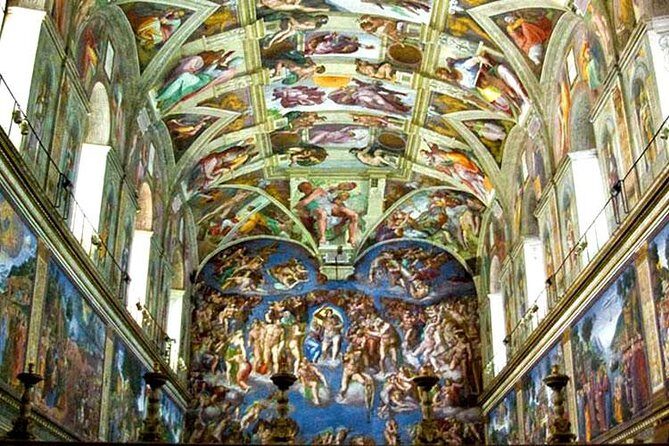
Sistine Chapel: The Main Event with Tight Timing
The Sistine Chapel stop is 30 minutes, and admission is included. It’s worth knowing what you’re walking into: the chapel is tied to Pope Sixtus IV’s restoration work in the late 1400s, and it’s famous for papal conclaves and ceremonies.
But let’s be honest: most people come for Michelangelo’s frescoes. This tour gives you time to experience the art without racing at the speed of a crowd stampede.
A practical tip: bring a calm mindset. Even with a guide, you’ll be inside a controlled environment with people around you. Your best experience comes when you pause to let your eyes adjust rather than forcing quick sightseeing.
St. Peter’s Basilica: Dome Power and Baroque Details
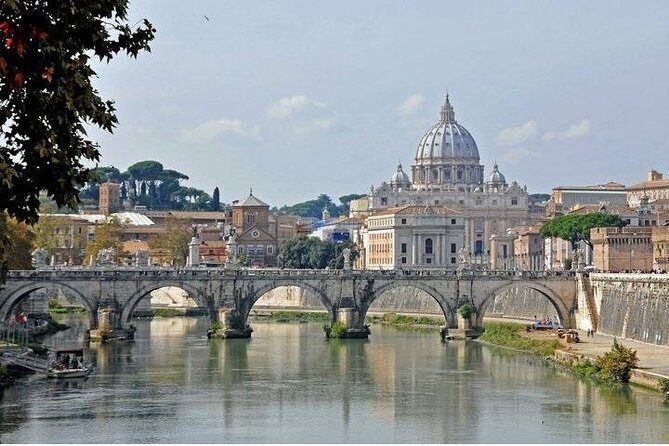
After the Sistine Chapel, you’ll move to St. Peter’s Basilica with about 20 minutes there. Admission is included.
This basilica is built over what’s traditionally considered the tomb of Saint Peter, and construction is linked to major names such as Bramante, Michelangelo, and Bernini. The guide will orient you to the dome’s prominence and the ornate interior that makes the basilica feel more like a city interior than a single church room.
You’ll also be shown key masterpieces, including:
- The Baldachin by Gian Lorenzo Bernini over the high altar, described as towering over 90 feet tall and designed as a bronze canopy
- Michelangelo’s Pietà (1498–1499)
Then you’ll reach St. Peter’s Square (Piazza San Pietro), designed by Bernini with a double colonnade and a central obelisk flanked by fountains. It’s presented as the gathering point for large Catholic addresses.
A dress code checkpoint you can’t ignore
Places of worship and selected museums require a dress code. Knees and shoulders must be covered for both men and women—no shorts or sleeveless tops. If you don’t comply, entry can be refused. Plan for it, because it’s the easiest way to avoid a ruined day.
Timing, Crowds, and Small Comfort Tips That Matter
This day is designed to fit a lot in about 8 hours, but that doesn’t mean it feels like a marathon. The guide approach is built around pacing, and in past experiences, guides have been praised for taking breaks in shaded spots and navigating queues efficiently.
If you’re visiting in warmer months, take the real-world advice: bring an umbrella and a fan. Rome sun and stone surfaces don’t forgive poor planning.
Also, since lunch and food aren’t included, plan your meal timing. If you want to eat well without losing momentum, you’ll likely need to grab something during your free time rather than assuming the tour includes lunch.
Price and Value: Is $1,078.44 Worth It?
Let’s break down what you’re actually getting for the price.
Included costs cover:
- Colosseum and Roman Forum entrance fees, plus the Colosseum reservation fee
- Vatican Museums tickets
- A Blue Badge guide
- Hotel pickup/drop-off and transportation between sites via private vehicle
- Admission tickets for the Vatican Museums components listed in the schedule
Food and drinks are not included, and that’s normal for private sightseeing days. The key question is whether the included admissions plus guide time plus private transfers justify the per-person rate for your group.
Here’s when I think the cost makes sense:
- You want two of Rome’s biggest “musts” in one day without losing hours to line chaos
- Your group includes kids or a mix of experience levels, and you want the guide to keep everyone engaged
- You value commentary and context, not just a checklist of famous sights
Here’s when you might question it:
- If you’re perfectly fine handling lines, ticketing, and finding your own way inside mega-sites
- If your group prefers long unstructured time at just one or two locations
For many people, the value comes down to this: the tour is designed to reduce stress per hour.
Who This Tour Fits Best (And Who Should Skip It)
This private format is best if you want structure, expert guidance, and smooth transfers while hitting the Colosseum, Roman Forum, and Vatican Museums/St. Peter’s in a single day.
I’d especially recommend it for:
- First-timers who want a guided orientation to ancient Rome and Renaissance/Vatican art in one shot
- People who care about the “how” and “why,” like how the Colosseum worked and how specific Forum sites connect to Roman religion and politics
- Travelers staying within the Aurelian Walls who will benefit from hotel pickup
You might want a different plan if:
- Your legs struggle with uneven steps and lots of walking
- You’re not willing to follow the strict dress code rules
- You want a more slow-food pace with long independent wandering
Should You Book This Private Rome Day?
Book this tour if your priority is efficiency with good storytelling. The fast-track Vatican entry, the guide-led Forum specifics like the Lapis Niger and Vestal Virgins, and the structured stop plan inside St. Peter’s Basilica make this a strong choice when time is limited.
Skip it if you’d rather spend your day freely shopping, lingering, and building your own route. This isn’t built for wandering; it’s built for hitting the key sights with fewer headaches.
FAQ
Is this tour private?
Yes. It’s a private tour/activity, so only your group participates.
What time does the tour start and where do I get picked up?
The start time is 8:45 am. Pickup is from your hotel or accommodation in Rome city center within the Aurelian Walls.
What’s included in the price?
Admission tickets for the Colosseum and Roman Forum (including the Colosseum reservation fee) and Vatican Museums tickets are included, along with a Blue Badge guide and hotel pickup/drop-off plus transportation between sites with a private vehicle.
Is lunch included?
No. Food, drinks, and lunch are not included.
Is there a dress code?
Yes. You need knees and shoulders covered. No shorts or sleeveless tops allowed, and failure to comply can lead to refused entry.
Do I need to bring a passport or ID?
Yes. Each traveler must present a valid passport or photo ID document that matches the name provided at booking for entry.
Can I cancel and get a refund?
You can cancel for a full refund up to 24 hours in advance of the experience start time. If you cancel less than 24 hours before, the amount paid is not refunded.