REVIEW · ROME
Rome: Colosseum, Roman Forum, and Palatine Hill
Book on GetYourGuide →Operated by My city Tours · Bookable on GetYourGuide
Rome never stays still in your head once you see the Colosseum. This tour is interesting because you get expert storytelling tied to the stones, and you’ll also enjoy ruins-with-a-view moments from Palatine Hill. I like that it’s built around a logical route through three signature sites, so you start to connect power, spectacle, and everyday elite life in Ancient Rome, not just collect photos. One thing to watch: timing can feel tight in hot weather, so you’ll want to be ready to move at a steady pace.
The big win here is how the guide turns landmarks into a sequence you can follow. Guides like Sandro and Tania have a talent for walking you through how the Colosseum changed over time, from imperial use to later eras, then easing you toward the Roman Forum’s political theater and Palatine Hill’s elite homes. The only drawback I’d flag is organization timing at the meeting point can vary, so arriving a bit early and double-checking your ticket time matters.
In This Review
- Key Points I Think You’ll Care About
- Why This Colosseum–Forum–Palatine Hill Route Feels Worth It
- Meeting at My City Tours and What to Bring for a Smooth Start
- Entering the Colosseum: Arena Energy and Earthquake Scars
- Roman Forum: Where Speeches, Elections, and Triumphs Played Out
- Palatine Hill Views: House of Augustus and Frescoes Up Close
- Price and Value: Is $84 for 2.5 Hours a Good Deal?
- What the Best Guides Tend to Do Here (And Why It Matters)
- Practical Tips for a Better Day in the Sun
- Who Should Book This Tour?
- Should You Book This Colosseum–Forum–Palatine Hill Tour?
- FAQ
- How long is the tour?
- What’s the starting time?
- What language is the guide?
- Where do we meet for the tour?
- What’s included in the price?
- Is hotel pickup or drop-off included?
- What do I need to bring?
- What is the cancellation policy?
Key Points I Think You’ll Care About
- Skip-the-stress access to the Colosseum plus entry to the Roman Forum and Palatine Hill
- Historian-style live guide who explains what you’re seeing, not just the basics
- Colosseum angles and arena focus, including how the building has been affected by earthquakes over time
- Roman Forum context for speeches, elections, and triumphal processions
- Palatine Hill views plus the House of Augustus and its frescoes
- Short, efficient route that fits a 2.5-hour time window
Why This Colosseum–Forum–Palatine Hill Route Feels Worth It
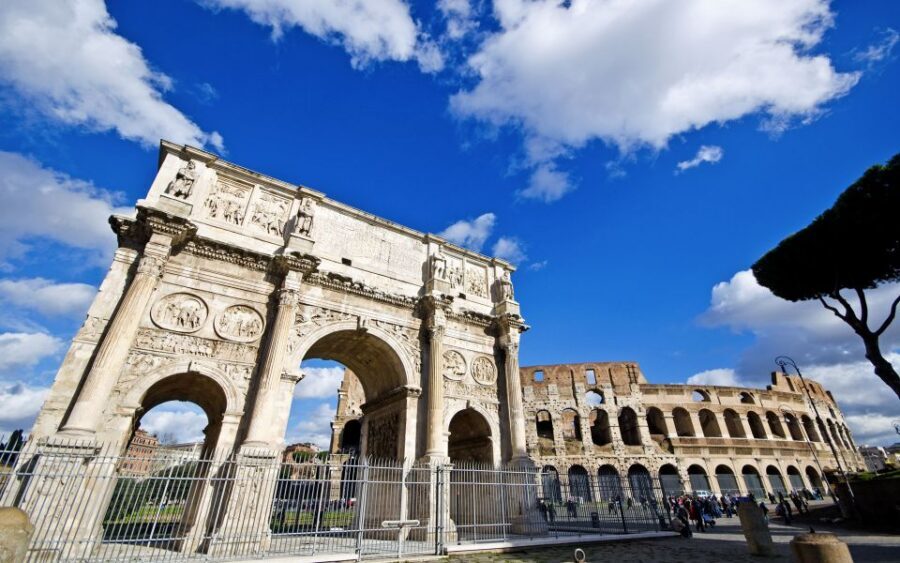
This is the classic Rome “power triangle” for a reason: you’re covering the arenas of public spectacle, the stage for politics and ceremony, and the hill where elite families built their status. I like tours that help you build a mental map fast. This one does that by keeping the focus on what the places meant, not only what they look like.
You’ll also get the benefit of a guide who can connect details you might otherwise miss—like where stone damage is visible and how certain spaces were used. It’s the difference between seeing a huge ruin and actually understanding the logic of the city.
And yes, you’ll get those wow moments: the Colosseum’s scale from different angles and the view spreads from the top of Palatine Hill. If you like your sightseeing with a story attached, this tour hits the sweet spot.
More Colosseum, Forum & Palatine combos for the Colosseum & Ancient Rome
Meeting at My City Tours and What to Bring for a Smooth Start
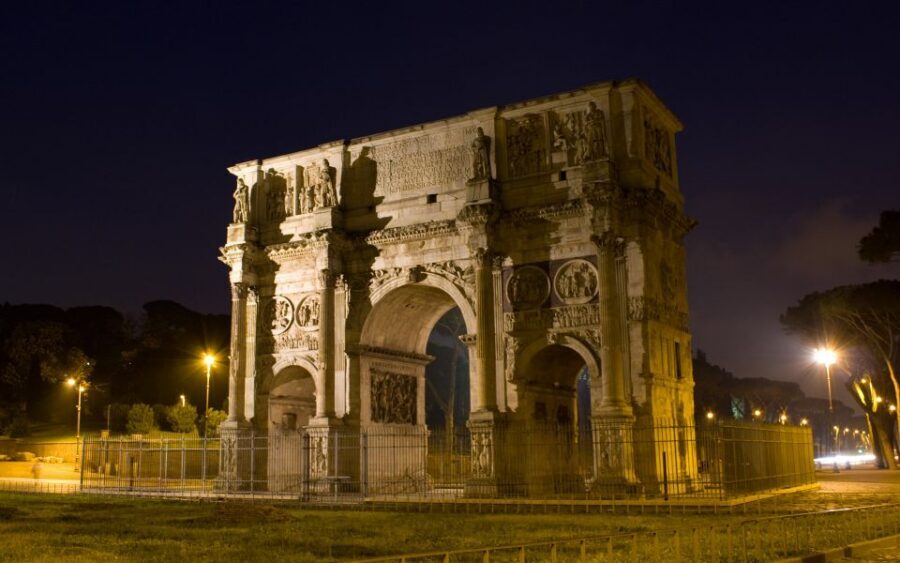
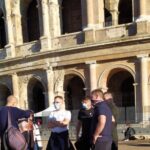
You meet at the office for My City Tour and start your tour. It’s an easy starting point, and since the walking time is short, being punctual pays off. Your best move is to arrive early enough to settle in and check you have the right entry materials.
Bring a passport or ID card. Children need an ID or passport too. This matters because entry to major sites can be strict about matching names.
Also plan around site rules. You can’t bring weapons or sharp objects, and pets aren’t allowed (assistance dogs are allowed). Sprays or aerosols are also not allowed. That’s a bigger deal than it sounds—if you use sunscreen in spray form, consider switching to a non-aerosol option before you go.
Entering the Colosseum: Arena Energy and Earthquake Scars
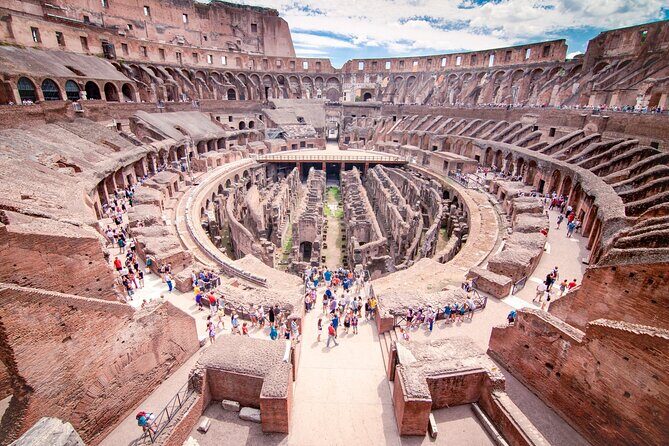
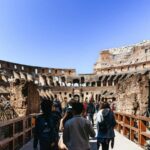
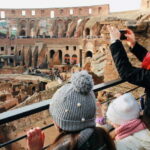
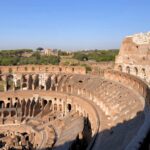
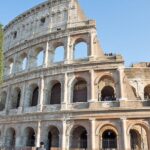
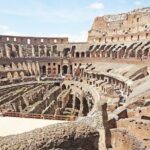
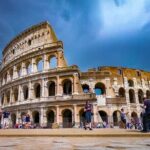
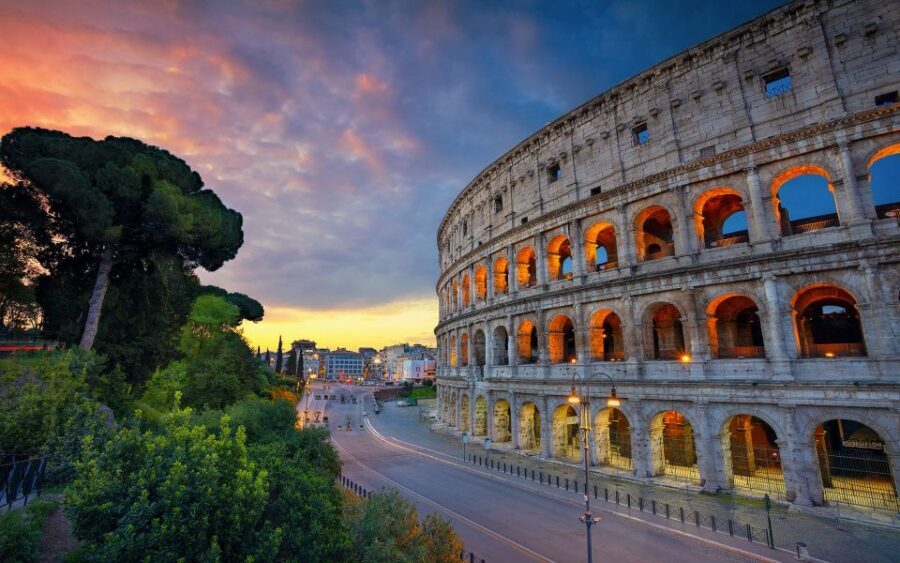
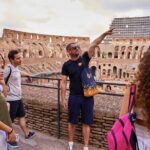
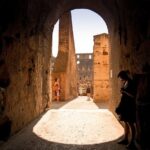
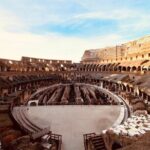
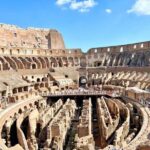
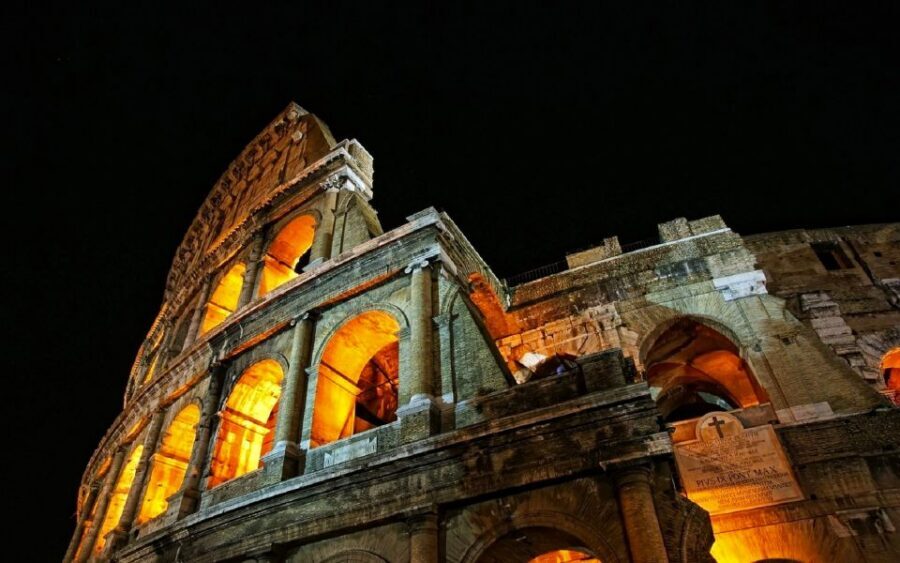
The Colosseum is impressive in every direction. But the tour does something more useful: it helps you read the building. You’ll visit the Colosseum, admire it from multiple angles, and notice where the structure has changed over the centuries, including spots where the building has crumbled from past earthquakes.
A good guide here makes the arena feel real. Expect to hear history connected to the crowds—how the Colosseum operated under the emperors, then what changed as Rome moved through later eras. Some guides, like Sandro, are especially good at pacing the timeline so it doesn’t blur together. You’ll also hear about the Colosseum in the Middle Ages, during the Popes’ influence, and later periods such as Napoleon-era changes, plus 20th-century moments from the 1950s and 1960s.
Here’s what I think you’ll enjoy most: the tour isn’t only about the building’s exterior. You’ll walk in the footsteps of ancient Romans, so you’re physically stepping along a route that mirrors how people would have moved through this space. That turns “I saw the Colosseum” into “I get how it worked.”
One practical note: you’re inside and outside in a relatively compact timeframe. If you’re sensitive to heat or crowds, bring a water bottle (though food and drinks aren’t included on this tour). Wear shoes you can trust on stone and uneven ground.
Roman Forum: Where Speeches, Elections, and Triumphs Played Out
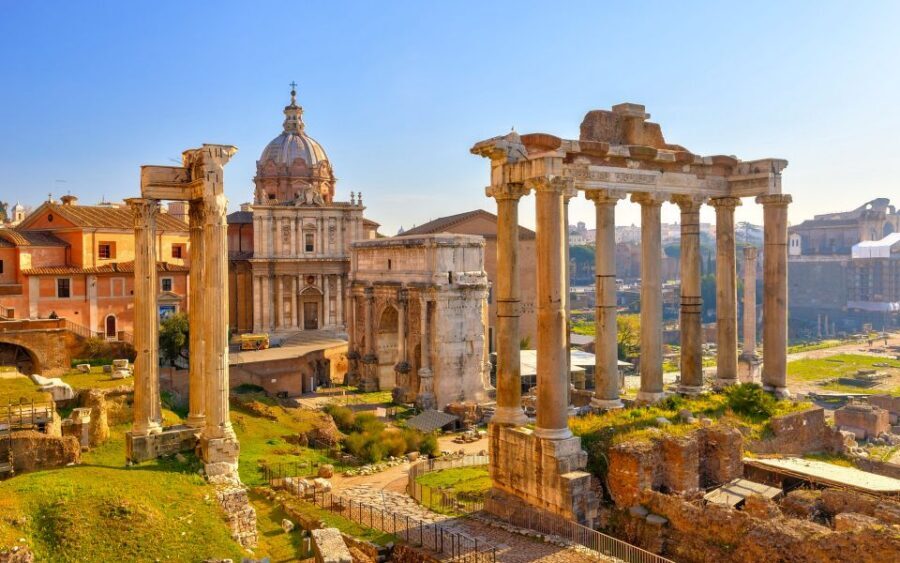
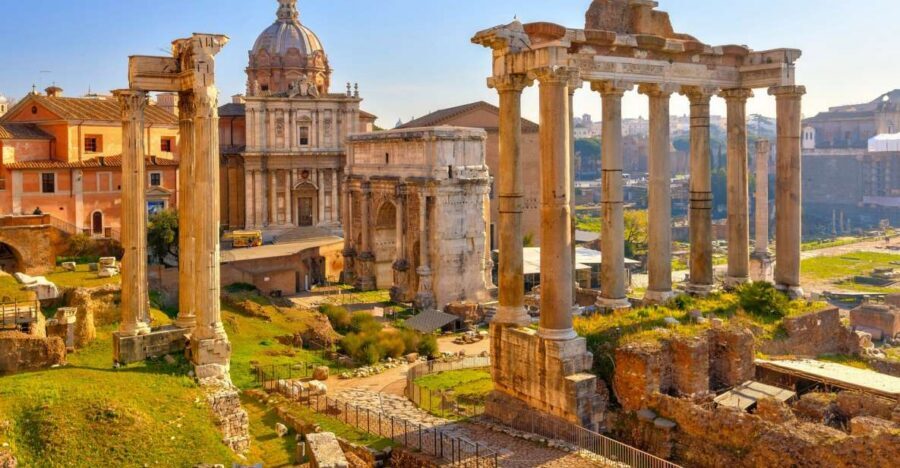
After the Colosseum, you move into the Roman Forum, which can feel chaotic if you just wander. With a guide, it becomes organized. The Forum wasn’t only pretty ruins—it was the civic heart where triumphal processions rolled through, elections happened, and public speeches helped shape decision-making.
You’ll explore the Roman Forum and learn why the layout mattered. You’ll also get pointed attention on specific landmarks. One highlight is the Temple of Romulus, described as an architectural wonder within the Forum area. Even if you think of temples as “religion-only” sites, the Forum temples and monuments show how Roman politics and belief were tied together.
I also like how the Forum portion helps you slow down. The Forum can be overwhelming because there’s so much to look at. A strong guide makes your eyes land on the right things—so you notice scale, placement, and what each space was used for.
If you want a shortcut to understanding ancient Rome beyond gladiators, this is it. You’ll leave with a clearer sense of who held power, how that power was performed, and how public life looked in real time.
Palatine Hill Views: House of Augustus and Frescoes Up Close
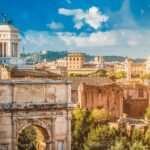
Next comes Palatine Hill, where the scenery does half the job and the history does the other half. You’ll walk up to Palatine Hill and enjoy spectacular views from above. That height helps you understand the city’s logic—why hills mattered, where sightlines would shape status, and how elite life sat above the bustle.
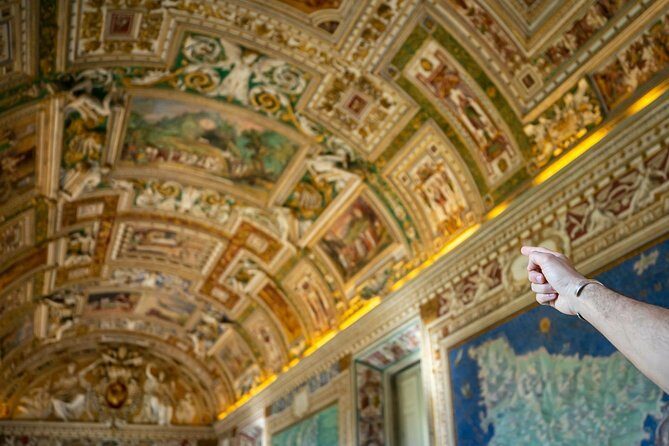
Once you enter Palatine Hill, you’ll see the House of Augustus. This is one of the best “elite Rome” anchors you can get on a timed tour, because it connects power to home life. You’ll also witness a wide collection of frescoes tied to the people and rulers of the period, giving you a window into what the ruling class wanted their walls to say.
Even if you’re not a museum person, frescoes are a direct way to understand how propaganda, taste, and identity show up in everyday rooms. With the guide’s explanations, you’re not just looking at painted surfaces—you’re learning what they communicated in context.
The timing is also a plus. Palatine Hill can take longer if you explore solo. Here, it fits into the 2.5-hour structure so you still get the top views and a meaningful highlight set.
More Roman Forum tours for the Colosseum & Ancient Rome

Price and Value: Is $84 for 2.5 Hours a Good Deal?
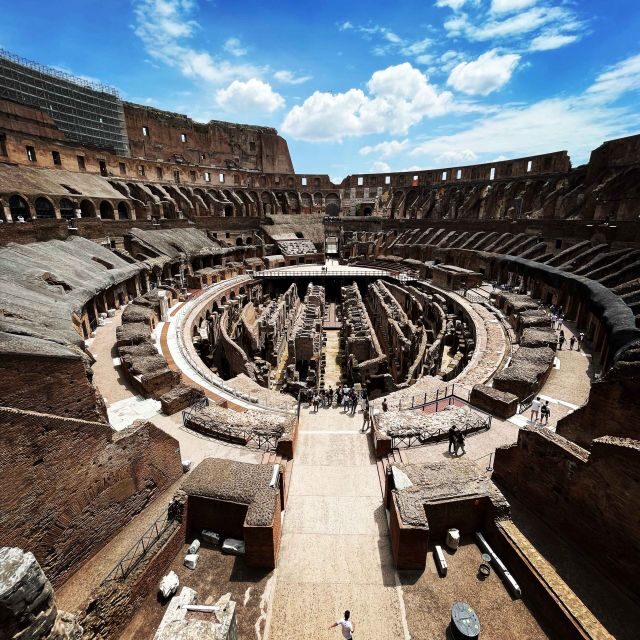
At $84 per person for about 2.5 hours, this tour is priced for what you’re actually buying: guide interpretation plus site access to three of Rome’s most in-demand areas.
What’s included:
- Tour guide
- Access to the Colosseum
- Access to the Palatine Hill and Roman Forum
What’s not included:
- Hotel pickup and drop-off
- Food and drinks
So you’re not just paying for a ticket. You’re paying for direction—how to move through the spaces, what to look for, and how to connect the places into one story. If you tried to do this on your own, you’d need to figure out routing, timing, and what matters most at each stop. The value is that the guide handles the interpretation while you handle the walking.
One more angle: the review experience points to guides who keep groups moving and help minimize friction getting into major sites. In plain terms, good guide-led entry and timing can save you a lot of energy, especially when Rome is busy.
If you’re visiting for a short stay and want the big three without spending half your day figuring it out, $84 starts to look less like a splurge and more like time-buying.
What the Best Guides Tend to Do Here (And Why It Matters)
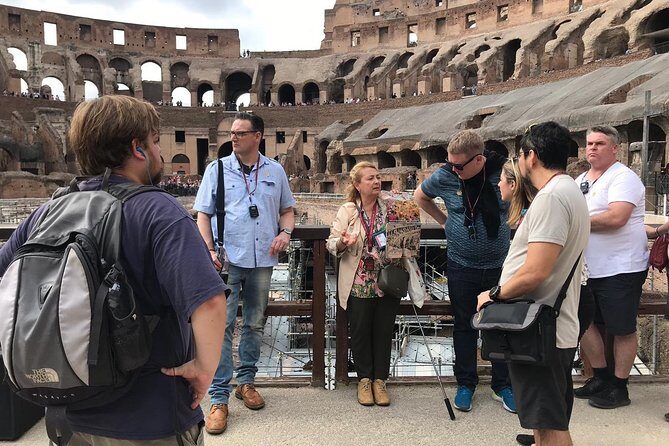
A key strength of this tour is the human factor: the guide can make the difference between a 2.5-hour walk and a 2.5-hour education.
From the guide names tied to the experience, you can see the range of styles:
- Sandro brings a very animated approach to storytelling around gladiators and the arena, and he’s known for covering multiple phases of Colosseum history.
- Tania stands out for Roman history context with fun facts that keep the flow lively.
- Sara and Sarah have a knack for making the day manageable in heat, with smart pacing and clear explanations.
- Alessandra/Alessandro shows up as a highlight for family-friendly, interactive energy.
You don’t need a theatrical guide, but you do need someone who can point you toward the right details. The Colosseum and Forum are big places with fragments everywhere. Without guidance, it’s easy to miss how the pieces connect.
That’s also why I think the focus on architecture and specific sites—House of Augustus, Temple of Romulus—matters. It prevents the tour from becoming a blur of stop-and-start photos.
Practical Tips for a Better Day in the Sun
A short tour can still feel long when it’s hot and you’re moving uphill. Here’s how I’d prep based on what this experience typically involves:
- Wear comfortable, grippy shoes for uneven ancient surfaces.
- Plan for sun exposure. Since the tour includes outdoor walking on Palatine Hill and around the Colosseum, shade stops can help, but you should still dress for heat.
- Bring water. Food and drinks aren’t included, and you’ll appreciate a break when you can.
- Arrive a little early at the My City Tour office meeting point. One downside to watch for is that meeting-point organization can create wasted time if everything doesn’t line up smoothly. You can’t control that, but you can reduce the impact by arriving on the early side and confirming your schedule.
The restrictions are straightforward, but check your bag. No sprays or aerosols, and keep sharp items out.
Who Should Book This Tour?
This works especially well if:
- You want the big sights—Colosseum, Roman Forum, Palatine Hill—in one efficient, guided outing
- You like history with a story thread, including how major sites changed over time
- You prefer a structured walk over self-guided wandering
It may not be the best fit if:
- You want long, slow museum-style time at each location
- You hate any walking in warm weather
- You need very flexible pacing (this tour is built around a 2.5-hour window)
If you’re traveling with kids, it can still work—strong guides often use interactive storytelling—but confirm that you can handle standing and walking for the duration.
Should You Book This Colosseum–Forum–Palatine Hill Tour?
If you want a time-efficient way to understand why Ancient Rome mattered—through spectacle, politics, and elite power—this is a strong choice. The included access to all three sites plus a live English guide is the real value, especially if you want explanations that point you to what to notice.
My only caution is practical: arrive early, bring the required passport/ID, and be prepared for sun and walking. If you do that, you’ll get a tour that turns three giant landmarks into one connected picture of Roman life.
FAQ
How long is the tour?
The tour lasts 2.5 hours.
What’s the starting time?
Starting times vary. You can check availability to see the options for when the tour begins.
What language is the guide?
The tour has a live guide in English.
Where do we meet for the tour?
Meet at the My City Tour office, where you start the tour.
What’s included in the price?
The tour includes a tour guide and access to the Colosseum, plus access to the Palatine Hill and Roman Forum.
Is hotel pickup or drop-off included?
No. Hotel pickup and drop-off are not included.
What do I need to bring?
Bring a passport or ID card. Children also need a passport or ID card.
What is the cancellation policy?
You can cancel up to 24 hours in advance for a 50% refund.