REVIEW · ROME
Rome: Colosseum Entry with Forum & Palatine
Book on Viator →Operated by KAY KAY Tour Ltd. · Bookable on Viator
Three Roman icons, one ticket, less fuss. With a mobile entry pass from Piazza del Colosseo you hit the Colosseum, then walk the Forum and up to Palatine Hill without juggling separate papers.
I like all-three admissions in one go: Colosseum, Roman Forum, and Palatine Hill. I also like the small group cap of 40 people, which helps when crowds swell.
The main catch is no tour guide included, so your experience depends on wayfinding and how ready you are with your own plan.
In This Review
- Key things to know before you go
- Rome’s Colosseum-Forum-Palatine combo: why this pairing works
- What you get (and don’t) for about $48
- Entering the Colosseum: the show that scaled to 50,000–80,000
- Lines still happen—plan for time loss
- Roman Forum: walking the civic heart of ancient Rome
- How to make the Forum feel meaningful
- Palatine Hill: the “first nucleus” above the city
- Don’t underestimate the walking
- Mobile tickets and the meeting point: how to avoid day-of stress
- The biggest practical factor: ticket readiness
- If you can’t find the staff, act fast
- Group size helps, but crowds win
- Lines, audio, and the no-guide reality
- A simple way to plan your priorities
- Price and logistics: does $48.15 feel worth it?
- Who this suits best
- My decision guide: should you book this?
- FAQ
- How long is this experience?
- Where does the experience start?
- What sites are included with the ticket?
- Is a tour guide included?
- Do I need a printed ticket?
- What is the maximum group size?
- Can I cancel or change my booking?
- When will I receive confirmation?
- Is this easy to reach with public transportation?
Key things to know before you go
- Mobile ticket delivery: your entry is handled via a phone pass, not paper tickets.
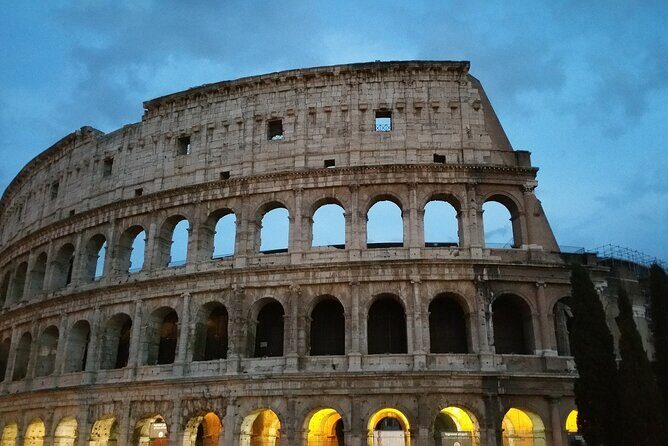
- All three sites are covered: Colosseum (the amphitheatre), Foro Romano (Rome’s civic heart), and Palatine Hill (the ancient “first nucleus”).
- Timing is tight by design: expect about 1 hour per stop in a 1–3 hour visit window.
- You’re in the thick of it fast: the Colosseum’s size and the area’s popularity mean lines can still be part of the day.
- Crowds can overpower audio: if you plan to rely on audio, hearing it in peak density can be tricky.
Rome’s Colosseum-Forum-Palatine combo: why this pairing works
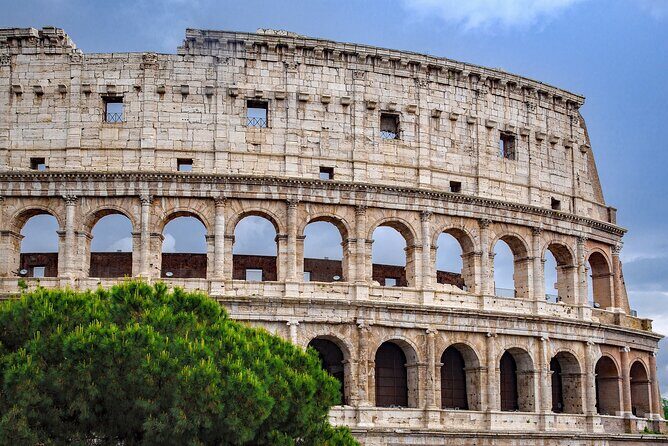
This stretch of Rome is like one long story told in stone. The Colosseum shows how Romans staged spectacle at huge scale. The Roman Forum shows where politics, speeches, trials, commerce, and public events happened day after day. Palatine Hill, meanwhile, sits up above it all and connects you to the earliest power center of the city.
What makes this ticket set practical is that it keeps the day coherent. Instead of jumping between far-apart sights, you’re essentially moving through one continuous Roman “power corridor,” with ruins and views that make the history feel physical. You don’t have to switch between ticket vendors or worry about three separate purchase decisions.
More Colosseum, Forum & Palatine combos for the Colosseum & Ancient Rome


What you get (and don’t) for about $48
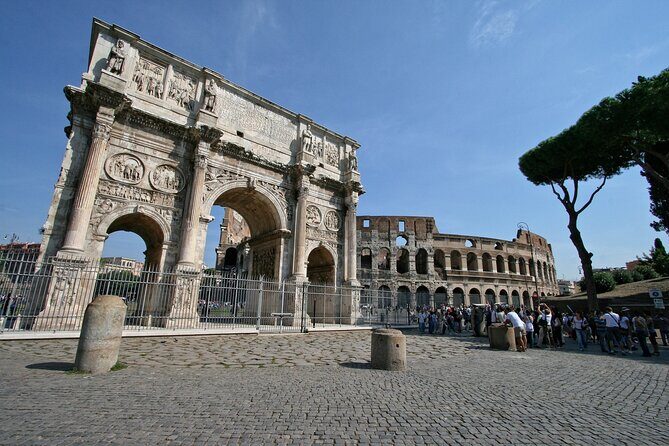
You’re paying for admissions, not for a guided talk. The bundle includes tickets to:
- Colosseum
- Roman Forum
- Palatine Hill
A tour guide is not included. That matters, because these places are best when you either (a) read a little beforehand, or (b) come with an audio guide plan, or (c) just enjoy walking and letting the visuals do the work.
The good news: the price can be solid value when you want the convenience of one package that covers all three. You’re not paying separate ticket fees for each site through a separate process. And because it’s a mobile ticket, you avoid the paper-ticket shuffle.
The not-so-good news: if you expect a person to handle every moment, you’ll need to adjust expectations. You’ll be responsible for navigation, pacing, and choosing what to focus on at each stop—especially if lines slow you down.
Entering the Colosseum: the show that scaled to 50,000–80,000
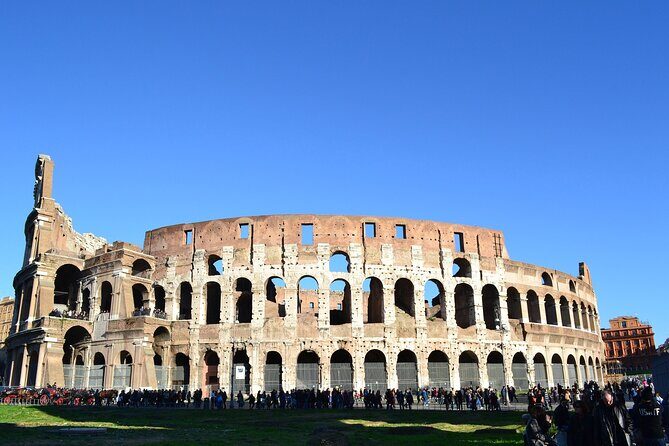
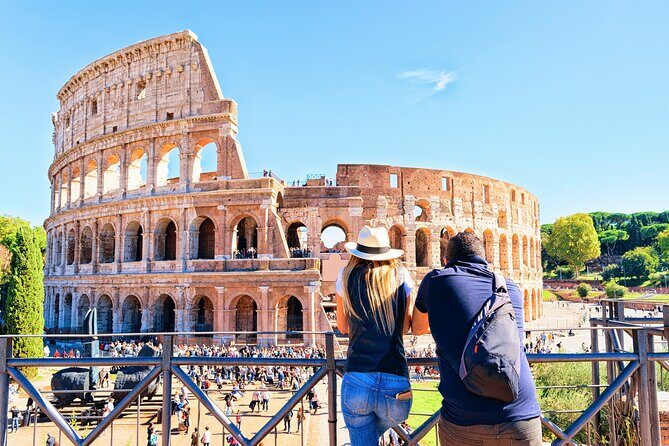
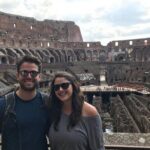
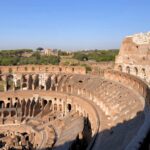
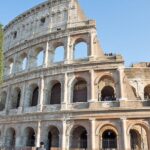
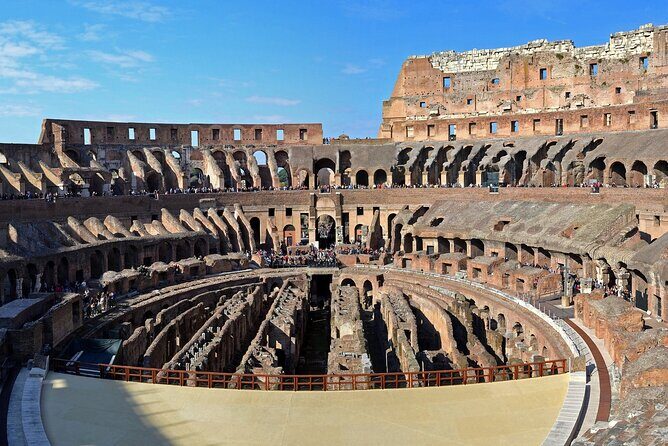
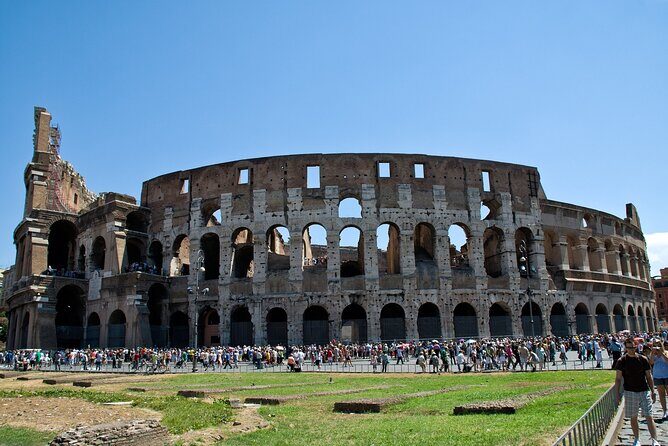
The Colosseum is the kind of monument that makes your brain stop for a second. It’s the largest ancient amphitheatre ever built and still the largest standing amphitheatre in the world. Construction began in 72 AD and was completed in 80 AD, with the work carried forward by successors—under Titus.
Even if you know the basics, the building’s materials add realism: it’s built with travertine limestone, tuff volcanic rock, and brick-faced concrete. That mix helps explain why the structure looks both monumental and layered, like a patchwork of Roman engineering choices.
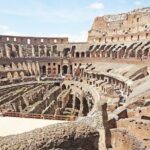
Capacity changed over time, with estimates around 50,000 to 80,000 spectators. That scale is why the visitor experience can feel intense: you’re walking into a space designed for crowds, with sightlines that are made for spectacle.
Lines still happen—plan for time loss
This ticket setup is meant to make entry smoother, but the Colosseum area is busy. If you arrive when the site is crowded, you can still lose time to queues. That’s the main reason the visit can feel rushed if you only have a short block.
If you want photos, take them early. If you want the best views into the arena and across the tiers, don’t wait until you’re tired—your attention matters more than your camera gear.
Roman Forum: walking the civic heart of ancient Rome
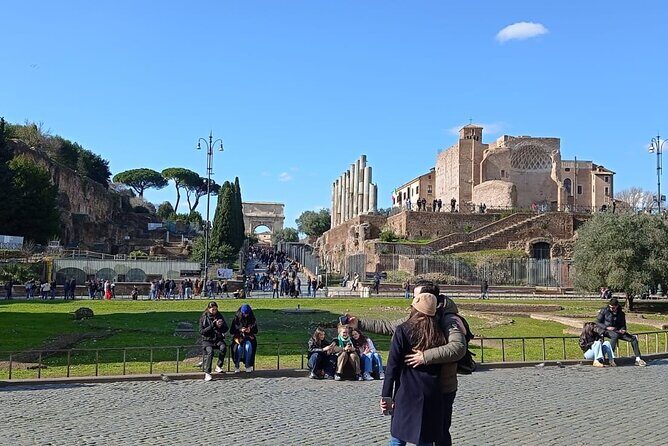
The Roman Forum was the center of daily life for centuries. It’s where Romans held triumphal processions and elections, where public speeches happened, and where criminal trials took place. It was also tied to commercial activity—the nucleus of the business side of Roman life.
Today, you see a sprawling ruin of fragments and excavated sections, not one restored “set.” That can be frustrating if you want one clean storyline. But it’s also the point: the Forum reads like a map of layers. The way stones appear, disappear, and reappear is part of the learning.
One extra reality check: the Forum draws enormous numbers—over 4.5 million visitors per year. So yes, it’s famous, and yes, you’ll feel that crowd level. This is why pacing helps. If you try to do everything at once, you’ll end up just moving with the flow.
More Palatine Hill tours for the Colosseum & Ancient Rome


How to make the Forum feel meaningful
Because there’s no guide included, you’ll get more out of it if you pick a theme for your walk. For example:
- civic life (speeches, elections, trials)
- spectacle (how public events fit together)
- commerce and power (how the city’s center operated)
Even a simple theme keeps you from staring at random stones and hoping they turn into a story.
Palatine Hill: the “first nucleus” above the city
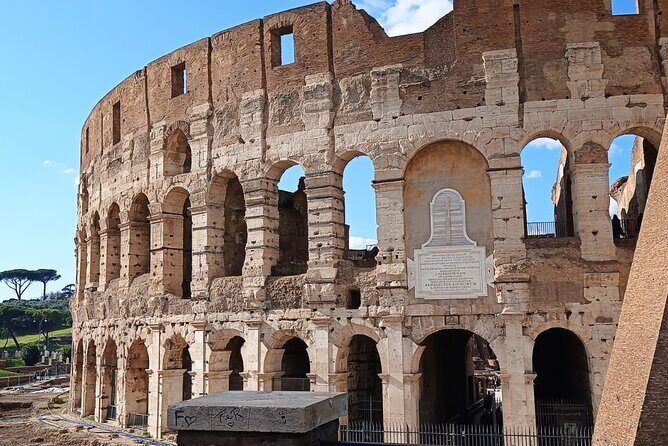
Palatine Hill is one of Rome’s seven hills and the centremost. It’s also among the oldest parts of the city, often described as the first nucleus of the Roman Empire. You can feel the “top-down” perspective here: it’s easier to understand why power concentrated where it did.
Right now, Palatine is mainly an open-air museum, with the Palatine Museum holding finds from excavations at the hill and from other ancient sites in Italy. That mix matters. The outdoors gives you atmosphere and scale, while the museum gives you the objects that help anchor what you’re seeing.
Don’t underestimate the walking
Even when the itinerary time is short, the terrain and the viewing spots add up. If your legs tire, your attention shifts from details to endurance. Keep your expectations realistic: think of Palatine as a highlight walk with a few intentional stops, not a “finish everything” checklist.
Mobile tickets and the meeting point: how to avoid day-of stress
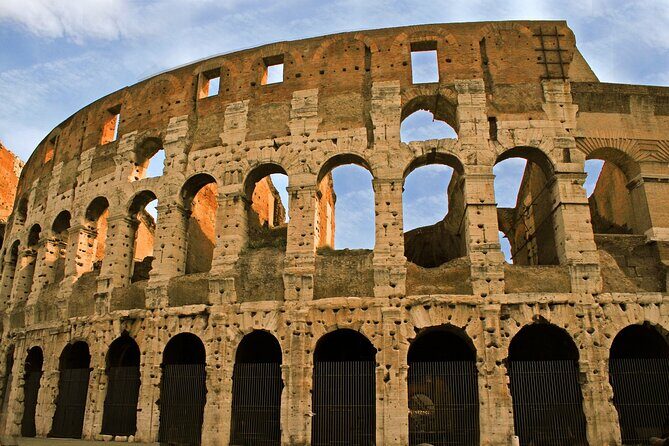
This starts at Piazza del Colosseo, 21, 00184 Roma and ends back at the meeting point. It’s near public transportation, which is a real advantage in a city where Rome’s streets can be both gorgeous and confusing.
The biggest practical factor: ticket readiness
Your admission is tied to a mobile ticket. That means:
- have your phone charged
- keep the ticket accessible (not buried under 20 apps)
- take a screenshot if you can, just as a backup
In some past situations people ran into problems when only a voucher showed up and there wasn’t a smooth way to get through entry. The fix is simple: don’t wait until you’re at the gates to test whether your ticket is actually valid.
If you can’t find the staff, act fast
A common failure point in any group meet-up is getting lost at the exact meeting area. If nobody is visible where you expect them, you can lose a lot of time pacing around in heat and crowds.
I recommend you do two things before you step away from your starting point:
- confirm you have the correct meeting address (you do)
- arrive early enough to absorb delays (transit issues, crowds, or a wrong turn)
Group size helps, but crowds win
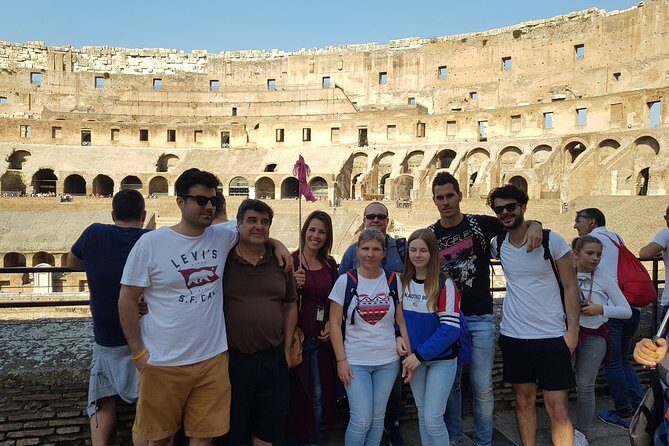
With a maximum group size of 40, you’re not dealing with the biggest “herd” numbers. But Rome’s top monuments still draw huge crowds. Even if the group is small, you might still wait to enter the Colosseum itself and you’ll still move slowly in the densest areas.
Lines, audio, and the no-guide reality
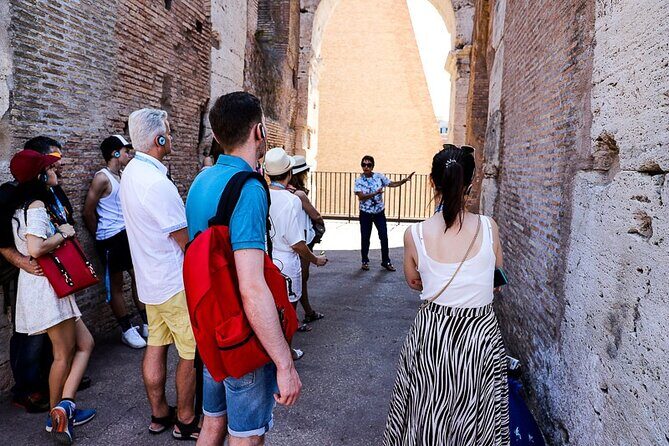
Because a guide isn’t included, most of what you’ll “get” is the admissions access and the structure of a timed visit. Some people may plan to use audio support. If you do, treat it as a bonus, not a guarantee.
Crowds can make audio hard to hear, especially in peak density. If you rely on audio as your main plan, you’ll want a backup: quick reading from signage, and a short “what to look for” list for each site.
A simple way to plan your priorities
For the Colosseum, prioritize the arena-level feeling and the structural details you can spot as you look around. For the Forum, prioritize a theme (civic life, commerce, spectacle). For Palatine, prioritize views and museum stop(s) if you can fit them.
Do this and the day feels like a coherent walk instead of three separate sites you hurried through.
Price and logistics: does $48.15 feel worth it?
At $48.15 per person, the value comes from bundling admission to three major sites into one mobile-ticket experience. If you’re the kind of person who hates ticket logistics on vacation, this kind of package can be worth paying for.
But if you’re already comfortable booking entry on your own, you might find similar costs elsewhere, depending on the time slot. The key difference here is not just price—it’s convenience and how smoothly the day runs.
Because the experience is non-refundable and can’t be changed for any reason, you should only book if your timing is firm and you’re confident you’ll use it as scheduled. If your plans are flexible, hold off. If your plans are locked in, this can work well.
Who this suits best
This fits best if you want:
- one mobile ticket to cover three sites
- a straightforward visit window around 1–3 hours
- a manageable group size up to 40
- access without having to line up ticket desks
It’s less ideal if you want:
- a guided narrative
- hand-holding through confusing entry steps
- a slow, unhurried “read every stone” day
If you’re traveling with older adults who need extra time, or you want a deeper guide-led explanation, you might consider upgrading to a guided option.
My decision guide: should you book this?
Book it if you can honestly check these boxes:
- Your phone is ready for a mobile ticket.
- Your schedule can handle a short, structured visit across three sites.
- You’re fine taking charge of your own learning with signage and prep.
- You want convenience and you’re comfortable with crowds.
Skip it if:
- you expect a guide to run the whole day
- your itinerary is fragile and you might need changes
- you’re worried about day-of ticket complications and you hate scrambling
If you do book, I’d treat it as a ticket-and-entry service, not a story-led tour. Do that, and the Colosseum-Forum-Palatine circuit can feel like a tight, powerful Rome sampler without wasting half a day on logistics.
FAQ
How long is this experience?
The total duration is listed as approximately 1 to 3 hours.
Where does the experience start?
The meeting point is Piazza del Colosseo, 21, 00184 Roma RM, Italy.
What sites are included with the ticket?
It includes admission tickets to the Colosseum, the Roman Forum (Foro Romano), and Palatine Hill.
Is a tour guide included?
No. A tour guide is not included with this experience.
Do I need a printed ticket?
No. The experience uses a mobile ticket.
What is the maximum group size?
This activity has a maximum of 40 travelers.
Can I cancel or change my booking?
It’s non-refundable and cannot be changed for any reason.
When will I receive confirmation?
Confirmation will be received at the time of booking.
Is this easy to reach with public transportation?
Yes. The meeting point is listed as near public transportation.