REVIEW · ROME
Private Tour of Colosseum & Ancient Rome Wonders
Book on Viator →Operated by Vatican Private Tour Guide · Bookable on Viator
Three sites, one smooth loop. This private tour of the Colosseum, Roman Forum, and Palatine Hill is paced to help you start smoothly, and the included tickets plus reservation fee mean you spend less time queuing. I also like how a professional art historian guide uses visual aids and graphic reconstructions, so the gladiator drama, religious layout, and political power land in your head fast. The main trade-off is simple: it’s still about three hours of walking and standing, and food or drinks aren’t included.
I’ve seen guides in this program—like Nina and Lia Caso—use clear English and storytelling that makes small details click. You’ll also be grateful for the headset setup, which helps when you’re not right beside the guide in a crowded area.
In This Review
- Key reasons this tour earns a 5-star reputation
- Why this private Colosseum plan works better than going solo
- Piazza del Colosseo meeting point and what to expect when you arrive
- Entering the Colosseum: more than seats and arches
- Colosseum pacing: the benefit and the reality
- Roman Forum: turning ruins into the center of everyday Rome
- Forum pacing: a sweet spot for attention without burnout
- Palatine Hill: religion up top, views that make it make sense
- Palatine Hill: what you should watch for during the final hour
- The guide setup: local insight plus art-historian interpretation
- Headsets and clear English: why it matters in a crowded Rome
- Comfort and logistics: the things that actually make or break a 3-hour tour
- Price and value: what you’re paying for at $359.68 per person
- Who this tour suits best (and who might want a different style)
- Should you book this Colosseum & Ancient Rome Wonders tour?
- FAQ
- How long is the private tour of the Colosseum, Roman Forum, and Palatine Hill?
- Where do we meet, and where does the tour end?
- Are tickets included for the Colosseum?
- Is this tour private?
- What do I need to bring for entry?
- Is food or transportation included?
Key reasons this tour earns a 5-star reputation
- All three power-centers in one outing: Colosseum, Roman Forum, and Palatine Hill without wasting a day juggling tickets.
- Art historian + local guide combo: one brings the analysis, one helps with the street-level flow.
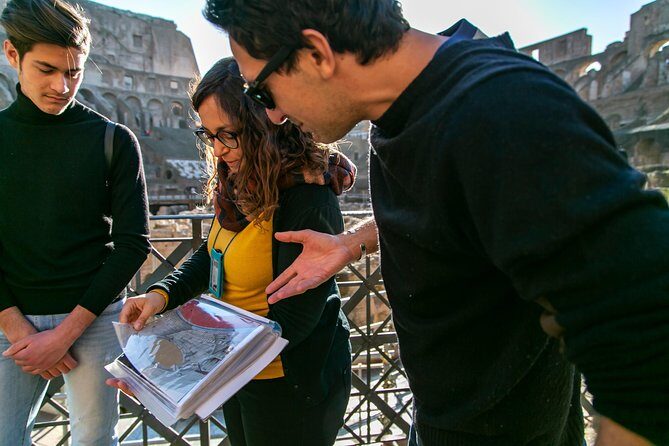
- Visual aids and graphic reconstructions: they help you read ruins that look like piles until someone explains the “why.”
- Reserved entry included: you get the ticket and reservation pieces folded into the tour cost.
- Consistent pacing for a 3-hour win: enough time to see the big landmarks without feeling like a sprint.
Why this private Colosseum plan works better than going solo
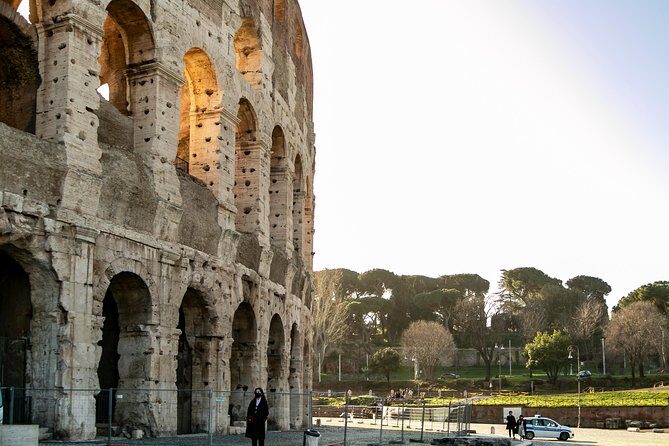
Rome’s ancient sites can feel like three separate worlds. This tour stitches them together into one easy loop, so your brain keeps a single timeline running as you move from the arena to the civic heart to the hill above it.
The value here is not just that you visit the big three. It’s that you visit them with an art historian who can translate stone, inscriptions, and layout into meaning. Add in the local guide and you get the practical navigation layer too—where to look, when to turn, and how to avoid getting lost in the crowd.
And because it’s private, you’re not being dragged at the speed of a large group. Your guide can adjust the pace to what your group actually wants to focus on.
More Ancient Rome tours for the Colosseum & Ancient Rome
Piazza del Colosseo meeting point and what to expect when you arrive
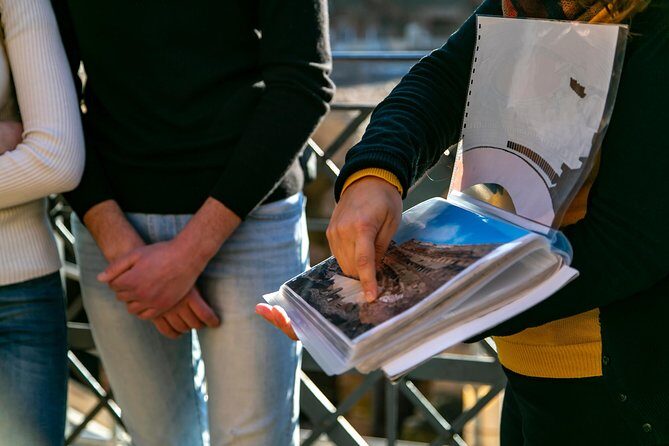
You meet at Piazza del Colosseo, 23 (00184 Roma RM). It’s a very direct start point for the complex, and the tour ends back at the meeting location, which makes your day easier to plan.
Two practical items to plan around:
- You’ll want a valid ID document that matches the name used at booking for entry to the sites.
- You’ll do this on foot, so comfortable shoes matter more than you’d like to admit after the first leg.
You also get a mobile ticket, which is handy when you’re trying to keep everything simple on a phone in a busy city.
Entering the Colosseum: more than seats and arches
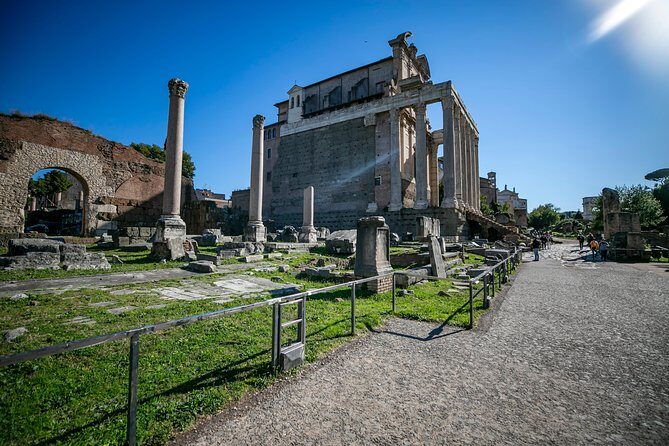
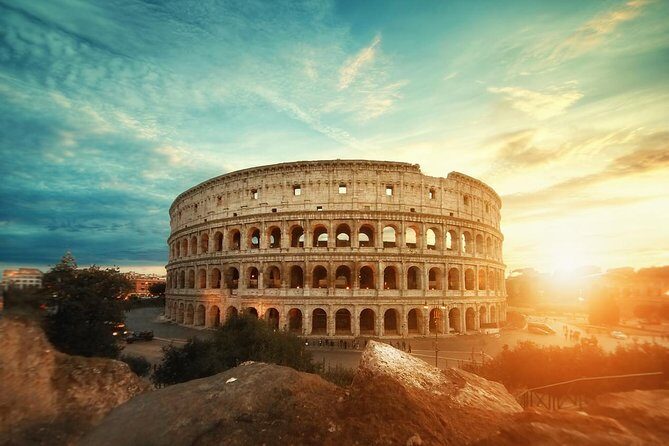
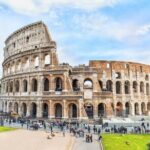
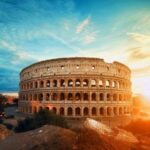
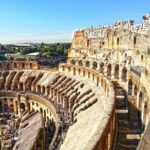
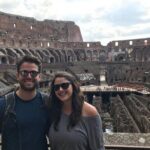
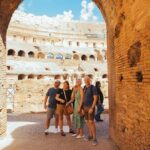
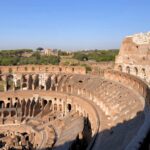
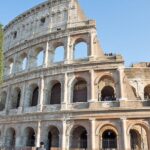
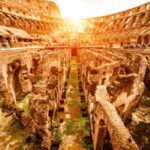
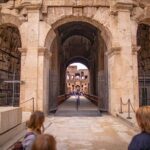
The Colosseum stop is where the tour earns its name. The arena was built as the largest amphitheatre of the ancient world, with around 80 entrances and room for more than 50,000 spectators. That scale is hard to grasp when you’re staring upward at stone.
In a good guided setting, the building stops looking like just an old monument. You start seeing how the space worked—how people entered, how events were staged, and why the arena layout mattered.
One of the standout benefits is the way the guide uses visual aids and graphic reconstructions. That’s what turns questions like Where was everything? and How did it all function? into something you can picture instead of just hope you’ll understand.
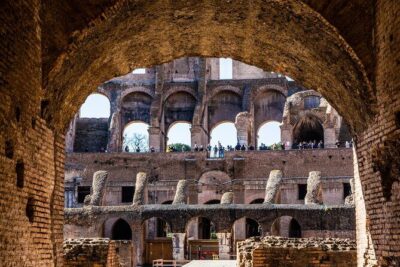
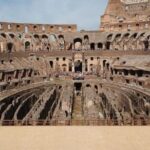
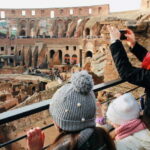
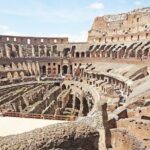
There’s also a great opportunity to learn the behind-the-scenes side of the story. In this program, guides often explain details such as the underground system beneath the Colosseum—exactly the kind of thing that’s easy to miss if you’re just walking the perimeter.
Colosseum pacing: the benefit and the reality
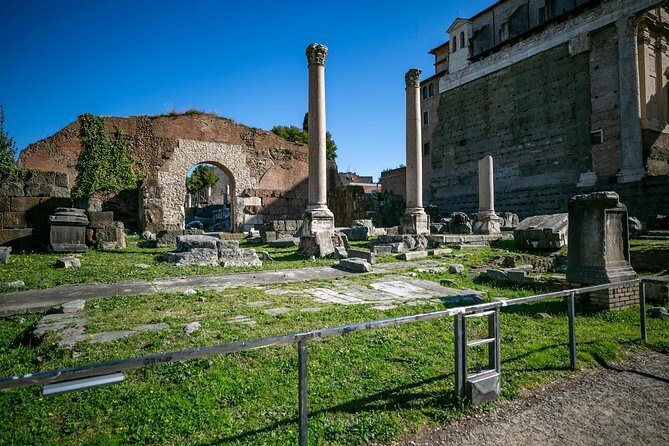
A Colosseum visit can become a shuffle: “look here, look there, next!” This tour is designed for a steady, human pace. The goal is to spend time where your attention will actually stick—details, viewpoints, and the most important structural elements.
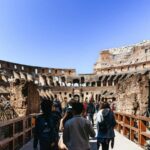
Still, plan for the reality of the location: it’s a busy, high-demand site. Even with reserved entry handled for you, you’ll be in a place where crowds form quickly. If you’re sensitive to crowds, go in with patience and expect to stand still for a few minutes at a time.
Roman Forum: turning ruins into the center of everyday Rome
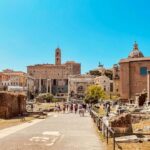
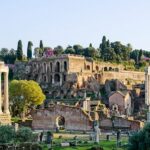
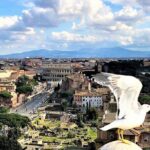
After the Colosseum, you move to the Roman Forum, the epicenter of public life in Ancient Rome. Here, the stone blocks look different. They don’t shout “arena” the way the Colosseum does. They whisper “power,” “religion,” and “law.”
Around the Forum’s square you can see ruins linked to key institutions and monuments, including:
- the ruins of the Senate House
- the Temple of Vesta
- the Temple of Saturn
- the Altar of the Divine Julius Caesar
- the Temple of Gemini
- the Basilica Emilia
- the Arch of Septimius Severus
…and more.
This is where the art-historian approach pays off. The Forum is easy to tour as a list of stops. With the right guidance, it becomes a story about how Romans organized their world—politics, ceremonies, and public legitimacy all running in parallel.
If your group enjoys learning the “why” behind what’s standing (and what’s missing), this is a prime moment in the tour. It’s also a great time to slow down and let the guide connect the dots between the monuments.
Other private tours in Rome
Forum pacing: a sweet spot for attention without burnout
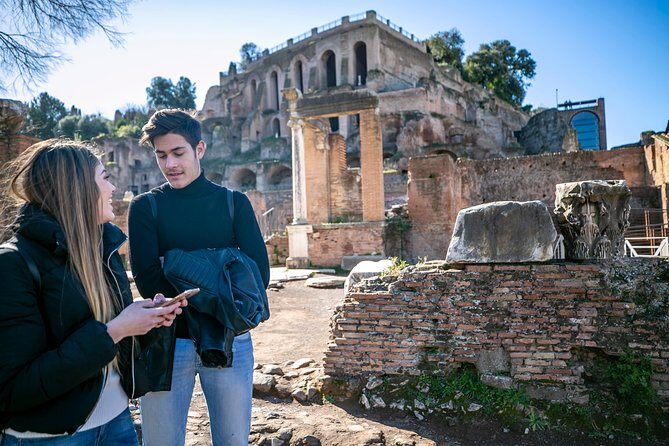
The Forum can be overwhelming. There’s a lot to see and you can feel like you’re just scanning ruins. The tour format helps because the stop is focused and time-boxed.
I’d still suggest thinking of this as a guided walking lesson. You’ll want to listen, not just look. If you’re the type who loves taking photos every ten steps, you may have moments where you’ll want to stop for pictures and then rejoin the narrative.
Palatine Hill: religion up top, views that make it make sense
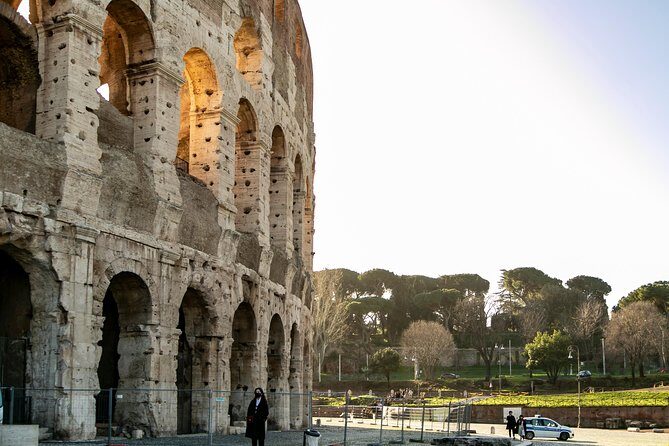
The Palatine Hill stop finishes the arc. This hill was closely tied to the most important Roman gods, and the setting helps you understand why elite Romans cared about controlling the view and the symbolism.
You’ll also see elements tied to later artistry and famous sculptures. Two highlights often called out here are:
- the stunning square designed by Michelangelo
- the Statue of Marcus Aurelius
That mix matters. It reminds you that Rome’s story doesn’t freeze in the ancient era. Different eras return to the same space and rework its meaning.
In a guided format, Palatine Hill becomes more than a scenic walk. You start recognizing how the hill links to the power of the Forum and the spectacle of the Colosseum below. The geography supports the story.
Palatine Hill: what you should watch for during the final hour
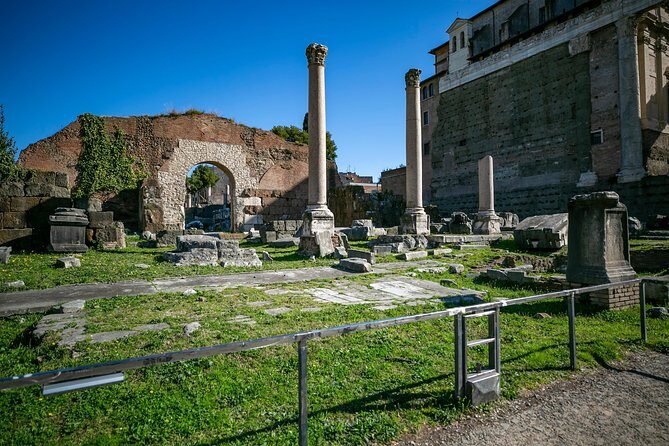
At this stage, your feet may start negotiating with you. That’s normal. The best strategy is to keep your attention on the guide’s prompts: where to look, what line of sight matters, and how a specific ruin connects to the broader layout.
If you’re the type who learns fastest with pictures, the graphic reconstructions and visual aids are especially helpful here. At Palatine, the ruins can look uneven and disconnected unless you have someone explain how the original spaces fit together.
The guide setup: local insight plus art-historian interpretation
This tour includes two guide roles:
- a local guide
- a professional art historian guide
That combination is the practical sweet spot. A local guide helps with the “how to move through Rome” side—timing, flow, and how to stay oriented. The art historian helps with interpretation: what you’re seeing, why it was built, and what it meant to people at the time.
You can see that approach in the way different guides deliver the story. Names like Faby, Raffa, Giada, Alba, Giovianni, Lucina, and Lia Caso show up with a pattern: clear explanations, strong focus on history details, and a friendly pace. The common thread is communication that keeps you from getting lost in the noise.
Headsets and clear English: why it matters in a crowded Rome
One small detail can change everything in the Colosseum and Forum zones: whether you can hear the guide.
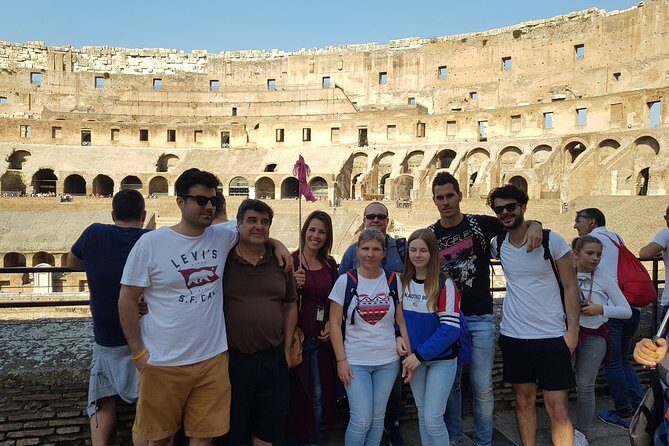
This tour uses headsets, which helps a lot when you’re not shoulder-to-shoulder with the person speaking. That’s especially useful if your group naturally spreads out for photos or to get a better sightline.
The result is simple: you’re not left guessing what you missed. Even when you’re a few steps away, you can follow the explanation.
Comfort and logistics: the things that actually make or break a 3-hour tour
Because the tour is about 3 hours, you’ll want to treat it like an active outing. Here’s what to prioritize:
- Wear comfortable shoes (no debate here)
- Plan for standing in place during key explanations
- Bring water for before/after (food and drinks aren’t included)
- Have your ID ready and match the booking name
You’ll also walk back to the meeting point at the end. That’s convenient, but it means your transport plans for later should account for a return to the Colosseum area.
If you’re thinking about taxi or transit later, I’d still plan for sore legs. One practical tip from the field: after a day like this, it can be smart to grab a ride rather than trying to power through another long walk.
Price and value: what you’re paying for at $359.68 per person
At $359.68 per person, this isn’t a cheap “see the sights” add-on. The value comes from what’s included and how it reduces friction.
Here’s what you do get:
- Colosseum admission ticket included
- Colosseum entrance ticket valued at €18 per person
- Colosseum reservation fee valued at €2 per person
- Local guide and professional art historian guide
- Mobile ticket
- English-speaking guide service
You don’t get food or drinks, and there’s no private transportation included. So you’re paying for the access and expertise—plus the time saved by handling the entry ticket and reservation piece as part of the tour.
When it tends to feel worth it:
- you care about understanding what you see, not just taking pictures
- you’d rather pay for a guided interpretation than spend energy reading everything yourself
- your group wants private attention and a calmer pace than a big group tour
When it might not be worth it:
- you’re purely in “wander mode” and don’t want structured explanations
- you’re traveling with someone who hates crowds or hates guided pacing
- you want a fully self-guided day where you can stop and start every few minutes
Who this tour suits best (and who might want a different style)
This tour fits best if you want a focused, high-impact introduction to Ancient Rome. It’s also a strong choice for couples, friends, and small groups who want to learn together without being split up or rushed.
It’s especially good for:
- first-time visitors to Rome’s ancient core
- people who like history but don’t want to turn it into a school assignment
- anyone who enjoys the “story behind the stone,” including behind-the-scenes Colosseum details like the underground system
If you already know a lot about Roman architecture and want deep technical detail, you might still enjoy it, but you may prefer a more specialized architecture-focused format. This tour aims for clear meaning and smart pacing rather than a textbook tone.
Should you book this Colosseum & Ancient Rome Wonders tour?
If you want a smart way to see the Colosseum, Roman Forum, and Palatine Hill without wasting time or feeling confused, I’d book it. The biggest reason is the combination of reserved entry elements (ticket + reservation fee included) and an art historian who can translate what you’re seeing with the help of visual aids and reconstructions.
If you’re traveling with limited tolerance for walking, plan ahead for breaks. And if you need food built into your day, plan a meal either before or after since nothing is included here.
This is a solid choice when you want your Roman day to feel connected: arena to politics to religion, all in one guided arc.
FAQ
How long is the private tour of the Colosseum, Roman Forum, and Palatine Hill?
It lasts about 3 hours.
Where do we meet, and where does the tour end?
You meet at Piazza del Colosseo, 23, 00184 Roma RM, Italy, and the tour ends back at the same meeting point.
Are tickets included for the Colosseum?
Yes. The tour includes Colosseum admission, including an entrance ticket value and a reservation fee.
Is this tour private?
Yes. It’s a private tour/activity, and only your group participates.
What do I need to bring for entry?
Each traveler must present a valid ID card or document that matches the name provided at booking.
Is food or transportation included?
No. Food and drinks, and private transportation, are not included.