REVIEW · ROME
Private Guided Tour in the Colosseum and Ancient Rome
Book on Viator →Operated by Roman Vacations · Bookable on Viator
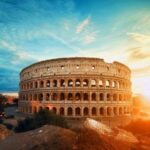
The Colosseum is loud, even before the tour starts. Walking in with a private guide and your small group turns the site from a landmark into a story you can actually follow, from the arena all the way up to Palatine Hill. It also helps that this tour is structured, so you get the good viewpoints without wasting time guessing where to stand.
What I like most is the one-on-one feel inside the biggest crowd magnets. You’re not competing with strangers for attention, and you can set your own pace while the guide keeps things clear using headsets when needed. Another big plus: you can focus on what you care about, whether that’s gladiators and games or politics and temples in the Forum.
One thing to consider: this is an ID-sensitive visit. Each traveler needs valid passport or ID matching the name provided at booking, and if details don’t match, entry to the Colosseum and Roman Forum can be denied.
In This Review
- Key takeaways
- Why this private Colosseum–Forum–Palatine route feels better
- Arriving at Foro Traiano: meet easily, start on time
- Inside the Colosseum arena: gladiators, weapons, and best viewpoints
- Roman Forum highlight walk: Senate House angles and Caesar’s Temple
- Palatine Hill: imperial homes, pines, and Domitian’s hippodrome
- Price and value: is $301.20 worth it?
- Guides who make it feel personal: Angela, Benjamin, and Viviana
- How to get the most out of 2–3 hours
- Who should book this private tour?
- Should you book this tour?
- FAQ
- Is this tour private?
- How long is the tour?
- What’s included in the price?
- What language is the tour offered in?
- Where do we meet and where does it end?
- What ID do I need to enter?
Key takeaways
- Private guide, exclusive group time so you can ask questions and adjust pacing.
- Headsets when appropriate help you catch every explanation in busy areas.
- Entry tickets included for the Colosseum, Roman Forum, and Palatine Hill.
- Stop-by-stop flow: arena → Forum highlights → imperial hill viewpoints.
- Guide names you might hear from real experiences include Angela, Benjamin, and Viviana.
- Family-friendly guidance can work well, including support for kids during the tour.
Why this private Colosseum–Forum–Palatine route feels better
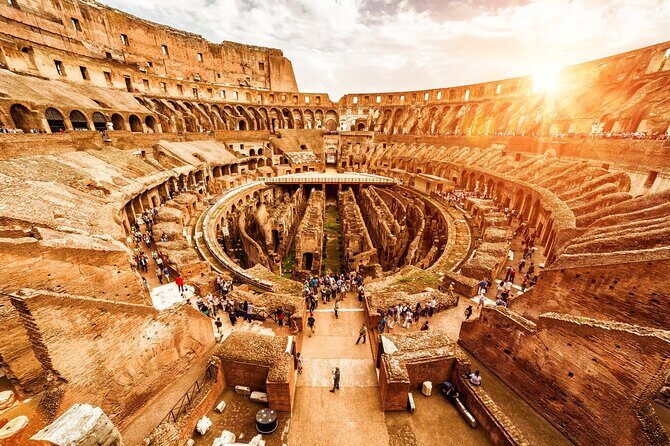
Rome’s top sights have two modes. You can either wander like a tourist-shaped pinball, or you can walk through them with a plan. This tour leans hard into the second mode, and that’s why it works.
You start with the Colosseum and spend real time understanding what you’re looking at: not just the wall stones, but how the games ran, what the arena meant to Romans, and how the space was designed to stage drama. The Forum comes next, where you shift from entertainment to power. Then you finish on Palatine Hill, where the luxury and control of the empire becomes visible in the way the views and ruins sit in the landscape.
The private format matters here. Inside the Colosseum, it’s easy to miss key details if you don’t know where to look. With your guide, you can pause, step aside for photos, and ask for clarification without feeling rushed.
More Ancient Rome tours for the Colosseum & Ancient Rome
Arriving at Foro Traiano: meet easily, start on time
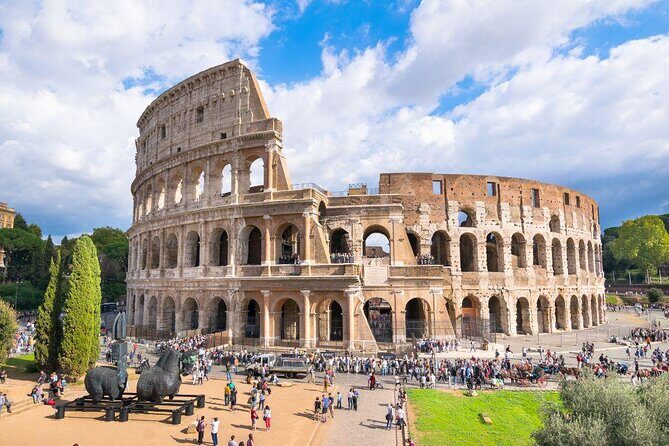
The meeting point is Foro Traiano, 84, 00187 Roma RM. That’s a smart choice because it places you close to the wider ancient-area zone, rather than tucking you into a far-off corner of the city. The tour ends at Piazza del Colosseo, right where you’ll find transit options and taxis.
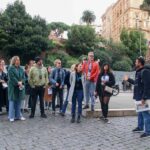
Here’s the practical tip: the Colosseum area can be confusing when you’re searching for the exact spot. One experience included a hiccup finding the precise meeting spot, and the operator responded quickly and helped get things sorted. So if you’re running late or your map drops you a little off, don’t panic. Send word and look for the meeting zone rather than one single street corner.
Also keep your expectations aligned: this is a 2-to-3 hour experience focused on major zones. You’ll cover a lot of ground, but you won’t have a full day to drift.
Inside the Colosseum arena: gladiators, weapons, and best viewpoints
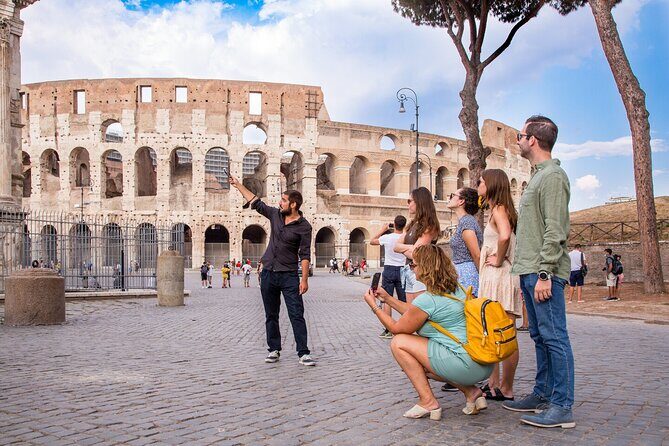
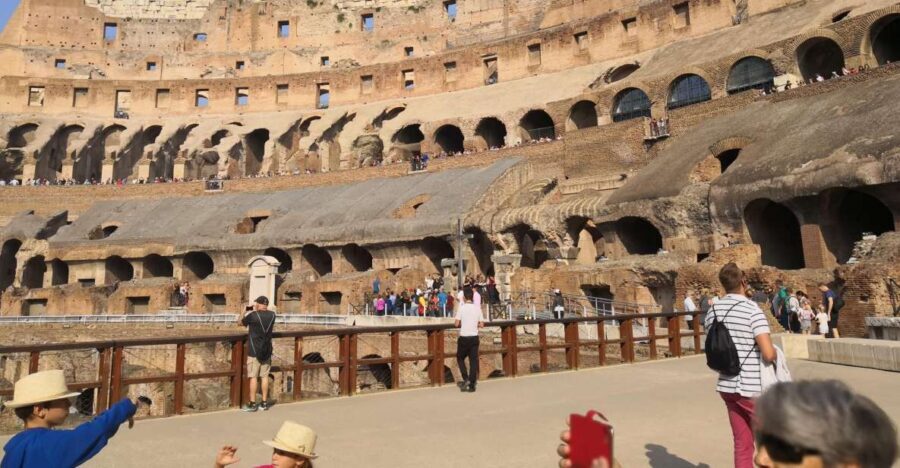
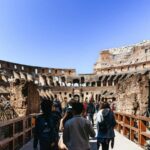
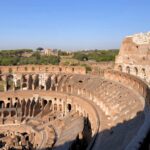
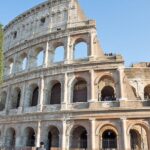
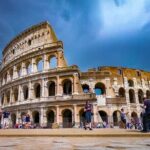
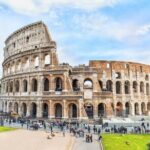
The Colosseum stop is about one hour, and the entry ticket is included. You meet your expert guide first, then move inside to hear the big picture and the details that make it click.
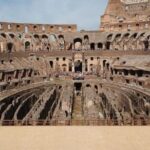
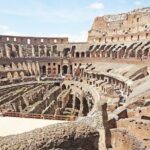
What you’ll likely focus on most is the combination of performance and design. The tour emphasizes gladiators’ lives and the different types of weapons they used—plus the way those tools fit into the rules and the spectacle. If you’ve ever wondered why certain parts of the arena seem built for specific moments, this is where you get the explanations that connect the dots.
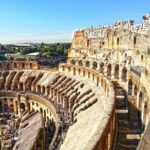
I also like that you get a strong viewpoint in the arena. A lot of tours rush the viewpoints because of crowds. Here, the structure of the stop helps you soak in the space from the places that make the architecture make sense.
If you need help hearing your guide in the busier sections, headsets are included for groups when appropriate. One of the best things about having headsets is that you can keep your eyes on the site instead of playing audio detective.
Potential drawback: it’s a popular site. Even with a guide, you’ll still be in a high-traffic environment, so don’t expect total quiet. The benefit is that you’ll still understand what you’re seeing.
Roman Forum highlight walk: Senate House angles and Caesar’s Temple
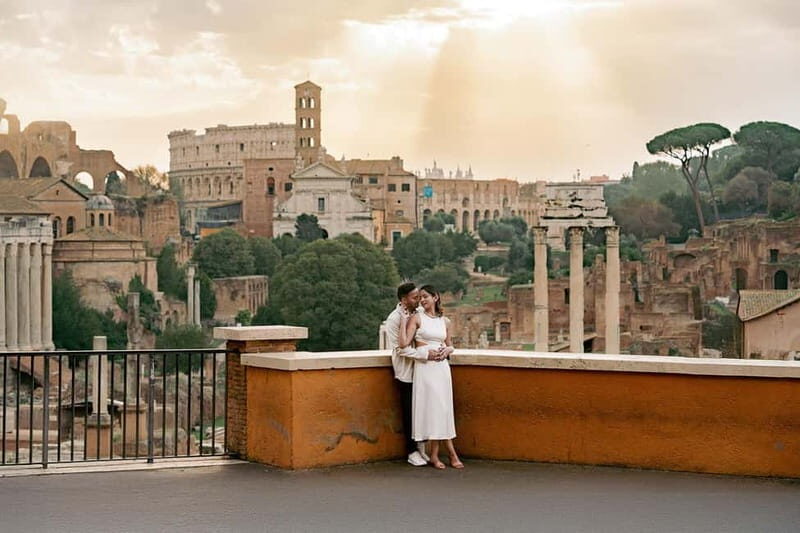
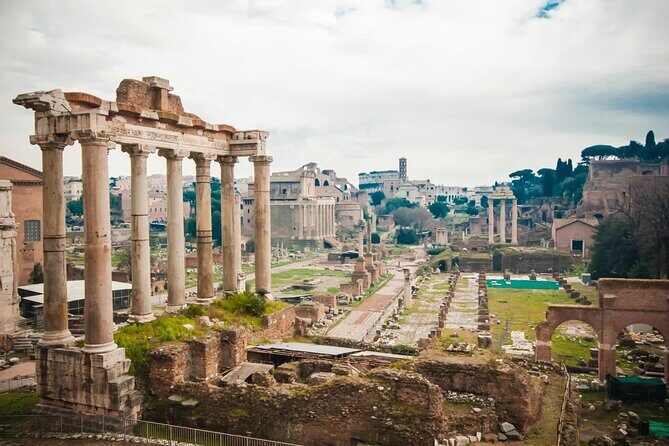
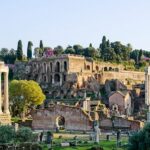
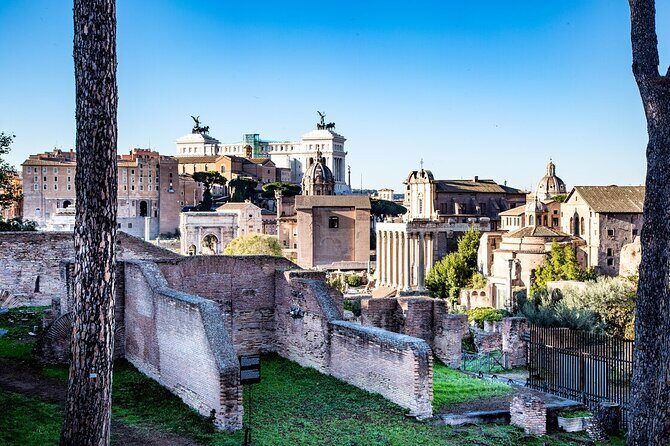
After the Colosseum, you head toward the Roman Forum for about 45 minutes. This is where the tour shifts from games to governance, and it’s a smart pairing. The Forum was the heart of ancient civic life—politics, law, religion, and public ceremonies all mixed together in one complex.
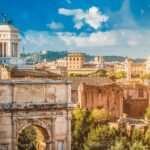
You’ll see it from multiple angles, including entering near the Senate House area. From there, the walk highlights law courts, triumphal arches, and major temples. A key stop is the Temple of Julius Caesar, tied to the idea of Caesar’s ashes and his posthumous importance in Roman public life.
Here’s why the guide-led approach helps: ruins can look like random stones unless someone gives you a map in your head. A good guide points out what mattered, what the layout suggests, and how the buildings relate to each other across time.
One consideration: most of what you’re seeing is in ruins. That’s not a flaw; it’s the nature of the site. But it means photos will matter, and understanding the context will matter more. If you want your pictures to feel meaningful later (not just pretty), this is the stop to pay attention.
Palatine Hill: imperial homes, pines, and Domitian’s hippodrome
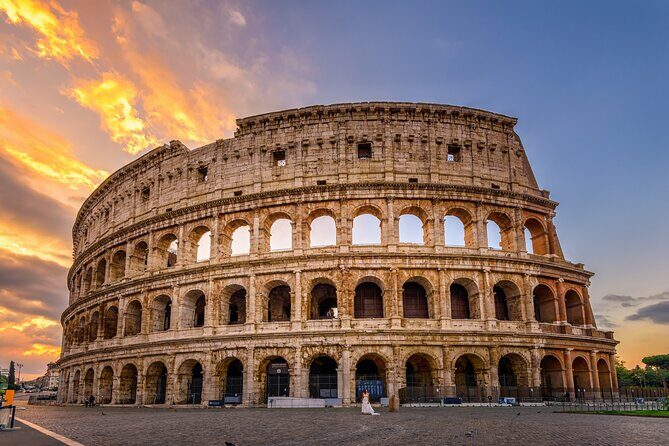
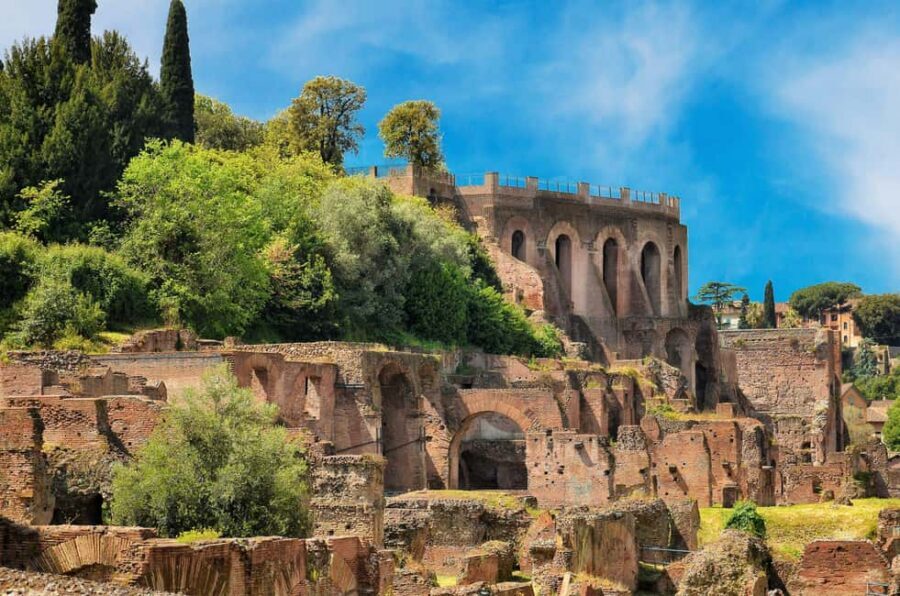
The Palatine Hill portion is about 45 minutes and is included with admission. This part feels different from both earlier stops. The Colosseum is built for performance. The Forum is built for institutions. Palatine Hill is built around power as home life—luxury villas, emperors’ residences, and a sense of control tied to location.
You climb up gentle slopes and explore the area where rich Romans lived in luxury villas, getting a feel for how daily comfort could sit on top of politics. The tour notes the umbrella pines in the landscape, which can make the hill feel less like a pile of stones and more like a lived-in setting—even when you’re looking at ancient remains.
Inside the imperial zone, the focus is on the palace of emperors and the kinds of spaces that made daily life feel like court life. The tour also touches on the characters of emperors—described as occasionally quite mad—so it doesn’t come across as sterile facts. You’ll visit stately dining rooms and serene gardens to get a sense of the luxury and scale.
The finishing touch is Domitian’s hippodrome, attached to the imperial palace. From there, you get that rare feeling of seeing how the ancient city changed around the power center. It’s also a good moment to slow down, look outward, and think about time layered into the same ground.
Potential drawback: Palatine Hill can be a bit more tiring than flat ground. If you’re sensitive to stairs or uneven surfaces, take it steady and tell the guide your comfort level early. A private guide is the best way to manage pace without breaking the experience.
Other guided tours in Rome

Price and value: is $301.20 worth it?
At $301.20 per person, this isn’t a budget add-on. But it can be good value because the ticket costs and fees are rolled into the price.
You get entry to the Colosseum, Roman Forum, and Palatine Hill. The Colosseum reservation fee and ticket value are listed as €18 plus a €2 reservation fee. That alone doesn’t automatically justify the price, but it helps explain why you’re paying for more than a basic entry.
What you’re really buying is time that doesn’t disappear into crowds, plus an expert guide who can keep the narrative straight while you choose the pace. For many people, that’s the difference between seeing the Colosseum and actually understanding why it looked the way it did, how it operated, and how it connects to the empire’s political machine.
Booking demand is also part of the value equation. This tour is commonly booked around 45 days in advance, which suggests it’s not just a slow-sitting option. If you wait too long, you might find fewer good time slots.
Balance check: if you already know Roman history well and you love to wander alone, a self-guided plan might cost less. But if you want the key stories and best viewing angles without the guesswork, paying for a private guide often feels fair.
Guides who make it feel personal: Angela, Benjamin, and Viviana
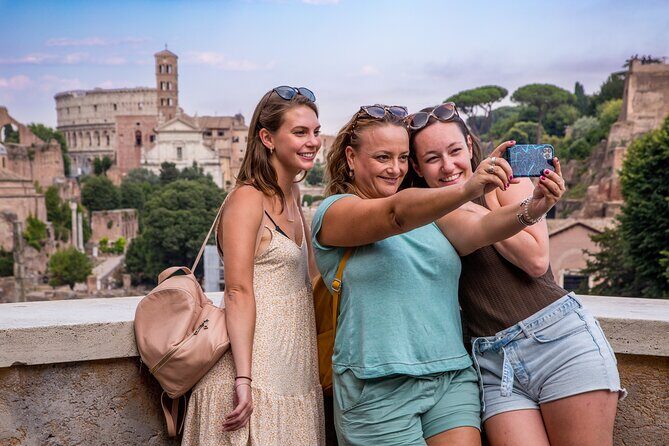
Part of what makes this tour stand out is how much the guide format shows up in real experiences.
One guide named Angela delivered explanations while matching the group’s pacing. That matters because the Colosseum is big and busy. If your guide pushes too fast, you lose the best moments; if your guide manages time well, you feel like you got both facts and breathing room.
Another guide named Benjamin gave an excellent history explanation of the Colosseum and the story behind it. There’s also a clear theme: even in hot conditions, the group came away impressed and learned things they didn’t expect to learn.
For families, a guide named Viviana is mentioned as exceptional, including working with four children. The review also notes photo-based help—photos before and after—to visualize what the ruins and structures represent. You shouldn’t assume every guide will use the same method, but it’s a strong hint that the tour can be taught in a way that works for different ages.
If you want a tour that can flex—slow for questions, faster when your group is ready—this style of private guiding is the point.
How to get the most out of 2–3 hours
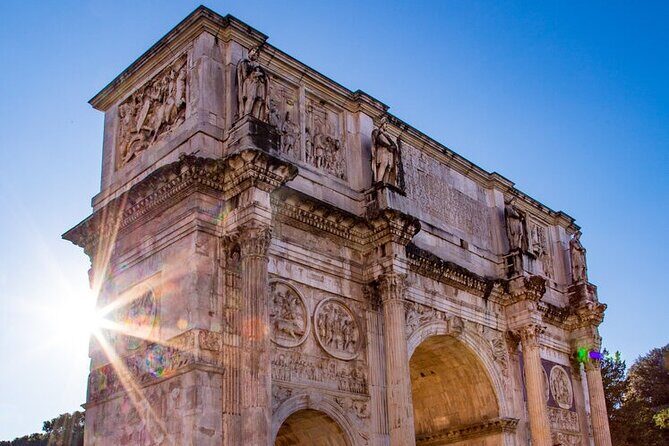
This is a focused route: Colosseum first, then the Forum walk, then Palatine Hill. With only about 2 to 3 hours, you’ll want to show up ready to pay attention.
A few practical moves:
- Wear comfortable shoes. You’re walking and climbing, especially on Palatine Hill.
- Bring water and plan to snack before or after. Food and drink aren’t included.
- Bring your curiosity. The tour is designed so you can ask questions and follow the history angles that interest you most.
Also, set a realistic goal for photos. You’ll get viewpoints and angles, but you won’t have unlimited time at every corner. Ask your guide where the best photo spots are before you move on, and you’ll leave happier with your results.
Who should book this private tour?
This one fits best if you want structure without losing the personal touch.
You’ll likely enjoy it if:
- You’re visiting with a partner or small group and want less time stuck in lines and more time understanding what you see.
- Your interest is mixed—gladiators and architecture one minute, then politics and temples the next.
- You’re traveling with kids and need a guide who can explain things in a way they can handle.
- You prefer to ask questions and adapt pacing rather than follow a rigid script.
If your top priority is low cost, this isn’t the cheapest option. But it can be a good choice if you value guided time in the places that matter most.
Should you book this tour?
I’d book it if you want the Colosseum to feel like a coherent experience, not a stop on a checklist. The private guide format is the main reason this works: you get time inside the arena, a purposeful Forum walk that includes the Senate House area and Caesar’s Temple, and a finish on Palatine Hill with imperial home context and Domitian’s hippodrome views.
Skip it if you’re the type who loves to wander solo and you already have a strong grasp of Roman history. In that case, you might prefer a cheaper self-guided approach.
If you do book, send the full names of everyone exactly as needed for entry and make sure your ID matches. That one detail can make the difference between a smooth start and a stressful scramble at the ticket point.
FAQ
Is this tour private?
Yes. It’s a private tour/activity, so only your group participates.
How long is the tour?
The duration is listed as about 2 to 3 hours.
What’s included in the price?
The tour includes entry to the Colosseum, Roman Forum, and Palatine Hill, your exclusive expert certified tour guide, and headsets for groups when appropriate. The Colosseum entrance ticket and reservation fee are included too.
What language is the tour offered in?
The tour is offered in English.
Where do we meet and where does it end?
You meet at Foro Traiano, 84, 00187 Roma RM, Italy. It ends at Piazza del Colosseo, 00184 Roma RM, near the Colosseum, with metro B and bus options close by.
What ID do I need to enter?
Each traveler must present a valid passport or ID document that matches the name provided at booking. Failure to provide a voucher with all travelers’ full names at the ticket office prior to entry may result in denied entry.