REVIEW · ROME
Nero’s Golden Palace: with Colosseum
Book on Viator →Operated by RomaExperience Tours · Bookable on Viator
Nero’s palace is underground, and that changes everything. This tour strings together three big Ancient Rome stops—Domus Aurea (Nero’s Golden Palace), the Colosseum, and the Roman Forum—so you use your half-day fast without feeling like you’re power-walking for the sake of it.
I especially love the archaeologist-led Domus Aurea visit with VR headsets, because you don’t just read about what’s missing—you see how the palace was rediscovered.
The one drawback is simple: it’s a lot of ground to cover, and the Domus Aurea area runs cold, so if you hate walking or you show up unprepared, you’ll feel it by the end.
Two things I truly like here are the priority entry into the Colosseum complex and the way the tour protects your time with a private-group feel at the Colosseum and Forum. I also like that you get a real story connection between the spaces: why Nero’s tastes mattered, and how that theater-like power show played out in stone later.
One consideration: the schedule packs two major experiences back-to-back. If you need extra bathroom breaks or you’re slow on your feet, plan to tell the guide early and aim for smart breaks rather than waiting until you’re uncomfortable.
In This Review
- Key Things That Make This Tour Work Well
- Meet at the Colosseum Area, Then Head Underground
- Nero’s Golden Palace: Domus Aurea, Archaeologists, and Oculus Rift VR
- The Colosseum Stop: Iconic Arena Views and Better Context
- Roman Forum and Palatine Hill: Via Sacra and Ruins With Meaning
- Value: What You’re Paying For (and What You’re Not)
- What to Bring (So You Don’t Spend the Tour Thinking About Comfort)
- Pacing, Breaks, and the Reality of a 3-Site Half-Day
- Who Should Book This Tour, and Who Might Skip It?
- My Booking Verdict: Yes, If You Want Domus Aurea Without the Headache
- FAQ
- What’s included in the tour ticket price?
- How long is the tour?
- What time does the tour start?
- Where does the tour start and end?
- Is the tour offered in English?
- Do I need ID, and does it have to match the booking?
- What should I wear or bring for Domus Aurea?
- Are backpacks and large bags allowed?
- Is it refundable if I cancel?
- Can the tour be affected by closures or bad weather?
Key Things That Make This Tour Work Well
- Domus Aurea with Oculus Rift VR: you’ll use headsets to picture Nero’s palace as it once was.
- Archaeologist guidance, not generic facts: the tour leans on expert explanations rather than quick photo stops.
- Timed Colosseum entry + reservation fee included: it cuts down the chaos at the ticket gates.
- Private group feel for Colosseum and Forum: your guide keeps the conversation going and your pacing steadier.
- Arch of Constantine exterior pause: a small stop that adds context as you move around the Colosseum.
- Underground temperature factor: you’ll want a sweater layer for the 16°C / 63°F Domus Aurea area.
Meet at the Colosseum Area, Then Head Underground
The tour starts at Via Labicana, 125 near the Colosseum area at 8:45am, and it ends at Colle Oppio and Terme di Traiano Park by Vle del Monte Oppio. The big idea is that you don’t waste time hopping across Rome for a single monument—everything clusters around the same ancient core.
This is offered in English, and you’ll use a mobile ticket. You’ll also want to have your passport or ID ready because your name must match what you booked. The Colosseum site has serious security screening too, so arrive with a bag that’s easy to manage.
Dress code is smart casual, and the tour is the kind where your comfort affects your enjoyment. Closed-toe walking shoes help a lot, and you’ll want a sweater layer for the underground Domus Aurea portion, which sits around 16°C / 63°F.
If you're still narrowing it down, here are other tours in Rome we've reviewed.
Nero’s Golden Palace: Domus Aurea, Archaeologists, and Oculus Rift VR
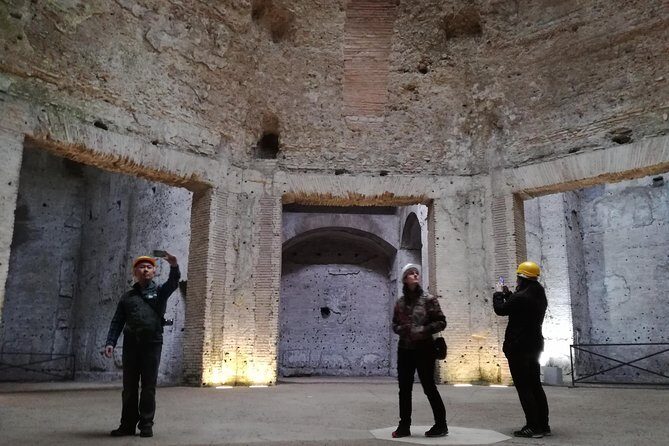
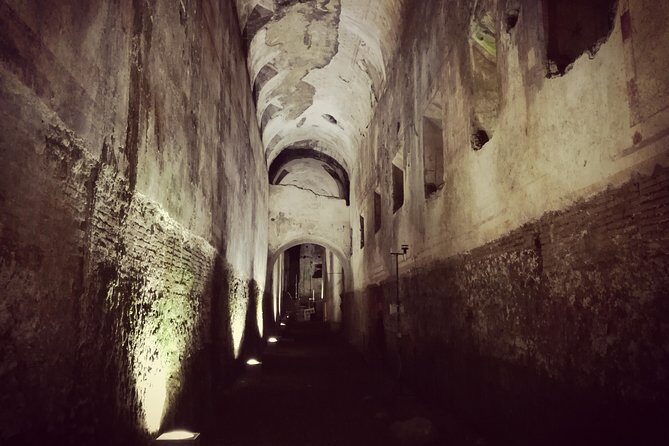
The standout move here is starting with Nero’s Golden Palace (Domus Aurea) and going down beneath the city. Nero’s palace is famous for extravagance—golden surfaces, glittery interiors, and the kind of luxury meant to scream Imperial excess. After it was buried for centuries beneath Oppian Hill, archaeologists only recently started teasing it back into view.
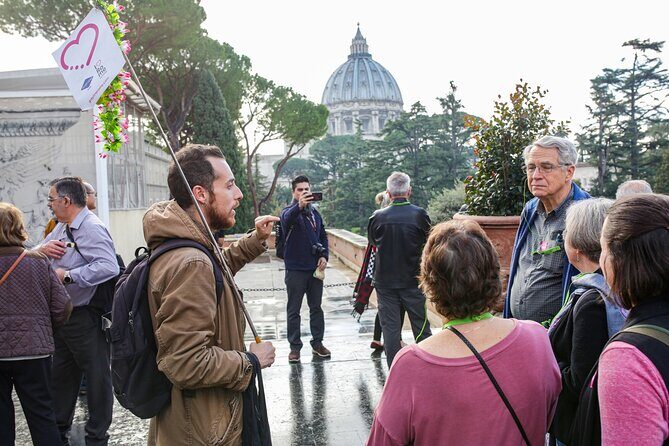
What makes this visit different is the archaeologist guide approach. Instead of treating Domus Aurea like a quick “cool rooms” stop, your guide connects what you see to how the site was preserved, discovered, and reconstructed in people’s minds. One guide name you may encounter is Elisa, who’s described as an archaeologist with unusually sharp attention to details during the underground portion.
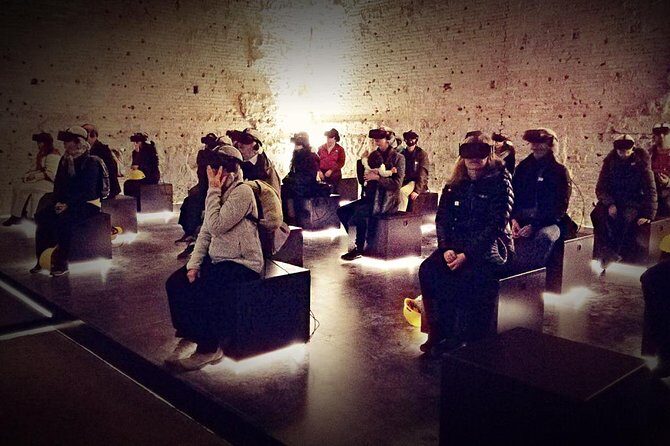
Then come the headsets: you use Oculus Rift VR to explore the palace in a way that matches the lost-world feeling of the Domus Aurea. VR doesn’t replace what’s physically in front of you; it fills the gaps so you can understand the scale and the dramatic design choices Nero’s court would have experienced.
Practical tip: Domus Aurea is cold and enclosed. Bring that sweater even if the Rome morning feels warm outside. It also helps to keep your photos for later—VR and guide explanations work best when you’re not constantly fiddling with your gear.
The Colosseum Stop: Iconic Arena Views and Better Context
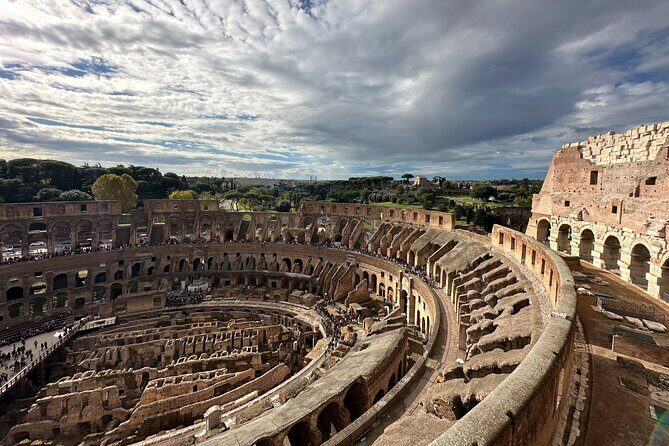
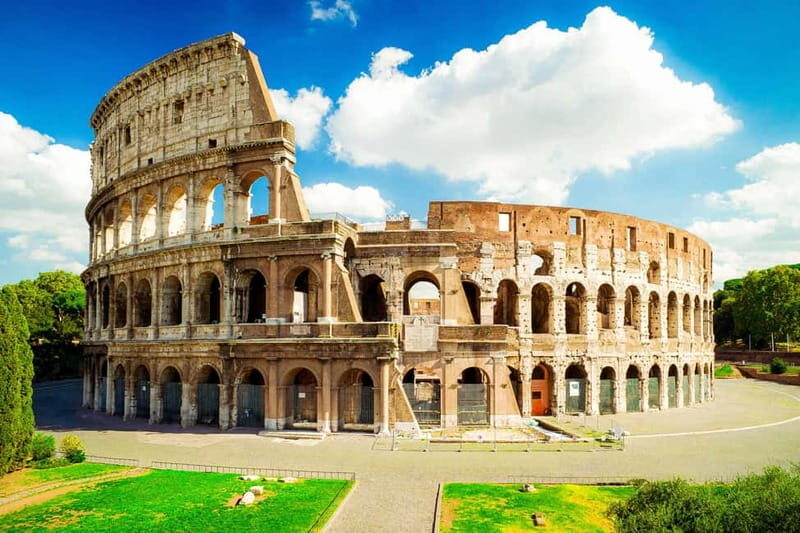
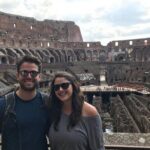
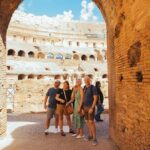
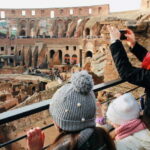
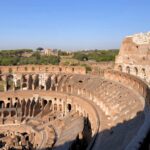
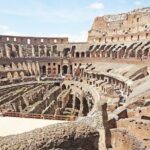
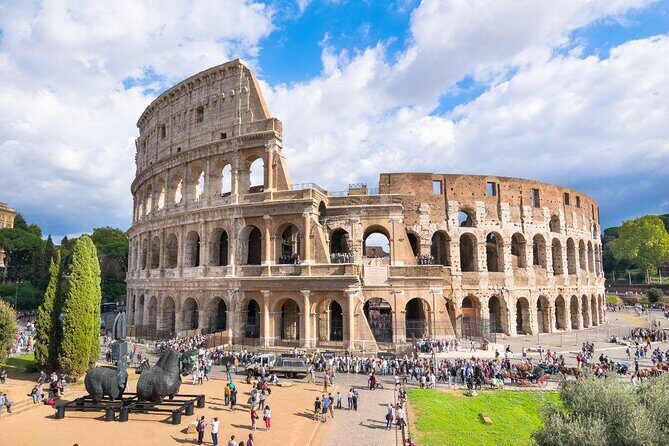
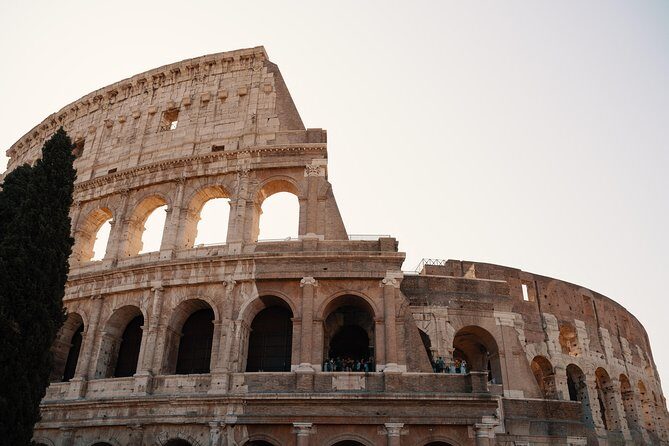
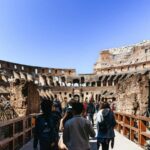
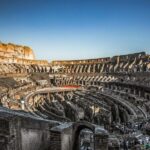
Next you shift from underground fantasy back to the Colosseum—the world’s most famous amphitheater. You’ll spend about 1 hour 30 minutes at the Colosseum, and the key value is that your guide doesn’t treat it like a checklist.
You’ll see the arena story, including the famous idea that around 80,000 Romans would gather to watch the blood sports that took place on the floor level. You also get the scale of death and spectacle tied to the Colosseum’s long use—over centuries—with animals involved too. Numbers like those are grim, but they help you grasp why the building was so central to public life.
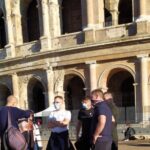
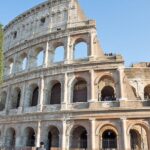
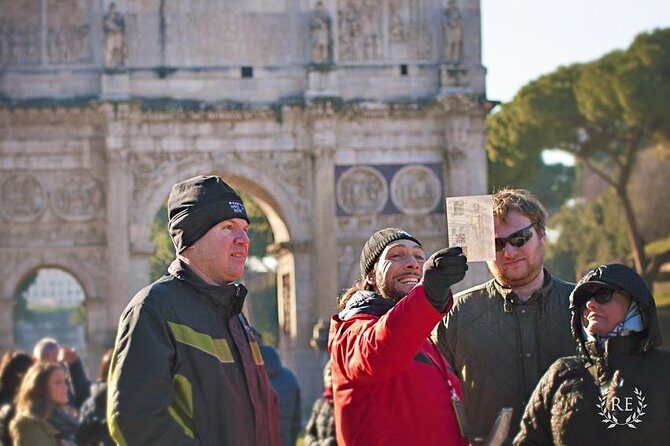
As you walk around the exterior, there’s a pause at the Arch of Constantine. It’s not just a pretty backdrop. The guide explains how this triumphal arch ties to the early Christian emperor Constantine and how its design style inspired copycats later on. That kind of context is exactly what you want while you’re already in the area.
You’ll enter with a reservation included in your ticket package, which is a big deal here. The Colosseum can be a line-management nightmare. Having the entry handled means you can focus on your guide’s flow and what you’re seeing rather than waiting, checking, re-checking, and trying to figure out where your group is.
One small comfort note: security is strict. Expect screening and rules about bags and devices. Put your phone and items in your bag for the X-ray process, and skip the big backpack if you can.
Roman Forum and Palatine Hill: Via Sacra and Ruins With Meaning
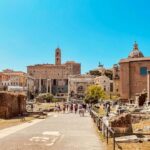
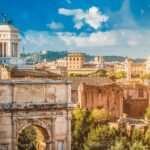
After Domus Aurea, the tour moves above ground for the classic Ancient Rome sweep: the Colosseum plus Roman Forum focus, with a private-group feel. You’ll explore the Via Sacra, the ancient main street that’s still one of the best places in Rome to understand how power moved through the city.
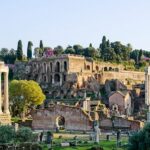
Your tour also includes Palatine Hill for views of the surrounding ruins. Palatine is where you get the aerial sense of how the city was layered—temples, slopes, and the grid of what used to be streets. From there, the Forum area makes more sense because you can see what’s close, what’s far, and how people could move between political and religious spaces.
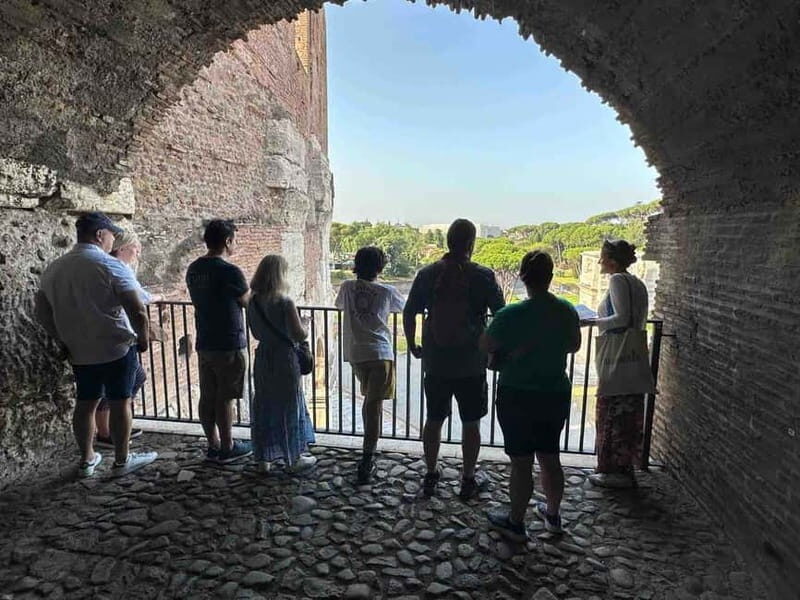
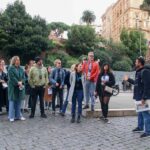
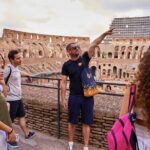
The pace matters here. The private-group style is meant to keep you from being swept along in a crowd that moves like a school of fish. One reason people like this tour is that it stays in “you and your guide” mode for longer stretches, so you can ask questions and actually hear the answers.
There’s also built-in flexibility: restroom stops are possible along the way as needed. Still, because the tour is packed, you’ll have the best experience if you handle bathroom breaks early rather than assuming there’s always a perfect moment.
The tour concludes at the entrance to the Roman Forum, so you’ll exit in a spot that works well for continuing on your own.
Value: What You’re Paying For (and What You’re Not)
At $437.49 per person, this isn’t a bargain tour. The value comes from the stack of included elements, and from how efficiently they’re combined.
Included value highlights:
- Colosseum entrance ticket + reservation fee (listed as €18 plus a €2 reservation fee)
- Domus Aurea entrance ticket (listed as €26)
- VR experience with Oculus Rift headsets
- Full-tour guidance from an expert guide, plus a private-group format for the Colosseum and Forum portion
- Domus Aurea is handled with archaeologist guides (described as a group max in that section)
What you don’t get:
- Food and drinks
- Hotel pickup/return
So the real question is whether you want Domus Aurea + Colosseum + Forum in one ticketed block with guided context. If you’re trying to do Domus Aurea and then spend your day hunting for the rest, you’ll likely spend time and energy you don’t have. This bundle buys you time, and time in Rome is usually the real currency.
Also, you can’t ignore the small-group feel. Domus Aurea is capped (reported as max 24 in that portion). That matters because underground spaces aren’t built for turning and re-turning for big crowds.

What to Bring (So You Don’t Spend the Tour Thinking About Comfort)
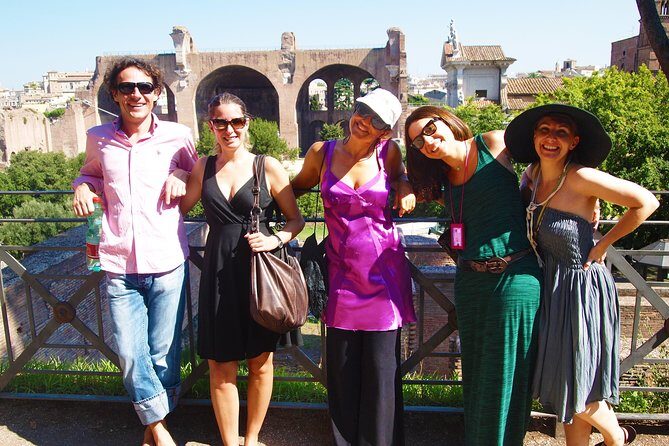
This tour is all about conditions: cold underground, busy ticket screening, and lots of walking between ancient layers.
Bring:
- A sweater/jumper for Domus Aurea (the underground area is around 16°C / 63°F)
- Comfortable walking shoes
- Hat and sunscreen, but remember sprays aren’t allowed inside the Colosseum
- A plan for security rules: keep luggage manageable, and expect screening
Security and bags are not optional details. Large backpacks and bulky items aren’t allowed. Medium and small backpacks must be checked, and your bag may be opened and visually inspected.
Strollers are allowed but not recommended. The ground can be uneven and stairs are steep. If you’re traveling with a child, the tour notes children must be carried by an adult or able to walk.
My practical suggestion: pack light. If you end up juggling too much gear while you’re trying to enjoy VR and photos and guide talk, your brain will feel overloaded.
Pacing, Breaks, and the Reality of a 3-Site Half-Day
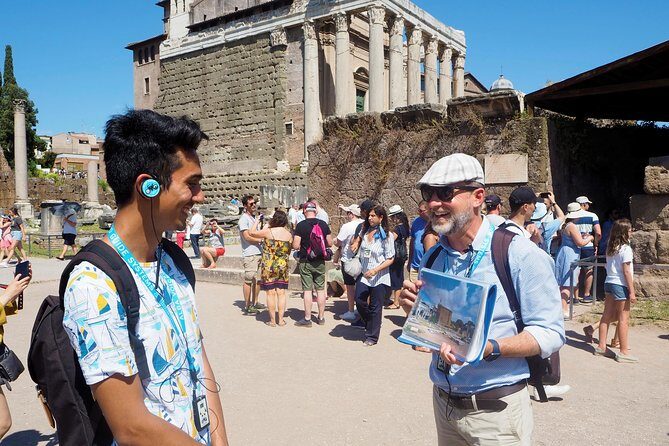
The tour is listed as about 3 hours. In practice, it will still feel like a concentrated morning because you’re switching environments: underground VR, then the open-air Colosseum complex, then the Forum and Palatine area. It’s a lot of sensory changes.
That’s why pacing is a big part of your success. Strong guides keep stops purposeful and manage the group so you get actual viewpoints. One point that shows up in feedback patterns for this kind of tour: bathroom timing can make or break your comfort. Even when the guide is doing a great job, you’ll want to handle your needs sooner rather than later.
If you’re sensitive to long pauses outside, tell the guide early what you need. This is the kind of tour where a good guide can adjust your flow within reason—especially since this isn’t a huge, stampede-style crowd.
Who Should Book This Tour, and Who Might Skip It?
This is a great fit if:
- You want Domus Aurea without planning it separately
- You like archaeology-style explanations (and you’re curious how sites were rediscovered)
- You want a VR layer to help you understand what’s no longer standing
- You want classic Rome highlights—Colosseum + Forum + Palatine—with less aimless wandering
You might prefer something else if:
- You hate walking and tight transitions between sites
- You’re not interested in VR or in underground history
- You need long, free time at one monument and prefer not to move through multiple stops
If you’re traveling with someone who has mobility limits, the best move is to tell the guide at the start that you need a steadier, slower pace. Some guests have described accommodating pacing as part of why they enjoyed the day.
My Booking Verdict: Yes, If You Want Domus Aurea Without the Headache
If you’re deciding between doing the Colosseum-only tour and going for the full package, I’d book this when you can. The Domus Aurea underground stop changes the whole story of Nero’s Rome, and the Oculus Rift VR piece makes that story easier to picture than a wall of text.
You’re also buying a smarter sequence. Starting with Domus Aurea helps you understand the Colosseum as more than a landmark—it becomes part of a broader power-and-display theme. Add in the private-group feel at the Colosseum and Forum portion, plus the Arch of Constantine context, and you get a tour that feels less generic.
One last nudge: pack a sweater and keep your bags simple. If you show up comfortable, this tour will feel like Rome did you a favor by squeezing three unforgettable sites into one smooth run.
FAQ
What’s included in the tour ticket price?
The tour includes Colosseum entrance tickets plus a reservation fee, Domus Aurea entrance tickets, an expert guided tour, and Oculus Rift VR headsets for the Domus Aurea portion.
How long is the tour?
The tour duration is listed as about 3 hours.
What time does the tour start?
The start time is 8:45am.
Where does the tour start and end?
It starts at Via Labicana, 125, 00184 Roma RM, Italy and ends at Colle Oppio and Terme di Traiano Park, Vle del Monte Oppio, 00184 Roma RM, Italy.
Is the tour offered in English?
Yes, the tour is offered in English.
Do I need ID, and does it have to match the booking?
Yes. You must present a valid passport or ID document that matches the full names provided at booking, or entry may be denied at the Colosseum and Roman Forum.
What should I wear or bring for Domus Aurea?
Dress is smart casual. Bring a sweater or jumper, since the underground Domus Aurea area is around 63°F / 16°C. Comfortable walking shoes are also recommended.
Are backpacks and large bags allowed?
Large backpacks and bulky luggage are not allowed. Medium and small backpacks must be checked, and all bags are screened for security.
Is it refundable if I cancel?
No. This experience is non-refundable and cannot be changed for any reason.
Can the tour be affected by closures or bad weather?
Yes. The Colosseum administration may close parts of the site due to events, strikes, heavy rain, or other reasons, and the provider will offer an alternative itinerary.