REVIEW · ROME
Magnificent tour of Gladiator Arena, Colosseum and Imperial Forum
Book on Viator →Operated by ROMA IN TOURS · Bookable on Viator
That feeling when you stand where gladiators stood. This small-group Colosseum tour adds arena-floor access, guided forum walks, and classic triumphal arches in one tight outing.
I like the small group size (up to 15) because you actually hear the guide and get time for photos. I also like that entrance fees are included, so you’re not juggling multiple ticket confirmations on arrival. One thing to weigh: it’s not a private tour, and the Colosseum arena access can be limited if there’s a safety closure.
You’ll cover the Colosseum’s arena level, Palatine Hill, the Roman Forum/Imperial Forums area, and end at the Arch of Titus. You’ll also see the Arch of Constantine along the route, which helps you understand how Rome used public art to sell power. My only caution is logistics: you must give matching names and present the right ID, and there can be situations where tickets require pickup rather than instant skip-the-line entry.
In This Review
- Key things to know before you go
- Why this Colosseum tour feels different than the usual ticket
- The small-group format (and what it means for your time)
- Entering the Colosseum arena floor: what you should watch for
- Arch of Constantine and Palatine Hill: the “power behind the power”
- Walking Via Sacra and the Roman Forum center
- Arch of Titus: how to read victory propaganda in stone
- What you’re paying for: $237.31 and the value math
- Service style you’ll actually feel: guides, pacing, and photo time
- Practical tips that make the day smoother
- Should you book this tour?
Key things to know before you go
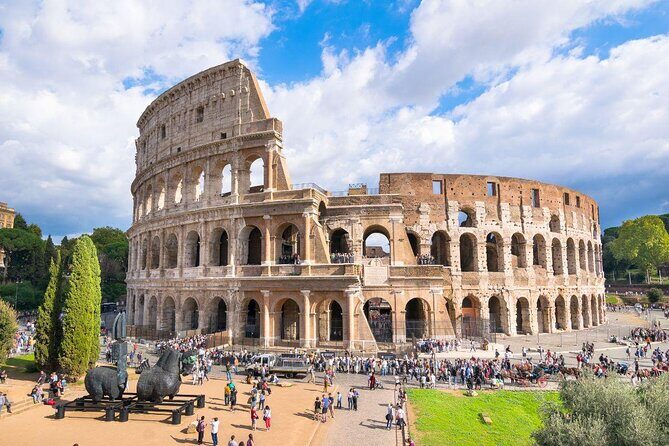
- Arena-floor access at the Colosseum for a more dramatic sense of scale
- Small-group pace for questions and photo stops without feeling rushed
- Entrance fees included for Colosseum, Roman Forum, and Palatine Hill
- Stops are spaced around the forum spine, so you see how the city’s power center worked
- A safety-closure Plan B exists if the arena section is closed publicly
Why this Colosseum tour feels different than the usual ticket
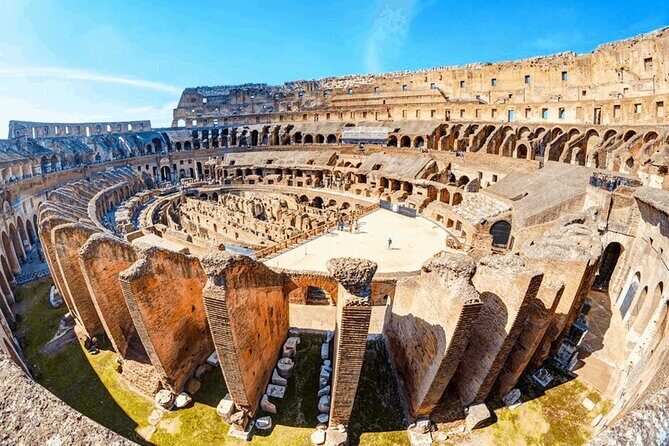
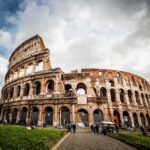
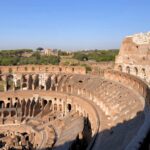
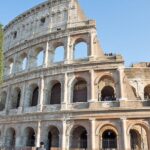
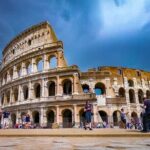
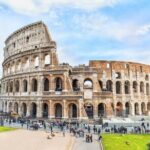
The Colosseum is the kind of place where photos can’t fully explain what’s in front of you. What changes the experience here is the arena-floor access. Standing on the level where gladiators once performed—surrounded by the geometry of seating and walls—makes the whole site click fast.
Instead of treating the Colosseum like a big exterior museum, you get guided context while you’re actually inside the structure. That matters because you’ll see the building not just as an icon, but as a machine designed for spectacle: controlled movement, staged entrances, and crowd visibility. In a short visit, that kind of clarity is a gift.
This tour also layers in Rome’s political center right after the amphitheater. You start with the “entertainment” side of power, then walk into the forum area where speeches, triumph processions, and Senate-era authority played out in stone.
More Arena Floor & Gladiator tours for the Colosseum & Ancient Rome
The small-group format (and what it means for your time)
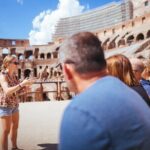
You’ll be with a maximum of 15 people, which is a practical sweet spot in Rome. Big groups often turn the Colosseum into a moving conga line. Here, the guide can keep you together without constantly breaking your concentration for crowd wrangling.
Also, it runs for about 2 hours. That’s short enough to fit into a busy day, but long enough for the guide to give you more than “this is old and impressive” facts. In rain or crowds, a guided plan helps you keep your bearings instead of guessing where the most meaningful views are.
One more reality check: this is a shared tour, so you should expect other schedules in the mix. The guide can still be attentive, but you’re not guaranteed a whisper-level private experience.
Entering the Colosseum arena floor: what you should watch for
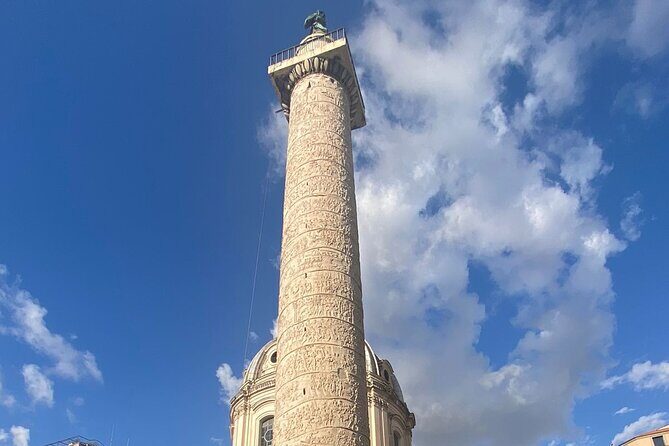
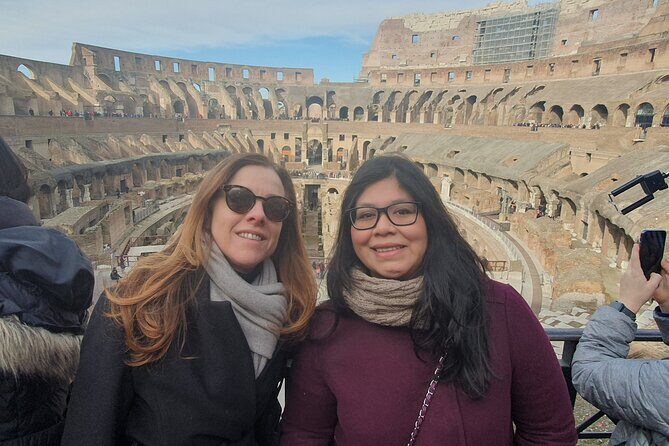
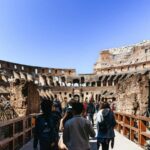
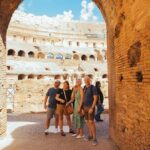
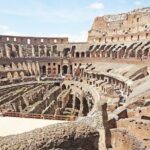
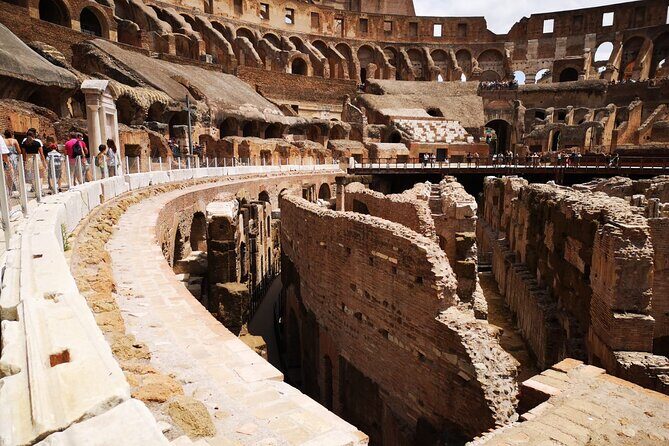
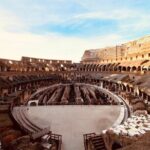
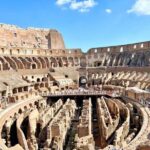
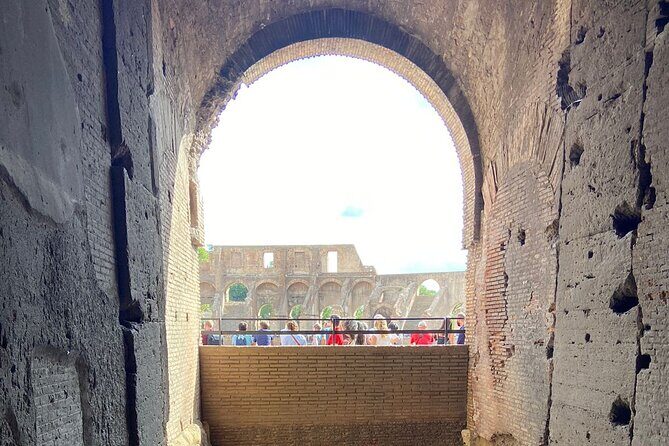
At the Colosseum, the tour focuses on getting you into the arena section—the key upgrade versus the standard “walk around the outer areas” visits. You’ll descend to the arena floor, and you’ll have about 30 minutes here with admission included.
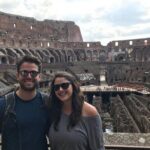
When you’re down on the arena level, look up first. The seating isn’t just dramatic; it’s engineered. The guide’s job is to help you connect the architecture with how events would have been organized. You’ll also get time to orient yourself visually so you understand where the crowd would have sat and where performers would have entered and exited.
A practical note: arena access is a big headline. Sometimes, for public safety, that arena section can be closed on the day. If that happens, the tour shifts to the Colosseum’s first and second floors instead, and you’ll still explore the Colosseum with Roman Forum and Imperial Forums time. The details in the tour info say you receive a 10 euro refund per person via PayPal or bank account in that scenario.
Arch of Constantine and Palatine Hill: the “power behind the power”
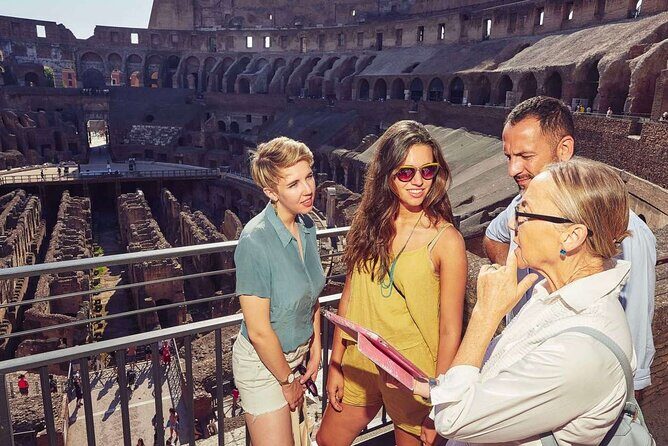
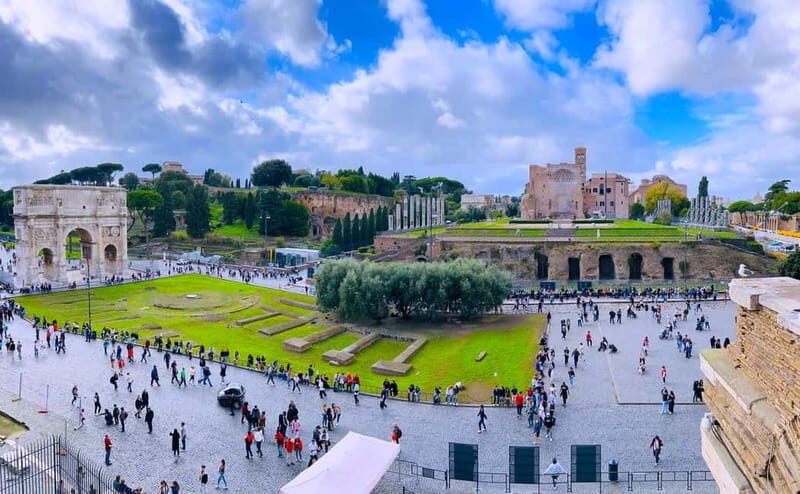
After the Colosseum, the route brings you to the area dominated by the Arch of Constantine, one of Rome’s surviving triumphal arches. The arch matters because it’s not just pretty decoration. It’s part of how rulers broadcast authority—using sculpture, reliefs, and political messaging in a format people would see constantly.
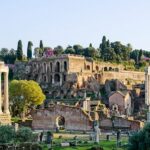
From there, you begin the move toward Palatine Hill, typically associated with the most important layers of early Rome. Palatine is one of Rome’s seven hills, and being up there changes the way you read the city. Even when your view is partial, the location helps you understand why elites wanted their residence close to the political and ceremonial core.
This stop is timed at about 30 minutes, and the focus is guided interpretation. You’ll learn what the structures around you meant and why they were placed where they were. That’s especially useful here because Palatine can look like ruins from street level. The guide helps you translate the mess into meaning.
Walking Via Sacra and the Roman Forum center
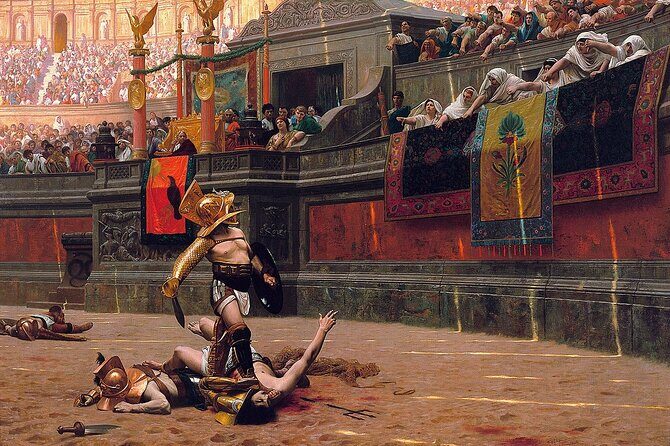
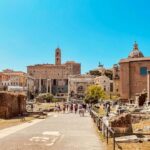
Next comes the real heart-and-legs portion: the walk through the Roman Forum and the broader Imperial Forums area. You’ll move along the ceremonial spine that ran through ancient Rome, including Via Sacra, the route famous for processions and triumphs.
This is about 30 minutes of guided walking, and the emphasis is on city life and politics rather than stone-spotting. The guide points out major landmarks tied to government and public speaking, including the Curia (the Senate seat), the rostrum platforms where political speeches echoed, and the spaces tied to magistrates and civic elections.
What I love about this kind of guided forum walk is the way it turns “ruins” into everyday systems. You start to picture how triumphs were staged, how crowds gathered, and how political authority was presented as spectacle and routine.
A small practical drawback: the forum area can feel crowded and uneven underfoot. You’ll want sensible shoes, because this part is on foot and you’ll be shifting viewpoints repeatedly.
More Roman Forum tours for the Colosseum & Ancient Rome

Arch of Titus: how to read victory propaganda in stone
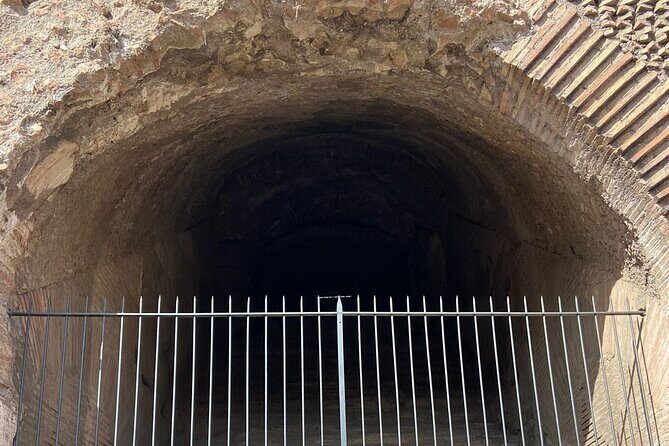
The final stop is the Arch of Titus, timed at about 30 minutes. This one is free to enter, but the guided focus is what makes it worth ending here instead of passing it casually.
The arch was built in 82 AD to commemorate Emperor Titus’s military victories, particularly his conquest of Jerusalem in 70 AD. The reliefs are the star. You’ll see Roman soldiers carrying spoils of war, including the Menorah from the Jewish Temple in Jerusalem.
This is where the tour ties the day together. The Colosseum shows you spectacle. The Arch of Titus shows you spectacle-as-statecraft. Rome didn’t just win; it documented the win in stone and made sure people saw it forever.
There’s also a political-religious angle mentioned in the tour info: the arch holds religious importance too. That blend matters, because in Rome, public ceremony and ideology weren’t separate things. They were the same story told through different kinds of monuments.
What you’re paying for: $237.31 and the value math
At $237.31 per person, this isn’t a budget tour. So you should ask: what’s driving the price?
Here’s the value case based on what’s included:
- Certified guide (real human direction in a place where self-guided can feel like random ruins)
- Entrance to Colosseum, Roman Forum, and Palatine Hill included
- Arena-floor access at the Colosseum (the feature most people travel for)
- A plan that connects the Colosseum to the forum power center in about 2 hours
What’s not included:
- Transportation to/from the meeting point
- Food and drink
The big “value vs cost” question is the arena access. If you can get into the arena floor level, this tour becomes much more than a scenic overview. If access is limited due to closure, you still tour a lot—but you’re trading the headline experience for interior viewing.
Also, keep your expectations realistic about ticket timing. One reported issue in the provided feedback described needing to wait to collect tickets at the site rather than direct skip-the-line entry. The provider’s response says those tickets weren’t skip-the-line tickets and pickup could involve a line. So while the admissions are included, don’t assume zero waiting.
Service style you’ll actually feel: guides, pacing, and photo time
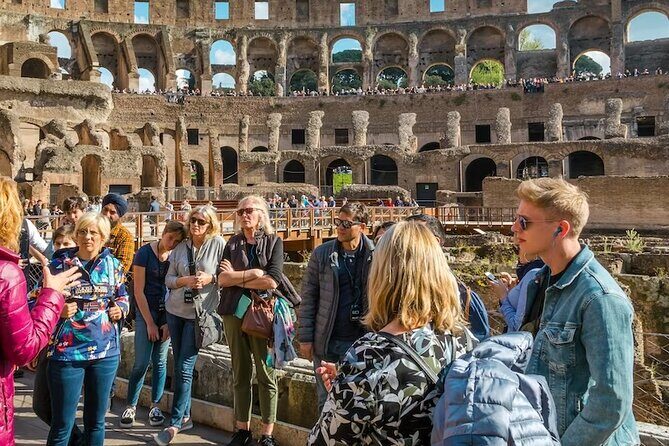
The tour’s strong points show up in how the guide handles the day. In positive feedback, the standout traits were historical knowledge plus a guide who was funny, caring, thoughtful, and respectful. That combination matters because Rome can overwhelm you, and a good guide keeps the facts human.
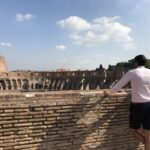
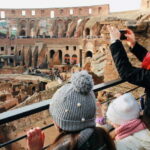
Another helpful detail from the feedback: the guide gave time to visualize buildings and take photos. That’s a big deal in the Colosseum, where you’ll want at least a minute or two from different angles—arena level upward, then forum viewpoints where you can line up sightlines.
And yes, you might receive audio equipment (a radio). In the Colosseum and forum areas, it’s common to need help staying connected to the guide when crowds are thick or when you’re walking through echoes and noise.
Practical tips that make the day smoother
A few things to do before you show up:
- Match your booking names exactly with the names on your passport/ID. The tour info is clear that mismatches can lead to refusal of entry to the Colosseum/Forum area.
- Bring a valid passport or ID document and keep it handy.
- Plan your day so you’re not stacking another tight tour right next door in timing. The tour info specifically advises not booking more than one tour close in hours.
- If your schedule depends on an exact start time, know that if the chosen time isn’t available, you may be transferred to another time on the same day.
- Have a WhatsApp number available since the provider asks for it for contact after booking and support around boarding.
For the day-of experience itself:
- Wear shoes you can walk in for a forum section that shifts from viewpoint to viewpoint.
- Expect it to be popular. Even with a small group, you’re in the Colosseum/Forum zone.
Should you book this tour?
Book it if:
- You really want the Colosseum arena-floor moment and you’d rather have guidance than guess your way through.
- You like a route that connects the amphitheater to the forum—so you understand Rome as entertainment plus government.
- You value small-group pacing and a guide who explains what you’re seeing in real time.
Skip it (or at least reconsider timing) if:
- You want a fully private, no-crowd, no-wait experience. This is shared, and ticket pickup or day-of realities can affect flow.
- You’re sensitive to any risk of reduced arena access if the arena section is closed. The tour includes a fallback plan, but it’s still a trade.
If you’re the kind of person who wants to leave Rome with a clear mental map—where power happened, how it was displayed, and why the monuments look the way they do—this is a strong, focused choice for a 2-hour hit.