REVIEW · ROME
Forum, Colosseum Guided Tour and Capitoline Museum Ticket
Book on GetYourGuide →Operated by TICKETSTATION SRL · Bookable on GetYourGuide
Ancient Rome hits faster than you expect when you have a guide. You’ll walk the Via Sacra, see the Roman Forum, and then switch gears to the Capitoline Museums, where the art and myths feel tied to real places.
Two things I really liked: the guide-led pacing through the Forum and Colosseum, and the way the story expands beyond ruins into iconic museum works like Michelangelo and Caravaggio, plus the she-wolf foundation myth. The one drawback to think about is this: the experience includes guided time for the Forum and Colosseum, but the Capitoline Museums portion is ticket-based support rather than a fully guided museum walkthrough.
In This Review
- The Best Bits at a Glance
- A 5-Hour Plan That Actually Makes Sense
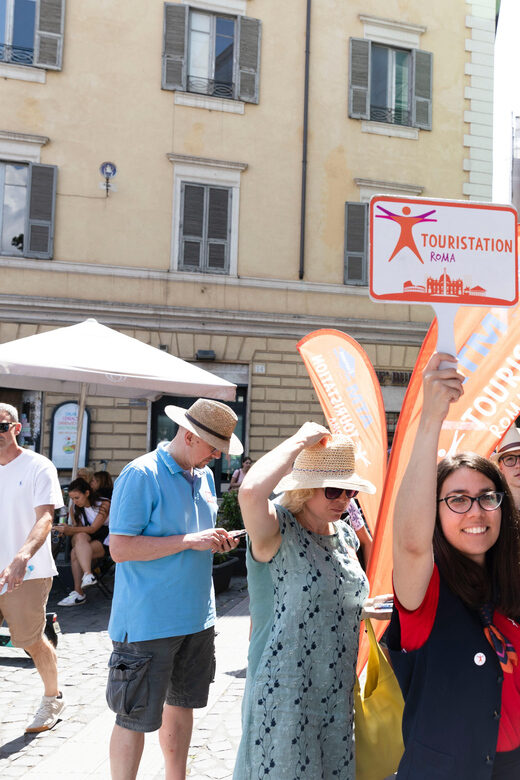
- Getting Oriented at the Touristation Office (Your Time Slot Matters)
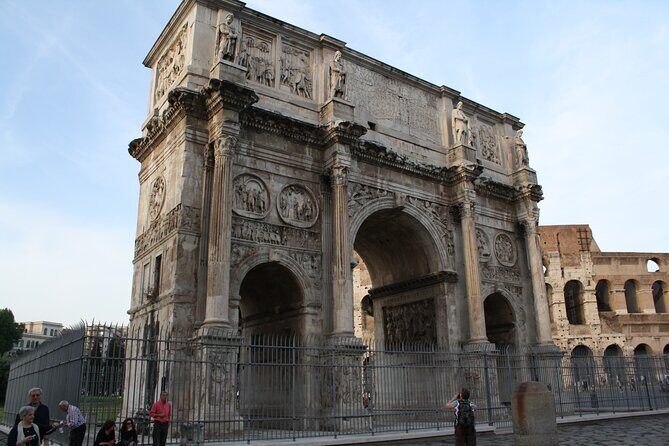
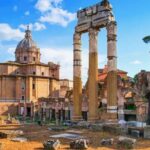
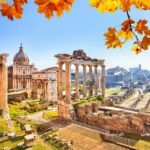
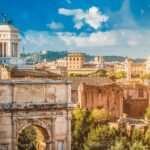
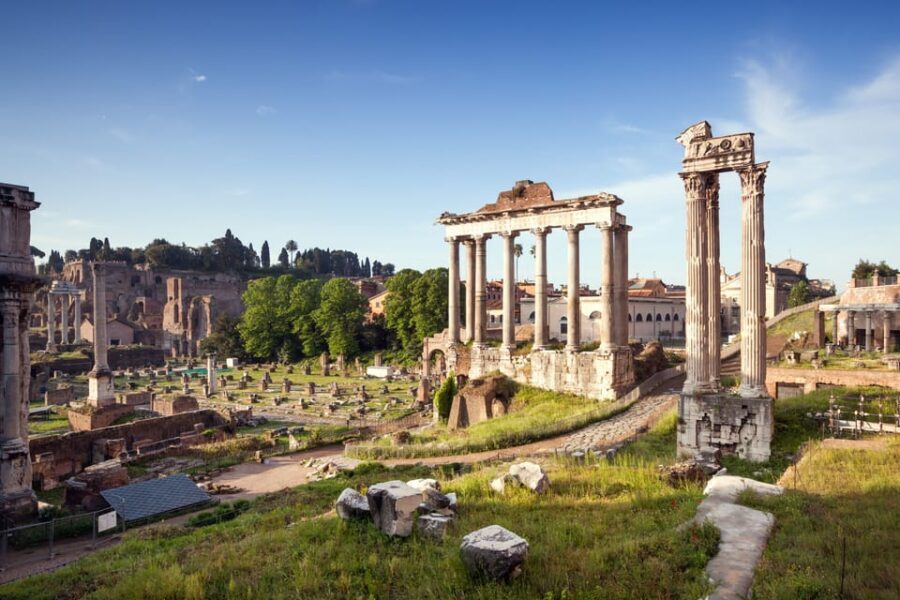
- Roman Forum and Via Sacra: Where Stories Meet Stone
- Caesar’s Cremation Altar and the Living Traditions of Memory
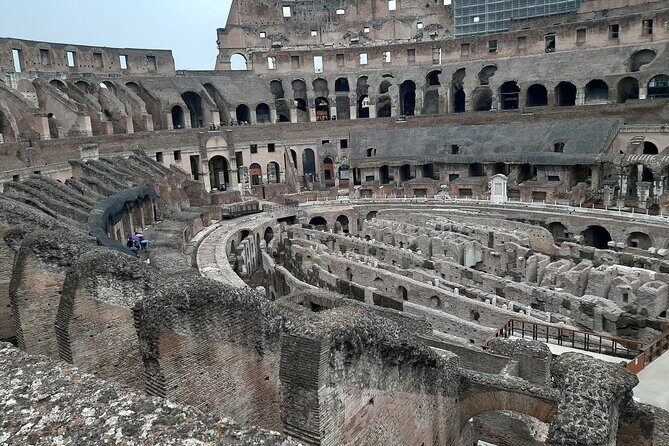
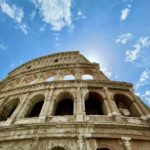
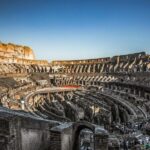
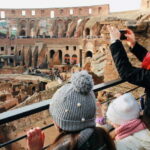
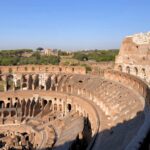
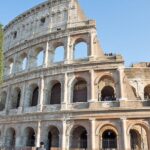
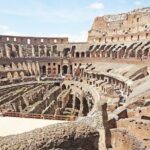
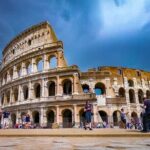
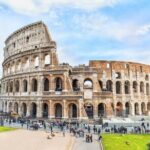
- Colosseum Skip-the-Line: Less Waiting, More Seeing
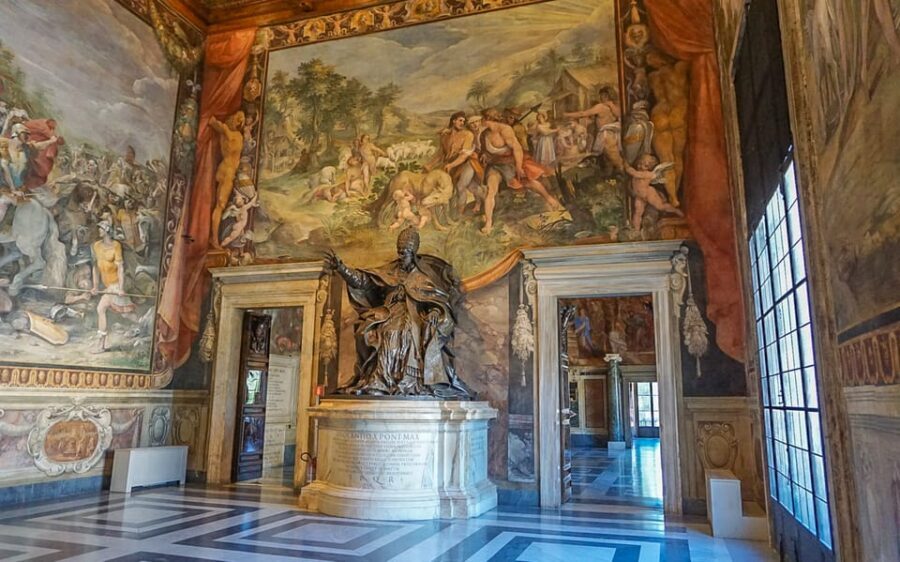
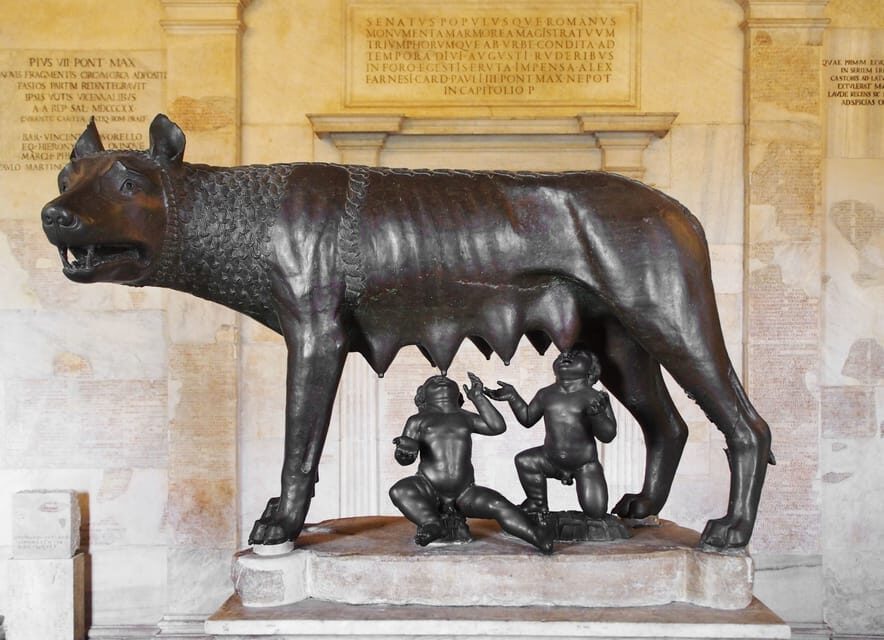
- Capitoline Museums: Michelangelo, Caravaggio, and the She-Wolf Myth
- Capitoline Hill Views: The Reward for Climbing Just a Bit
- Price and Value: Is $129.14 Worth It?
- What Might Feel Off (And How to Handle It)
- Who This Tour Fits Best
- Should You Book It?
- FAQ
- How long is the experience?
- What parts are covered by a live guide?
- Are tickets skip-the-line?
- What does the booked time refer to?
- What should I bring?
- Is food included?
The Best Bits at a Glance
- Via Sacra walk: you follow the Sacred Road that once hosted festivals and triumphs
- Caesar’s cremation altar: you stop where Julius Caesar is said to have been cremated
- Skip-the-line access: separate skip-the-line tickets for the Forum/Palatine area and the Colosseum
- Capitoline Museums art: highlights tied to Michelangelo and Caravaggio
- She-wolf story: the Romulus and Remus myth comes alive through the sculpture
- Caput Mundi takeaway: a “treasure chest” theme that helps you connect artifacts to Rome’s origin story
A 5-Hour Plan That Actually Makes Sense
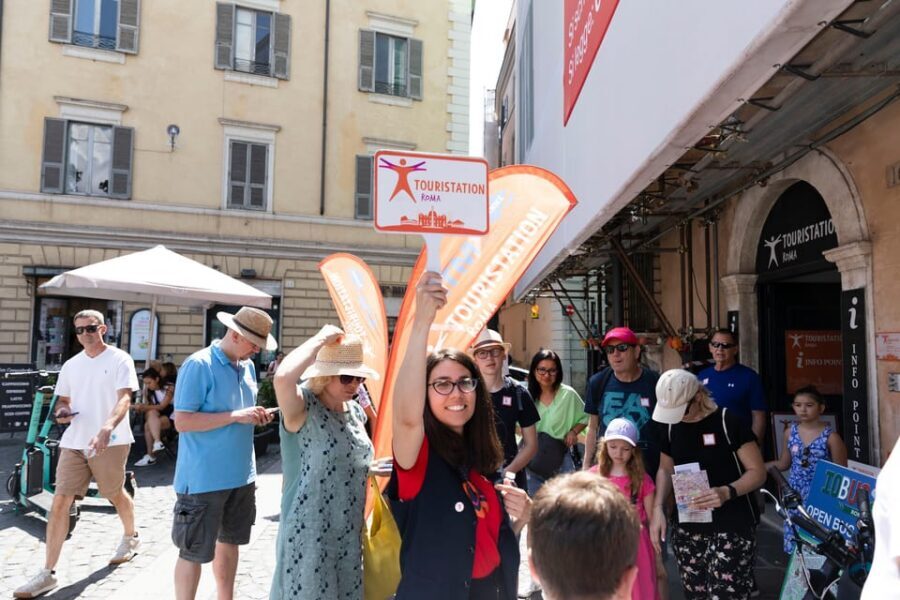
This combo tour is built for people who want the big-name sights without doing the hard work of planning every turn and waiting in multiple lines. In about 5 hours, you get a guided run through the archaeological core (Forum + Colosseum) and then ticket access for the Capitoline Museums, including time to take in views from Capitoline Hill.
The best part is that the tour doesn’t treat the sites like random photos. It treats them like a connected story: how Rome founded its power, how emperors showed it off, and how the city kept retelling its origin through art and myth.
A few more Rome tours and experiences worth a look
Getting Oriented at the Touristation Office (Your Time Slot Matters)
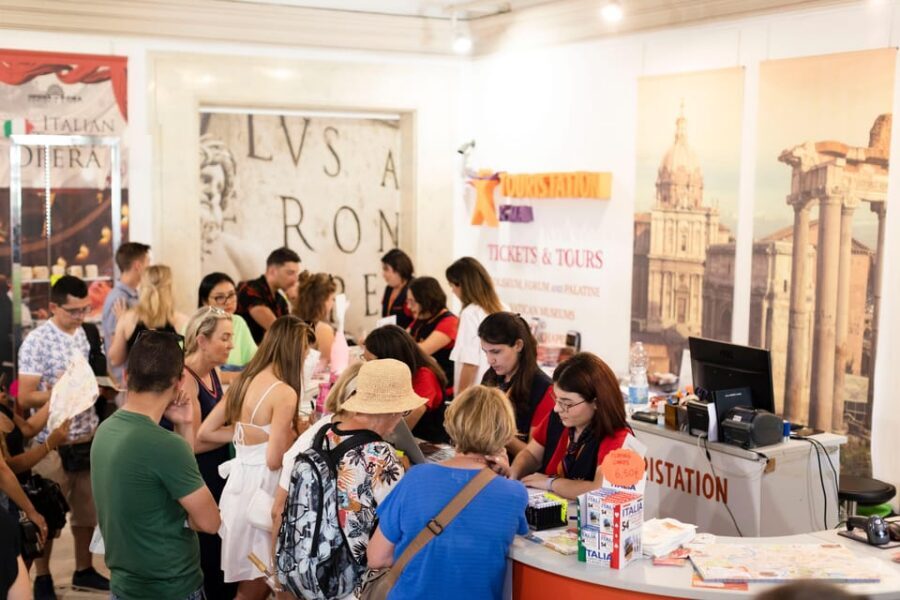
Your selected time is tied to the Touristation Office, not just the archaeological sites. That means you should plan to arrive on time for check-in and the initial setup. The experience also includes a 25-minute multimedia video about Ancient Rome at the Touristation office, which is useful if you want a quick mental framework before you hit the Forum and Colosseum.
Why this matters: when the first stop is the Via Sacra and the Roman Forum, details can feel overwhelming if you don’t know what you’re looking for. A short pre-show helps you connect names and locations to visible remains.
If you’re booking an English or Spanish option, keep in mind your live guide communication is tied to the guided portions. The Capitoline Museums access is supported by ticketing, and staff help you handle entrance details for that museum component.
Roman Forum and Via Sacra: Where Stories Meet Stone
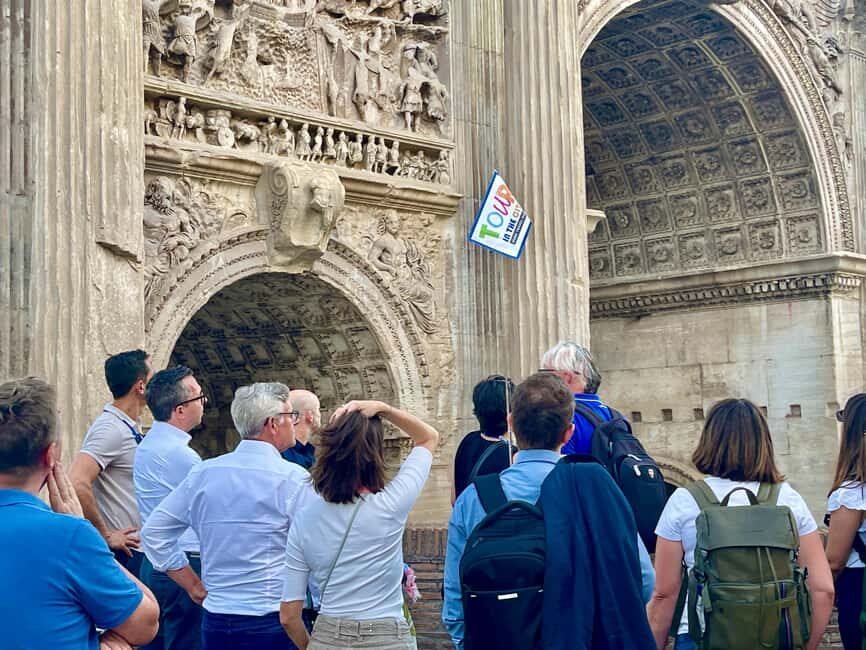
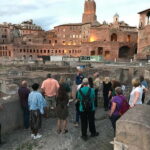
The heart of the guided experience is your walk through the Roman Forum and along the Via Sacra. This is the Sacred Road, the main pathway that once hosted festivals and triumphal processions. Even if you’ve seen photos, being there in sequence makes the space click.
Here’s what I’d pay attention to during the walking parts:
- Notice how the walkway pulls you through the forum’s central spine.
- Listen for how each stop ties to a person, a political event, or a public ritual.
- Let the guide do what good guides do: point out the “why,” not just the “what.”
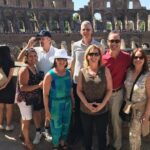
One of the most valuable parts is the way a guide can slow you down at the moments where the ruins are hard to read on your own. In the earlier feedback, guides like Cynthia were praised for being friendly and inclusive and for taking time at each spot while still keeping the tour moving. That balance matters in a place where you could easily get stuck trying to interpret things alone.
Caesar’s Cremation Altar and the Living Traditions of Memory
One stop that stands out in the story is the Temple area that houses the altar where Julius Caesar was cremated. The tour points this out as a site where visitors still leave flowers and candles.
This is one of those details that turns “ruins” into “a place with ongoing meaning.” You’re not just seeing a recovered artifact; you’re seeing how later people kept remembering the same dramatic moment in Roman life.
Practical tip: expect people photographing and moving around. If you’re prone to lingering for pictures, give the guide a few seconds to explain first, then take your photos right after. That keeps the flow and helps you understand what you’re capturing.
Colosseum Skip-the-Line: Less Waiting, More Seeing
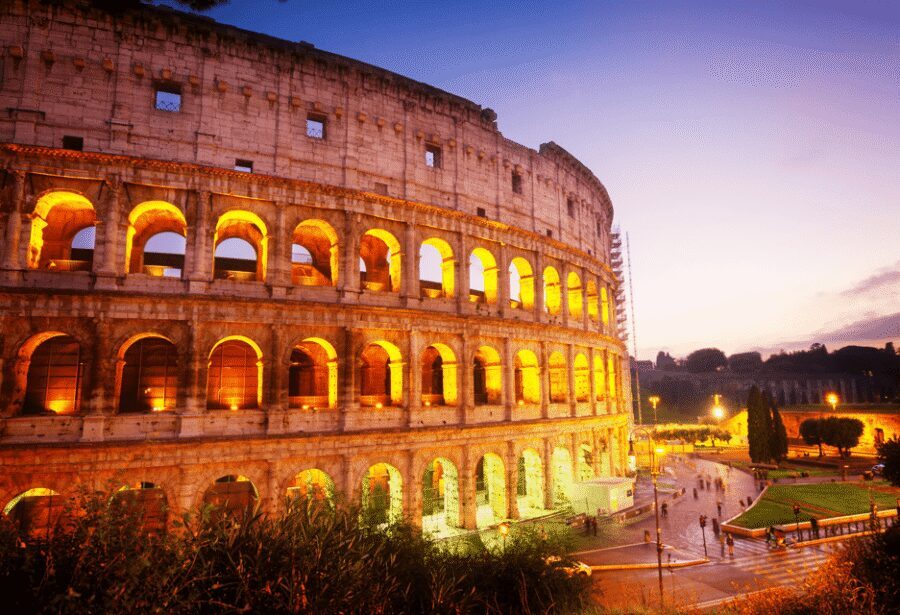
The ticketing includes skip-the-line entry for the Colosseum. In Rome, that’s a genuine time saver, because the “right” way to enjoy a day like this is to spend your energy in the sights, not in queue lines.
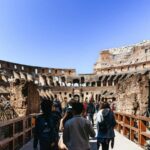
What you get here is not just access. You get a guide who connects what you’re looking at to how the Colosseum functioned in its time. The better your orientation, the more you’ll notice while inside—especially the way stories of power and spectacle built Rome’s global image.
Since the Colosseum is visually dramatic but complex to interpret, this guided component is where the ticket value really shows up. Without context, a lot of visitors simply look up and move along. With a guide, you’re more likely to look at the right things in the right order.
Other guided tours in Rome

Capitoline Museums: Michelangelo, Caravaggio, and the She-Wolf Myth
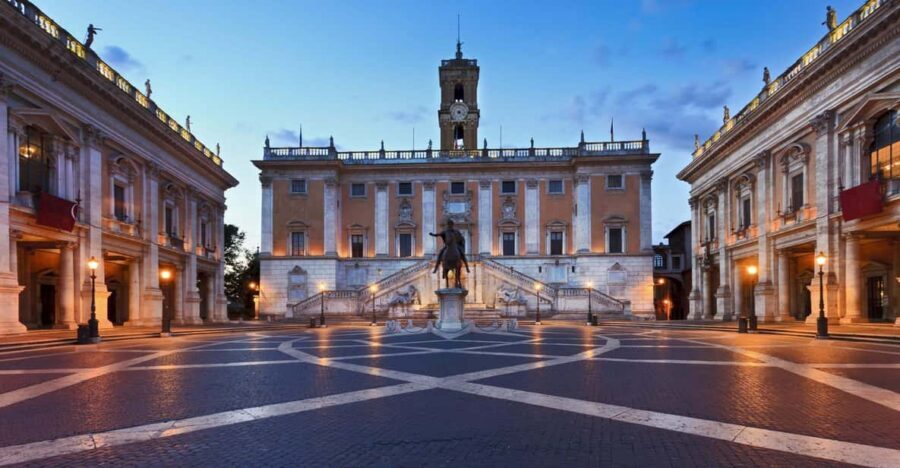
After the Roman Forum and Colosseum guided time, you shift to the Capitoline Museums. This is where the experience gets extra interesting because you’re trading architecture and ruins for art and symbolism.
Expect highlights tied to:
- Michelangelo (including discussion of his work and why he was commissioned)
- Caravaggio and other renowned artists
- The famous she-wolf statue, connected to the foundation myth of Rome’s founders Romulus and Remus
This is also where the tour’s storytelling theme becomes clearer. The experience calls Rome Caput Mundi, the head of the world. You’ll be guided to interpret the museum works as part of a larger narrative: Rome’s identity was built not only with buildings, but with images, myths, and political messages.
If you like art that feels like it has a job—like it’s trying to persuade you—this is the portion that will stick with you.
Capitoline Hill Views: The Reward for Climbing Just a Bit
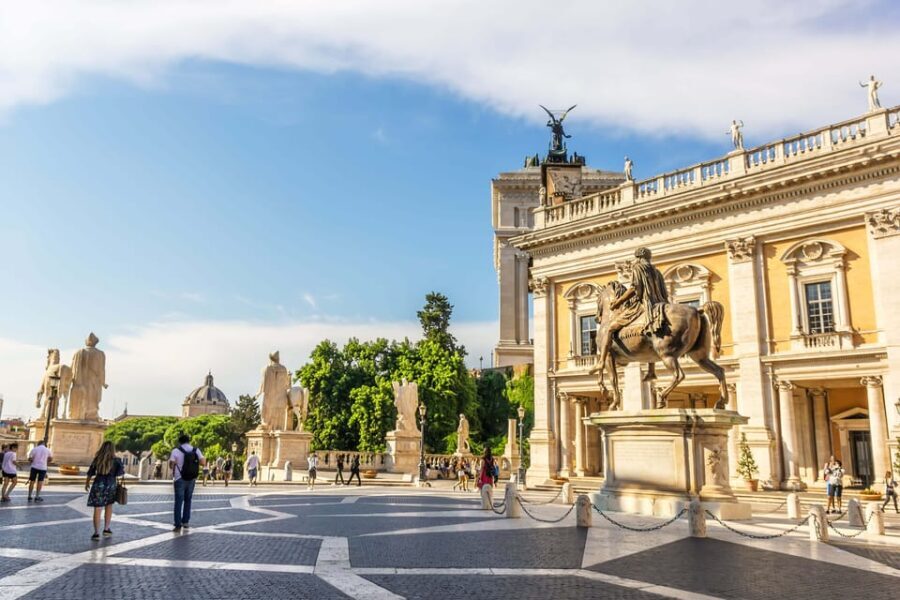
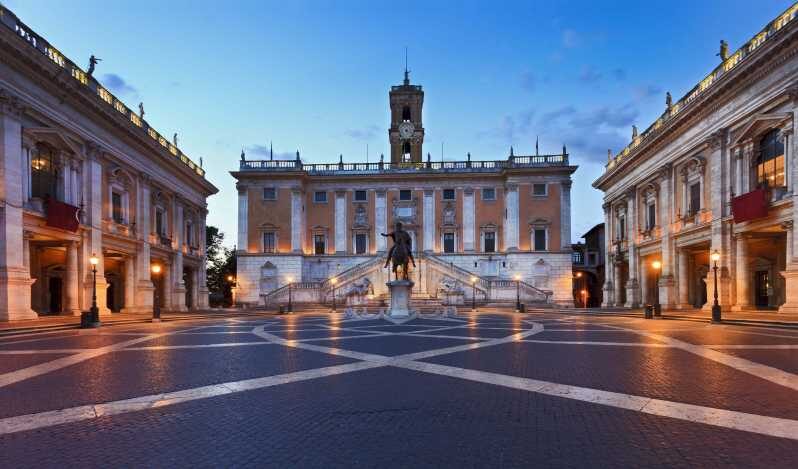
The Capitoline Museums sit on Capitoline Hill, and the experience explicitly includes time to enjoy some of the best views over the Colosseum, the Imperial Forum, Roman Forum ruins, and Palatine Hill.
This is where you’ll understand the geography you walked through earlier. From above, it’s easier to see how the city’s landmarks are layered and related. It also makes the day feel complete: you went in at ground level, then came up to see the bigger picture.
If your legs are getting tired (very common by day’s end), treat the view time like a pause, not a hurried stop. The value isn’t only the view—it’s the mental reset where the whole day clicks.
Price and Value: Is $129.14 Worth It?
At $129.14 per person, this isn’t a budget tour. But it also isn’t just a ticket bundle, and that matters.
Here’s what you’re paying for, based on what’s included:
- A professional guide for the Roman Forum and Colosseum portion
- Multiple skip-the-line tickets (Forum/Palatine area, Colosseum, and Capitoline Museums)
- A 25-minute multimedia video at the Touristation office
- Entrance access that saves you from juggling separate bookings
The fine print also hints at the structure: the Colosseum ticket itself is listed as €16 plus a €2 reservation fee, with the difference covering additional services. That means the “extra” cost isn’t only overhead—it’s tied to guiding and faster entry, which is usually what you’re really buying in Rome.
So who gets value most? People who want the guidance to decode what they’re seeing and who want to avoid losing half a day to lines.
What Might Feel Off (And How to Handle It)
The biggest consideration is balance of guidance. The live guided component is clearly tied to the Roman Forum and Colosseum, while the Capitoline Museums experience is largely ticket-based (with staff help for entrance). That’s not automatically bad. It just means you should be ready to spend some time reading museum labels or using your guide’s earlier framing to make the art make sense.
Also note the experience is non-refundable, so book only if your schedule is firm.
Who This Tour Fits Best
This tour is a great fit if you:
- Want a guided introduction to both the Roman Forum and Colosseum, not a self-guided sprint
- Like narrative tours where myths and major artworks are tied to real places
- Prefer skip-the-line access and a structured 5-hour window
- Are comfortable doing some museum time on your own after the guide portion
It may be less ideal if you want one fully guided “sit and listen” walkthrough inside every museum room. The experience you’re buying mixes guided storytelling with ticket access.
Should You Book It?
I think you should book this tour if you want the best payoff for a limited time window. The combination of a guided walk through the Forum and Via Sacra, Colosseum skip-the-line entry, and then Capitoline Museums highlights—Michelangelo, Caravaggio, and the she-wolf—creates a day that feels cohesive rather than random.
I’d skip it only if you’re the type who dislikes any self-guided museum time or if you’re looking for a slower, purely museum-focused itinerary. Otherwise, this is a smart way to connect ruins, myth, art, and views without wasting your day waiting.
FAQ
How long is the experience?
It lasts 5 hours. The exact starting time depends on the available slot you choose.
What parts are covered by a live guide?
You get a professional guide for the Roman Forum and Colosseum portion. The included information also notes that a guided tour for Palatine Hill is not included.
Are tickets skip-the-line?
Yes. The experience includes skip-the-line tickets for the Roman Forum and Palatine Hill, the Colosseum, and the Capitoline Museums.
What does the booked time refer to?
The time you select for booking refers to arrival/check-in at the Touristation Office, while the timeslot refers to the guided tour for the Roman Forum and Colosseum.
What should I bring?
Bring your passport or ID card. You’ll also need the same for children.
Is food included?
No. Food and drinks are not included.