REVIEW · ROME
Colosseum with Gladiator Arena, Forum and Palatine in Spanish
Book on Viator →Operated by EnRoma.com · Bookable on Viator
Gladiator-level access changes everything. This Spanish tour gets you into the Colosseum with direct Arena entry and a small-group feel, so you can focus on what you’re seeing instead of fighting the crowd. I also like that it’s designed as a tight, ticketed loop across three of Rome’s most important sites in one go.
What really makes it work is the Spanish guide who keeps things clear and lively; I’m especially glad to see Tomás praised for being funny and very professional. You’ll get explanations at the exact moments they help, moving from the Arena to high viewpoints and then down to the streets of ancient Rome without a lot of dead time.
One thing to consider: the entry checks are strict. You must show valid ID that matches the names used on your booking, and if the voucher names don’t match, entry can be denied—so double-check everything before you arrive.
In This Review
- Key Things To Know
- Why This Spanish Tour Starts at the Gladiator Gate
- Colosseum Interior and Gladiator Arena: What You’ll See Up Close
- Palatine Hill from the Farnese Terrace: Rome’s Origins in View
- Roman Forum by Way of the Via Sacra: Standout Monuments and the Caesar Connection
- Mobile Ticket, Small Group Size, and Smooth Entry Rules
- How the $90.57 Price Works as Value (Not Just Cost)
- What the Tour Feels Like in Real Time: Pacing, Group Energy, and Weather
- Who This Experience Is Best For (And Who Might Want Another Option)
- Should You Book This Spanish Colosseum + Palatine + Forum Tour?
- FAQ
- Is this tour in Spanish?
- How long is the tour?
- What’s included in the price?
- Do I need to bring an ID?
- What group size should I expect?
- What if I need to cancel?
Key Things To Know
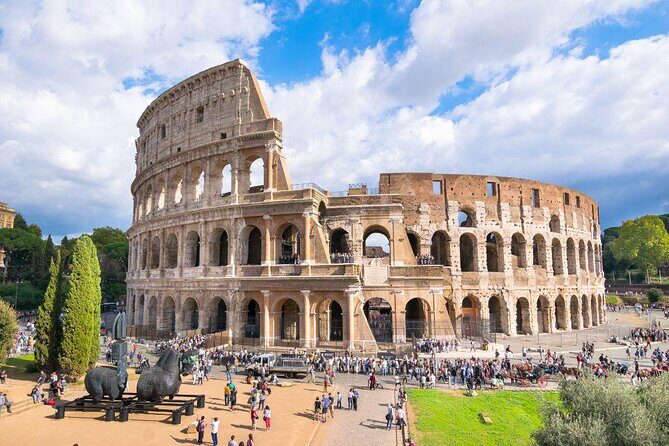
- Arena entry through the gladiator gate: You don’t just look up at the Colosseum—you go inside to the level of the action.
- Small group size (max 20): Less chaos, easier to hear the guide and follow along.
- Three major sights in ~3 hours: Colosseum, Palatine Hill, and Roman Forum, all ticketed.
- Farnese Terrace viewpoint on Palatine Hill: Perfect for getting your bearings on where Rome began.
- Via Sacra route through standout Forum monuments: Temple of Antoninus, Curia, and triumphal arches of Titus and Septimius Severus.
- Mobile ticket + strict name/ID matching: Easy to carry, but you must get the names right.
Why This Spanish Tour Starts at the Gladiator Gate
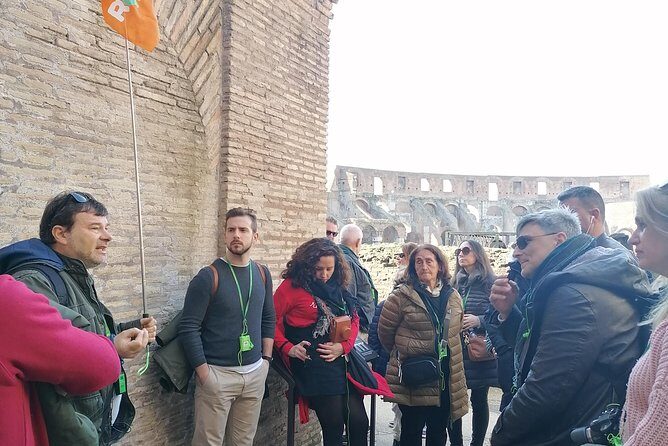
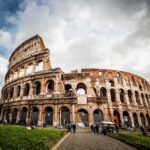
If you’ve ever stood outside the Colosseum and thought, okay, but where do you actually get the full sense of scale, this is the answer. The big draw here is the access route: you enter in a way that leads you into the Gladiator Arena area itself, passing through the gladiator gate. That single detail changes the whole experience, because you’re no longer reading history from the outside—you’re standing in the space where spectacle happened.
This is also a good format for people who want structure. The visit is semi-private and built around very small groups, which tends to mean the guide can pace the story instead of just reciting facts over the noise. And since it’s explicitly a Spanish tour, you get smoother context—less time guessing, more time understanding what you’re looking at and why it mattered.
One practical advantage: you’re not spending your energy figuring out multiple entrances and timing windows. The tour is designed as one connected plan, which matters in Rome where time is real money.
More Arena Floor & Gladiator tours for the Colosseum & Ancient Rome
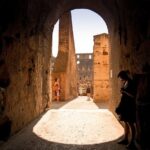
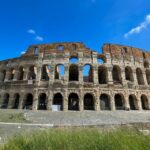
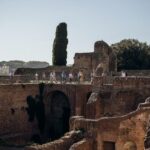
Colosseum Interior and Gladiator Arena: What You’ll See Up Close
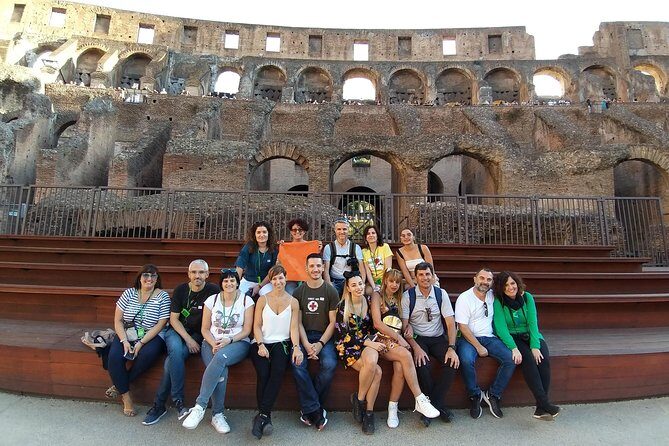
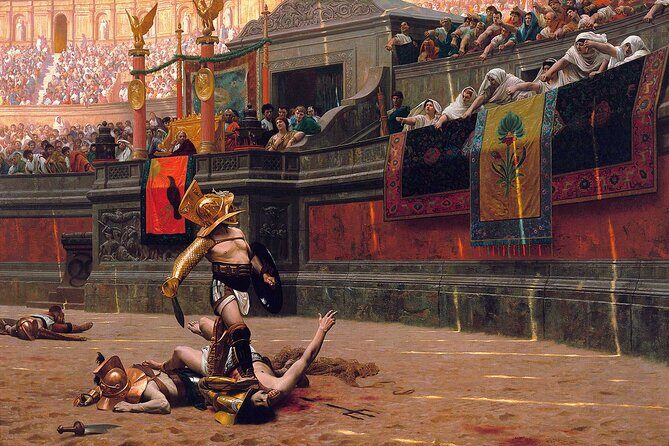
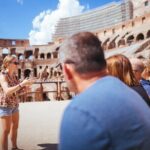
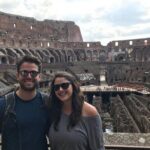
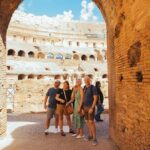
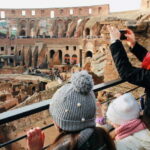
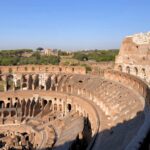
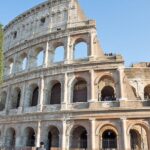
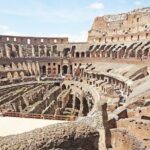
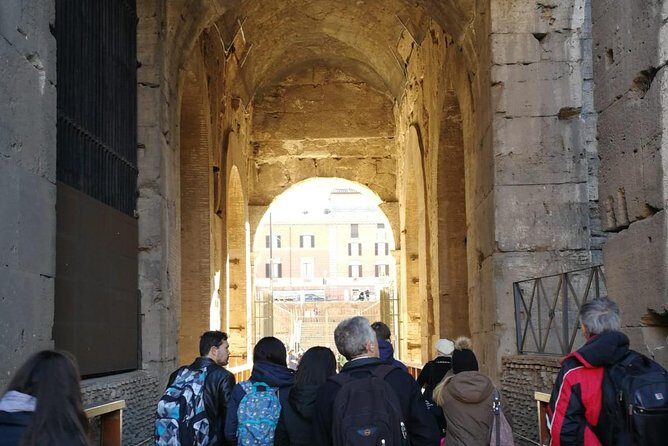
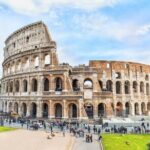
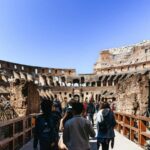
You’ll spend about an hour inside the Colosseum, and the highlight is entering directly into the interior in a way that puts you at the level of the Arena. When you’re down there, the geometry hits fast: you can see how the seating layers frame the center, and you can feel why the Colosseum became such a master of crowd focus.
The guide’s job in this space is especially important, because the Colosseum can be visually overwhelming. You get pointed attention on what you’re looking at and how the building functioned as a stage. If you’re the type who likes to connect the dots—crowd layout, movement through entrances, and the way Romans turned public space into entertainment—this part usually lands the hardest.
A small warning that’s not about the tour, but about physics: the Colosseum interior can be bright and hot. If you’re visiting in warmer months, wear something breathable and plan to move with purpose. You don’t want to spend your “one hour inside” stuck adjusting your clothes or hunting for water you didn’t pack.
Palatine Hill from the Farnese Terrace: Rome’s Origins in View
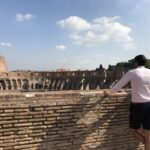
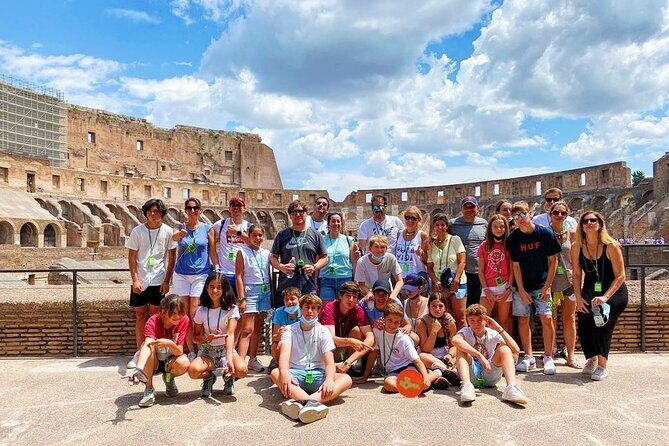
After the Colosseum, you head to Palatine Hill, where Rome’s story starts feeling less like a statue and more like a lived place. You get about an hour here, and the route matters: from the top, you’ll contemplate the places where Rome was born and then walk through the areas connected with the Flavia dynasty palace.
The mention of the Farnese Terrace is a clue that the viewpoint is part of the lesson. That stop is where you typically get your bearings—seeing how the hills, valleys, and ancient neighborhoods line up. Even if you know the names, your brain understands them better when you can scan the terrain and connect it to the monuments below.
What I like about pairing Palatine with the Colosseum is the shift in perspective. Colosseum = spectacle and public power. Palatine = where power was organized and signaled. One is performance; the other is authority. A good guide keeps that contrast clear, so you walk away feeling you understood the “why,” not just the “what.”
One consideration: Palatine Hill can involve uneven ground and some walking on a slope. If you’re someone who struggles with hills, bring comfortable shoes and be ready to go steady. You’ll get more from this stop if you move at a controlled pace instead of trying to rush the views.
Roman Forum by Way of the Via Sacra: Standout Monuments and the Caesar Connection
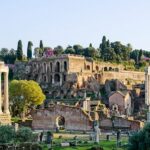
Then you move to the Roman Forum, where you’ll tour on foot through some of the most recognizable (and most meaningful) structures from the ancient city. You get about an hour here, and the focus is on walking the Via Sacra—the ceremonial street that ties the whole area together.
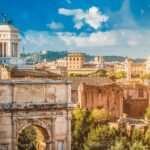
This is the stop where the names matter, because the Forum is a collection of sites that all speak to political life: power, law, religion, and public ceremony. You’ll see key buildings including the Temple of Antoninus, the Curia, and triumphal architecture like the Arches of Triumph of Titus and Septimius Severus. You’ll also pass areas connected to the basilicas and stand in places tied to the memory of where Rome gave its last greeting to Julius Caesar.
Here’s the practical value: the Forum is easy to feel lost in if you show up with only a map. The guided approach gives you an order to follow, so your brain builds a timeline instead of a pile of ruins. I especially like having attention drawn to the Curia and the triumphal arches—those details help you understand how the Romans narrated power to the public.
If you’re sensitive to crowds, the Forum can feel busy. Still, the overall tour format is designed to keep things moving as a group, and with small numbers, you usually don’t have to stop every few steps to avoid bumping into others.
Footwear matters here too. Even if the walking sounds light on paper, Roman stone and uneven ground can be slow work. Bring shoes that give you grip and comfort, not just style.
Mobile Ticket, Small Group Size, and Smooth Entry Rules
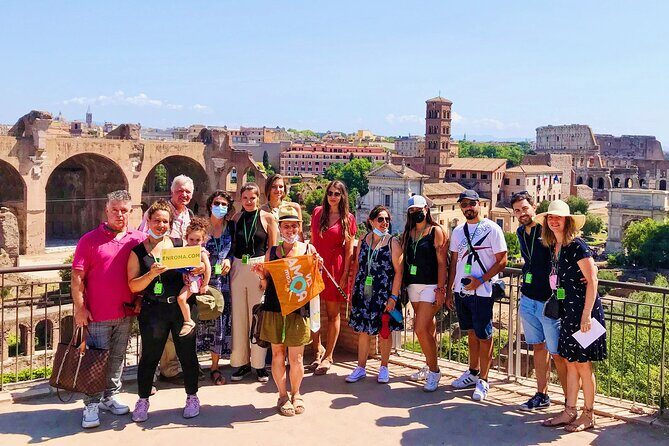
This is one of those Rome experiences where the logistics actually affect the quality of your time. You’ll have a mobile ticket, which is convenient on your phone—less paper, less fumbling. And with a maximum group size of 20, you’re not trapped in a moving wall of strangers. That helps you hear the guide and ask quick questions when something clicks.
But read this part carefully: you must provide the full names of all travelers when booking. At the ticket office, you’ll need a voucher that includes all those full names before entry. If the names don’t match, entry can be denied. Each person must bring a valid passport or ID document that matches the name provided during booking.
So the best “prep move” is boring but powerful: check your booking confirmation now and match it to your ID before you leave home. In a place like Rome, it’s not worth gambling with typos.
Meeting wise, the start is at Largo Corrado Ricci, Roma. The tour ends at Colosseum, Piazza del Colosseo, 1, Roma. A nice perk: once the guided portion finishes, you can stay at the Colosseum if you want extra time on your own.
Also, it’s near public transportation, which helps if your day plan includes other stops. Still, Rome can be slow-moving, so I’d aim to arrive a little early and get settled.
More Colosseum, Forum & Palatine combos for the Colosseum & Ancient Rome

How the $90.57 Price Works as Value (Not Just Cost)
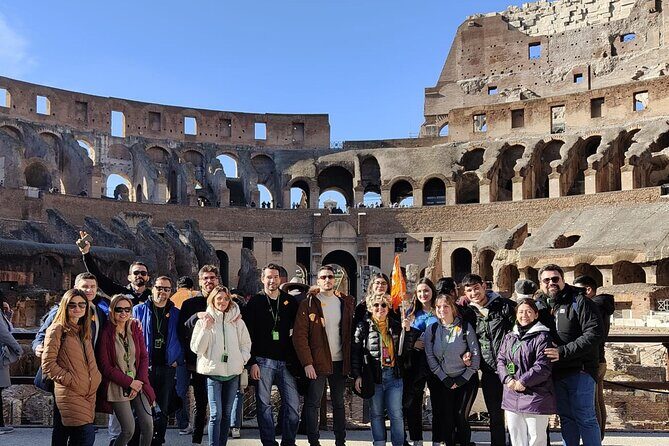
At $90.57 per person, this isn’t a budget walk-in tour—but it also isn’t just a “guide fee.” The price includes all fees and taxes, and admission tickets for the Colosseum, Palatine Hill, and Roman Forum are part of the package. That matters, because ticket costs at these major sites can add up fast when booked separately.
The other value factor is the time structure. The experience runs about 3 hours, and it covers three big locations. If you only have one focused morning (or afternoon) to do these highlights, paying for a guided, ticketed loop can be cheaper in time and energy than piecing together multiple visits yourself.
I also like that it’s booked about 43 days in advance on average. That usually means it’s a popular format. If you want the best chance of fitting it into your schedule, don’t wait until the last minute.
One more practical note: lunch and bottled water are not included. So decide ahead of time if you’re planning to grab food before or after. If you show up hungry, you’ll spend mental energy instead of enjoying the sights. A bottle (or two) can save your mood.
What the Tour Feels Like in Real Time: Pacing, Group Energy, and Weather
Even without being told, a tour like this tends to follow a specific rhythm: show up, go in fast, get the “big picture” from the guide, then slow down for key sights where explanations matter. With small groups, that rhythm stays smoother because you’re not waiting on everyone to find the same entrance.
The reviews don’t shy away from what can make or break the day: an excellent guide. When Tomás is mentioned as funny, engaging, and professional, that lines up with what you want in a space like the Arena and then again in the Forum, where details multiply. A good guide is the difference between walking past monuments and understanding why each one is there.
Weather is the other big factor. One review specifically notes a hot day, which is a real-world hint. In Rome heat, you’ll enjoy the experience more if you dress smartly and keep your pace steady. Since the tour is only about 3 hours, it’s manageable even on warm days—just don’t plan on a “soaking in every corner slowly” style.
Who This Experience Is Best For (And Who Might Want Another Option)
This tour is a strong match if you:
- Speak or prefer Spanish explanations.
- Want to see the Colosseum Arena level, not just the viewpoints.
- Like guided pacing across the Colosseum → Palatine → Forum trio.
- Are traveling with limited time and want a focused plan that’s already ticketed.
It may feel less ideal if you:
- Need a very long, unhurried visit at each site. This is more “guided highlights” than “days to wander.”
- Have trouble with hills or uneven stone. Palatine and the Forum involve walking and changing terrain.
- Don’t want to deal with strict entry requirements. If names and IDs aren’t ready, that’s where issues can happen.
For most people, though, the small-group format and the direct Arena access make it feel like a smarter use of your limited Rome time.
Should You Book This Spanish Colosseum + Palatine + Forum Tour?
I’d book it if you want the Colosseum experience to start in the right place: inside, at the level of the Arena, with a guide who can keep the story moving in Spanish. The value math works better than it first looks because admission tickets and fees are included, and you get three major sites in about 3 hours.
I’d hesitate only if you’re unsure about the entry rules. If you’re booking for multiple people, take the extra minute to ensure names are correct and IDs match exactly. Rome rewards preparation.
If you’re deciding between booking now or later: this one is popular, and the average advance window suggests it’s easier when you plan ahead. Also, you can cancel up to 7 days in advance for a full refund—so if your schedule is still fluid, you have some breathing room.
My bottom line: for Spanish speakers who want a high-impact Colosseum visit and don’t want to spend half a day figuring out logistics, this tour is a solid pick.
FAQ
Is this tour in Spanish?
Yes. The experience is described as an exclusive visit in Spanish.
How long is the tour?
The duration is about 3 hours.
What’s included in the price?
All fees and taxes are included, and admission tickets are included for the Colosseum, Palatine Hill, and the Roman Forum.
Do I need to bring an ID?
Yes. You must present a valid passport or ID document that matches the name provided at booking for entry to the Colosseum and Roman Forum.
What group size should I expect?
The tour has a maximum of 20 travelers.
What if I need to cancel?
You can cancel up to 7 days in advance for a full refund. If you cancel less than 7 full days before the start time, you won’t receive a refund.