REVIEW · ROME
Colosseum guided tour with Virtual Reality
Book on Viator →Operated by Dario Andreucci · Bookable on Viator
VR makes ancient Rome click. This Colosseum guided tour pairs a live, official guide with Oculus Go VR and an app packed with 100 3D reconstructions of Ancient Rome, so the ruins don’t stay stuck in your imagination. You’re looking at real stone, but you’re also seeing what it may have looked like before centuries of wear and weather.
Two things I really like here: first, the tour is small (max 10 people), which helps the guide keep things clear and on pace. Second, you get real guidance through major set pieces instead of wandering solo and guessing what you are seeing.
One possible drawback to plan for: the Colosseum entrance fee is not included (it’s €18.00 per person), and entry depends on matching names on your voucher to the ID or passport you bring. That last part matters a lot in Rome.
In This Review
- Key highlights that make this tour worth your time
- Why Oculus Go VR works better than just reading signs
- The practical starting point near Piazza del Colosseo
- Colosseum time: 1st and 2nd floors with a guide in the lead
- Two arches in 40 minutes: Arch of Constantine and Arch of Titus
- Basilica of Maxentius: a quick stop that pays off later
- Roman Forum exploration: 30 minutes of guided history and walking
- What you really get (and what you still need to pay)
- The guide factor: what to expect from Dario Andreucci
- Who this tour is for (and who might prefer something else)
- Should you book this Colosseum + VR tour?
- FAQ
- How long is the Colosseum guided tour with Virtual Reality?
- What language is the tour offered in?
- Is the Colosseum entrance fee included in the price?
- What VR equipment is included?
- How large is the group?
- Where does the tour start and end?
- What do I need to bring for entry?
Key highlights that make this tour worth your time
- Oculus Go VR + 100 3D reconstructions to help you picture how the site functioned
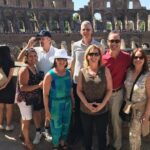
- Max 10 people for a more conversational, less chaotic experience
- Colosseum access on the 1st and 2nd floors so you see more than the ground level
- Five stops in about three hours: Colosseum, two arches, a basilica, and the Forum
- Ends outside the Roman Forum near Via Cavour, handy for your next move
Why Oculus Go VR works better than just reading signs
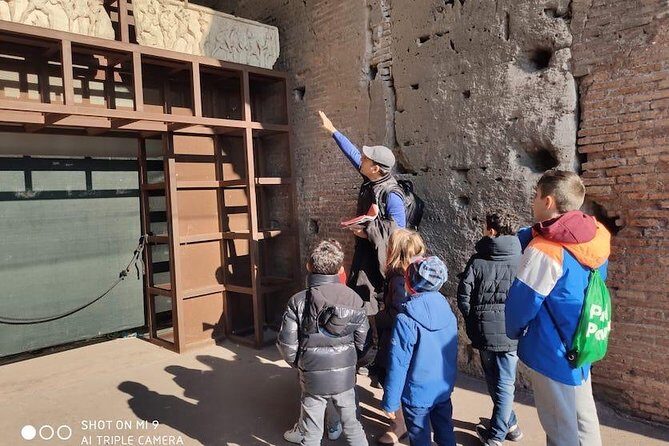
Signs are useful. They’re also static. VR is different because it gives your brain a second channel to work with: you’re not only reading what happened, you’re matching that story to a physical place.
In this tour you’ll use Oculus Go VR equipment plus an app with 100 3D reconstructions of Ancient Rome. Even if you have only a little time, this combination helps you connect the dots fast. The reconstructions can turn a confusing wall line into something you can actually locate in space. It can also make details feel less random, because you’re seeing where structures likely sat in relation to the rest of the complex.
The big win is that the VR doesn’t replace the on-site guiding—it supports it. You’re still standing in Rome, listening to an official guide explain the big story and the smaller architectural cues. That makes the tour more than a tech demo.
More Virtual Reality & Multimedia tours for the Colosseum & Ancient Rome
The practical starting point near Piazza del Colosseo
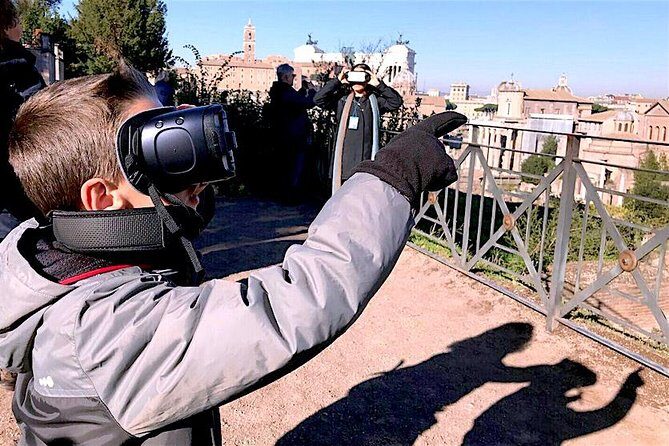
You’ll meet at Piazza del Colosseo, 1, 00184 Roma RM. The area is very transit-friendly, so it’s one of those places you can reach without stress. The tour ends at Fori Imperiali, 00186 Rome, outside the Roman Forum, near Via Cavour, which is a good setup if you plan to keep exploring afterward.
A few details to keep your day smooth:
- Bring your ID or passport that matches the full names provided at booking.
- Plan for smart casual dress.
- This tour runs rain or shine, so have a light rain layer ready.
Also, your tour uses a mobile ticket, but the most important part for entry is the name match. Rome can be strict about names at the ticket office. If you’re traveling as a duo or small group, double-check spelling before you arrive.
Colosseum time: 1st and 2nd floors with a guide in the lead
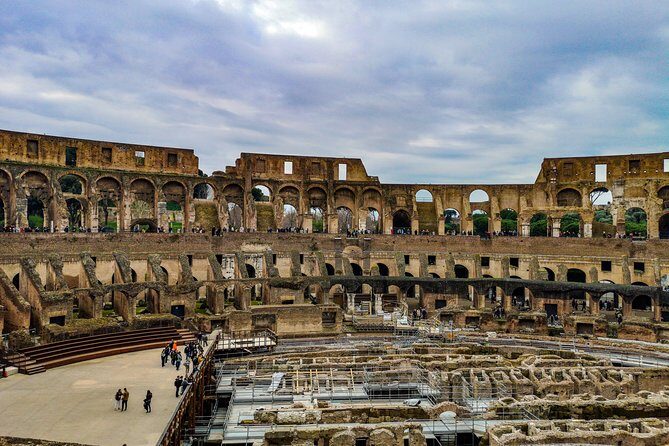
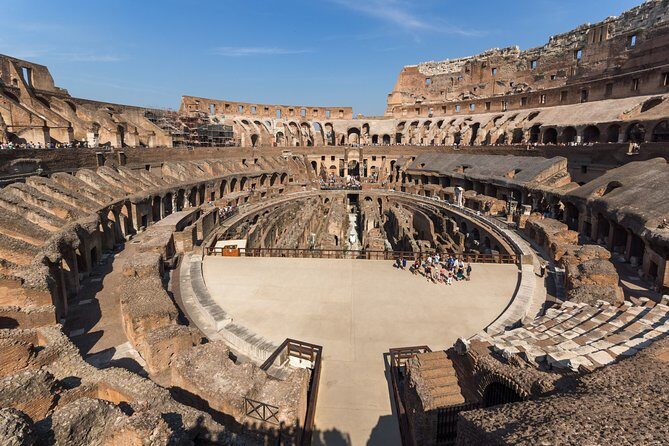
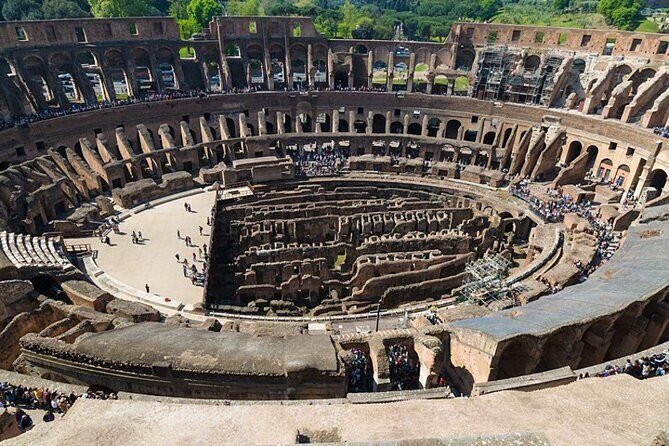
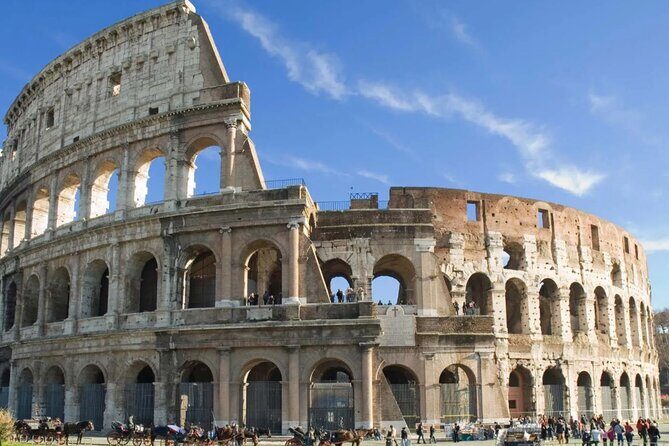
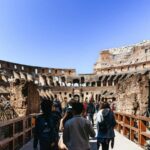
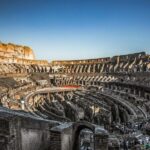
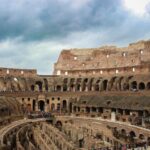
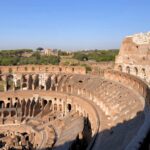
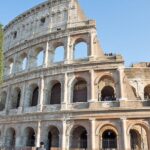
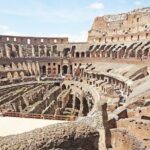
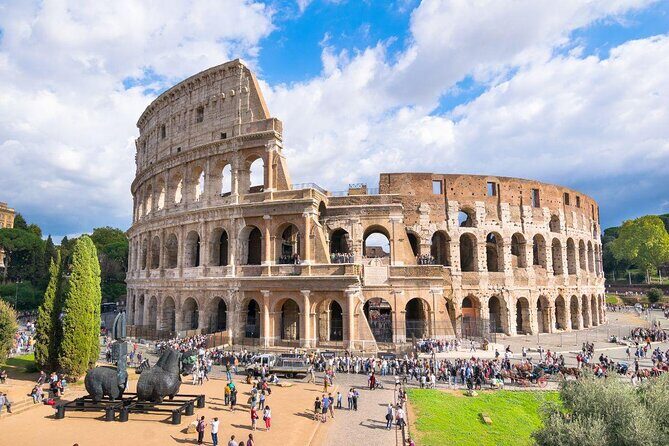
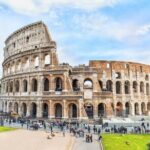
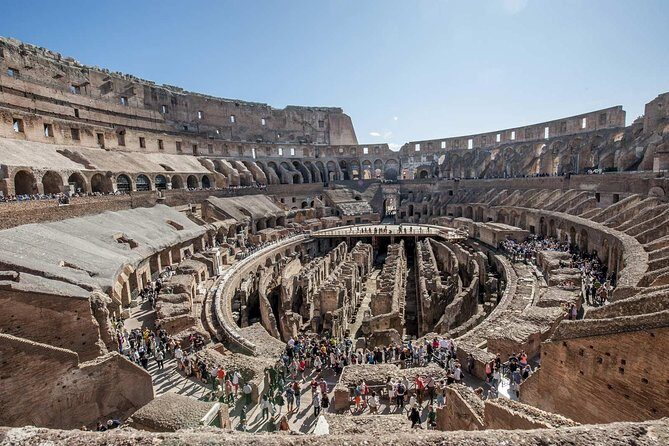
The Colosseum is the main event, and this tour doesn’t waste your best hour and a half. You’ll spend about 1 hour 30 minutes at the Colosseum with your guide, focusing on the 1st and 2nd floors.
Why those floors matter: ground level can feel like you are only taking in the arena shape. Up higher, you get a better sense of scale and structure. You can also start noticing how the building organized people and movement. A live guide helps you read the space instead of just looking at it.
Here’s what good guiding changes for me at the Colosseum: it turns facts into a timeline you can keep in your head. In experiences like this, I especially value when the guide explains why the architecture looks the way it does and what that meant for life around events. One detail I love about the guide experience here is that the guide helps you understand the timeline of events and points out how architecture and ruins relate to function—not just the who and what, but the how.
And yes, the VR component supports this part. While you’re there, you can use the reconstructions to connect views from the floors with what you’re being told. It’s the difference between seeing stone and seeing a system.
One more practical note: plan for moderate physical fitness. Even if you’re not tackling a hike, getting around major ancient sites and spending time on multiple levels means more walking than a quick museum stop.
Two arches in 40 minutes: Arch of Constantine and Arch of Titus
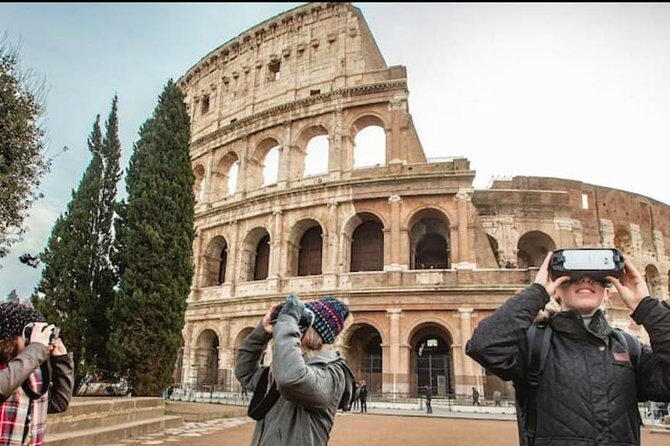
After the Colosseum, the tour keeps momentum with quick, focused stops. You’ll visit:
- Arch of Constantine for about 20 minutes
- Arch of Titus for about 20 minutes, with more time spent learning the arch’s history
These arches can feel like the quick photo breaks of a sightseeing day. But the guide’s job is to make them make sense. Arches in Rome aren’t just decoration; they are statements about power, memory, and how rulers wanted to be seen. When you hear the story linked to what you’re standing in front of, the monument becomes easier to interpret in a single glance.
At the Arch of Titus, the tour includes time to learn the background of the monument. That’s a smart use of 20 minutes because arches often look similar at first. Knowing the specific history gives you something concrete to look for: the message, the symbolism, and why this spot mattered.
At the Arch of Constantine, you still get guided context, even though the visit is shorter. My advice is to stay present even during these shorter segments. If you treat them as speed stops, you miss the thing that makes a guided route valuable: the connections.
Basilica of Maxentius: a quick stop that pays off later
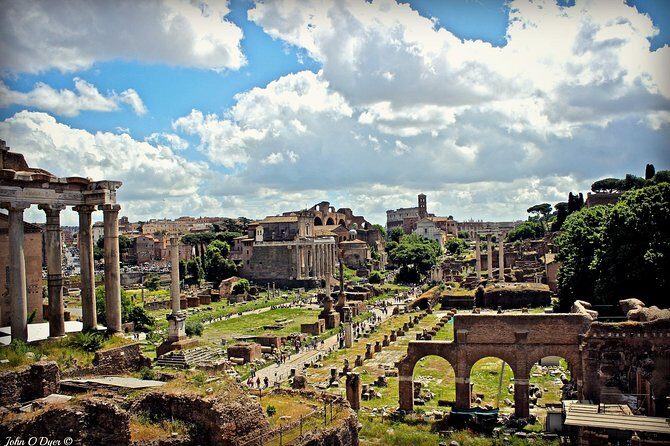
Next is the Ancient Basilica of Maxentius for about 10 minutes. Ten minutes sounds brief, but basilicas are the kind of Roman structure that often get overlooked in favor of the bigger landmarks.
What you should look for mentally is not perfection. It’s purpose. A basilica was a public building type used for meetings, administration, and civic life. When a guide adds context here, it helps you stop thinking of the ruins as isolated icons and start thinking of them as parts of a working city.
Ten minutes is also realistic. You’re not trying to memorize every measurement. You’re trying to get the basic idea of what this was, so when you reach the Forum, it all feels connected instead of random.
Other guided tours in Rome
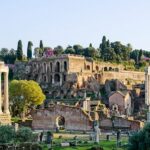


Roman Forum exploration: 30 minutes of guided history and walking
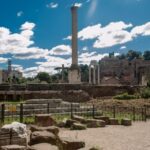
The final major stop is the Roman Forum for about 30 minutes. The format here is exactly what I want for the Forum: the guide explains the history, then you explore with that framework in your head.
The Roman Forum can be overwhelming if you’re doing it on your own. You see fragments and ruins, and your mind asks: What building was that? What was happening here? Which era am I looking at? A guide helps you keep the story straight.
This tour’s structure also helps. You’ve already seen:
- The Colosseum’s role in public spectacle
- Two arches built to mark and broadcast political narratives
- A civic basilica type that ties into public life
So when you step into the Forum, you’re not starting from zero. You can focus on how the city functioned—who gathered there, what kinds of activities took place, and why the space mattered.
The tour ends outside the Roman Forum near Via Cavour. That’s convenient because it positions you for a smooth next step—whether that’s a café break, a museum, or just walking the streets toward another neighborhood.
What you really get (and what you still need to pay)
The tour includes:
- Oculus Go VR equipment
- An app with 100 3D reconstructions of Ancient Rome
- An official guide in person
- Small group size (max 10 people)
It does not include the Colosseum entrance fee, listed as €18.00 per person. The other stops are also marked as admission ticket not included, so treat this as a tour where you may need to plan entry costs beyond the Colosseum price depending on current site policies.
How I think about value here: you’re paying for a guided route that compresses five major stops into about 3 hours, plus VR support that’s included rather than tacked on. If you tried to do this alone, you’d spend time figuring out what to see, where to look, and how each piece connects. That’s often the hidden cost of self-guided sightseeing.
Small group size also affects value. Max 10 people means you’re less likely to lose the guide behind a crowd. You’re also more likely to get clear answers to practical questions as you go.
The guide factor: what to expect from Dario Andreucci
This experience is led by Dario Andreucci. One of the best signs for a tour guide is whether they can explain the site in a way that helps you build a mental map. This guide style includes friendly, straightforward explanations and a focus on helping you understand both the timeline and the architecture.
A detail I appreciate is that the guiding doesn’t end the moment you hit the final stop. There’s a tendency toward practical local advice afterward—coffee and neighborhood suggestions, including ideas around Trastevere. That kind of add-on is not guaranteed in every guidebook-style tour, but it’s the sort of helpful personal touch that makes a guided experience feel like it’s actually about your trip, not just the clock.
Who this tour is for (and who might prefer something else)
This is a strong fit if you:
- Want to see the Colosseum and Roman Forum area in a tight window
- Like guided explanations more than self-paced guesswork
- Enjoy using tech tools when they help you understand real places, not just watch videos
- Prefer a small-group feel
It might be less ideal if you:
- Hate any risk of strict entry rules. You’ll need ID/passport matching the names used at booking.
- Are looking for a super long, slow Forum wandering session. This one is about guided structure and a set itinerary.
Should you book this Colosseum + VR tour?
I’d book it if you want Rome’s big-ticket landmarks with a plan that actually helps you process what you’re seeing. The combination of official guiding, limited group size, and VR reconstructions is built for time-strapped travelers who still want more than photos.
You should think twice if you already know you’ll struggle with the entry paperwork details or if you don’t want to pay the separate €18.00 Colosseum fee. Otherwise, it’s a smart way to turn a crowded, confusing area into a coherent story—fast, in a manageable group, and with visual support that makes the ruins feel understandable.
FAQ
How long is the Colosseum guided tour with Virtual Reality?
It runs for approximately 3 hours.
What language is the tour offered in?
The tour is offered in English.
Is the Colosseum entrance fee included in the price?
No. The Colosseum entrance fee is €18.00 per person and is not included.
What VR equipment is included?
You’ll receive Oculus Go VR equipment, along with an app that includes 100 3D reconstructions of Ancient Rome.
How large is the group?
The tour has a maximum of 10 travelers.
Where does the tour start and end?
It starts at Piazza del Colosseo, 1, 00184 Roma, and ends outside the Roman Forum near Via Cavour (Fori Imperiali, 00186 Rome).
What do I need to bring for entry?
You’ll need a valid passport or ID document that matches the full names provided at booking. You must present the voucher with all travelers’ full names at the ticket office prior to entry.