REVIEW · ROME
2-Day Rome: Colosseum & Vatican Tour
Book on Viator →Operated by Gray Line I Love Rome by Carrani Tours · Bookable on Viator
Rome can feel like a history pop quiz. This tour turns it into a guided story with reserved entry and a tight group.
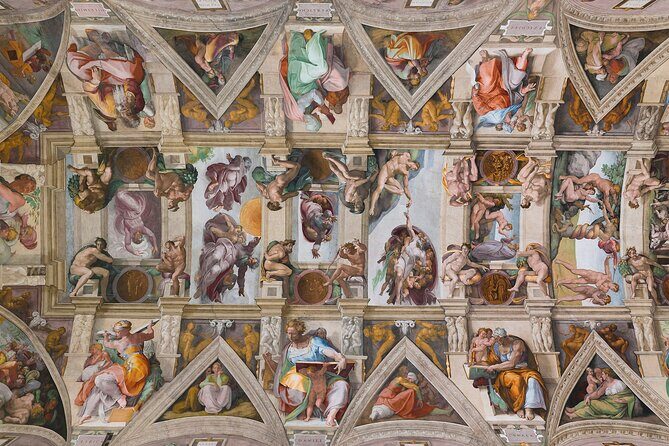
I love how it’s built around the big three zones you actually want: Colosseum and the Roman Forum area, then the Vatican Museums and the Sistine Chapel (with Michelangelo’s Last Judgment). With wireless audio headsets, you don’t have to crane your neck to catch the guide.
One thing to keep in mind: the Vatican side runs on religious-site rules and security. Closures can happen, and if the Sistine Chapel isn’t accessible, there’s no partial refund—so you’re buying in with the understanding that Rome is Rome.
In This Review
- Key highlights to know before you go
- Two half-days, one focused plan (and why the group cap helps)
- Getting to the meeting point and dealing with Roman security reality
- Dress code and bag rules: save yourself the last-minute stress
- Stop 1: The Colosseum and Flavian Amphitheater (what your time is really for)
- Stop 2 and 3: The Roman Forum and Palatine Hill in bite-sized stops
- Stop 4 and 5: Sistine Chapel (brief) and Vatican Museums (the longer focus)
- Guide quality is the difference between good and great
- Price and value: why $410.07 can make sense here
- Who should book, and who should think twice
- My decision guide: should you book this Colosseum and Vatican tour?
- FAQ
- Is admission to the Vatican Museums and Sistine Chapel included?
- How long is the tour, and how is it paced?
- What’s included besides the tickets?
- Do my travel documents need to match the booking names?
- What should I wear for Vatican entry?
- What happens if the Sistine Chapel is not accessible?
Key highlights to know before you go
- Max 10 travelers: small enough for real back-and-forth, not herd mode
- Wireless audio headsets included: your ears do the work, not your patience
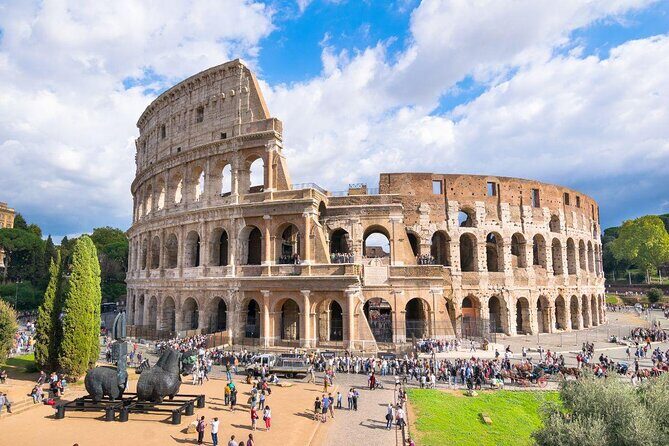
- Colosseum + Forum + Palatine in one flow: you’ll see the core ancient landmarks efficiently
- Sistine Chapel time is short: about 10 minutes, so you’ll want to plan what you look for
- Vatican Museums escorted entry: you stay with the assigned guide the whole way
Two half-days, one focused plan (and why the group cap helps)
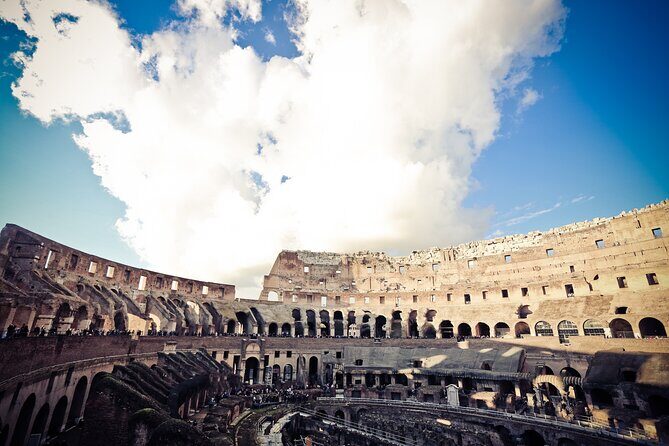
This isn’t a “we’ll see what we can see” tour. It’s a structured run through two of Rome’s heavy hitters: the ancient centerpiece (Colosseum area) and the Vatican museum complex. The experience is spread over two half-days, so you’re not stuck on a single site until your feet file for divorce.
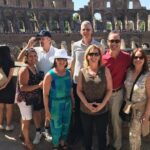
The group size is capped at 10. That matters more than it sounds. When you’re working with something this complex—tickets, security, crowd flow—small groups move with purpose. You also get better odds of hearing your guide clearly and asking the annoying questions that make a place click.
What you’re really paying for is coordination: the guide, the timing, the ticketing setup, and the audio system. That’s why this can feel like a smart shortcut for first-timers, even though you still do plenty of walking.
More Colosseum + Vatican combos for the Colosseum & Ancient Rome
Getting to the meeting point and dealing with Roman security reality
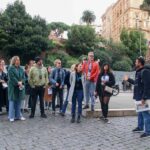
Your start time is 8:15 am, and you’ll meet at Via delle Terme di Tito, 75 (near the start area). You should arrive about 15 minutes early, and look for the staff holding the I Love Rome logo. If your tour date is Tuesday or Wednesday, the meeting point is Piazza del Risorgimento (Bar – Caffetteria L’Ottagono is about 400 meters from the Ottaviano Metro A stop).
Heads-up for 2025: from April 1, 2025, the meeting point shifts to Parco Colle OPPIO, inside the park at the corner of Via delle Terme di Tito and Via Nicola Salvi. If you’re traveling around with maps offline, save both locations now.
Security and timing can cause delays—especially around the Vatican. Your best move is simple:
- Go early (really early)
- Bring a bag that fits the rules (more on that below)
- Have your documents ready so the line doesn’t turn into a scavenger hunt
Also, you must present a valid passport or ID document that matches the full names provided at booking. Rome is strict here. If names don’t match, entry can fail.
And if you have a pacemaker, you’ll need a certificate for screening. That’s the kind of detail that can derail a day if you forget it.
Dress code and bag rules: save yourself the last-minute stress
Both the Colosseum area and the Vatican require basic common sense, but the Vatican is stricter. For religious sites, avoid sleeveless blouses, miniskirts, shorts, and hats. If you’re unsure, bring a light layer you can toss on quickly.
Bag rules are important because:
- At the Vatican cloakroom, items larger than 40 x 35 x 15 cm must be stored.
- Prohibited items include suitcases, large bags, umbrellas, tripods, and signage.
- Shoulder bags up to 15 cm wide are allowed.
At the Colosseum, there’s no cloakroom. Bulky bags, trolleys, and glass bottles aren’t allowed. So if you want a low-stress day, bring a small crossbody or daypack you can keep with you.
A practical tip: wear comfortable shoes. You’ll be on stone, uneven pavement, and museum floors where standing still is basically part of the job.
Stop 1: The Colosseum and Flavian Amphitheater (what your time is really for)
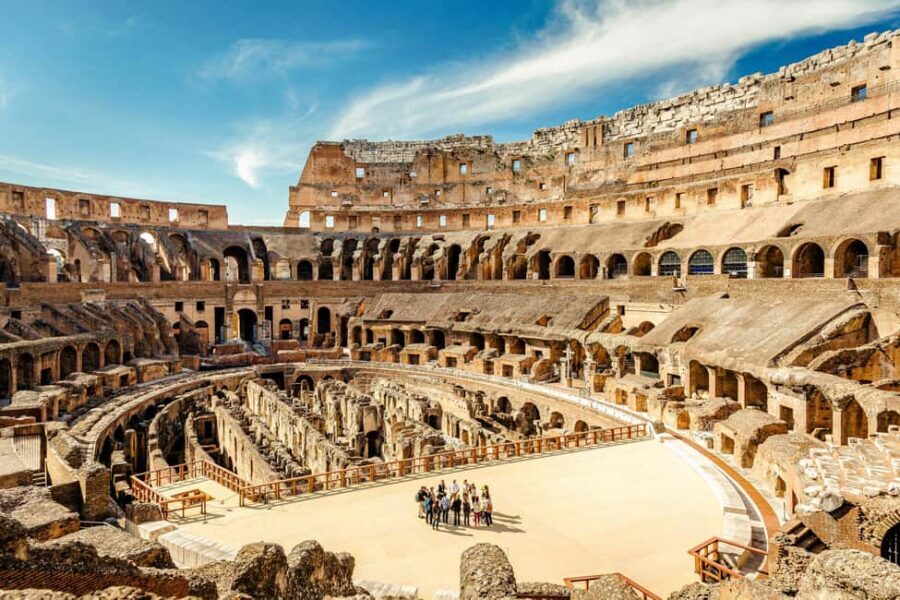
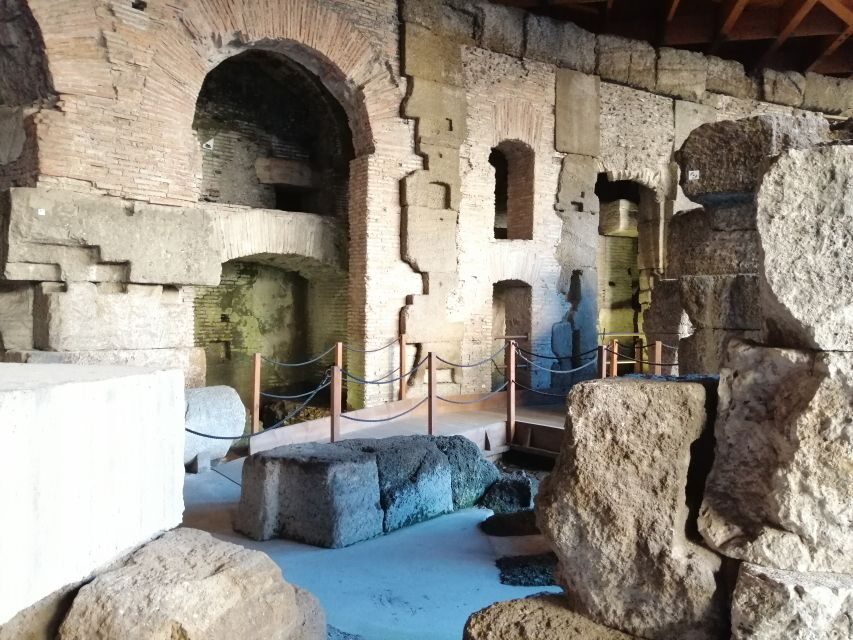
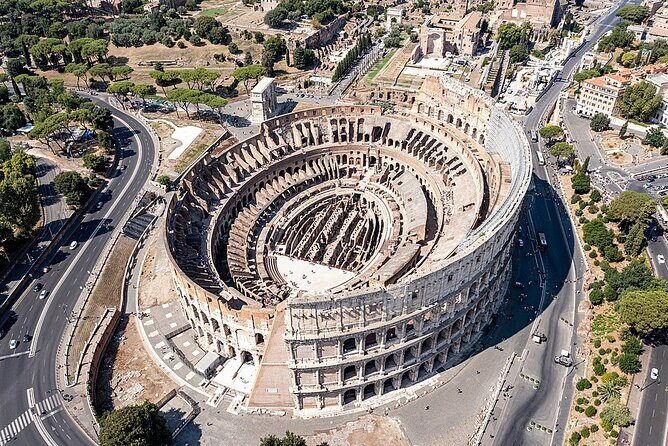
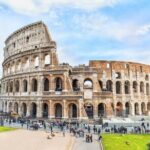
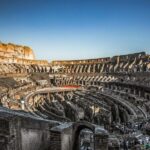
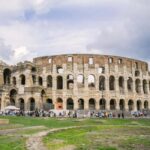
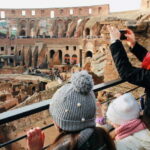
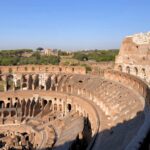
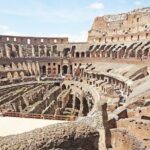
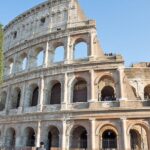
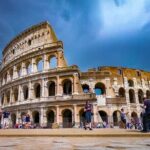
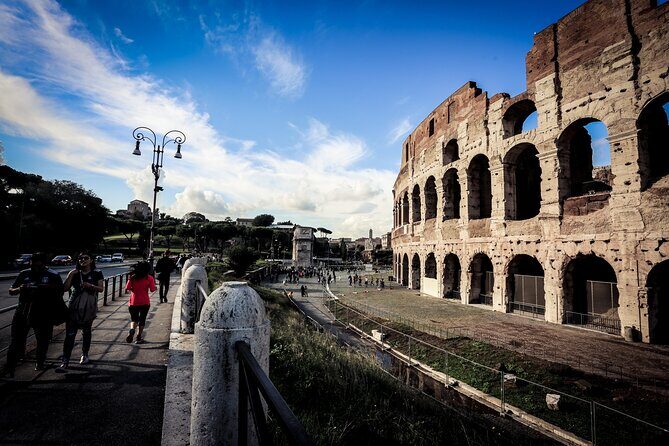
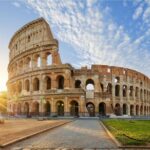
You’ll spend about 1 hour at the Colosseum, and the admission ticket is included. This is the part of the day where you get the big visual punch: the Flavian Amphitheater in front of you, with enough context from the guide that it stops being just an impressive ruin.
Also note the ticket detail: the Colosseum entrance ticket is valued at €18 per person, or €24 per person if arena access is included. The experience will include whichever access level your ticket covers, but the exact areas you can enter can vary by ticket type. Your guide will help you understand what you’re allowed to do once you’re there.
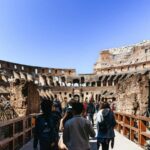
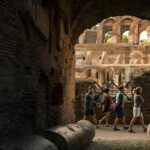
Why the guided format helps here: the Colosseum is huge, and without structure you can end up walking circles. With a professional guide and a small group, you tend to hit the key viewpoints and features more efficiently.
One drawback to expect: with any timed-entry Colosseum visit, your movement is partly shaped by the crowd flow and security checks. That’s normal. The best you can do is keep your pace with the group and let the guide lead.
Stop 2 and 3: The Roman Forum and Palatine Hill in bite-sized stops
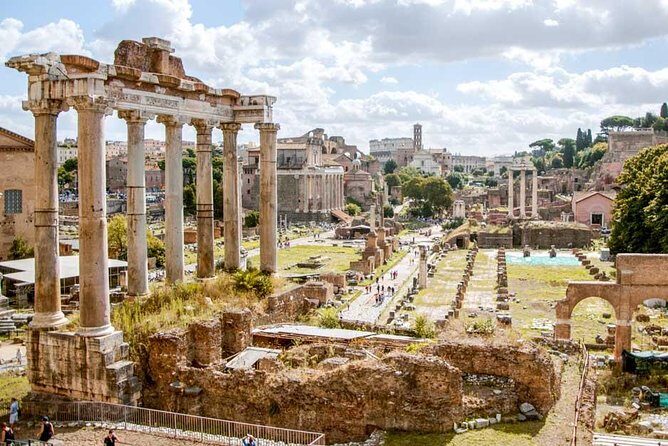
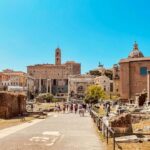
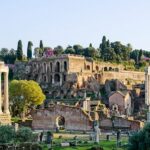
Next comes the Roman Forum for about 30 minutes, then Palatine Hill for about 30 minutes. These stops feel short on paper, but that’s part of the value: you get a guided “what am I looking at?” overview without losing half a day wandering.
The Roman Forum is where you connect the dots. It’s not one building—it’s an area full of ruins. A good guide turns that into a story you can follow: what the space was used for, how it fit into the city, and why people cared about it. Even if you’ve seen photos, the scale hits differently when you’re standing there.
Palatine Hill gives you that second kind of payoff: perspective. It’s a hill that makes sense of how Rome developed across different elevations and neighborhoods. You’ll likely get the sense of why people saw these spots as power centers, not just scenery.
One consideration: because this is a walking-and-standing day in historic terrain, it’s geared toward moderate physical fitness. If you have mobility issues, take that seriously. Even when it’s manageable, Roman streets and inclines can slow you down, and you don’t want to be the reason the group keeps stopping.
A few more Rome tours and experiences worth a look

Stop 4 and 5: Sistine Chapel (brief) and Vatican Museums (the longer focus)
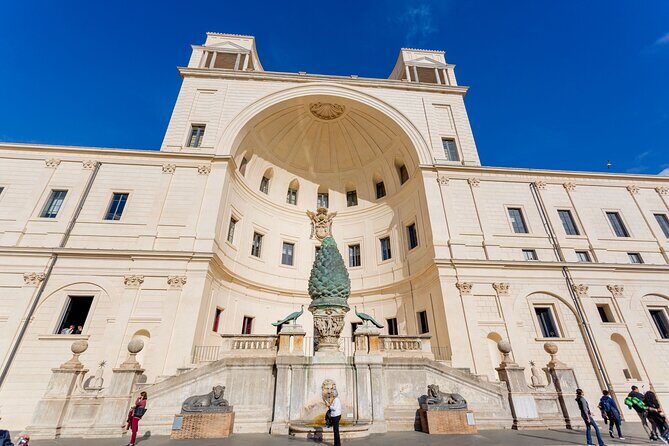
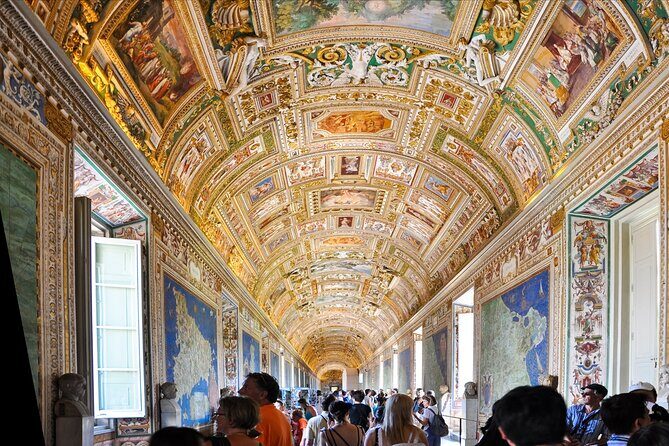
At the Vatican, you get time for the big two: the Sistine Chapel and the Vatican Museums. The Sistine Chapel stop is about 10 minutes, and the Vatican Museums portion is about 2 hours.
This division matters. The Museums take up most of the time because there’s more ground to cover. You’ll walk through multiple galleries with the guide shaping what you notice. Then you get a short, concentrated window in the Sistine Chapel to see Michelangelo’s Last Judgment.
Ten minutes sounds brief, but it also keeps you from doing the usual tourist thing—staring at the ceiling so long you can’t remember what you saw. If you want this to land emotionally, arrive with a simple plan. Decide what you’re trying to see in the Sistine Chapel, then let the guide’s framing do the rest.
A major rule: Vatican entry requires escort by the assigned guide. If you opt out, you forfeit tour rights and tickets with no refunds. So when the group moves, you move.
Also, Vatican closures can happen suddenly because it’s an active place of worship. During the Jubilee Year, some areas of the Vatican Museums may become inaccessible due to religious ceremonies. These are beyond control, and you should be mentally ready for a plan adjustment.
And if the Sistine Chapel isn’t accessible for reasons beyond control, there’s no partial refund. That’s the risk you take by booking a tour that includes that stop.
Guide quality is the difference between good and great
This kind of itinerary lives or dies on the guide. And you can feel it in the pattern from real experiences: the Colosseum side often shines when the guide keeps the movement tight and the explanations focused, while the Vatican side can vary more depending on what the guide chooses to emphasize.
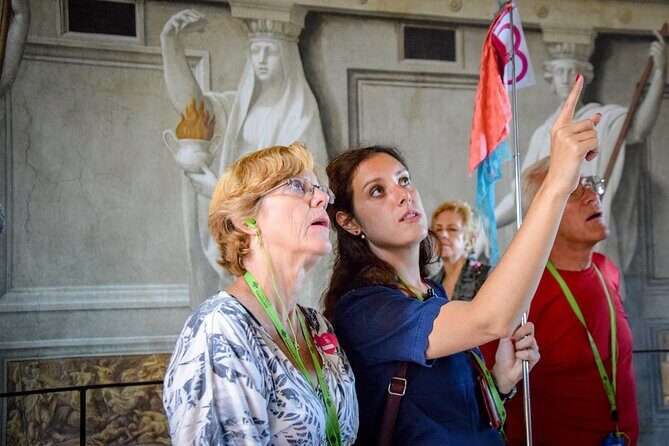
I’ve seen how much the audio headsets help. Because you’re not competing with street noise, the narration comes through cleanly. Wireless audio headsets included is a big deal at the Vatican, where you can easily get lost in the crowd.
As for the “who are the guides?” question: people have had stand-out experiences with names like Emanuele for the Colosseum, and Maria, Tahini, Rita, Roberta, Davide, Christina, Mun, and Carolina across the Vatican and/or Colosseum portions. If the operator offers any opportunity to request a guide by name at booking, it’s worth considering—just know guide assignments aren’t something you can always control.
The tour also requires you to stick with the guide throughout. That’s not just paperwork. It’s what protects the pacing, the ticket timing, and your access.
Price and value: why $410.07 can make sense here
At $410.07 per person, this isn’t a budget tour. But it is one of those pricier-but-practical purchases that can save time and confusion.
Here’s what you’re paying for, based on what’s included:
- Entrance to the Vatican Museums and Sistine Chapel
- A professional English-speaking guide
- Wireless audio headsets
- Colosseum entrance ticket (valued at €18 per person, or €24 if arena access is included)
- Colosseum reservation fee (valued at €2 per person)
The part that feels like the real value is not just admissions. It’s the machine that gets you there smoothly: guided pacing, timed entry setup, and the small group size that reduces the “wait and wonder” tax.
If you’re comfortable planning tickets yourself and you like museum wandering at your own pace, you might spend less doing it independently. But if you want Rome’s top sites turned into a coherent experience—especially the Vatican, where it’s easy to lose the thread—this price starts to look more reasonable.
Who should book, and who should think twice
This tour is a strong match if you:
- Want two major Roman icons covered efficiently
- Like expert guidance but don’t want to wrangle logistics all day
- Prefer small-group touring (max 10) with headsets so you can actually hear
You might want to think twice if you:
- Have significant mobility limitations. One experience noted a steep incline early on and tricky Roman roads.
- Get stressed by security and potential closures. The Vatican is run by rules that can change quickly.
- Need to bring items that conflict with bag policies. Colosseum has no cloakroom, and the Vatican cloakroom has strict limits.
If you’re traveling with a pacemaker, plan the certificate ahead of time. That’s an extra step, but it’s straightforward.
My decision guide: should you book this Colosseum and Vatican tour?
Book it if you want a guided, structured way to see the Colosseum area plus the Vatican Museums and Sistine Chapel without turning your trip into a ticket-planning project. The capped group size and wireless headsets make it feel more controlled than many big-name tours.
Consider booking a different style of experience if you hate fixed itineraries or you’re hoping for long, unhurried time in the Sistine Chapel. This one is built for efficiency. Ten minutes there is tight, and the Museums get the deeper allocation.
If the Vatican closures risk would ruin your day, you should also weigh that reality before committing. Rome can reroute plans fast, and the Sistine Chapel stop has strict refund terms if it becomes inaccessible.
FAQ
Is admission to the Vatican Museums and Sistine Chapel included?
Yes. Entrance to the Vatican Museums and the Sistine Chapel is included in the tour, and access to the Vatican Museums requires escort by the assigned guide.
How long is the tour, and how is it paced?
The duration is listed as about 6 hours. The tour is spread over two half-days, so you’ll cover the Colosseum-area highlights in one portion and the Vatican highlights in another.
What’s included besides the tickets?
You get a professional English-speaking guide, wireless audio headsets, the Colosseum entrance ticket, and the Colosseum reservation fee. Food and drinks are not included.
Do my travel documents need to match the booking names?
Yes. Each traveler must present a valid passport or ID document that matches the full name provided at booking for successful entry.
What should I wear for Vatican entry?
For religious sites, avoid sleeveless blouses, miniskirts, shorts, and hats. Dress in a way that keeps your shoulders and legs covered.
What happens if the Sistine Chapel is not accessible?
If the Sistine Chapel is not accessible for reasons beyond the tour’s control, no partial refund is provided.