REVIEW · ROME
Rome:Colosseum, Roman Forum & Palatine Hill Small Group Tour
Book on GetYourGuide →Operated by Loving Rome · Bookable on GetYourGuide
A three-site run through Rome’s biggest ruins sounds simple, but the timing and guidance matter. This small-group tour bundles the Colosseum, Roman Forum, and Palatine Hill into one tight 3-hour visit, so you’re not zigzagging across town trying to piece it together. I especially like how it focuses on the story behind the stones, from gladiator-era spectacle to everyday Roman power and routines.
Two other highlights are the practical skip-the-line entrance and the guide-led flow that keeps you moving while still making time to really look from different angles. One thing to consider: it’s not a sit-and-stroll tour—there are stairs (including to panoramic spots), and it isn’t set up for wheelchair users or major mobility limits.
In This Review
- Key things worth knowing before you go
- Why This Colosseum–Forum–Palatine Format Works
- Meeting Point and Timing: Start Like a Pro
- Entering the Colosseum: Gladiators, Design, and “Every Angle” Looking
- Roman Forum: Where Daily Life Met Power
- Palatine Hill: The Views Are Part of the Story
- What the Guide and Headsets Add (and What They Don’t)
- Price Check: Is $216.36 Worth It?
- Practical Tips That Make This 3-Hour Tour Feel Easier
- Who This Tour Best Fits
- Should You Book This Colosseum, Forum, and Palatine Tour?
- FAQ
- How long is the Rome: Colosseum, Roman Forum & Palatine Hill small group tour?
- When should I arrive for the meeting point?
- Where is the meeting point?
- How do I find the meeting point from the Colosseum Metro Station?
- Does the tour include headsets?
- Is arena floor access included?
- Is Colosseum underground access included?
- Is hotel pickup or drop-off included?
- What should I bring and wear?
- Is the tour suitable for wheelchair users or mobility impairments?
Key things worth knowing before you go
- Skip-the-line via a separate entrance helps you spend your time inside, not waiting outside with everyone else
- Headsets are included if needed, which is a big deal in noisy outdoor areas
- Exactly timed ticket entry means arriving on schedule matters
- Colosseum, Forum, and Palatine are guided in a clear storyline, not a stop-and-snap photo parade
- Panoramic views require stairs, so plan for the climb
Why This Colosseum–Forum–Palatine Format Works
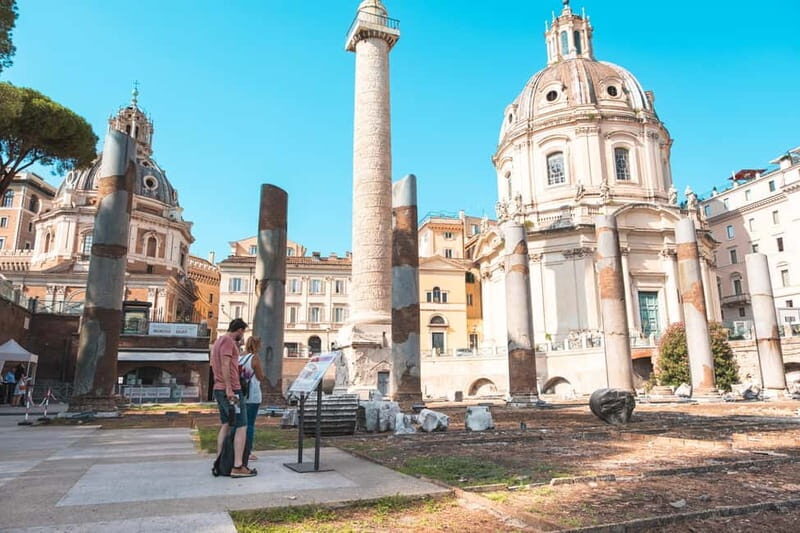
Ancient Rome hits you differently when you see the sites in the right order. This tour is built around that idea: you start with the grand theater of public life in the Colosseum, then shift to the political and commercial streets of the Roman Forum, and finish with the power-and-viewpoint setting of Palatine Hill.
I like the pacing because it avoids the classic problem: spending an hour at the first sight trying to figure out what you’re looking at, then rushing the rest. Here, the guide keeps the story moving so the ruins feel connected instead of like three separate ticket stubs.
Also, small-group touring tends to work better at these sites. It’s easier to hear explanations, and you’re more likely to be able to adjust your position when the guide points out specific architectural or historical details.
More Colosseum, Forum & Palatine combos for the Colosseum & Ancient Rome
Meeting Point and Timing: Start Like a Pro
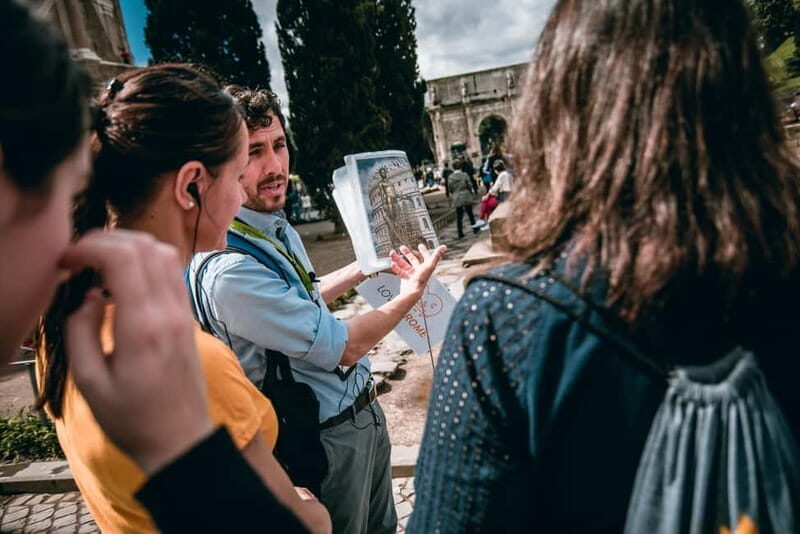
You’ll meet at Largo Gaetana Agnesi, 5. Plan to arrive 20 minutes early to exchange your voucher, since the tour is tied to a specific entrance time at the Colosseum.
Getting there is straightforward if you follow the route given: take the top-level exit from Colosseum Metro Station (Line B), cross the street, then walk toward the fountain on the other side. Look for staff holding a Loving Rome flag—this is your visual shortcut when streets look similar.
Two small realities to respect. First, security checks can create waiting time. Second, late arrivals or no-shows aren’t accommodated, and your entry ticket is only valid for the entrance time you selected.
Entering the Colosseum: Gladiators, Design, and “Every Angle” Looking

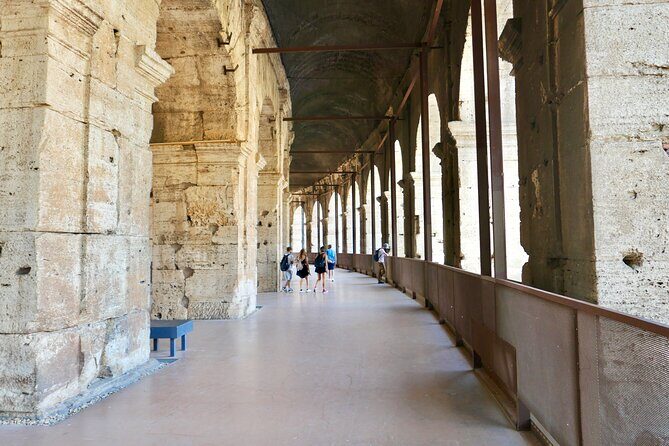
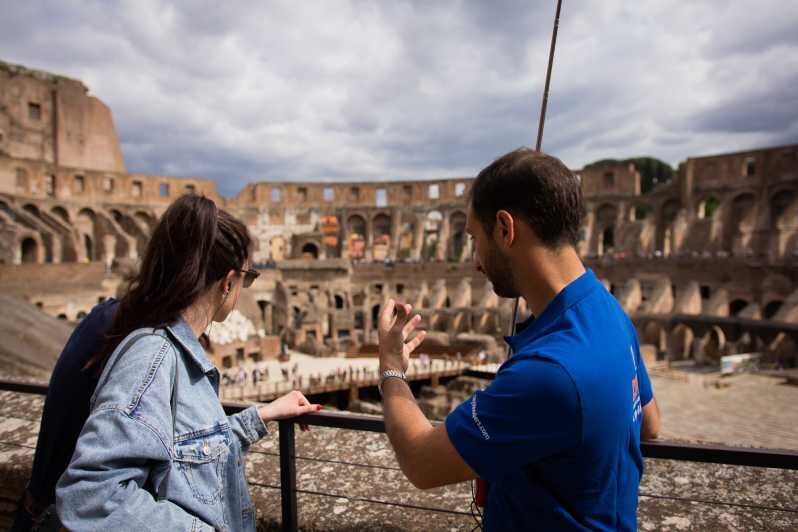
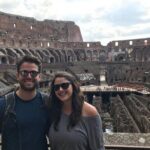
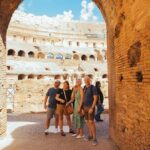
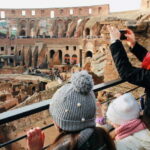
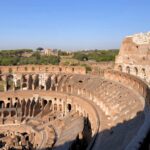
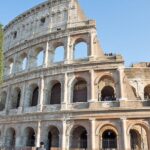
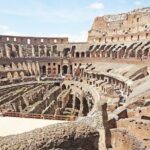
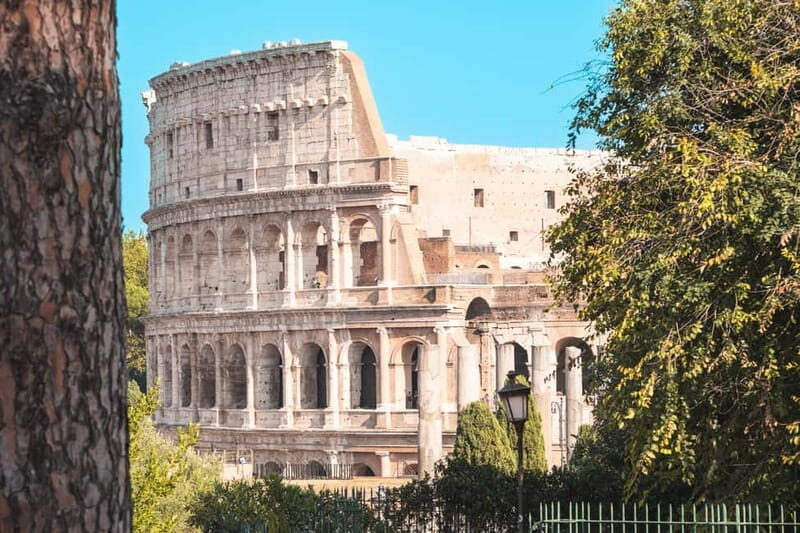
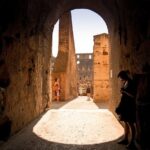
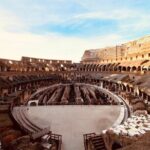
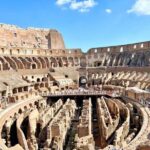
The tour’s first major stop is the Colosseum with a guided 1-hour visit. The big value here is that you’re not just standing in one spot. You move around enough to appreciate the scale and shape from different vantage points, which is the only way the Colosseum really makes sense.
You’ll hear it described as the Flavian Amphitheatre, and you’ll get the key context that it could hold around 50,000 spectators. That number sounds like trivia until you stand inside and realize the structure was built for mass crowd energy—sightlines, acoustics, and crowd flow all designed to keep attention on the arena.
One heads-up: the basic tour access includes the monument experience, but Arena Floor Access and Colosseum Underground Access are separate options. If you want to stand closer to the arena level or go underground, you’ll need to choose the upgrade (arena) where offered, because those areas aren’t automatically included.
If you come prepared for security and ticket checks, the Colosseum portion feels like the main event. If you’re late, it becomes stressful fast—so treat the start time like a train departure, not a casual plan.
Roman Forum: Where Daily Life Met Power
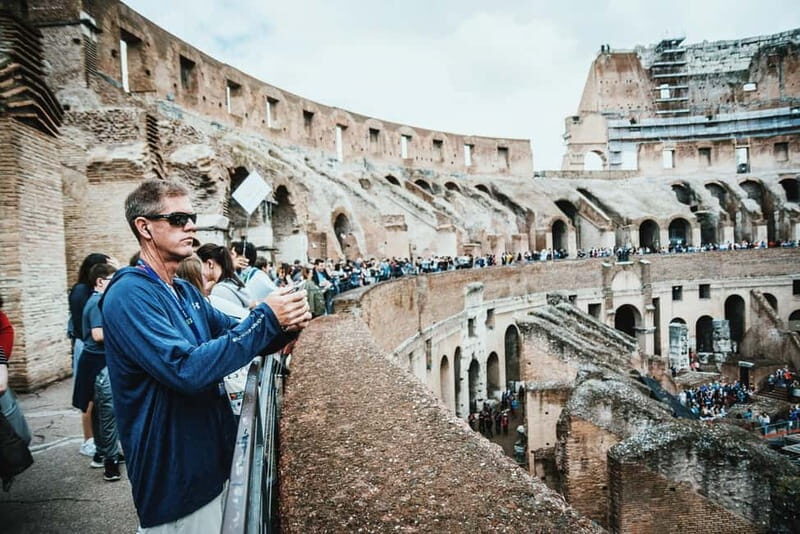
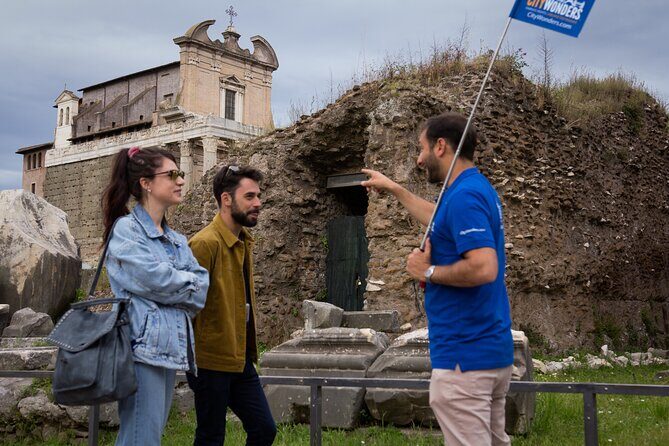
After the Colosseum, the tour shifts from spectacle to administration and routine. The Roman Forum stop is also a guided 1-hour visit, and that hour is where the ruins start to feel like a working city instead of a museum outdoors.
You’ll explore areas tied to government structures and public life, and the guide connects the dots between politics and the spaces where people actually moved through the city. The tour specifically highlights the Forum Magnum as well as the fact that it functioned as a market area, so you’re not only picturing officials making decisions—you’re also picturing vendors and crowds.
This is the point in the day where I’d expect a lot of people to get confused on their own. The Forum is spread out, and it’s easy to see stone fragments without understanding what they used to be. With a guide, those gaps get filled in with practical explanations—why this spot mattered, what kind of activity happened here, and how the layout served daily Rome.
A small planning note: this portion is still outdoors. Wear comfortable shoes and keep water in mind even though food and drinks aren’t allowed inside the monuments. You’re allowed to take breaks outside, but plan your comfort so you’re not hunting for shade while the group moves on.
Palatine Hill: The Views Are Part of the Story
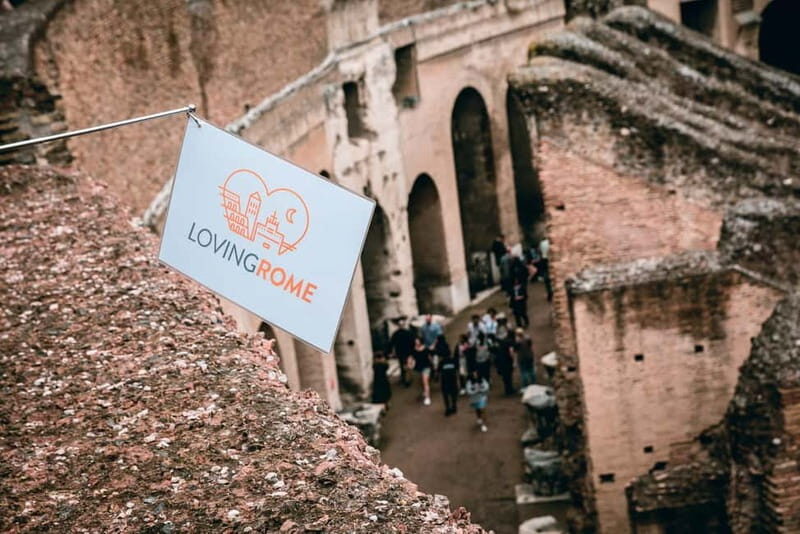
The final archaeological stop is Palatine Hill, guided for 1 hour. This hill matters because it’s both ancient and elevated—an ideal place to understand how elite power and city oversight blended.
You’ll learn Palatine Hill rises about 40 meters above the Roman Forum, which changes how you experience the space. Standing up here, you can see why it was attractive: you get height, presence, and the ability to look down over key areas of ancient Rome.
The tour also centers on panoramic views, including the Circus Maximus. Even if you’ve seen photos before, the view hits differently once you connect it to what Palatine represented. The ruins aren’t just scenic. They’re evidence of how ruling households wanted proximity to the city’s center while still maintaining separation and status.
Here’s the consideration: there’s a series of stairs to reach the panoramic viewpoints. This tour isn’t suited to people with mobility impairments or wheelchair users, and even for able walkers it’s worth budgeting energy for the climb.
More Roman Forum tours for the Colosseum & Ancient Rome

What the Guide and Headsets Add (and What They Don’t)
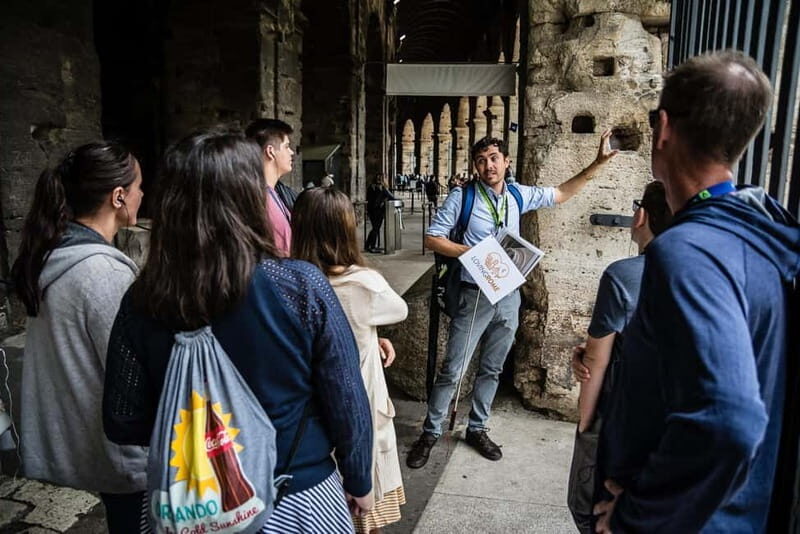
A lot of Colosseum tours promise history. This one focuses on a guided storyline across three sites, with an expert guide and headsets if needed. That headset detail sounds small until you’re in a group environment where people talk over each other. It helps you catch explanations without constantly turning your head or losing the thread.
In the guided time, you’re led through major highlights rather than being handed a map and left to guess. That matters at all three stops, but especially at the Forum and Palatine, where it’s easier to feel lost without interpretation.
What the tour doesn’t do is automatically take you into specialized areas like the arena floor or the underground. If those are must-dos for you, you’ll need to pick the relevant options in advance. Otherwise, the experience is centered on the main monument visit and the big-picture storytelling.
Also, the tour is strictly English language. If English isn’t your comfort zone, plan accordingly.
Price Check: Is $216.36 Worth It?
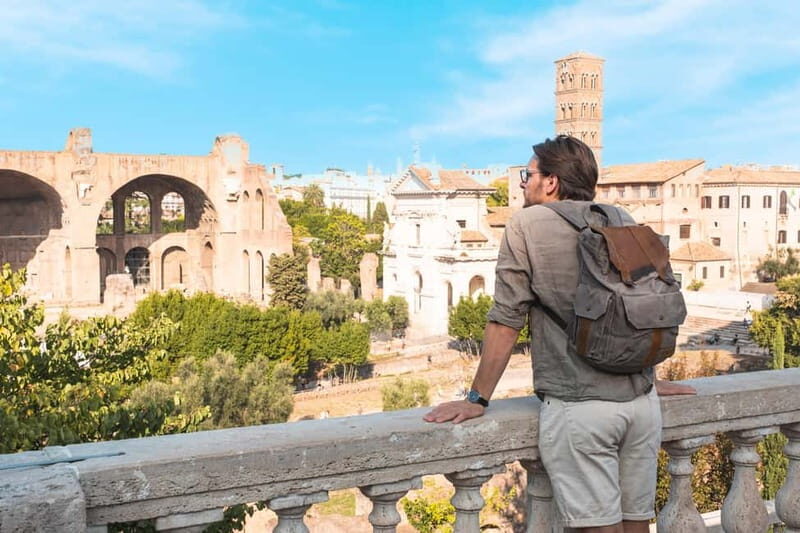
At $216.36 per person, this isn’t a budget outing. But it’s also not just a one-site ticket. You’re paying for the combination of:
- Guided access to three major archaeological areas
- Skip-the-line entry through a separate entrance
- Optional structure around ticketed entrance time windows
- Headsets if needed
- A small-group format designed to keep the pace manageable
If you were doing this on your own, you’d likely spend real time coordinating tickets, time slots, and finding a route that links the Colosseum, Forum, and Palatine efficiently. Here, that work is handled, and the guide helps you understand what you’re seeing during the short time you’re actually inside.
Where the price can feel less worth it is if you’re expecting deep specialization at one site. This is a “three icons in three hours” plan, not a slow-study day. If you want extended time at one location, you might feel a bit rushed. But if your goal is to see the essentials with a guide who connects them, it’s strong value for the total package.
Practical Tips That Make This 3-Hour Tour Feel Easier
A few details can make or break your comfort level at these sites.
First, bring the basics: passport or ID, comfortable shoes, and weather-appropriate clothing. The tour also suggests a sun hat, which is smart because you’ll be outside for long stretches.
Second, follow the strict rules on what you can’t bring. No backpacks or large bags is a common annoyance at busy attractions, and you’ll also want to skip tripods, glass objects, and luggage. Leave slippers, sandals, and flip-flops at home, because they’re explicitly prohibited.
Third, don’t plan to eat during monument time. Food and drinks aren’t allowed inside the monuments, so you’ll want to handle snacks before or after the tour window.
Finally, energy matters more than people expect. You’re doing multiple guided stops, plus stair climbs for panoramic points. If you pace yourself—slow, steady, no sprinting between stops—you’ll enjoy it more.
Who This Tour Best Fits
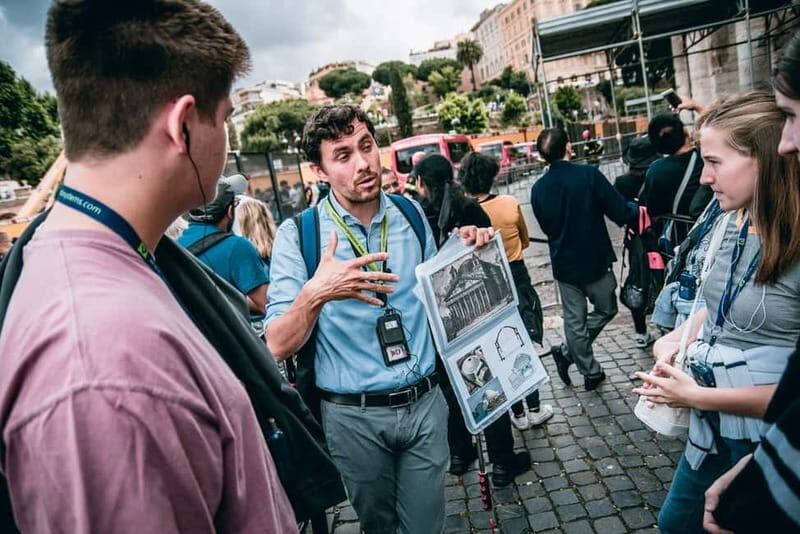
This tour is a strong match if you want the “big three” of ancient Rome in one organized run and you prefer interpretation over guessing.
It’s especially good for:
- First-time visitors who want a guided storyline across Colosseum → Forum → Palatine
- People who don’t want to wrestle with routes and time slots
- Anyone who appreciates hearing why certain spots mattered, not just what they look like
It’s not a fit if:
- You have mobility limitations or rely on a wheelchair, since it’s not suitable
- You’re determined to access the arena floor or go underground without an upgrade (those aren’t automatically included)
- You’re planning to linger for long photo sessions in one area, since the structure is built for three stops in about 3 hours
Should You Book This Colosseum, Forum, and Palatine Tour?
I’d book it if you want a practical, guided way to see Rome’s core ancient sites without losing time figuring things out. The skip-the-line entrance, the small-group format, and the fact that it’s guided across all three locations are the real reasons this tour works.
I’d think twice if you’re someone who needs a low-activity pace or you’re sensitive to stairs and security checks. This tour asks you to walk, climb, and keep moving on schedule.
If your priority is getting the essentials with context, this is a solid choice. It’s not trying to be a long academic seminar, and that’s a plus for most visitors—because you’ll leave with a clearer mental map of ancient Rome, not just a pile of photos.
FAQ
How long is the Rome: Colosseum, Roman Forum & Palatine Hill small group tour?
The tour lasts about 3 hours.
When should I arrive for the meeting point?
You should arrive at the meeting point to exchange your voucher about 20 minutes before the activity starts.
Where is the meeting point?
The meeting point is at Largo Gaetana Agnesi, 5.
How do I find the meeting point from the Colosseum Metro Station?
Take the top-level exit from Colosseum Metro Station (Line B), cross the street, and walk toward the fountain on the other side. Look for staff holding a Loving Rome flag.
Does the tour include headsets?
Yes. Headsets are included if needed.
Is arena floor access included?
Arena floor access is not automatically included. It’s only included if an arena option is selected.
Is Colosseum underground access included?
No, underground access is not included.
Is hotel pickup or drop-off included?
No. Hotel pickup and drop-off are not included.
What should I bring and wear?
Bring your passport or ID card and wear comfortable shoes. The tour also suggests a sun hat and weather-appropriate clothing. A camera can also be useful.
Is the tour suitable for wheelchair users or mobility impairments?
No. It is not suitable for people with mobility impairments or wheelchair users.