REVIEW · COLOSSEUM
Rome: Private Golf Cart Tour with Driver
Book on GetYourGuide →Operated by Kirba Tours · Bookable on GetYourGuide
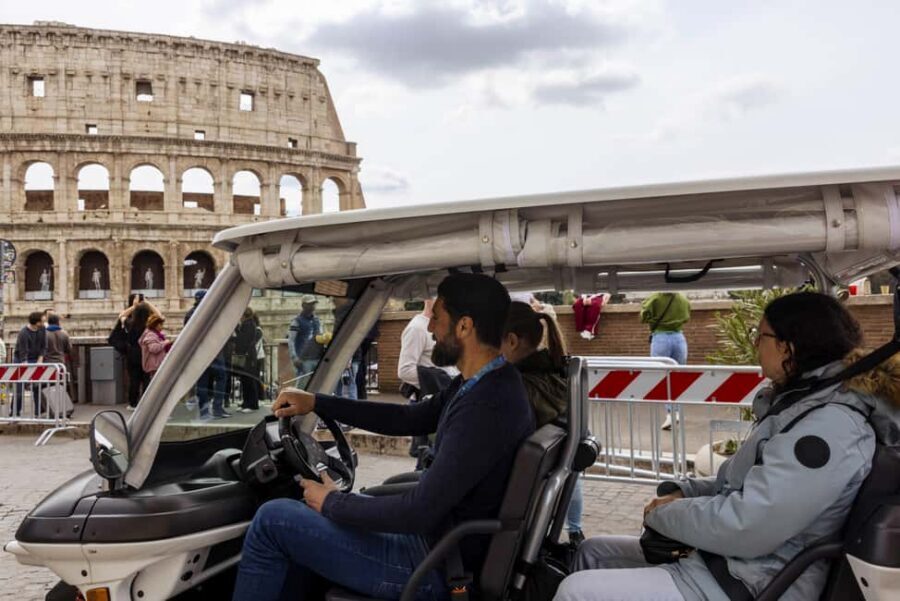
Rome looks different when you take the car lane. A private electric golf cart tour keeps things quiet and zero-emission, while your driver builds in photo stops and quick walks so you see more without burning your legs out.
I also like that this is genuinely flexible: you can choose the longer route for major landmarks or the shorter one that leans toward panoramic terraces. The main catch is that many stops are designed for photos and brief wandering, so if you want to linger or go deep inside attractions, you’ll likely need extra time and tickets.
In This Review
- Key Highlights at a Glance
- Electric and Quiet: Why This Cart Tour Works in Rome
- Two Tour Lengths: 2.5 Hours vs 3.5 Hours (What Changes)
- Pickup, Driver Sign, and How the Private Format Feels
- Stop 1: Starting in Rome and Settling In
- Colosseum Photo Stop: Fast Context, Big Impressions
- Roman Forum Photo Stop: Picture the City’s Center
- Circus Maximus: Wide Views Without the Walk
- Giardino degli Aranci: Orange-Grove Views and a Breather
- Trastevere Photo Stop: A Taste of the Neighborhood Feel
- Church of Santa Cecilia: Quick Stop, Worth Seeing
- Fontana dell’Acqua Paola: A Cooler Change of Pace
- Janiculum Hill: The Terrace Moment That Really Lands
- Trevi Fountain: Icon, Photo Time, and Practical Expectations
- Palazzo del Quirinale: Finishing at a Place of Power
- What You Really Get for $71.37 Per Person
- Who Should Book This Golf Cart Tour (and Who Might Not)
- Should You Book This Rome Private Golf Cart Tour?
- FAQ
- How long is the Rome private golf cart tour?
- What major sights are included?
- Do I pay entrance fees for attractions on this tour?
- Is this tour private or shared?
- What language will the driver speak?
- Is pickup available at my hotel?
- Is the tour wheelchair accessible?
- Is there a seat for children under 12?
- What’s the cancellation policy?
Key Highlights at a Glance
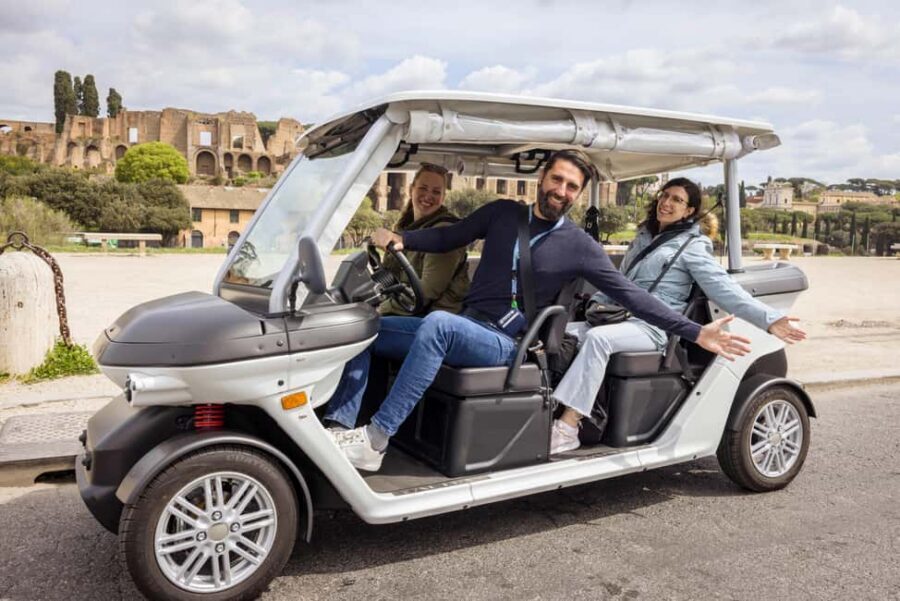
- Electric, silent rides through Rome with bottled water on board
- Photo stops plus short walks so you get context, not just drive-bys
- Two route lengths: a longer iconic-sights loop or a shorter terrace-focused option
- Private group touring with a driver in English, Italian, or Spanish
- Local route planning with streets and shortcuts to fit more into limited time
Electric and Quiet: Why This Cart Tour Works in Rome
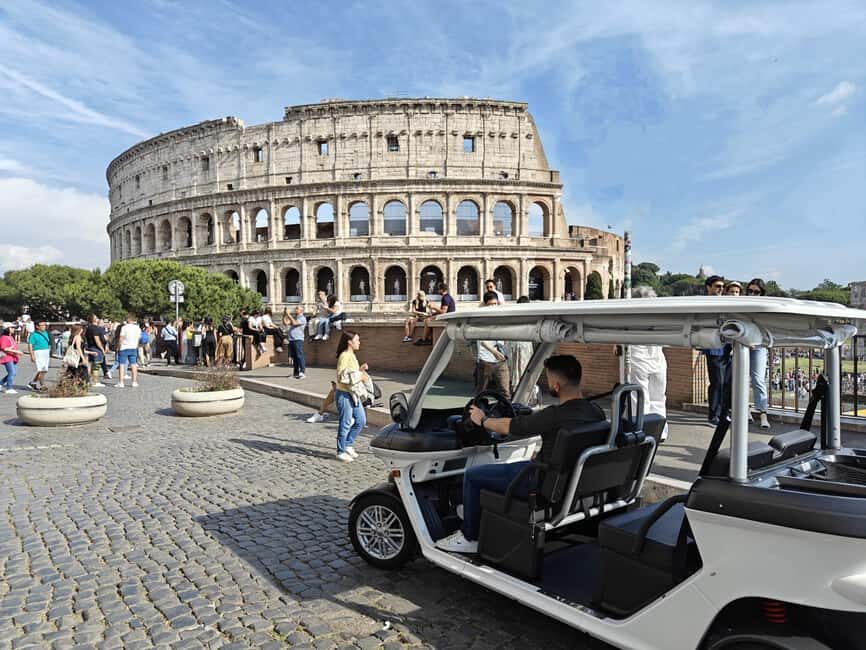
Rome is a city built for walking, but not every day gives you that kind of energy. This tour is built for the middle ground: you still stop and look, but the cart does the heavy lifting between sights. The electric cart also means a calmer ride through traffic-heavy areas. You hear your surroundings more clearly, and the whole experience feels less frantic than bouncing from one taxi point to another.
You also get a driver who handles navigation. That sounds basic, but in Rome it matters. Getting from the Colosseum area toward Trastevere or over to the Janiculum can swallow time if you’re juggling buses, rideshares, and crosswalk timing. Here, you’re paying for convenience that’s real—especially if you’re traveling with anyone who has limited mobility or just wants to keep the day enjoyable.
Other private tours in Colosseum
Two Tour Lengths: 2.5 Hours vs 3.5 Hours (What Changes)
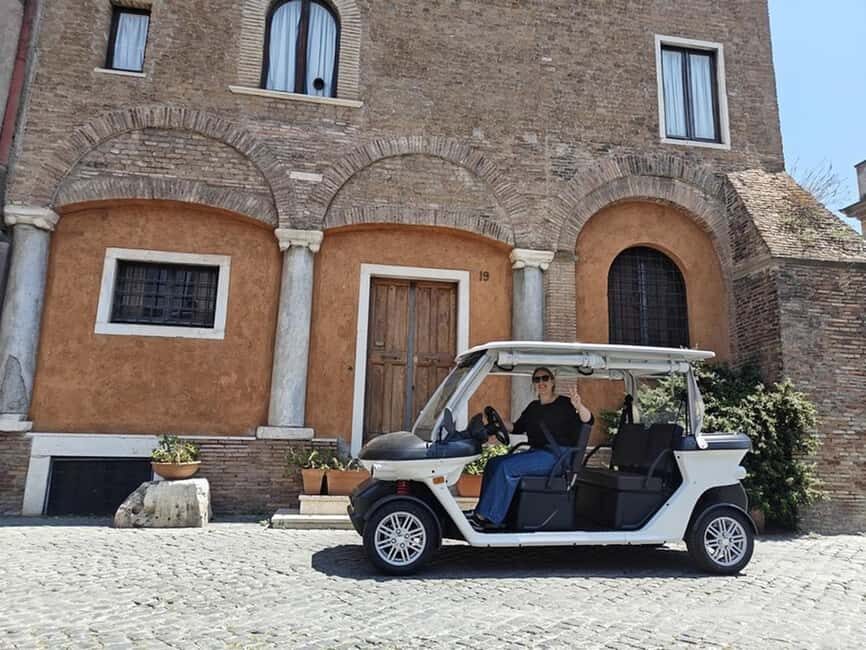
The big choice is time. The 2.5-hour option is designed around panoramic terraces—so you spend more of the tour on viewpoints and skyline moments, with less time on some of the deeper landmark areas. In the longer route, those viewpoints are still in the mix, but the emphasis shifts toward famous monuments.
The 3.5-hour complete tour is built to hit major names like the Colosseum, Trevi Fountain, Pantheon, and Circus Maximus. Even when you’re not entering everything, this kind of route helps you place the city on your mental map fast. You’re not guessing where things are in relation to each other—you’re seeing them in a logical flow.
One practical note: both options include multiple stops for photos and short walks. That’s great for getting your bearings, but it also means you’re moving through the highlights rather than treating the day like a slow museum marathon.
Pickup, Driver Sign, and How the Private Format Feels
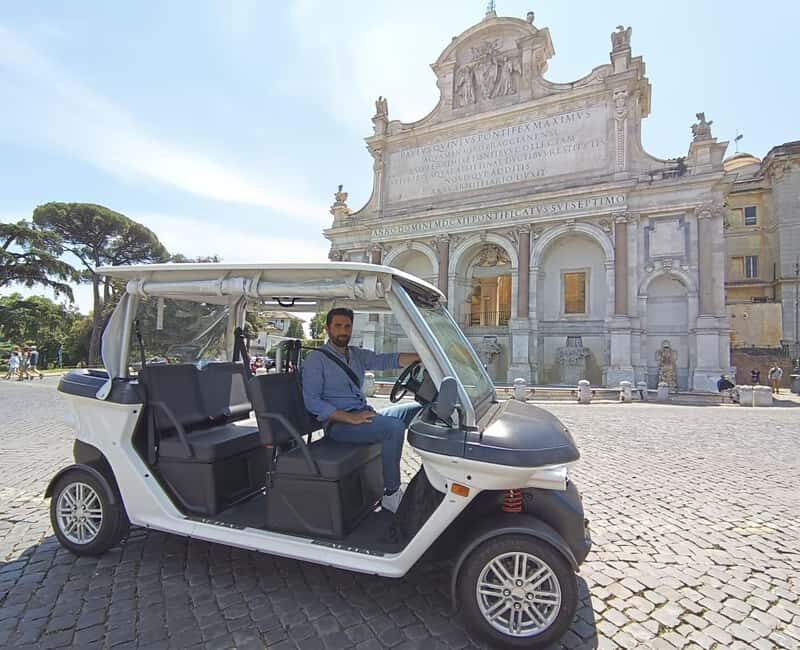
This is a private group, so you’re not sharing a cart with strangers or getting rushed to accommodate other people’s pace. Pickup is generally possible at hotels within the city center, but it’s worth confirming ahead. On the day of the tour, the driver has a sign or a flag with Kirba Tours written on it—handy when you’re scanning the street for your ride.
The driver speaks English, Italian, and Spanish, which makes a real difference when you’re asking follow-up questions. And the tour is customized based on your preferences and interests, so you’re not locked into a rigid script.
This is also wheelchair accessible. If you’re booking for a child under 12, you’ll want to share the child’s age and height, since current regulations require a seat suitable for their size.
Stop 1: Starting in Rome and Settling In
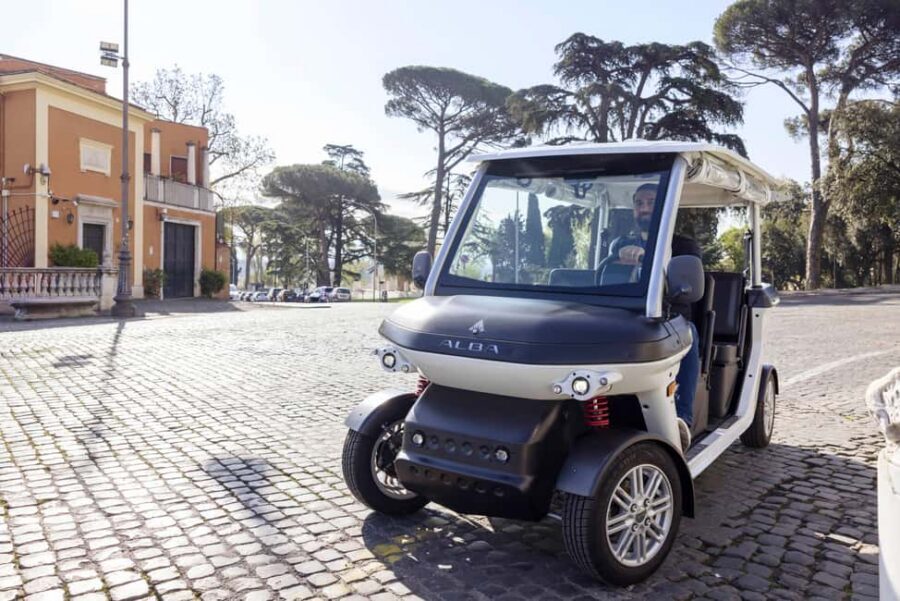
You begin with pickup in Rome, then a short transfer ride that essentially gets you oriented. That first stretch sets the tone: you’re not waiting around, and you’re not spending the early part of your day figuring out transport logistics. You’re already moving toward the sights, which helps a lot if you only have one shot at a “see Rome” day.
Colosseum Photo Stop: Fast Context, Big Impressions
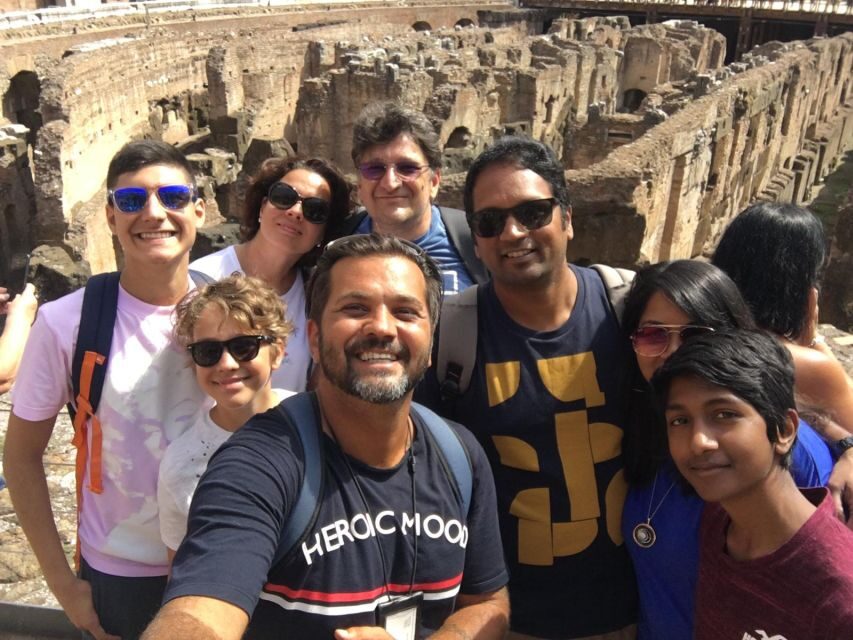
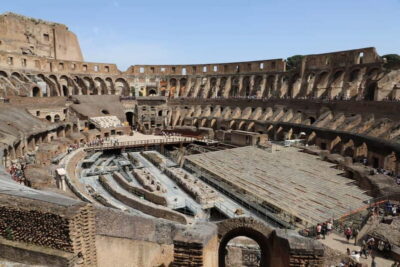
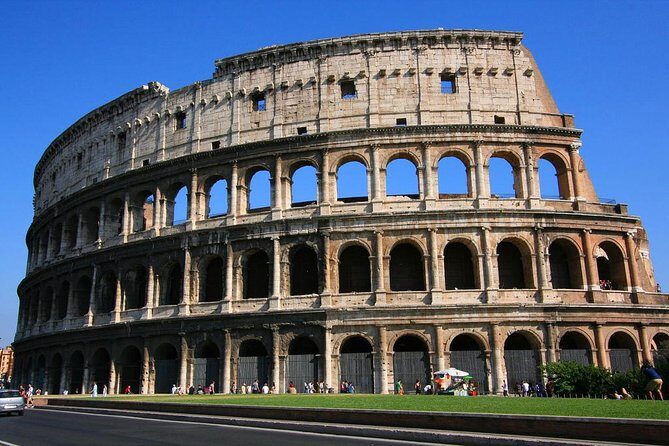
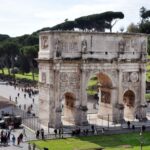
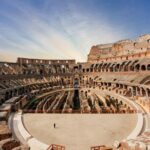
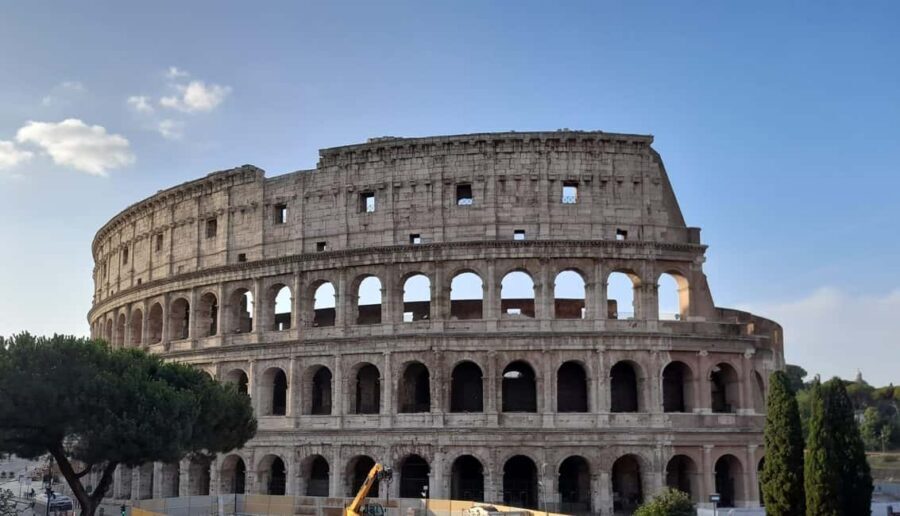
The first major sightseeing stop is the Colosseum area, with a photo stop around 20 minutes. For many people, that’s the sweet spot: long enough to photograph from a couple of angles, short enough that you don’t feel like you’re stuck in a line or trapped inside the idea of a single monument.
Here’s what I’d pay attention to during this stop: the surrounding streets and vantage points. Even if you don’t go inside, seeing the Colosseum from the outside with your driver guiding the timing helps you understand why this complex sits at the center of Rome’s ancient “triangle” of sights.
Important reality check: entrance fees to attractions are not included unless specified. So if your dream includes going into the Colosseum or doing timed entry for the Forum sites, plan for that separately.

Roman Forum Photo Stop: Picture the City’s Center

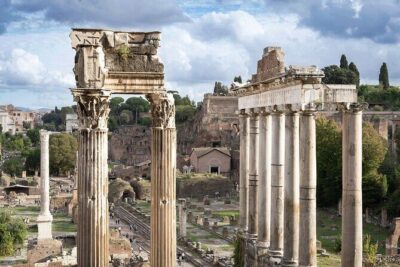
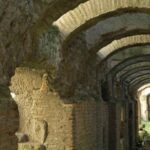
Next up is the Roman Forum, also with a photo stop of about 20 minutes. This is where the cart format helps. The Forum area is compact but easy to misread if you’re walking without context. With a driver mapping what you’re looking at, you’re more likely to connect the dots between ruins and the way the space once functioned.
A short walk here gives you enough time to look, take photos, and understand the scale. But again, if you want to move slowly through every corner, you’ll need more time than a photo stop allows.
Circus Maximus: Wide Views Without the Walk
The tour then heads to Circus Maximus for a short photo stop (around 10 minutes). This site is less about close-up details and more about getting a feel for the space. From here, you can picture how crowds once moved through long, open areas—something that’s harder to imagine if you’re rushing past or only seeing it from one angle.
The upside of the cart in this segment is simple: you’re using time efficiently. You get the sight picture without turning the day into a long walking loop.
Giardino degli Aranci: Orange-Grove Views and a Breather
After the ancient-area stops, you switch tempo at Giardino degli Aranci (Garden of Oranges). You get a photo stop with a walk and scenic views, about 10 minutes. This is one of those moments that gives Rome breathing room. You’re up on a viewpoint, so the city spreads out instead of crowding in.
Even with a brief stop, this is valuable because viewpoints help you mentally stitch the day together. From a terrace like this, the route starts making sense: where Trastevere sits, how hills shape the skyline, and why certain places feel higher or more open than others.
Trastevere Photo Stop: A Taste of the Neighborhood Feel
Then comes Trastevere, with a photo stop (timed about 10 minutes). Trastevere is known for its lively streets and old-world vibe, and a short stop is the right format when your goal is variety. This is where you’ll likely notice the difference between Rome as a list of monuments and Rome as an actual neighborhood city.
You won’t get the hours-long wandering experience you’d get on a full neighborhood walk tour, but that’s the point. Here, you get enough of the mood to anchor your later memories and guide your next day on foot.
Church of Santa Cecilia: Quick Stop, Worth Seeing
The tour includes a photo stop at the Church of Santa Cecilia (about 10 minutes). This stop is smaller in scale compared with the Colosseum, but it breaks up the day nicely and adds depth. Churches like this are part of Rome’s everyday landscape, not just tourism backdrops.
Because the tour is focused on movement and photo time, you should treat this as a “spot it, look closely, take your picture” stop. If you want longer quiet time inside, you’d need additional time on your own.
Fontana dell’Acqua Paola: A Cooler Change of Pace
Next is Fontana dell’Acqua Paola, with a photo stop around 10 minutes. Fountains are one of Rome’s easiest wins for a cart tour: they’re visually strong, often located in approachable spaces, and you don’t need long entry procedures to get value from the stop.
This stop also helps balance the earlier ancient sights with something more urban and decorative. It changes the feel of the day without requiring a major time investment.
Janiculum Hill: The Terrace Moment That Really Lands
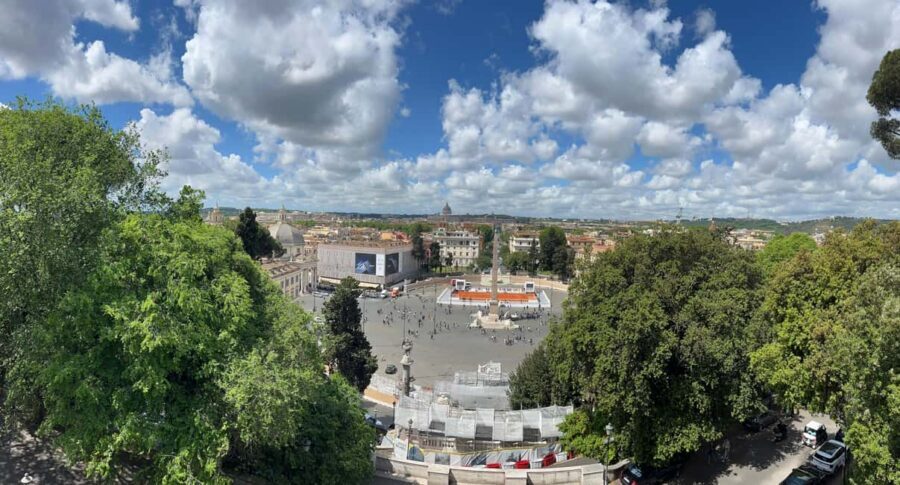
The tour then reaches Janiculum Hill, with a photo stop around 30 minutes. That longer time block is telling. The hill viewpoint is where the terrace concept becomes real, not just a marketing idea.
This is the part I’d use to slow down. Take a few minutes, let your eyes travel across the skyline, and then look again. From hills like this, Rome stops looking like isolated landmarks and starts looking like a connected city shaped by elevations, rivers, and layered neighborhoods.
If you’re doing the shorter route focused on panoramic terraces, this stop is exactly the kind of moment that makes the shorter option feel worth it.
Trevi Fountain: Icon, Photo Time, and Practical Expectations
Then you arrive at Trevi Fountain, again with a photo stop around 10 minutes. Trevi is famous for a reason, and in a short-stop format you’re mainly there for the experience of seeing it in person and getting photos that do justice to its scale.
Here’s the practical advice: don’t expect this to feel like private time. Plan to be efficient with your photos so you don’t lose your whole tour vibe waiting around. You’re still getting the iconic anchor of the day, which helps your Rome memories feel complete.
Palazzo del Quirinale: Finishing at a Place of Power
The tour ends at Palazzo del Quirinale for a photo stop. This is a fitting closer. It shifts you from “ancient ruins and fountains” into the world of government and official Rome, which is a reminder that the city keeps running, day after day, centuries after those stones first went in.
Then you return to Rome.
What You Really Get for $71.37 Per Person
At $71.37 per person, you’re paying for a specific mix: private cart transport, a driver, local route planning, and time-saving between sights. The bottled water is a small touch, but it’s one of those details that matters when you’re outdoors and moving between areas.
What’s not included is equally important. Entrance fees to attractions aren’t included (unless a specific activity is stated separately). Meals and personal purchases are also on you, and transportation to the meeting point isn’t included. So think of this as a “smart transport and sightseeing routing” purchase, not an all-inclusive museum day.
The value is highest when:
- you’re short on time and want a strong first overview
- you don’t want long uphill or high-walk days
- you’d rather spend your energy looking than navigating
Who Should Book This Golf Cart Tour (and Who Might Not)
This tour fits best if you want Rome highlights without turning the day into a workout. It’s also great for couples, families with kids who need breaks, and anyone staying in the city center who wants pickup convenience.
It might feel less perfect if you’re the type who wants to spend real time inside major sites, read every sign, or slow down for neighborhood wandering. Since many stops are photo-focused, you’ll likely want to pair this with at least one separate day of on-foot exploring afterward.
Should You Book This Rome Private Golf Cart Tour?
If you’re trying to see Rome’s biggest icons plus a couple of viewpoints without wasting hours on transit, I’d say yes. The private electric cart setup makes the day feel manageable, and the route style—built around photo stops, quick walks, and driver navigation—helps you get a coherent sense of the city fast.
Book it especially if you like the idea of getting your photos and orientation early, then spending later time choosing your own pace. If your dream day is long museum time and lots of interior exploring, you’ll need extra time and tickets beyond this tour.
FAQ
How long is the Rome private golf cart tour?
The tour duration is listed as 2.5 to 3.5 hours. Starting times vary, so you’ll need to check availability for the exact schedule.
What major sights are included?
For the longer option, the tour description mentions landmarks such as the Colosseum, Trevi Fountain, Pantheon, and Circus Maximus. The itinerary also includes stops like Roman Forum, Trastevere, Church of Santa Cecilia, Fontana dell’Acqua Paola, Janiculum Hill, Trevi Fountain, and Palazzo del Quirinale.
Do I pay entrance fees for attractions on this tour?
Entrance fees to attractions are not included unless specified. Meals and beverages are also not included unless specified.
Is this tour private or shared?
It’s a private group tour, meaning it’s not a shared group with strangers.
What language will the driver speak?
The driver speaks English, Italian, or Spanish.
Is pickup available at my hotel?
Pickup is generally possible at hotels within the city center, but you should contact to verify. The provider will reconfirm your pick-up location before the tour.
Is the tour wheelchair accessible?
Yes, the tour is wheelchair accessible. Mention it when booking.
Is there a seat for children under 12?
If you’re booking for a child under 12, you’ll need to tell the provider the child’s age and height, since regulations require a seat suitable for their age.
What’s the cancellation policy?
You can cancel up to 24 hours in advance for a full refund.