REVIEW · ROME
From Colosseum Gladiators to Via Sacra: Rome’s Historic Heart
Book on Viator →Operated by TRIP ROMA SERVICE AGENCY · Bookable on Viator
Your Rome day starts in gladiator mode. This guided route strings together the Colosseum, Palatine Hill, and the Roman Forum with skip-the-line entry and time-efficient explanations. One big win: you get down to the Colosseum arena floor, where the gladiators actually fought.
I also like how the tour connects monuments to everyday Roman life—politics, public speeches, and processions along the Via Sacra—so you’re not just looking at stones. A possible drawback is sound: if you’re sensitive to audio quality, plan to stand where you can hear best, since some past guests reported microphone issues.
In This Review
- Key Things to Know Before You Go
- Why This Rome Historic-Heart Route Makes Sense
- Entering The Colosseum Arena Floor (Skip the Line Included)
- Palatine Hill: Rome’s Oldest Stories and Sacred Ground
- Via Sacra and the Roman Forum Power Centers
- How the Guide Shapes the Whole Experience (and What to Expect)
- Price and Value: What $160.22 Covers (and Why It’s Not Just a Ticket)
- Timing, Meeting Point, and Day Planning That Actually Helps
- Who This Tour Suits Best (and Who Should Skip)
- Should You Book This Tour?
- FAQ
- How long is the tour?
- What sites does the tour cover?
- Does the tour include skip-the-line access and arena entry?
- Is this a private tour?
- Where does the tour start and end?
- What do I need to bring for entry?
- Is food or drinks included?
- Is the tour refundable if I cancel?
Key Things to Know Before You Go
- Arena floor access in the Colosseum, not just the upper seating
- Skip-the-line entry plus included tickets for the main sites
- A tight three-stop route: Colosseum → Palatine Hill → Roman Forum / Via Sacra
- Via Sacra focus on triumphs and processions, with practical context as you walk
- Shared group size up to about 25, so expect standing and moving in sync
Why This Rome Historic-Heart Route Makes Sense
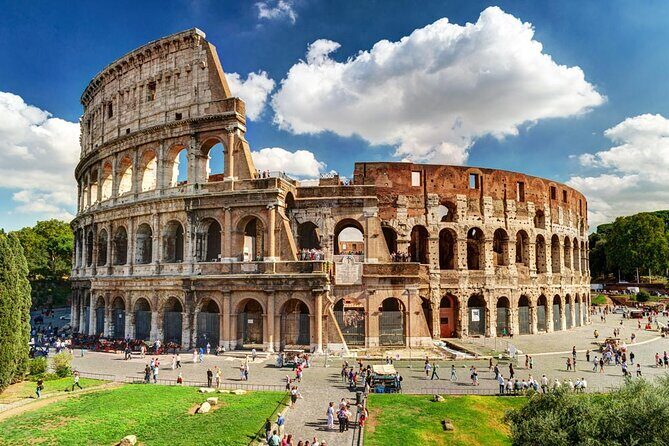
Rome can be overwhelming fast. Too many visitors try to cram everything in with zero structure, then wonder why they’ve seen plenty of walls but learned almost nothing. This tour is designed to give you a guided backbone for three of the city’s most important areas: the Colosseum, the Palatine Hill, and the Roman Forum complex.
The timing also matters. At about three hours, it’s long enough to make real sense of the site layout, but short enough that you can still have energy left for gelato, a late lunch, and wandering on your own afterward. Morning and afternoon departures help you match it to your overall schedule, especially if you’re trying not to burn your entire day on one attraction.
And the format is simple: a live guide talks as you move between landmarks. You’re not stuck staring at a map. You’re following a route that helps you understand where power sat, where crowds gathered, and where stories about Rome’s beginnings were placed.
Other historical tours in Rome
Entering The Colosseum Arena Floor (Skip the Line Included)
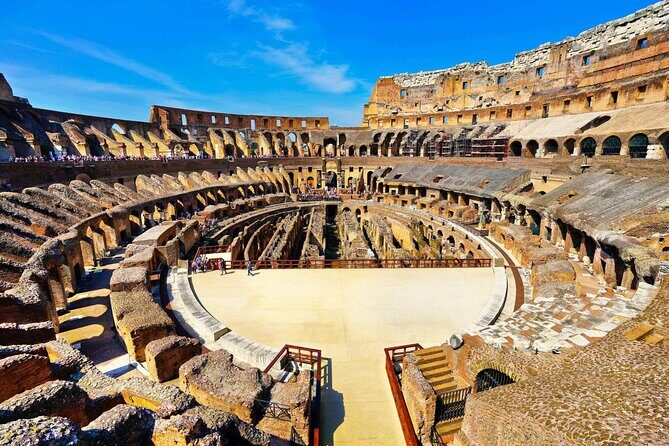
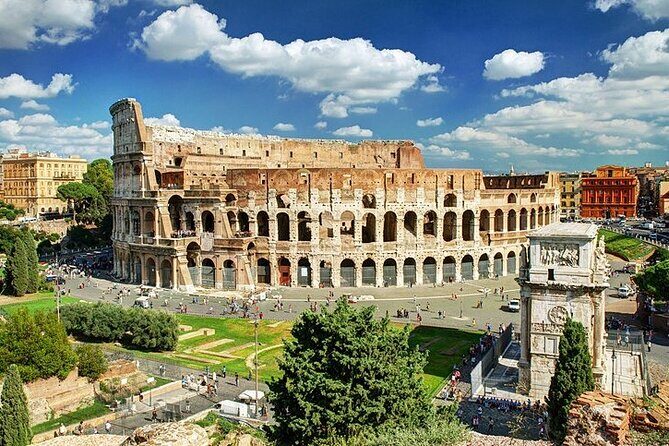
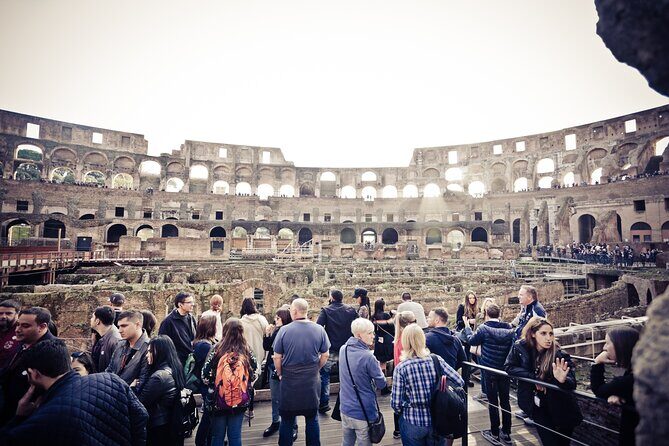
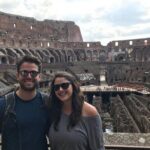
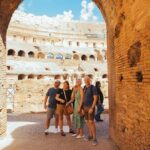
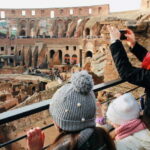
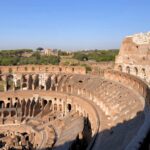
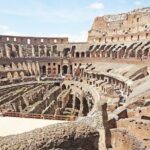
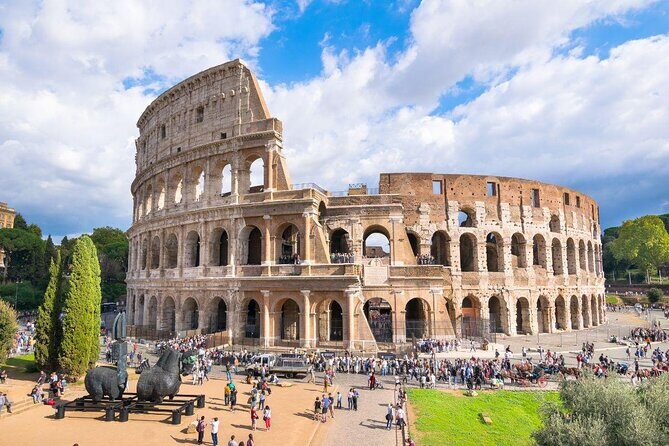
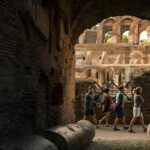
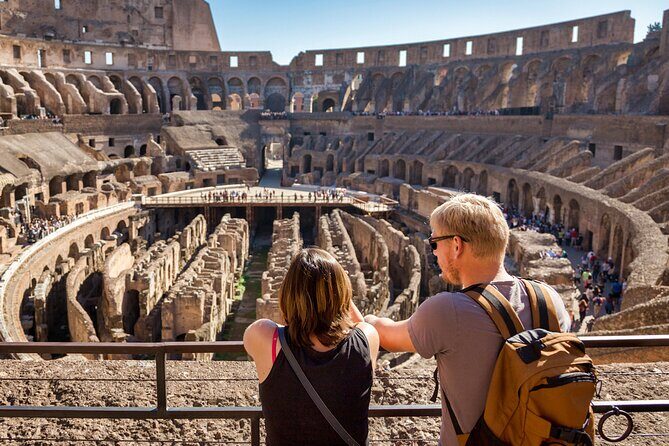
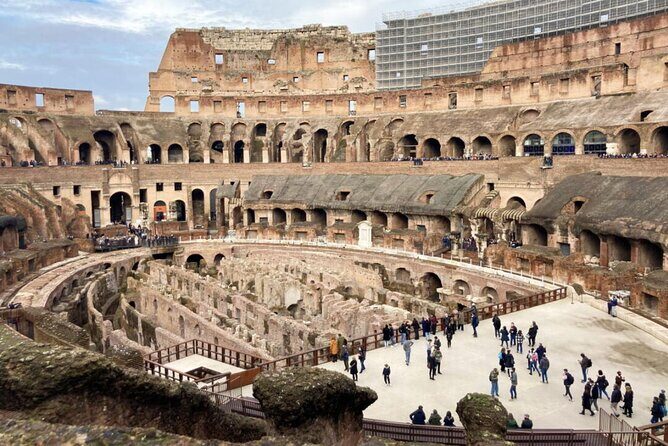
The Colosseum is famous for a reason, but the scale can still hit you in the chest. This tour aims to put you where most people never stand: the arena area, the performance space where gladiators fought and where spectacle was the whole point.
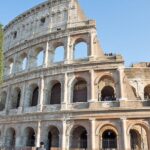
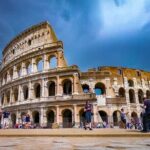
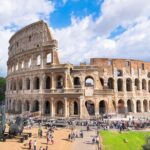
What I like about this is the “before vs. after” feeling. From the outside, the Colosseum looks massive. From the arena floor, you start getting the geometry: how entrances and sightlines worked, and how the building was built to funnel attention toward the action. It’s not just wow-factor. It’s perspective.
You also get skip-the-line entry. In peak season, that’s the difference between spending your visit watching other people’s lines and actually starting your tour on time. The tour includes entrance fees to the Colosseum, plus access to the arena floor, which helps justify the price because you’re not paying each ticket separately on top of the guide fee.
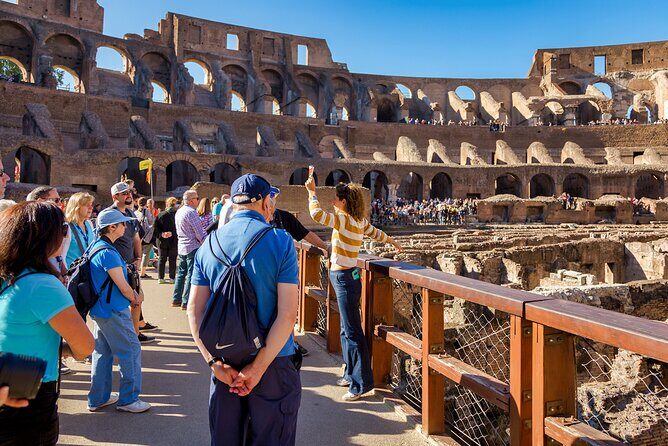
One practical note: arena-time is also the area where nerves can kick in. It’s crowded, and you may spend time standing. If you’ve got mobility limits, plan for a lot of movement around major sites in a short window.
Palatine Hill: Rome’s Oldest Stories and Sacred Ground
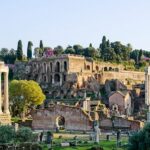
After the Colosseum, the route shifts into the place Romans associated with origin myths and the earliest past. Palatine Hill is one of the Seven Hills, and it carries that “where it all began” energy. The guide doesn’t treat it like a viewpoint only. Instead, you connect the hill to the stories and sacred associations Romans attached to it.
Before you even reach the hill, you pass major triumphal landmarks, including the Arch of Constantine. The arch is still standing, and the artwork and reliefs matter because they show how Rome used public art as political messaging. You also move near the Arch of Titus and then start the climb toward Palatine.
This part of the tour is where the experience becomes more than photo stops. You learn why Palatine wasn’t just prime real estate for elites—it was also tied to meaning. That matters because it changes how you read the ruins. You stop thinking only about “what fell” and start noticing “what was meant to impress people.”
Expect standing and walking on uneven ancient surfaces. It’s manageable for most people, but it’s not a sit-everywhere kind of visit.
Via Sacra and the Roman Forum Power Centers
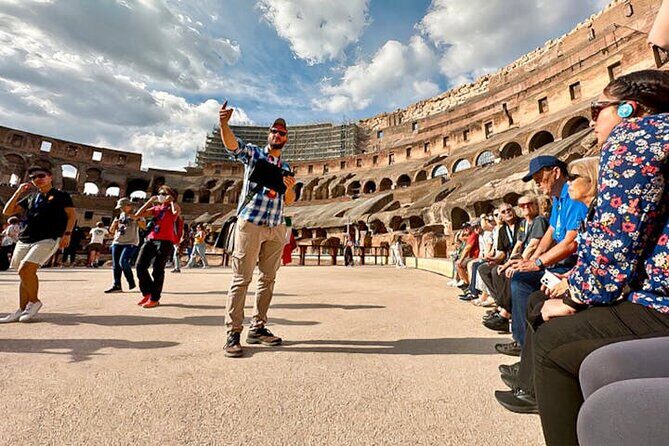
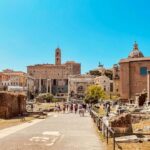
When the tour drops down toward the Roman Forum area, it’s like the city’s political engine comes into focus. The Forum, together with the Imperial Forums area, functioned as the heart of monumental Rome. This section is all about how public life worked—who spoke, where decisions were made, and how ceremonies turned politics into spectacle.
A key moment is following the Via Sacra, the road tied to processions and triumphs. The guide uses that route to explain what Rome did with ceremonies. You’ll hear how these walks through the city weren’t random parades. They were public theater meant to reinforce authority and shape opinion.
You also get pointed guidance through major Forum spaces and buildings, including the Curia, described as the official seat of Roman senators and noted for how much has come down to us intact. You’ll also hear about the tribunes of the rostrums—where speeches got heated—and about a rally area used in election activity for magistrates. The tour connects each place to the kind of political drama that made Rome run.
And yes, there are triumphal arches too, and they’re not just pretty stone. They’re part of how Rome recorded victories and told people what to think about power.
If you love politics, architecture, and the way propaganda works, this section is the payoff. If you just want quick sightseeing, it can feel like “another set of ruins.” But with a good guide, it turns into an organized story.
How the Guide Shapes the Whole Experience (and What to Expect)
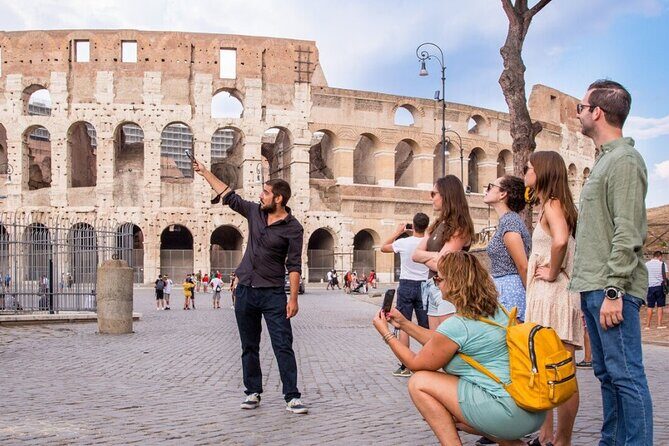
This tour lives or dies by your guide. And you can’t ignore that people do notice.
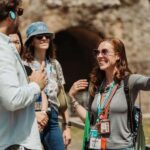
One standout example from past experiences: Sandra earned strong praise for being thorough, well spoken, and attentive to the group. That’s exactly what you want on a three-hour route, where you’re moving fast and relying on the guide to connect what you’re seeing.
At the same time, there’s a real-world caution: one prior guest reported that microphone pickup made it hard to hear at times. If audio is a dealbreaker for you, don’t just hope for the best. Choose a spot closer to the guide when you can, especially at stops. Also keep your expectations realistic: this is an outdoor walk with lots of ambient noise, so you may need a little extra focus during the quiet explanation moments.
Group size is another factor. This is not private, with a group that can be up to about 25 people. That means the guide has to manage a pack, and you’ll likely pause often to let everyone get oriented. It can be tiring, but it’s usually how shared tours stay on schedule.

Price and Value: What $160.22 Covers (and Why It’s Not Just a Ticket)
Let’s talk money plainly. The price is $160.22 per person, for about three hours. That’s not cheap for a “walk and talk,” but the structure here helps justify it.
You’re paying for a live guide plus skip-the-line Colosseum entrance. On top of that, the tour includes entrance tickets for the Colosseum, the Palatine Hill, and the Roman Forum, and importantly, it includes the Colosseum arena floor access.
If you tried to do this on your own without timed tickets, you’d likely spend time juggling separate entries and dealing with different lines for different areas. Here, the tour bundles the practical parts. The guide also saves you the mental work of figuring out what matters first—because in the Colosseum-Forum zone, there’s a lot to see, and it’s easy to wander without a point.
So the value case is strongest if:
- You want arena floor access without extra ticket stress
- You want someone to explain what you’re looking at as you walk
- You’re trying to cover multiple major sites in a short window
It’s less strong if:
- You dislike walking and standing a lot in a condensed time frame
- You already know the basics and prefer a more self-paced museum style visit
Timing, Meeting Point, and Day Planning That Actually Helps
The tour starts at Via di S. Giovanni in Laterano, 14, 00184 Roma RM, Italy and ends back at the meeting point. It’s a convenient setup because you can plan the rest of your day without needing complicated transport choreography right after.
It’s also good to know the tour is scheduled in morning or afternoon times, so you can choose what fits your energy level. If you’re the type who does better earlier, pick the morning slot. If you’d rather let your day build a little first, the afternoon option can feel easier.
Also, the tour uses a mobile ticket. That matters because it reduces friction at check-in. You still need to bring your ID because entry into major sites requires matching documents.
One more planning tip: this tour is shared and can involve up to around 25 participants. That makes it wise not to stack multiple tours tightly on the same day. You’ll spend plenty of time outdoors, and it’s better to keep some breathing room afterward.
Who This Tour Suits Best (and Who Should Skip)
This experience is a great match if you want the highest-impact “Rome heart” route in a controlled amount of time. It’s especially good for first-timers who want the Colosseum and Forum, but also want more meaning than captions.
You’ll likely enjoy it most if you:
- Want a guided explanation of Via Sacra processions and Roman political life
- Care about seeing the arena floor, not just the stadium exterior view
- Prefer a route with structure rather than bouncing between ticket booths alone
You might want to look for a different format if you:
- Struggle to hear in noisy environments (possible microphone issues have been reported)
- Prefer slow strolling with lots of independent exploring
- Don’t want the stop-and-stand rhythm that comes with a guided group
Should You Book This Tour?
Yes, I’d book it if you’re aiming for maximum payoff in a short Rome window. The combination of skip-the-line entry, included tickets, and Colosseum arena floor access turns it from a generic sightseeing loop into a more specific experience. Add Palatine Hill and the Forum’s political core, and you get a clean “Rome system” story rather than random ruins.
If you know you’re very sensitive to audio quality or you hate standing, treat it as a watch-your-spot-and-position kind of tour. Otherwise, it’s a strong use of time—and a smart way to get your bearings fast in one of Rome’s busiest ancient zones.
FAQ
How long is the tour?
It lasts about 3 hours.
What sites does the tour cover?
You’ll visit the Colosseum, Palatine Hill, and the Roman Forum area, including Via Sacra.
Does the tour include skip-the-line access and arena entry?
Yes. It includes skip-the-line Colosseum entrance and access that includes the Colosseum arena floor.
Is this a private tour?
No. It’s a shared tour with a group size that can be up to about 25 people.
Where does the tour start and end?
It starts at Via di S. Giovanni in Laterano, 14, 00184 Roma RM, Italy, and ends back at the same meeting point.
What do I need to bring for entry?
Each traveler must present a valid passport or identification document that matches the name provided at booking.
Is food or drinks included?
No. Food and drinks are not included.
Is the tour refundable if I cancel?
No. This experience is non-refundable and cannot be changed for any reason.