REVIEW · ROME
Colosseum, Vatican Museums and Sistine Chapel Guided Tour
Book on GetYourGuide →Operated by TICKETSTATION SRL · Bookable on GetYourGuide
Two giants, one well-planned route. This combo tour strings together skip-the-line entry to the Colosseum and the Vatican with an expert guide who turns ancient Rome and Vatican art into something you can actually follow, fast. I also like the pacing: you start with a Rome-focused multimedia video at the Touristation Aracoeli office, then move street-by-street through the ruins and galleries.
One thing to consider: timing and access rules are strict. The meeting point is not by the Colosseum, latecomers won’t be admitted, and the Vatican Museums can close sections (including the Sistine Chapel) without a refund. So you need to show up early and keep expectations aligned with this specific route.
In This Review
- Key highlights worth planning around
- The Touristation Aracoeli office and that 30-minute Ancient Rome video
- Roman Forum: politics, religion, law, and the daily city
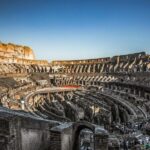
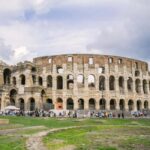
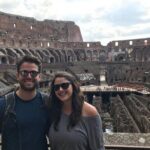
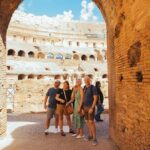
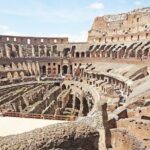
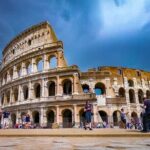
- Entering the Colosseum: engineering, power, and spectacle
- Skip-the-line tickets and what they can save you
- Vatican Museums in 3 hours: a route built for first-timers
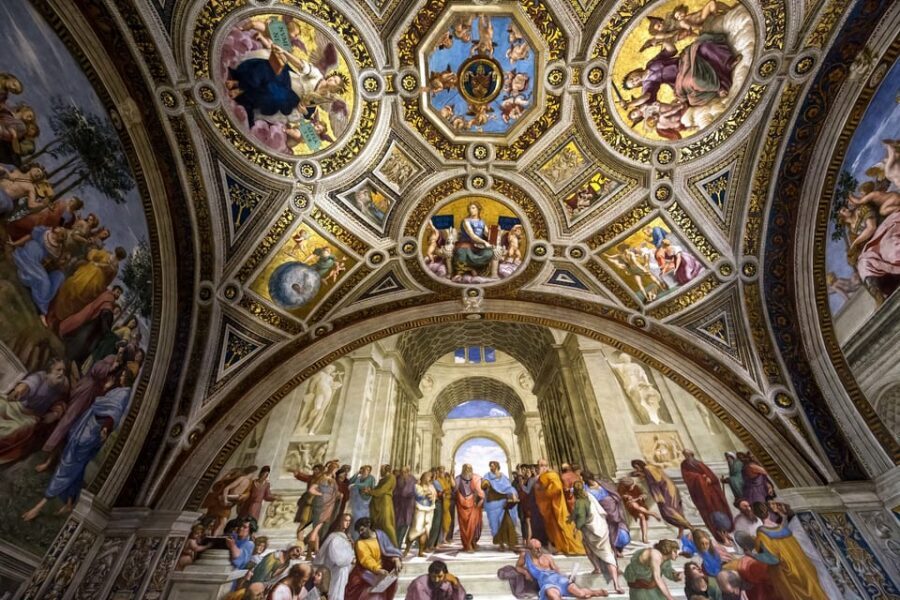
- The Borgia Apartments, Raphael, and the kind of art that needs a guide
- Sistine Chapel: standing inside Michelangelo’s Judgement Day
- What’s included, what’s not, and where costs really land
- Timing, ID rules, and the small details that can wreck a day
- Who should book this combined Colosseum and Vatican tour?
- Should you book it?
- FAQ
- Where do I meet for the Colosseum and Roman Forum part?
- How long is the tour, and how are the two days used?
- Is Palatine Hill included?
- What’s included for the Vatican Museums and Sistine Chapel day?
- What happens if the Vatican Museums or Sistine Chapel close?
- Do I need an ID or passport?
Key highlights worth planning around
- Touristation Aracoeli “Ancient Rome” video start: a 30-minute visual primer that helps you read what you’re seeing
- Roman Forum + Via Sacra route: you don’t just look; you get the political and everyday context (Curia, Temple of Saturn, Arch of Septimius Severus)
- Colosseum explanation that connects to spectacle: gladiators, naval battles, animal hunts, and why it lasted up to 100 days
- Vatican Museums in a focused 3-hour guided path: Egyptian, Etruscan, Greco-Roman, Renaissance, and more
- Borgia Apartments + Raphael and the Gallery of Maps: the kind of stops that usually swallow a whole day alone
- Sistine Chapel time under Michelangelo: you’ll be guided to what matters once you’re inside
The Touristation Aracoeli office and that 30-minute Ancient Rome video
Most Rome tours start with chaos: meet here, walk there, fight the crowd, try to remember what you read in a book. This one starts smarter.
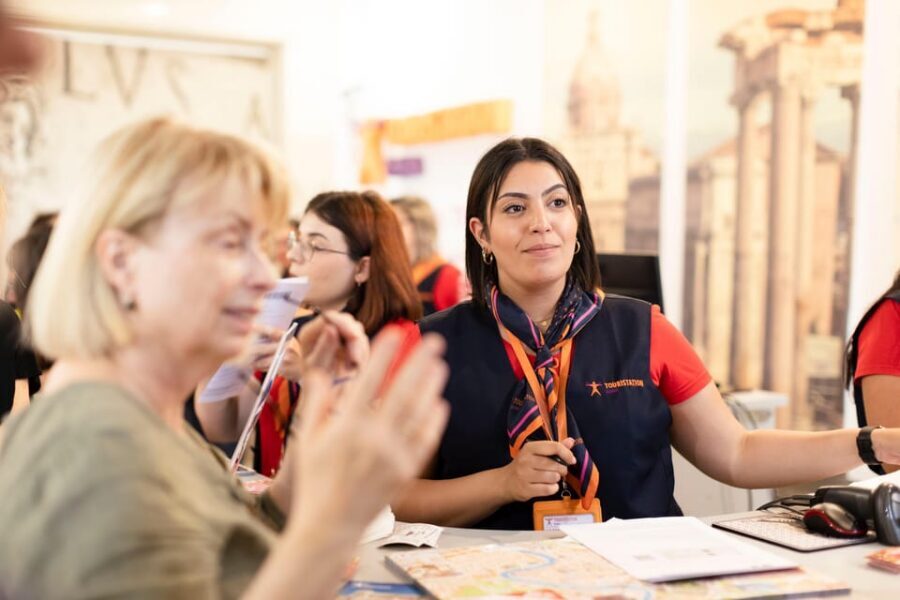
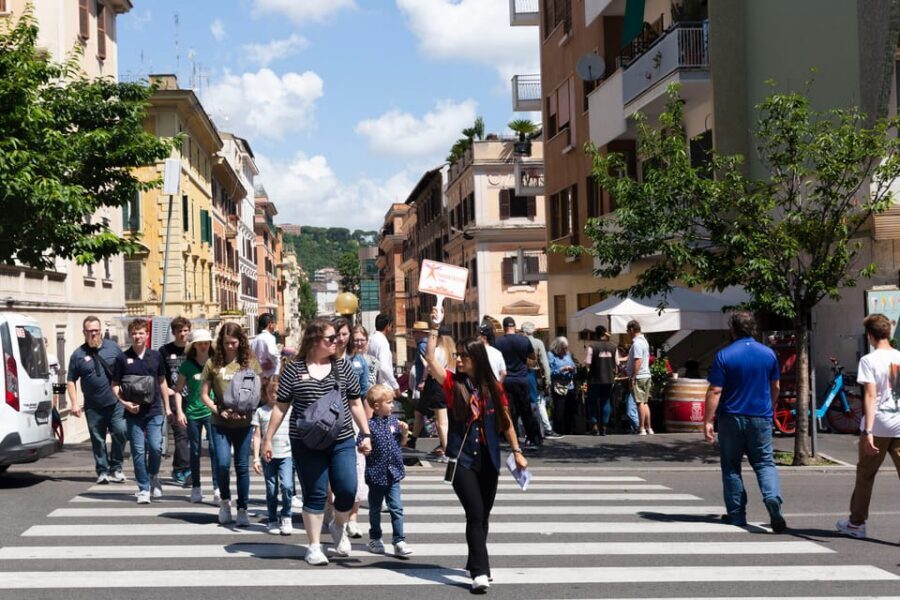
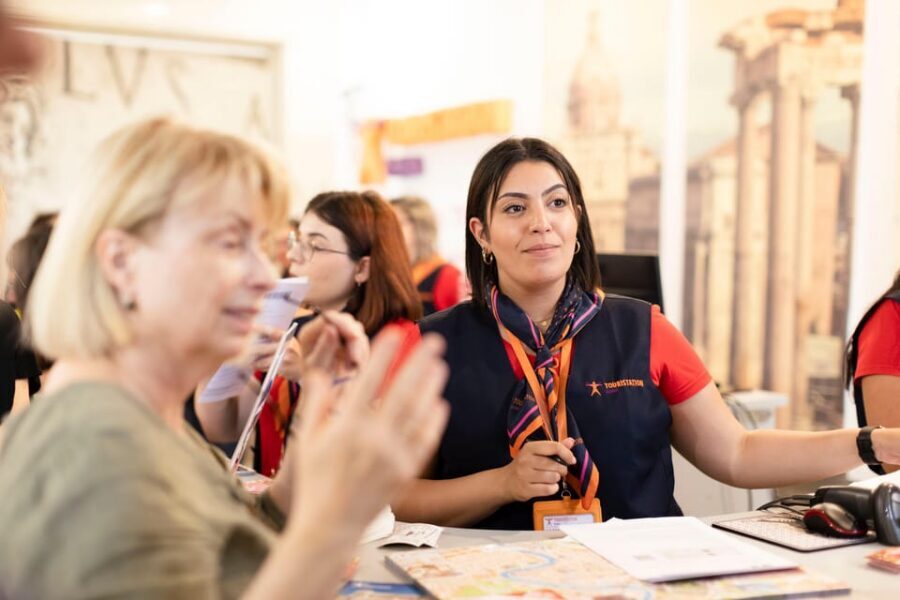
You redeem your voucher at TOURISTATION ARACOELI at Piazza d’Aracoeli 16 (look for the fountain under restoration and orange flags). The big practical win here is the 30-minute multimedia video on Ancient Rome. It’s produced by a well-regarded company and credited to UNESCO, BBC, and National Geographic. Whether you’re a history fan or a “show me what to look at” traveler, that video helps you connect names and places to real ruins.
Why that matters: later, when your guide points out things like the Curia or the Temple of Saturn, you’ll understand what role each space played. Without that primer, those stone remains can feel like a photo you’ve seen before. With it, they become a map of power—politics, religion, law, and commerce all packed into one city center.
Also: the Touristation office is not next to the Colosseum. It’s on the Piazza Venezia side. Build extra time into your day so you’re not sprinting across Rome trying to “catch” your own tour.
More Colosseum + Vatican combos for the Colosseum & Ancient Rome
Roman Forum: politics, religion, law, and the daily city
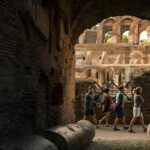
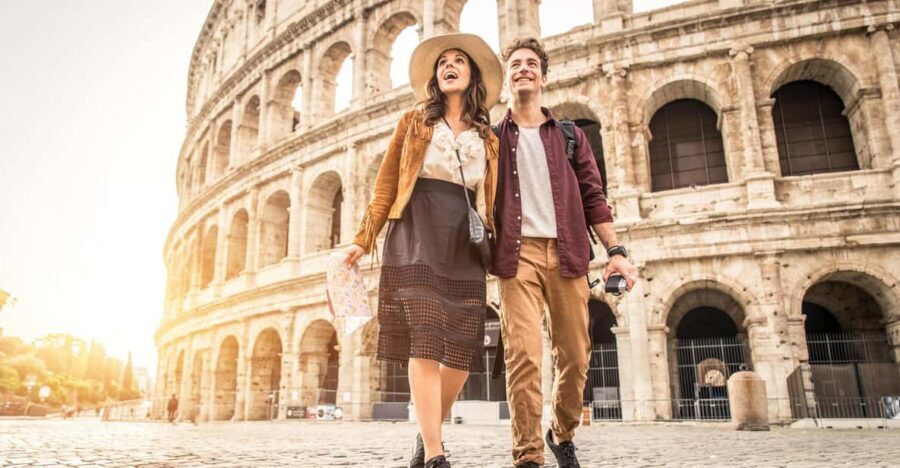
After the video, the route moves into the heart of ancient Rome: the Archaeological Area of the Roman Forum.
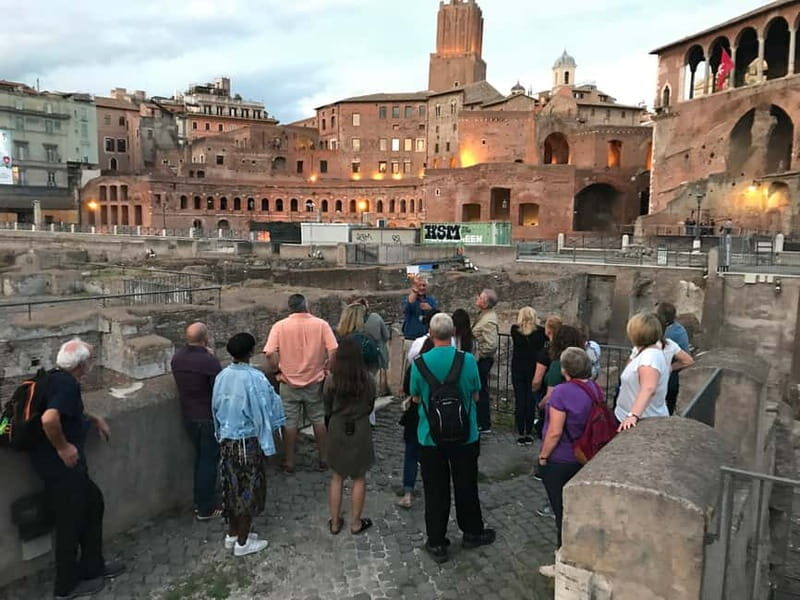
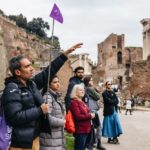
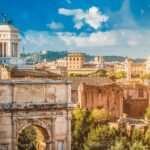
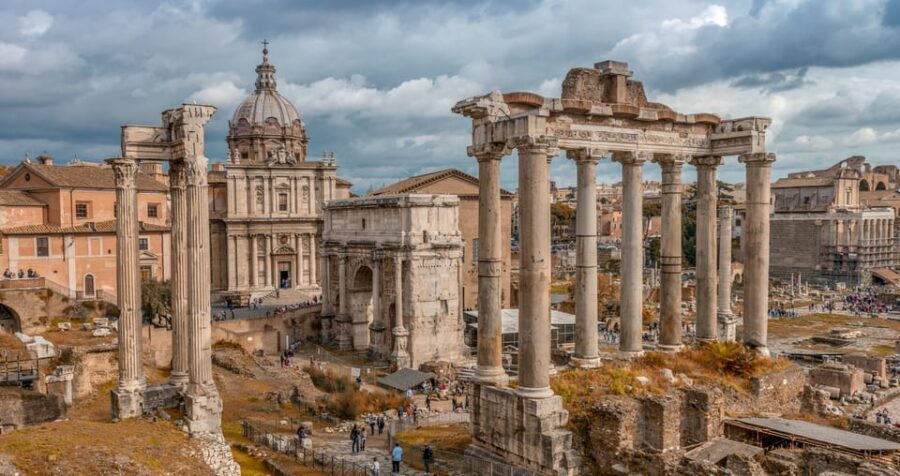
Your guide sets the scene: over time, the Forum became the political, religious, economic, legal center, and a marketplace. That sounds broad, but it’s useful because the Roman Forum isn’t one monument—it’s a whole working system of civic life. Your job as a visitor is to learn what each major structure was for, and your guide does that with clear explanations as you walk.
What you can expect to see and learn (based on what the tour route covers):
- Curia: tied to Rome’s governmental function
- Arch of Septimius Severus: a triumphal statement connected to imperial authority
- Tabularium: linked to records and administration
- Temple of Saturn: religious and economic symbolism, not just “pretty ruins”
You’ll also walk along Via Sacra, the ceremonial road that connected political and religious Rome to major landmarks. This is one of those “small” things that ends up being a big deal. If you understand Via Sacra as a spine of the city, the rest of the walk makes more sense. You’re not wandering—you’re moving along the route people used when the city was alive.
Practical tip: wear comfortable shoes. The Forum is uneven and spread out. This is where headsets help too—because you’ll be straining to look and also to hear.
Entering the Colosseum: engineering, power, and spectacle
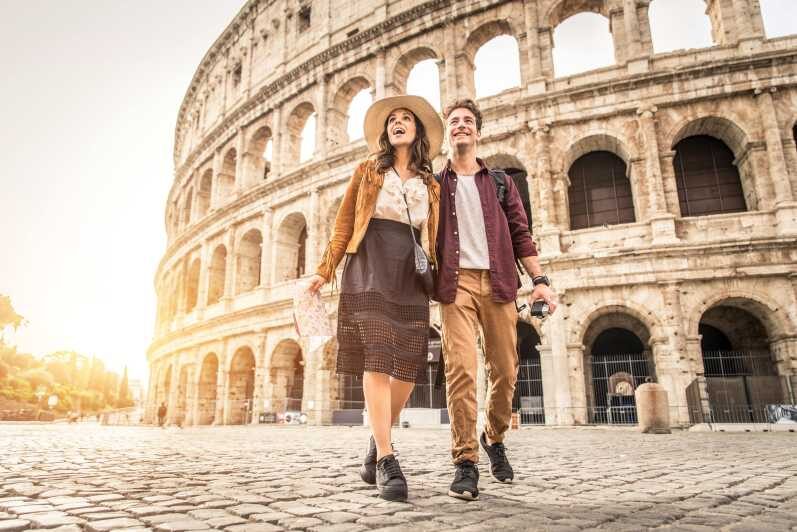
Then comes the main event: the Colosseum.
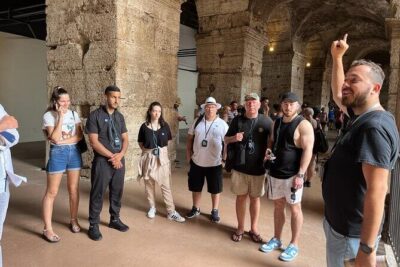
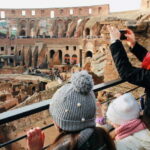
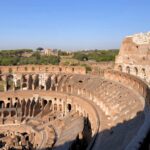
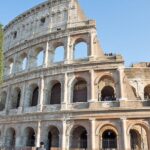
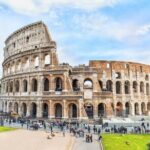
The tour doesn’t just say “it’s huge.” It explains why. Your guide frames the Colosseum as a masterpiece of Roman engineering, and as the largest arena built by the Roman Empire. That’s the foundation. From there, the stories turn the building into a machine for public drama.
You’ll hear about the kinds of events that made it famous:
- gladiatorial fights
- naval battles
- wild animal hunts
- entertainment staged for long runs—up to about 100 days
Here’s the value for you: the Colosseum is often sold as pure spectacle. This guided approach helps you understand it as a political display too. The Roman Empire used entertainment to show control, authority, and wealth. That changes how the building feels when you’re standing inside. It stops being only a bucket-list photo site and becomes a symbol of how the empire managed people and attention.
And yes, you’ll also get the context around nearby monuments your guide highlights, including the Arch of Constantine. It’s not random—Constantine used an older imperial monument style to announce a new era. That’s exactly the kind of connection a guided tour is good at making.
Skip-the-line tickets and what they can save you
You’re paying for time, not just entry. This tour includes skip-the-line tickets to both sites: the Colosseum/Roman Forum area and the Vatican Museums + Sistine Chapel.
What that means in real life:
- You’re less likely to spend the day stuck in queues that drain your energy.
- You can keep a steadier rhythm, which matters because Vatican Museums are long and physically demanding.
- It reduces the “plan your whole day around lines” stress.
Still, manage expectations. Skip-the-line does not mean “no lines anywhere.” It means you’re using a route that’s designed for guided access, not general admission chaos.
Also important: transfer between attractions isn’t included. This combined tour runs over 2 days (with starting times depending on availability). The Vatican portion can be scheduled for the same day or the following day. You’ll handle the gaps yourself unless you’ve built your Rome plans around the tour’s schedule.
Vatican Museums in 3 hours: a route built for first-timers
On the same day or the next day, you switch gears to the Vatican Museums and Sistine Chapel.
This is a 3-hour guided tour that focuses on galleries most visitors hope to hit, without pretending you’ll see every hallway and every ceiling. Your guide takes you through key collections and then positions you so you can enjoy the big artistic milestones.
The route includes stops such as:
- Egyptian Museum
- Etruscan Museum
- Greco-Roman areas
- Renaissance Art Collections
And you’ll spend time in galleries where the guide points out what to look for—frescoes, statues, tapestries, and historical maps. If you’ve ever walked Vatican rooms and felt overwhelmed, that’s the problem this tour tries to fix: it gives you a sequence.
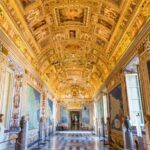
You’ll also encounter practical visual “anchors,” including named places like the Gallery of Maps and the Pinecone Courtyard. These are the kinds of spots that help your brain organize the vast museum complex. They also help you remember what you saw once you’re back outside.
One note you should take seriously: at the meeting point, staff help you reserve the Vatican and Sistine Chapel guided tour as part of the overall experience. That makes the process smoother, but it also means your schedule is tied to the tour’s structure.
Other guided tours in Rome
The Borgia Apartments, Raphael, and the kind of art that needs a guide
One of the most standout parts of the Vatican half is the visit to the Borgia Apartments, including rooms painted by Raphael. It’s the sort of highlight that can be easy to miss if you’re trying to “self-tour your way” through the Vatican.
Why a guided stop helps here: the Vatican is full of masterworks, but what you’re looking at can still feel like names on labels. A good guide turns those names into context. With Raphael-connected rooms, you get a stronger sense of how Renaissance art moved ideas forward—style, theology, and politics all stitched together in paint.
You’ll also see the Vatican Pinacoteca and visit other major areas on the guided route. The tour’s structure matters: it routes you through major collections early enough that you don’t burn your energy on small rooms first.
If you’re expecting every Vatican building, keep it grounded: this tour focuses on Vatican Museums and the Sistine Chapel. St. Peter’s Basilica isn’t listed here, so if that’s a must, you’ll need to plan it separately.
Sistine Chapel: standing inside Michelangelo’s Judgement Day

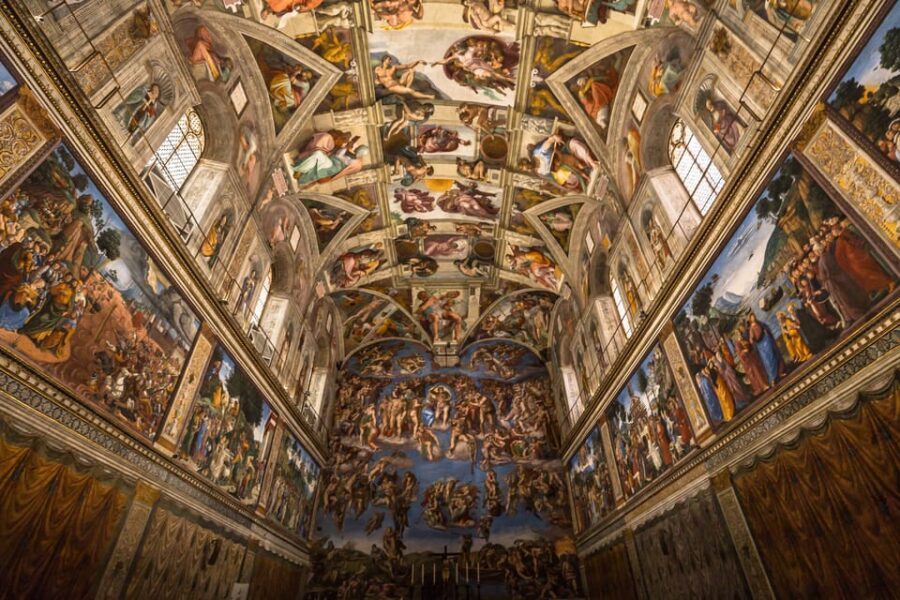
Finally, you reach the Sistine Chapel and experience it with guided direction.
Your tour explicitly aims you at the famous Michelangelo work: the Judgement Day scene. You’ll also encounter other artists featured in the chapel, including works attributed to Botticelli, Ghirlandaio, Pinturicchio, and Perugino.
Here’s what I’d tell you to do inside: don’t try to read everything at once. Instead, use your guide’s cues to pick a few key details and let those anchor your attention. The chapel can feel overwhelming if you’re scanning randomly, like you’re speed-reading a museum.
Also, take seriously the access reality: the Vatican Museums reserve the right to close any section, including the Sistine Chapel, due to unforeseen circumstances. If that happens, the closure does not entitle visitors to a refund. That’s a tough break, but it’s better to know up front than to hope your perfect plan can’t be disrupted.
What’s included, what’s not, and where costs really land
At $203.91 per person, the price looks steep at first glance—until you break down what you actually get.
Included:
- assistance at the meeting office and the structured start
- the Ancient Rome multimedia video
- Roman Forum and Colosseum entry tickets
- Vatican Museums and Sistine Chapel skip-the-line tickets
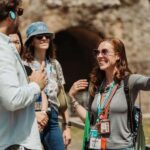
- a professional guided tour
- headsets for clearer audio
Not included:
- hotel pickup/drop-off
- transfers between attractions
- a Palatine Hill guided tour
There’s also an important detail about the Colosseum ticket: the Colosseum entry price is €18.00, and the difference is for ancillary services. That signals you’re paying for the guide, the ticketing organization, and the “time saved” access strategy—not just the monument entry itself.
Value-wise, this tour is most attractive if:
- you want two of Rome’s biggest sites without building your own route
- you prefer guided context instead of museum wandering
- you care about hearing explanations clearly (headsets help)
- you’re traveling with limited days and don’t want to “waste” hours in lines
If you enjoy total self-direction, you might be able to do both areas alone. But if you don’t want to spend your time researching and planning, the guided structure is where the money goes.
Timing, ID rules, and the small details that can wreck a day
A few rules here are not “nice to know.” They’re make-or-break.
Bring a passport or ID card. It’s mandatory for all participants, and a copy is accepted for children. Also: if you’re late, you won’t be accommodated. That’s one reason to build buffer time around your meeting.
One more logistics detail: you meet at Piazza d’Aracoeli 16, where there’s a fountain under restoration and orange flags. The office being on the Piazza Venezia side means you can’t assume it’s “next to the Colosseum.” If you show up at the Colosseum entrance thinking the guide will be there, you’ll waste time and risk missing your window.
For comfort, pack comfortable shoes. Rome walking plus museum floors equals real fatigue.
Languages are English and Spanish, and there’s an optional audio guide in English. If you’re bilingual, you can follow along easily. If your language needs are strict, you’ll want to confirm the tour language at the start since the plan mentions both.
Who should book this combined Colosseum and Vatican tour?
This is a great fit if you want:
- a guided overview of ancient Rome and Vatican art in a tight schedule
- less time spent standing in queues (skip-the-line tickets)
- a “first-timer friendly” route that includes major named highlights
It may not be the best fit if you want:
- deep, slow exploration without structure (this route is time-built)
- St. Peter’s Basilica included as part of the Vatican portion, because this tour lists Vatican Museums and the Sistine Chapel, not the Basilica
If you’re traveling with mobility limits, you’ll want to factor in that extensive walking is part of the experience. The tour notes free admission for disabled visitors with certification, and if the person isn’t self-sufficient, a companion is also covered. That can help, but it doesn’t remove the physical demands of walking through major sites.
Should you book it?
I’d book this if your goal is to see the Colosseum + Roman Forum and the Vatican Museums + Sistine Chapel without turning your vacation into a logistics project. The combination of skip-the-line entry, headsets, and a guided route through the big named highlights is exactly what you want when you only have a couple days.
I’d pause and reconsider if:
- you’re the type who hates group pacing
- you’re hoping this includes St. Peter’s Basilica (it doesn’t list it)
- you can’t afford the risk of Vatican section closures affecting what you see, since closures of the Sistine Chapel do not come with refunds
If you’re an on-time, comfortable-shoe, big-sites-in-short-time kind of traveler, this tour is strong value. You’re not just buying tickets—you’re buying a clear path through two of the most overwhelming places on Earth.
FAQ
Where do I meet for the Colosseum and Roman Forum part?
You redeem your voucher at TOURISTATION ARACOELI, Piazza d’Aracoeli 16. Look for the fountain under restoration and orange flags. This office is not next to the Colosseum.
How long is the tour, and how are the two days used?
The experience is listed as 2 days. The Vatican Museums and Sistine Chapel part can be scheduled on the same day or the following day, depending on available starting times.
Is Palatine Hill included?
No. A Palatine Hill guided tour is listed as not included.
What’s included for the Vatican Museums and Sistine Chapel day?
You get a professional 3-hour guided tour of the Vatican Museums, plus skip-the-line entry to the Vatican Museums and Sistine Chapel, with headsets included.
What happens if the Vatican Museums or Sistine Chapel close?
The Vatican Museums reserve the right to close any section, including the Sistine Chapel, due to unforeseen circumstances. Closure of any section does not entitle visitors to a refund.
Do I need an ID or passport?
Yes. It’s mandatory for all participants to bring a valid identity document (passport or ID card). A copy is accepted for children.