REVIEW · ROME
Colosseum and Roman Forum Private Tour with an Archaeologist
Book on Viator →Operated by Askos Tours · Bookable on Viator
Roman ruins make sense with the right guide. This private archaeologist-led tour gives you real context on the spot, plus a second-tier panorama that most people never see. I like the undivided attention you get as you move through the big monuments, and I like how the guide pairs stories with what you’re actually standing next to. One drawback: it’s a tight 3 hours, so you’ll focus on major highlights rather than every surviving corner of the sites.
The Colosseum and Roman Forum are huge, crowded, and easy to misunderstand on your own. With this format, you get a planned route, a clear sense of what matters, and help with the practical parts of entry—so you spend your energy looking, not figuring out what to do next.
In This Review
- Key things to know before you go
- How a private archaeologist guide changes the Colosseum and Forum
- Timing and route: what 3 hours actually feels like
- Entering the Colosseum: second-tier views that make the building click
- The Arch of Titus: a quick stop with big political meaning
- Roman Forum highlights: putting Maxentius, Vestals, and Caesar on the same map
- Velian Hill to Constantine: seeing arches up close, not just in the distance
- Temple of Saturn and the treasury story
- Arch of Septimius Severus and 203 AD relief work
- Basilica Julia and the Temple of Castor and Pollux: the Forum’s everyday functions
- Price and value: why $207.01 can make sense here
- Practical must-dos: tickets, IDs, and what to bring
- Who this tour suits best (and who should look elsewhere)
- Should you book this Colosseum and Roman Forum private tour?
- FAQ
- How long is the Colosseum and Roman Forum private tour?
- Is this tour private or shared with other groups?
- What language is the tour offered in?
- Is admission to the Colosseum included?
- Where do we meet, and where does the tour end?
- What identification do I need for entry?
- Are there dates when the Colosseum is closed?
- What should I bring, and what’s not included?
Key things to know before you go
- Private archaeologist guide: You stay with one expert instead of bouncing between multiple bookings.
- Second-tier Colosseum view: You get a high, interior perspective that makes the structure click.
- Roman Forum routing that makes sense: Landmarks like the Altar of Caesar and Temple of Antoninus and Faustina are connected in your head.
- Tickets and reservation handled: Colosseum admission is included, so you’re not scrambling at the gates.
- Minimal walking, strong stops: It’s an efficient pace without marathoning across the ruins.
- You need name-matching ID: Bring the exact passport/ID details used for booking to avoid denied entry.
How a private archaeologist guide changes the Colosseum and Forum
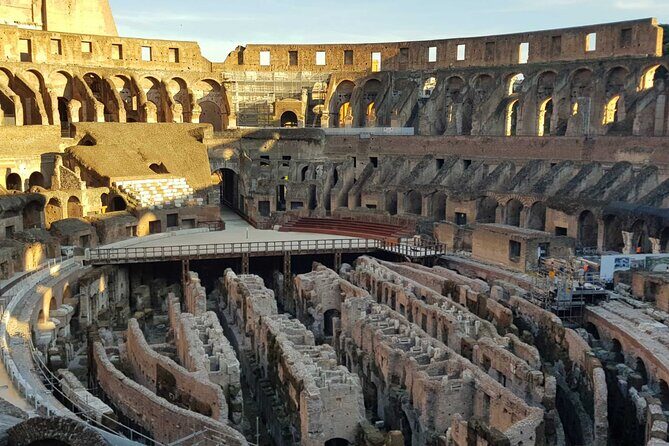
A big problem with the Colosseum and Forum is that both sites are so layered that it’s easy to look at stone and miss the meaning. A good guide turns the visit into a map in your head—who built what, what it was for, and how the buildings relate to everyday Roman life.
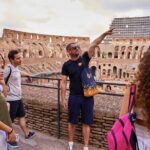
On this tour, the format is simple: you meet, you go in, and you stay with one archaeologist guide for the full route. You’re not trying to decode history from a phone app while a crowd pushes behind you. And because it’s private, the guide can adjust for your pace—slow for questions, quick when you’re ready to move.
One more thing I appreciate: this tour is designed to get you to viewpoints and key structures that tend to be ignored when people rush. You’re not just checking boxes; you’re learning how the sites worked and what the Romans were trying to communicate with their monuments.
More Roman Forum tours for the Colosseum & Ancient Rome
Timing and route: what 3 hours actually feels like
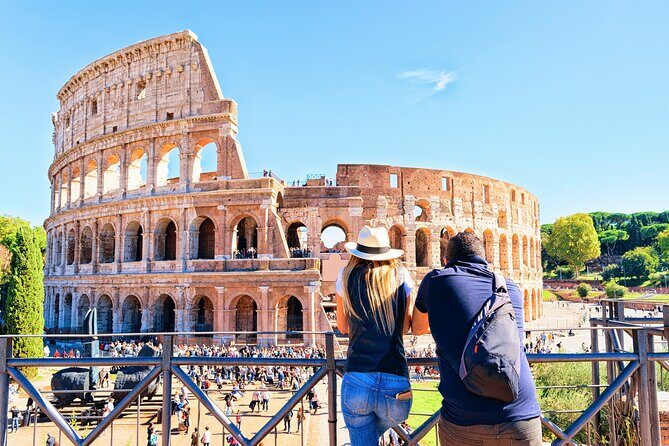
This experience runs about 3 hours. It’s a short enough window that you’ll feel the momentum, but long enough that the guide can explain what you’re seeing instead of talking at you like a recorded lecture.
The flow is built around two anchors:
- 1 hour in the Colosseum
- 2 hours in the Roman Forum
You start at Piazza del Colosseo, 21 and the tour ends outside the Roman Forum. That matters because you avoid the awkward end-of-day scramble. It also means you can plan a smooth next step—dinner, a short stroll, or whatever you want to do after the ruins.
The activity level is listed as minimal, which is a nice fit for many visitors. Still, you’ll be outdoors and on uneven stone, so comfort matters more than “fitness.”
Entering the Colosseum: second-tier views that make the building click
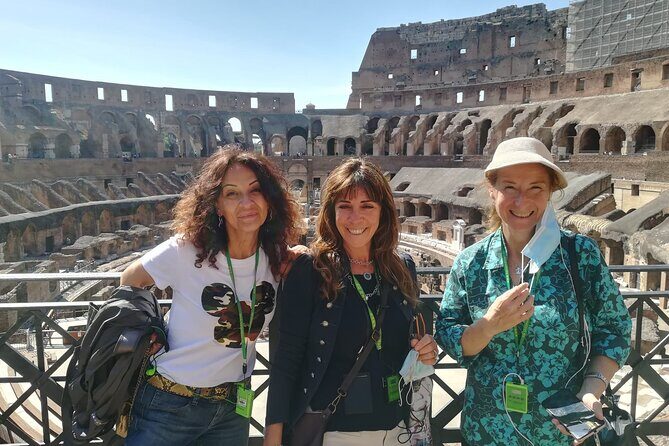
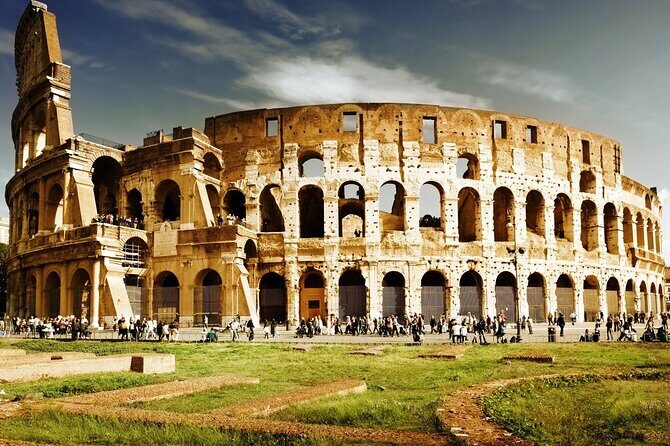
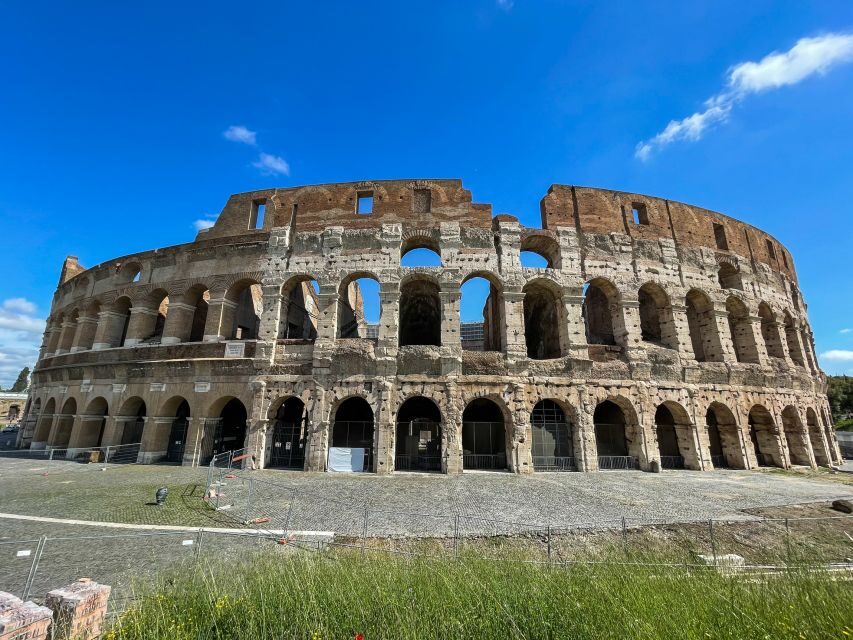
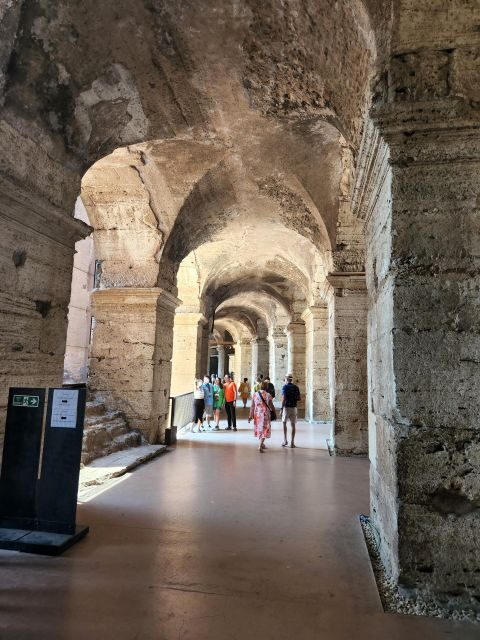
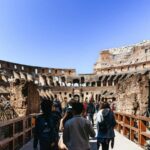
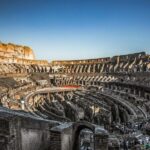
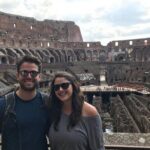
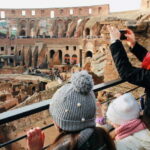
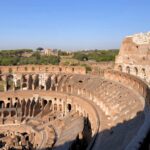
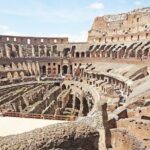
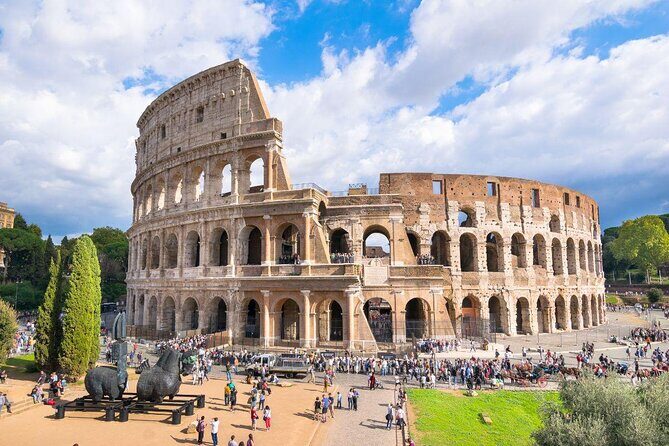
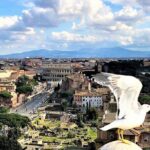
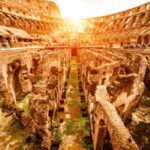
Your first major stop is the Colosseum, starting at second tier level. That alone changes the whole experience. From up there, you can see the monument’s internal layout and the square below like the structure was drawn for you.
The guide focuses on details that help you understand scale:
- a panoramic look into the monument
- the expansive foundation area
- remnants of the colonnade
- and the walls of the grand temple dedicated to Venus and Rome
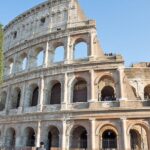
Instead of only admiring the outside shell, you get a sense of how the Colosseum functioned as a built stage—part architecture, part political statement. And since your guide is right there, you can ask why a wall survived where it did, or what you’re looking at when the site looks fragmented.
The other practical win: Colosseum admission is included, with a ticket and reservation fee included in the tour price. That reduces the stress when you’re dealing with security checks and busy entry lines.
The Arch of Titus: a quick stop with big political meaning
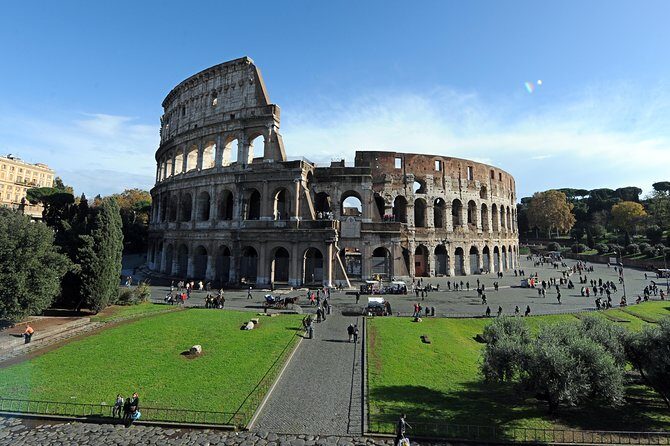
As you shift toward the Roman Forum, you pass the Arch of Titus. It’s a 1st-century triumphal arch celebrating Emperor Titus’s victory in Jerusalem. Even as a “short stop,” it’s worth paying attention to, because arches like this are basically Roman propaganda in stone.
The focus here is on the relief work and what it signaled to people walking in and out of the political center. If you’ve ever felt that Roman history is just a long list of emperors, this kind of stop helps you see how rulers used monuments to broadcast power.
Think of it as the warm-up act before the Forum starts. It gives you a clearer sense of what the Romans wanted visitors to understand as they entered their civic space.
Roman Forum highlights: putting Maxentius, Vestals, and Caesar on the same map
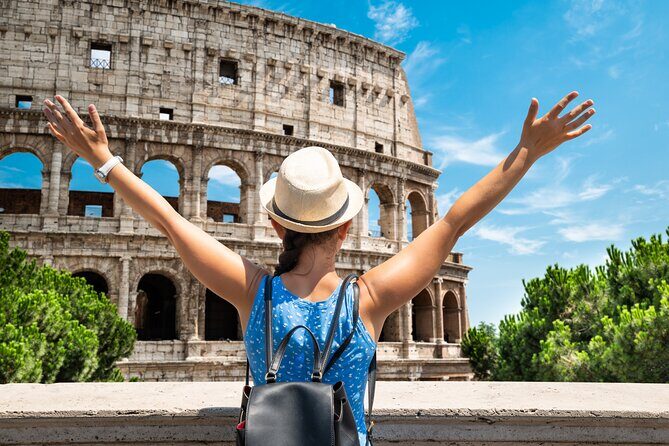
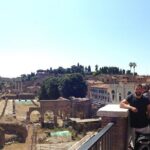
The Roman Forum is the ancient center of public life, and this tour treats it like a system instead of a scatter of ruins. You spend about 2 hours here, moving through several major landmarks that a first-time visitor can easily overlook or misplace.
Key places you’ll get to:
- Basilica of Maxentius
- House of the Vestals
- Temple of Antoninus and Faustina
- Altar of Caesar
The value is not just naming the sites. It’s learning how they fit into what Romans did day-to-day: law, religion, ceremony, and politics all packed into one walkable zone.
If you’re the type who likes to understand what you’re looking at, this is where the private guide really pays off. You’re not trying to interpret rubble. The guide helps you connect the structure’s purpose with the space around it, so your photos look less random later.
Other private tours in Rome
Velian Hill to Constantine: seeing arches up close, not just in the distance
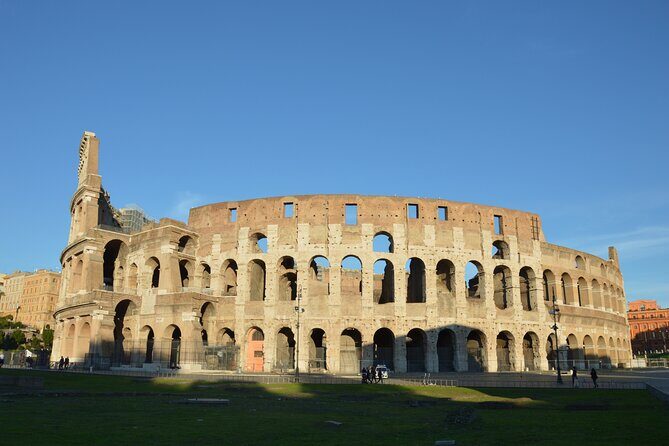
From the Forum core, the tour includes a leisurely stroll toward the Arch of Constantine, while you also take in the direction of the Velian Hill. This is one of those routes that benefits from a slower pace, because the details are easier when you’re not being pushed by a crowd.
The guide will help you focus on architectural intricacies and why they matter—especially in how arches frame public space. Constantine’s arch isn’t just a background photo opportunity. It’s part of the Forum’s message: power was visible, and visitors were meant to see it on purpose.
It’s a smart mid-tour transition. You’ve already heard about civic buildings and religious spaces. Now you get to see how Rome marked major moments and legitimacy across the urban landscape.
Temple of Saturn and the treasury story
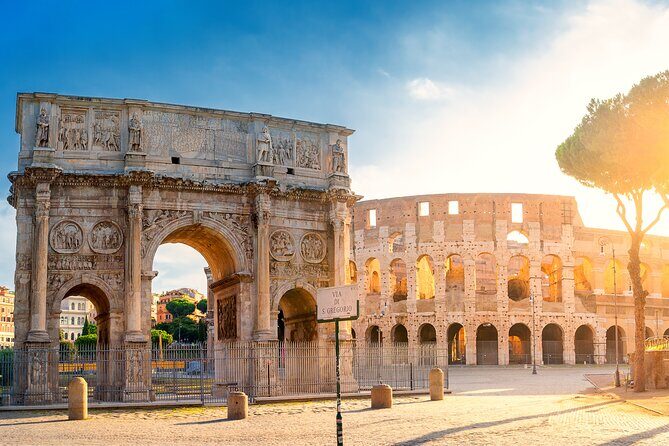
Next comes the Temple of Saturn, one of the most striking structures in the Forum area. This temple is famous for the eight surviving columns, and it also carries a practical Roman twist.
The guide explains that the temple originally served as the treasury of the Roman Empire. That’s the kind of detail that makes ruins feel less like dead stone and more like infrastructure.
When the guide points out surviving columns and how the temple was used, it becomes easier to picture what people did there beyond worship. It’s also a nice place to slow down and look carefully, since columns give you visual “handles” for understanding the original shape.
Arch of Septimius Severus and 203 AD relief work
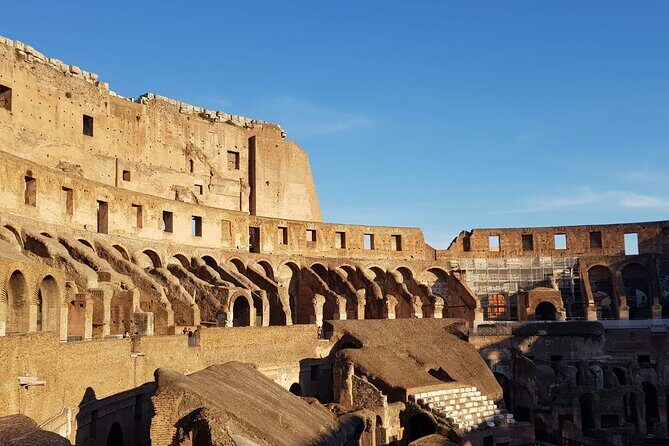
The Arch of Septimius Severus is another triumphal arch, and the tour treats it as more than a stop for quick photos. It was erected in 203 AD, and it commemorates victories of Emperor Septimius Severus and his sons.
What makes it especially interesting is the emphasis on the intricate reliefs and the arch’s grand design. Tracing what those figures represent helps you understand why the Romans built monuments that lasted. If you like symbolism and storytelling in stone, this stop rewards attention.
Also, arches give you a change of pace in a walk that can otherwise blur together. Your eyes get to reset, and your brain gets another “chapter” in the route.
Basilica Julia and the Temple of Castor and Pollux: the Forum’s everyday functions
You’ll also reach the Basilica Julia, a Roman civil basilica used for business and legal affairs. It was initiated by Julius Caesar, which is a nice anchor point for understanding how political power and public services overlapped in Rome.
The guide’s approach helps you move from “this looks old” to “this is where decisions happened.” Basilicas were among the practical engines of civic life, so recognizing their role makes the Forum feel more real.
Then there’s the Temple of Castor and Pollux, also called the Temple of the Dioscuri. It’s distinguished by three standing Corinthian columns and was dedicated to the twin brothers and demigods from Roman mythology. Even without getting too lost in names, you’ll come away with the clear takeaway: religion and identity were built right into public architecture.
Together, Basilica Julia and these temple stops round out the Forum story so it’s not only about emperors and arches. It becomes about institutions—how Rome ran.
Price and value: why $207.01 can make sense here
At $207.01 per person, this isn’t the cheapest way to see the Colosseum and Forum. The big question is whether the cost buys you something beyond a route and a headset.
In this case, the price includes:
- Private tour
- Archaeologist guide
- Admission to the Colosseum
- Colosseum entrance ticket (valued at €18 per person)
- Colosseum reservation fee (valued at €2 per person)
That means you’re not paying extra for the core entry piece, and you’re also paying for the service side: planning, on-site explanation, and staying together through the key parts of the route.
For me, the best value argument is timing and friction. When you’re dealing with timed entry realities and security checks, having a single guide taking point can save real energy. It also prevents the common first-timer problem: seeing everything and remembering nothing.
If you’re traveling solo and want maximum flexibility, this private setup is often the practical choice. If you’re on a strict budget, a group tour might get you in for less—but you’d give up the focused pacing and expert pairing of facts to specific spots.
Practical must-dos: tickets, IDs, and what to bring
This is where you should be strict, because the stakes are real. You must carry an identification document to access the Colosseum and Roman Forum. Your ID must match the name provided when you booked.
Also note:
- You must provide full names and ages for all travelers at booking.
- Failure to present a voucher containing the full names of all travelers before entry may lead to denied access to the Colosseum and the Roman Forum.
So before you leave your hotel, take 30 seconds to check your passport or ID and make sure it matches the booking details.
For comfort, wear comfortable shoes. In summer, the suggestion is light clothing, plus water, sunglasses, and a hat. Even with minimal activity level, you’ll still feel sun and walking on stone.
Finally, timing: the Colosseum is closed on December 25th and January 1st. Plan around that or choose a different date.
Who this tour suits best (and who should look elsewhere)
This tour is a strong match if you want:
- the attention of one archaeologist guide
- a clear route through the Colosseum and Forum without juggling separate plans
- help understanding what you’re seeing instead of reading captions alone
It also fits well if you’re newly arrived in Rome and want your first big ancient hit to feel organized. The guide-led entry, plus ticket inclusion, reduces stress on a day that can already feel chaotic.
It might be less ideal if you want a long, slow day at the Forum with lots of detours. With only about 3 hours, you’ll focus on the major highlights and the most legible structures.
Should you book this Colosseum and Roman Forum private tour?
Book it if you’re aiming for a first-rate orientation that turns ruins into meaning. The combination of private format, archaeologist guidance, and included Colosseum tickets makes it a practical choice—not just a sightseeing splurge.
Skip it if you already know the basics and you prefer roaming independently with your own pace and a flexible plan. In that case, you can still have a great day on your own—but you’ll lose the structured context and the guide’s ability to point out why each stop matters.
If your top priority is understanding plus an efficient route, this is a smart yes.
FAQ
How long is the Colosseum and Roman Forum private tour?
It runs for about 3 hours.
Is this tour private or shared with other groups?
This is a private tour. Only your group participates.
What language is the tour offered in?
The tour is offered in English.
Is admission to the Colosseum included?
Yes. Admission to the Colosseum is included, including the entrance ticket and reservation fee.
Where do we meet, and where does the tour end?
You meet at Piazza del Colosseo, 21, Rome, and the tour ends outside the Roman Forum.
What identification do I need for entry?
You must carry a valid passport or ID document, and it must match the name provided at booking. You’ll also need a voucher with the full names of all travelers before entry.
Are there dates when the Colosseum is closed?
Yes. The Colosseum is closed on December 25th and January 1st.
What should I bring, and what’s not included?
Wear comfortable shoes and, in summer, light clothing. Bring water, sunglasses, and a hat. Transportation and meals are not included.